Behind the Crime Scene - Page 4
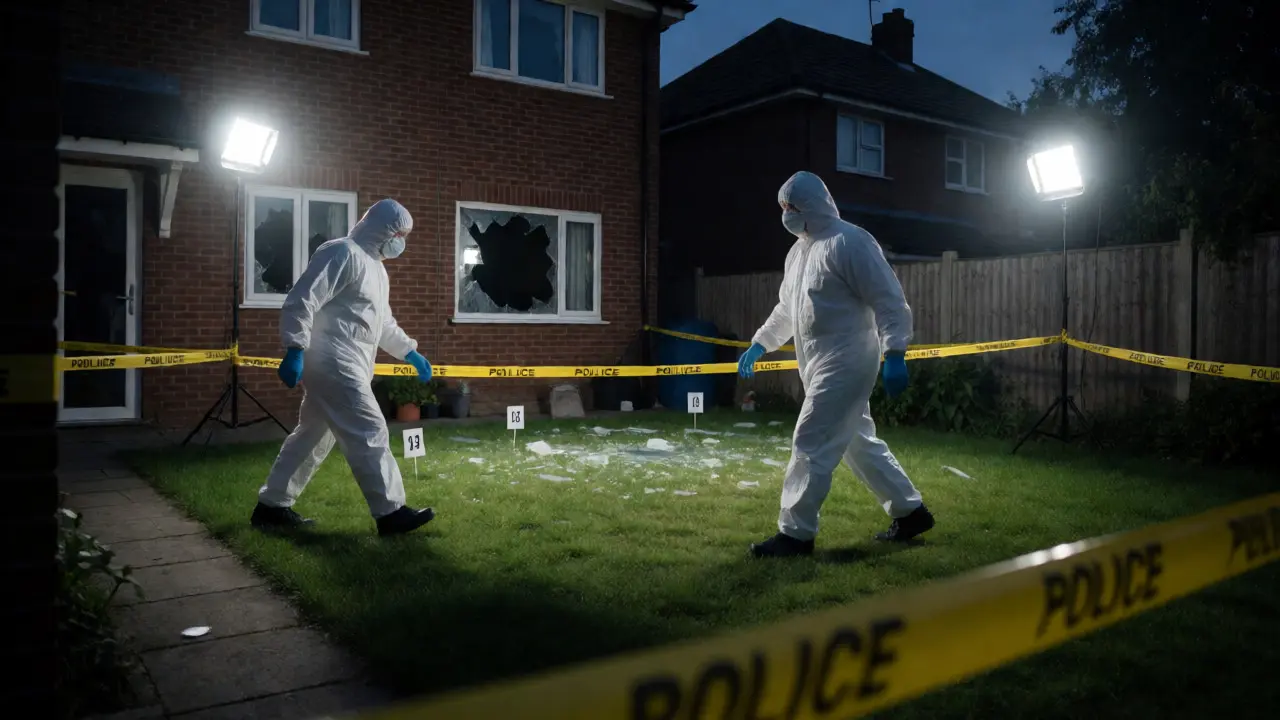
Crime Scene Search Patterns: Grid, Strip, and Zone Explained
- By : Ian Brophy
- Date : Sep 2 2026
Learn how to choose the right crime scene search pattern. We compare Grid, Strip, and Zone methods, explaining when to use each for maximum evidence recovery.

Voluntary Missing Adults: Investigation Protocols and Best Practices
- By : Ian Brophy
- Date : Sep 1 2026
Discover the investigation protocols for voluntary missing adults. Learn how to distinguish voluntary departures from danger using risk assessments, digital footprints, and legal guidelines.
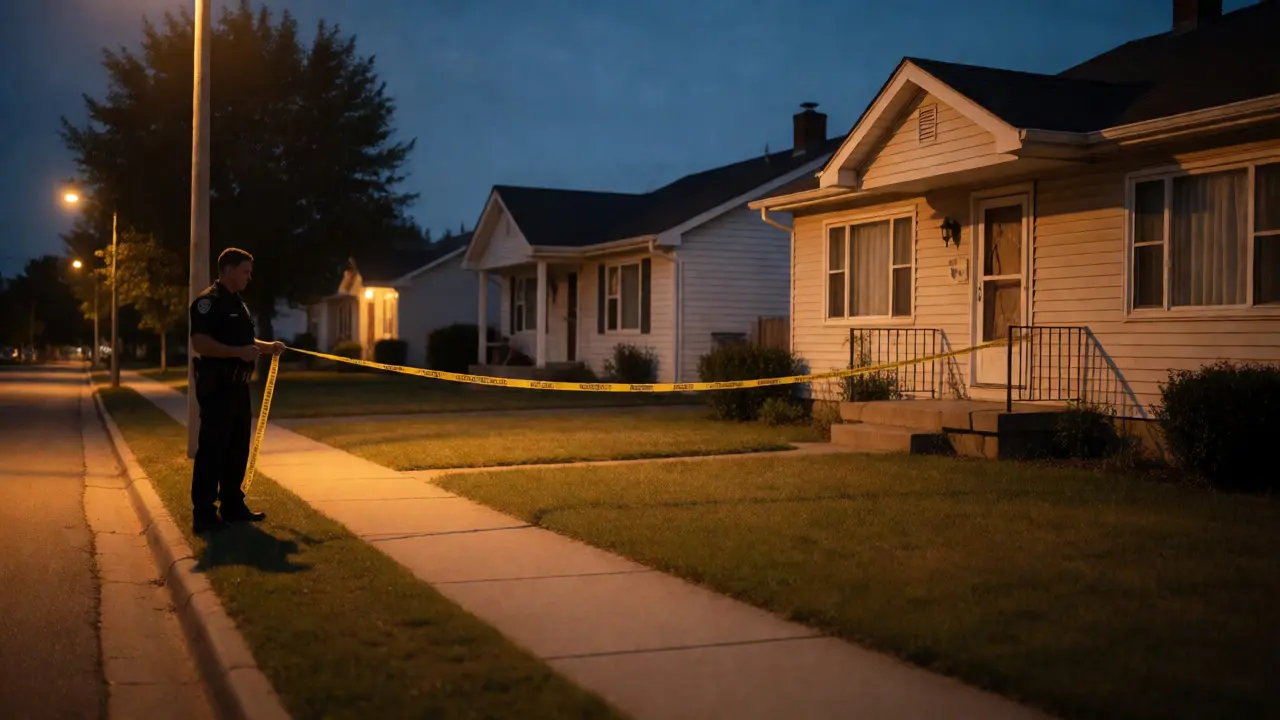
Crime Scene Perimeter Establishment: Expanding Boundaries Strategically
- By : Ian Brophy
- Date : Sep 1 2026
Learn how to establish and expand crime scene perimeters strategically. Discover why starting wide, controlling access, and adapting to environmental factors preserves critical evidence.

Tape Lifting: A Practical Guide to Collecting Trace Evidence
- By : Ian Brophy
- Date : Sep 1 2026
Learn the correct techniques for tape lifting trace evidence. Discover essential tools, step-by-step protocols, and common mistakes to avoid in forensic collection.
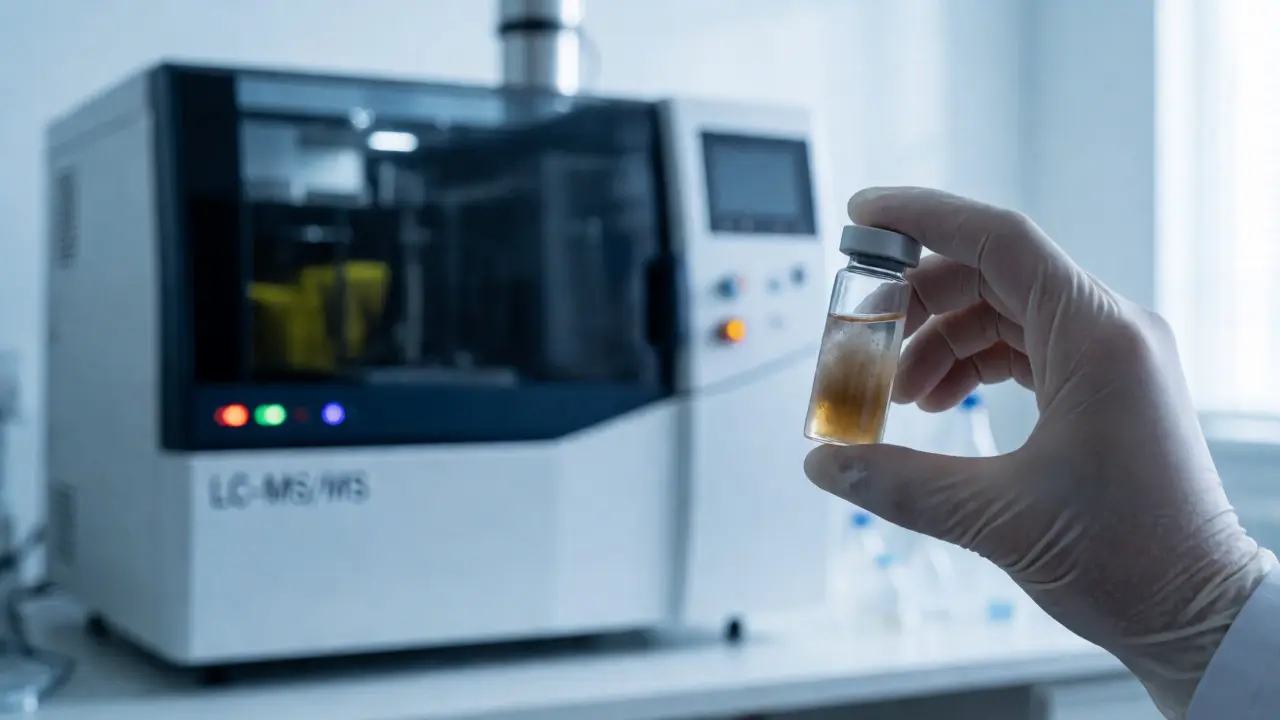
Synthetic Cannabinoids: Evolving Panels and Metabolites in Forensic Toxicology
- By : Ian Brophy
- Date : Aug 31 2026
Synthetic cannabinoids pose a major challenge for forensic toxicology due to their diverse structures and rapid metabolism. Standard THC screens often miss these novel psychoactive substances, requiring advanced LC-MS/MS and HRMS techniques. Learn why targeting specific metabolites is crucial for accurate detection and interpretation.
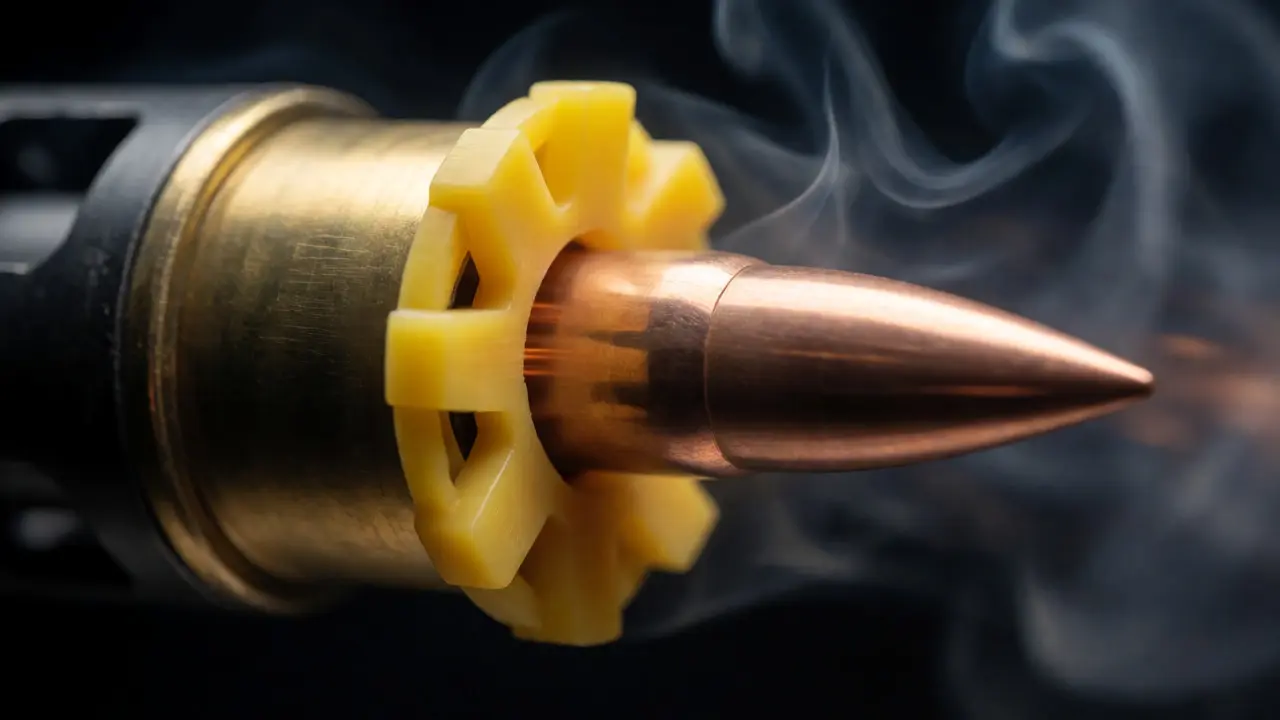
Unusual Ammunition: Sabots, Frangible Rounds, and Custom Reloads Explained
- By : Ian Brophy
- Date : Aug 31 2026
Explore the world of unusual ammunition including sabots, frangible rounds, and custom reloads. Learn how these specialized options improve accuracy, safety, and performance.
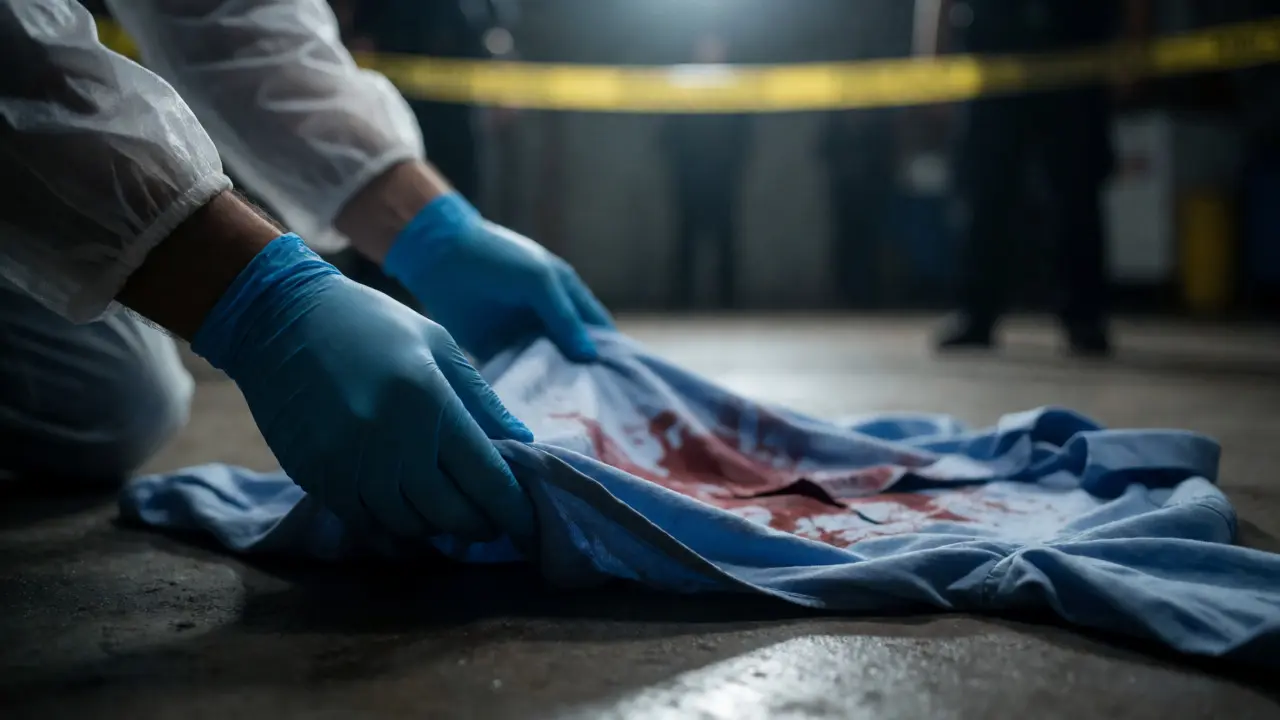
Cross-Contamination Prevention in Evidence Collection: A Practical Guide
- By : Ian Brophy
- Date : Aug 31 2026
Learn how to prevent cross-contamination during evidence collection. This guide covers PPE protocols, sterile handling techniques, and packaging best practices to maintain forensic integrity.
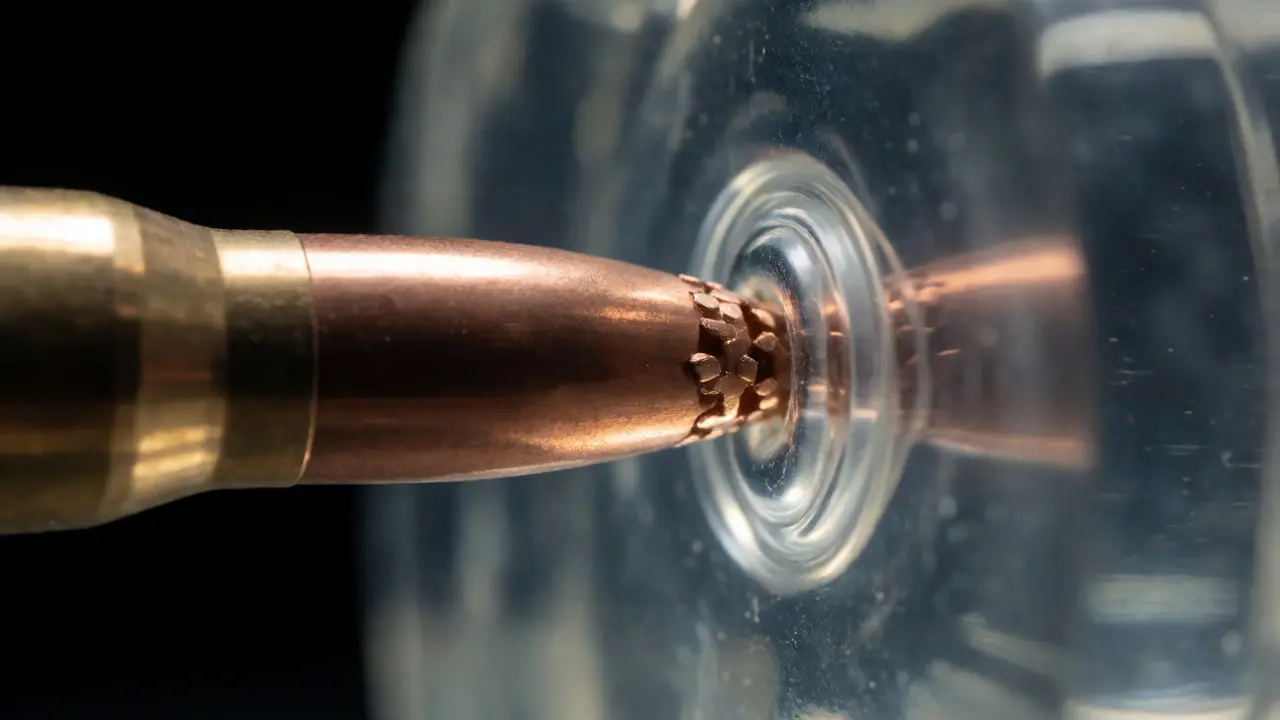
Bullet Fragmentation: Understanding Bullet Behavior in Ballistics
- By : Ian Brophy
- Date : Aug 30 2026
Discover how bullet fragmentation impacts terminal ballistics, forensic analysis, and shooting effectiveness. Learn the physics behind why bullets break and how to choose the right ammo.
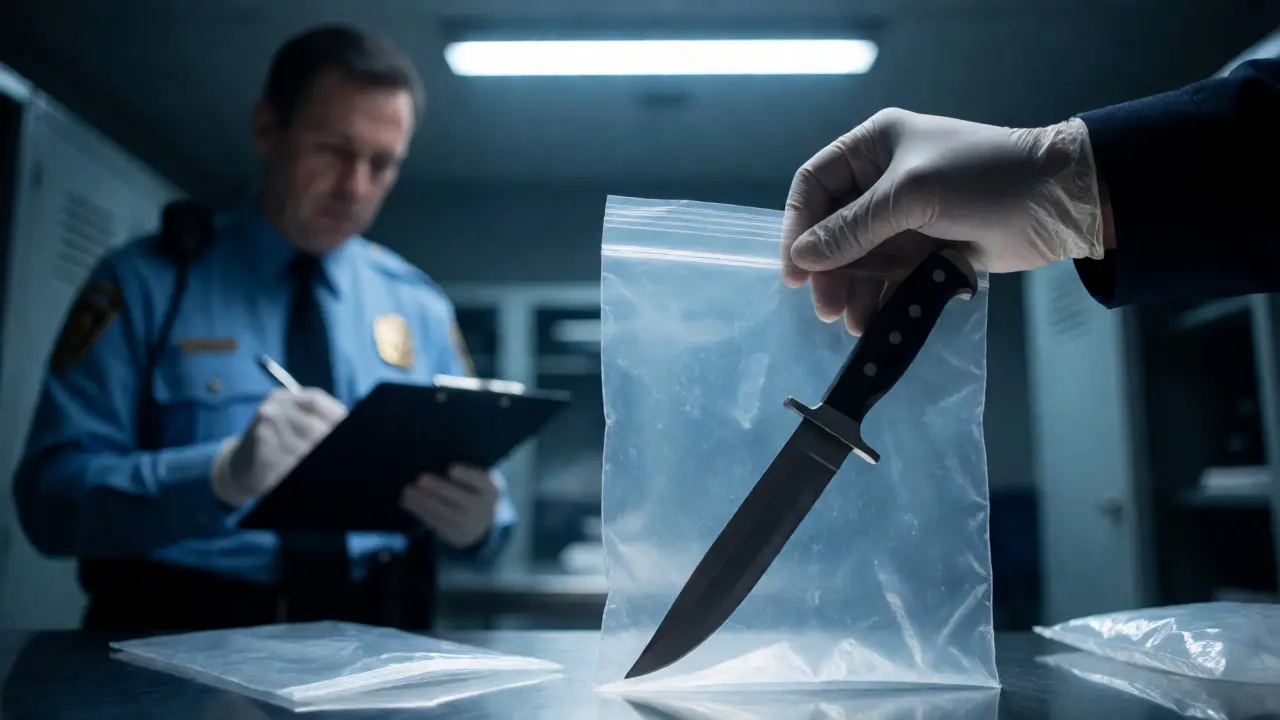
Chain of Custody Breaks: Suppression vs. Weight Arguments
- By : Ian Brophy
- Date : Aug 30 2026
Learn the critical legal distinction between suppressing evidence due to chain of custody breaks and arguing its reduced weight. Understand how judges and juries handle procedural errors.

Forensic Engineer: The Accident Reconstruction Expert
- By : Ian Brophy
- Date : Aug 30 2026
Discover the role of a forensic engineer in accident reconstruction. Learn how physics, data, and evidence solve complex crash mysteries.
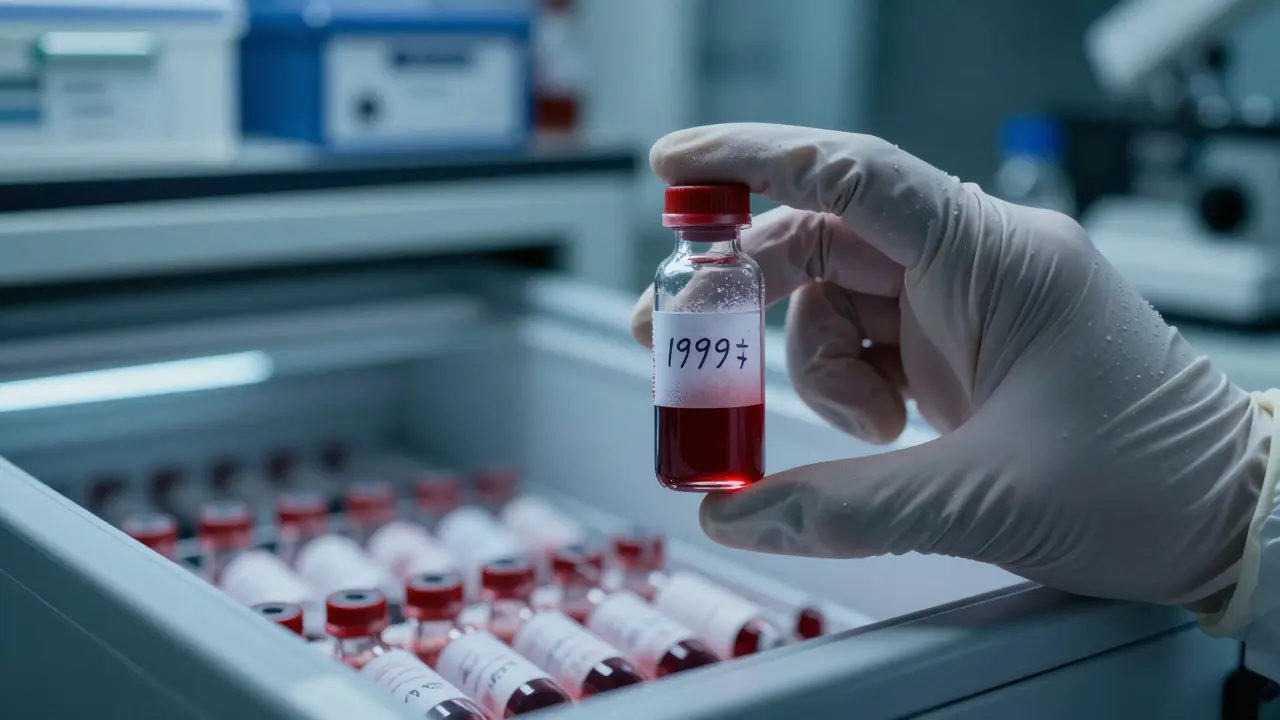
Cold Case Toxicology: How Retrospective Reanalysis Solves Mysteries
- By : Ian Brophy
- Date : Aug 29 2026
Discover how retrospective reanalysis solves mysteries in cold case toxicology. Learn why old samples hold new secrets and how modern tech changes justice.

Behavioral Analysis: Decoding Criminal Motivations
- By : Ian Brophy
- Date : Aug 29 2026
Discover how behavioral analysis decodes criminal motivations by interpreting crime scene evidence. Learn the difference between MO and signature, and how psychological profiles guide investigations.