Behind the Crime Scene - Page 2
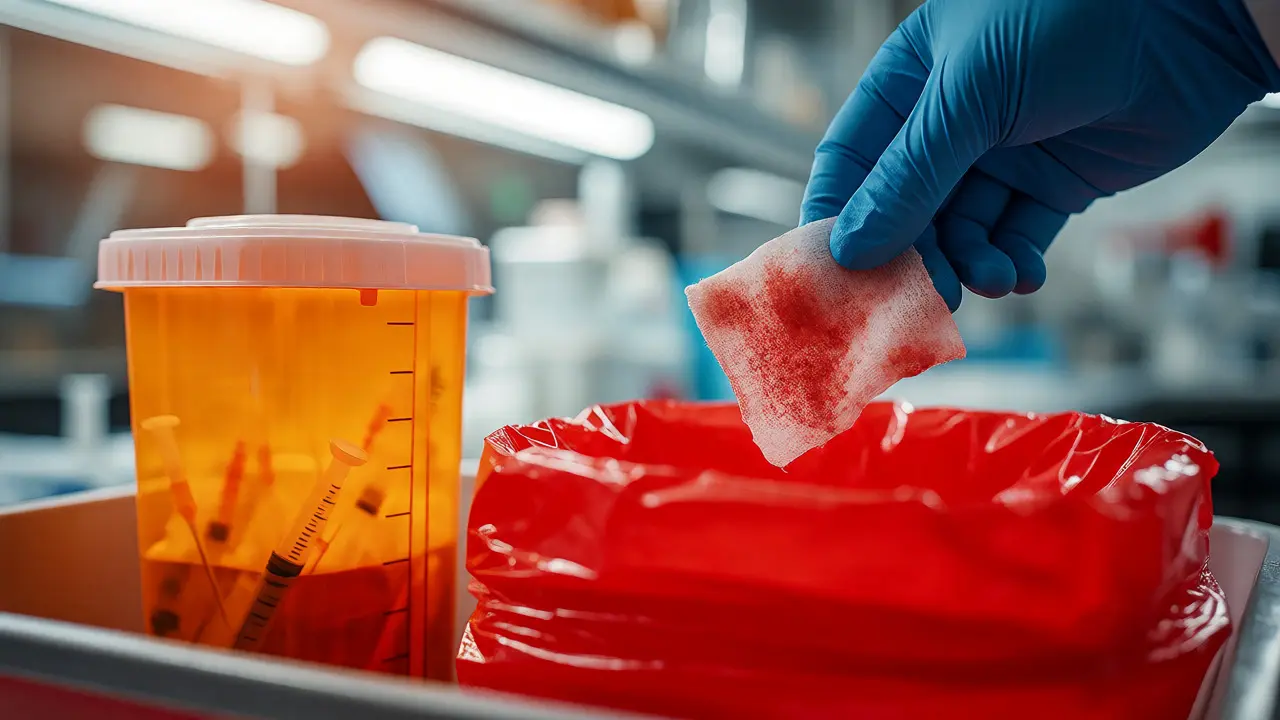
Disposal of Biohazard Materials: Regulatory Requirements
- By : Ian Brophy
- Date : Nov 15 2026
Navigate the complex world of biohazard disposal with this practical guide. Learn about OSHA regulations, proper segregation techniques, and treatment methods to keep your facility compliant and safe.
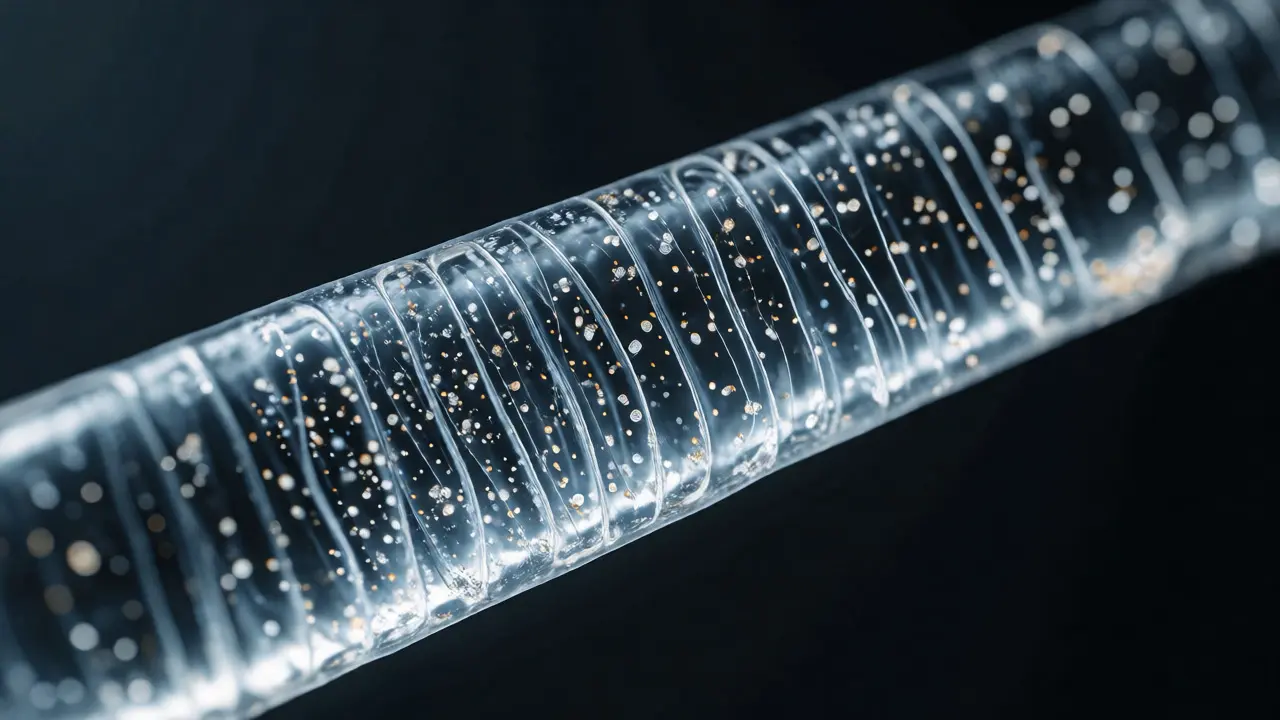
Hair Toxicology: How Long-Term Drug Use Detection Works
- By : Ian Brophy
- Date : Nov 15 2026
Discover how hair toxicology detects long-term drug use through segmental analysis. Learn about the science, limitations, and forensic applications of this non-invasive testing method.
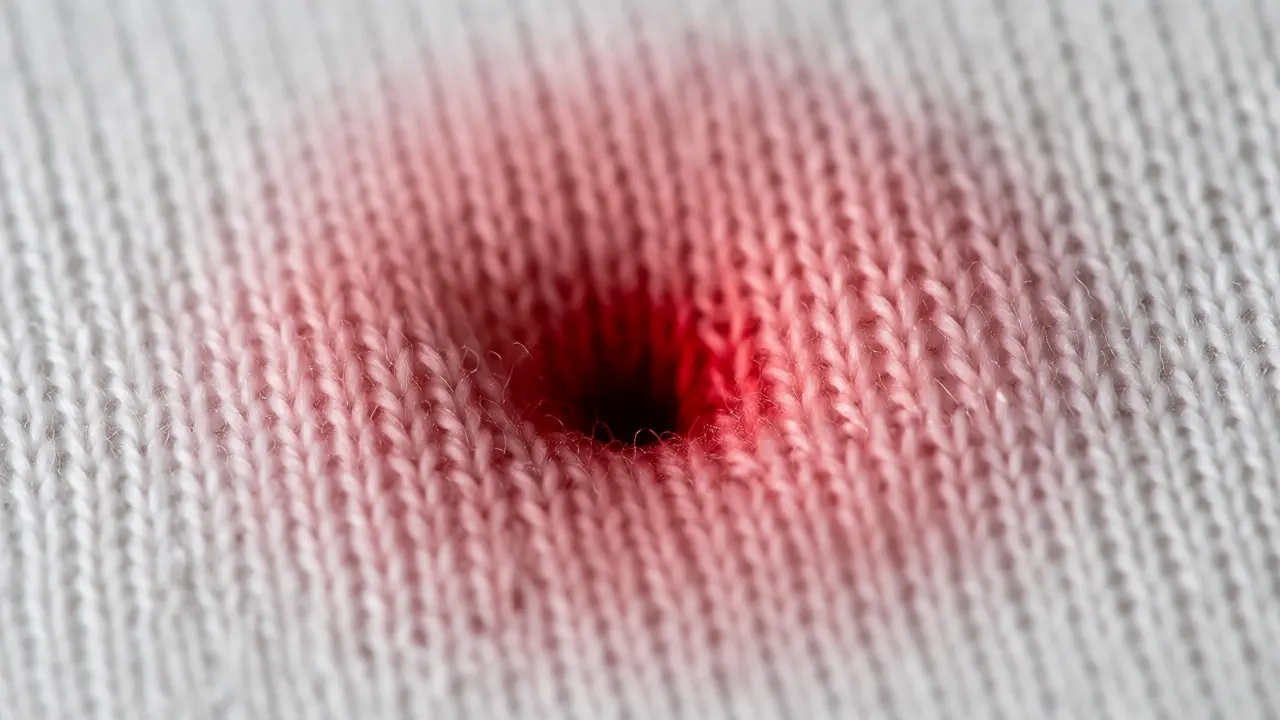
Fabric Interactions: How Weave Affects Bloodstain Patterns
- By : Ian Brophy
- Date : Nov 15 2026
Discover how fabric weave impacts bloodstain pattern analysis. Learn why cotton, polyester, and denim distort impact angles and how to correctly interpret voids and transfers on clothing.

Metadata Integrity: EXIF Data and Chain of Custody in Scene Imaging
- By : Ian Brophy
- Date : Nov 14 2026
Learn how to protect EXIF data and maintain chain of custody for scene imaging. Discover best practices for preserving digital evidence integrity and avoiding common metadata pitfalls.

Victim Selection: How Offenders Choose Targets
- By : Ian Brophy
- Date : Nov 14 2026
Discover how offenders choose victims using vulnerability, accessibility, and symbolism. Learn the difference between rational and predatory selection models.

Retained vs. Consulting Expert Reports: Key Differences and Uses
- By : Ian Brophy
- Date : Nov 14 2026
Understand the critical differences between retained and consulting experts in forensic reporting. Learn how privilege, disclosure rules, and costs impact your legal strategy.
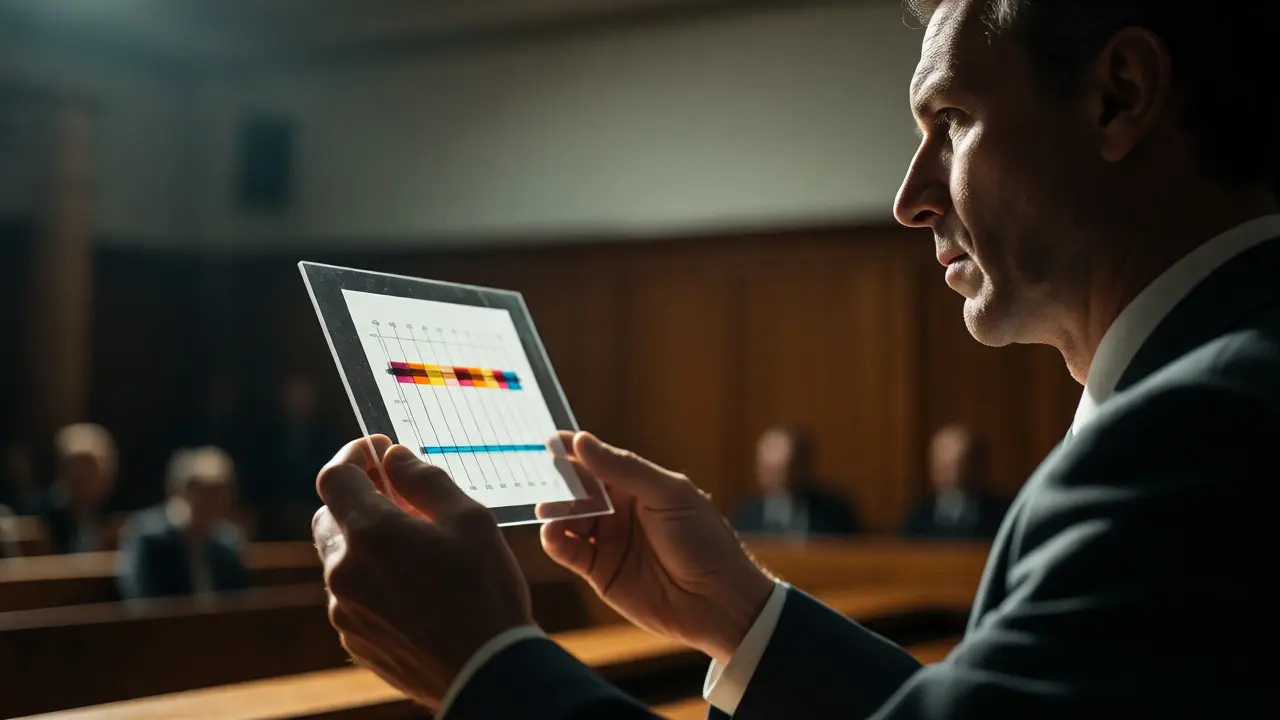
Ethical Rules for Expert Witness Communications: A Practical Guide
- By : Ian Brophy
- Date : Nov 13 2026
Master the ethical rules for expert witness communications. Learn how to maintain credibility, avoid common traps, and satisfy Daubert standards in modern courts.
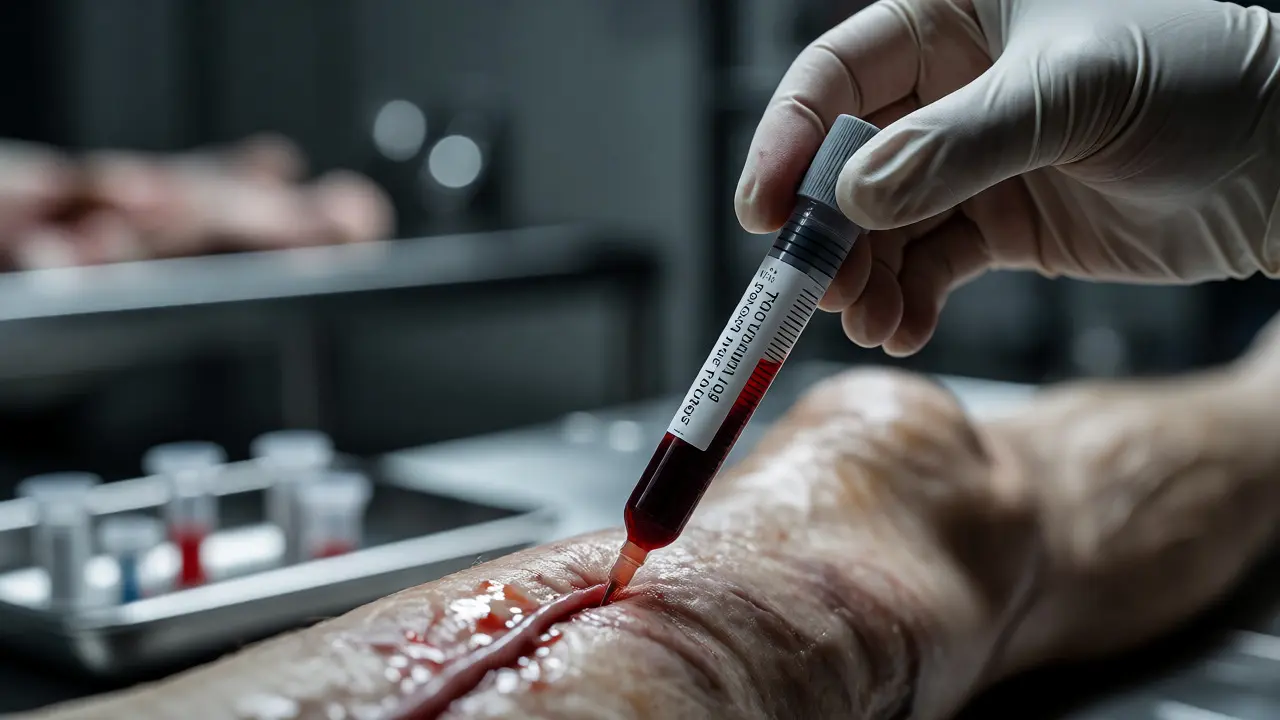
Toxicology Sampling During Autopsy: A Practical Guide for Forensic Pathologists
- By : Ian Brophy
- Date : Nov 13 2026
Learn the critical steps for toxicology sampling during an autopsy. Discover why femoral blood beats heart blood, how to avoid contamination, and essential specimen tips for forensic pathologists.
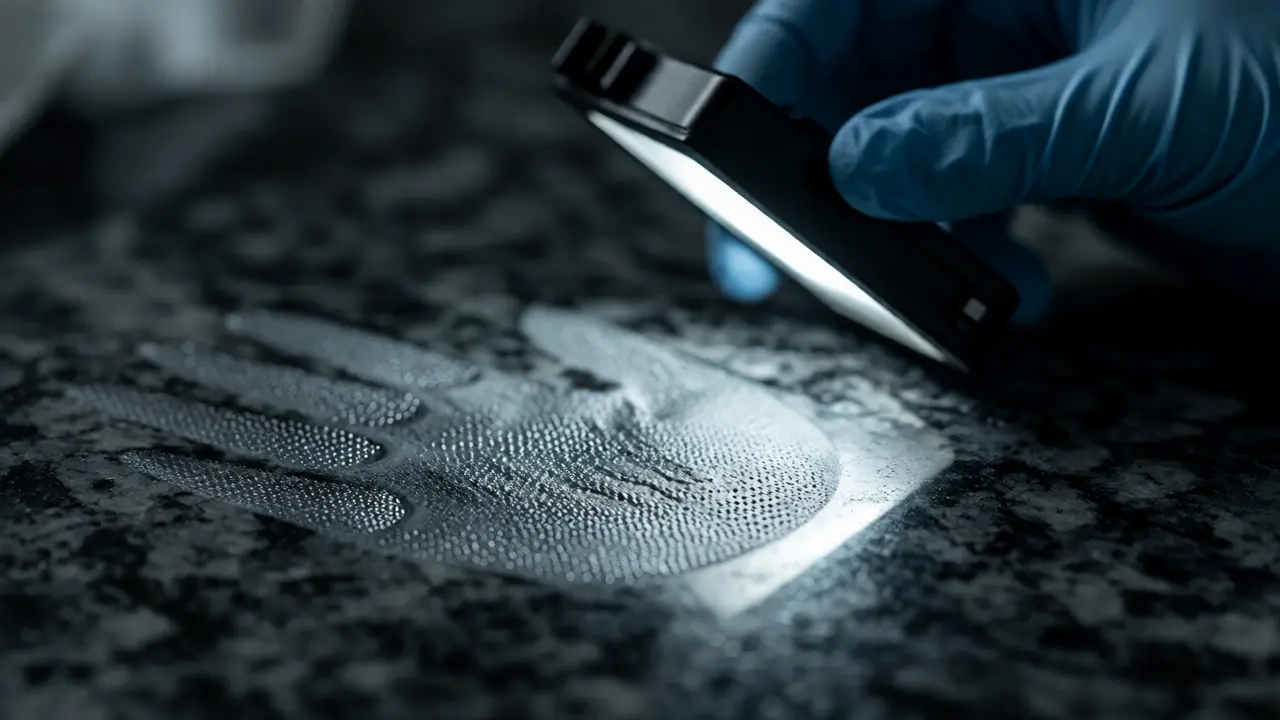
Glove Prints: Detection and Forensic Value
- By : Ian Brophy
- Date : Nov 13 2026
Discover how glove prints serve as critical forensic evidence. Learn detection methods, the role of manufacturing defects, and how investigators match impressions to suspects.

Forensic Job Interviews: Common Questions and Answers
- By : Ian Brophy
- Date : Nov 12 2026
Master your forensic job interview with insights on technical questions, ethical scenarios, and courtroom testimony. Learn how to showcase integrity and expertise.
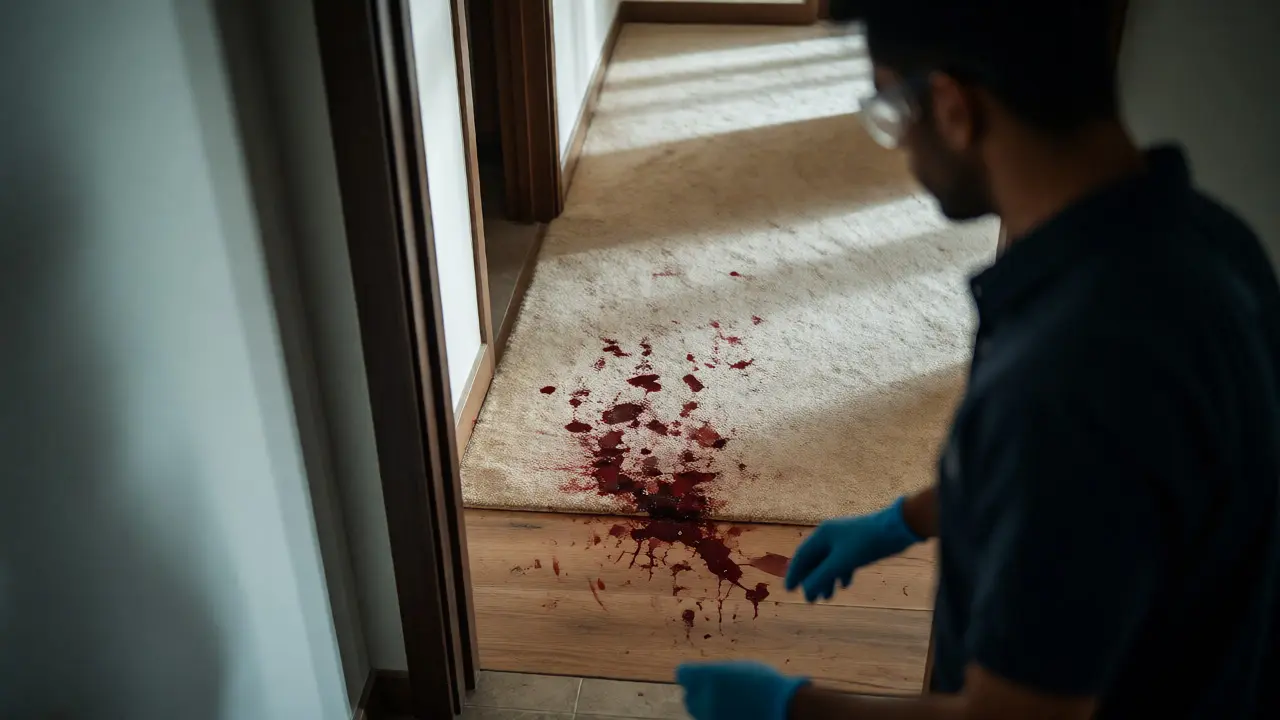
Universal Precautions in Biohazard Remediation: A Practical Guide
- By : Ian Brophy
- Date : Nov 12 2026
Learn why universal precautions are essential in biohazard remediation. Discover practical steps for PPE usage, common mistakes to avoid, and safety protocols to protect yourself from bloodborne pathogens.

Ridge Characteristics: A Practical Guide to Minutiae Identification and Comparison
- By : Ian Brophy
- Date : Nov 12 2026
Discover how ridge characteristics and minutiae drive accurate fingerprint analysis. Learn to identify key features like bifurcations and endings, understand comparison logic, and grasp the role of AFIS in modern forensics.