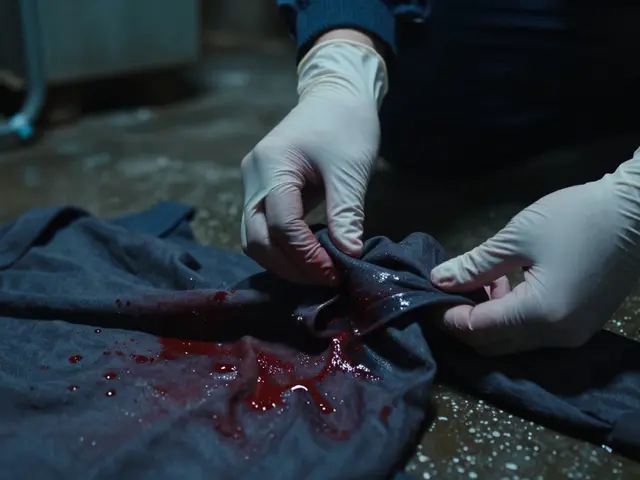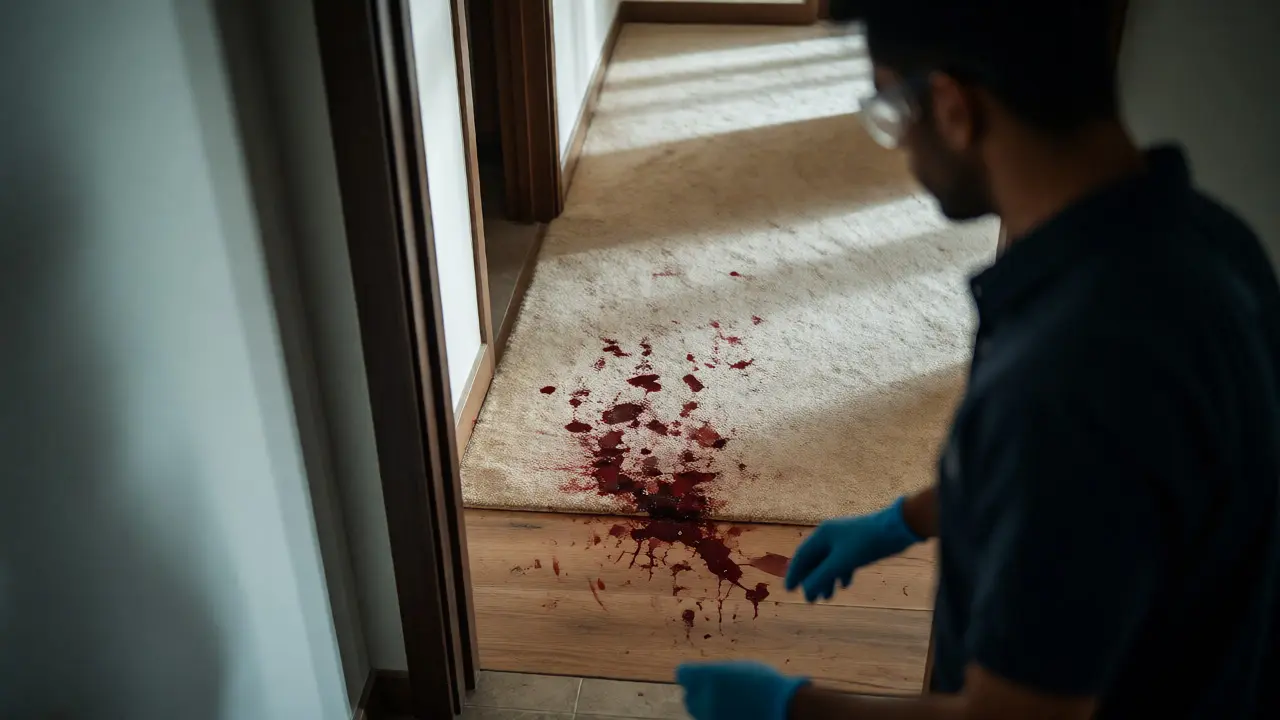
You walk into a room and see it. Maybe it’s a spill on the carpet after an accident, or perhaps you’re cleaning out a hoarder’s home where fluids have soaked into the floorboards. Your gut reaction might be to grab some paper towels and bleach, but that instinct can get you hurt. This is where Universal Precautions comes in. It’s not just a buzzword from a hospital training video; it’s the gold standard for keeping you safe when dealing with potentially infectious materials.
The core idea is simple: treat every human body fluid as if it contains infectious diseases. You don’t know who left that blood behind. They could be healthy, or they could carry Hepatitis B, C, or HIV. Since you can’t test every drop of fluid on the spot, you assume the worst-case scenario. This approach removes the guesswork. You stop asking "Is this dangerous?" and start asking "How do I handle this safely?"
Why Universal Precautions Matter in Cleanup
In a clinical setting, nurses use universal precautions daily. In biohazard remediation, we apply the same logic to non-clinical environments. Think about a crime scene cleanup or a post-mortem clean-up. The biological waste here isn’t always fresh blood. It could be dried vomit, feces, or tissue that has been sitting for days. Pathogens like Clostridioides difficile spores can survive on surfaces for months, waiting for someone unprotected to touch them.
If you skip precautions, you risk more than just getting sick. You risk cross-contamination. Imagine cleaning a bedroom and then touching your car steering wheel without changing gloves. Now the pathogen is in your vehicle. Universal precautions create a barrier between the hazard and your life. It protects your family, your coworkers, and your reputation.
The Hierarchy of Controls: Where PPE Fits In
Before you even put on gloves, you need to think about how you are working. Safety experts use a hierarchy of controls. Elimination and substitution come first. Can you remove the source? Can you use a less toxic cleaner? If those aren’t options, you move to engineering controls (like ventilation) and administrative controls (like work procedures). Finally, you have Personal Protective Equipment (PPE).
PPE is your last line of defense. It’s critical, but it’s not magic. If you wear a mask but leave your eyes exposed, you’re vulnerable. Mucous membranes are entry points for viruses. So, when we talk about universal precautions, we mean a full suite of gear, tailored to the specific job.
| Equipment | Purpose | Key Feature |
|---|---|---|
| Nitrile Gloves | Hand protection against contact with fluids | Double-gloving recommended for heavy tasks |
| N95 Respirator | Filtration of airborne particles and aerosols | Must fit-test properly for seal integrity |
| Face Shield/Goggles | Protects eyes and face from splashes | Anti-fog coating helps visibility |
| Tyvek Suit | Full-body barrier against contamination | Disposable and fluid-resistant |
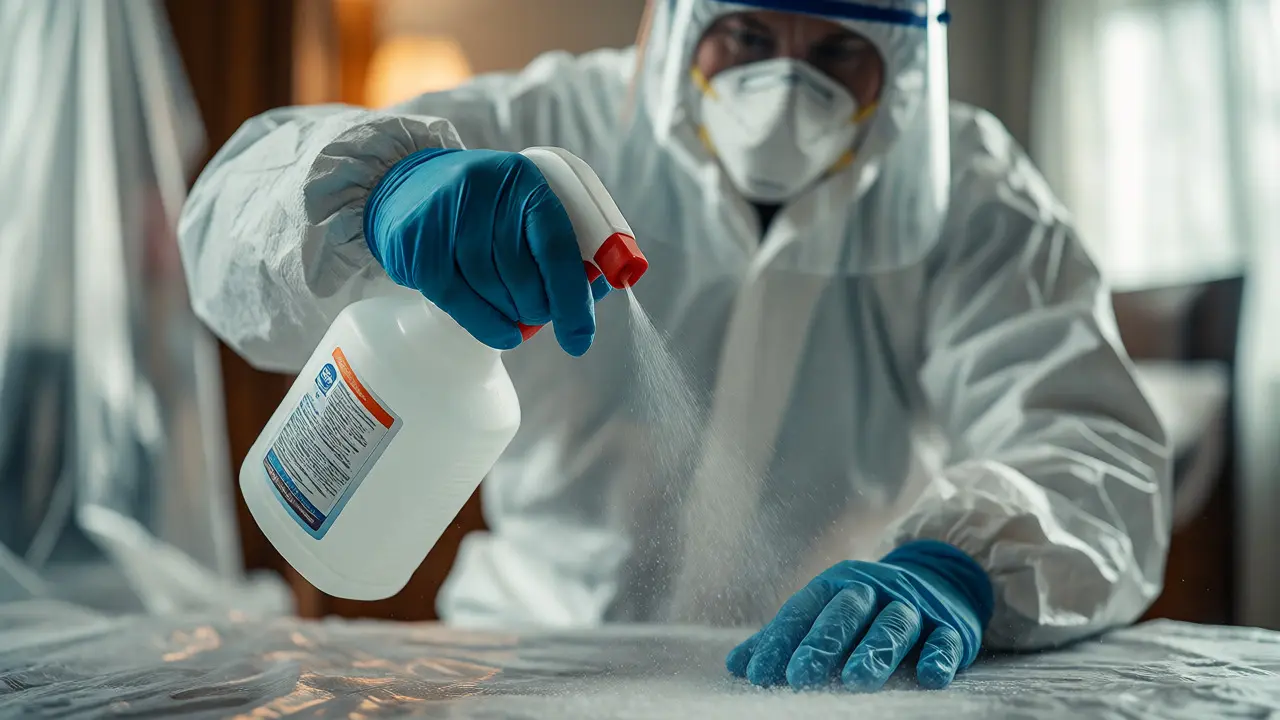
Step-by-Step: Applying Precautions During Cleanup
Let’s walk through a typical scenario. You arrive at a site with a large blood spill. Here is how you apply universal precautions step-by-step.
- Assess the Scene: Before entering, look for hazards. Is there standing water? Electrical risks? Plan your exit strategy so you don’t track contaminants out.
- Dress Up: Put on your PPE in a clean area. Start with boots or shoe covers, then the suit, then gloves, then the respirator and eye protection. Check for tears or gaps.
- Contain the Area: Use plastic sheeting to cover unaffected areas. This prevents the spread of debris while you work.
- Absorb and Remove: Use absorbent materials to soak up fluids. Do not scrub vigorously, as this creates aerosols-tiny droplets that float in the air and can be inhaled. Lift solids gently.
- Clean and Disinfect: Apply an EPA-registered disinfectant effective against bloodborne pathogens. Follow the dwell time instructions on the label. If it says 10 minutes, let it sit for 10 minutes.
- Dispose Properly: Place all waste, including your used PPE, into red biohazard bags. These bags must be leak-proof and labeled.
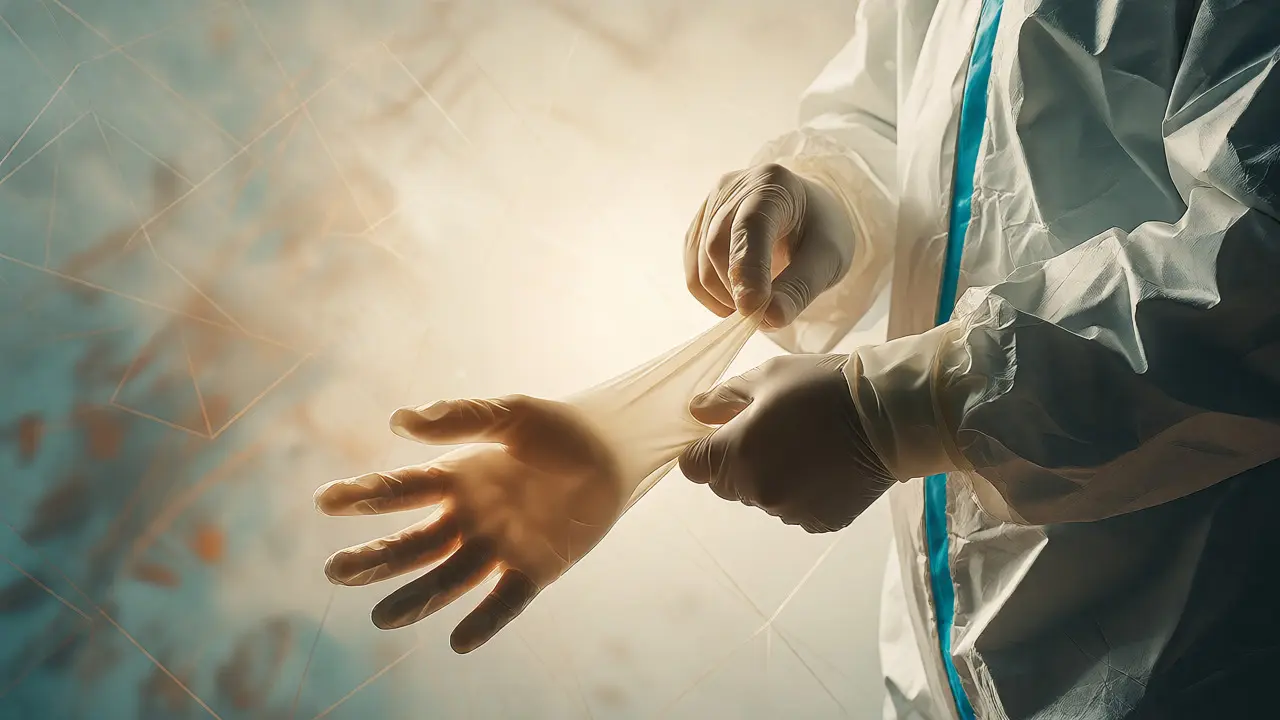
- Undress Safely: Take off your gear in reverse order. Peel gloves off by grabbing the outside near the wrist, turning them inside out. Then remove the suit, rolling it inward. Wash hands immediately after.
This sequence minimizes self-contamination. Many people get infected during the removal process, not the cleaning itself, because they touch their face or skin with contaminated gloves.
Common Mistakes to Avoid
Even experienced cleaners slip up. One common error is reusing gloves. Once nitrile gloves are contaminated, they are trash. Don’t try to wash them. Another mistake is poor hand hygiene. Washing hands with soap and water for 20 seconds is better than using alcohol-based sanitizer when hands are visibly dirty. Alcohol doesn’t kill all spores and works poorly on organic matter.
Also, watch out for sharps. Broken glass mixed with blood is a double threat. It causes physical injury and introduces pathogens directly into the bloodstream. Never pick up broken glass with bare hands or regular gloves. Use tongs or a scoop.
Regulatory Context and Training
In the United States, the Occupational Safety and Health Administration (OSHA) mandates these practices under the Bloodborne Pathogens Standard (29 CFR 1910.1030). While this law primarily targets employees, following its guidelines is best practice for anyone handling biohazards. It requires an Exposure Control Plan, annual training, and hepatitis B vaccination for at-risk workers.
If you are running a business, you need documentation. If you are a homeowner, understanding these rules helps you vet contractors. Ask them: "Do you follow OSHA standards? What PPE do you use? How do you dispose of waste?" Their answers will tell you if they take universal precautions seriously.
Psychological Comfort Through Protocol
Biohazard cleanup is stressful. Seeing blood or bodily fluids triggers a disgust response. This emotional reaction can lead to rushed decisions. When you have a strict protocol based on universal precautions, you rely on procedure rather than emotion. You know exactly what to do. This reduces anxiety and improves efficiency. You finish the job faster and safer because you aren’t second-guessing your moves.
Think of it like wearing a seatbelt. You don’t wear it because you expect to crash every day. You wear it because accidents happen, and the cost of being wrong is too high. Universal precautions are your seatbelt in the world of biohazard remediation.
What is the main principle of universal precautions?
The main principle is to treat all human blood and certain body fluids as if they are infectious, regardless of the patient's known status. This eliminates the need to identify which individuals are infected before taking protective measures.
Can I reuse nitrile gloves during biohazard cleanup?
No, you should never reuse disposable nitrile gloves once they have been contaminated. They are single-use items designed to be discarded in biohazard waste containers after each task or when torn.
Does bleach kill all biohazards?
Bleach is effective against many pathogens, including HIV and Hepatitis B, but it does not kill bacterial spores like Clostridioides difficile. Always check the EPA registration of your disinfectant to ensure it matches the specific hazard.
Why is double-gloving recommended?
Double-gloving provides an extra layer of protection against punctures and tears. If the outer glove gets damaged, the inner glove keeps your skin safe until you can change them. It also allows you to remove the outer glove without contaminating your hands.
What happens if I break universal precautions?
Breaking precautions increases the risk of exposure to bloodborne pathogens. If exposure occurs, you may need immediate medical evaluation, prophylactic treatment, and follow-up testing. It also violates safety regulations, which can result in fines for businesses.