Behind the Crime Scene - Page 6

Future Skills: How Data Science and AI Are Transforming Forensic Work
- By : Ian Brophy
- Date : Oct 30 2026
Discover how data science and AI are reshaping forensic careers. Learn essential skills like Python, statistics, and machine learning to stay competitive. Explore real-world applications, ethical challenges, and future trends in forensic technology.

Blood Bubble Rings: Identifying Respiratory Indicators in Expirated Stains
- By : Ian Brophy
- Date : Oct 30 2026
Discover how blood bubble rings serve as critical respiratory indicators in forensic analysis. Learn to distinguish expirated stains from impact spatter.
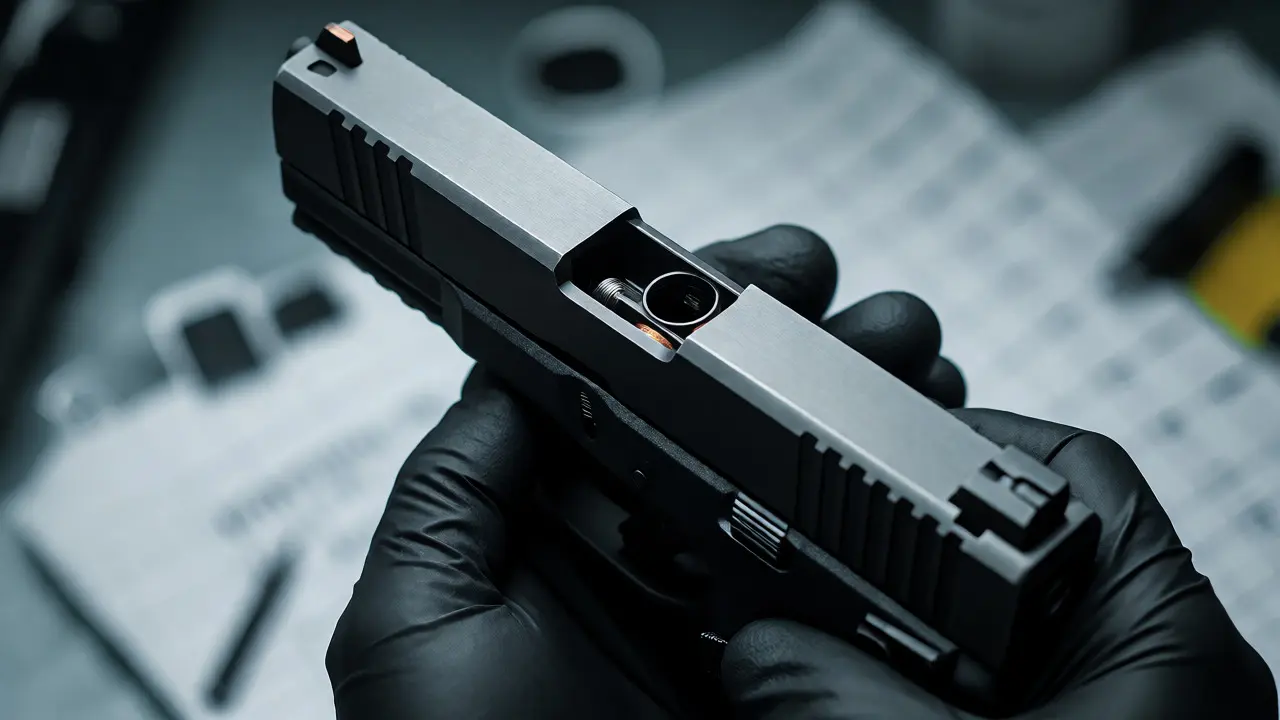
Slamfire and Accidental Discharge: Function Testing Protocols for Forensic Firearms
- By : Ian Brophy
- Date : Oct 30 2026
Learn how to safely test firearms for slamfire and accidental discharge. This guide covers protocols, safety tips, and documentation for forensic examiners.
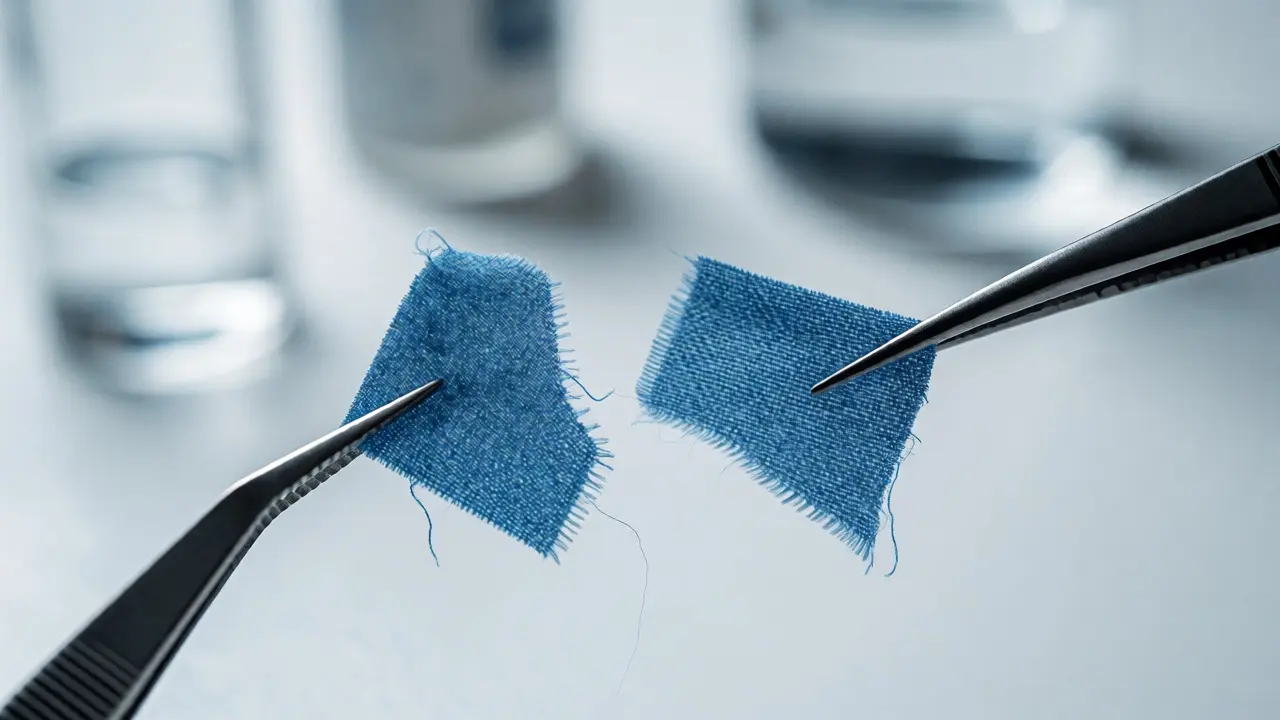
Fiber Dye Analysis: Chemical Profiling and Comparisons
- By : Ian Brophy
- Date : Oct 29 2026
Discover how fiber dye analysis distinguishes visually similar textiles in forensics. Learn about extraction methods, TLC, and UV-Vis spectroscopy.
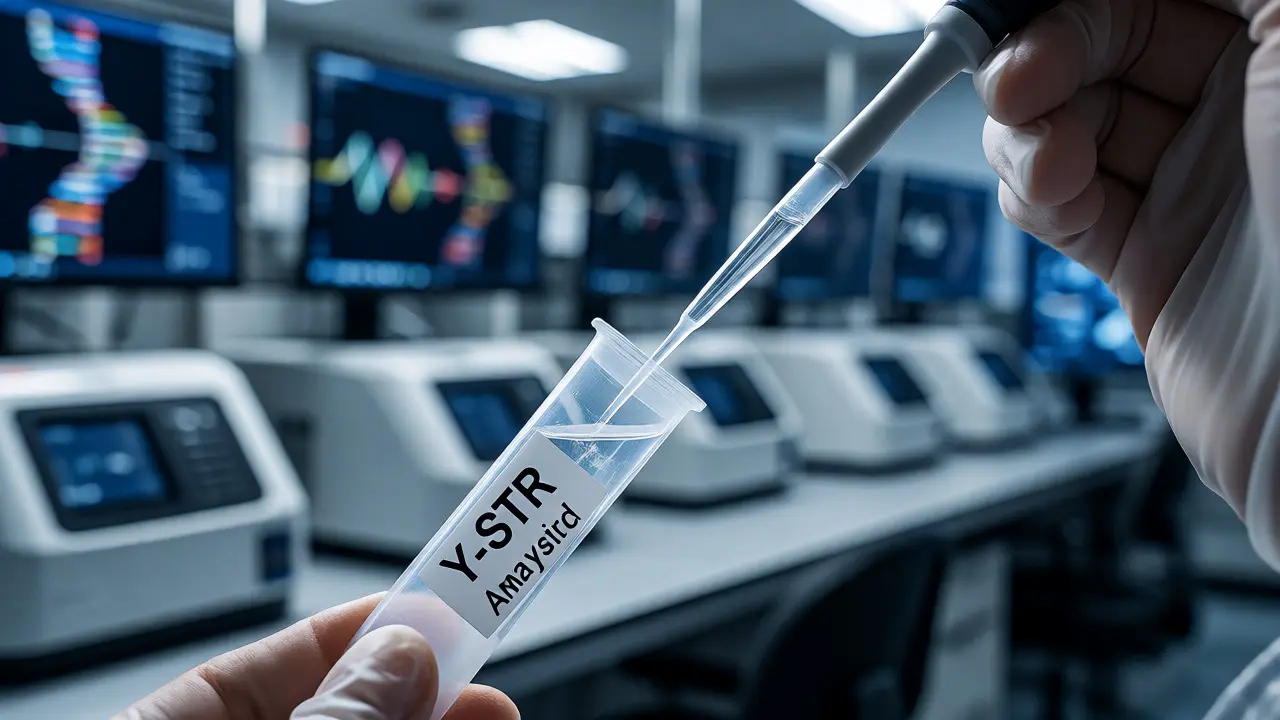
Y-Chromosome DNA Analysis: A Guide to Male-Specific Forensic Investigations
- By : Ian Brophy
- Date : Oct 29 2026
Discover how Y-Chromosome DNA Analysis solves complex forensic cases where standard DNA fails. Learn about male-specific investigations, lineage tracking, and real-world applications.
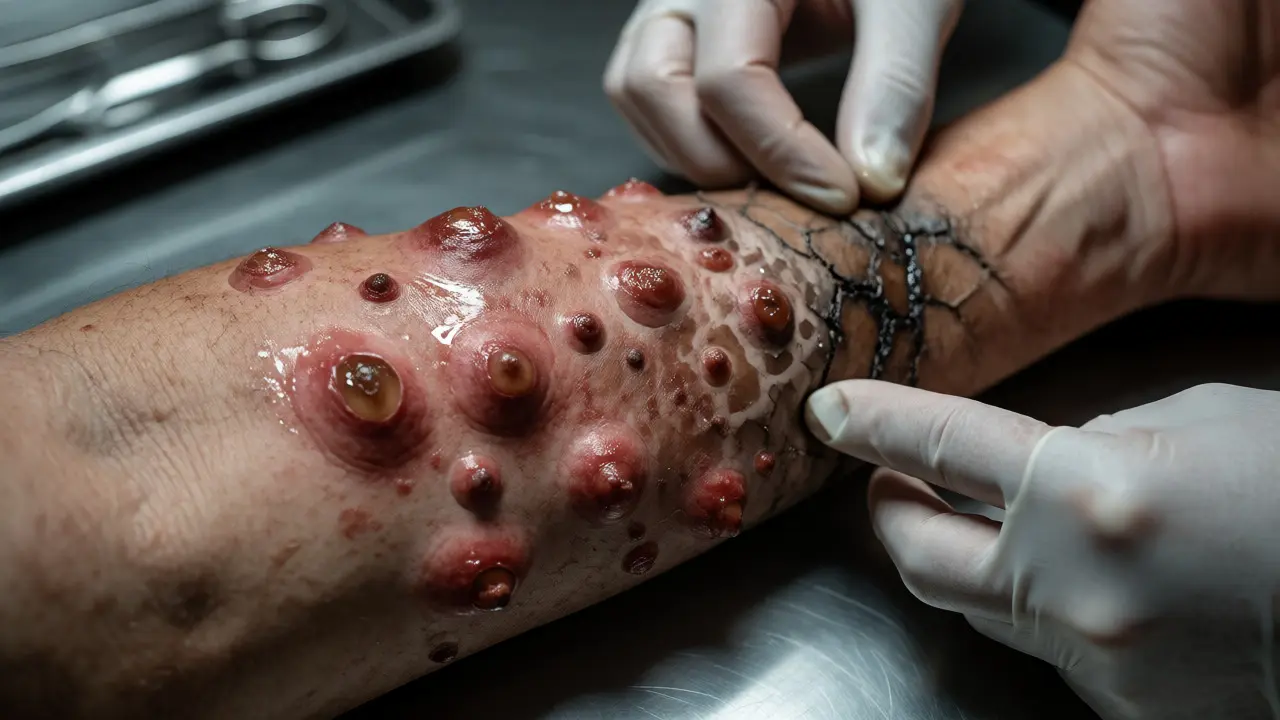
Thermal Injuries in Autopsy: Identifying Burns and Inhalation Effects
- By : Ian Brophy
- Date : Oct 29 2026
Learn how forensic pathologists distinguish antemortem burns from postmortem artifacts. Discover why inhalation injury kills more than flames and master key autopsy techniques.
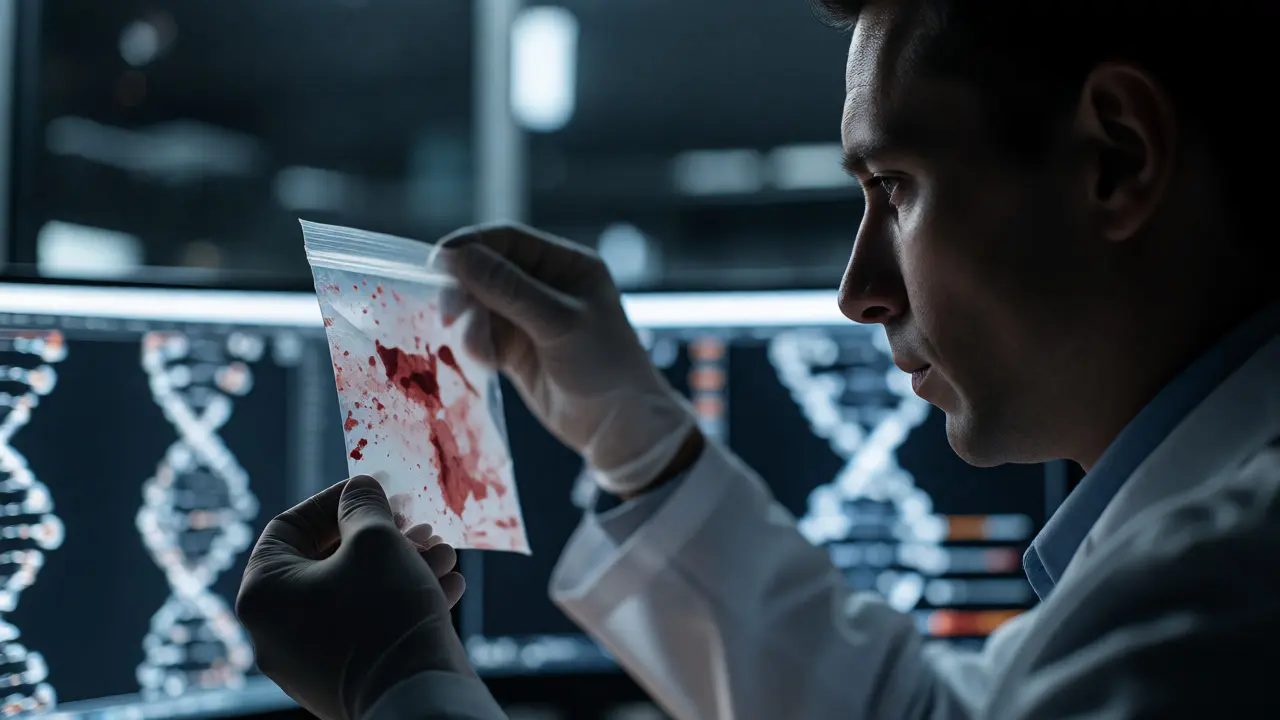
Ethics and Professionalism in Forensic Careers: A Practical Guide
- By : Ian Brophy
- Date : Oct 28 2026
Explore the critical role of ethics and professionalism in forensic careers. Learn how impartiality, chain of custody, and clear communication protect justice.
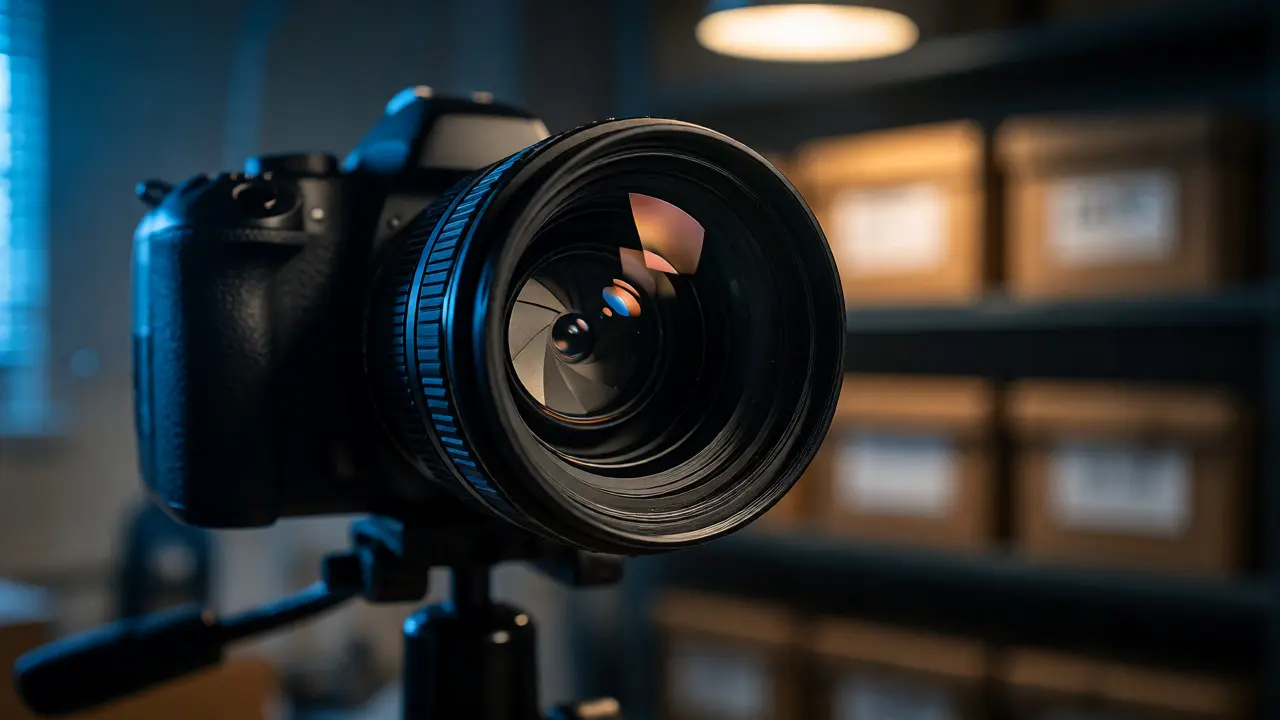
Mastering Camera Settings: Focal Length, Shutter Speed, and Aperture
- By : Ian Brophy
- Date : Oct 28 2026
Learn how focal length, shutter speed, and aperture work together to create sharp photos. Master the exposure triangle for better imaging.

Interviewing Family Members: A Guide to Initial Missing Person Assessment
- By : Ian Brophy
- Date : Oct 28 2026
Learn how to conduct effective initial assessments for missing person cases by interviewing family members. Discover key techniques for building timelines, assessing risk, and navigating emotional complexities.
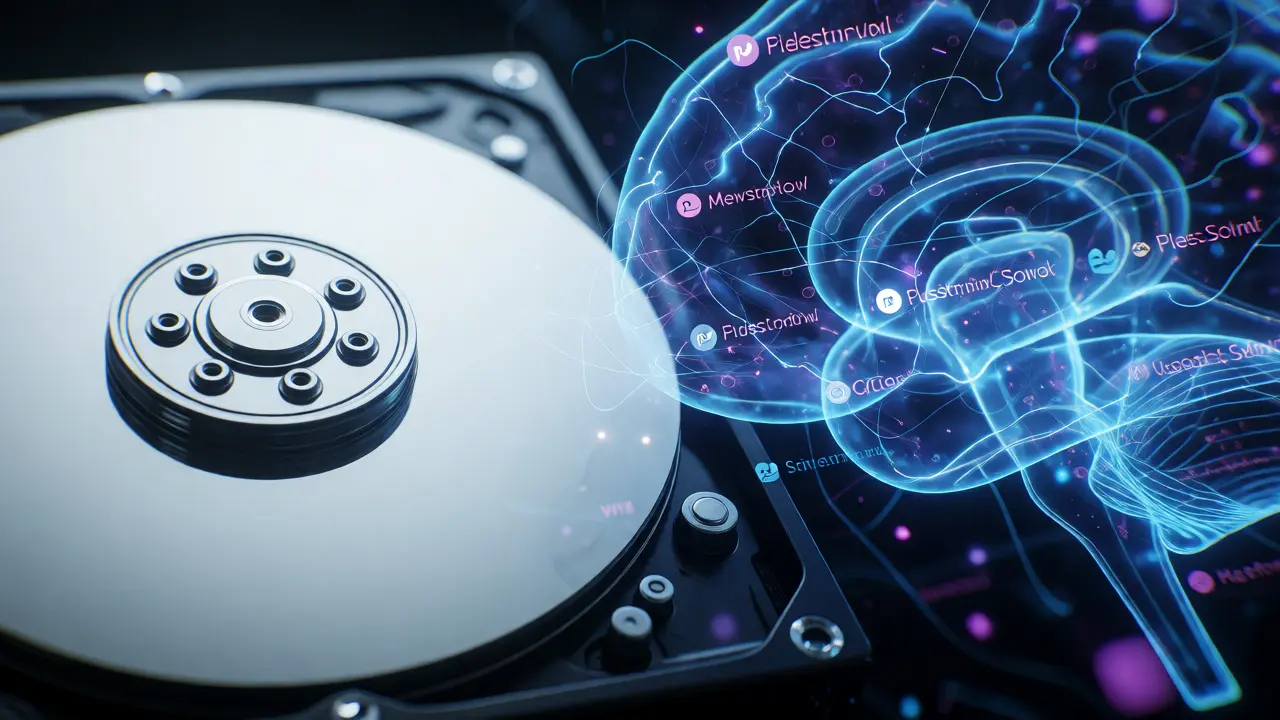
Fileless Attacks: Detecting Hidden Persistence Mechanisms
- By : Ian Brophy
- Date : Oct 27 2026
Discover why file-based scans miss fileless attacks and learn how to detect hidden persistence mechanisms using memory forensics, WMI artifacts, and behavioral analysis.
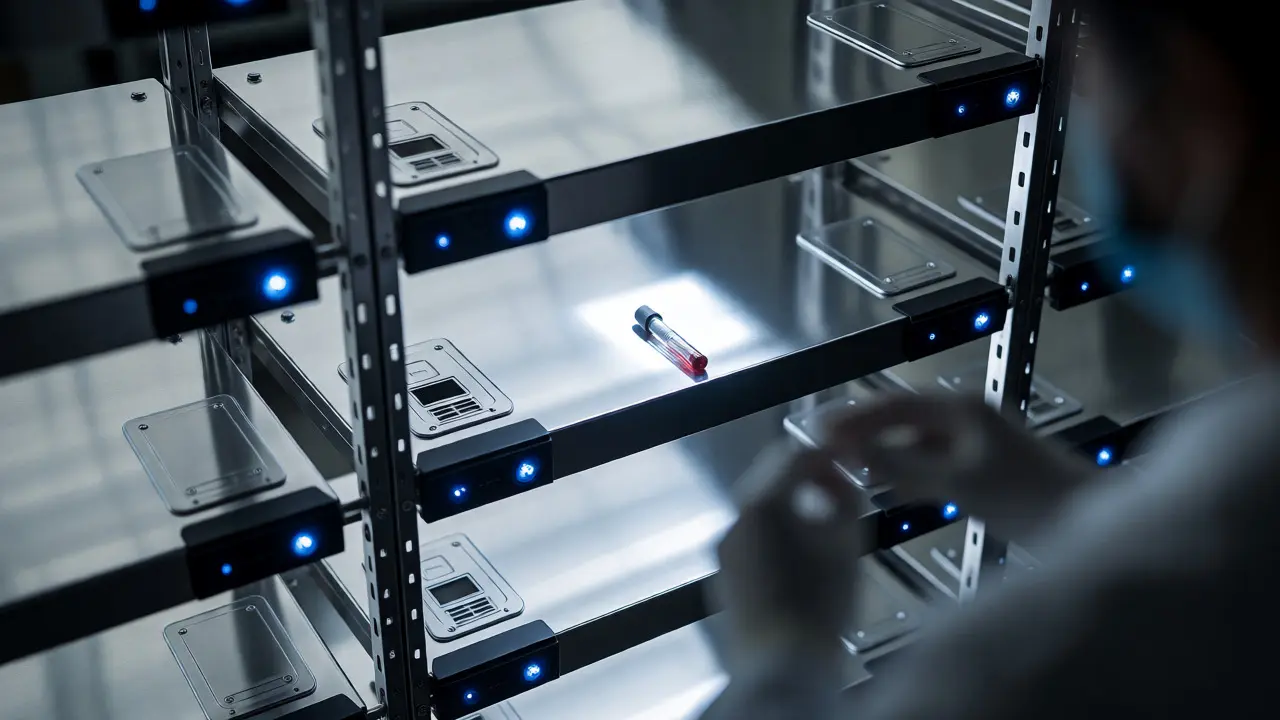
Access Controls: Limiting Who Handles Evidence in Chain of Custody
- By : Ian Brophy
- Date : Oct 27 2026
Discover how strict access controls protect forensic evidence integrity. Learn practical strategies for limiting who handles evidence to prevent contamination and tampering claims.
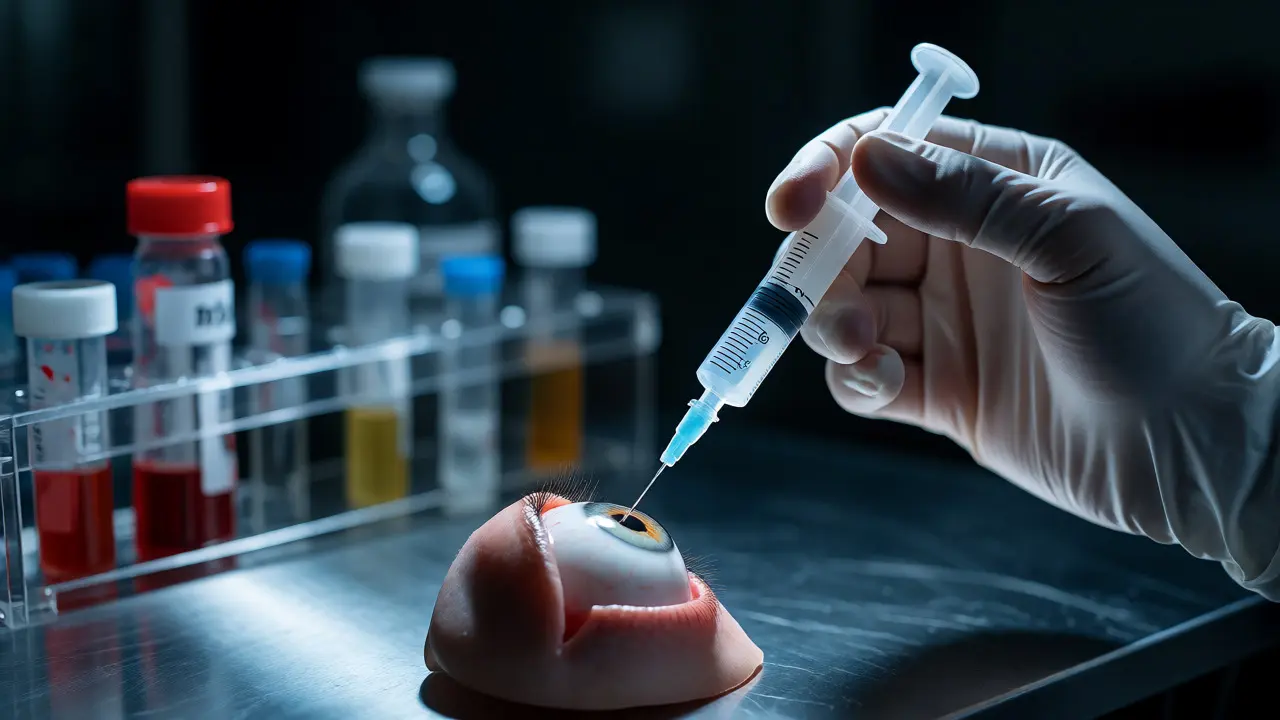
Forensic Toxicology: A Complete Overview of Postmortem Drug Testing
- By : Ian Brophy
- Date : Oct 27 2026
Discover how forensic toxicology determines cause of death through drug and alcohol testing. Learn about blood, urine, and hair analysis, postmortem redistribution, and how labs confirm substances using advanced mass spectrometry.