Imagine walking into a crime scene where the evidence isn't just physical-it's digital, statistical, and algorithmic. For decades, forensic science relied on magnifying glasses, gas chromatographs, and human intuition. Today, that landscape is shifting under our feet. The modern investigator needs more than a steady hand; they need to understand code, probability, and machine learning. If you're thinking about entering this field or staying relevant in it, mastering data science and artificial intelligence (AI) isn't optional anymore. It's the new baseline.
Why Traditional Forensics Needs an Upgrade
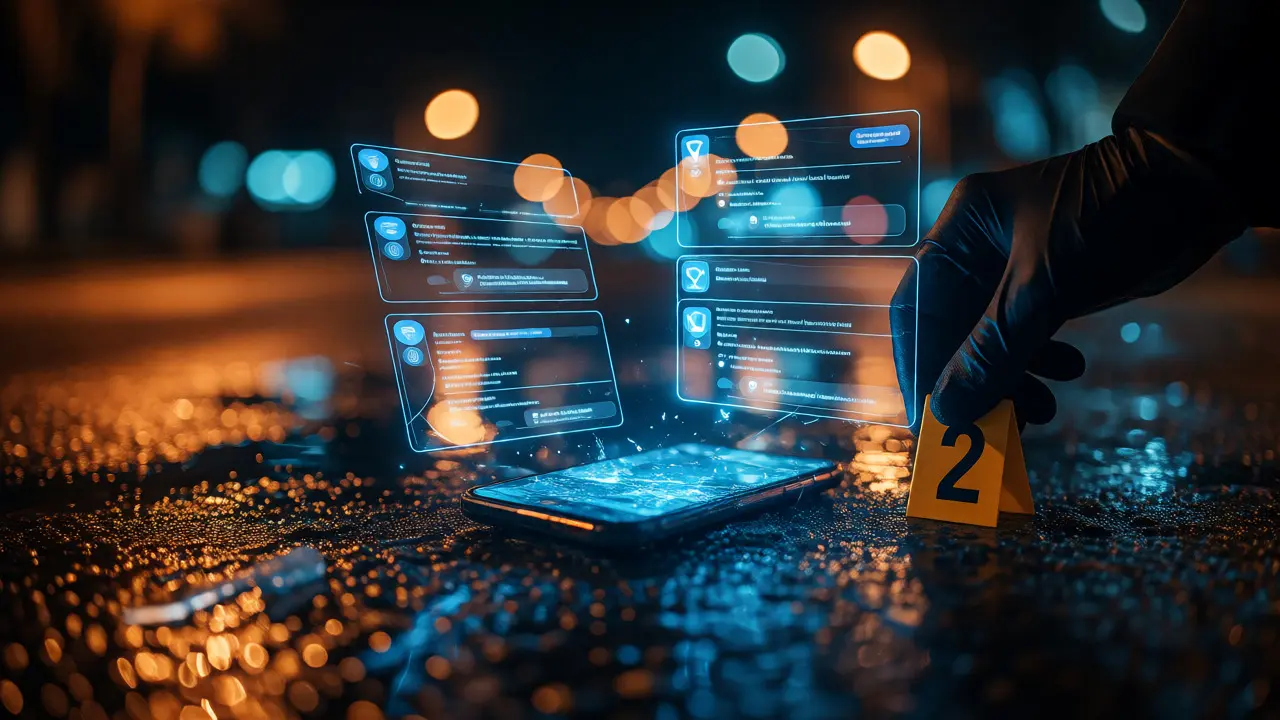
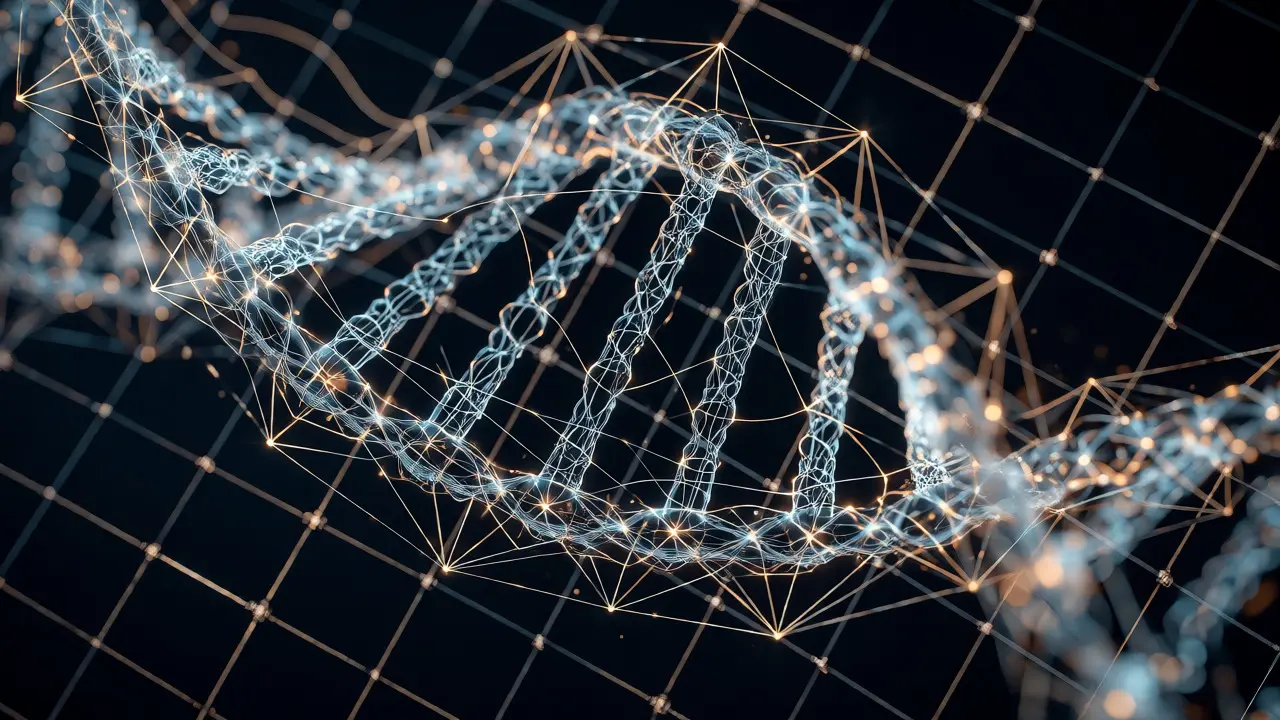
Let's be honest: the volume of evidence has exploded. A single smartphone seizure can yield gigabytes of data-texts, photos, location history, app usage logs. Manual review? That’s like trying to drink from a fire hose. Human analysts are brilliant, but we’re slow and prone to fatigue-induced errors. This is where data science steps in. By treating evidence as datasets rather than isolated artifacts, we can spot patterns invisible to the naked eye. Consider DNA analysis. In the past, matching a profile was straightforward if the sample was clean. But what about mixed samples from three different people? Or degraded DNA from a cold case? Modern probabilistic genotyping software uses complex algorithms to calculate likelihood ratios, turning ambiguous blobs of genetic material into statistically significant matches. This isn't magic; it's math applied with rigor.
The Core Skill Set: What You Actually Need to Learn
You don’t need to become a Silicon Valley engineer overnight. But you do need fluency in specific tools and concepts. Here is the practical toolkit for the future-ready forensic professional:
- Programming Languages: Python and R dominate this space. Python is particularly useful because libraries like Pandas handle messy data effortlessly, while Scikit-learn offers ready-made algorithms for classification and clustering.
- Statistical Literacy: Understanding p-values, confidence intervals, and Bayesian inference is non-negotiable. You must explain why a match is "99.9% likely" versus "statistically insignificant." Courts demand clarity, not just results.
- Data Visualization: Can you turn a spreadsheet of cell tower pings into a clear map showing a suspect’s movement timeline? Tools like Tableau or even advanced Excel features help communicate findings to juries who might glaze over at raw numbers.
- Machine Learning Basics: Know how supervised learning works. If you train a model to recognize handwriting signatures, you need to understand training sets, validation sets, and the risk of overfitting.
Real-World Applications: Where AI Meets the Crime Scene
It’s easy to get lost in theory, so let’s look at concrete examples happening right now in labs across the country.
| Application Area | Traditional Method | AI/Data Science Approach | Key Benefit |
|---|---|---|---|
| Fingerprint Analysis | Manual comparison by expert examiners | Automated pattern recognition using convolutional neural networks | Faster candidate ranking; reduces backlog |
| Digital Forensics | Keyword searching through files | Natural Language Processing (NLP) to detect sentiment and context | Finds relevant messages even without exact keywords |
| Ballistics Matching | Visual comparison under microscope | 3D surface scanning and algorithmic similarity scoring | Objective metrics reduce examiner bias |
| Cold Case Review | Physical file re-examination | Predictive modeling linking unsolved cases based on MO and geography | Identifies potential serial offenders earlier |
Take digital forensics, for instance. Investigators often face thousands of chat messages. Using Natural Language Processing (NLP), we can now scan these texts for emotional tone or coded slang that suggests criminal intent. It doesn't replace the detective’s gut feeling, but it flags the top 50 messages worth reading closely out of 50,000. That efficiency saves weeks of work.
The Ethical Minefield: Bias and Transparency
Here’s the catch: AI is only as good as the data fed into it. If historical arrest records reflect systemic biases in policing, an algorithm trained on that data will likely predict higher risk scores for certain demographics, regardless of individual behavior. This isn't a glitch; it's a feature of flawed inputs. As a forensic scientist, you have a duty to challenge these outputs. You must ask: "What data was used to train this model? Was it representative?" Black-box algorithms, where even the developers can't fully explain how a decision was made, are increasingly frowned upon in courtrooms. The trend is moving toward Explainable AI (XAI)-systems that show their work. If your software says a voice sample belongs to Suspect A, you need to know which acoustic features drove that conclusion.
Collaboration Is the New Standard
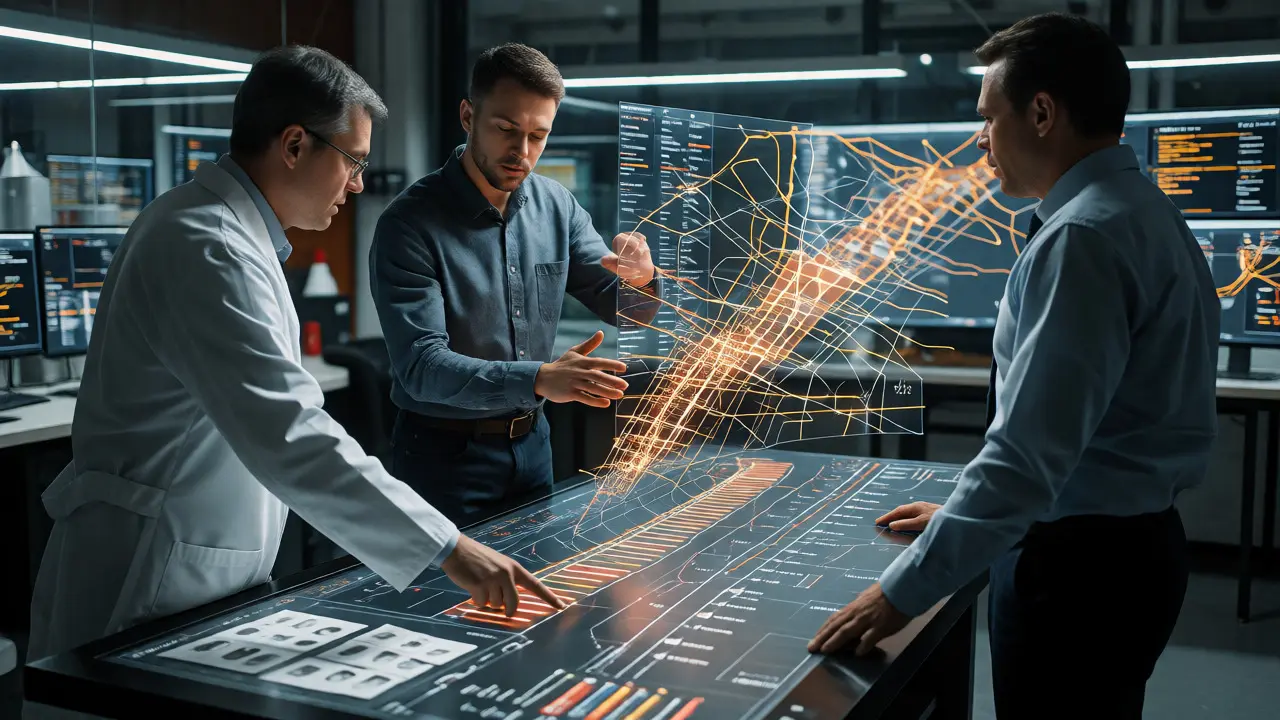
Gone are the days of the lone wolf scientist. Future forensic teams are interdisciplinary. You’ll sit next to data engineers, statisticians, and computer scientists. Communication skills matter more than ever. Can you translate "false positive rate" into language a judge understands? Can you explain to a coder why chain-of-custody protocols prevent them from simply running a script on raw data?
This collaboration requires humility. Scientists must learn to trust the math, and technologists must respect the legal constraints of evidence handling. Neither side can operate in a silo. The most successful projects I've seen involve early dialogue between lab technicians and IT specialists, ensuring that data formats are standardized before collection begins.
Career Pathways: Who Hires These Skills?
Where does this fit in the job market? It’s broader than you think.
- Law Enforcement Agencies: Police departments are hiring data analysts to support investigative units, focusing on crime mapping and resource allocation.
- Private Sector Labs: Companies specializing in drug testing or environmental forensics use automation to process high volumes of samples efficiently.
- Insurance and Fraud Investigation: Insurers employ forensic data scientists to detect patterns in claims that suggest fraud, using anomaly detection algorithms.
- Legal Tech Firms: Startups building discovery tools for lawyers need experts who understand both evidentiary standards and big data processing.
If you’re currently a traditional analyst, start small. Take an online course in Python. Volunteer to manage the lab’s database. Ask questions when new software arrives. Show initiative by proposing a pilot project-maybe automating the entry of toxicology results. Small steps lead to significant role changes.
Looking Ahead: What’s Next for Forensic Tech?
We are standing on the brink of further disruption. Quantum computing promises to crack encryption methods currently deemed unbreakable, potentially unlocking years of encrypted communications in active cases. Meanwhile, the Internet of Things (IoT) means every smart device-from refrigerators to doorbells-is a potential witness. Analyzing this fragmented, multi-source data will require robust integration frameworks that current systems struggle to provide. Staying relevant means committing to lifelong learning. The tool you master today might be obsolete in five years. Focus on foundational principles-statistics, logic, ethics-and adapt the specific technologies as they emerge. The future of forensics isn't just about finding clues; it's about interpreting the vast, noisy ocean of information surrounding them.
Do I need a degree in computer science to work in forensic data science?
Not necessarily. Many professionals enter the field with backgrounds in chemistry, biology, or criminal justice and then upskill in data analytics. However, having a strong foundation in statistics and proficiency in programming languages like Python or R is highly advantageous and often required for specialized roles.
How does AI impact the admissibility of forensic evidence in court?
Courts scrutinize AI-generated evidence carefully, often applying standards like Daubert or Frye. Key factors include whether the algorithm is peer-reviewed, its error rate is known, and if it can be explained transparently. "Black box" algorithms face more challenges than those offering interpretable results.
Can AI replace human forensic experts entirely?
Unlikely in the near future. AI excels at pattern recognition and processing large datasets, but it lacks contextual understanding and ethical judgment. Humans remain essential for interpreting results, considering case-specific nuances, and testifying in court. The ideal model is augmentation, not replacement.
What are the biggest risks of using AI in forensics?
The primary risks include algorithmic bias stemming from skewed training data, lack of transparency in how decisions are made, and over-reliance on technology leading to confirmation bias. Ensuring diverse training datasets and maintaining rigorous validation protocols helps mitigate these issues.
Which programming language is best for forensic data analysis?
Python is widely considered the best starting point due to its extensive libraries for data manipulation (Pandas), visualization (Matplotlib), and machine learning (Scikit-learn). R is also popular for statistical analysis. SQL is crucial for managing structured databases common in law enforcement records.