Walking into an ISO/IEC 17025 assessment can feel like walking into a high-stakes interview where the interviewer has already read your entire file. The difference between a smooth pass and a list of non-conformities often comes down to one thing: how you communicate. It isn't about memorizing scripts. It is about presenting clear evidence and providing logical explanations that show your lab truly understands its own processes.
Assessors are not there to catch you out; they are there to verify consistency. When you mix up what counts as 'evidence' versus what is just an 'explanation,' you create gaps in their confidence. This guide breaks down exactly how to structure those interactions so your lab looks competent, organized, and ready for certification.
Understanding the Assessor's Mindset
Before we talk about what to say, let's look at who is listening. An Accreditation Assessor is a third-party expert hired by a body like A2LA or ANAB to evaluate if your laboratory meets specific standards. Their job is objective verification. They don't care about your intentions; they care about your results and records.
Think of it this way: if you tell an assessor, "We always calibrate our equipment," that is an explanation. It means nothing without proof. If you hand them the calibration certificate dated three months ago, signed by a certified vendor, that is evidence. The moment you shift from talking *about* your process to showing the *proof* of that process, the dynamic changes. You stop being a suspect and start being a partner in verification.
The Difference Between Evidence and Explanation
This distinction is the core of successful laboratory quality management systems that ensure reliable test results. Many labs fail because staff confuse the two during audits.
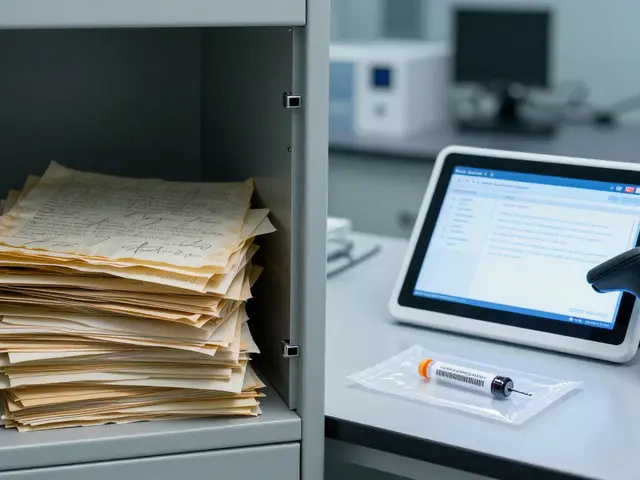
- Evidence: Tangible, verifiable artifacts. These include completed checklists, raw data logs, training records, calibration certificates, and approved methods documents. Evidence is static. It existed before the question was asked.
- Explanation: The verbal context you provide to help the assessor understand *why* the evidence exists or *how* it was used. Explanations are dynamic. They happen in real-time during the conversation.
A common mistake is relying too heavily on explanation when evidence is missing. If a technician says, "I usually double-check the reagent expiration dates," but can't pull up the logbook showing those checks, the assessor will flag a minor non-conformity. The fix? Always lead with the document. Then explain it. Never explain first and hope the document catches up later.
Preparing Your Evidence Trail
You cannot present evidence you haven't organized. Before the assessment day arrives, your quality manager should curate a 'hot folder' or physical binder for each major clause of the standard. For example, under Clause 7.2 (Review of Requests), you need samples of request forms, records of review signatures, and examples of rejected requests.
Here is a practical checklist for organizing your evidence:
- Raw Data: Ensure electronic data is backed up and accessible. If you use LIMS (Laboratory Information Management Systems), make sure the demo user account works for the assessors.
- Training Records: Pull files for every person who will be interviewed. Include competency assessments, not just attendance sheets.
- Method Validation: Have the validation report for your most critical method ready. Assessors love asking about linearity and detection limits.
- Internal Audit Reports: Show recent internal audits and, more importantly, the corrective actions taken from previous findings. This proves self-correction.
If your evidence is scattered across different servers or locked in drawers, you lose time. And in an audit, lost time equals lost credibility. Keep the path to your proof short and direct.

Structuring Your Verbal Responses
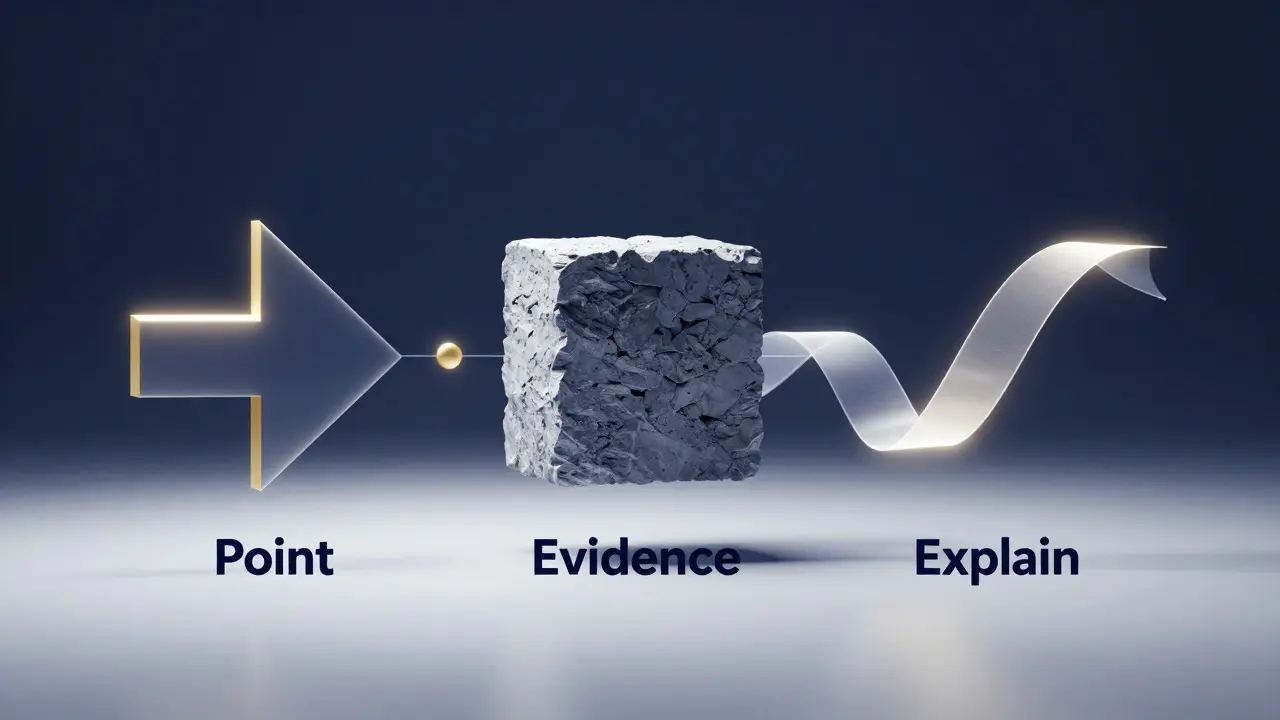
When an assessor asks a question, resist the urge to ramble. Use a simple framework: Point, Evidence, Explain.
- Point: Directly answer the question in one sentence. "Yes, we validate new methods before use."
- Evidence: Show or point to the record. "Here is the validation protocol for Method XYZ, approved last month."
- Explain: Briefly clarify any complex parts. "You'll see the acceptance criteria were based on the client's specification sheet attached here."
This structure keeps the conversation focused. It prevents you from drifting into anecdotes or defensive arguments. If the assessor wants more detail, they will ask follow-up questions. Your job is to satisfy the initial query with solid facts, not to over-explain until you contradict yourself.
Handling Difficult Questions and Gaps
Sometimes, you won't have the perfect piece of evidence. Maybe a training record is missing a signature, or a calibration tag fell off. Panic is the enemy here. Instead, acknowledge the gap honestly and show how you manage risk.
If an assessor points out a missing signature on a raw data sheet, don't say, "Oh, I must have forgotten." Say, "Good catch. We typically sign at the end of the batch, but this one slipped through. Here is the batch completion log that confirms the work was done. We've added a reminder to our daily checklist to prevent this."
This response does three things: it accepts the finding, provides alternative evidence (the batch log), and shows a proactive fix. Assessors respect honesty and problem-solving skills far more than perfection. Perfection is rare; consistent improvement is what accreditation is really about.
Common Pitfalls to Avoid
Even experienced labs stumble on these communication traps:
- Guessing: If you don't know the answer, say so. "Let me check the SOP and get back to you in five minutes" is better than a wrong guess.
- Defensiveness: If an assessor challenges a practice, listen. Don't interrupt. Let them finish, then respond with facts.
- Jargon Overload: While assessors are experts, clarity beats complexity. Simple language reduces misunderstandings.
- Ignoring Body Language: If an assessor looks confused, stop talking and ask, "Does that make sense?" or "Would you like to see another example?"
Remember, the assessor is evaluating the system, not punishing individuals. Keeping the tone professional and collaborative helps everyone stay focused on the goal: verifying quality.
Building Confidence Through Practice
The best way to master this skill is rehearsal. Run mock assessments internally. Have a colleague play the role of a tough assessor. Ask unexpected questions about edge cases. Review how your team responds. Did they find the evidence quickly? Was the explanation clear?
Over time, this becomes second nature. Your staff stops seeing the auditor as a threat and starts seeing them as a resource for continuous improvement. That mindset shift is the true mark of a mature quality culture.
What is the most important type of evidence for ISO/IEC 17025?
Objective evidence such as raw data, calibrated instrument records, and documented method validations is most critical. These prove that results are generated consistently and accurately according to defined procedures.
How should lab staff handle an assessor pointing out a mistake?
Staff should remain calm, acknowledge the observation without being defensive, and provide any available supporting evidence. They should also briefly mention how the issue will be corrected or prevented in the future.
Is it okay to guess an answer if you don't remember a procedure?
No. Guessing can lead to incorrect information being recorded. It is better to admit uncertainty and offer to retrieve the correct Standard Operating Procedure (SOP) or consult a supervisor immediately.
What is the difference between a major and minor non-conformity?
A major non-conformity indicates a breakdown in the quality system that could affect result reliability, while a minor non-conformity is a single isolated deviation that does not significantly impact overall performance.
How long should an explanation take during an audit?
Keep initial explanations concise, usually under 30 seconds. Provide detailed context only if the assessor asks follow-up questions. Brevity helps maintain focus and prevents confusion.