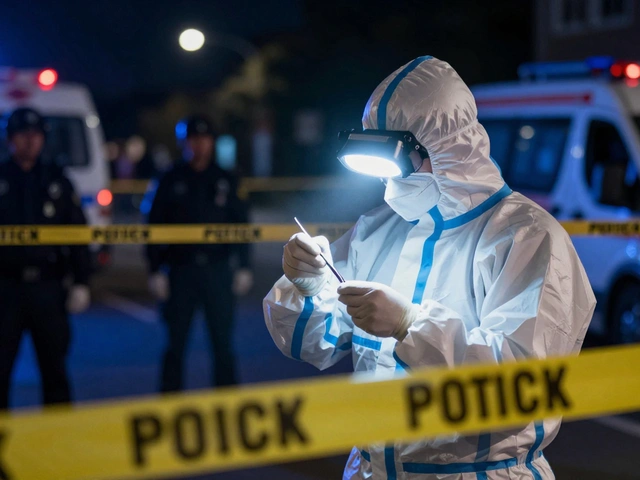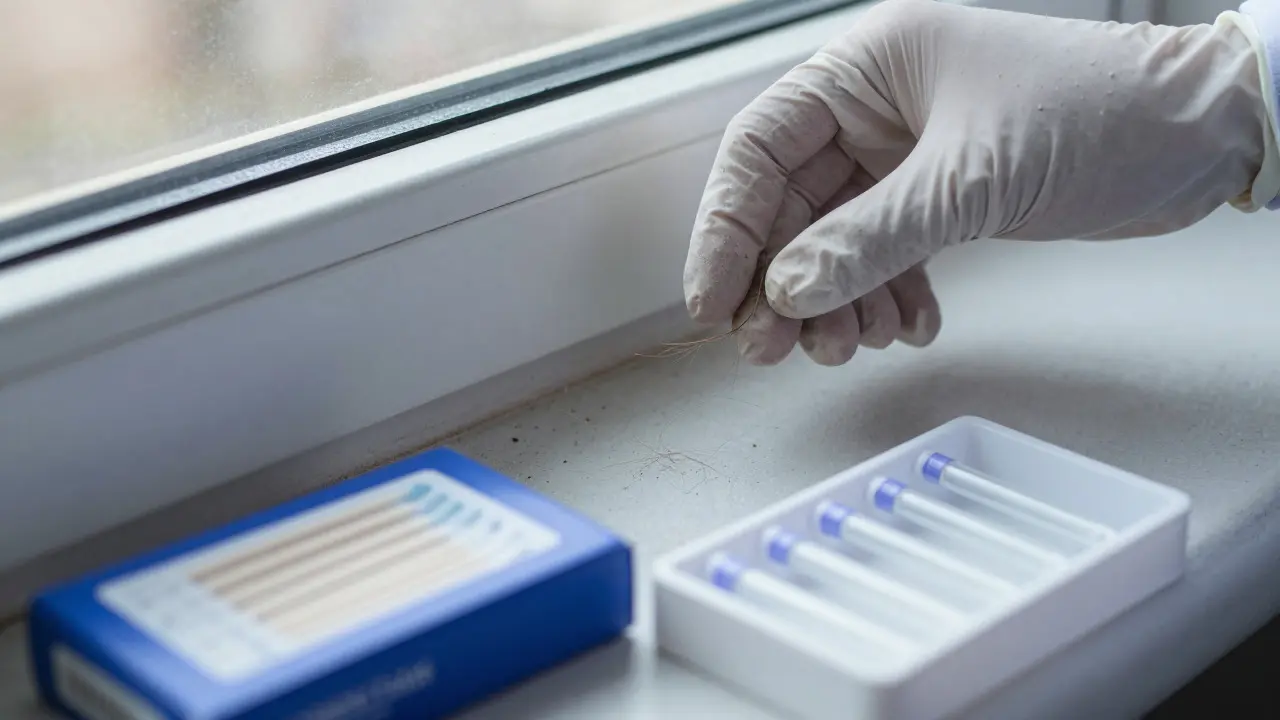
Imagine you are standing over a crime scene where a suspect left behind a single hair on a windowsill. Do you grab the standard blue box of swabs from your kit, or do you reach for the individually wrapped, sterile vials? It feels like a small decision, but in the courtroom, that choice can determine whether your evidence holds up under cross-examination. The debate between using disposable and sterile tools is not just about hygiene; it is about protecting the integrity of the biological material you are collecting.
Most field investigators assume that if a swab is clean, it is good enough. But "clean" and "sterile" are two very different things in forensic science. A disposable item is designed to be used once to prevent cross-contamination between cases. A sterile item has been treated to kill all microorganisms. When you are dealing with DNA, trace residues, or toxicology samples, the difference matters more than most people realize.
The Core Difference: Single-Use vs. Microbial Control
To make the right call, you need to understand what each term actually means in a lab context. Disposable equipment refers to any tool intended for one-time use. Think of standard latex gloves, paper bags, or basic cotton swabs. Their primary purpose is to avoid reusing an item that might carry residue from a previous case. However, they are not necessarily free from bacteria or environmental dust.
Sterile equipment, on the other hand, has undergone a rigorous process-usually autoclaving or gamma irradiation-to eliminate all living organisms. This level of control is critical when you are trying to isolate a specific biological profile without background noise. If you are collecting a blood sample for DNA analysis, you want to ensure that no stray bacteria from the air or the swab itself interferes with the PCR process later in the lab.
| Feature | Disposable Equipment | Sterile Equipment |
|---|---|---|
| Primary Purpose | Prevent cross-case contamination | Eliminate microbial interference |
| Cost per Unit | Low ($0.10 - $0.50) | High ($2.00 - $10.00+) |
| Best For | Fingerprints, large surface swabs, general trace | DNA extraction, toxicology, medical examiner work |
| Storage Requirements | Standard dry storage | Sealed until moment of use |
| Courtroom Scrutiny | Lower risk of challenge | Higher defensibility for bio-samples |
When Sterility Is Non-Negotiable
There are specific scenarios where using non-sterile gear could ruin a case. The most obvious is DNA collection. If you are swabbing a bite mark or collecting a cheek swab from a suspect, you need sterile tips. Why? Because human skin carries its own microbiome. If your swab introduces foreign bacteria, the lab might struggle to separate the suspect's DNA from the background noise.
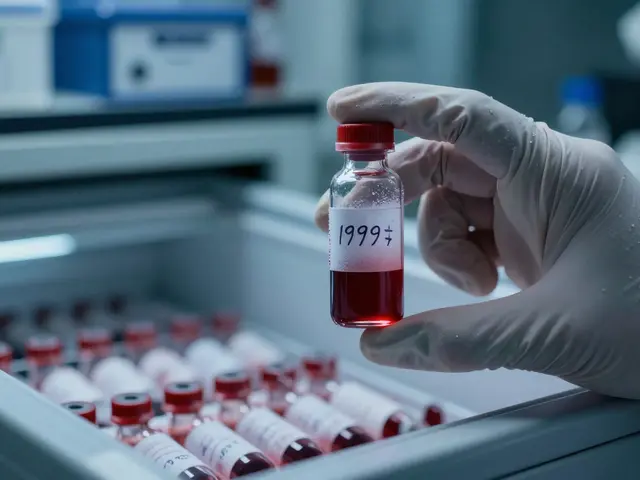
Toxicology is another area where sterility shines. Imagine collecting a fluid sample from a suspected overdose victim. If the container isn't sterile, bacterial growth could degrade the drug metabolites before the sample reaches the lab. In these high-stakes situations, the cost of a sterile vial is negligible compared to the cost of a compromised sample.
Medical examiners also rely heavily on sterile kits during autopsies. They are often extracting tissue samples for histology or microbiology. Using a standard scalpel or forceps that hasn't been sterilized specifically for that procedure could introduce artifacts into the slide, leading to misdiagnosis or delayed results.
The Case for Standard Disposable Tools
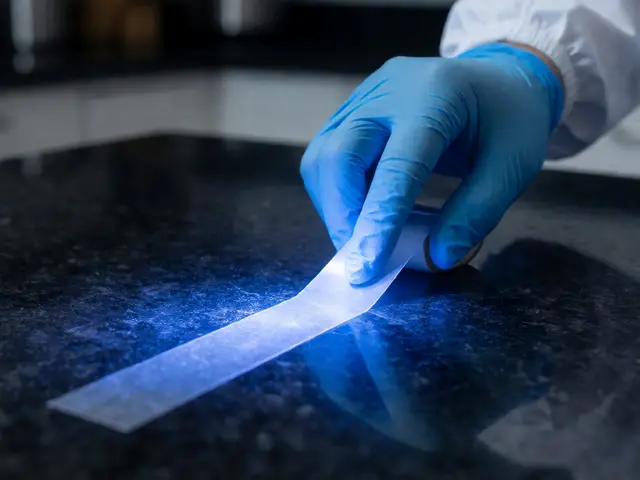
Does every piece of evidence need to be sterile? Absolutely not. In fact, over-using sterile equipment can slow down your response time and inflate your budget unnecessarily. For fingerprint lifting, you don't care about bacteria. You care about powder residue and lift tape quality. Here, a standard disposable lift tape is perfectly fine. It is cheap, readily available, and does the job.
Consider trace evidence like fibers or glass fragments. These are physical objects. Bacteria doesn't change the refractive index of a glass shard. As long as you use fresh, unused tweezers (which are disposable), you are maintaining integrity. Spending money on sterile tweezers for a glass fragment is wasted capital that could be better spent on training or technology.
Furthermore, sterile packaging can sometimes be cumbersome. Individually sealed blister packs take longer to open than a simple box of swabs. In a fast-moving crime scene, efficiency matters. If the task is purely mechanical, stick with the standard disposable option.
Balancing Budget and Integrity
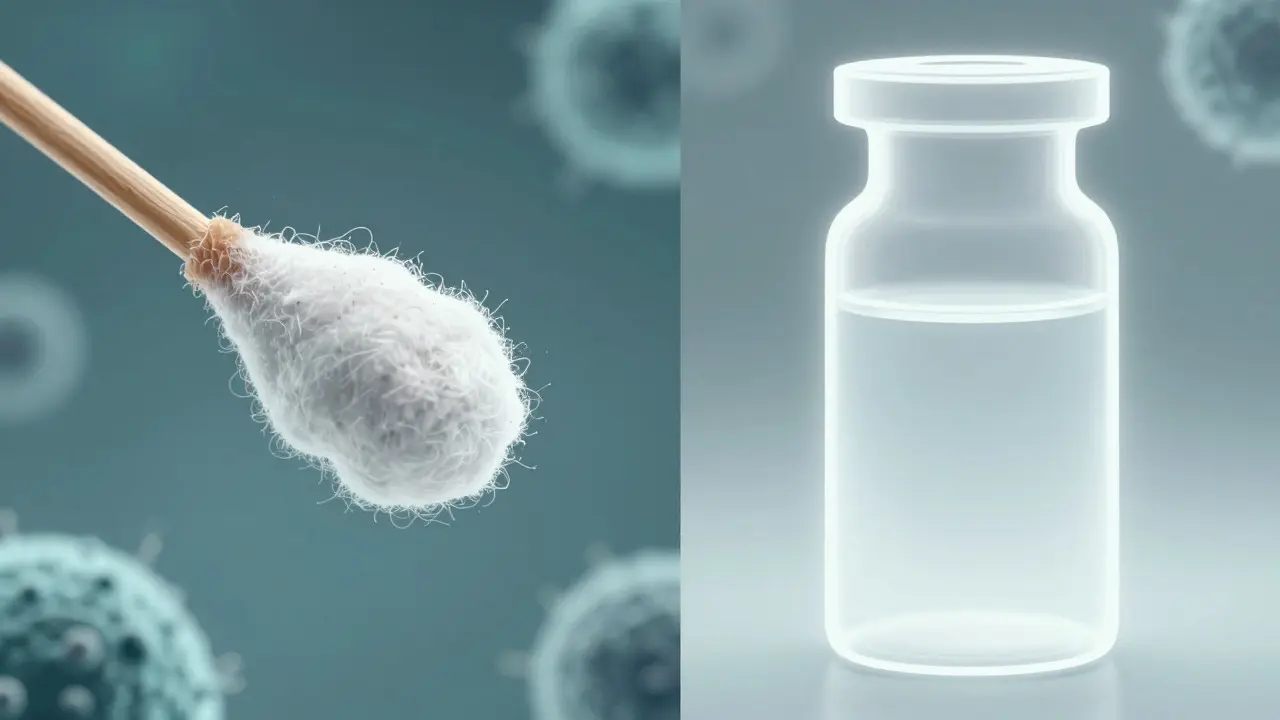
One of the biggest challenges for agencies is balancing the budget. Sterile supplies are significantly more expensive. A box of 100 sterile DNA swabs can cost five times more than a box of standard swabs. For a department with limited funding, this adds up quickly.
The solution is a tiered approach. Classify your evidence types by risk. High-risk biological samples get sterile treatment. Low-risk physical traces get standard disposable tools. Create a protocol card for your technicians that clearly outlines which tools go with which evidence type. This prevents guesswork and ensures consistency across shifts.
Also, pay attention to expiration dates. Sterile equipment has a shelf life because the seal integrity degrades over time. If you are buying bulk sterile kits, rotate your stock regularly. An expired sterile swab is effectively a dirty swab, defeating the entire purpose of the purchase.
Maintaining Chain of Custody
Regardless of whether you choose sterile or disposable, the chain of custody remains king. If you use a sterile swab but forget to log the lot number, you lose the ability to prove that the specific item was sterile at the time of collection. Always record the manufacturer, lot number, and expiration date for sterile items in your notes.
For disposable items, while lot numbers matter less, consistency still helps. If a defense attorney asks, "Did you use the same brand of swab as last week?", having a standardized supply list makes your answer easy. Documentation bridges the gap between the tool you used and the result you got.
Common Pitfalls to Avoid
Even experienced investigators make mistakes here. One common error is opening sterile packages too early. If you crack open a blister pack and then decide not to use that specific swab, the remaining ones in the pack may no longer be considered sterile. Open only what you need, immediately before use.
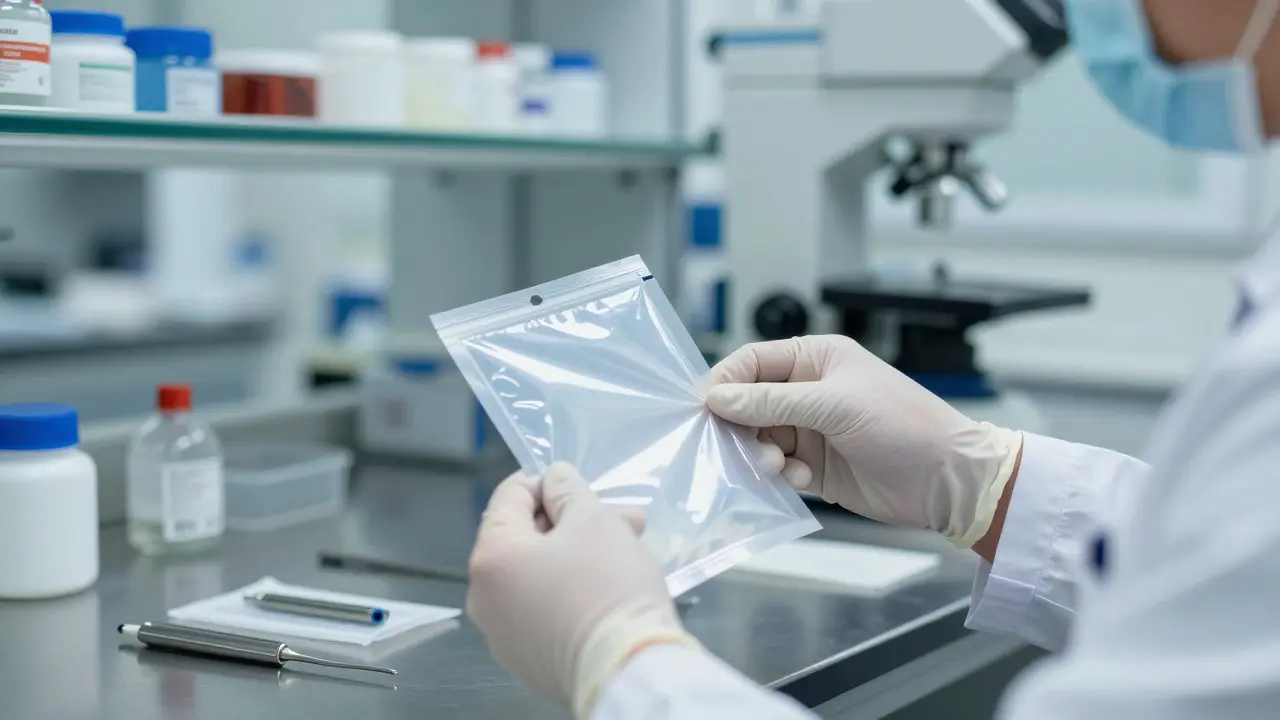
Another pitfall is mixing up containers. Using a sterile swab but placing the sample in a non-sterile plastic bag can reintroduce contaminants. Match the container to the collection tool. If the swab is sterile, the tube should be sterile too.
Finally, don't ignore training. New officers often default to whatever is easiest to grab. Regular drills should include selecting the correct equipment based on the evidence type. Make it muscle memory so that the right tool is always the first choice.
Frequently Asked Questions
Are all forensic swabs sterile?
No. Many standard trace evidence swabs are merely clean and single-use, not sterile. Sterile swabs are specifically manufactured for DNA and biological sampling to prevent microbial interference.
What is the cost difference between disposable and sterile kits?
Sterile kits typically cost three to five times more than standard disposable kits. The exact premium depends on the volume purchased and the specific laboratory requirements for certification.
Do I need sterile gloves for all crime scenes?
Generally, no. Nitrile or latex gloves are sufficient for most field work. Sterile gloves are reserved for surgical procedures or specific toxicology collections where skin flora must be strictly controlled.
How does humidity affect sterile equipment?
High humidity can compromise the seal of sterile packaging over time. Store sterile supplies in a cool, dry environment away from direct sunlight to maintain their integrity until the expiration date.
Can I reuse a disposable swab if it looks clean?
Never. Reusing any forensic tool breaks the chain of custody and introduces uncontrollable variables. Even if it looks clean, microscopic residue from the previous case can contaminate the new sample.