Behind the Crime Scene - Page 9
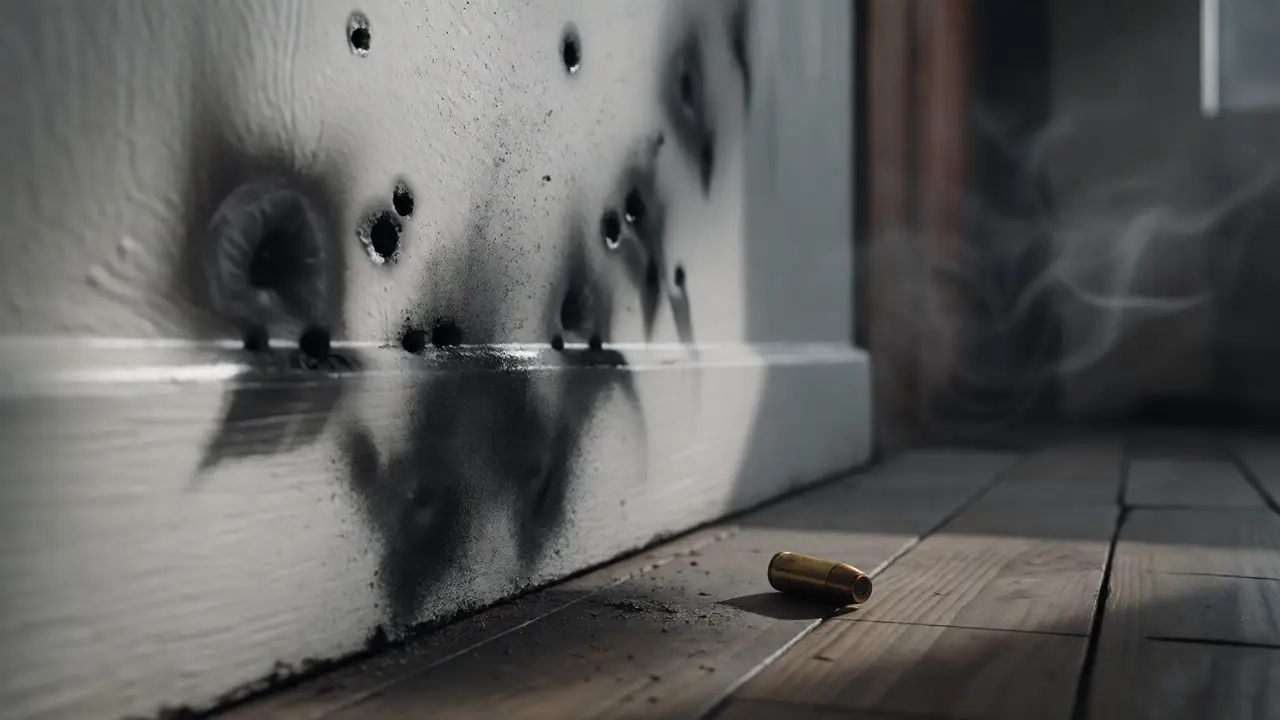
Suppressor Effects: Ballistic Evidence and Residue Patterns
- By : Ian Brophy
- Date : Oct 9 2026
Explore how suppressors alter ballistic evidence, including gunshot residue patterns, velocity changes, and backflow risks. Essential insights for forensics.
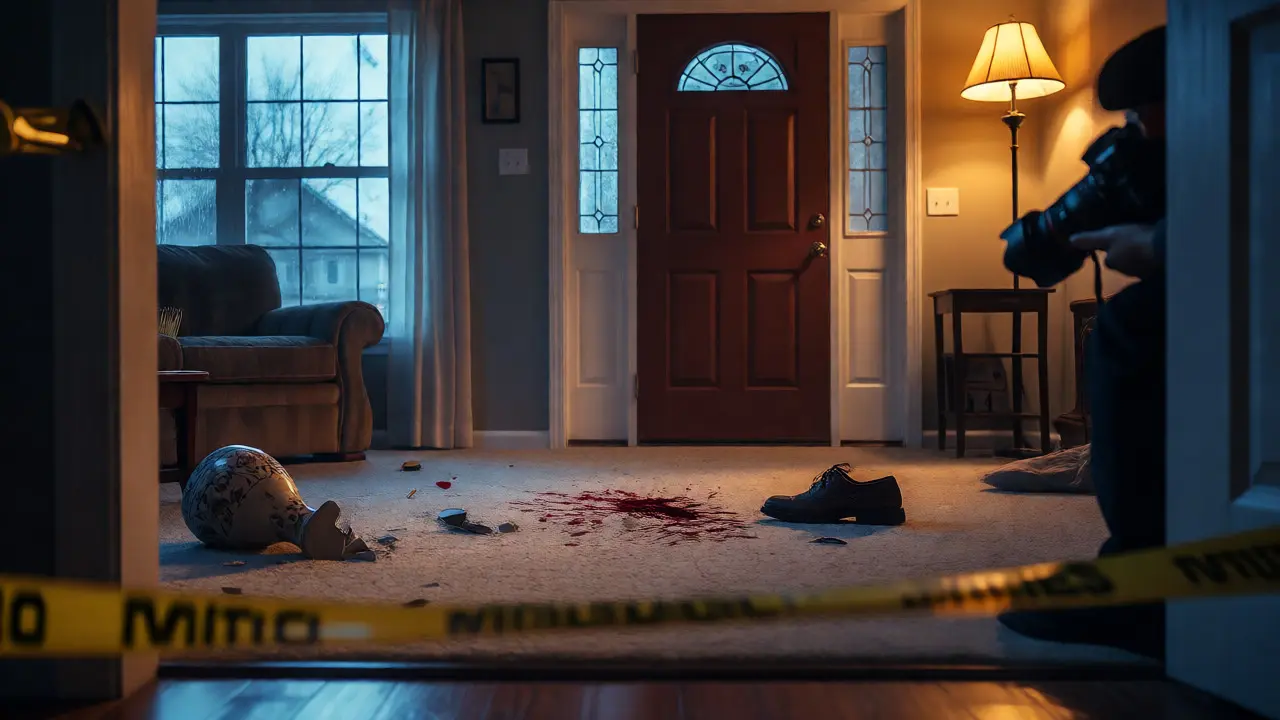
Crime Scene Photography: A Complete Guide for Investigators
- By : Ian Brophy
- Date : Oct 9 2026
Master crime scene photography with this complete guide for investigators. Learn the three-tier imaging method, essential gear, lighting techniques, and legal standards to ensure your visual evidence holds up in court.
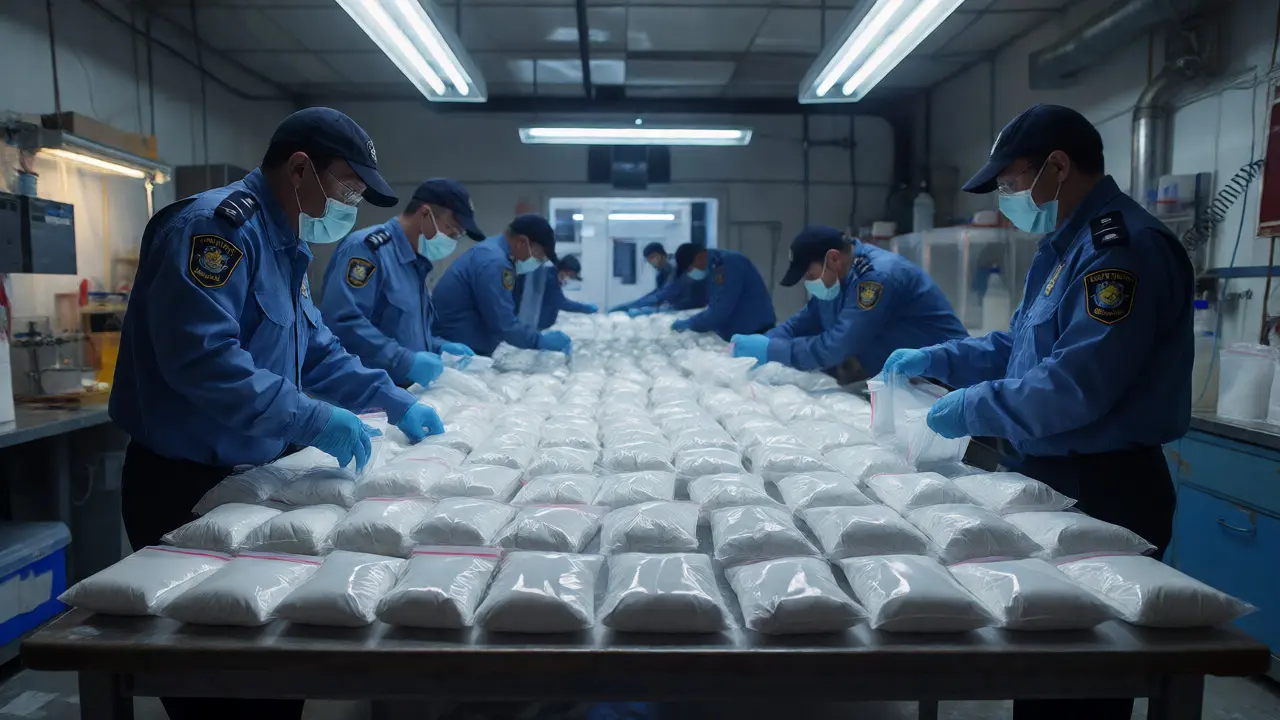
Batch Testing: Analyzing Large Quantities of Seized Drugs
- By : Ian Brophy
- Date : Oct 9 2026
Learn how batch testing enables forensic labs to efficiently analyze large quantities of seized drugs. Discover the statistical methods, instrumental techniques, and legal standards that ensure accuracy and speed in drug analysis.
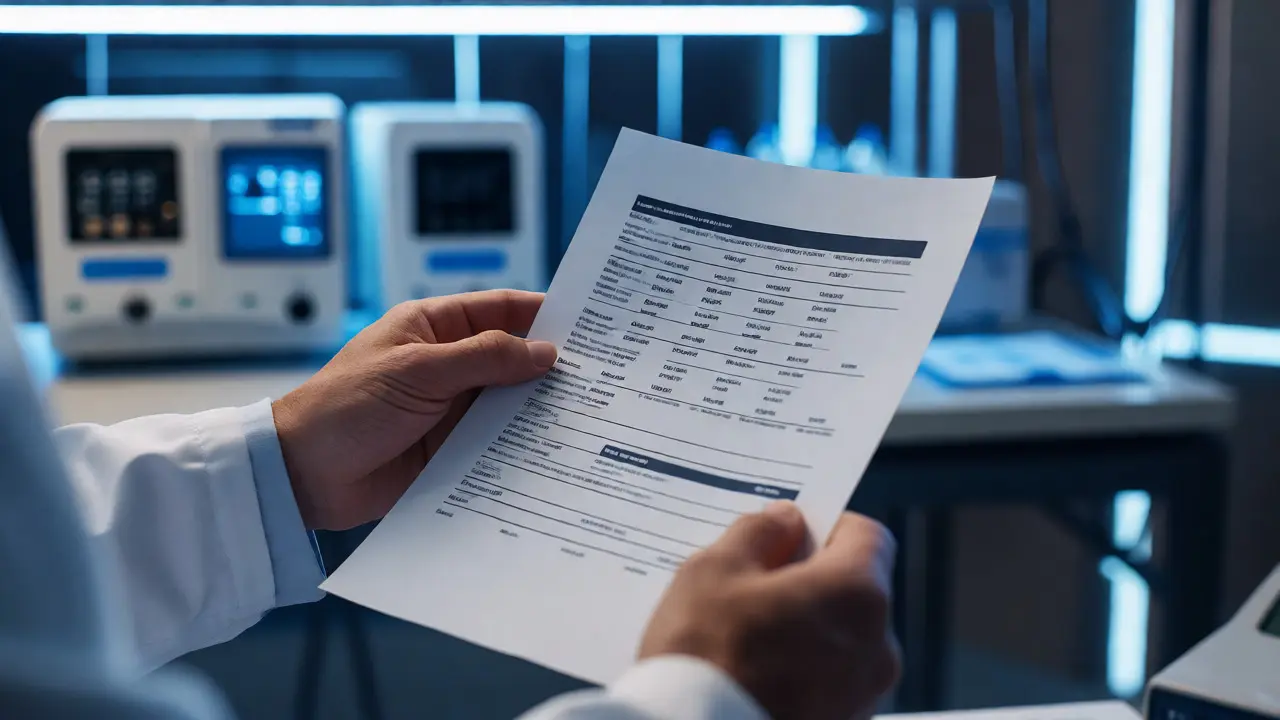
DNA Report Writing: Clear Statistics and Conclusions
- By : Ian Brophy
- Date : Oct 8 2026
Learn how to write forensic DNA reports that are both scientifically rigorous and easy to understand. This guide covers structuring, interpreting statistics, and avoiding common pitfalls.
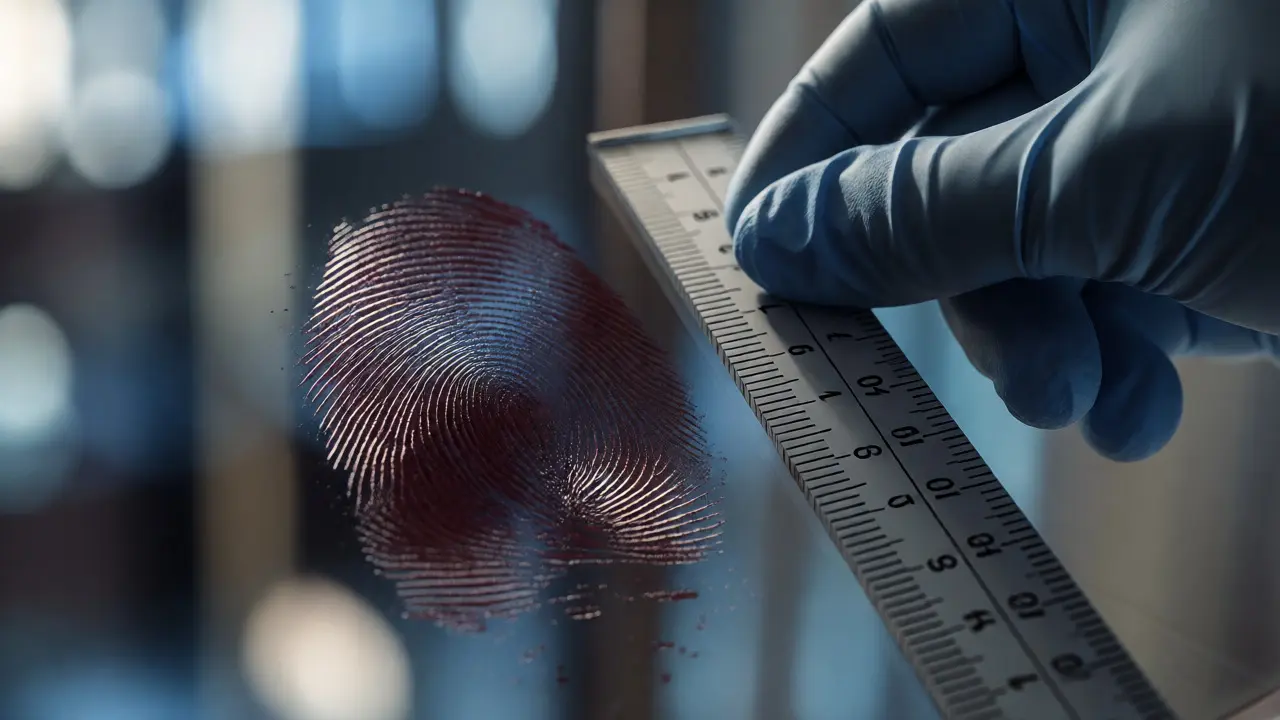
Patent Fingerprints: Photography and Documentation Techniques
- By : Ian Brophy
- Date : Oct 8 2026
Learn how to properly identify, photograph, and document patent fingerprints. Master lighting techniques, equipment choices, and common pitfalls to ensure admissible forensic evidence.
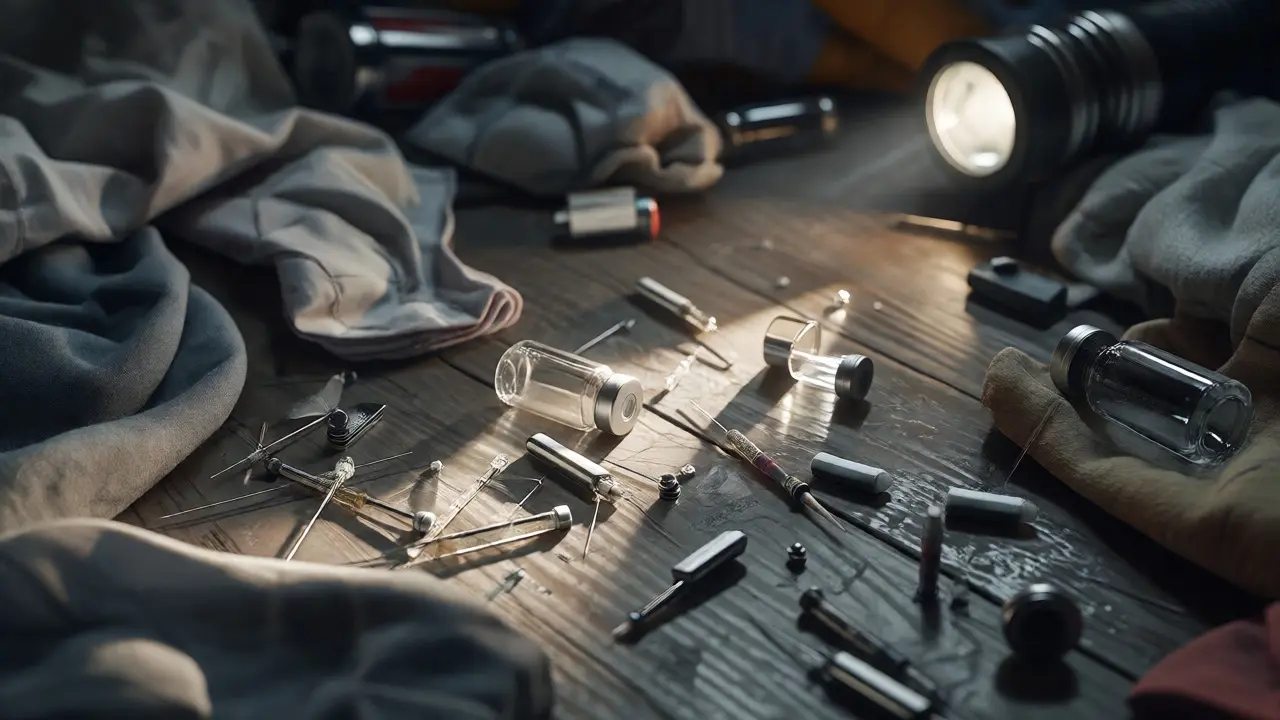
Sharps Handling and Disposal in Biohazard Cleanup: A Practical Guide
- By : Ian Brophy
- Date : Oct 8 2026
Learn the essential protocols for sharps handling and disposal in biohazard cleanup. Discover the right tools, containers, and safety steps to prevent injuries and ensure compliance.
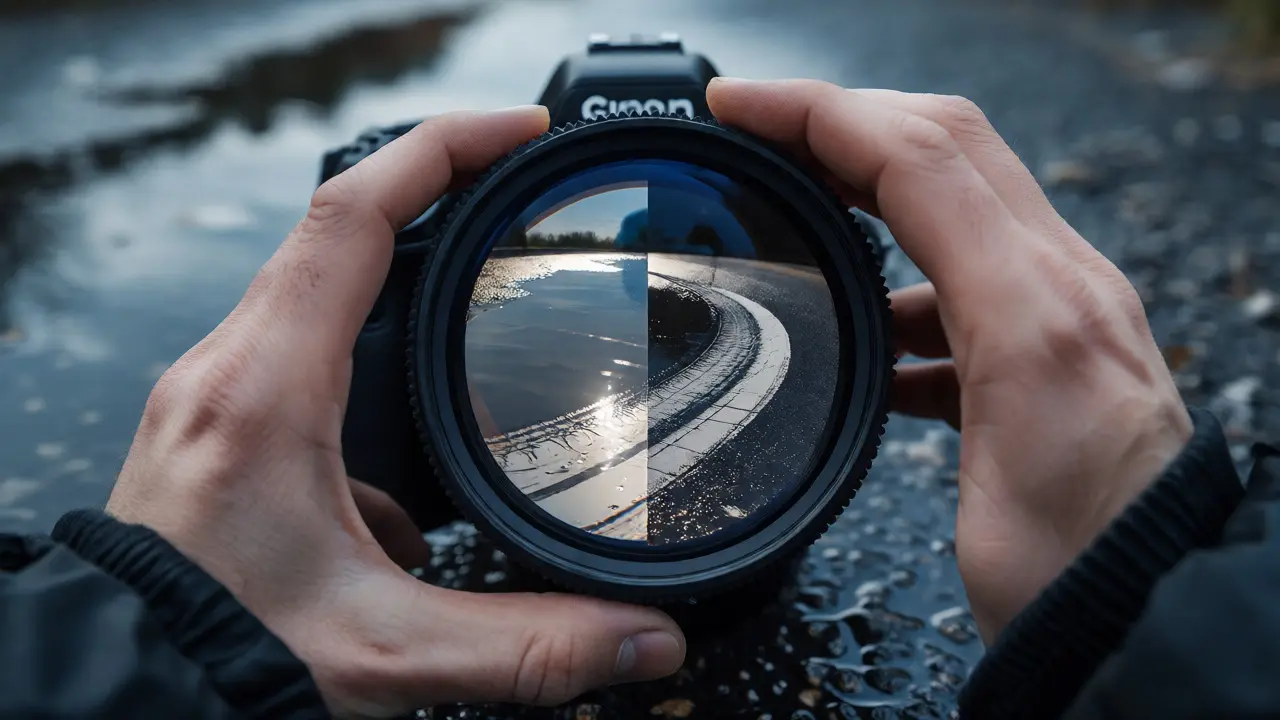
Mastering Glare: How Polarizing Filters Control Reflective Surfaces in Scene Imaging
- By : Ian Brophy
- Date : Oct 7 2026
Learn how polarizing filters control glare in forensic scene imaging. Discover techniques for documenting wet surfaces, glass, and reflective evidence effectively.

Artifact Analysis: Cookies, Cache, and App Data in Digital Forensics
- By : Ian Brophy
- Date : Oct 7 2026
Discover how cookies, cache, and app data serve as critical evidence in digital forensics. Learn to decode browser artifacts, correlate timelines, and avoid common pitfalls in artifact analysis.
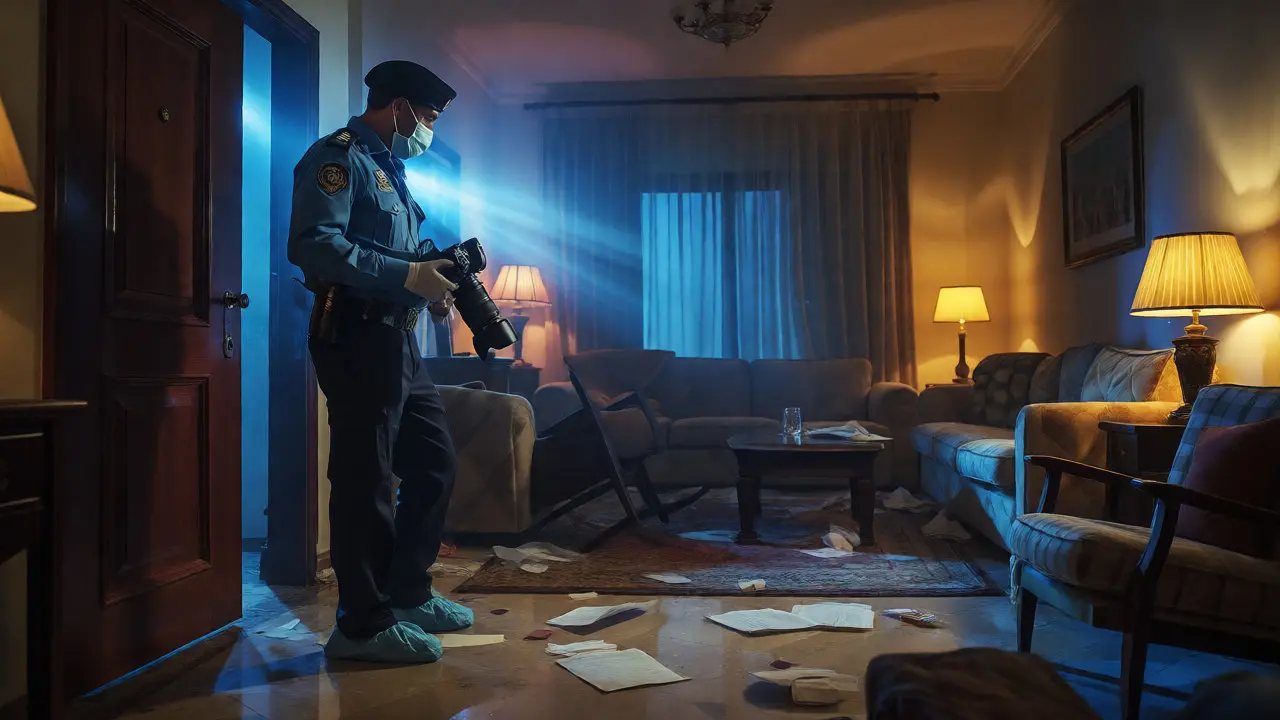
Documentation Requirements for Crime Scene Investigation: A Practical Guide
- By : Ian Brophy
- Date : Oct 7 2026
Learn the essential documentation requirements for crime scene investigation. Master photography, sketching, and chain of custody protocols to ensure evidence admissibility.
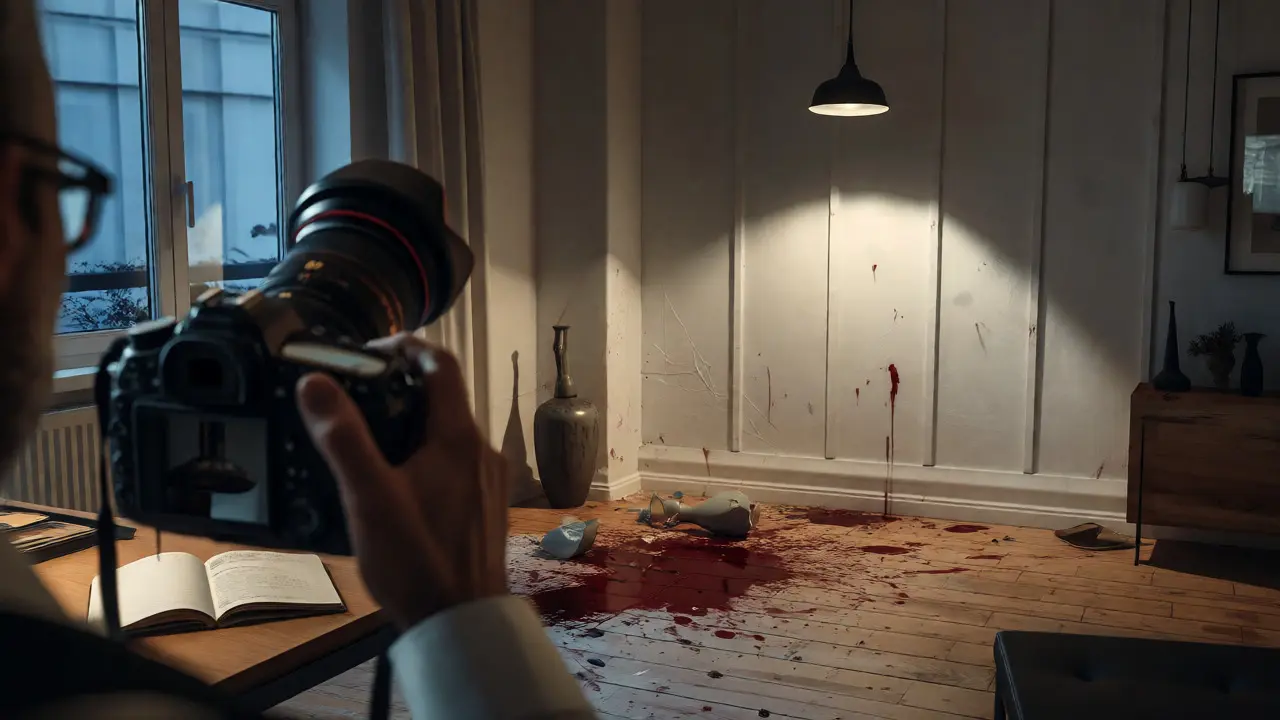
Documentation Requirements for Crime Scene Investigation: A Practical Guide
- By : Ian Brophy
- Date : Oct 7 2026
Learn the essential documentation requirements for crime scene investigation. Master photography, sketching, notes, and chain of custody to secure admissible evidence.
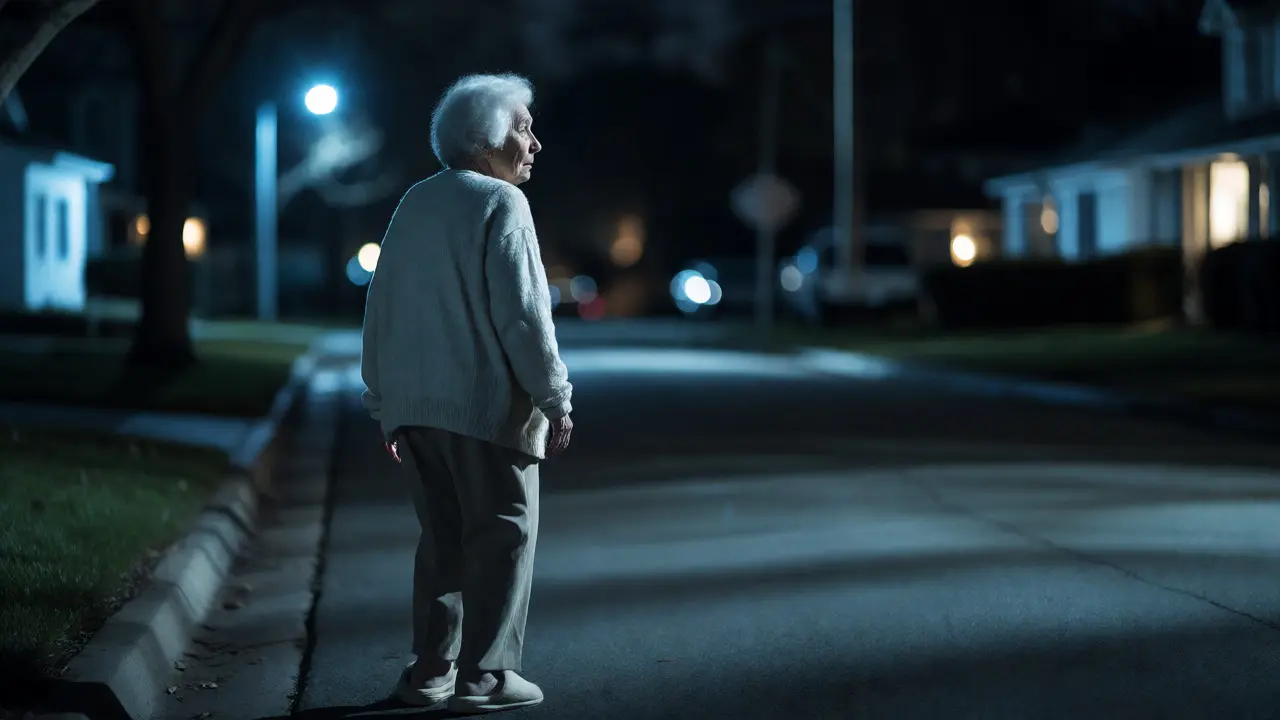
Silver Alert Programs: How They Locate Missing Older Adults
- By : Ian Brophy
- Date : Oct 6 2026
Discover how Silver Alert programs help locate missing older adults with dementia. Learn activation criteria, notification methods, and steps to take if a senior wanders.

Photographic Documentation in Forensic Reports: Best Practices for Evidence Images
- By : Ian Brophy
- Date : Oct 6 2026
Master photographic documentation in forensic reports. Learn the three-tier approach, lighting tips, and common mistakes to avoid for court-admissible evidence images.