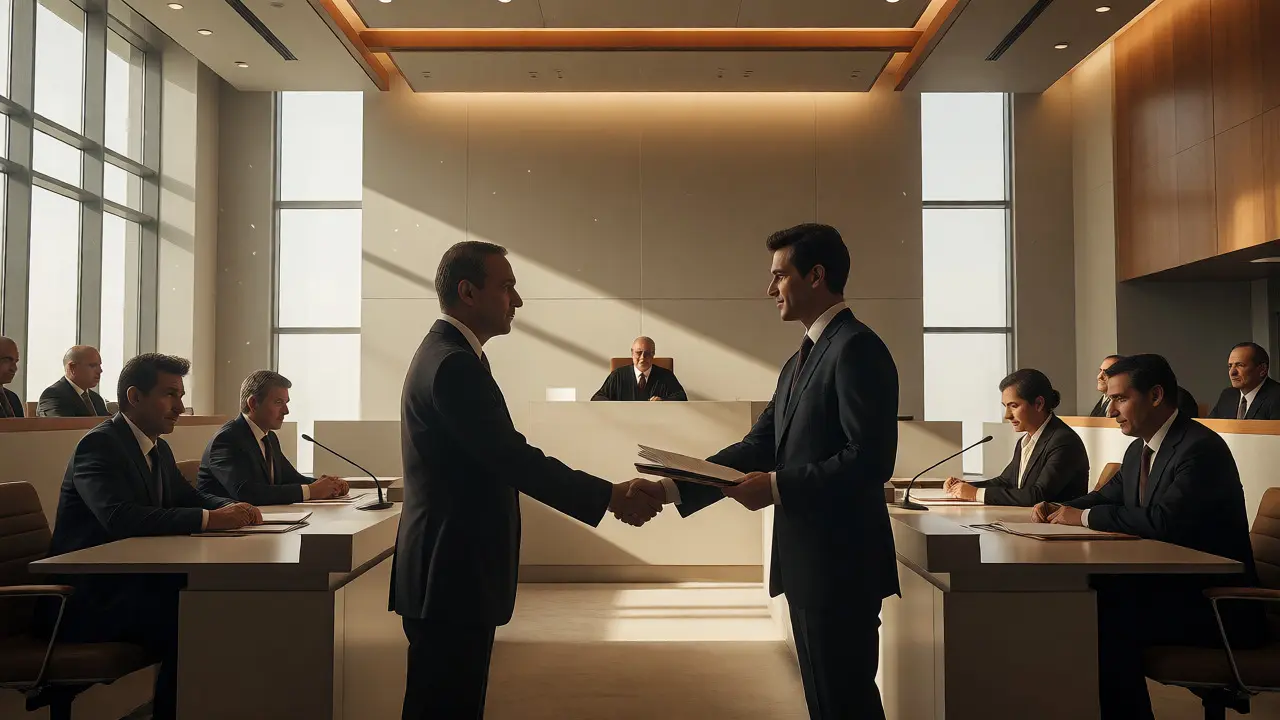
Imagine sitting in a courtroom, watching two lawyers spend forty-five minutes arguing over whether a specific email printout is authentic. The judge looks bored. The jury looks confused. And you? You’re wondering why nobody just agreed the email exists before walking in the door. This scenario happens more often than you’d think, but it doesn’t have to. Stipulations and joint exhibits are the tools that fix this mess. They aren’t just bureaucratic paperwork; they are strategic shortcuts that save time, reduce conflict, and keep your case focused on what actually matters: the facts in dispute.
If you’ve ever felt bogged down by procedural hurdles, understanding how to leverage these mechanisms can change your entire approach to trial preparation. It’s not about cutting corners-it’s about clearing the path so the truth can shine through without getting lost in authentication debates.
What Are Stipulations and Why Do Lawyers Use Them?
A stipulation is essentially an agreement between opposing parties to accept certain facts or conditions as true for the purposes of the trial. Think of it as a handshake deal where both sides say, "Okay, we agree this happened," or "We agree this document is real," so we don’t have to waste time proving it from scratch. In legal terms, this falls under evidence law, specifically regarding the admissibility and authentication of proof.
Why bother? Because trials are expensive and time-consuming. Every hour spent in court costs money-whether it’s attorney fees, expert witness retainers, or simply the opportunity cost of delaying resolution. By stipulating to non-controversial facts, you narrow the issues. If the defendant admits they were at the scene of the accident, you don’t need three witnesses to place them there. You move straight to the question of negligence. This sharpens the narrative for the jury and keeps the judge happy because you’re respecting their docket.
There are different types of stipulations. Some are factual ("The car was red"). Others are procedural ("We will use this specific format for our digital exhibits"). Some even cover the qualifications of experts, meaning you agree Dr. Smith is qualified to testify about DNA, saving you twenty minutes of voir dire questions about his PhD thesis.
The Power of Joint Exhibits
While stipulations handle facts, joint exhibits handle documents and physical objects. A joint exhibit is a piece of evidence that both sides agree to submit to the court. Instead of Plaintiff’s Exhibit 1 being one version of a contract and Defendant’s Exhibit 45 being another copy of the same contract, you create a single Joint Exhibit A.
This might sound like minor housekeeping, but it has massive implications for clarity. Juries get overwhelmed easily. When they see five different copies of the same invoice with slightly different Bates numbers, they start doubting the integrity of the whole case. A joint exhibit presents a unified front. It tells the jury, "This is the document. We all agree it exists. Now let’s argue about what it means."
Creating joint exhibits requires early cooperation. Usually, during the pre-trial conference or via meet-and-confer letters, attorneys exchange lists of proposed exhibits. You mark up each other’s lists: "Agree," "Disagree," or "Reserve." For anything marked "Agree," you consolidate. It forces you to look closely at what the other side is planning to use, which often reveals weaknesses in their case before you even step into the courtroom.
How to Draft Effective Stipulations
Drafting a good stipulation is an art form. You want it to be broad enough to be useful but specific enough to prevent surprises later. Here’s a practical checklist for drafting:
- Identify the Fact Clearly: Don’t say "The events of June 5th." Say "On June 5, 2026, at approximately 3:00 PM, John Doe drove a blue Ford F-150 on Interstate 5."
- Limit the Scope: Specify that the stipulation applies only to this trial. If the case settles and goes to appeal, or if a new trial is ordered, you don’t want old stipulations binding you automatically unless intended.
- Address Authentication: Explicitly state that the parties waive objections to authentication and hearsay for specific documents. This is crucial for business records or emails.
- Signatures Matter: Ensure both counsel sign the stipulation. Some jurisdictions require the parties themselves to sign, especially for substantive fact admissions.
One common pitfall is over-stipulating. Be careful not to admit facts that help the other side too much. If you stipulate that the traffic light was green, you’ve given away a key element of your defense. Always ask: "Does admitting this hurt my core argument?" If the answer is yes, fight it out in court instead.
Managing Digital Evidence and Metadata
In 2026, most evidence isn’t paper anymore. It’s texts, Slack messages, cloud storage logs, and metadata. This complicates stipulations because "agreement" gets fuzzy when data can be altered or viewed differently depending on the software used.
You should stipulate to the methodology of extraction. For example, agree that "Data extracted from the iPhone using Cellebrite software shall be considered accurate representations of the original device content." This prevents the opposing counsel from claiming the phone was hacked or the export file was corrupted. Without this stipulation, you might end up needing a forensic expert to testify about hash values and write-blockers, which adds days to the trial schedule.
Also, consider stipulating to the native format vs. PDF. If you agree to use PDFs for readability, make sure you also stipulate that the metadata remains intact for verification purposes. This balance ensures the jury sees clean documents while preserving the technical integrity needed for cross-examination.
Strategic Benefits Beyond Time-Saving
Using stipulations and joint exhibits isn’t just about speed. It’s about credibility. When you aggressively contest every minor detail, you can appear combative or unreasonable to a jury. By conceding obvious points, you look confident and fair-minded. You signal that you’re secure in your position and willing to focus on the real battle.
Furthermore, judges appreciate it. Judges hate wasting time on undisputed facts. If you walk into a hearing and hand the judge a packet of stipulated facts and joint exhibits, you immediately build rapport. You show you’re prepared, cooperative, and respectful of the court’s resources. That goodwill can pay dividends when you’re fighting over those tricky evidentiary rulings later.
| Aspect | Standard Proof | Stipulated/Joint Approach |
|---|---|---|
| Time Required | High (witnesses, foundations) | Low (reading into record) |
| Jury Confusion | Higher (multiple versions) | Lower (single source) |
| Attorney Credibility | Risk of appearing nitpicky | Appears reasonable/prepared |
| Cost Impact | Higher billable hours | Reduced litigation costs |
| Flexibility | Full control over presentation | Limited ability to retract facts |

Common Mistakes to Avoid
Even experienced litigators trip up here. One major error is failing to update stipulations after discovery closes. New evidence might emerge that contradicts an earlier agreement. If you stick to an outdated stipulation, you could inadvertently admit something false. Always review your stipulation draft right before trial starts.
Another mistake is assuming silence equals agreement. Just because the other side didn’t object to your list of exhibits doesn’t mean they’ve stipulated to everything. Make sure you have written confirmation. Verbal agreements in hallways evaporate quickly once the judge asks, "Counsel, did you agree to this?" Get it in writing.
Finally, don’t forget to serve the final set of joint exhibits properly. If you hand out copies during opening statements without prior notice, you risk a mistrial motion. Follow local rules strictly regarding deadlines for filing joint exhibit binders.
Frequently Asked Questions
Can I withdraw a stipulation after signing it?
Generally, no. Once signed, a stipulation is binding unless the court grants permission to withdraw it. Courts rarely allow withdrawal unless there was a mutual mistake, fraud, or significant prejudice. Always double-check facts before signing.
Do juries know what a stipulation is?
Not necessarily. Attorneys usually read stipulations into the record in plain language. For example, "Ladies and gentlemen of the jury, the parties agree that the contract was signed on May 1st." The judge may also provide a brief instruction explaining that these are agreed-upon facts.
What happens if we disagree on a document's authenticity?
If you cannot stipulate to authenticity, you must prove it through testimony or affidavits. This involves calling a custodian of records or a witness who saw the document created. It takes longer and costs more, which is why negotiating joint exhibits is so valuable.
Are electronic signatures valid for stipulations?
In most modern courts, yes. However, check your specific jurisdiction’s rules. Some federal courts and state courts require wet signatures for certain types of substantive admissions, while others accept DocuSign or similar platforms for procedural stipulations.
Who drafts the initial stipulation sheet?
Typically, the plaintiff drafts the initial list of proposed stipulations and joint exhibits, then sends it to the defense for markup. This gives the plaintiff control over the baseline, but the defense has the power to edit and reject items.