
You know the Amber Alert. You've probably heard that jarring tone on your phone while driving down I-5 in Portland. But what happens when the person missing isn't a child abducted by a stranger, but an 82-year-old with early-stage Alzheimer's who wandered out of their front door at 3 AM? That's where Silver Alerts come in. These systems are specifically designed to locate missing seniors and vulnerable adults, leveraging the same mass-notification power as Amber Alerts but tailored to the unique risks faced by the aging population.
If you're caring for an elderly parent, or if you work in public safety, understanding how Silver Alerts operate is crucial. It’s not just about broadcasting a message; it’s about speed, accuracy, and community awareness. Here is exactly how these programs work, why they matter, and what you need to do if your loved one goes missing.
The Core Problem: Why Seniors Disappear Differently
Missing persons cases involving older adults are fundamentally different from those involving children or young adults. The primary driver isn't usually foul play; it's cognitive decline. Conditions like dementia, a group of symptoms affecting memory, thinking, and social abilities severely enough to interfere with daily life, particularly Alzheimer's disease, cause disorientation. A senior might leave their home looking for a "job" they retired from thirty years ago, or simply walk out because they feel restless.
The danger here is environmental exposure. Unlike a kidnapped child who might be held indoors, a wandering senior is often exposed to weather extremes. In Oregon, this means hypothermia during wet winters or heatstroke during dry summers. Statistics from the National Center for Missing & Exploited Children indicate that people with dementia have a significantly higher risk of injury or death within hours of going missing compared to the general population. This urgency dictates the structure of the alert system.
What Exactly Is a Silver Alert?
A Silver Alert is an emergency notification system used in the United States to disseminate information regarding missing elderly individuals. It was inspired by the Amber Alert system but adapted for adults over a certain age threshold, typically 60 or 65. The concept originated in Florida in 2000, following the tragic case of Neva Holloran, an elderly woman with Alzheimer's who went missing and was later found dead. Her family's advocacy led to the first state-level program.
Today, most states have some form of Silver Alert legislation, though the specifics vary wildly. Some states issue alerts automatically based on criteria, while others require a high-level official to authorize the broadcast. The goal remains consistent: mobilize the public to spot a specific individual quickly.
Activation Criteria: When Does the Alert Go Out?
Not every missing senior triggers a Silver Alert. Law enforcement agencies use strict criteria to prevent "alert fatigue," where the public stops paying attention because notifications become too frequent. While laws differ by state, the standard requirements generally include:
- Age Threshold: The missing person must be above a certain age, commonly 60 or 65.
- Cognitive Impairment: There must be evidence that the person suffers from dementia, Alzheimer's, or another mental impairment that renders them incapable of returning home safely.
- Imminent Danger: Law enforcement must determine that the person is in immediate danger due to age, health, or weather conditions.
- Investigation Status: All other reasonable investigative leads must have been exhausted before the alert is issued.
In many jurisdictions, including parts of the Pacific Northwest, police will also check local hospitals and shelters before broadcasting statewide. This step ensures that resources aren't wasted on someone who has already been admitted to care.

How the Notification Reaches You
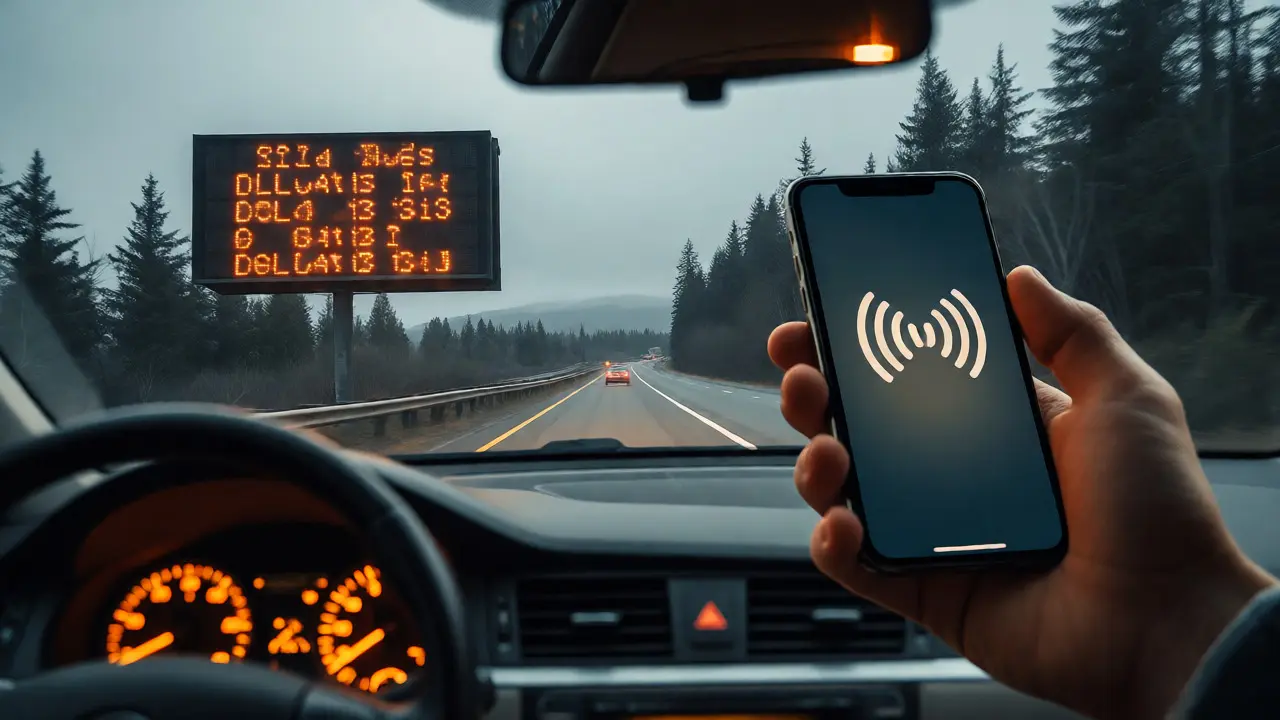
Once activated, the alert spreads through multiple channels simultaneously. The technology behind this is robust and relies on infrastructure built for wireless emergency alerts (WEA).
| Channel | Reach & Mechanism | Speed of Delivery |
|---|---|---|
| Wireless Emergency Alerts (WEA) | Blasts text-like messages to compatible mobile phones in a specific geographic area. | Seconds |
| Electronic Highway Signs | Displays name, description, and vehicle info on variable message signs along interstates and major roads. | Minutes |
| TV and Radio Broadcasts | Interrupts programming via the Emergency Alert System (EAS) for live coverage. | Minutes to Hours |
| Social Media & Apps | State police and sheriff departments post real-time updates on Facebook, X (Twitter), and dedicated apps. | Immediate |
The WEA system is the fastest component. If you are driving in Multnomah County when a Silver Alert is issued for a nearby zip code, your phone will likely buzz with a distinct tone and vibration, even if it is on silent. This geofencing capability ensures that only relevant areas receive the interruption, keeping the signal-to-noise ratio high.
Regional Variations: The Oregon Context
Since I'm writing this from Portland, it's worth noting how things work here. Oregon does not have a single, unified statewide "Silver Alert" brand in the same way Texas or Florida does. Instead, the Oregon State Police manages the Emergency Alert System and coordinates with local counties for missing person broadcasts. However, many counties, such as Washington County and Clackamas County, run their own localized alert networks that function similarly to Silver Alerts.
These local systems often rely heavily on community volunteers and neighborhood watch groups. For example, the Search and Rescue teams in Oregon are highly active and often deploy K-9 units trained to track human scent within hours of a report. If you are in the West Coast region, always check with your local Sheriff's Office website, as they may have specific protocols for vulnerable adults that differ from the state police guidelines.
What To Do If Your Loved One Goes Missing
Time is the enemy. Every minute counts. If you suspect your elderly relative has wandered off, follow this checklist immediately:
- Call 911 Immediately: Do not wait 24 hours. That myth applies to adults without impairments. For dementia patients, report it instantly.
- Provide Recent Photos: Have a clear, recent photo of the person ready. Ideally, one taken in clothing they were last seen wearing.
- Describe Clothing and Mobility: Note if they use a walker, cane, or wheelchair. Mention distinctive features like tattoos, glasses, or hearing aids.
- Identify Last Known Location: Where did they leave from? What direction were they facing? Did they mention wanting to go somewhere specific?
- Contact Local Hospitals: Call the ERs within a 10-mile radius. Sometimes a confused senior is picked up by EMS and admitted under "Jane Doe" or "John Doe."
Proactive measures can save precious minutes. Consider registering your loved one in a local MedicAlert or similar medical ID program. Some seniors wear GPS-enabled watches or pendants that allow families to track location via smartphone apps. While not foolproof-batteries die, devices get left behind-they provide a critical starting point for search teams.
The Role of Technology and Future Trends
The future of locating missing seniors lies in integration. We are seeing more partnerships between tech companies and law enforcement. Smart home devices can now trigger alerts if a door opens outside of expected hours. Furthermore, facial recognition technology is being tested in some urban centers to scan security footage across city blocks, helping to pinpoint a missing person's path much faster than manual review.
However, privacy concerns remain. Balancing the need for rapid location tracking with the right to privacy for aging populations is a delicate legal and ethical tightrope. As AI becomes better at predicting wandering patterns based on historical data, we may see predictive alerts that notify caregivers *before* a senior leaves the safe zone.
Frequently Asked Questions
Is a Silver Alert available in all US states?
No, not all states have formalized Silver Alert programs. While the majority of states have enacted legislation, the implementation varies. Some states use the term "Blue Alert" for law enforcement officers, while others integrate senior alerts into broader missing person systems. Always check your specific state's Department of Public Safety website for current protocols.
Can anyone request a Silver Alert?
Generally, no. A Silver Alert is issued by law enforcement after they verify the criteria. Family members should file a police report, but the decision to broadcast rests with the police department or state agency to ensure the alert meets the required standards for imminent danger and cognitive impairment.
What is the difference between Silver Alert and Amber Alert?
Amber Alerts are primarily for abducted children under 17 where there is reason to believe the abduction involves immediate danger of serious bodily harm or death. Silver Alerts are for missing adults, typically over 60, who suffer from dementia or other mental impairments and are in danger due to their condition and environment.
How long does a Silver Alert stay active?
The duration varies by jurisdiction. Typically, an alert remains active until the person is located or until law enforcement determines that further broadcasting is unlikely to yield results. In some cases, alerts are cancelled after 24 to 48 hours if no sightings occur, transitioning to traditional search methods.
Do I need a smartphone to receive a Silver Alert?
Yes, for the Wireless Emergency Alert (WEA) system, you need a compatible cell phone connected to a participating carrier. Most modern smartphones support WEA. You can usually enable or disable these alerts in your phone's settings under "Notifications" or "Emergency Alerts." Landlines and basic flip phones may not receive these digital pushes.