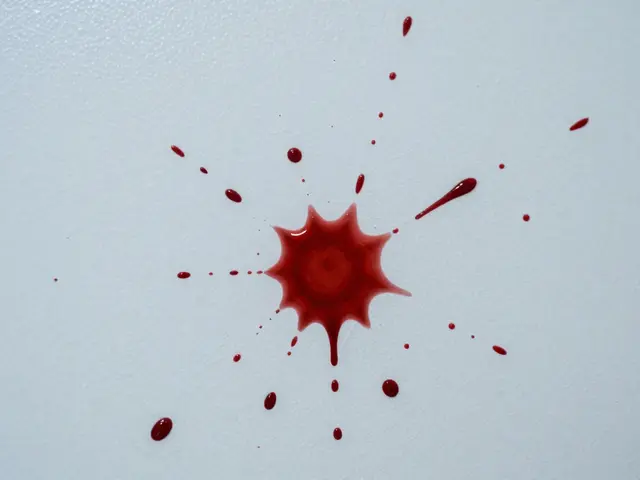
Behind the Crime Scene - Page 8
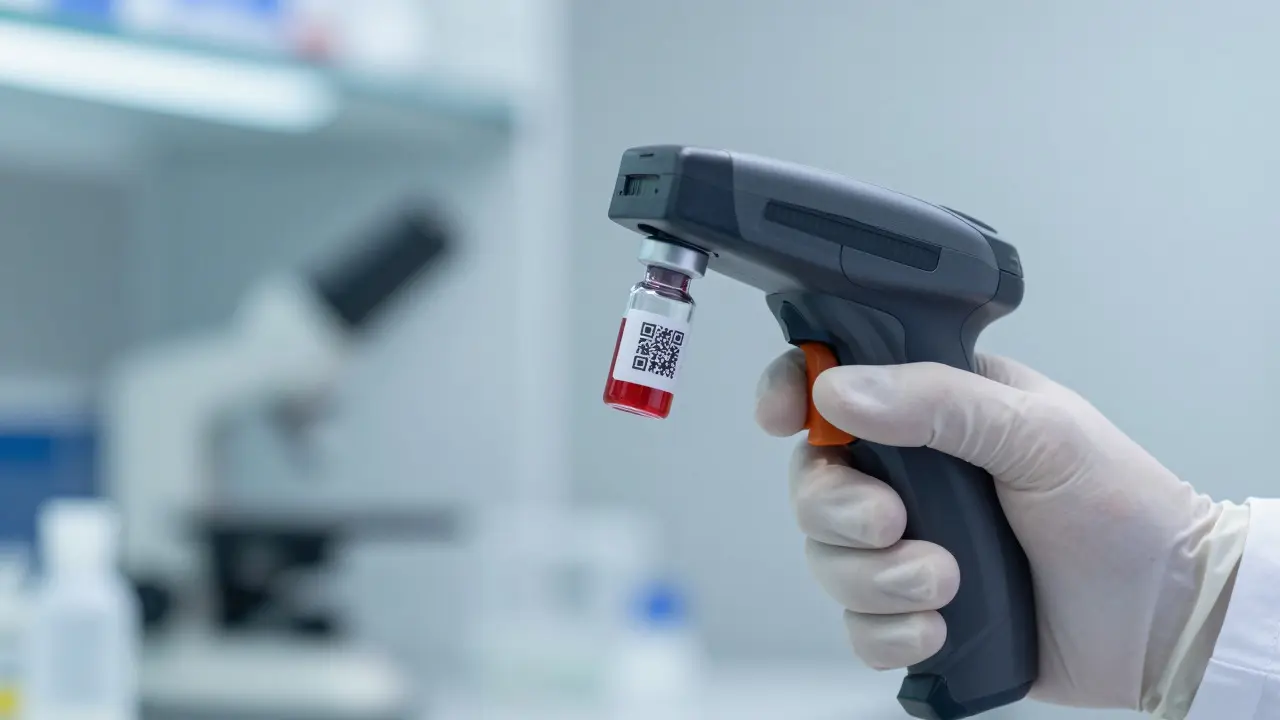
Barcoding Evidence: How to Automate Chain of Custody Tracking in 2026
- By : Ian Brophy
- Date : Aug 17 2026
Discover how automating chain of custody with evidence barcoding reduces errors and speeds up forensic workflows. Learn implementation steps and best practices for 2026.
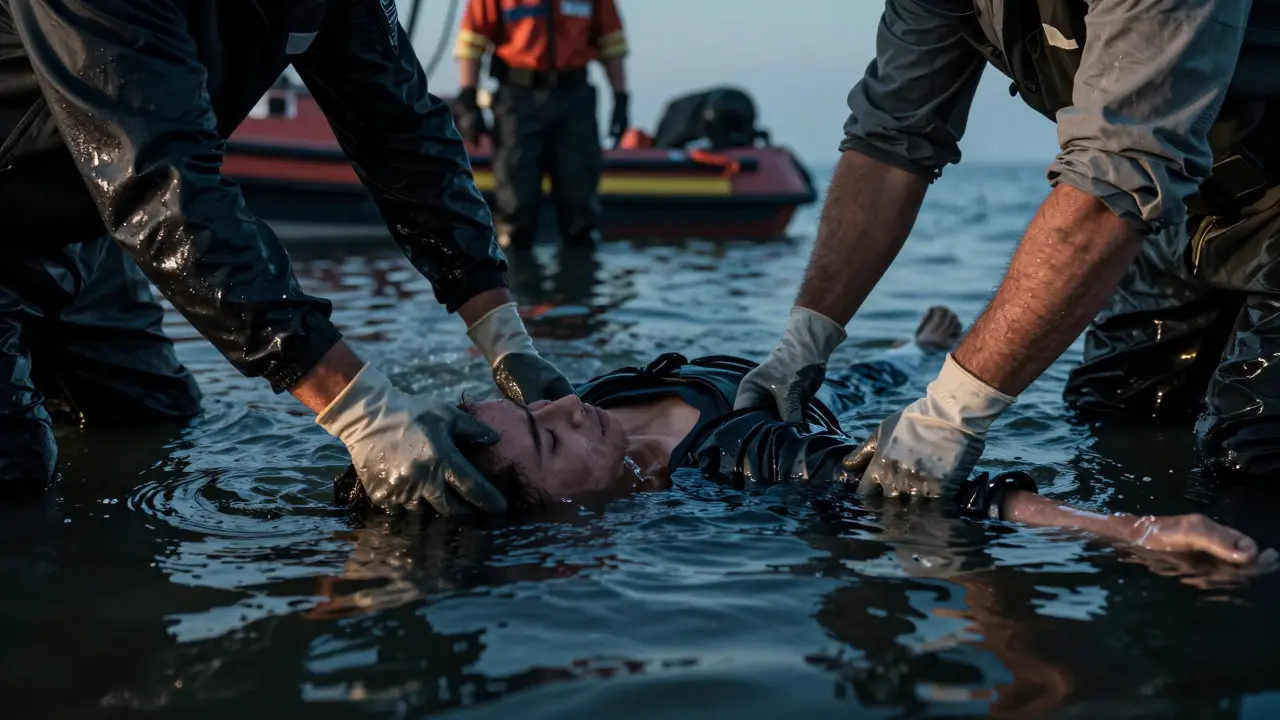
Drowning Forensics: Pulmonary Findings and Diatom Testing Guide
- By : Ian Brophy
- Date : Aug 17 2026
Learn how forensic pathologists distinguish true drowning from other causes using pulmonary exam findings and diatom testing. Understand the limits of each method and how to integrate evidence for accurate diagnoses.
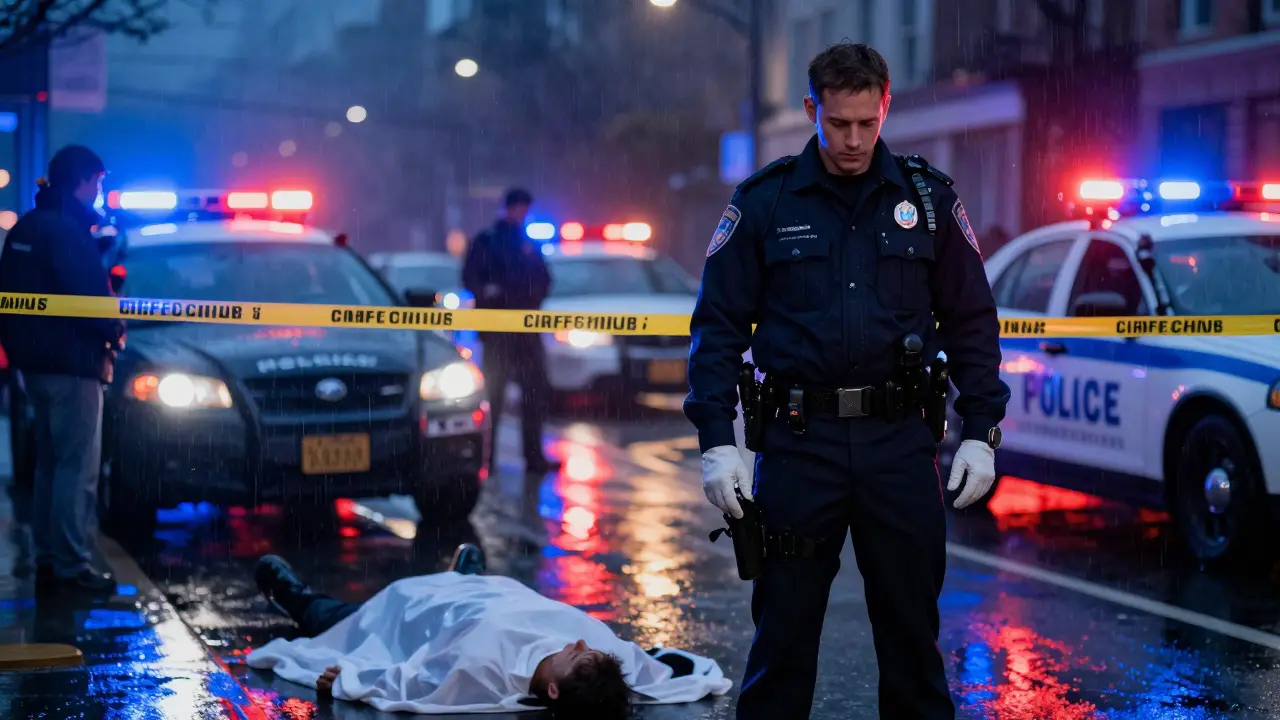
From Investigation to Arrest: Establishing Probable Cause in Homicide Cases
- By : Ian Brophy
- Date : Aug 17 2026
Learn how investigators build a defensible case for arrest in homicide cases. This guide covers the legal standards, key evidence types, and common pitfalls that affect probable cause.
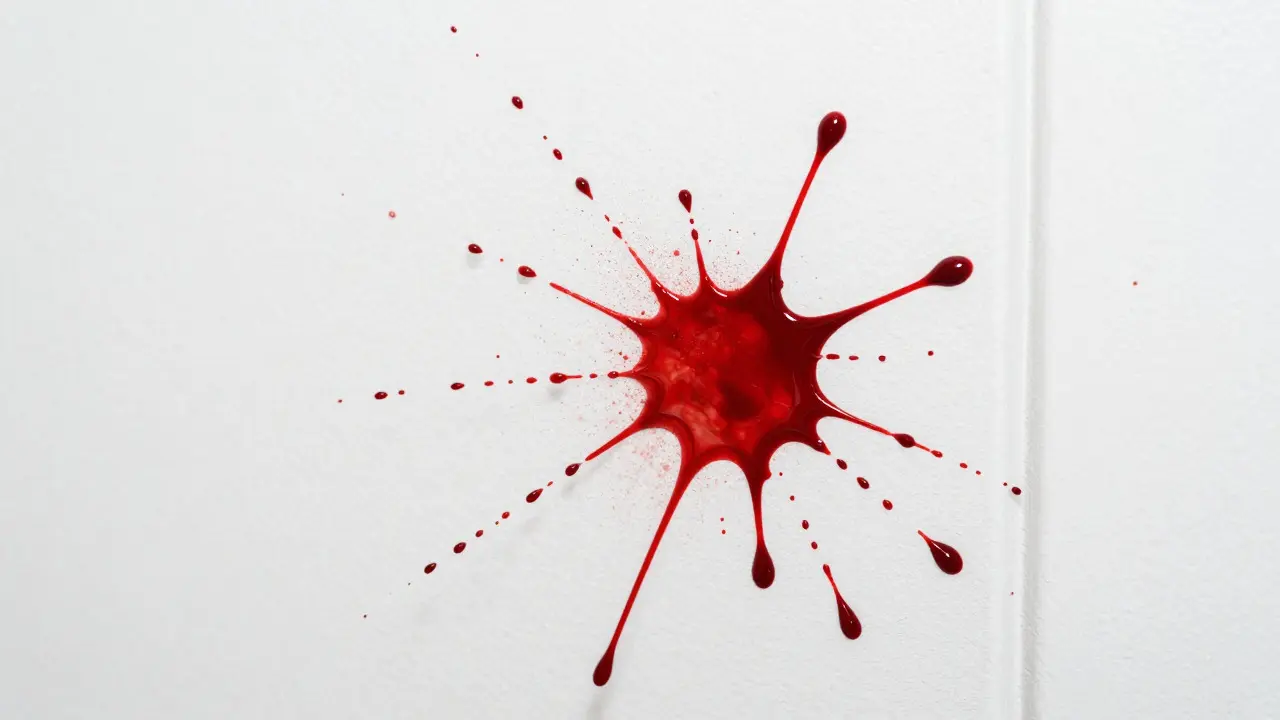
Arterial Spray: How to Identify Distinctive Blood Patterns from Severed Arteries
- By : Ian Brophy
- Date : Aug 17 2026
Learn how to identify arterial spray, a distinctive bloodstain pattern caused by severed arteries. Discover the physics behind the spray, how it differs from other patterns, and how it helps reconstruct crime scenes.
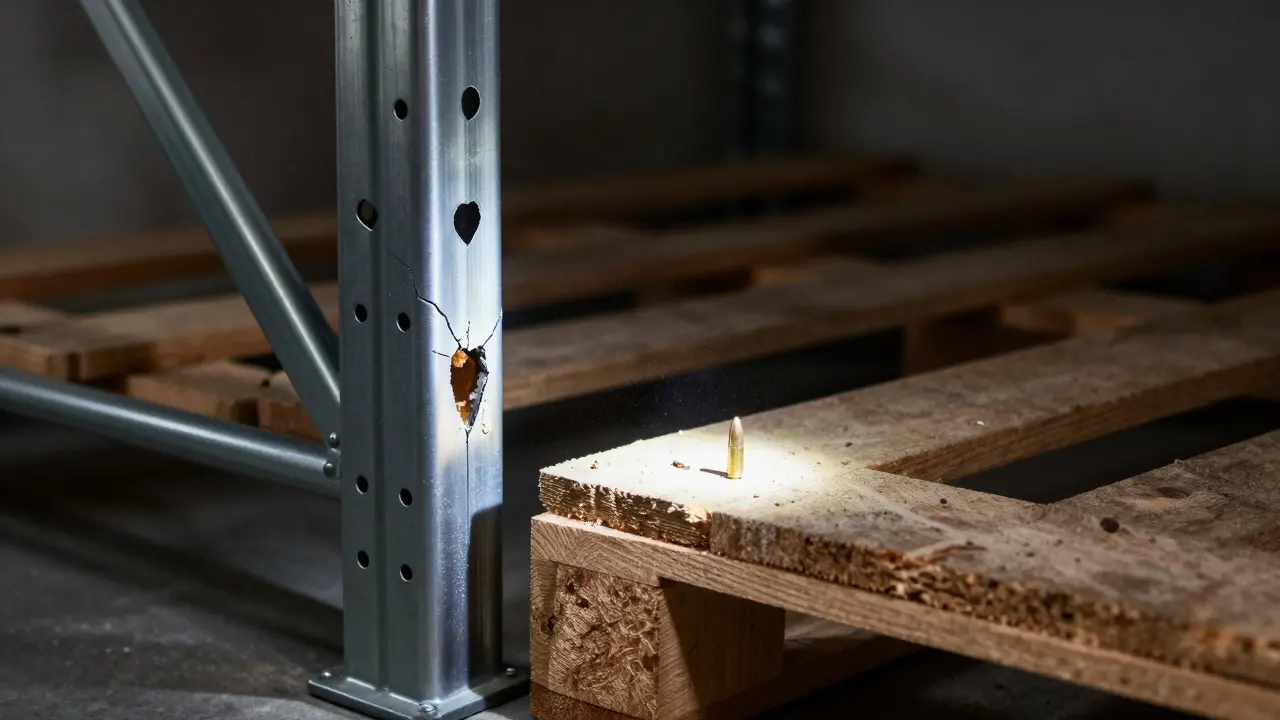
Ricochet Analysis: How to Trace Secondary Projectile Paths in Forensics
- By : Ian Brophy
- Date : Aug 17 2026
Learn how forensic experts trace secondary projectile paths after a ricochet. We cover physics, tools, and common pitfalls in reconstructing complex shooting scenes.
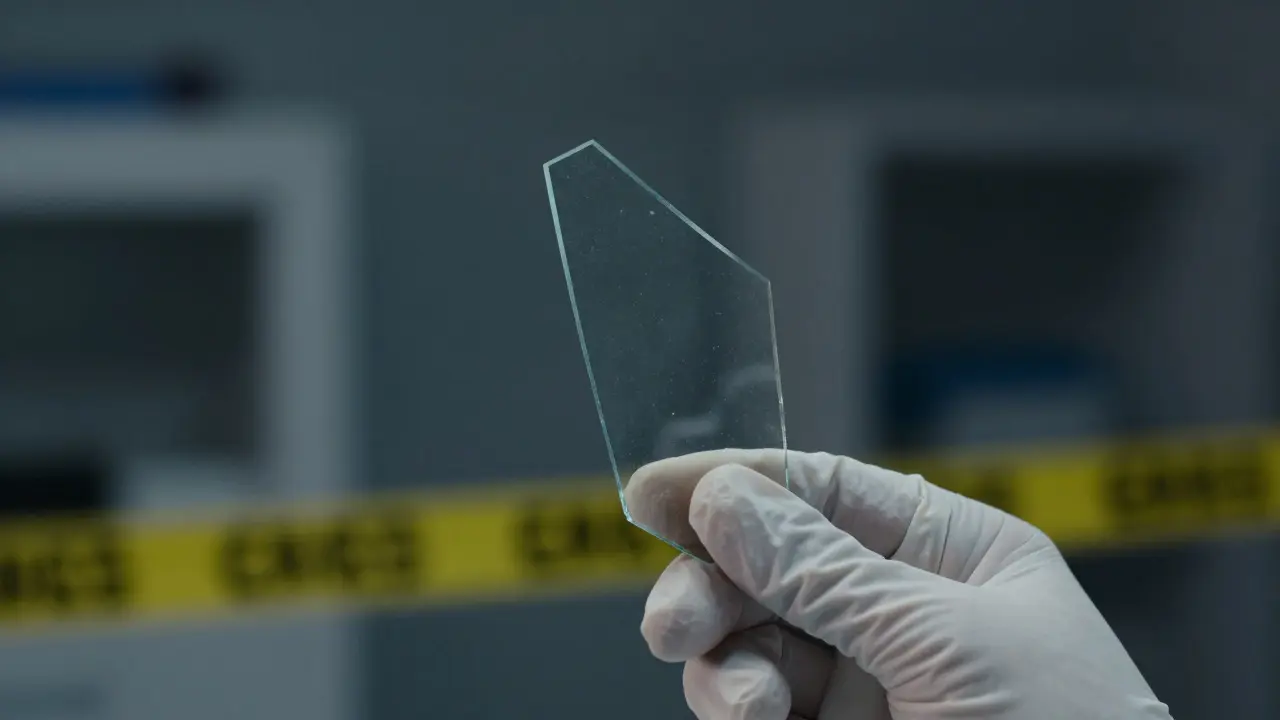
Glass Density and RI: GRIM System and Standards Explained
- By : Ian Brophy
- Date : Aug 17 2026
Learn how forensic scientists use glass density and refractive index to identify trace evidence. Discover the GRIM system, ASTM standards, and practical workflows for accurate glass comparison.
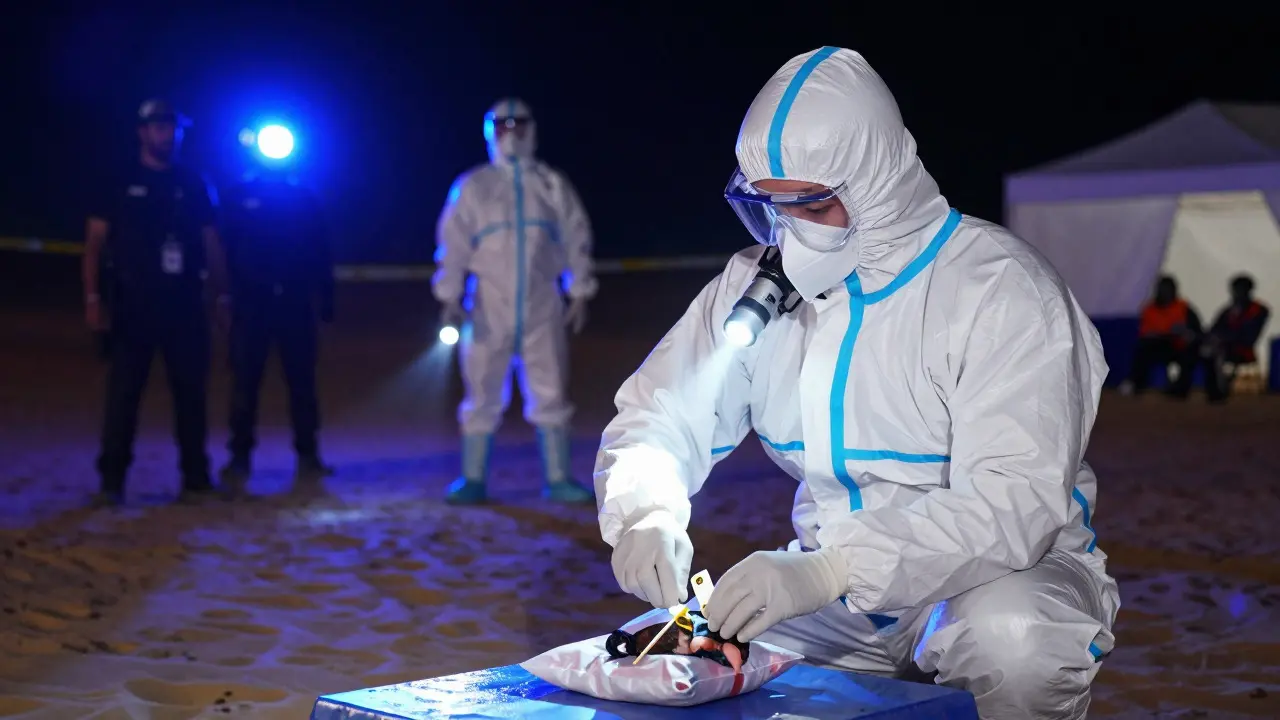
Custody Role Training: Handler Responsibilities and Errors
- By : Ian Brophy
- Date : Aug 17 2026
Learn how to maintain an unbroken chain of custody. Discover common handler errors, best practices for physical and digital evidence, and training tips to protect your cases.
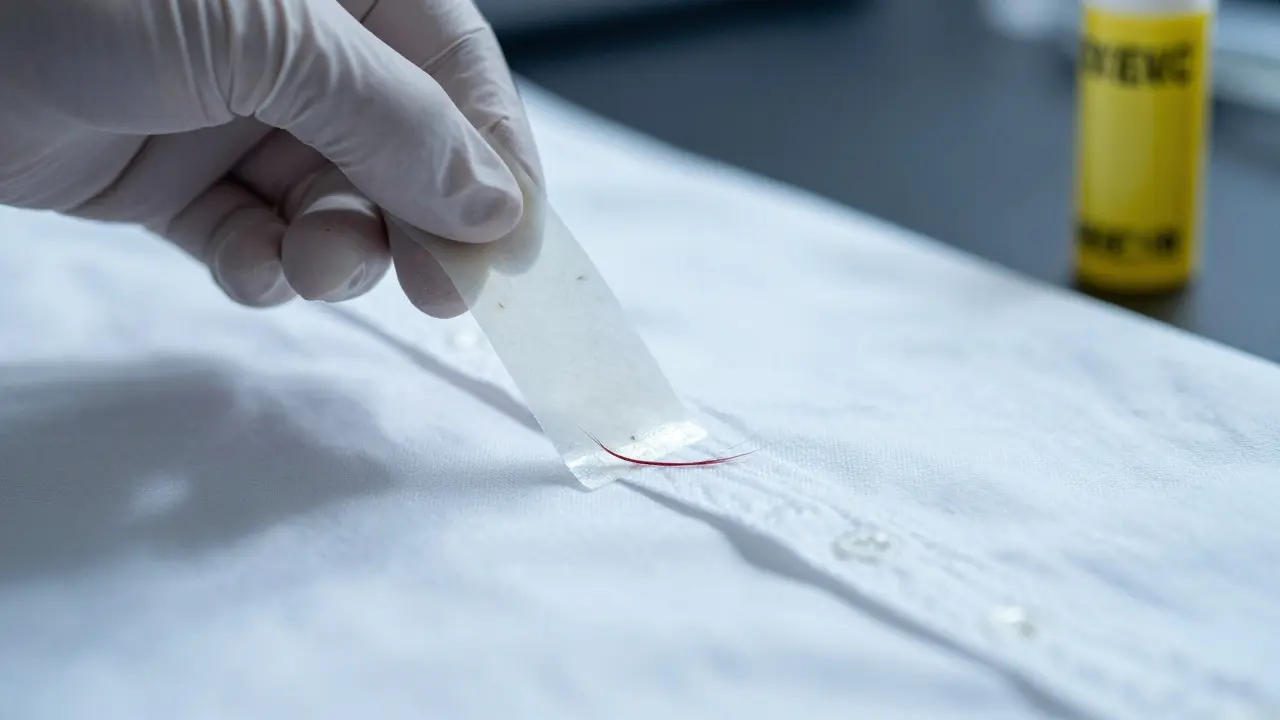
Trace Evidence: What It Is, How It Works, and Why It Matters in Forensics
- By : Ian Brophy
- Date : Aug 17 2026
Discover what trace evidence is and how it solves crimes. Learn about fiber, glass, and soil analysis, plus the key techniques used in forensic labs.
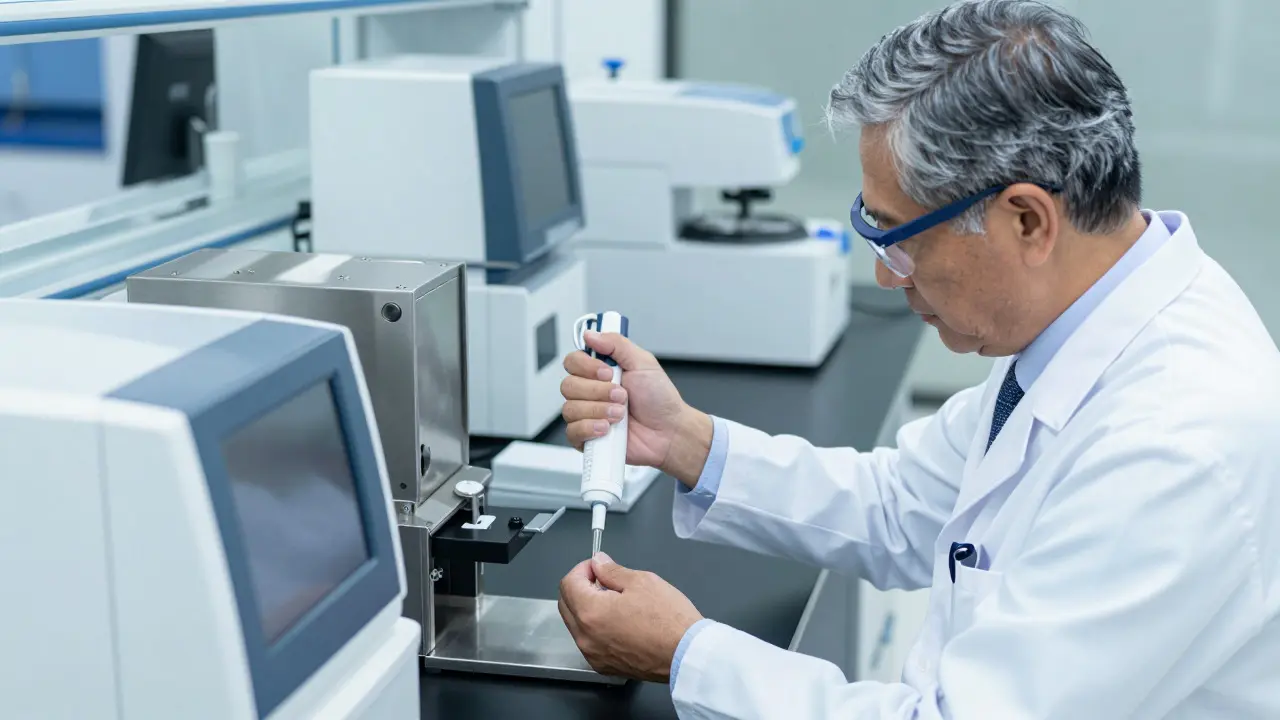
Competency Assessments in Lab Accreditation: Initial vs Ongoing
- By : Ian Brophy
- Date : Aug 17 2026
Learn the critical differences between initial and ongoing competency assessments for lab accreditation. Discover best practices for ISO/IEC 17025 compliance, proficiency testing, and quality control strategies.
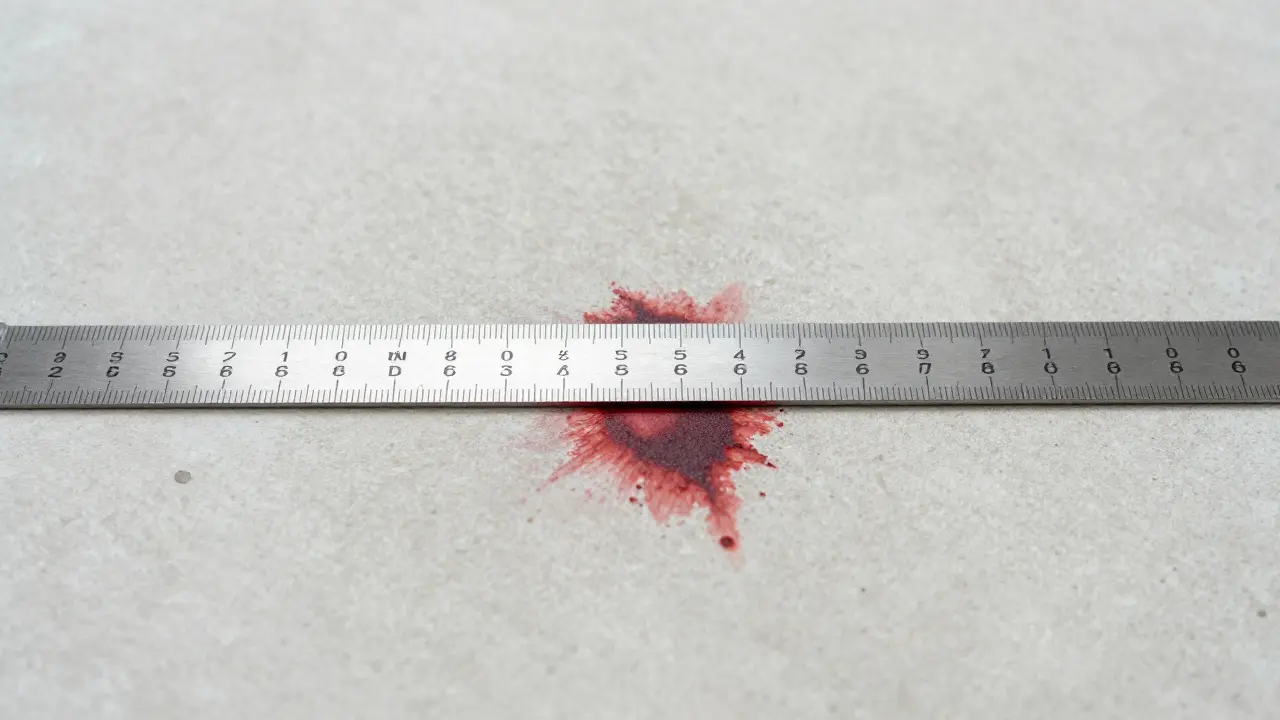
Photography Scale and Measurement: Legal Requirements for Crime Scenes
- By : Ian Brophy
- Date : Aug 17 2026
Learn the legal requirements for using scales in forensic photography. Discover how to choose the right tools, avoid common pitfalls, and ensure your photos hold up in court.
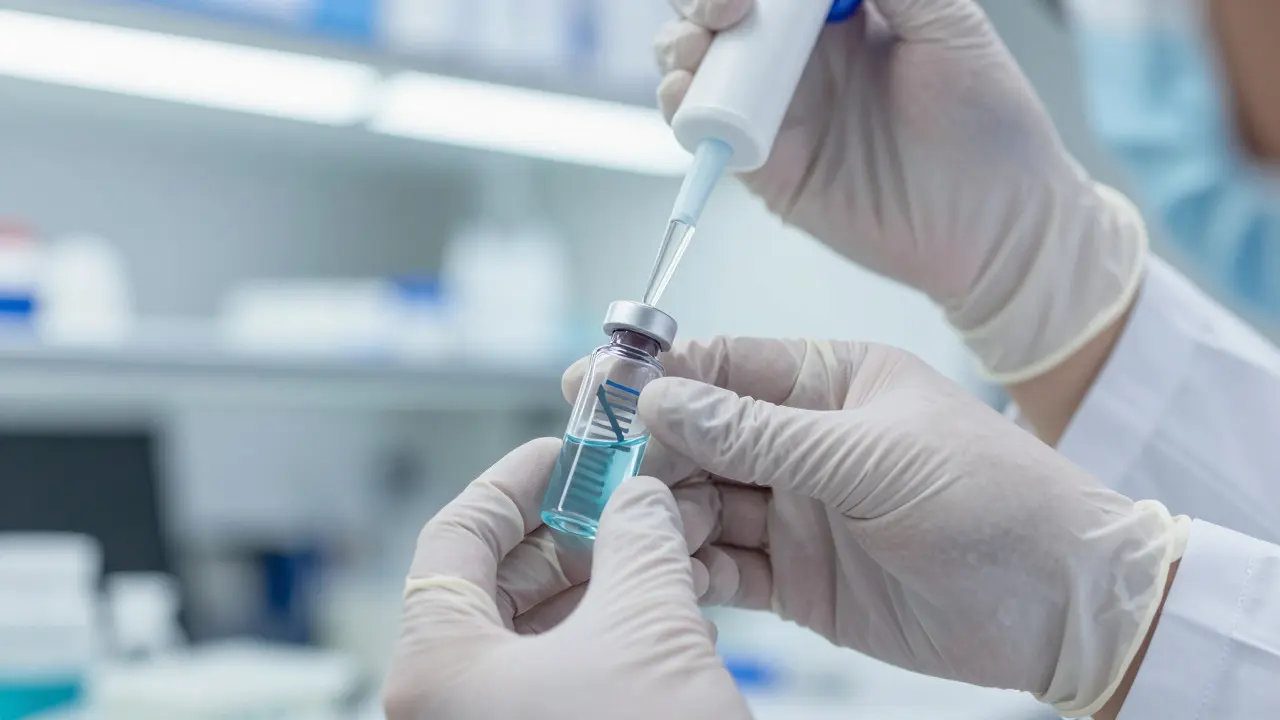
DNA Extraction Kits: Validation Protocols and Performance Benchmarks for Forensic Labs
- By : Ian Brophy
- Date : Aug 17 2026
A detailed guide on validating DNA extraction kits for forensic labs, covering performance metrics, manual vs. automated comparisons, and handling difficult samples.
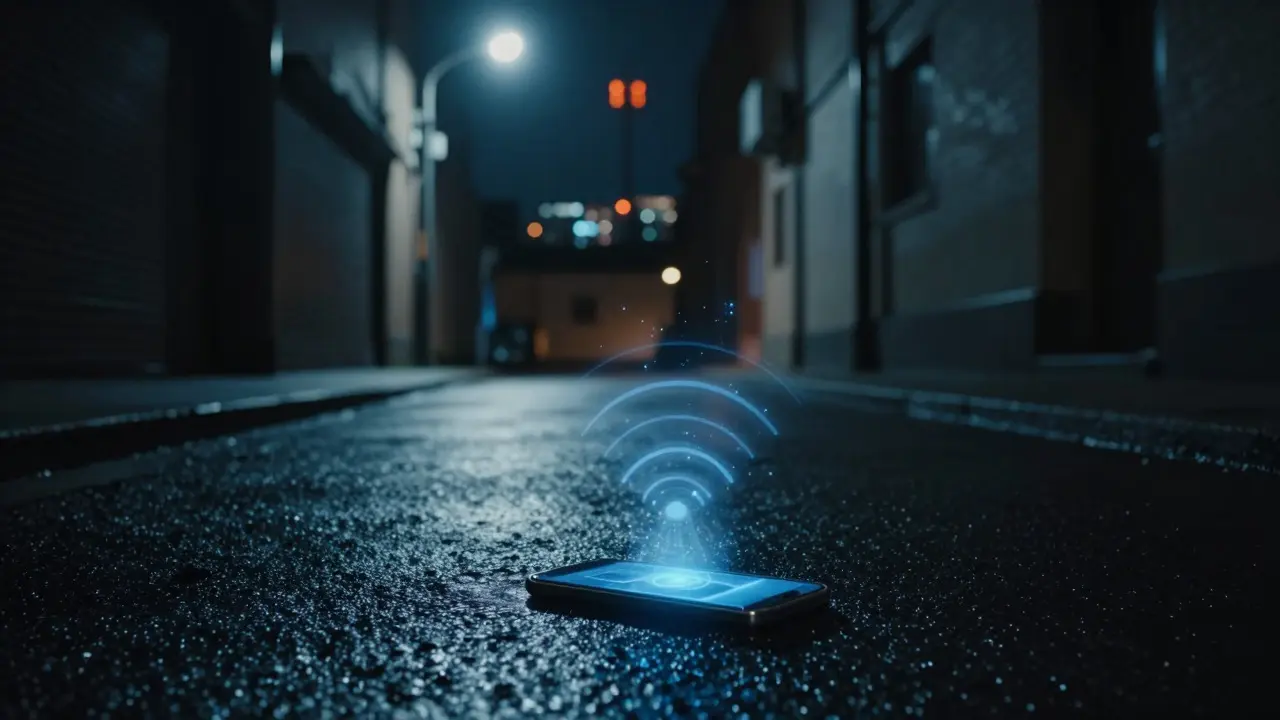
Cell-Site Location Data: Homicide Movement Analysis
- By : Ian Brophy
- Date : Aug 17 2026
Learn how to use cell-site location data to analyze suspect movement in homicide cases. Covers data types, legal requirements, analysis techniques, and courtroom presentation tips for investigators.