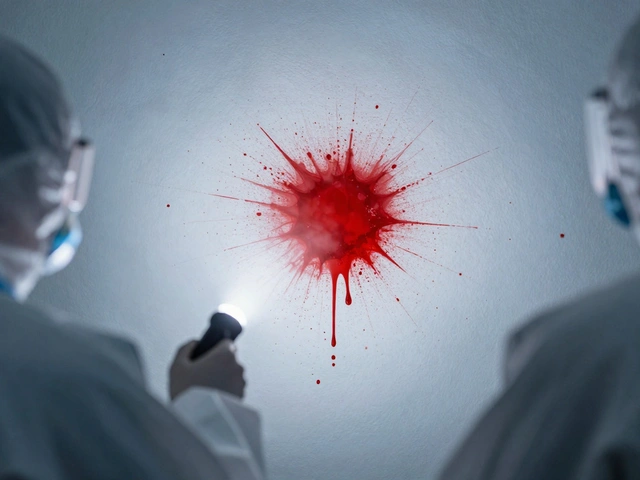
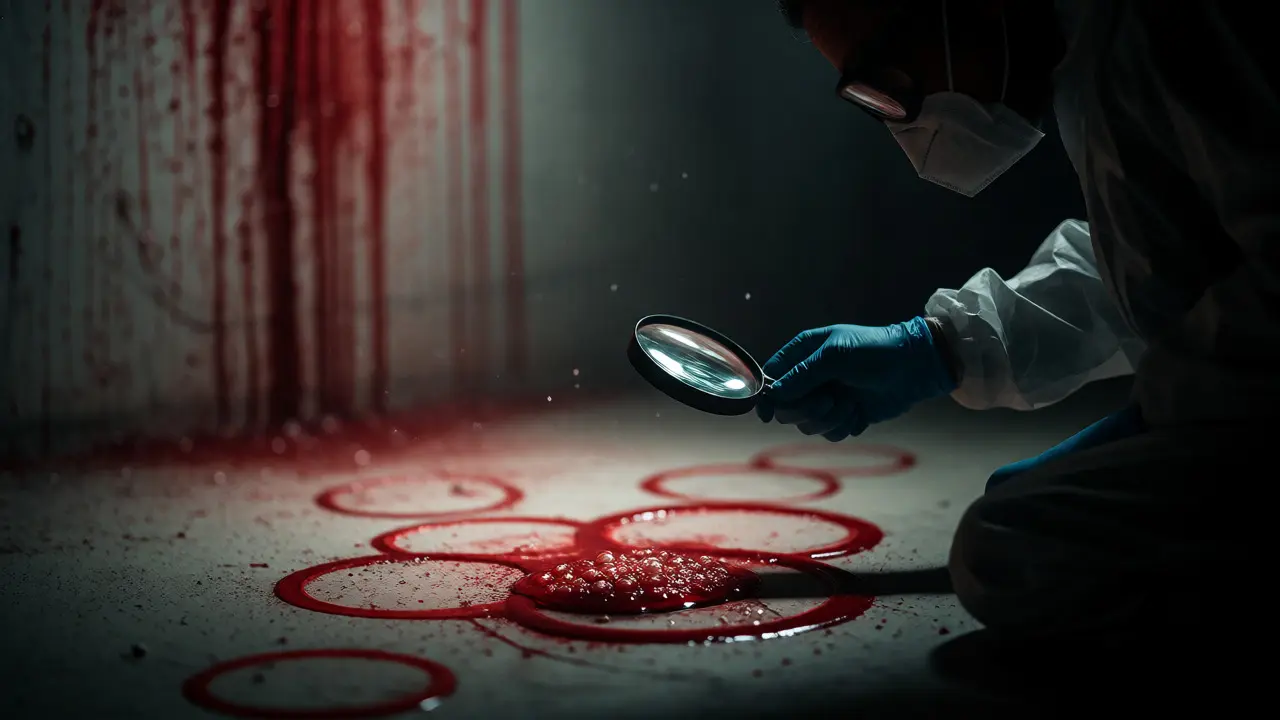
You’re standing at a crime scene. The floor is covered in red. To the untrained eye, it’s just a mess of splashes and smears. But if you look closer-really look-you might see tiny circles with hollow centers, like donuts made of blood. These aren’t random accidents. They are blood bubble rings, a specific type of expirated bloodstain pattern that indicates blood was expelled from the lungs or airways under pressure.
Why does this matter? Because distinguishing between impact spatter (blood hitting something) and expirated spatter (blood coming out of someone) changes the entire narrative of a case. It can mean the difference between an assault where the victim was struck, and a medical emergency where the victim coughed up blood. Or worse, it could be a staged scene designed to fool investigators.
What Exactly Are Blood Bubble Rings?
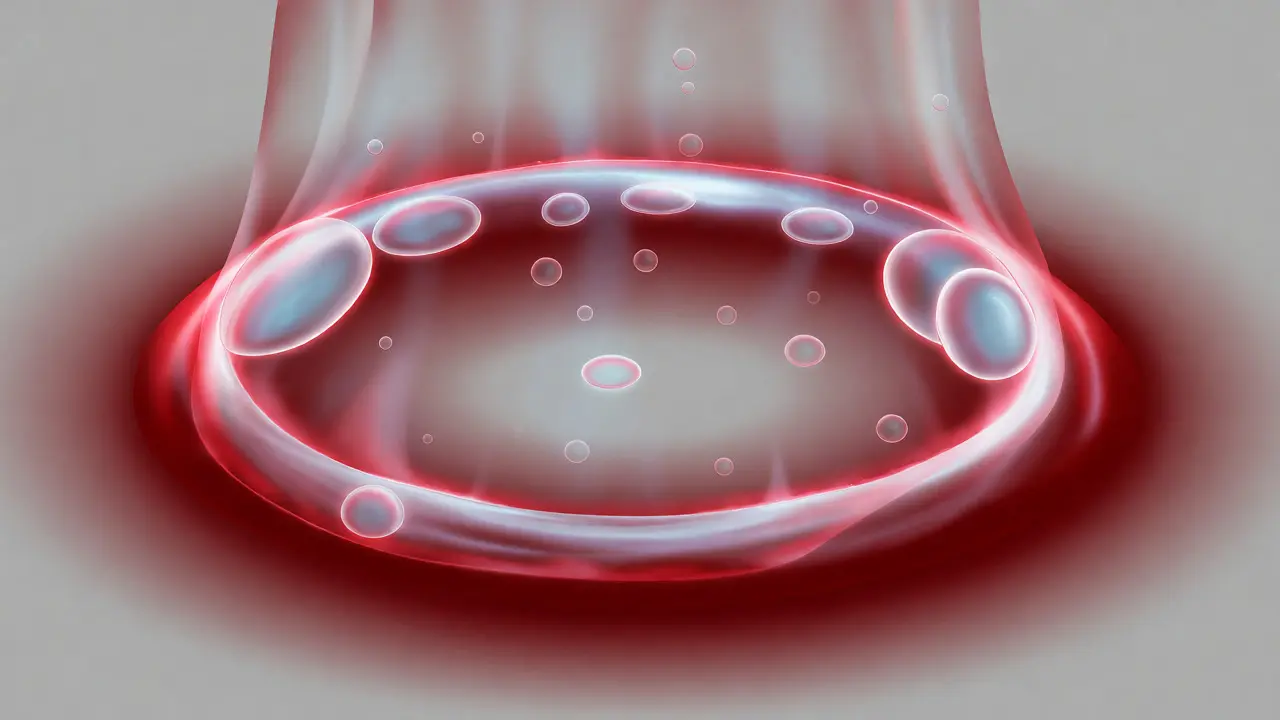
Let’s break down the physics. When blood leaves the body through the mouth or nose due to internal injury, it often mixes with air. As this mixture hits a surface, the air bubbles trapped within the fluid burst or settle into distinct shapes. Unlike standard impact spatter, which creates solid dots, these stains often have a "halo" effect or a clear center surrounded by a ring of blood.
This phenomenon occurs because the viscosity of blood, combined with the presence of surfactants (like mucus or saliva), stabilizes the air pockets. When the droplet lands, the outer edge dries faster than the center, leaving that characteristic ring shape. In forensic terms, we call these Bubble Rings or Expirated Droplets. They are rarely found in isolation; they usually accompany other signs of respiratory distress, such as fine misting on nearby vertical surfaces.
The Science Behind Expirated Patterns
To understand bubble rings, you need to understand how blood exits the body. There are three main ways blood gets onto a surface:
- Impact: A blunt force or sharp object drives blood off the source.
- Gravity: Blood drips slowly due to weight.
- Expiratory: Blood is forced out by breathing, coughing, sneezing, or vomiting.
Bubble rings belong strictly to the third category. The key differentiator here is the mechanism of propulsion. Impact spatter relies on kinetic energy transfer. Expiratory spatter relies on internal bodily pressure. When a person with a pulmonary injury coughs, the velocity is lower than a gunshot but higher than a drip. This lower velocity allows for the formation of larger, more stable droplets that retain their structural integrity upon impact, creating those tell-tale rings.
| Feature | Impact Spatter | Expiratory Spatter (Bubble Rings) |
|---|---|---|
| Droplet Shape | Solid, circular, or elliptical | Ringed, hollow center, irregular edges |
| Air Bubbles | Rarely present | Frequently visible within stain |
| Contextual Clues | Weapon proximity, directional flow | Nasal/mouth trajectory, misting on walls |
| Viscosity Effect | Less affected by mucus/saliva | Highly influenced by mixed fluids |
Identifying Bubble Rings in the Field
Spotting these patterns requires a shift in perspective. You’re not just looking for directionality; you’re looking for composition. Here is what to watch for when you suspect respiratory involvement:
First, check for misting. If you see bubble rings on the floor, look up. Is there a fine spray of blood on the wall behind them? Impact spatter rarely travels upward against gravity unless there was a massive arterial spurts. Expiratory mist, however, easily coats vertical surfaces near the face.
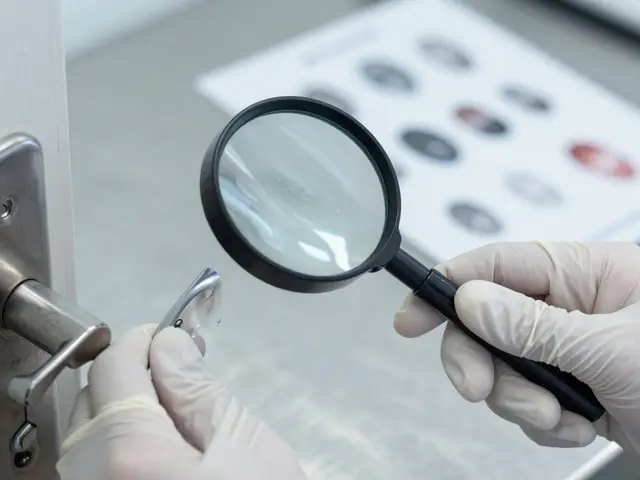
Second, examine the texture. Use a magnifying glass. Do you see actual bubbles inside the dried blood? Sometimes, the air pockets leave tiny voids or craters in the center of the stain. This is a strong indicator that air was part of the expulsion process.
Third, consider the location. Bubble rings are most commonly found in front of the subject. If the victim was seated, look at the chest area of clothing or the floor directly below. If they were lying down, look around the head and neck area. Finding these rings on the back of a victim who claims they were shot in the back raises immediate red flags.
Common Pitfalls and Misinterpretations
Not every circle with a hole in the middle is a bubble ring. Contamination happens. For instance, if water drips onto wet blood, it can create similar ring patterns. How do you tell the difference? Look at the color intensity. Water-diluted rings will appear lighter and more translucent. True bubble rings maintain the dark, opaque color of hemoglobin-rich blood.
Another common error is confusing bubble rings with cast-off patterns. Cast-off occurs when blood flies off a moving weapon. While cast-off drops can sometimes have tails, they rarely exhibit the hollow-center structure caused by trapped air. Cast-off patterns also tend to be more linear and directional, following the arc of the swing. Bubble rings are more chaotic and clustered around the point of origin-the mouth or nose.
Finally, beware of environmental factors. Humidity plays a role. In high-humidity environments, blood takes longer to dry, allowing bubbles to collapse before setting. In dry, arid conditions, the rings form quickly and clearly. Always note the weather conditions at the time of discovery.
Legal and Investigative Implications
In court, the distinction between impact and expiratory patterns can make or break a case. Defense attorneys often argue that expiratory patterns indicate self-inflicted wounds or accidental injuries rather than homicide. If a defendant claims the victim coughed up blood naturally, finding bubble rings supports that claim. However, if the volume of blood is excessive for natural causes, it suggests trauma to the lungs or upper airway.
Prosecutors use these patterns to reconstruct the sequence of events. Did the bleeding start before or after the fall? Expiratory patterns can help determine consciousness levels. A unconscious person cannot cough forcefully enough to produce distinct bubble rings. Therefore, finding well-formed rings implies the subject was alive and breathing during the event.
Preserving Evidence for Lab Analysis
Once you identify potential bubble rings, your job isn’t done. You need to preserve them correctly. Standard swabbing techniques work, but be gentle. Aggressive wiping can pop the delicate air structures you’re trying to document.
Photography is critical. Take macro shots with a scale bar. Capture the stain from multiple angles to show depth and the hollow center. If possible, use oblique lighting to highlight the texture differences between the ring and the surrounding surface.
In the lab, analysts may perform DNA testing to confirm the source. But more importantly, they can analyze the chemical composition. Presence of surfactants like pulmonary surfactant proteins confirms lung origin. This moves the evidence from "visual observation" to "scientific proof," strengthening its admissibility in court.
Real-World Scenario: The Staged Scene
Imagine a domestic dispute call. Officers arrive to find a man holding his wife, both covered in blood. He says she fell and hit her head. But on the ceiling above them, you see heavy expiratory misting. On the floor, distinct bubble rings surround her body.
If she merely fell and hit her head, would she have produced enough forceful exhalation to create rings? Unlikely. A simple concussion doesn’t typically cause massive pulmonary hemorrhage with air mixing. This discrepancy suggests either a pre-existing medical condition (like tuberculosis or severe pneumonia) or that the injury was more severe than described-perhaps involving direct trauma to the throat or chest.
This scenario highlights why context matters. Bubble rings don’t exist in a vacuum. They must be interpreted alongside other evidence: weapon types, wound locations, and witness statements.
Key Takeaways for Investigators
When you encounter bloodstains, ask yourself: Where did this come from? Was it pushed, dropped, or blown out? Bubble rings answer the last question. They are nature’s fingerprint of respiratory distress.
- Look for the halo: Hollow centers indicate air inclusion.
- Check for mist: Vertical surfaces reveal the trajectory of exhalation.
- Rule out dilution: Ensure the rings aren’t caused by water contamination.
- Document thoroughly: Macro photography preserves the subtle details.
Mastering the recognition of expirated patterns elevates your investigative skills. It turns a chaotic scene into a readable story. Next time you see a bloody donut on the floor, don’t just wipe it away. Study it. It might be telling you exactly how the victim spent their final breaths.
What causes blood bubble rings?
Blood bubble rings are caused by blood being expelled from the lungs or airways mixed with air. As the droplet hits a surface, the trapped air creates a hollow center or ring shape, distinct from solid impact spatter.
Are bubble rings only found in homicide cases?
No. They can appear in any situation involving respiratory distress, including medical emergencies like pulmonary edema, tuberculosis, or severe asthma attacks where coughing produces blood.
How do I distinguish bubble rings from water contamination?
Water-contaminated rings are usually lighter in color and more translucent. True bubble rings retain the dark, opaque appearance of blood and often contain visible microscopic air voids or surfactant residues.
Can bubble rings prove a victim was conscious?
Generally, yes. Producing distinct bubble rings requires forceful exhalation (coughing or gasping). An unconscious person lacks the muscle control and respiratory drive to generate the pressure needed for this pattern.
Do all expirated bloodstains look like rings?
No. Ring shapes are most common with slower velocities and high air content. Fast expiratory flows may look more like fine mist or small, solid droplets without distinct rings.