Behind the Crime Scene - Page 22
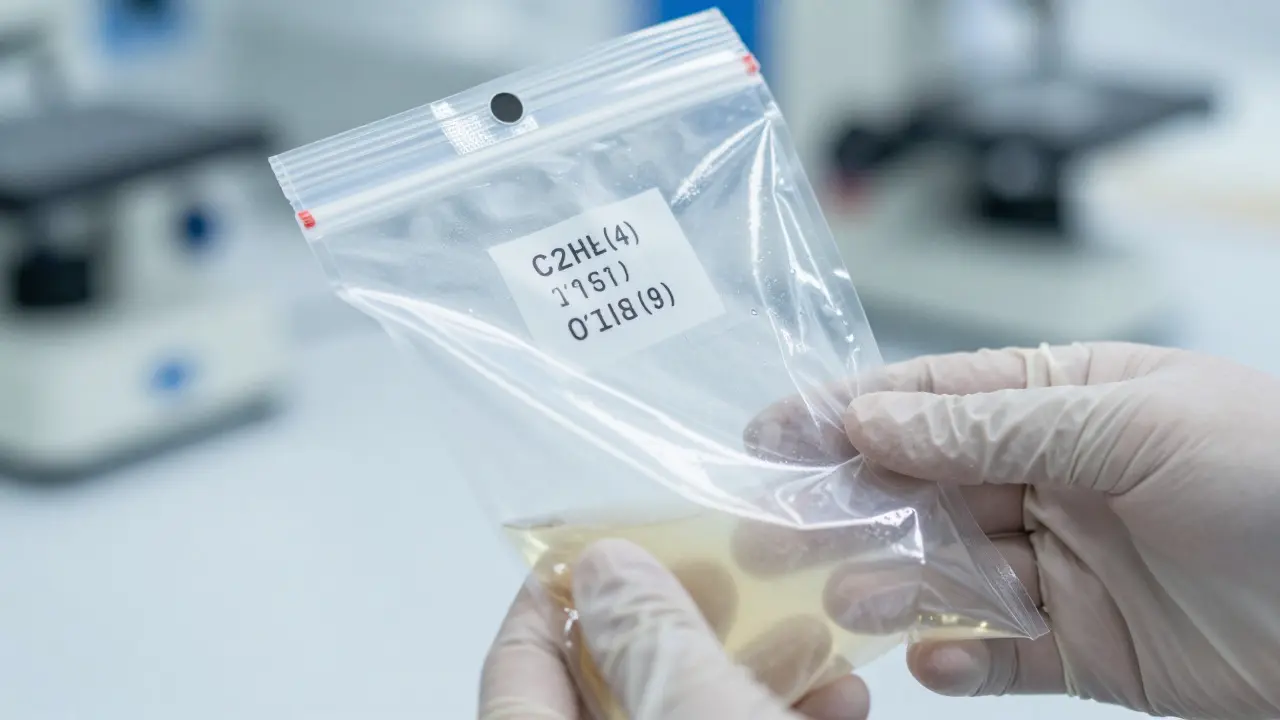
Chain of Custody Documentation: Required Information for Legal Validity
- By : Ian Brophy
- Date : Aug 16 2026
Learn the essential elements of chain of custody documentation, including required data fields, common pitfalls, and best practices to ensure legal admissibility of forensic evidence.

Body Measurement and Documentation in Autopsies: A Forensic Pathology Guide
- By : Ian Brophy
- Date : Aug 16 2026
Learn how forensic pathologists accurately measure and document bodies during autopsies. Discover best practices for handling post-mortem changes, using 3D scanning, and ensuring legal defensibility in death investigations.
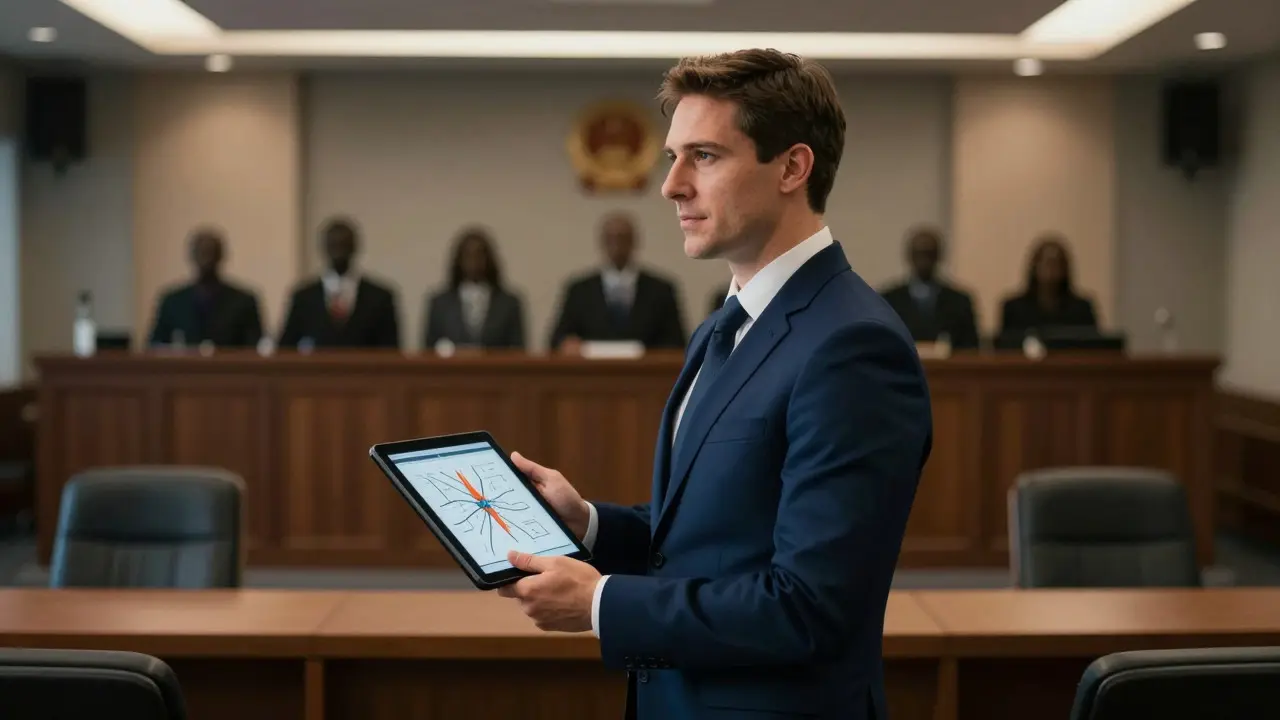
Expert Testimony: How to Present Fire Investigation Findings Effectively
- By : Ian Brophy
- Date : Aug 16 2026
Learn how to effectively present fire investigation findings in court. Discover strategies for translating complex science into clear testimony that wins credibility with juries.
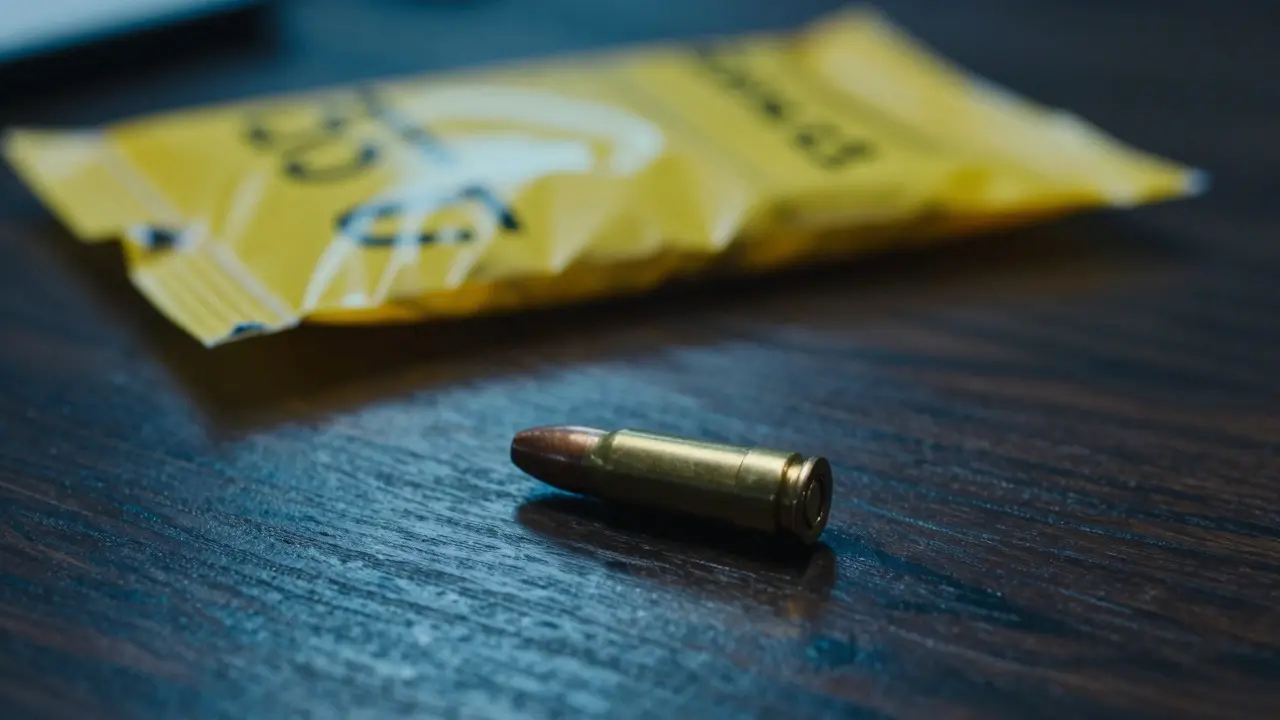
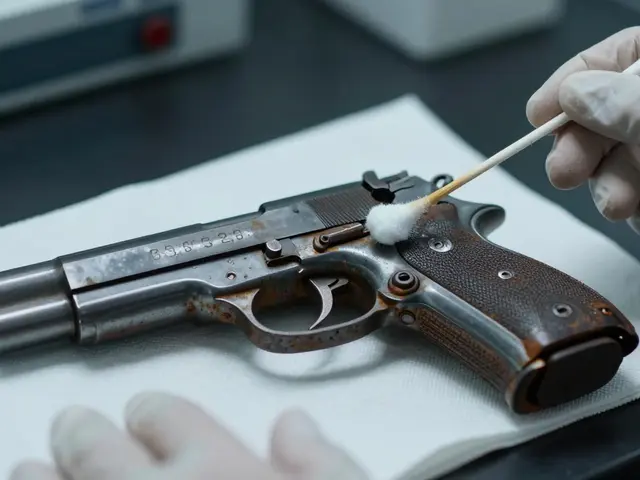
Chain of Custody Gaps: How They Affect Cases
- By : Ian Brophy
- Date : Aug 16 2026
Discover how chain of custody gaps can ruin criminal cases. Learn about common errors, legal consequences, and best practices for securing evidence integrity.
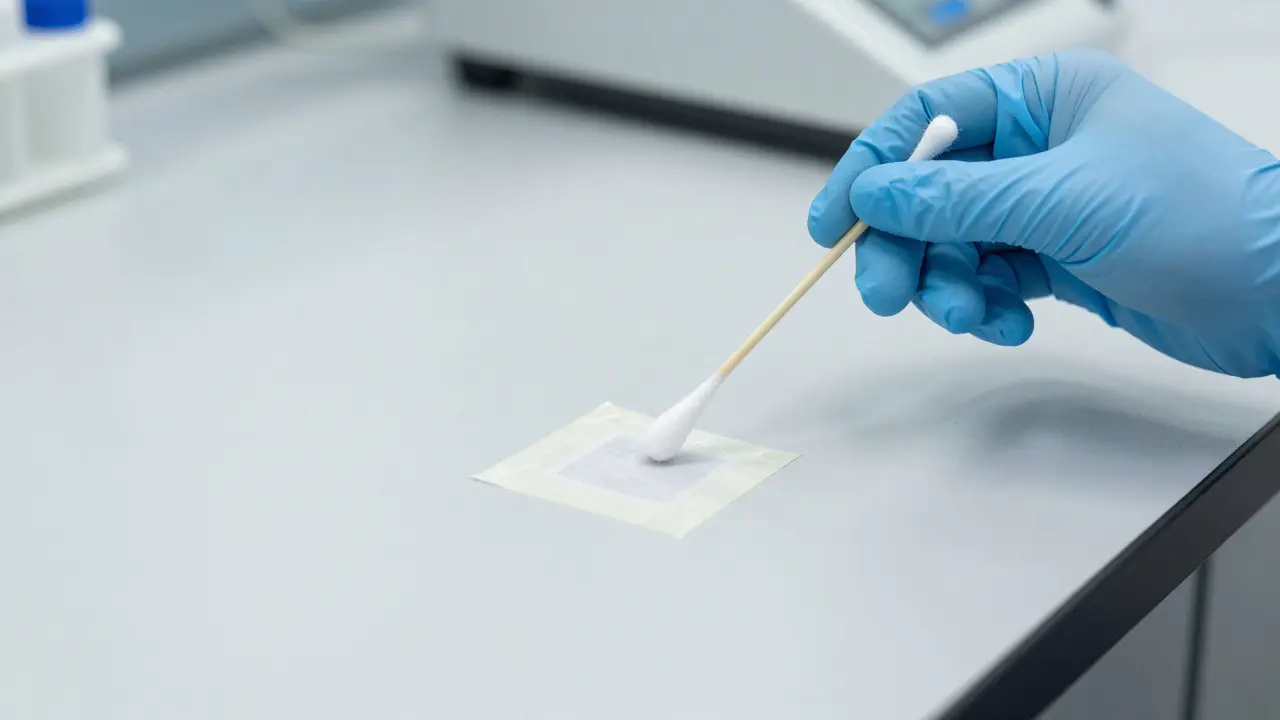
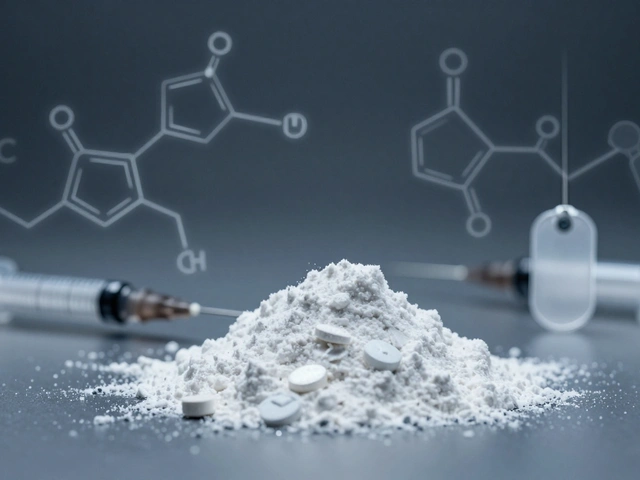
Wipe Sampling Protocols for Trace Drug Residues: A Practical Guide
- By : Ian Brophy
- Date : Aug 16 2026
Master the art of collecting trace drug residues with precise wipe sampling techniques. Learn step-by-step protocols, contamination controls, and documentation tips to ensure admissible forensic evidence.
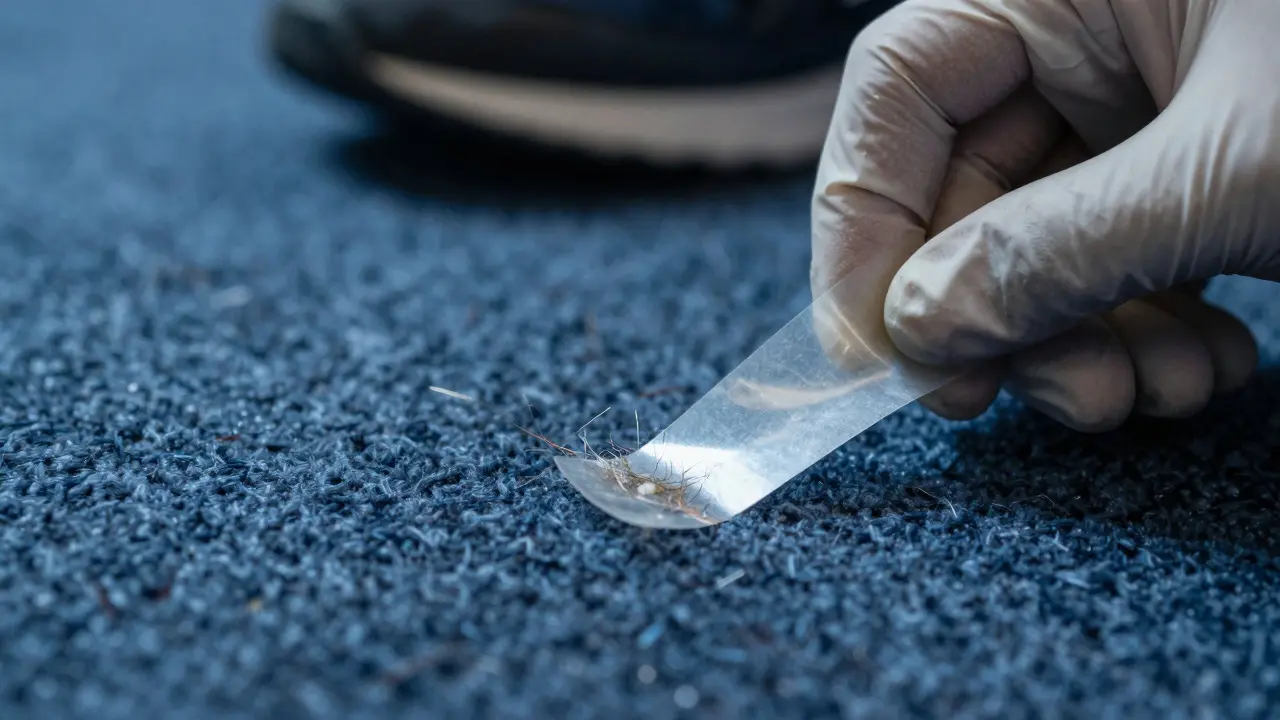
Footwear Fiber Transfers: Carpet and Textile Interactions in Forensics
- By : Ian Brophy
- Date : Aug 16 2026
Learn how footwear fibers transfer to carpets and textiles, the science behind fiber retention, and practical tips for collecting and analyzing trace evidence in forensic investigations.
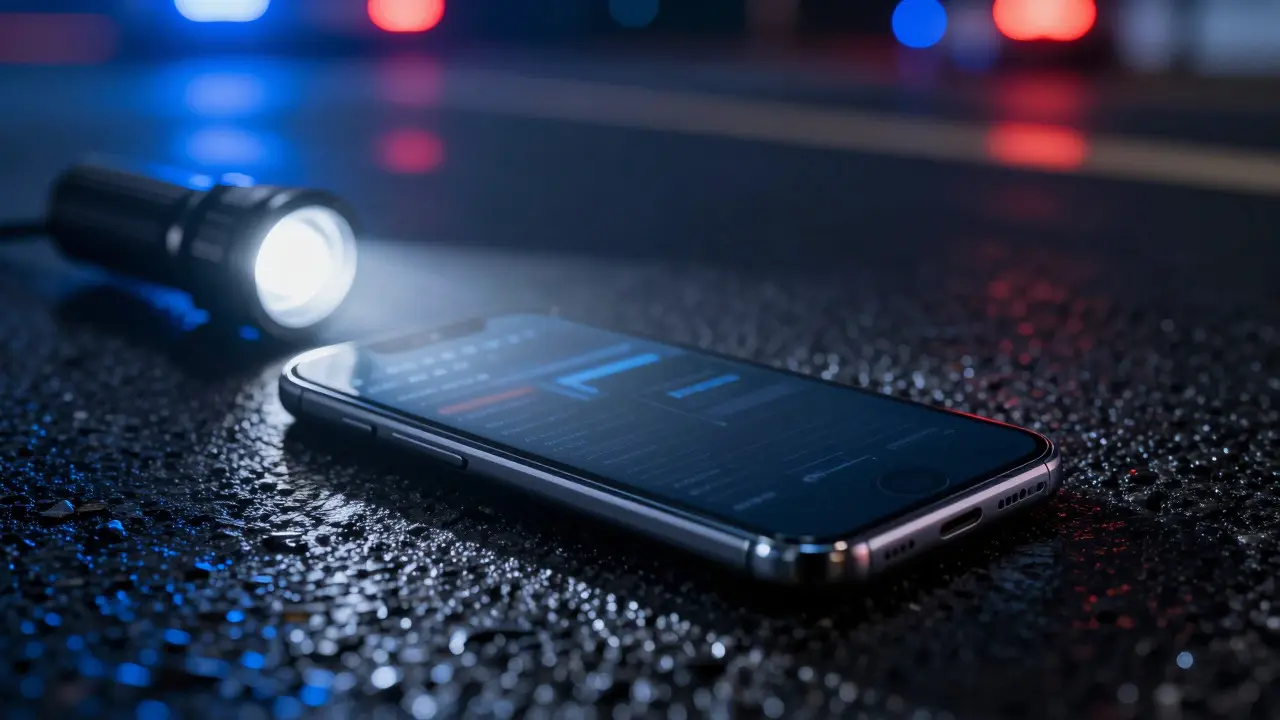
Geolocation Evidence: GPS and Cell-Site Interpretation Guide
- By : Ian Brophy
- Date : Aug 16 2026
Learn how to interpret GPS and cell-site data in digital forensics. Understand accuracy limits, hybrid fixes, and how to make location evidence admissible in court.
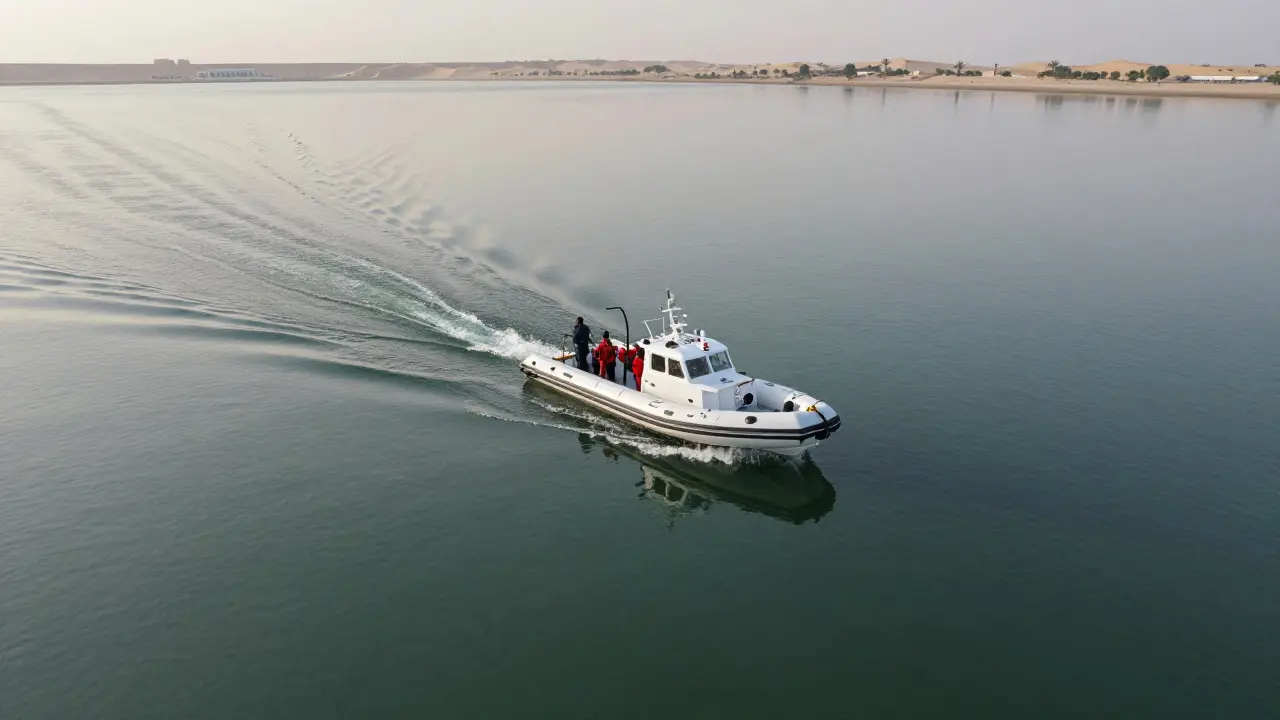
Water Recovery Operations: Sonar and Dive Tactics for Missing Persons
- By : Ian Brophy
- Date : Aug 16 2026
Discover how sonar and dive teams work together to find missing persons in water. Learn about search grids, sonar accuracy, and common pitfalls in underwater recovery operations.
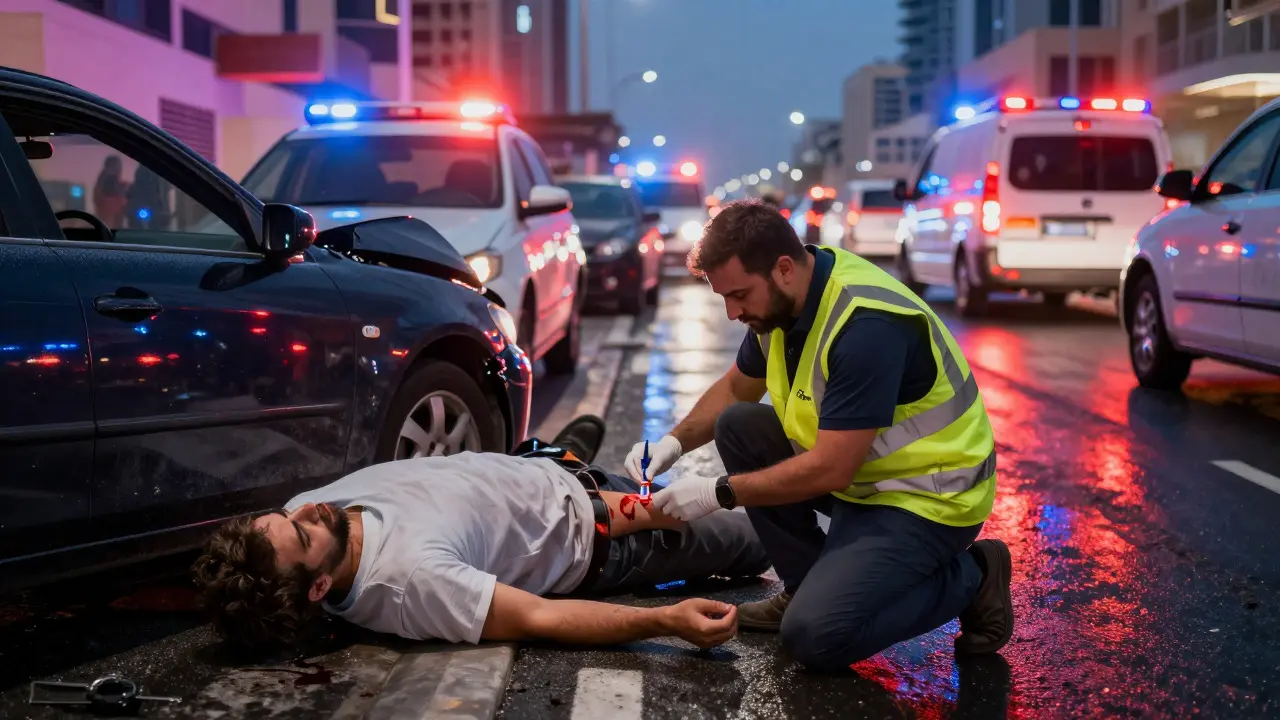
Blood vs. Urine Testing: Choosing the Right Sample Type in Forensic Toxicology
- By : Ian Brophy
- Date : Aug 16 2026
Learn how to choose between blood and urine samples in forensic toxicology. We compare detection windows, legal implications, and practical collection methods to help you select the right evidence for your case.
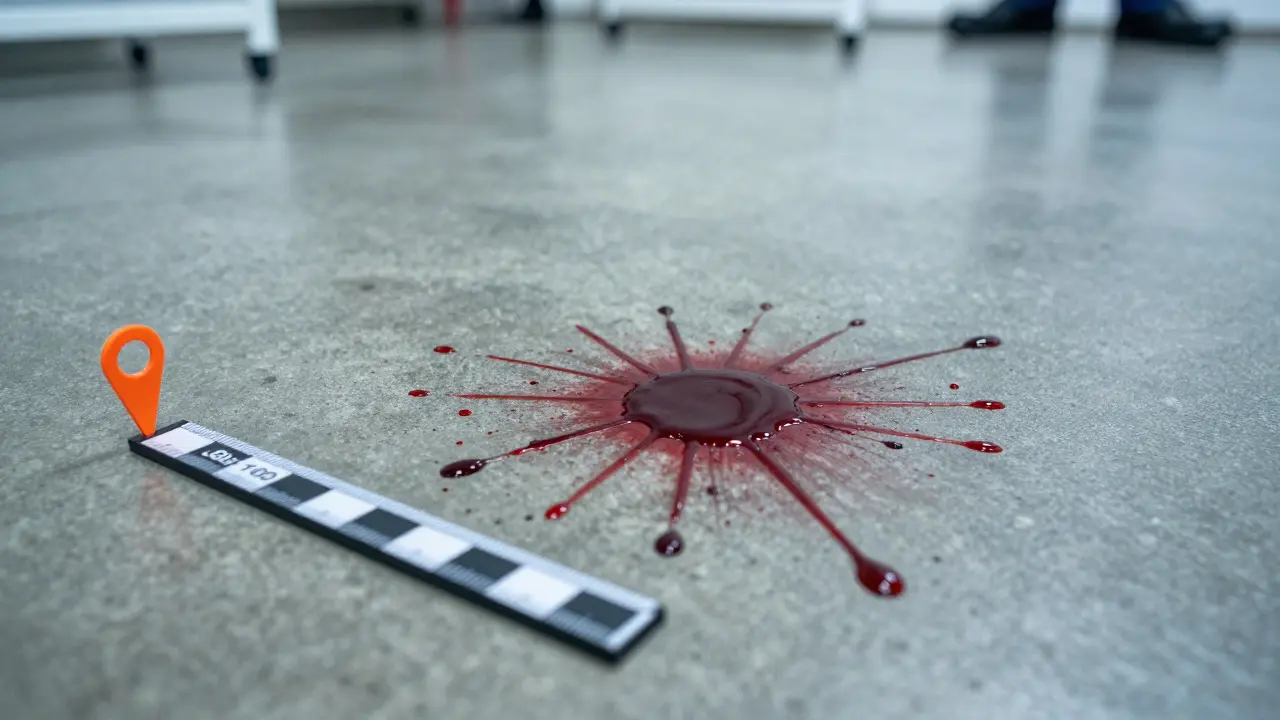
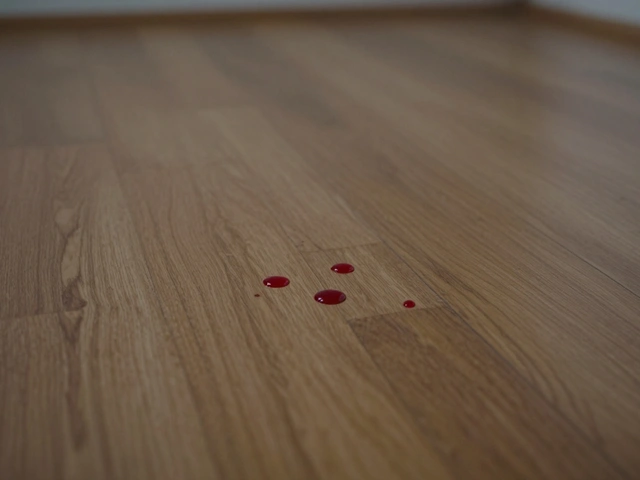
Reporting Bloodstain Findings: Best Practices for Clear Visuals and Language
- By : Ian Brophy
- Date : Aug 16 2026
Learn how to write effective bloodstain pattern analysis reports. Discover tips for using clear visuals, precise language, and structured formatting to enhance forensic credibility.
Forensic Toxicology Guide: Identifying Methanol, Ethylene Glycol, and Isopropanol
- By : Ian Brophy
- Date : Aug 16 2026
Learn how forensic toxicologists identify and analyze methanol, ethylene glycol, and isopropanol. Discover the metabolic pathways, lab techniques, and clinical signs that differentiate these toxic alcohols from ethanol.
Immunoassay Screening for Initial Drug Detection in Forensic Toxicology
- By : Ian Brophy
- Date : Aug 16 2026
Learn how immunoassay screening works for initial drug detection in forensic toxicology. Understand the limits of rapid tests, common false positives, and why confirmatory testing is essential for accurate legal and medical outcomes.