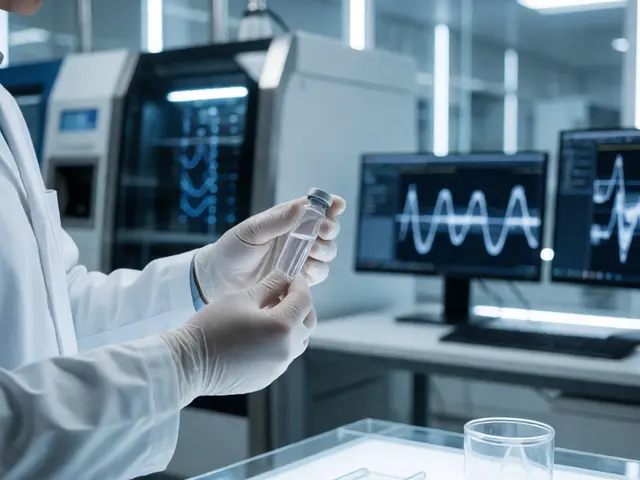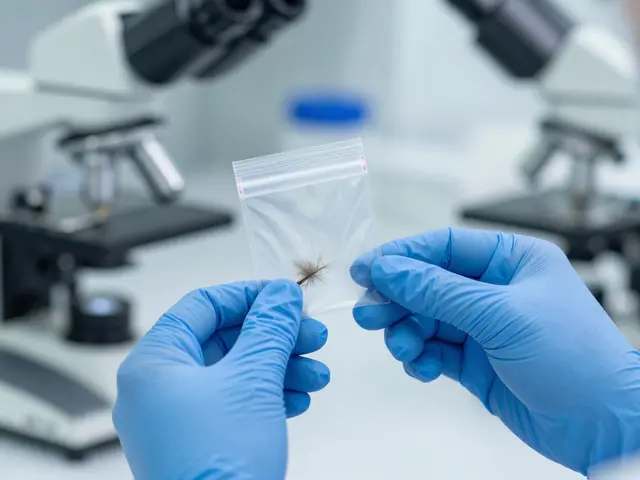
Imagine you just finished a complex DNA analysis. The data is solid, the methodology is sound, but if your Exhibits are messy or your Appendices are buried in a 200-page report, a judge might toss the whole thing out. In forensic reporting, supplemental information isn't just extra fluff; it's the backbone that proves your findings are reliable. Without clear exhibits and organized appendices, even the most accurate scientific result can fail in court.
This guide breaks down how to structure these critical components so they support your narrative rather than cluttering it. We will look at what belongs where, how to label things correctly, and why the difference between an exhibit and an appendix matters more than you think.
The Core Difference: Exhibits vs. Appendices
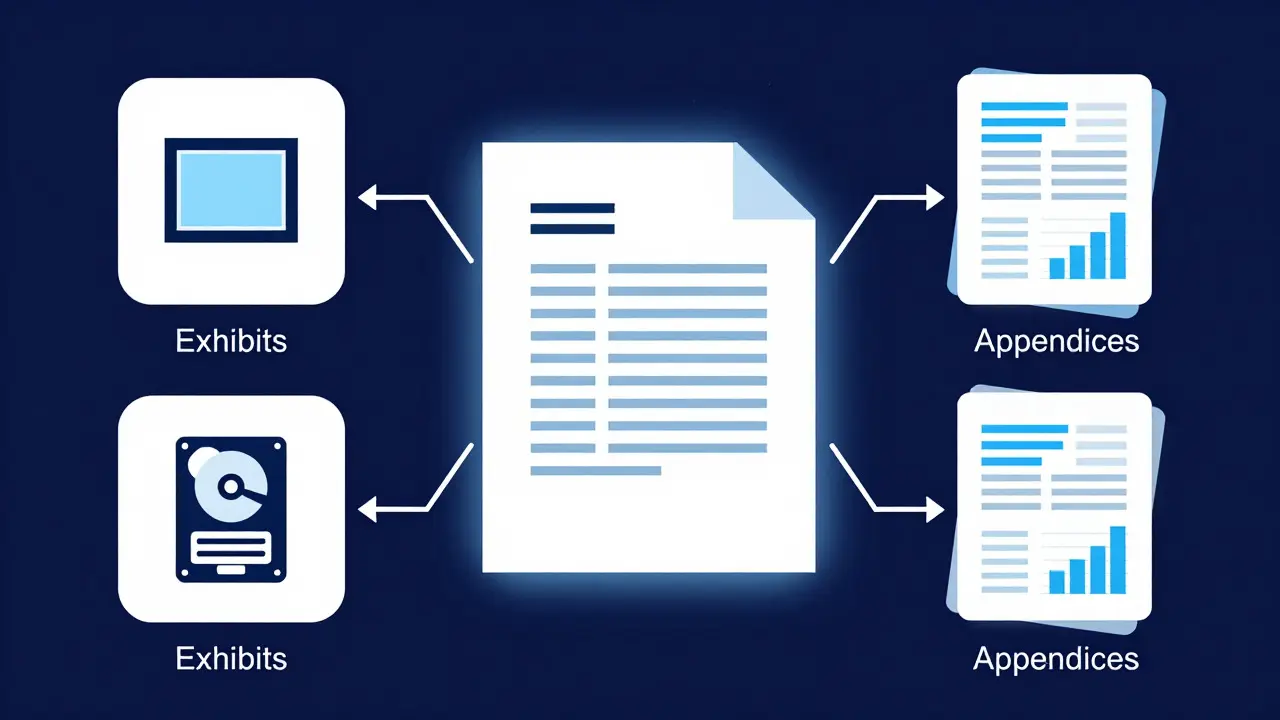
Many new analysts mix these up because both contain supporting data. But they serve different legal purposes. An exhibit is a specific piece of evidence admitted into the record by the court. It must be tangible, identifiable, and directly relevant to a specific claim. Think of it as a physical object or a specific document that a jury looks at. An appendix is supplementary material attached to a report to provide context, raw data, or methodological details. It supports the main text but isn't always individually admitted as a standalone piece of evidence unless necessary.
Here is a quick way to remember the distinction:
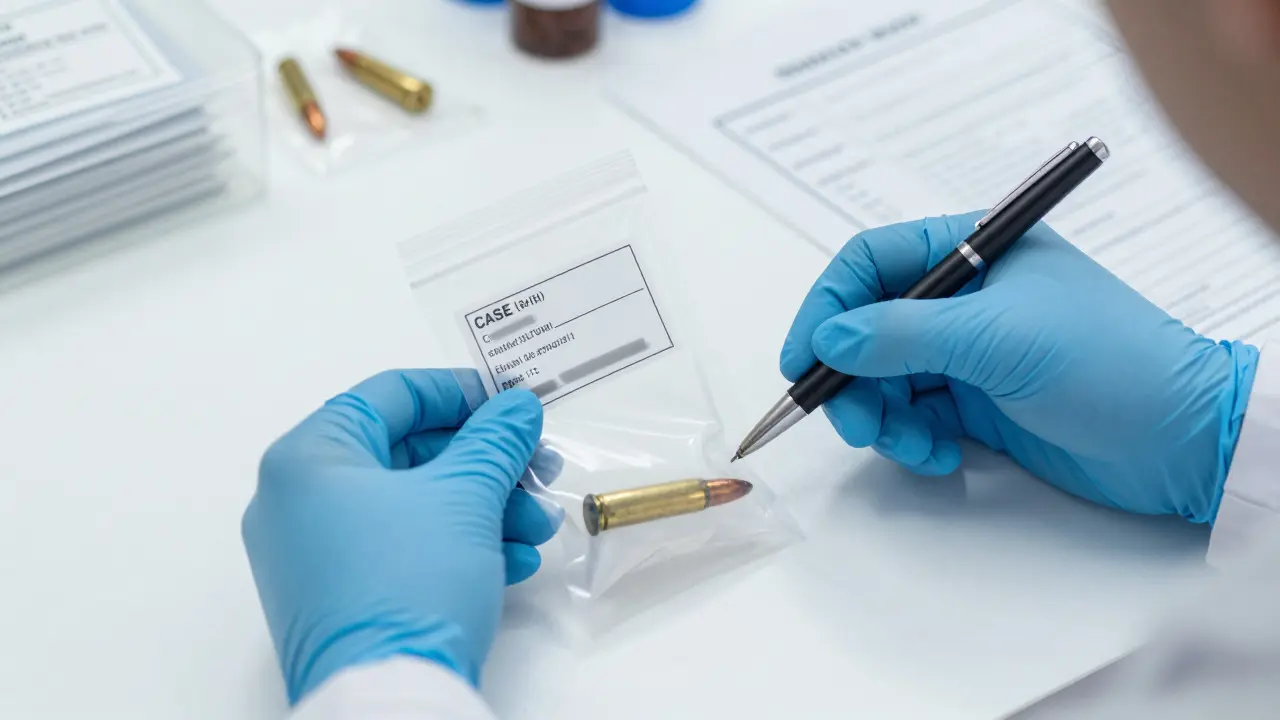
- Exhibits are for "Look at this." (e.g., a photo of a bullet, a signed lab note).
- Appendices are for "Read this to understand how we got there." (e.g., a full chromatogram, a list of reagents used).
If you put raw data in the main body, you bury the conclusion. If you put a key physical sample in an appendix without proper exhibit labeling, you risk losing its evidentiary value. Keeping them separate ensures clarity for attorneys and judges.
Anatomy of a Proper Forensic Exhibit
A well-prepared exhibit follows strict standards to ensure admissibility under rules like the Federal Rules of Evidence. Every exhibit needs three core elements: identification, preservation, and relevance.
- Unique Identification Number: Each exhibit must have a unique case number and exhibit letter/number combination (e.g., Case #12345-Ex A). This prevents mix-ups in multi-item cases.
- Chain of Custody Documentation: The exhibit label must reference the chain of custody form. If the paper trail breaks, the exhibit is vulnerable to challenge.
- Condition Description: Note the state of the item when received and after testing. Did the tape tear? Was the container sealed? These details matter.
For digital exhibits, such as hard drives or phone logs, the "physical" aspect is replaced by hash values. You must include the MD5 or SHA-256 hash on the exhibit cover sheet to prove the data hasn't been altered since extraction. This ties back to concepts like Digital Forensics standards, where integrity is paramount.
Structuring Your Appendices for Maximum Clarity
Appendices are where you hide the complexity. They allow a reviewer to dive deep without forcing every reader to wade through technical minutiae. However, unorganized appendices are worse than none at all. Use a logical hierarchy based on the flow of your investigation.
Common types of forensic appendices include:
- Raw Data: Spectra, chromatograms, or statistical outputs. Label these with the corresponding test date and analyst initials.
- Methodology Details: Step-by-step protocols used, including any deviations from standard operating procedures (SOPs).
- Instrument Logs: Calibration records and maintenance logs for equipment like GC-MS or PCR machines.
- Literature References: Citations for methods not yet standardized in your lab.
Keep each appendix self-contained. If Appendix B references data from Appendix A, make sure the cross-reference is explicit. Avoid circular references. The goal is to let a defense attorney find exactly what they need in under two minutes.
Common Pitfalls That Get Reports Rejected
Even experienced analysts make mistakes in supplemental formatting. Here are the top three errors I see in peer reviews:
1. Overloading the Main Body
Putting full tables of raw data in the results section makes the report unreadable. Move large datasets to appendices. Keep the main text focused on interpretation and conclusions. If a table has more than five columns, it likely belongs in an appendix.
2. Inconsistent Labeling
Using "Photo 1" in the body but "Figure 1" in the caption confuses readers. Standardize your terminology. Use "Exhibit" only for items formally marked as evidence. Use "Figure" or "Table" for illustrations within the report text. Reserve "Appendix" for the bound back-matter sections.
3. Missing Context for Digital Artifacts
In Computer Forensics, simply attaching a screenshot isn't enough. You need metadata. Include the file path, creation date, and tool version used to capture the screen. Without this, the exhibit is weak against a challenge about authenticity.
Comparison: When to Use What
To help you decide where a piece of information fits, use this comparison framework. This table outlines the typical usage scenarios for exhibits versus appendices in a forensic context.
| Feature | Exhibits | Appendices |
|---|---|---|
| Purpose | Admissible proof of fact | Supporting detail and context |
| Format | Physical item, photo, or specific doc | Data sets, logs, protocol notes |
| Court Role | Individually marked and entered into evidence | Attached to report; referenced as needed |
| Labeling | Case # - Ex Letter | App A, App B, etc. |
| Content Volume | Minimal; specific to one point | Extensive; comprehensive data |
Notice how exhibits are lean and specific, while appendices are broad and detailed. If you find yourself writing paragraphs explaining an exhibit, consider moving that explanation to the main report body and keeping the exhibit itself clean.

Best Practices for Digital Supplemental Files
With the rise of electronic discovery, your supplemental files often exist as PDFs or ZIP archives. Ensure these files are navigable. Use bookmarks in PDFs to link the table of contents to each appendix. For large datasets, provide a summary sheet first, then the full data. This respects the time of reviewers who may only need a glance, not a deep dive.
Also, version control matters. If you update an appendix due to a clerical error, clearly mark the revision date. Ambiguity about which version is current can lead to confusion during testimony. Always keep a master copy of the final report package, including all exhibits and appendices, stored in your laboratory's quality management system.
Next Steps for Your Next Report
Before you submit your next forensic report, run through this checklist:
- Did I assign unique exhibit numbers to all physical/digital evidence?
- Are all raw data sets moved to appendices with clear labels?
- Does every figure or table in the main body have a caption that explains its significance?
- Have I verified the chain of custody documentation matches the exhibit labels?
- Is the PDF bookmarked and easy to navigate?
Getting these details right doesn't just make your report look professional; it protects your work from being challenged on technicalities. Clear supplemental information builds trust with the court and reinforces the scientific validity of your findings.
What is the main difference between an exhibit and an appendix?
An exhibit is a specific piece of evidence admitted into the court record, such as a physical item or a key document. An appendix is supplementary material attached to a report to provide background, raw data, or methodological details. Exhibits are individualized and marked; appendices are collective and supportive.
Should raw data go in the main body of a forensic report?
Generally, no. Raw data should be placed in appendices to keep the main body focused on interpretations and conclusions. Only include small, critical excerpts in the main text if they are essential for immediate understanding.
How do I label digital exhibits properly?
Digital exhibits should include a unique identifier, the file hash (MD5 or SHA-256), the extraction date, and the tool used. This ensures integrity and allows verification that the data has not been altered.
What happens if the chain of custody is missing from an exhibit label?
The exhibit may be challenged for authenticity. While not always fatal, a broken or missing chain of custody creates doubt about whether the item presented in court is the same one collected at the scene.
Can appendices be submitted as independent evidence?
Yes, if a specific page or dataset within an appendix is critical to a finding, it can be extracted and marked as a separate exhibit. However, usually, the entire appendix is referenced as part of the expert report.