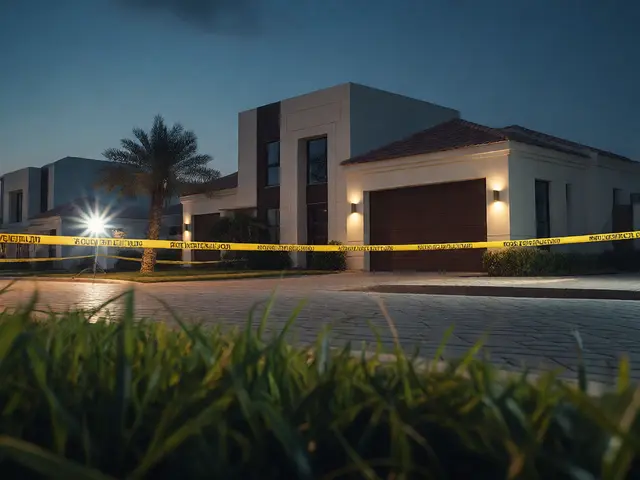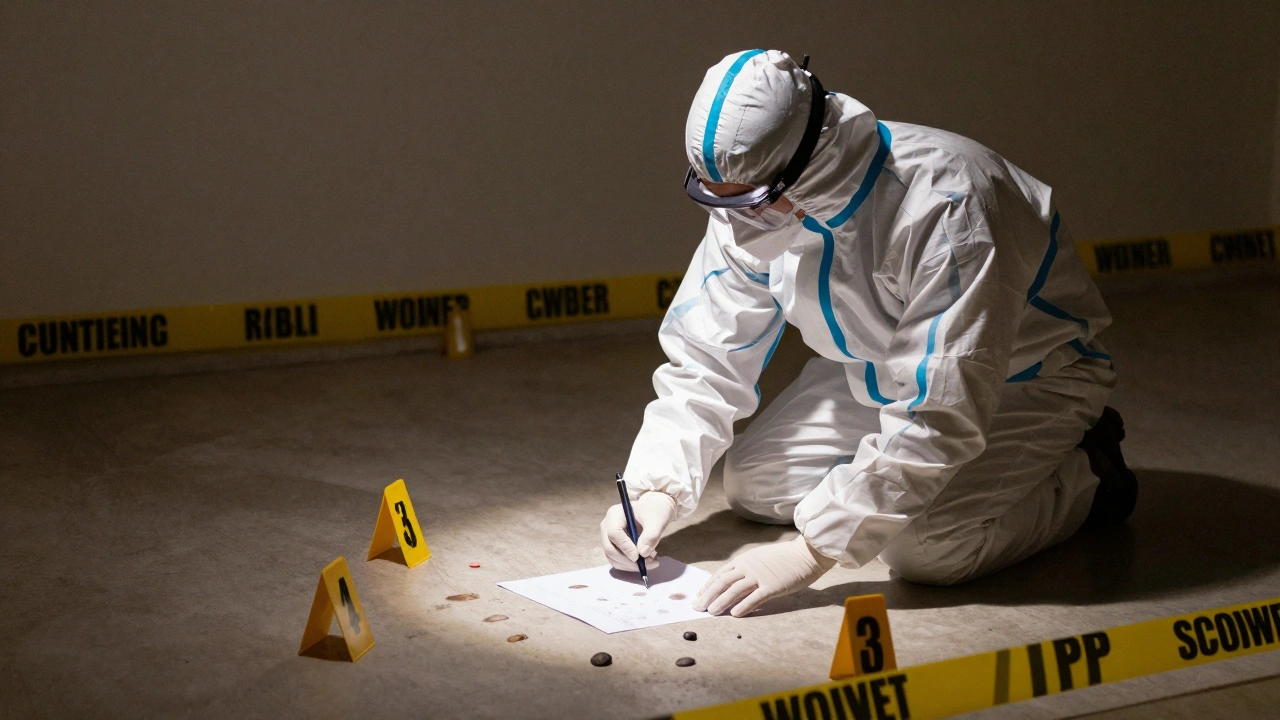
There’s no state license for crime scene investigators in most parts of the U.S. But if you want to be taken seriously in this field, you need more than just experience-you need a CSI certification from the International Association for Identification (IAI). It’s not a requirement, but it’s the gold standard. If you’re working at a crime scene, collecting fingerprints, photographing evidence, or analyzing blood patterns, this certification tells employers you’ve met the highest industry benchmarks.
What Is the IAI, and Why Does It Matter?
The International Association for Identification (IAI) isn’t just another organization. Founded in 1915, it’s the oldest and largest forensic association in the world. It doesn’t just host conferences or publish journals-it sets the rules. The IAI Certification Program was built to identify qualified professionals across 10+ forensic disciplines. Think of it like a bar exam for forensic work. Passing it means you’ve been vetted against national standards, not just your department’s internal checklist.
The IAI doesn’t certify people who sit behind desks. You have to be actively working in the field. Full-time. In crime scene-related duties. No interns. No volunteers. No part-timers. This isn’t a certificate you get from an online course after a weekend. It’s earned through real, hands-on experience.
The Three Levels of CSI Certification
The IAI offers three progressive levels of crime scene certification, each with stricter requirements than the last:
- Crime Scene Investigator (Level 1) - This is your entry point. You need at least one year of full-time experience in crime scene work, plus 48 hours of formal training. You’ll be tested on evidence collection, documentation, scene processing, and chain-of-custody procedures.
- Crime Scene Analyst (Level 2) - Here, you’re expected to interpret scenes, not just document them. You need three years of experience and 96 hours of training. You’ll be asked to reconstruct events, identify patterns in evidence placement, and connect physical clues to suspect behavior.
- Senior Crime Scene Analyst (Level 3) - This is for leaders. You need five years of experience and 144 hours of advanced training. You’ll be evaluated on your ability to train others, manage complex scenes, and advise on investigative strategy. Only about 5% of certified CSIs reach this level.
Each level requires passing a written exam. No retakes on the same day. You get one shot. And you have to submit your application at least 30 days before the exam date. There’s no rush registration. No last-minute sign-ups.
Other IAI Certifications Beyond Crime Scenes
Crime scene work doesn’t exist in a vacuum. The IAI offers specialized certifications in disciplines that often intersect with scene processing:
- Bloodstain Pattern Analyst (BP) - Reconstructs movement and force based on spatter patterns.
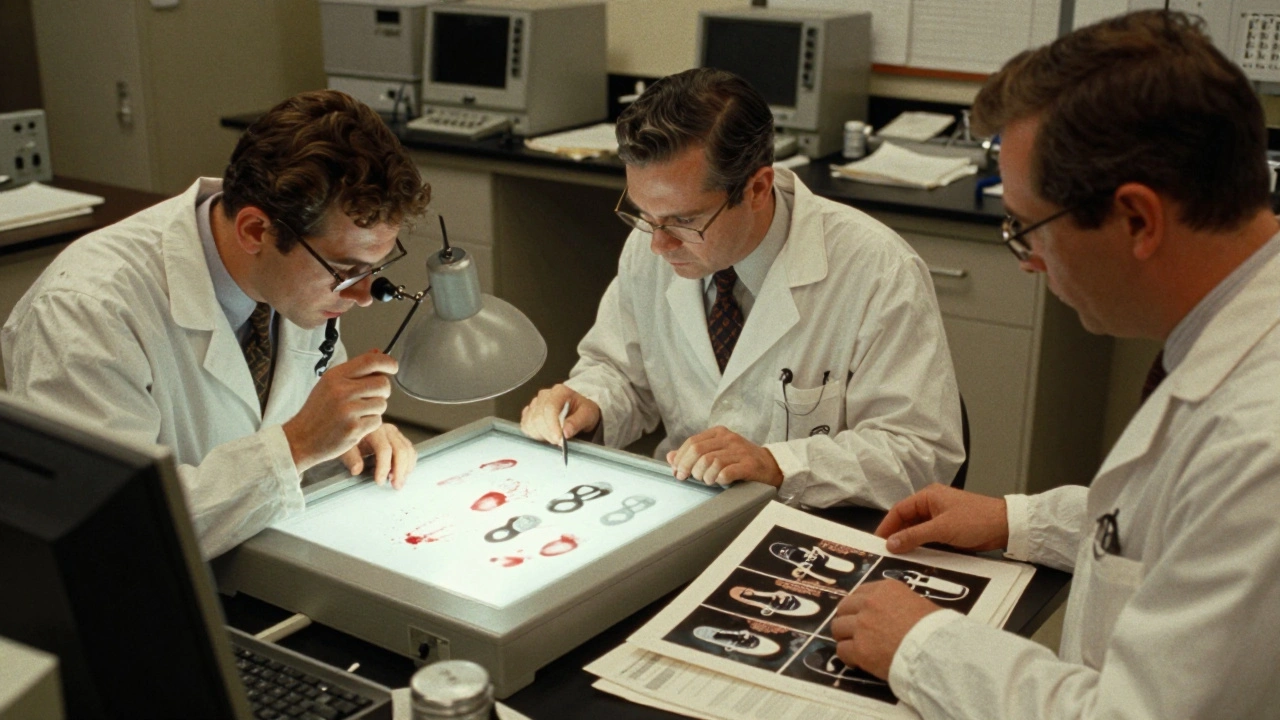
- Footwear (FW) - Identifies and matches tire and shoe impressions.
- Forensic Art (FA) - Creates facial reconstructions and age-progressed images.
- Forensic Photography (FP) - Validates that photos meet evidentiary standards for court.
- Forensic Video (FV) - Analyzes surveillance footage for enhancement and authentication.
- Latent Print (LP) - The most common certification. Focuses on fingerprint development and comparison.
- Tenprint Fingerprint (TP) - Specialized in full-hand prints from arrests or databases.
Many CSIs hold multiple certifications. A fingerprint technician might also be certified in forensic photography. A crime scene manager might hold both Level 3 CSI and Bloodstain Pattern Analyst credentials. These aren’t just resume boosters-they’re tools that make investigations more accurate.
Who Can Apply? The Hard Rules
The IAI doesn’t let just anyone apply. Here’s what you need:
- Full-time employment in a crime scene-related role (police, coroner’s office, state lab, federal agency).
- Minimum one year of experience in the field.
- Formal training hours completed (48 for Level 1, up to 144 for Level 3).
- An approved application submitted at least 30 days before the exam.
- No criminal record that would disqualify you from handling evidence.
Some training programs are approved by the IAI-like those offered by CSI Academy. But approval doesn’t mean endorsement. It just means the course covers material that aligns with the exam. You still have to study the official IAI reference materials. The exam isn’t based on what your instructor taught. It’s based on the IAI’s own manuals.
Why Do People Bother?
In Indiana, you need IAI certification to work as a CSI. It’s the law. In every other state? It’s optional. But here’s the thing: if you’re applying for a job at a state crime lab, a federal agency like the FBI, or even a large municipal police department, you’re competing against others who have it. Without it, you’re at a disadvantage.
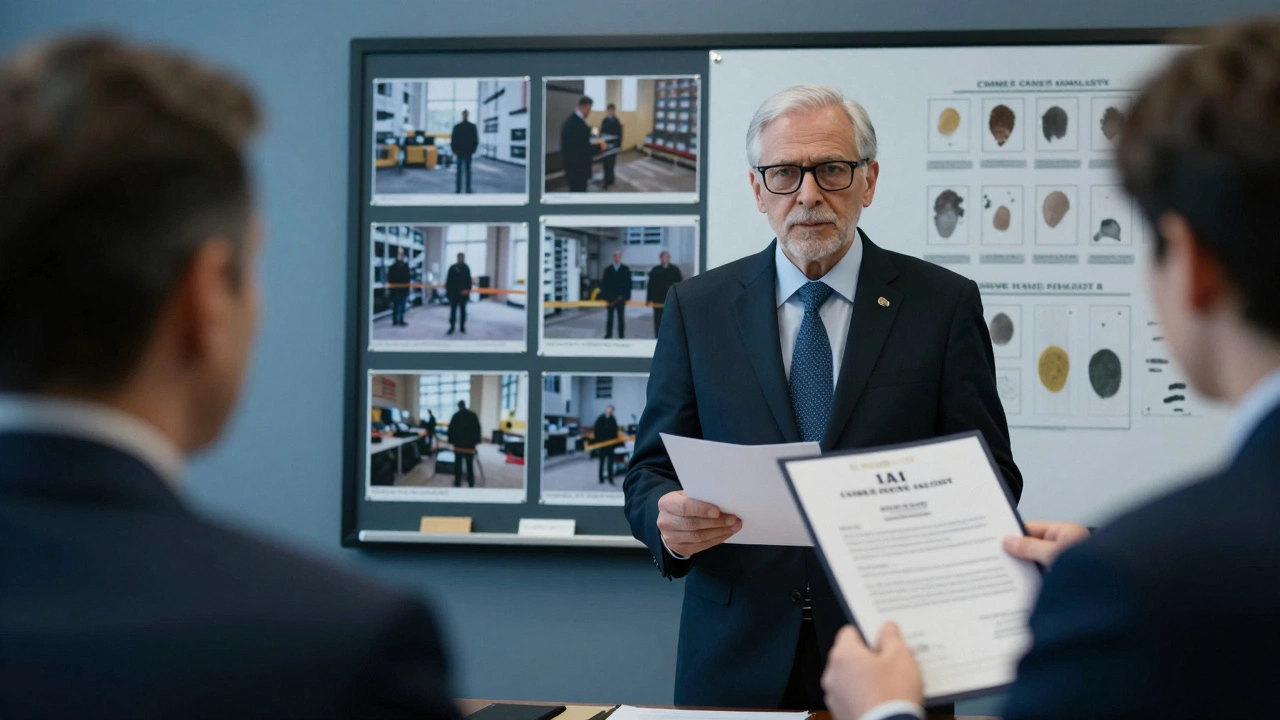
Susan Blankenship, a professor at University of Maryland Global Campus, says it best: “A CSI certificate gives you foundational knowledge you can’t get from on-the-job training alone.” It teaches you how to handle evidence so it holds up in court. It shows you how to document a scene so it doesn’t fall apart under cross-examination.
It’s not just for cops. Attorneys use it to better understand forensic reports. Nurses in trauma centers use it to preserve evidence in sexual assault cases. Evidence technicians in coroner’s offices use it to justify their procedures. Even coroners and medical examiners find value in IAI credentials because they raise the credibility of their entire team.
How to Start the Process
If you’re ready to apply, here’s how:
- Confirm you meet the experience requirement. You need to be working full-time in crime scene duties.
- Complete the required training hours. Look for IAI-approved courses through community colleges, state training academies, or private providers like CSI Academy.
- Download the IAI Certification Application from their website. Fill it out completely.
- Submit your application at least 30 days before you plan to take the exam.
- Once approved, study the official IAI reference materials. Don’t rely on lecture notes. Use the manuals.
- Take the exam. Pass. Get certified.
Recertification is required every five years. You’ll need to log continuing education hours and pay a renewal fee. The IAI doesn’t let certifications expire quietly. You’ll get reminders. But if you miss the deadline, you’ll have to reapply as a new candidate.
What Happens After You’re Certified?
Once you’re certified, your name goes on the IAI’s public roster. You can be searched by name, location, or certification level. That means defense attorneys can verify your credentials. Prosecutors can cite your certification in court. Journalists can find you for interviews.
It also opens doors. Many agencies now list IAI certification as a preferred or required qualification in job postings. Some offer salary bonuses for certified staff. Others tie promotions to certification levels. Senior Crime Scene Analysts often move into supervisory roles, training programs, or policy development.
And if you’re thinking about grad school? A graduate certificate in forensic crime scene investigation (like the one from National University) can stack on top of your IAI certification. Seven courses. 31.5 credits. Covers forensic pathology, digital evidence, law and procedure. It’s not a degree, but it’s a powerful credential combo.
Final Thought: Certification Isn’t a Trophy-It’s a Tool
Getting IAI certified doesn’t mean you’re better than everyone else. It means you’ve proven you can do the job under pressure, with precision, and with accountability. It means when a defense attorney questions whether you followed protocol, you can point to your certification and say, “Yes, I did. Here’s the standard I’m held to.”
The IAI doesn’t hand out certificates like participation ribbons. You earn them. And in a field where one mistake can throw a case out of court, that matters.
Do I need a degree to get IAI certification?
No, a degree is not required. The IAI bases eligibility on experience and training hours, not academic credentials. You must have one year of full-time work in crime scene-related duties, plus the required formal training. However, many certified professionals do hold degrees, and some employers prefer them.
Can I take the exam without formal training?
No. You must complete the required number of training hours before applying. The IAI requires 48 hours for Level 1, 96 for Level 2, and 144 for Level 3. These hours must come from approved courses. Self-study or on-the-job learning doesn’t count.
Is IAI certification recognized outside the U.S.?
Yes. While the IAI is based in the U.S., its certifications are recognized internationally. Forensic professionals in Canada, the UK, Australia, and parts of Europe seek IAI credentials because they’re seen as benchmarks of professional competence. Some countries even require IAI certification for consultants working on cross-border investigations.
How long does it take to get certified?
It varies. If you already have experience and training, you could apply and test within a few months. But most people spend 1-2 years building up the required hours and experience before applying. Level 3 certification typically takes 5+ years of consistent work in the field.
What if I fail the exam?
You can retake it, but not immediately. You must wait at least six months and submit a new application. You’ll also need to pay the exam fee again. The IAI doesn’t release exam questions or answers, so retakers must re-study the entire reference material. Many candidates use this time to take additional training courses before trying again.
Can I apply for multiple certifications at once?
Yes. Many professionals apply for both CSI and another specialty-like Latent Print or Forensic Photography-at the same time. Each certification has its own application, fee, and exam. But you can submit them together. Just make sure you meet the experience and training requirements for each one separately.