Behind the Crime Scene - Page 23
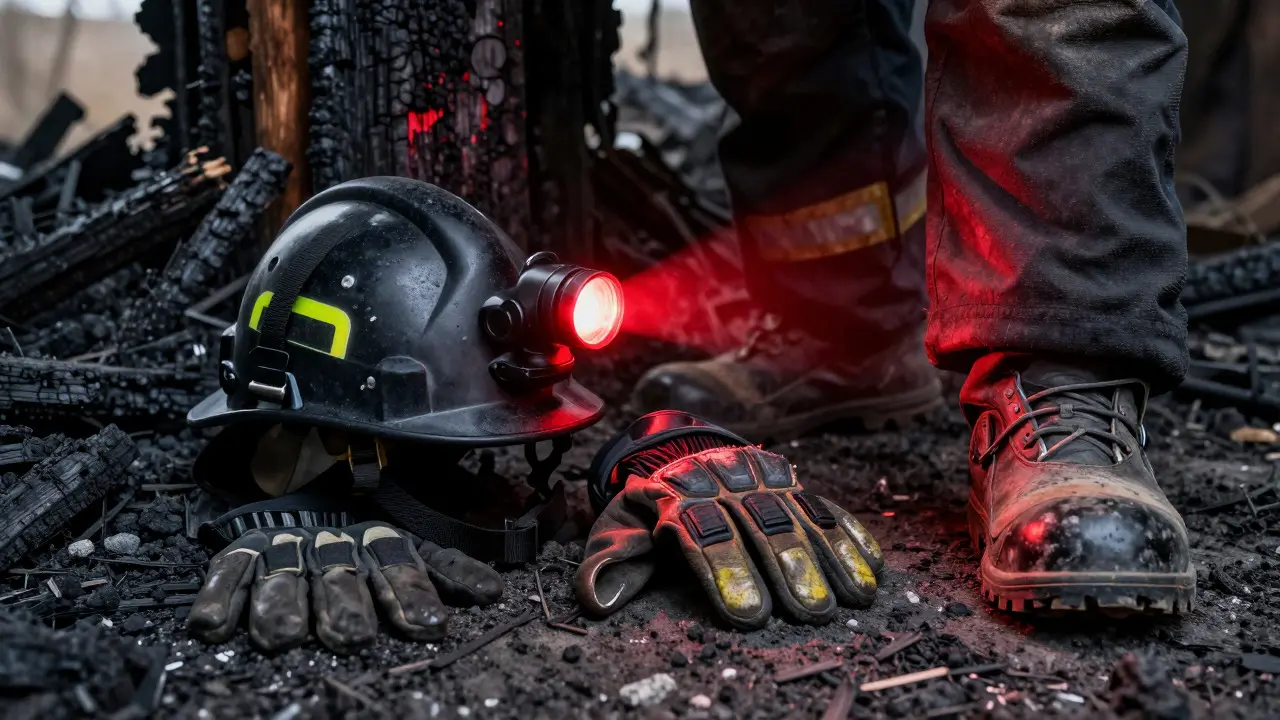
Fire Investigation Safety Equipment and Protocols: A Field Guide
- By : Ian Brophy
- Date : Aug 16 2026
Master the essential safety gear and protocols for fire investigators. Learn how to protect yourself from structural hazards and toxic air while preserving critical evidence.
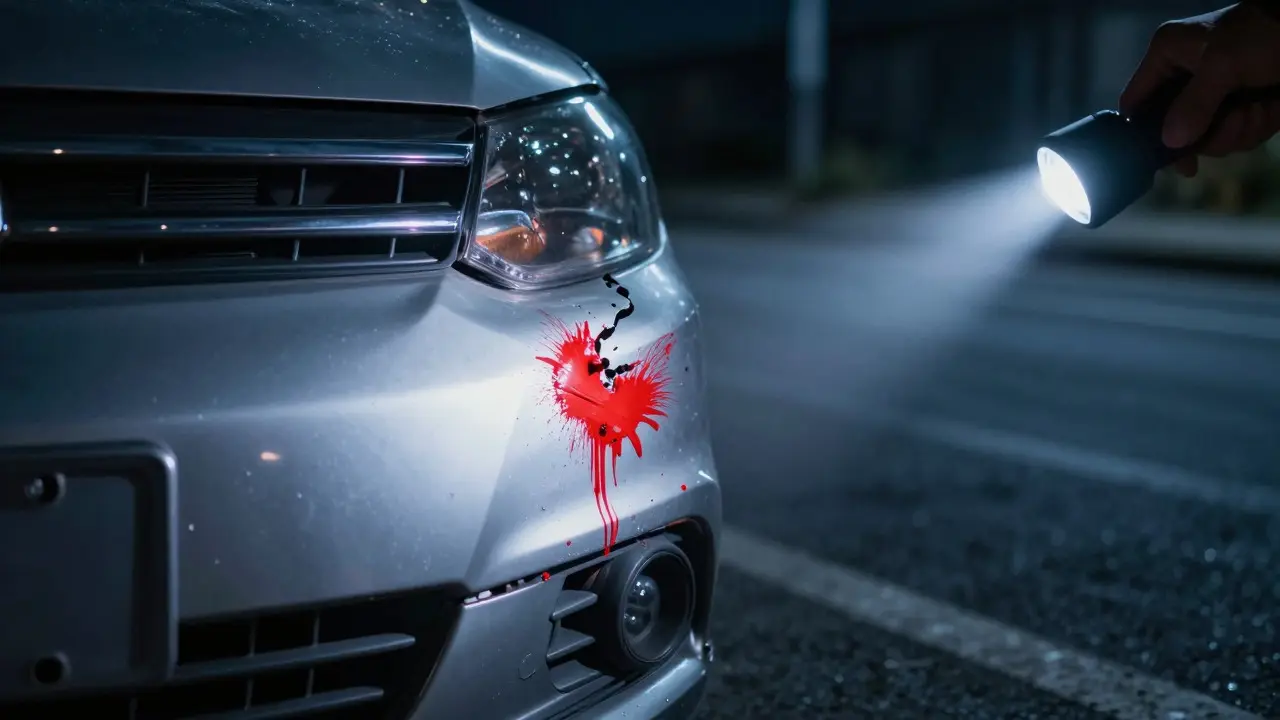
Paint Evidence in Hit-and-Run Cases: Transfer, Matching, and Lab Analysis
- By : Ian Brophy
- Date : Aug 16 2026
Discover how forensic scientists use paint layer analysis and chemical spectroscopy to solve hit-and-run cases. Learn about transfer mechanics, lab methods, and field collection tips.
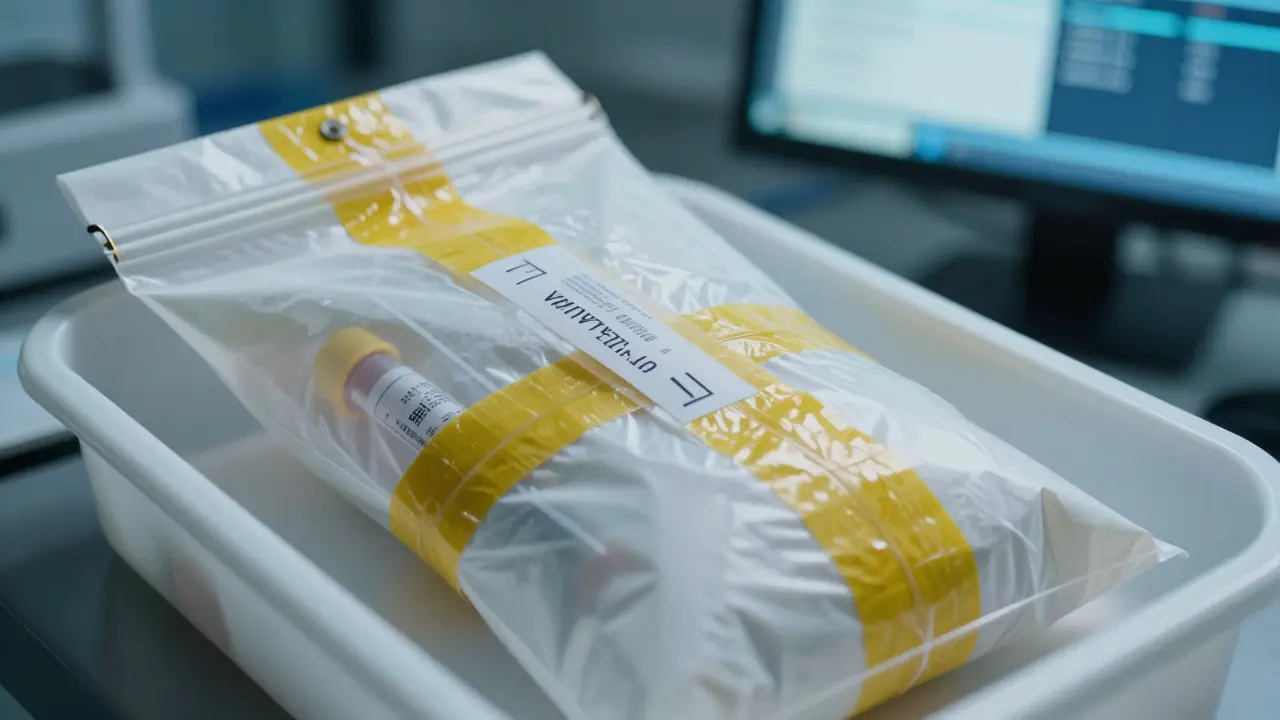
Chain of Custody Explained: The Complete Guide for Law Enforcement
- By : Ian Brophy
- Date : Aug 16 2026
Learn how chain of custody works in law enforcement. Discover the steps, common pitfalls, and tech tools that keep evidence admissible in court.
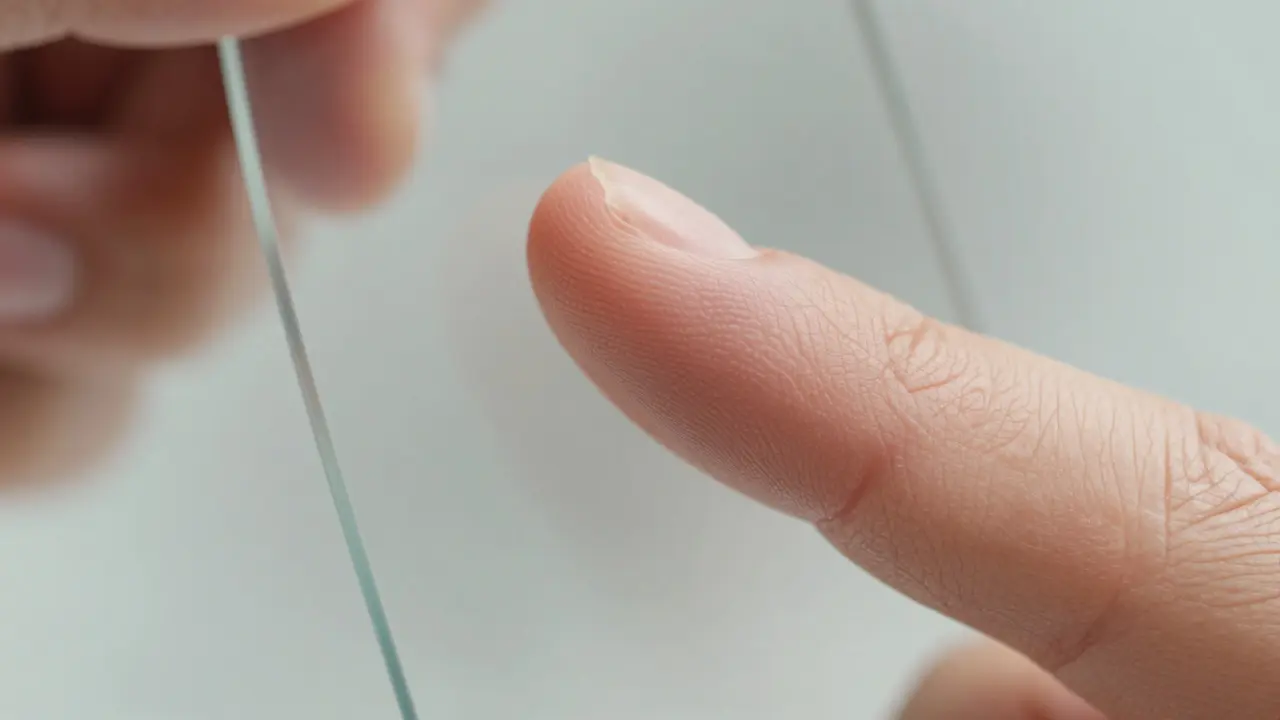
Fingerprint Pattern Types: Loops, Whorls, and Arches Explained
- By : Ian Brophy
- Date : Aug 16 2026
Learn the difference between loops, whorls, and arches. Discover how ridge counts and pattern types help forensic experts identify individuals with precision.
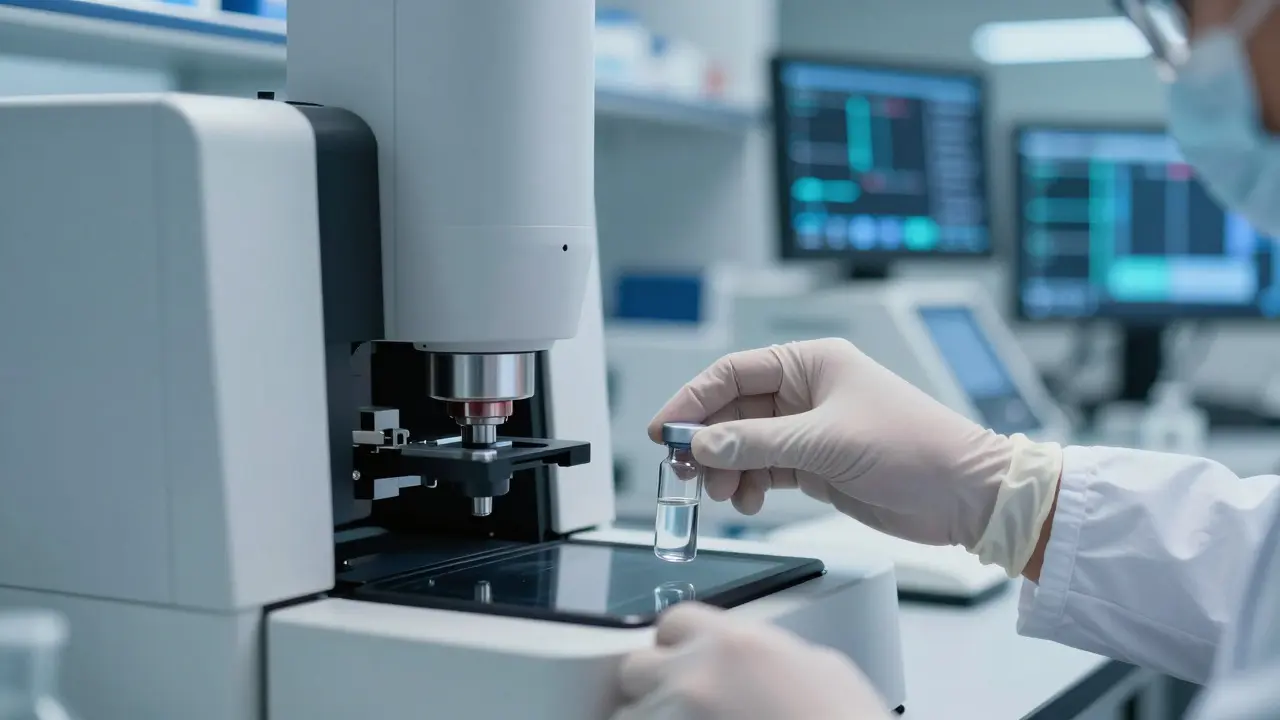
Post-Conviction Relief: How New Forensic Evidence Standards Change Cases
- By : Ian Brophy
- Date : Aug 16 2026
Discover how updated forensic science rules impact post-conviction relief cases. Learn about DNA retesting, chain of custody requirements, and practical steps to challenge old convictions with new data.
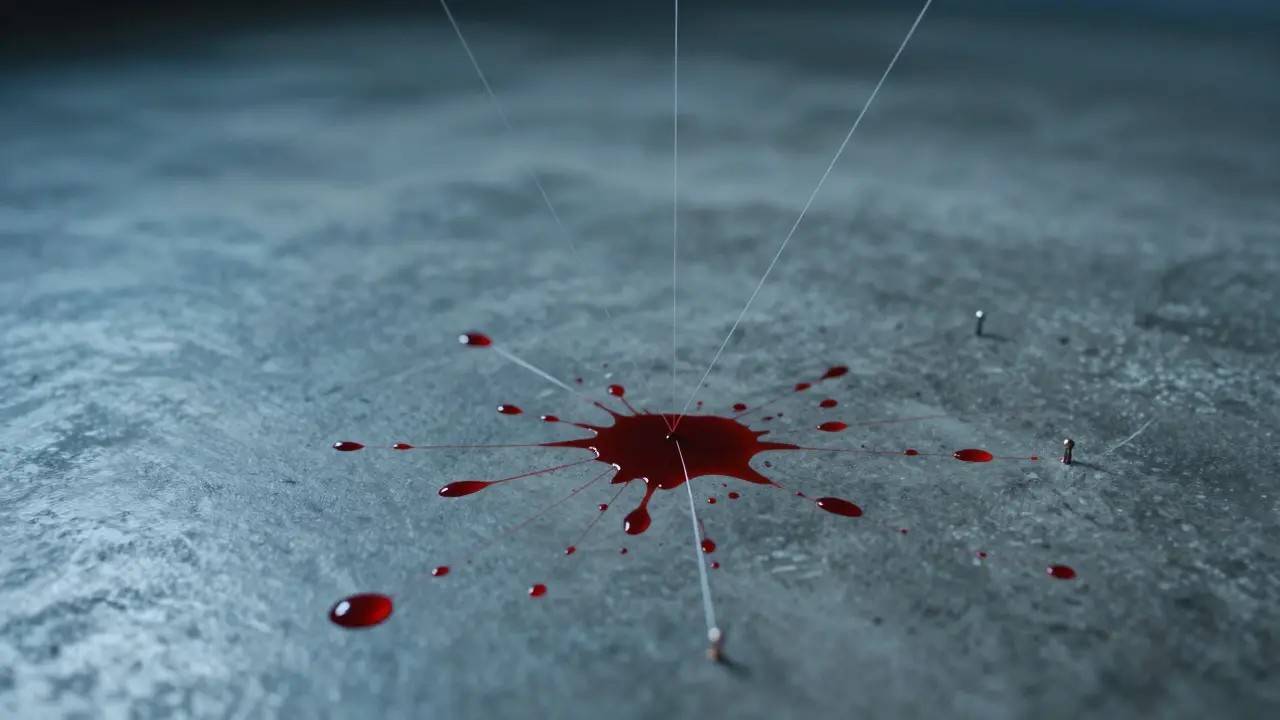
Stringing Alternatives: Laser and Software-Based Methods for Bloodstain Analysis
- By : Ian Brophy
- Date : Aug 16 2026
Explore modern alternatives to traditional stringing in bloodstain pattern analysis. Learn how laser projection and software-based methods improve accuracy, speed, and documentation for forensic investigators.
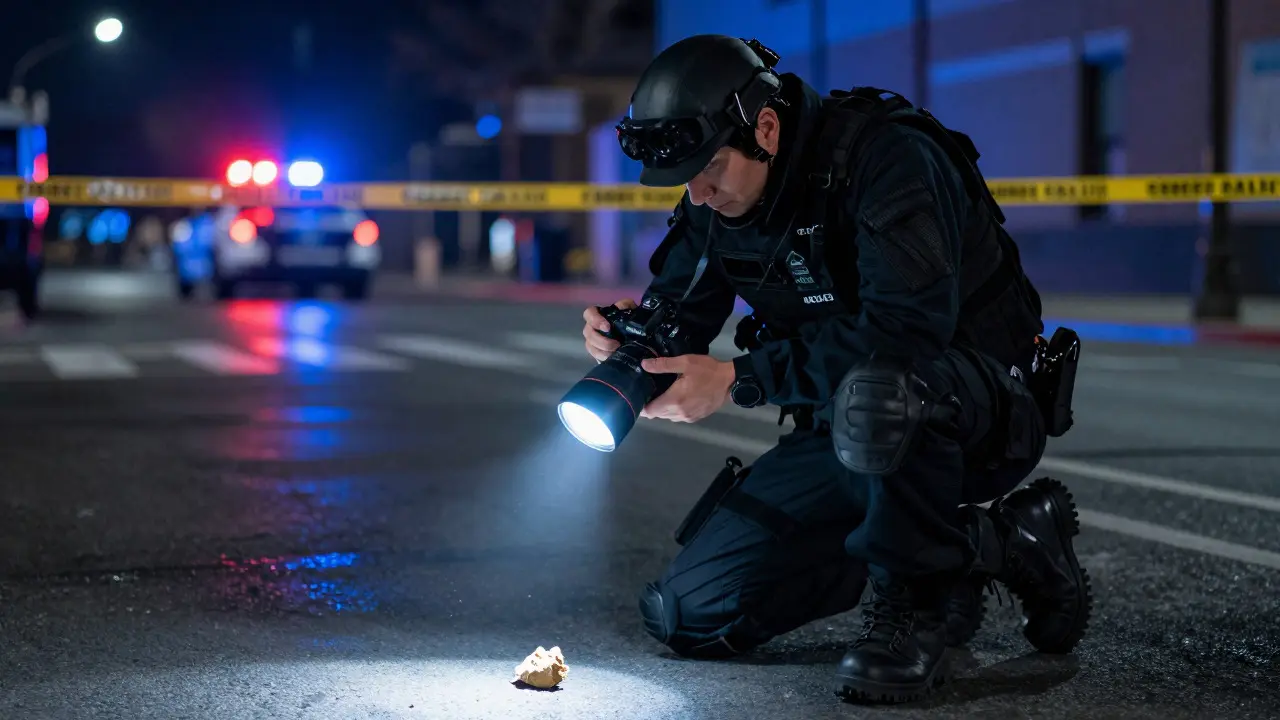
Video Evidence Admissibility: Courtroom Presentation Guide for Scene Imaging
- By : Ian Brophy
- Date : Aug 16 2026
Learn how to ensure video evidence from scene imaging is admissible in court. Covers chain of custody, metadata management, and presentation tips for investigators.

DNA Kinship Searches for Unidentified Homicide Offenders: A Forensic Guide
- By : Ian Brophy
- Date : Aug 16 2026
Learn how DNA kinship searches help solve cold case homicides by identifying relatives in public databases. This guide covers the process, legal issues, and future trends in forensic genetics.
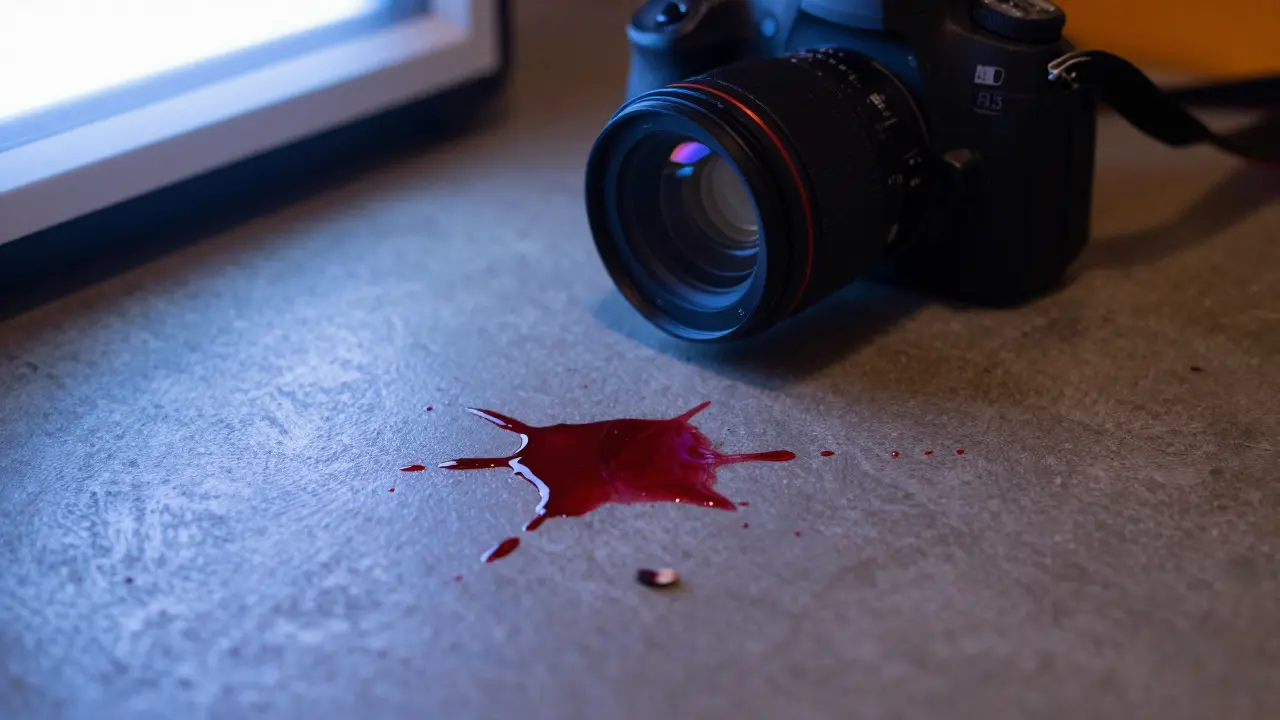
Color Accuracy in Forensic Photography: Standards, Tools & Pitfalls
- By : Ian Brophy
- Date : Aug 16 2026
Learn how to achieve lab-grade color accuracy in forensic photography. Covers standards, essential tools like ColorCheckers, and workflows to ensure evidence withstands legal scrutiny.
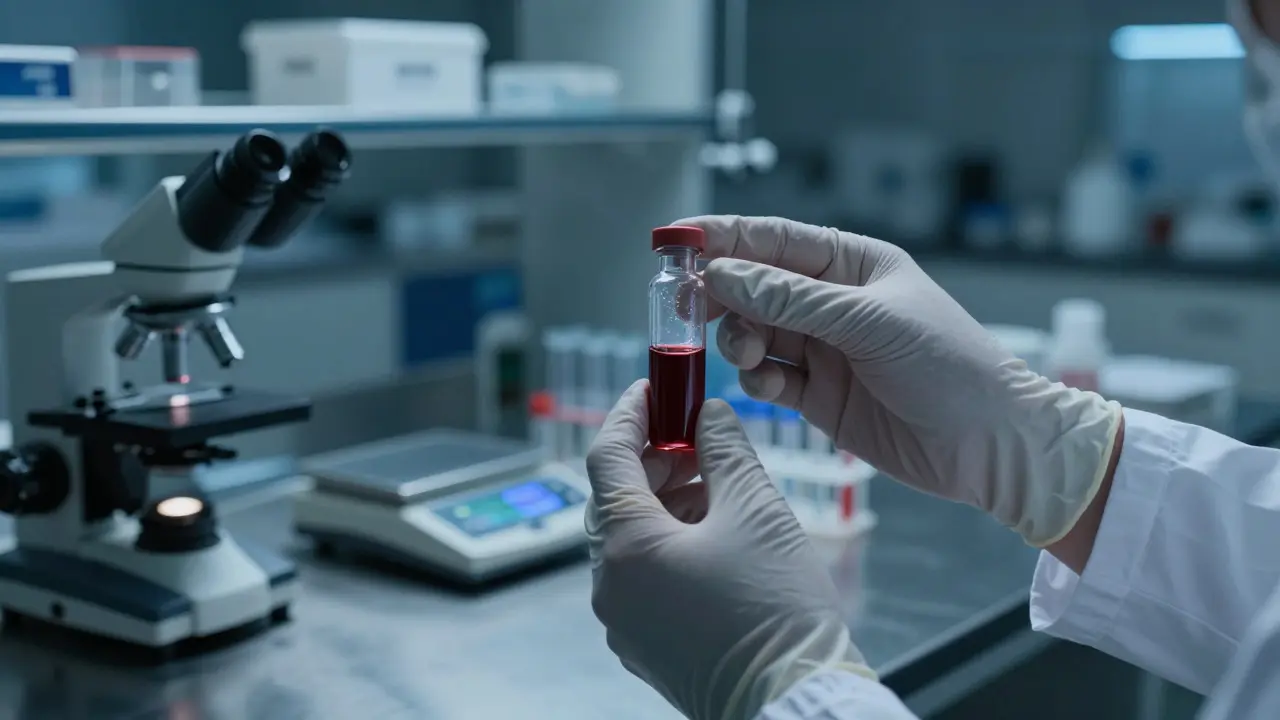
Wrongful Conviction Cases: How Evidence Admissibility Errors Drive Injustice
- By : Ian Brophy
- Date : Aug 16 2026
Discover how evidence admissibility errors drive wrongful convictions. Learn about forensic flaws, eyewitness pitfalls, and legal reforms needed to ensure fair trials.
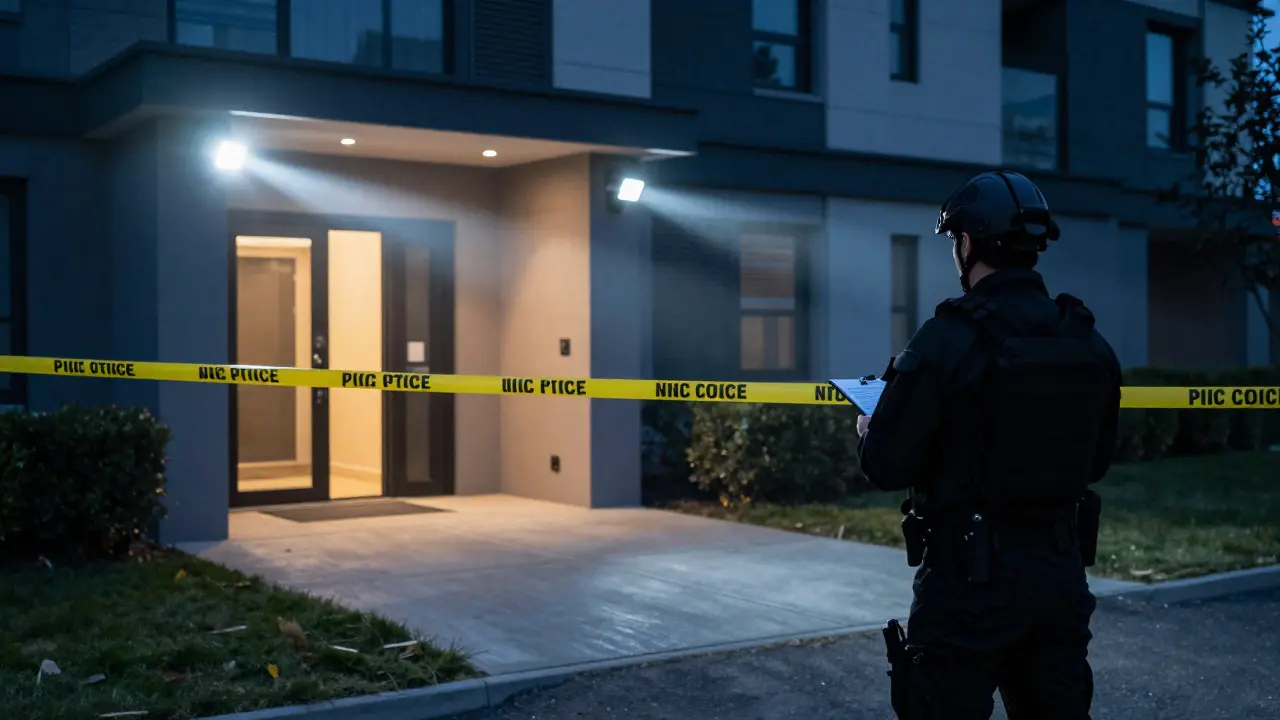
Crime Scene Walkthrough: Step-by-Step Investigator Procedures
- By : Ian Brophy
- Date : Aug 16 2026
Discover the step-by-step procedures investigators follow during a crime scene walkthrough, from securing the perimeter to collecting digital evidence.
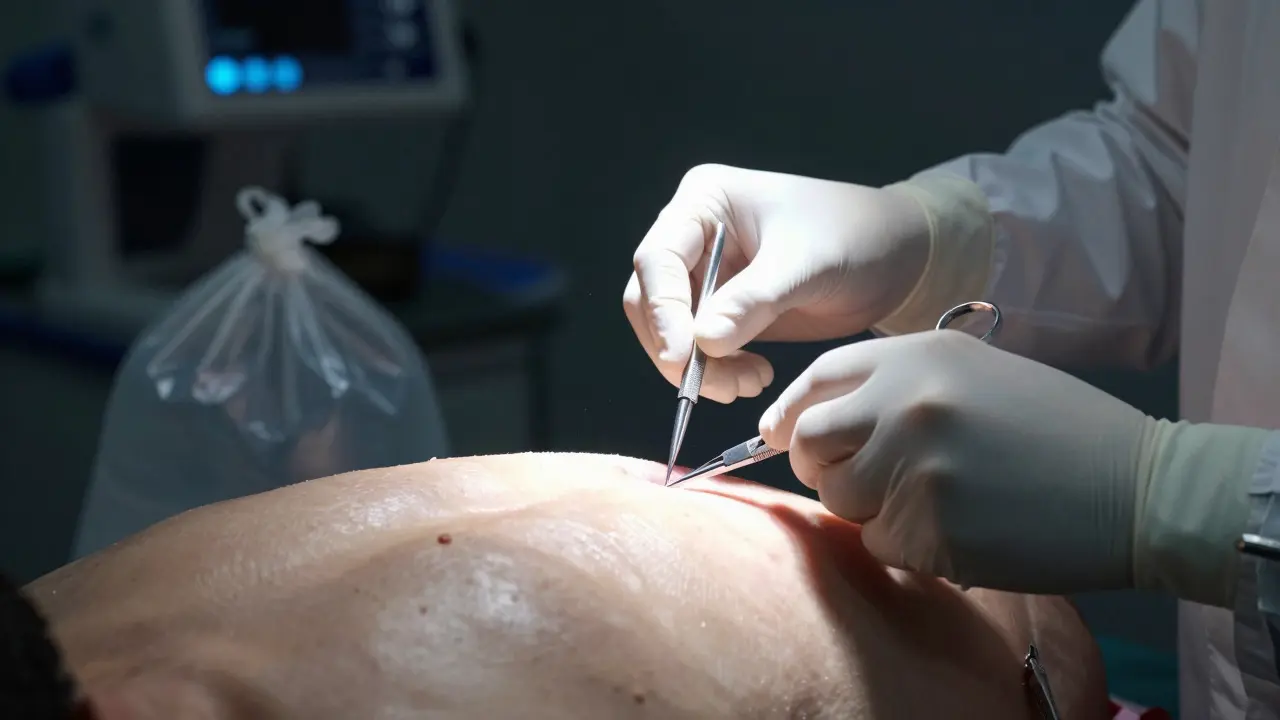
Forensic Pathology: How to Determine the Direct Cause of Death
- By : Ian Brophy
- Date : Aug 16 2026
Learn how forensic pathologists determine the direct cause of death using autopsies, toxicology, and histology. Understand the difference between immediate, direct, and underlying causes in legal contexts.