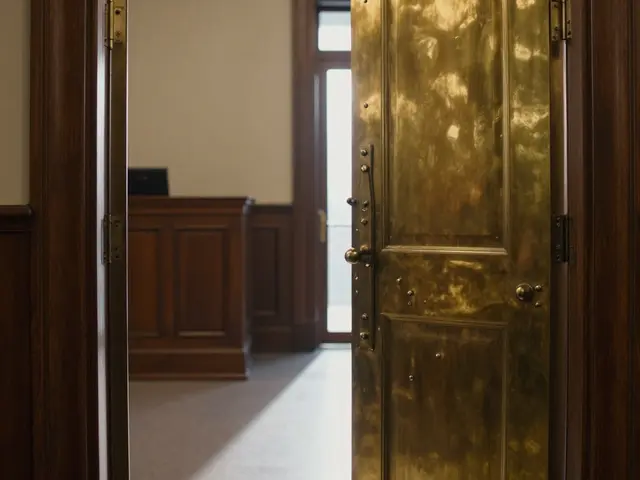
Behind the Crime Scene - Page 20

Crime Scene Notification Protocols: Dispatch to Investigator Handoffs
- By : Ian Brophy
- Date : Aug 17 2026
Explore how tight dispatch-to-investigator handoffs protect evidence integrity. Learn the protocols, digital tools, and training methods that prevent crime scene contamination.
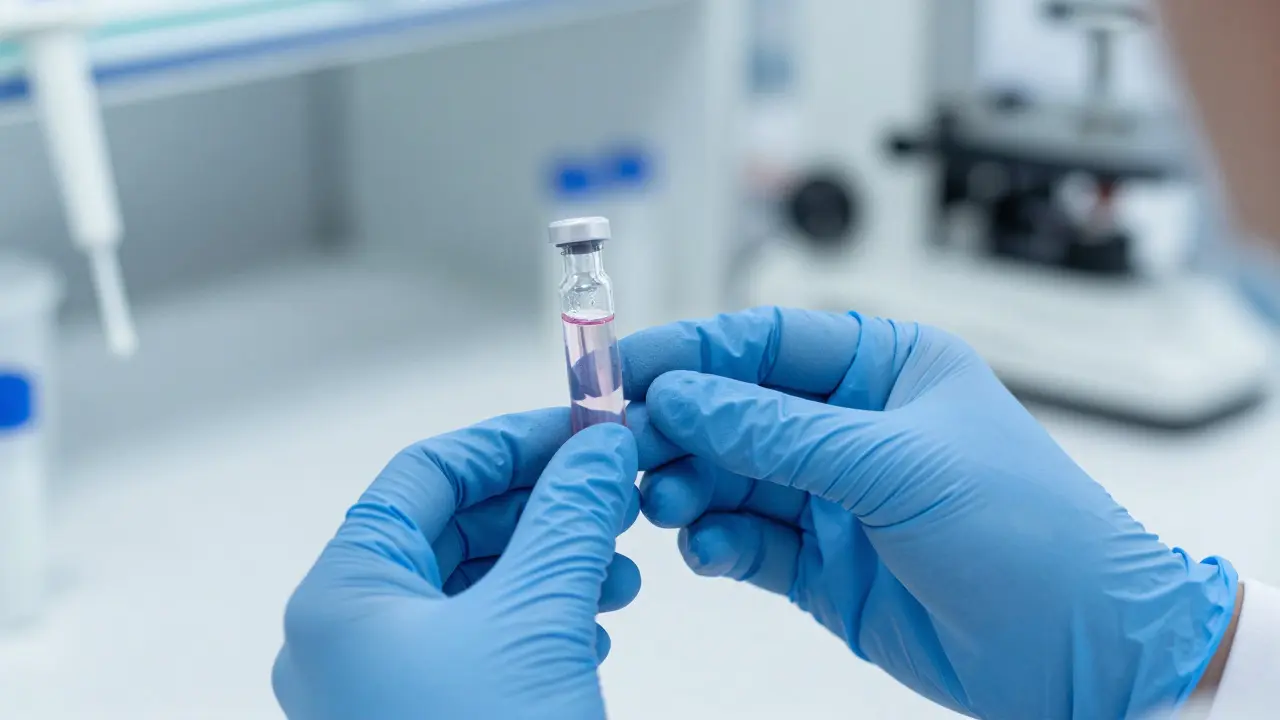
DNA Analyst Positions: Laboratory Career Paths in Forensics
- By : Ian Brophy
- Date : Aug 17 2026
Explore the real-world career paths for DNA analysts in forensic labs. Learn about education, salaries, daily tasks, and how to break into this specialized field.
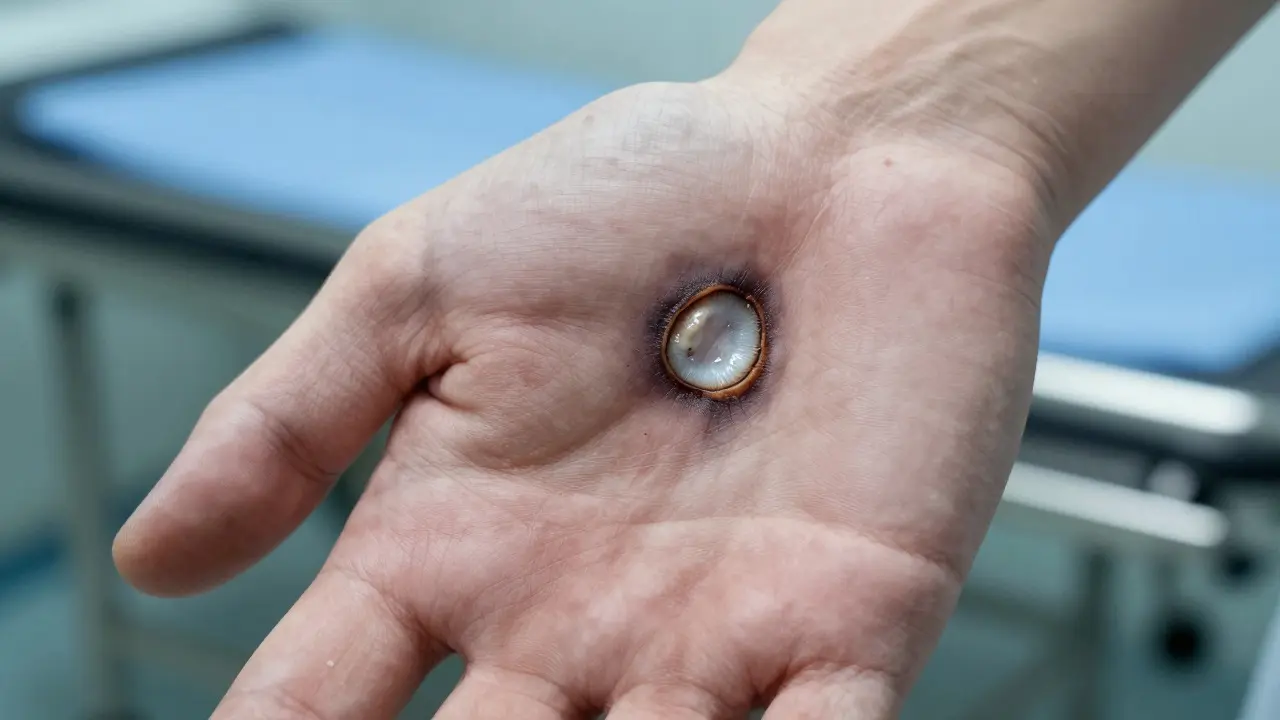
Electrical Injuries: Forensic Pathology Indicators and Diagnostic Signs
- By : Ian Brophy
- Date : Aug 16 2026
Learn how forensic pathologists identify electrical injuries through specific entry/exit wounds, internal organ damage, and distinct burn characteristics. A guide to key diagnostic signs.
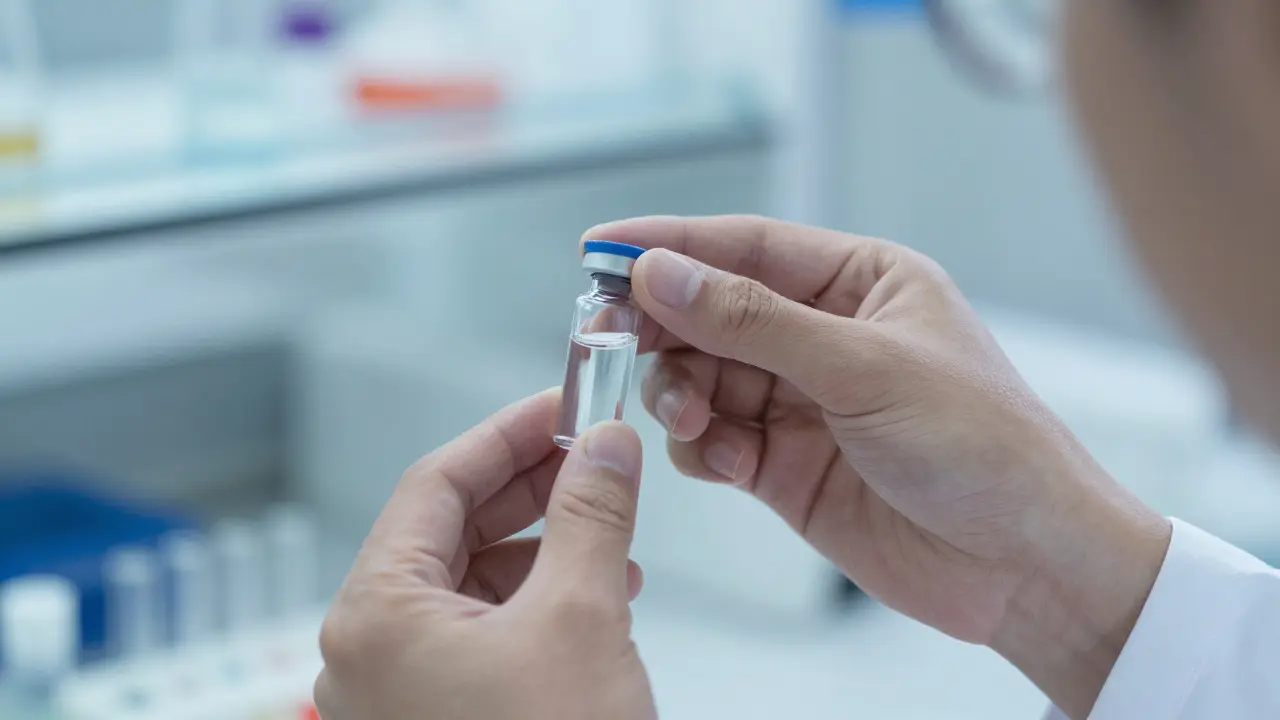
Therapeutic vs. Toxic Ranges: Clinical Correlation in Forensic Reports
- By : Ian Brophy
- Date : Aug 16 2026
A short summary for the article based on the topic. You need to write a summary with up to 5 sentences or 160 symbols that covers the provided topic. Try to write the most human text.
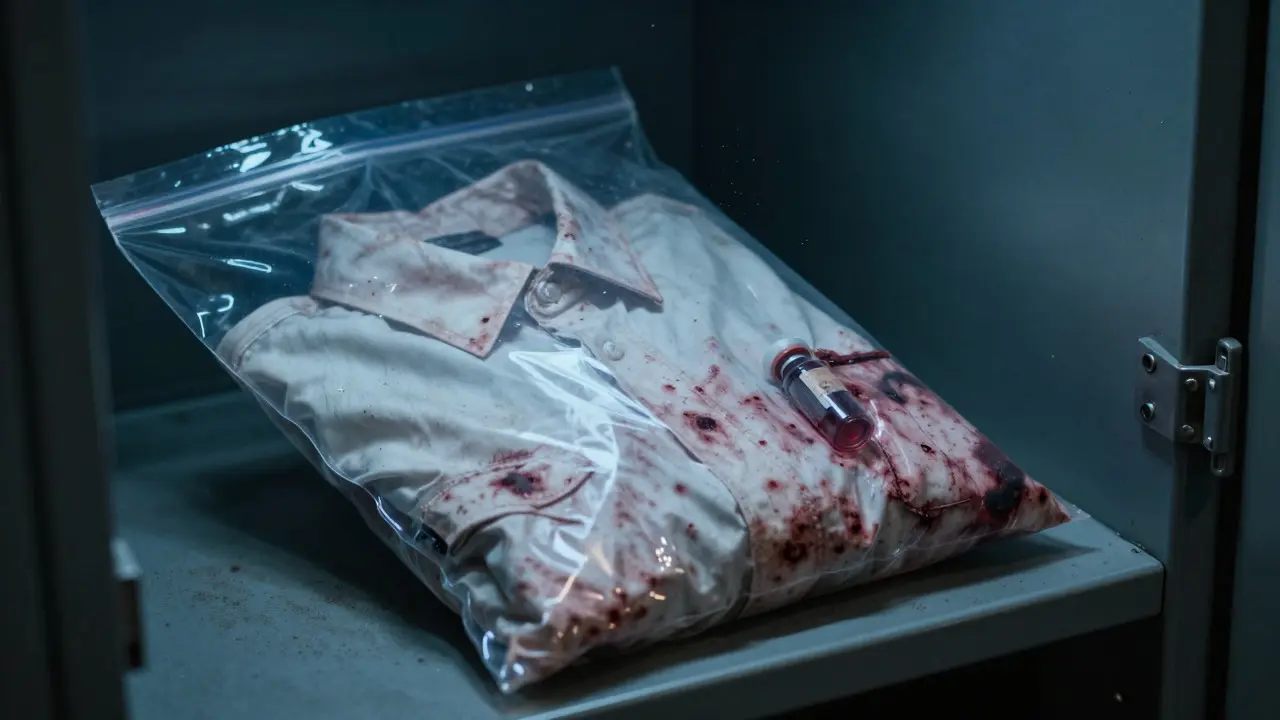
Cold Case DNA: How Re-testing Legacy Evidence Solves Old Crimes
- By : Ian Brophy
- Date : Aug 16 2026
Discover how modern forensic techniques are unlocking cold cases by re-testing legacy evidence. Learn about STR profiling, genetic genealogy, and the challenges of analyzing degraded DNA samples.
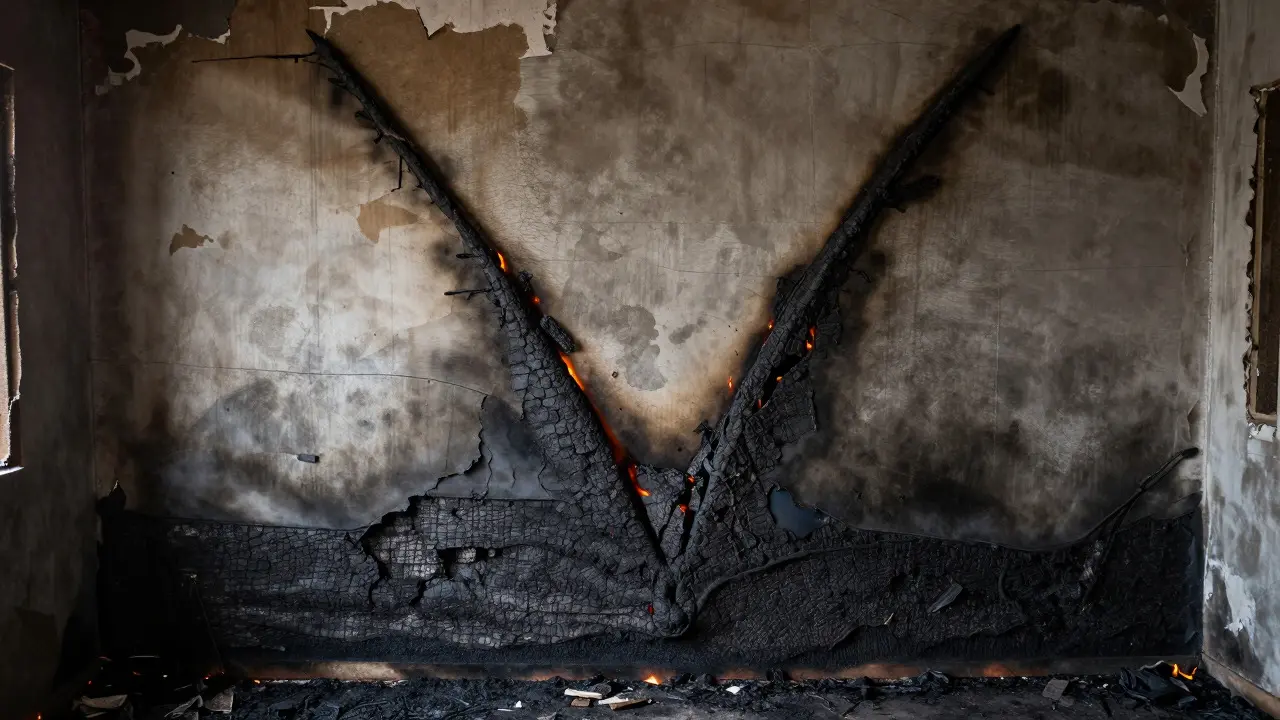
Structural Elements: How to Analyze Wall and Roof Damage in Fire Investigations
- By : Ian Brophy
- Date : Aug 16 2026
Learn how to analyze wall and roof damage in fire investigations. Discover key visual cues like V-patterns and soot gradients to distinguish accidental fires from arson.

Daubert Factors Explained: Error Rates and Peer Review in Expert Testimony
- By : Ian Brophy
- Date : Aug 16 2026
Learn how error rates and peer review influence the admissibility of expert testimony under the Daubert standard. Practical insights for legal professionals.
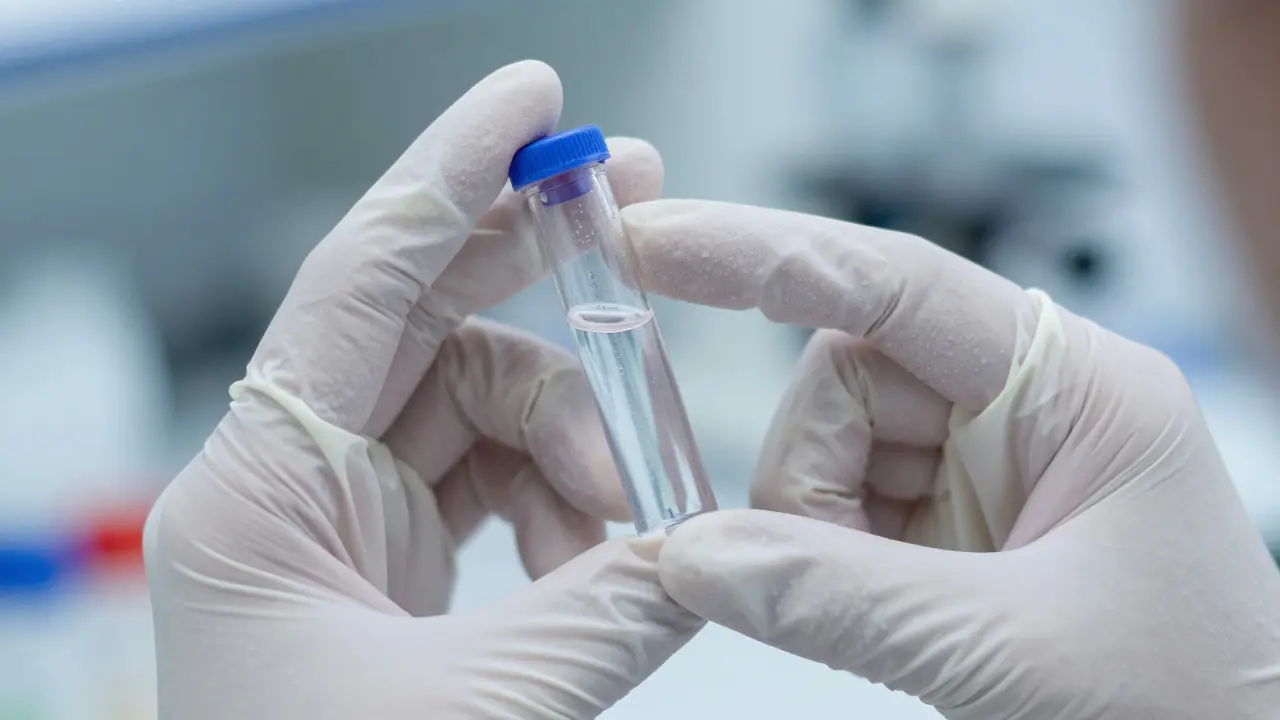
Forensic DNA Test Results Explained: Inclusion vs. Exclusion
- By : Ian Brophy
- Date : Aug 16 2026
Learn how to interpret forensic DNA test results. Understand the difference between inclusion and exclusion, how STR profiling works, and what mixture analysis means for legal cases.
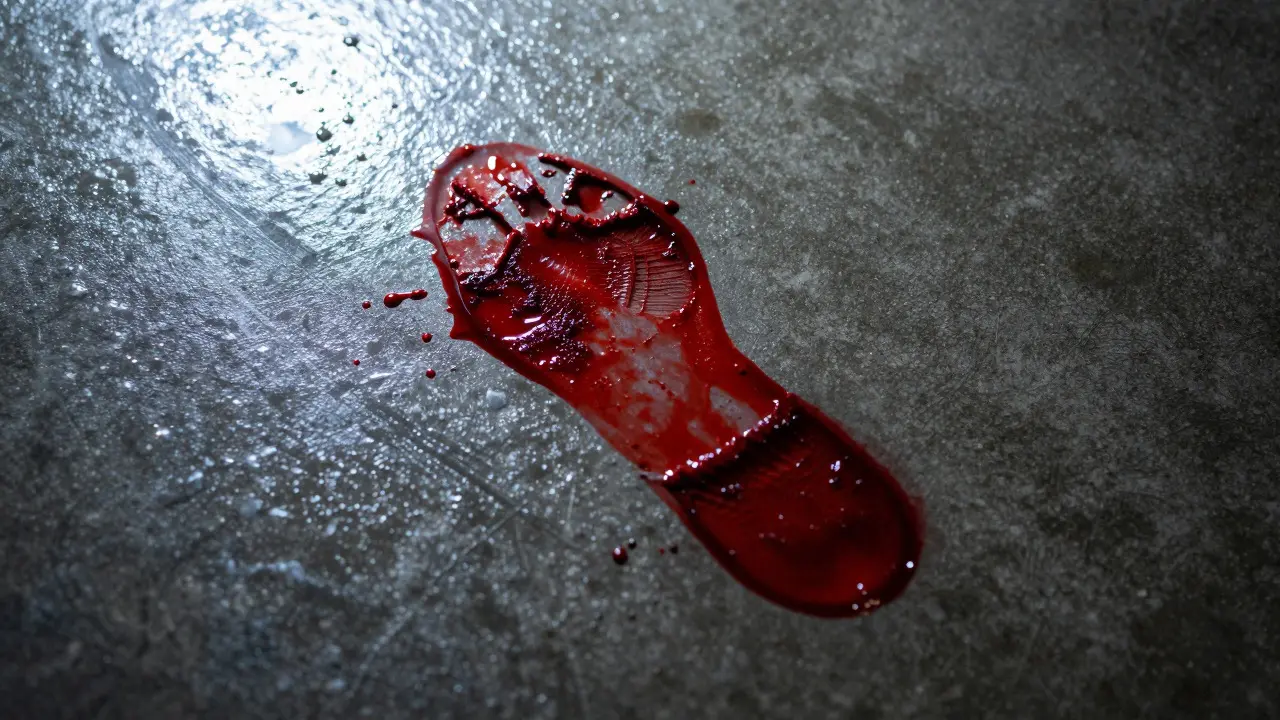
Footwear in Blood: Tread Transfer and Directionality Analysis
- By : Ian Brophy
- Date : Aug 16 2026
Learn how forensic analysts use bloodstain patterns and tread transfer to determine the direction of movement in crime scenes. Discover the physics behind directional indicators and the impact of shoe design on evidence quality.
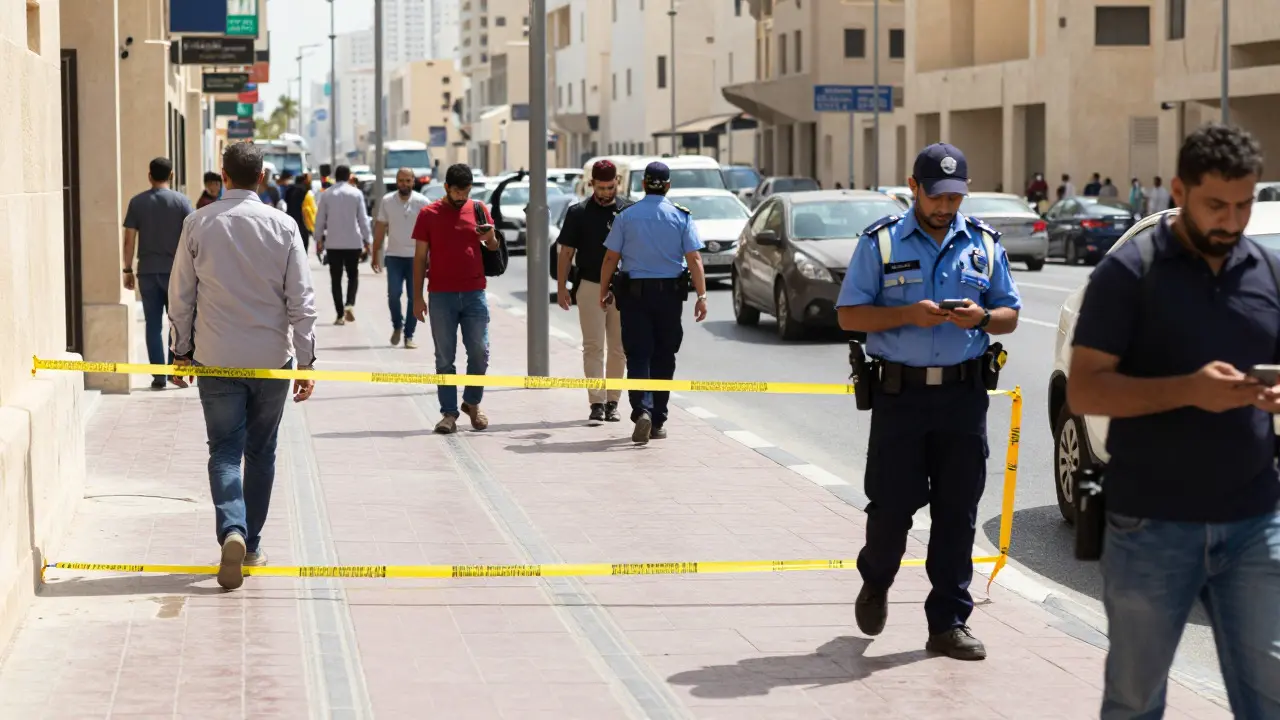
How to Preserve Crime Scenes in Crowded Public Areas
- By : Ian Brophy
- Date : Aug 16 2026
Discover effective strategies for preserving crime scenes in crowded public areas. Learn how to manage crowds, control access, and protect fragile evidence from contamination.
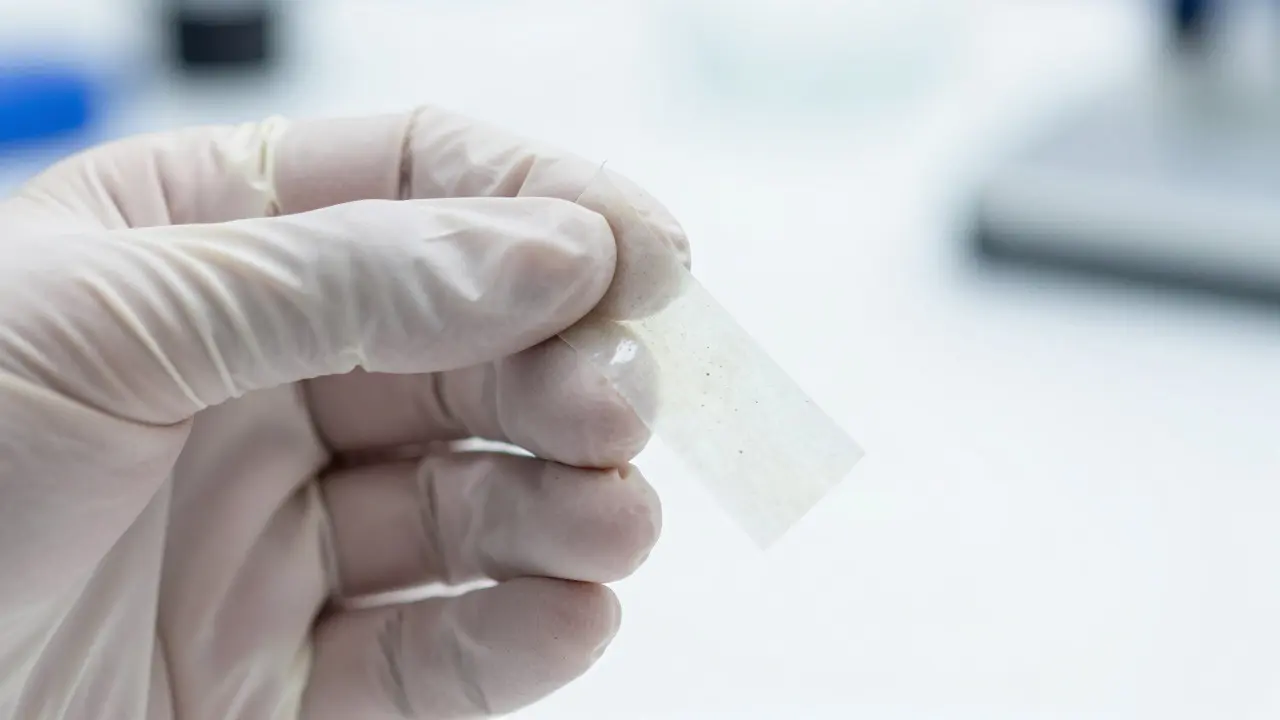
Gunshot Primer Residue vs. Environmental Particles: Forensic Identification Guide
- By : Ian Brophy
- Date : Aug 16 2026
Learn how forensic experts distinguish gunshot residue from environmental dust using shape, chemistry, and advanced lab techniques to avoid false evidence.
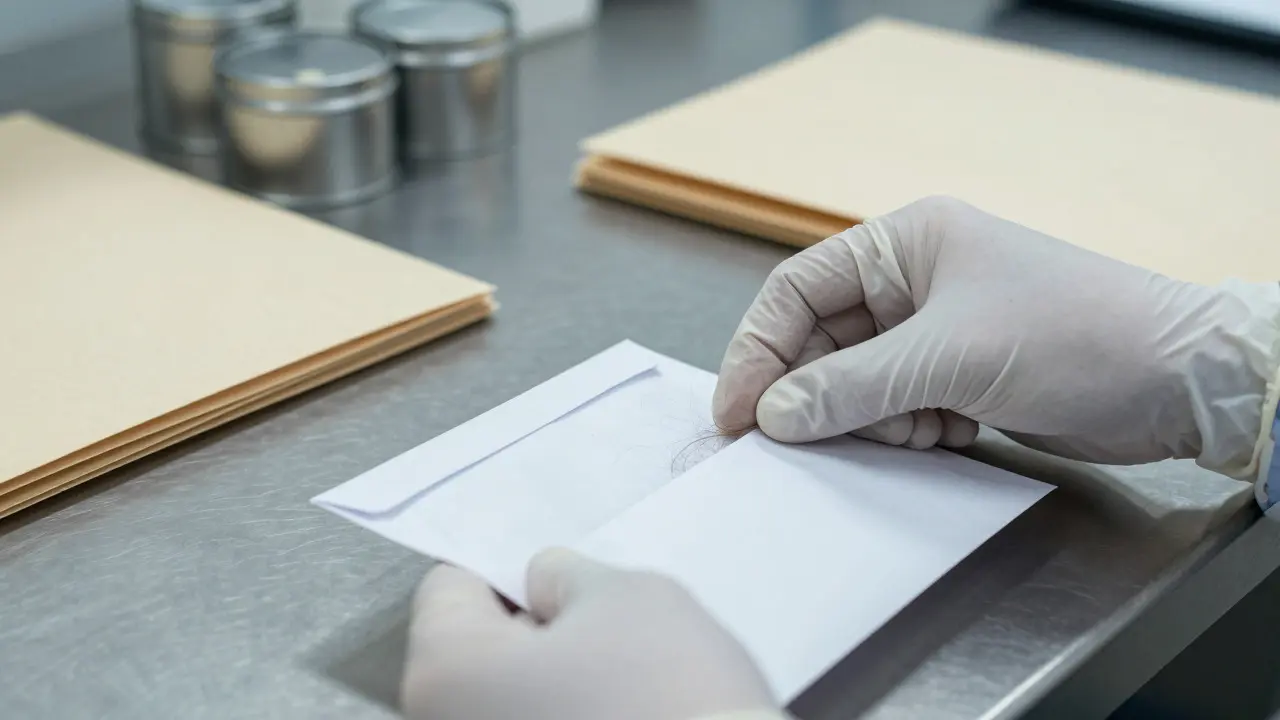
Packaging Trace Evidence: A Practical Guide to Preventing Loss and Contamination
- By : Ian Brophy
- Date : Aug 16 2026
Learn how to properly package trace evidence to prevent loss and contamination. Covers container selection, chain of custody, transport tips, and storage best practices for forensic integrity.