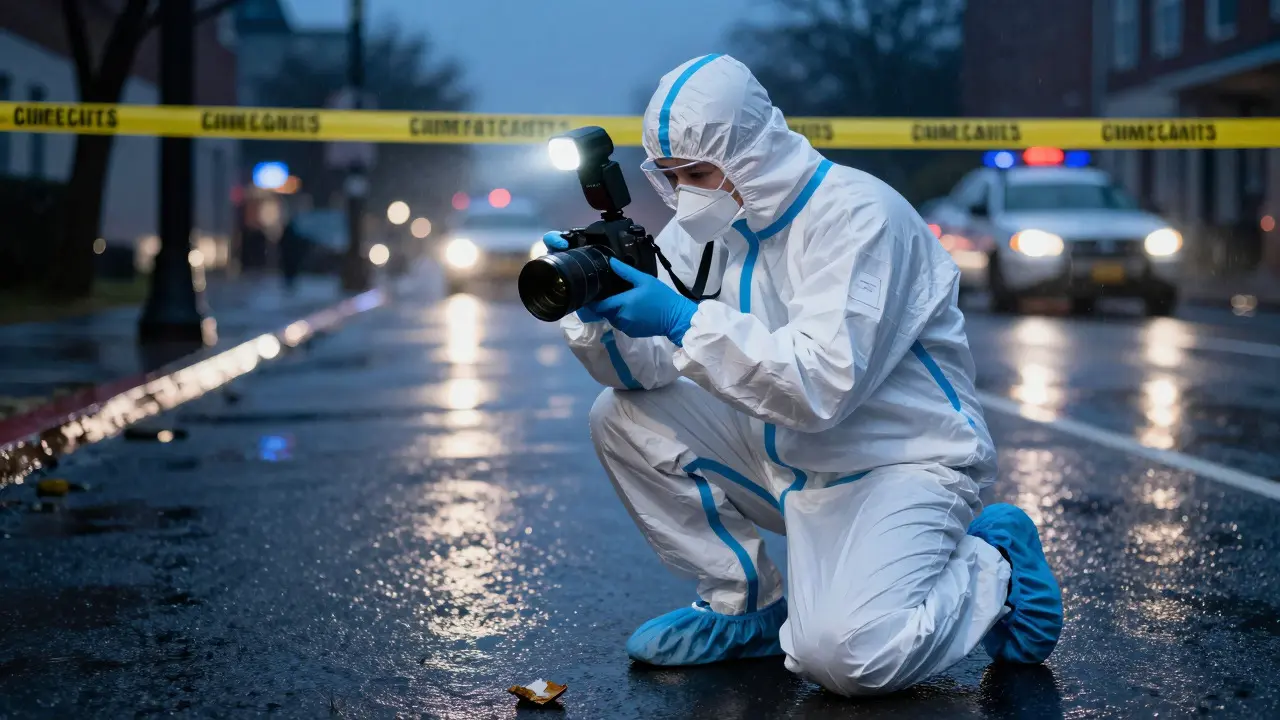
When a siren cuts through the quiet of a Portland neighborhood, the first responders aren't just police officers in uniform. They are Crime Scene Investigators, often called CSIs, who serve as the bridge between chaos and clarity. Their job isn't to catch the culprit immediately; it's to preserve the story the scene is telling before that story fades away. In modern law enforcement, the CSI has evolved from a passive observer into an active architect of the case, wielding technology and strict protocol to turn physical traces into admissible proof.
You might think the work looks like the TV shows-fast-paced, dramatic, full of instant DNA results. Reality is slower, more meticulous, and heavily dependent on chain of custody. A single missed fingerprint or a contaminated sample can unravel months of detective work. That’s why understanding the true scope of their duties matters, whether you’re a student of criminal justice, a curious citizen, or someone involved in a legal process.
What Exactly Does a Crime Scene Investigator Do?
A Crime Scene Investigator is a specialized officer responsible for collecting, documenting, and preserving physical evidence at a crime scene. Unlike patrol officers who focus on immediate safety and suspect apprehension, CSIs focus on the environment itself. They treat the scene as a puzzle where every object, stain, or trace holds potential information.
Their core responsibilities break down into three main phases:
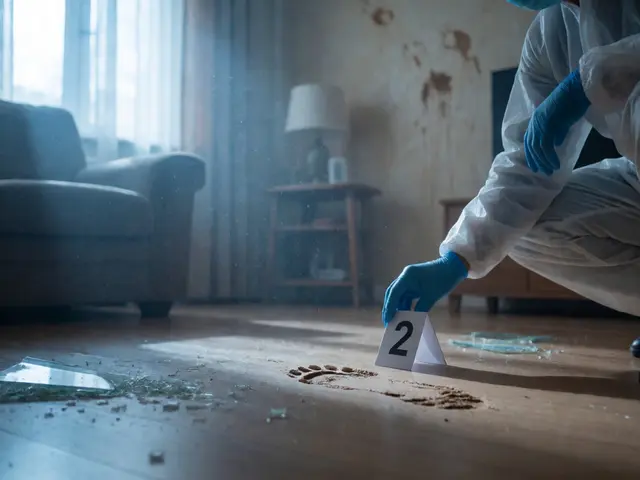
- Documentation: Creating a permanent record of the scene through photography, video, sketches, and notes. This ensures that if the scene changes or is cleaned up, the original state remains accessible in court.
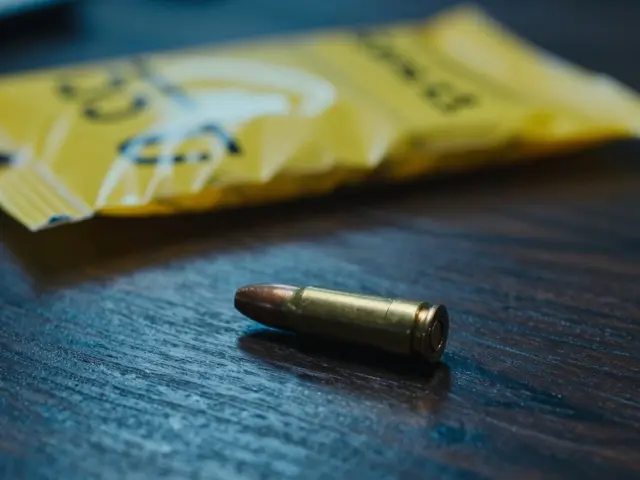
- Collection: Gathering biological samples (blood, hair, skin cells), trace evidence (fibers, glass, soil), and latent fingerprints using specialized tools.
- Presentation: Testifying in court about how evidence was found and handled, ensuring it meets legal standards for admissibility.
This role requires a blend of scientific knowledge, attention to detail, and legal awareness. It’s not just about finding things; it’s about proving they were there and weren’t tampered with.
The Evolution from Detective to Scientist
Historically, crime scene work was done by detectives or patrol officers after they secured the area. But as forensic science advanced in the late 20th century, the need for specialized training became clear. Today, most major departments employ dedicated CSI units separate from general patrol.
This shift reflects a broader trend in law enforcement: the professionalization of forensic processes. Where once a detective might swab a bloodstain with a cotton ball and put it in an envelope, today’s CSI uses sterile swabs, vacuum extraction systems, and digital logging software. The change wasn’t just cosmetic; it reduced contamination risks and improved the reliability of evidence in court.
In cities like Portland, Oregon, this evolution has been driven by both public demand for transparency and advances in technology. Departments now invest heavily in continuing education, ensuring CSIs stay current with new methods like rapid DNA testing and mobile lab capabilities.
Technology Changing the Game
Modern CSIs don’t just carry flashlights and cameras anymore. Their kits include a growing array of digital and chemical tools that have transformed how scenes are processed.
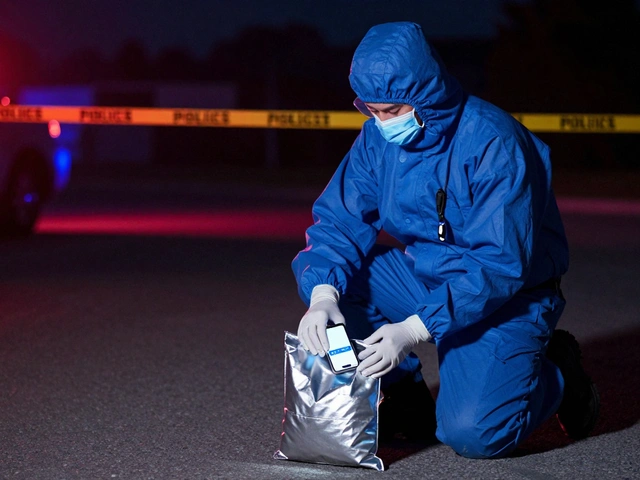
Digital Forensics Integration: With smartphones being present in over 90% of cases, CSIs now routinely secure digital devices. They use Faraday bags to block signals and specialized software to extract data without altering it. This means the phone in your pocket could be as important as the blood on the floor.
Luminol and Alternative Reagents: For detecting blood, traditional luminol is still used, but newer reagents offer faster results and less cross-reactivity. Some departments are adopting electrochemiluminescence methods that provide quicker visual feedback under UV light.
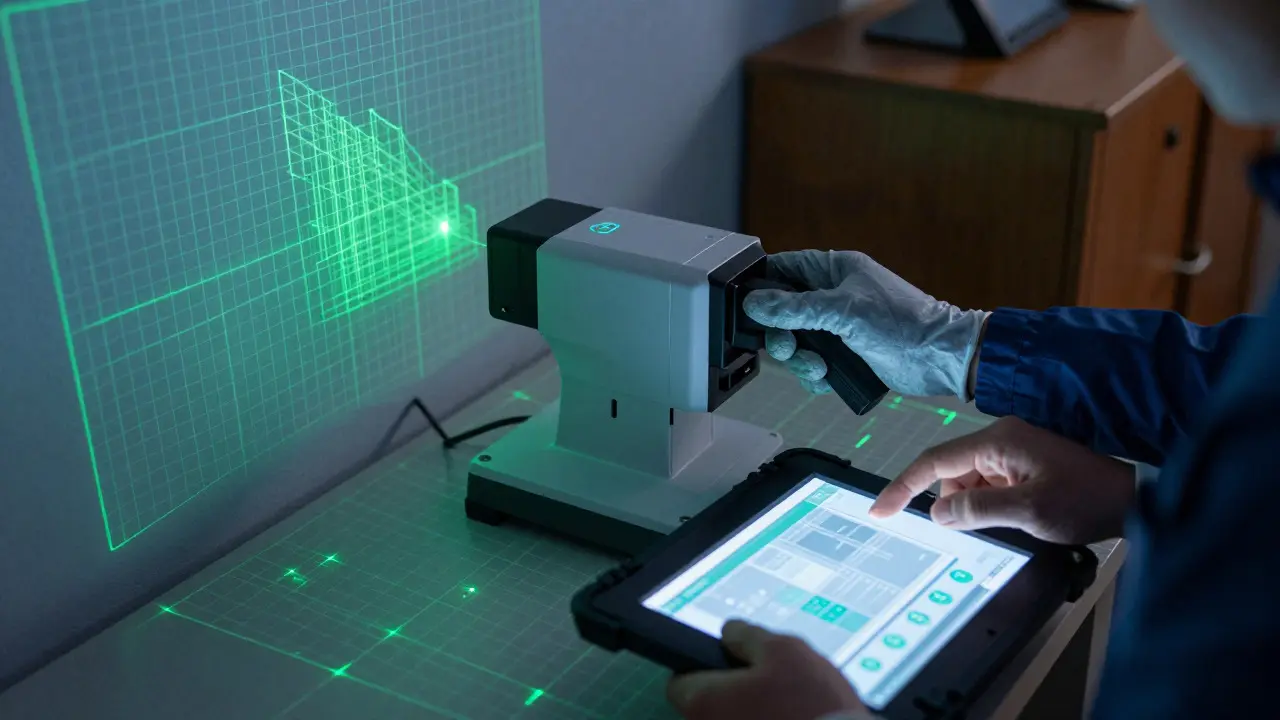
3D Laser Scanning: Instead of hand-drawing sketches, many CSIs use laser scanners to create precise 3D models of the scene. These models allow investigators to revisit the space virtually, measure distances accurately, and present spatial relationships in court with greater clarity.
Rapid DNA Testing: While full genetic profiling takes weeks, rapid DNA systems can generate a profile in hours. This doesn’t replace the lab but gives investigators a head start in identifying suspects or ruling out persons of interest early in the case.
Chain of Custody: The Legal Lifeline
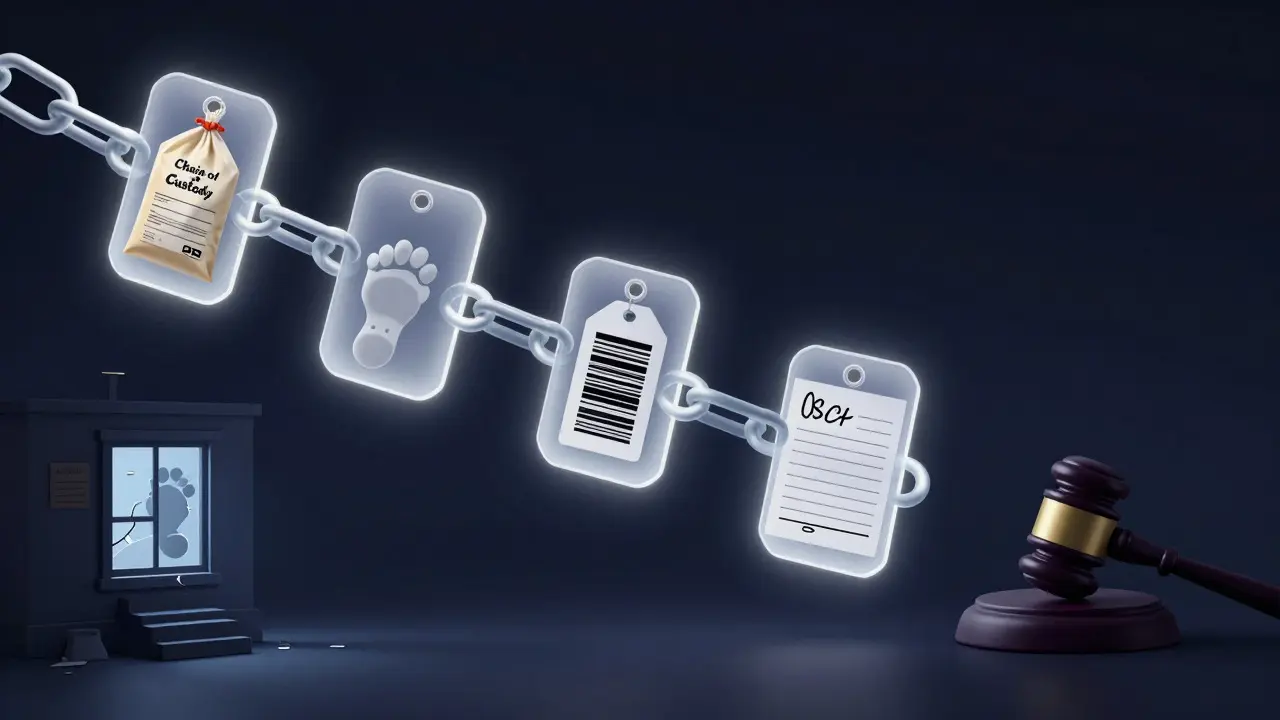
If evidence is the fuel of a prosecution, chain of custody is the engine that keeps it running legally. Every time an item changes hands-from the CSI to the transport officer, to the lab technician-it must be documented. Who touched it? When? Where was it stored? Any gap in this record can lead to evidence being excluded in trial.
This process sounds bureaucratic, but it’s critical. Imagine a murder case where the weapon was left in a hot car for two days without proper logging. Defense attorneys would argue the fingerprints degraded or were contaminated. The jury might never see that weapon as proof. That’s why CSIs spend significant time filling out forms, sealing bags, and logging timestamps.
Best practices include:
- Labeling each item uniquely with date, time, location, and collector’s name.
- Sealing evidence in tamper-evident bags.
- Using barcodes or RFID tags for automated tracking in larger departments.
- Maintaining a continuous log from collection to courtroom.
Challenges Facing Modern CSIs
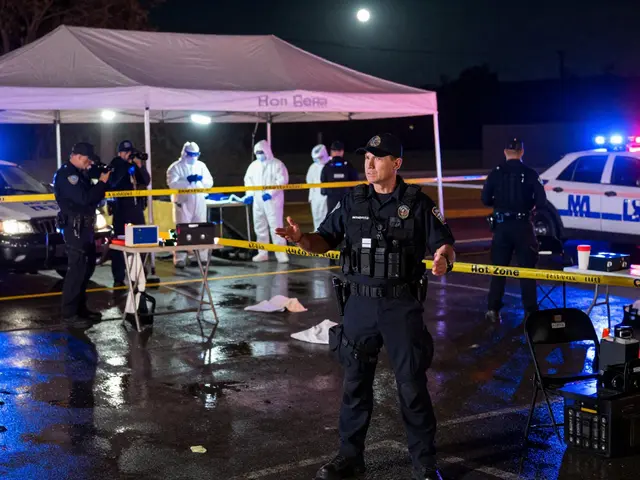
Despite technological advances, CSIs face several persistent challenges. One of the biggest is scene contamination. Even well-trained teams can accidentally introduce foreign DNA or fibers. To mitigate this, many departments now require CSIs to wear full PPE (personal protective equipment) including masks, gloves, and shoe covers, especially in high-profile cases.
Another challenge is workload. In large urban areas, CSIs may respond to multiple scenes per day. Time pressure can lead to shortcuts, which risk compromising evidence quality. Departments are addressing this by hiring more staff and implementing triage protocols to prioritize scenes based on severity and evidentiary value.
Finally, there’s the issue of public perception. Media portrayals often suggest CSIs solve crimes instantly. This sets unrealistic expectations for families and even for other law enforcement partners. Educating the public about the methodical nature of the work helps build trust and support for adequate funding and resources.
Becoming a Crime Scene Investigator
For those interested in this career path, the journey typically starts with becoming a police officer. Most departments require candidates to complete basic academy training before applying for CSI positions. After serving one to two years on patrol, officers can apply for transfer to the forensic unit.
From there, specialized training begins. This includes coursework in chemistry, biology, photography, and legal procedure. Many CSIs pursue certifications from organizations like the International Association for Identification (IAI) or the American Board of Criminalistics. Continuing education is mandatory to keep up with evolving techniques.
Key skills for success include:
- Exceptional attention to detail
- Strong written and verbal communication
- Comfort with scientific instruments and software
- Ability to work under pressure in stressful environments
- Ethical integrity to withstand legal scrutiny
The salary varies by location and experience, but in major U.S. cities, mid-level CSIs can earn between $60,000 and $90,000 annually, with higher pay for supervisors or those with advanced degrees.
Frequently Asked Questions
Do all police officers become CSIs?
No. Only a fraction of officers specialize in crime scene investigation. Most patrol officers handle initial response, while CSIs are called in for detailed processing. Specialization usually requires additional training and experience.
How long does it take to process a crime scene?
It varies widely. A simple theft scene might take two hours, while a complex homicide could take days or even weeks. Factors include scene size, number of evidence items, weather conditions, and availability of specialized equipment.
What happens if evidence is mishandled?
Mishandled evidence can be ruled inadmissible in court, potentially weakening or dismissing a case. Defense attorneys often attack chain of custody gaps to cast doubt on the prosecution’s proof.
Can civilians help CSIs at a crime scene?
Generally, no. Civilians should stay back and avoid touching anything. If you’re a witness, wait for an officer to direct you. Unintentional contact can destroy crucial evidence like footprints or tire tracks.
What is the difference between a CSI and a forensic scientist?
A CSI works primarily at the scene, collecting and documenting evidence. A forensic scientist works in the lab, analyzing that evidence using scientific methods. Both roles are essential, but they operate in different environments with distinct skill sets.