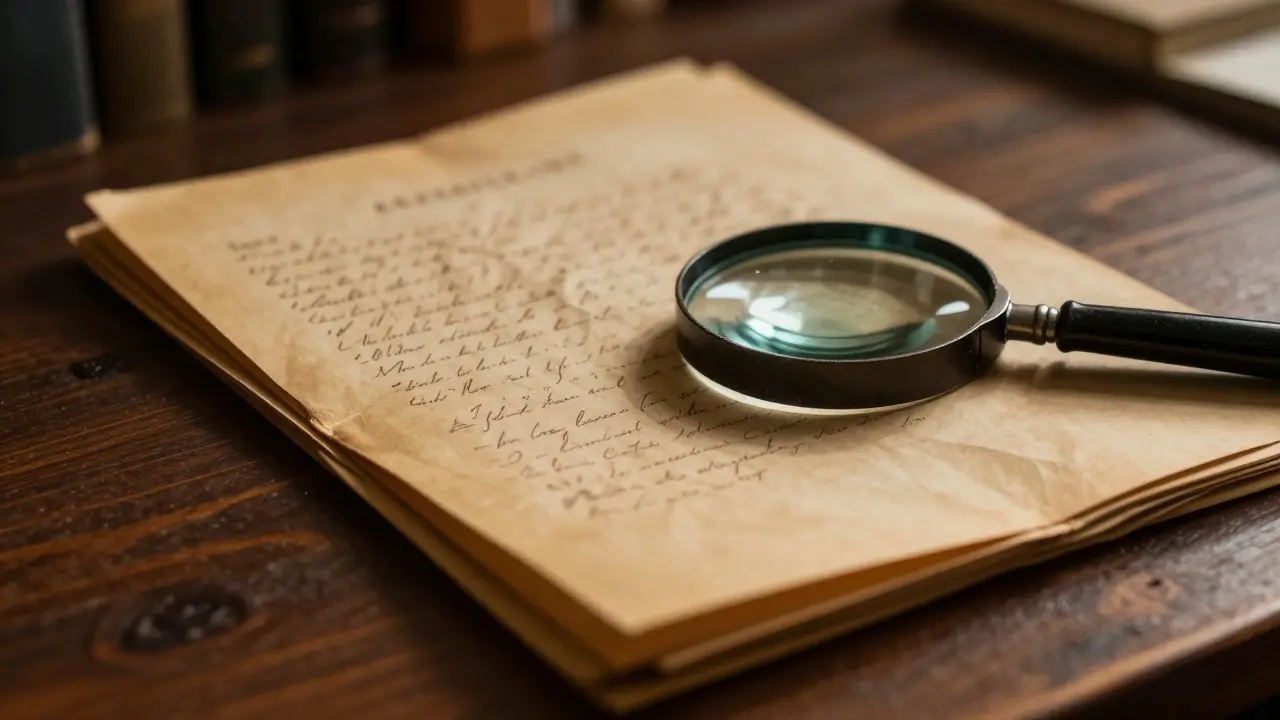
Imagine opening a file from 1985. The paper is yellowed, the handwriting is faded, and the technology used back then seems primitive compared to what we have today. Yet, inside that box lies a truth waiting to be uncovered. Cold case reports are not just dusty archives; they are active files where modern science meets historical mystery. When investigators revisit these cases, they aren't just looking for clues-they are re-evaluating every piece of evidence with tools that didn’t exist when the crime occurred.
The process of reopening a cold case is rigorous. It requires a fresh pair of eyes, updated laboratory standards, and a deep understanding of how forensic evidence degrades over time. For law enforcement agencies and forensic scientists, the goal is simple: justice. But the path there is complex, involving legal hurdles, ethical considerations, and technical challenges that can make or break an investigation.
What Defines a Cold Case?
A cold case is typically defined as a criminal investigation that has been inactive for a significant period, usually at least one year, but often decades. Unlike active cases where leads are hot and witnesses are fresh, cold cases rely heavily on physical evidence and archived records. The definition varies by jurisdiction, but most agencies agree that a case becomes "cold" when no new leads have emerged for a substantial amount of time.
However, "cold" does not mean "closed." Many jurisdictions keep these files open indefinitely, especially in homicide investigations. The key difference between a cold case and a closed case is potential. A cold case still has the possibility of solving the crime through new evidence, new testimony, or advanced scientific analysis. This distinction is crucial because it determines how resources are allocated and how the case is reported in official documents.
The Evolution of Forensic Reporting in Historical Contexts
Forensic reporting has changed dramatically since the mid-20th century. In the 1970s and 1980s, DNA profiling was in its infancy, and fingerprint databases were limited to local police departments. Today, we have national databases like CODIS (Combined DNA Index System) and AFIS (Automated Fingerprint Identification System). When revisiting historical cases, forensic teams must account for these technological leaps.
One major challenge is the standardization of evidence collection. Older cases might lack chain-of-custody documentation that meets current ISO/IEC 17025 standards. Investigators must verify that evidence was stored properly to ensure it hasn’t degraded or been contaminated. This step is critical because if the evidence is compromised, any new findings could be dismissed in court.
- DNA Analysis: Modern short tandem repeat (STR) profiling can extract profiles from samples too small for older methods.
- Fingerprint Matching: Digital enhancement allows experts to compare latent prints from old photos with current database entries.
- Toxicology: New assays can detect drugs and poisons that were previously undetectable in decaying tissue.
Step-by-Step Process for Reopening a Case
Reopening a cold case is not a casual decision. It follows a structured protocol to ensure efficiency and legal soundness. Here is how most agencies approach the process:
- Case Review: A team of investigators reviews all existing files, including initial reports, witness statements, and autopsy results. They look for inconsistencies or overlooked details.
- Evidence Audit: Physical evidence is located and assessed. Items like clothing, hair, or bloodstains are checked for degradation. If evidence is missing, the team evaluates whether digital records or photographs can substitute.
- Technological Assessment: Forensic scientists determine which modern tests can be applied. For example, mitochondrial DNA testing might be used on old hair samples.
- Witness Re-interviewing: Witnesses who were children during the original crime may now provide clearer memories. New technologies like geolocation data from mobile phones can also place suspects at scenes.
- Report Compilation: A new comprehensive report is drafted, highlighting new findings and their implications for the case.
Challenges in Evidence Preservation
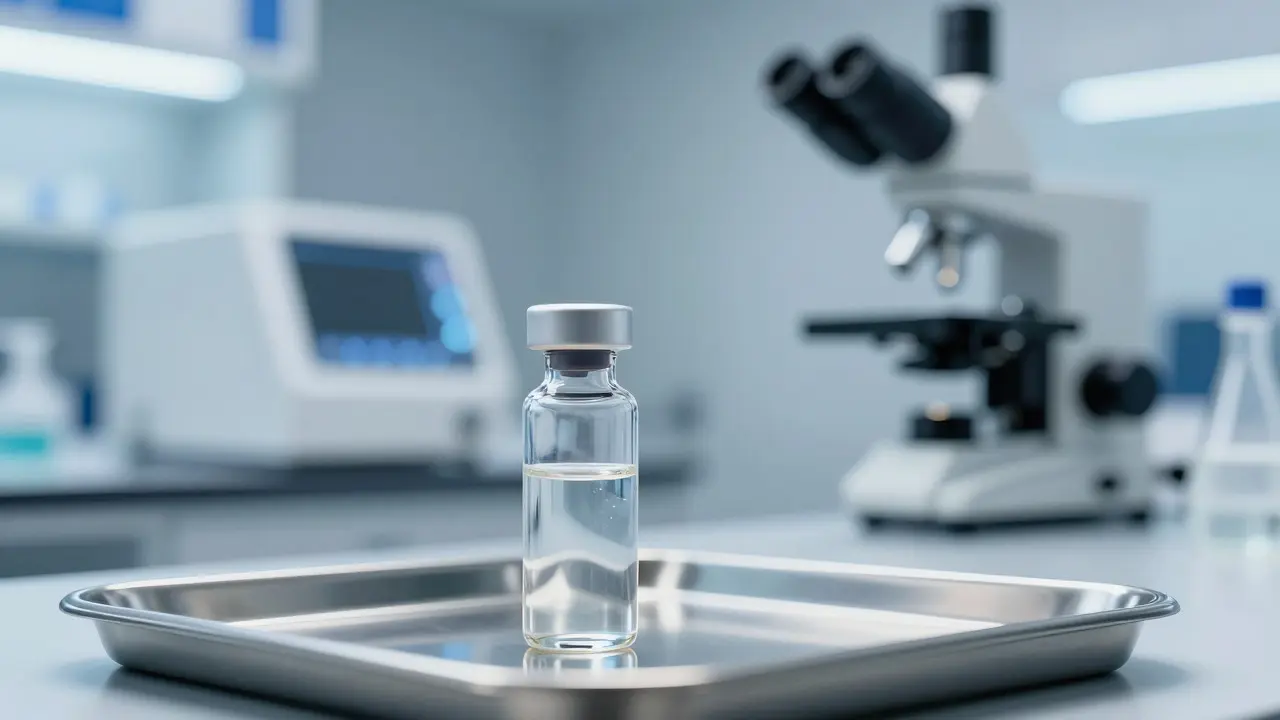
Time is the enemy of physical evidence. Over decades, biological samples degrade, chemical compounds break down, and paper documents fade. One of the biggest pitfalls in cold case reporting is assuming that old evidence is still viable without proper testing.
For instance, bloodstains on fabric can lose their integrity if exposed to heat or humidity. Similarly, digital evidence from the early internet era, such as email logs or forum posts, might be lost if servers were shut down. Investigators must work closely with IT specialists to recover data from obsolete formats. This interdisciplinary approach is essential for building a solid case.
| Feature | 1980s Standards | Modern Standards (2026) |
|---|---|---|
| DNA Profiling | RFLP (Restriction Fragment Length Polymorphism) | STR (Short Tandem Repeat) & SNP Analysis |
| Fingerprint Database | Local Card Files | National Digital Databases (CODIS/AFIS) |
| Toxicology | Basic Gas Chromatography | Mass Spectrometry & LC-MS/MS |
| Digital Evidence | Minimal (Pre-Internet Era) | Cloud Data, Mobile Metadata, Social Media |
Legal and Ethical Considerations
Revisiting historical cases isn’t just a scientific exercise; it’s a legal one. Statutes of limitations may apply to certain crimes, though many jurisdictions have abolished them for homicide. Prosecutors must ensure that any new evidence meets the current burden of proof. This means that even if a suspect is identified, the case must hold up under scrutiny.
Ethically, families of victims deserve closure. However, reopening a case can also reopen wounds. Investigators must communicate sensitively with families, setting realistic expectations. Sometimes, the outcome is exoneration rather than conviction, which is equally important for justice.

Success Stories and Lessons Learned
Many cold cases have been solved thanks to advances in forensic reporting. For example, the use of genealogical DNA databases has helped identify perpetrators in serial murder cases that went unsolved for decades. These successes highlight the importance of maintaining detailed records and preserving evidence properly.
Conversely, failed attempts teach us valuable lessons. Cases where evidence was mishandled or where witnesses were not re-contacted often remain unsolved. The takeaway? Thoroughness in the initial investigation pays dividends years later.
Best Practices for Future-Proofing Investigations
To avoid creating future cold cases, investigators should adopt best practices from day one. This includes digital archiving of all reports, standardized evidence storage, and regular audits of active files. By treating every case as potentially long-term, agencies can ensure that evidence remains usable for decades.
Training is also key. New officers should be taught the importance of documenting every detail, no matter how minor it seems. A single overlooked detail could be the breakthrough needed twenty years later.
Frequently Asked Questions
How long does it take to solve a cold case?
There is no fixed timeline. Some cases are solved within months of reopening, while others take years. The duration depends on the complexity of the evidence, the availability of witnesses, and the pace of forensic analysis. On average, successful cold case resolutions take between two and five years.
Can DNA evidence from the 1980s still be used?
Yes, often. If biological samples were preserved correctly, modern techniques can extract usable DNA. However, the quality of the sample matters. Degraded samples may require specialized methods like mitochondrial DNA testing, which is less precise but more robust for old evidence.
Who decides if a case should be reopened?
Usually, a combination of the lead investigator, the district attorney, and a cold case unit manager makes this decision. They assess the viability of new leads and the potential for success. Public pressure or new media coverage can also trigger a review.
What is the role of forensic reporting in cold cases?
Forensic reporting provides the objective foundation for the case. It translates raw scientific data into understandable language for judges and juries. In cold cases, these reports must also explain why new methods were used and how they validate or contradict earlier findings.
Are digital records from old cases reliable?
It depends on how they were stored. Early digital records are vulnerable to format obsolescence and hardware failure. Agencies should migrate data to current formats regularly. If records are well-maintained, they can be highly reliable sources of information.