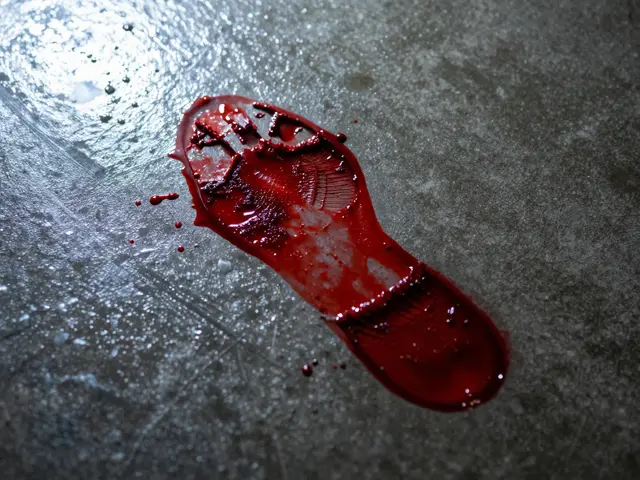
Behind the Crime Scene - Page 25
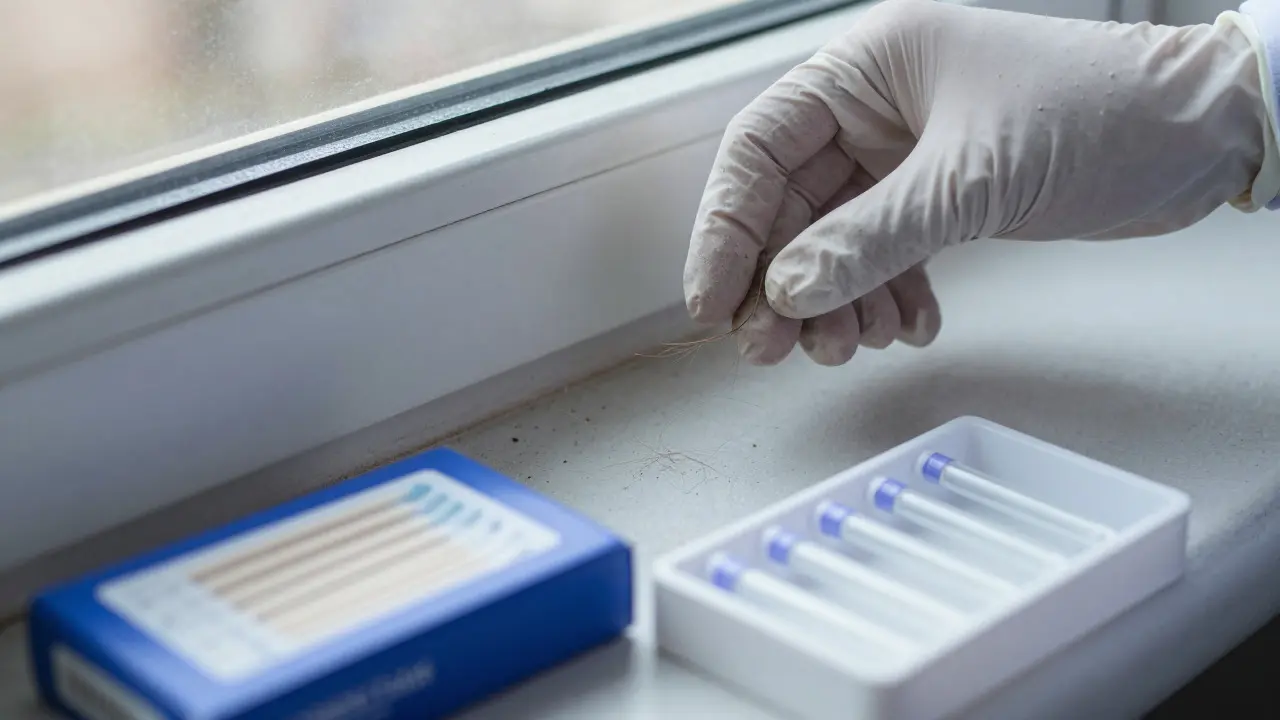
Disposable vs. Sterile Equipment: Evidence Collection Choices
- By : Ian Brophy
- Date : Aug 17 2026
Learn how to choose between disposable and sterile equipment for evidence collection. This guide covers cost, integrity, and best practices for forensic teams.
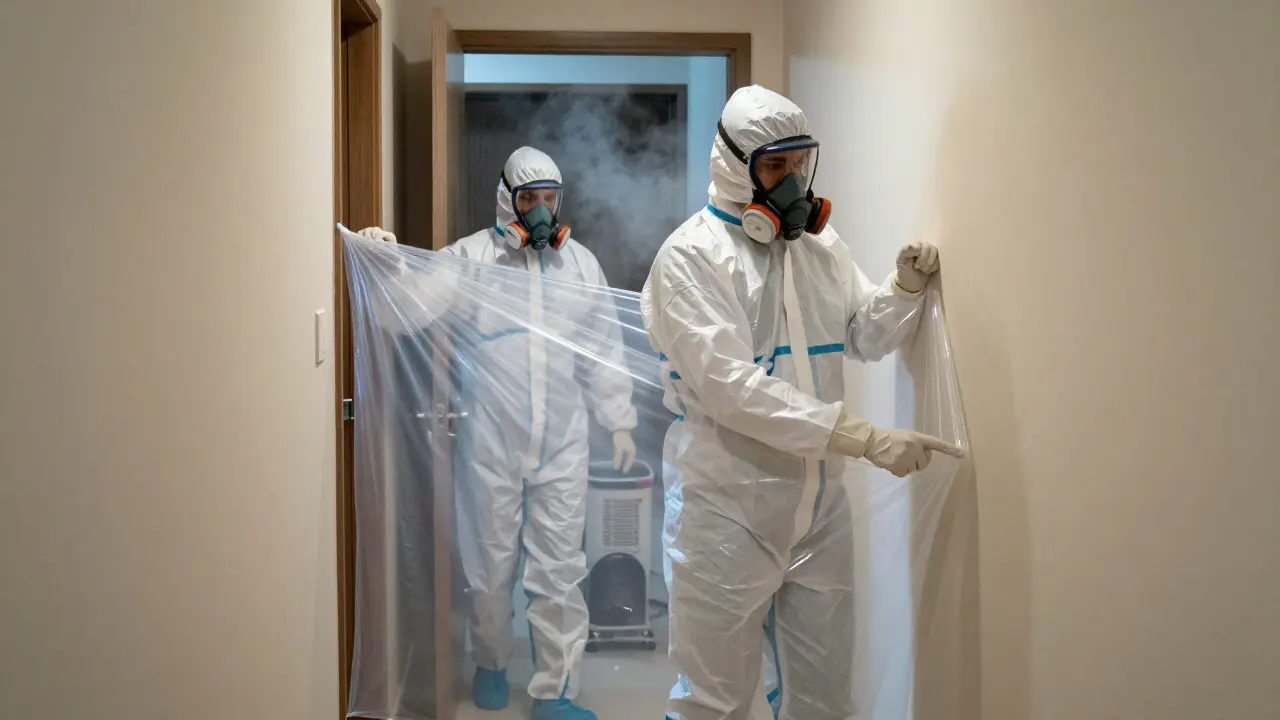
Biohazard Remediation: Professional Cleanup Services Guide
- By : Ian Brophy
- Date : Aug 17 2026
Learn how professional biohazard remediation works, from assessment to final certification. Discover why DIY fails and how to choose a certified provider.
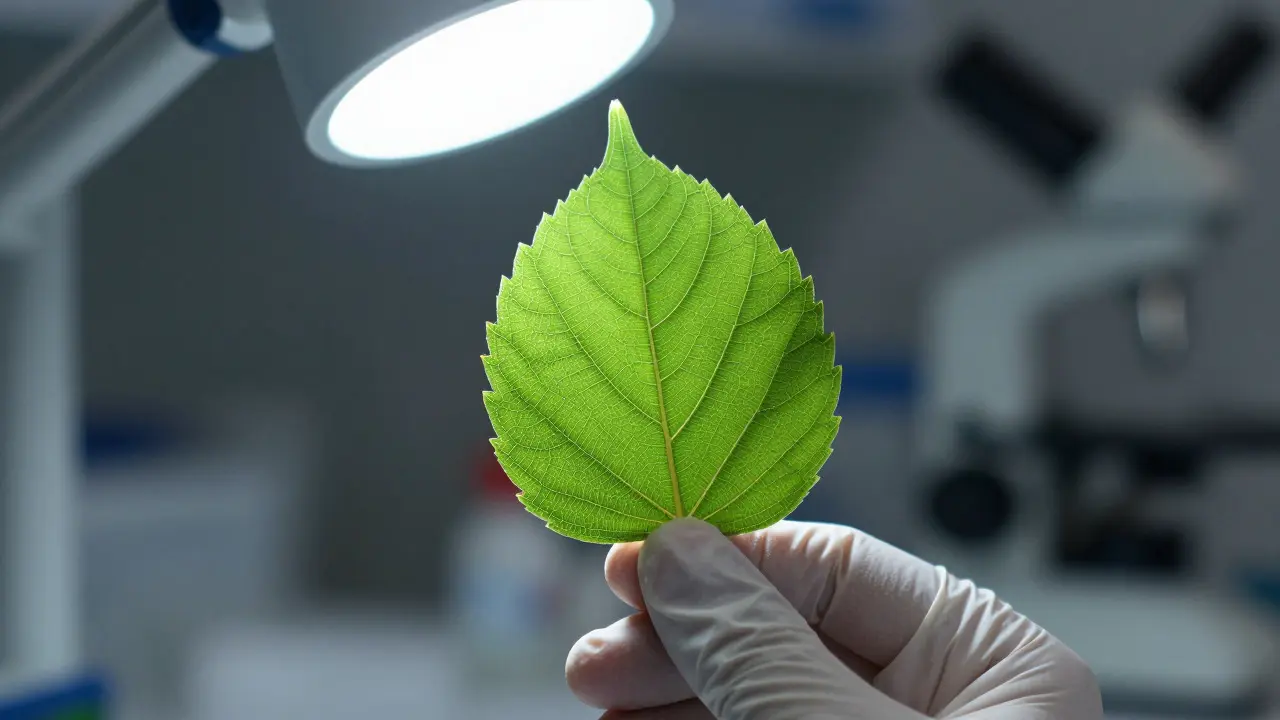
Vegetation Evidence: How Plant Materials Solve Crimes
- By : Ian Brophy
- Date : Aug 17 2026
Discover how leaves, pollen, and plant DNA serve as critical trace evidence in criminal investigations, linking suspects to crime scenes with scientific precision.
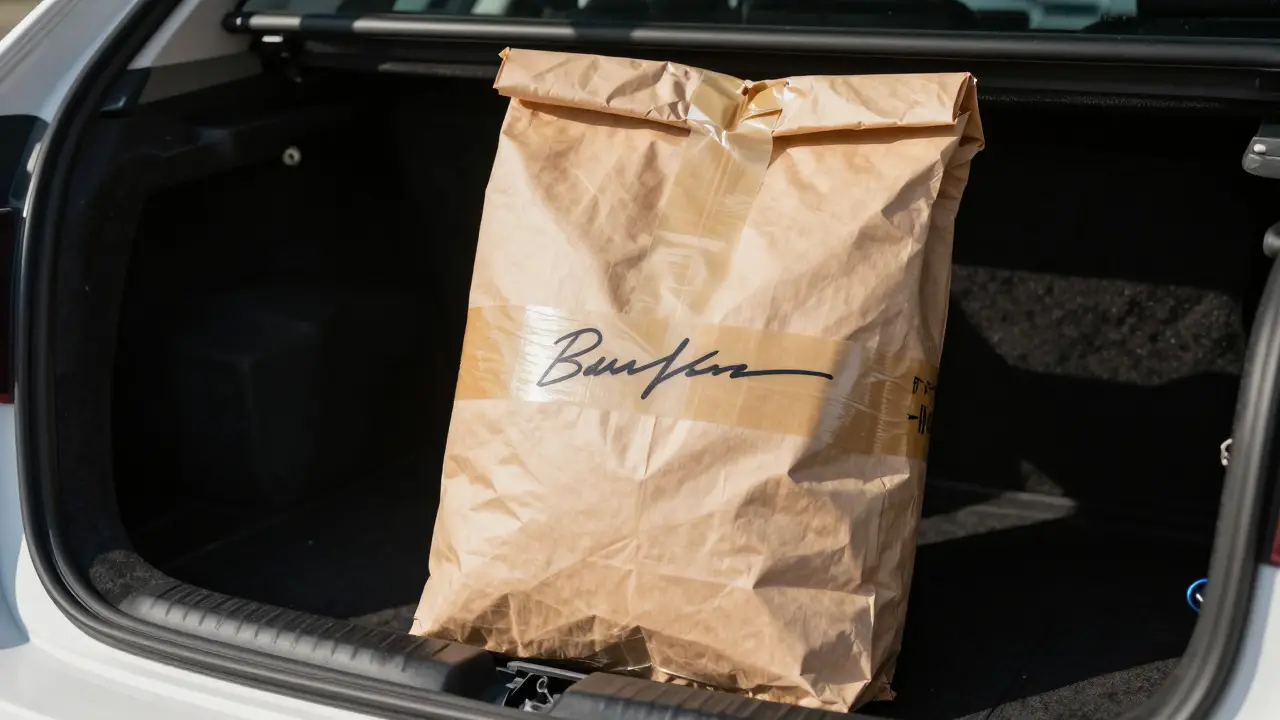
Preventing Evidence Contamination During Transport: A Field Guide
- By : Ian Brophy
- Date : Aug 17 2026
Learn how to prevent evidence contamination during transport with practical tips on packaging, temperature control, and chain of custody documentation.
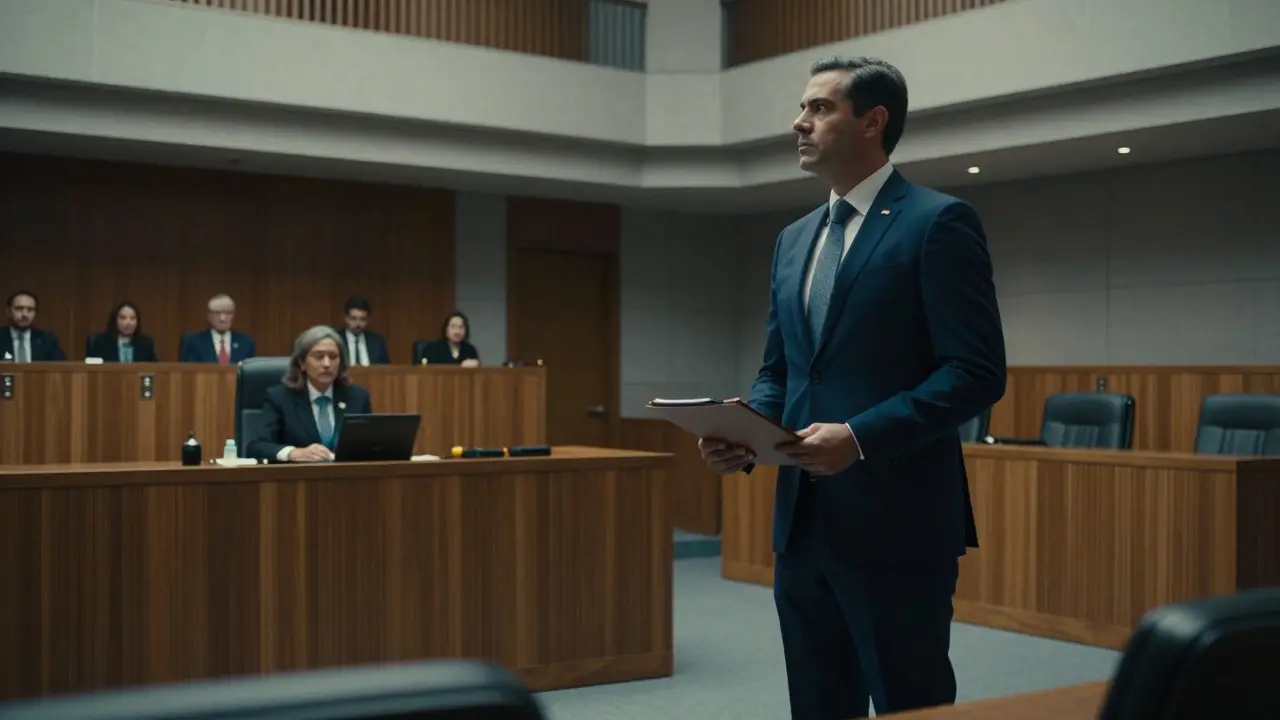
Cross-Examination of Experts: Strategies and Pitfalls in Evidence Law
- By : Ian Brophy
- Date : Aug 17 2026
Learn practical strategies for cross-examining expert witnesses in evidence law. Discover how to navigate the Daubert standard, avoid common pitfalls, and effectively challenge expert testimony to influence jury perception.

Remote and Hybrid Roles in Digital Forensics: 2026 Career Guide
- By : Ian Brophy
- Date : Aug 17 2026
Explore how remote and hybrid models are transforming digital forensics careers in 2026. Learn about eligible roles, necessary tech stacks, and tips to land your first remote position.
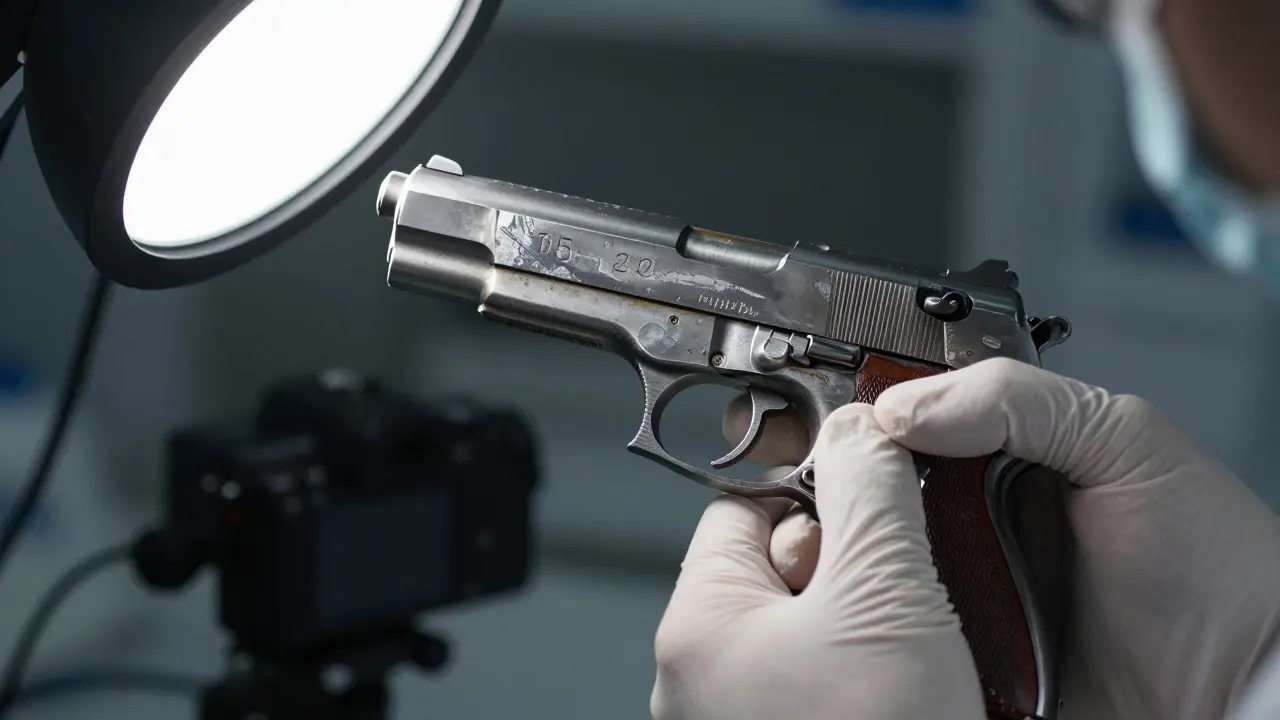
Gun Serial Numbers: How to Restore and Identify Damaged Markings
- By : Ian Brophy
- Date : Aug 17 2026
Learn how forensic experts restore damaged gun serial numbers using light, chemistry, and micro-etching. Discover the techniques, risks, and documentation standards required for legal evidence.
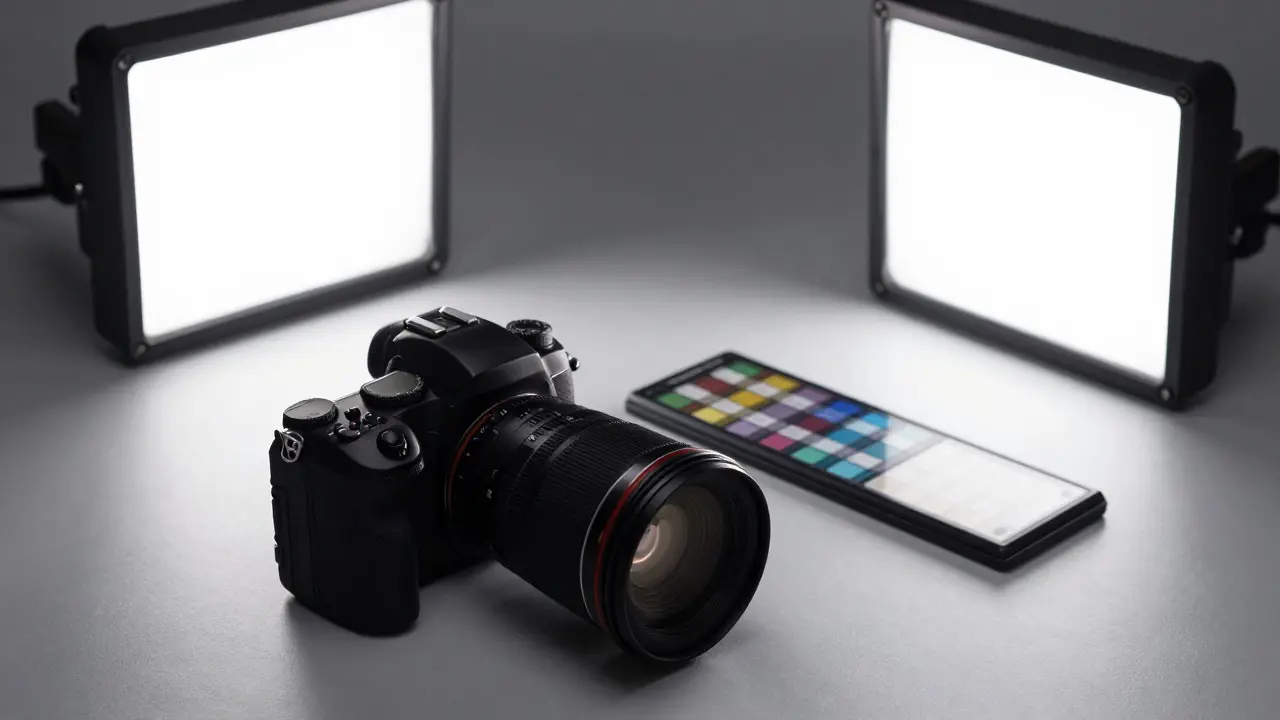
Witness Injury Photography: Standardized Clinical Techniques for Forensic Accuracy
- By : Ian Brophy
- Date : Aug 17 2026
Learn standardized clinical techniques for witness injury photography. Master the three-shot protocol, lighting setups, and equipment needed for forensically sound documentation.
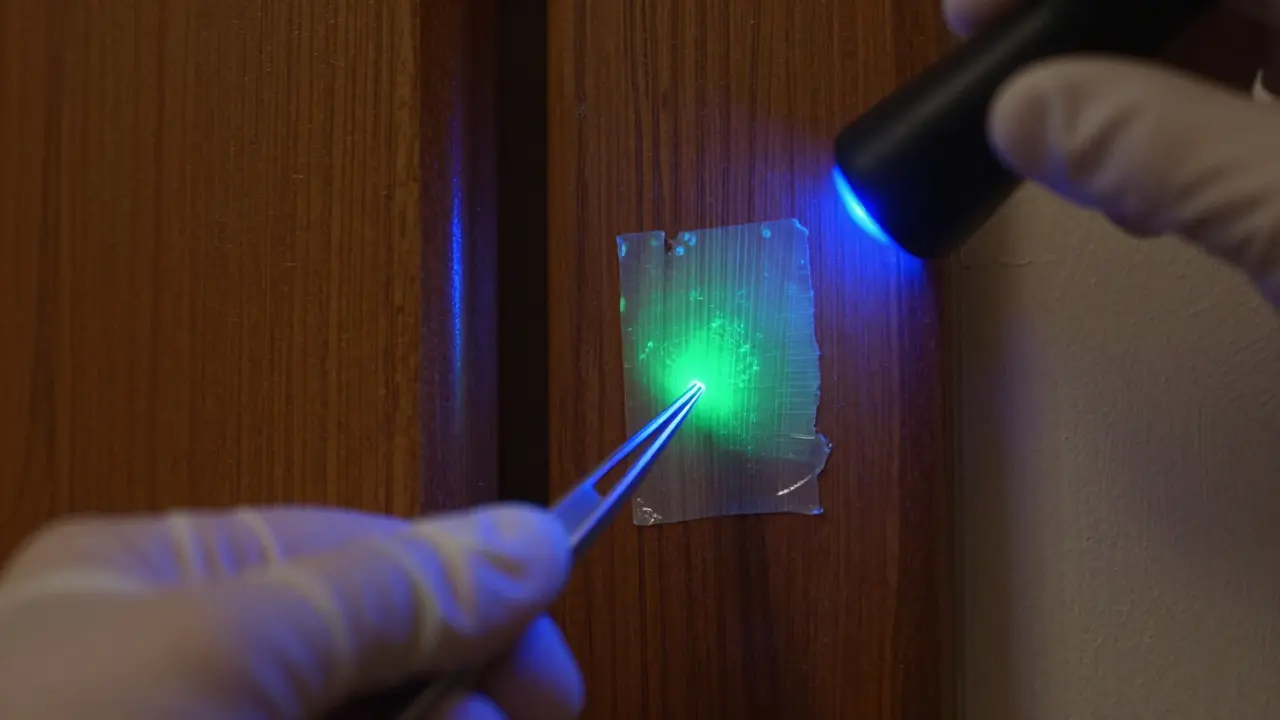
Adhesive Residue: The Hidden Evidence in Tape and Stickers
- By : Ian Brophy
- Date : Aug 17 2026
Discover how adhesive residue from tape and stickers serves as critical trace evidence in forensics. Learn about detection methods, chemical analysis, and real-world case examples.
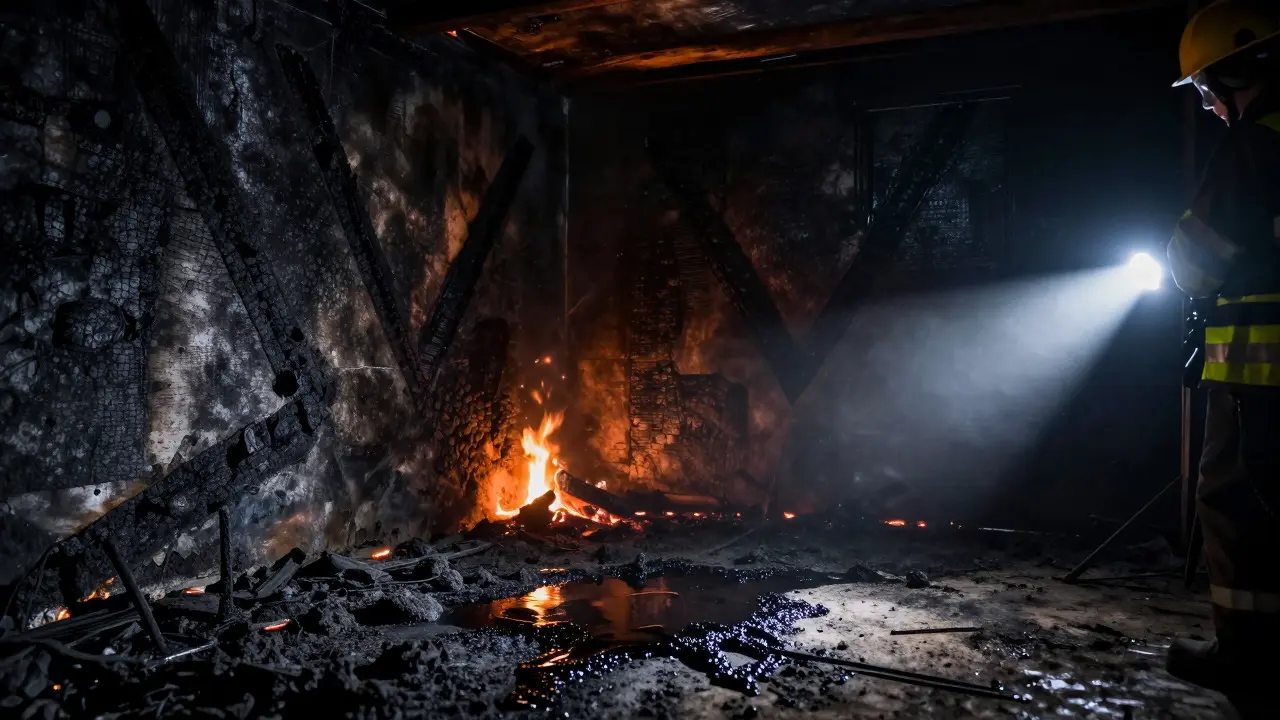
Arsonist Profiling: Fire-Setting Motivations and Patterns
- By : Ian Brophy
- Date : Aug 17 2026
Explore how investigators use fire patterns, accelerant analysis, and psychological profiles to identify arsonists. Learn the key differences between accidental fires and deliberate acts.
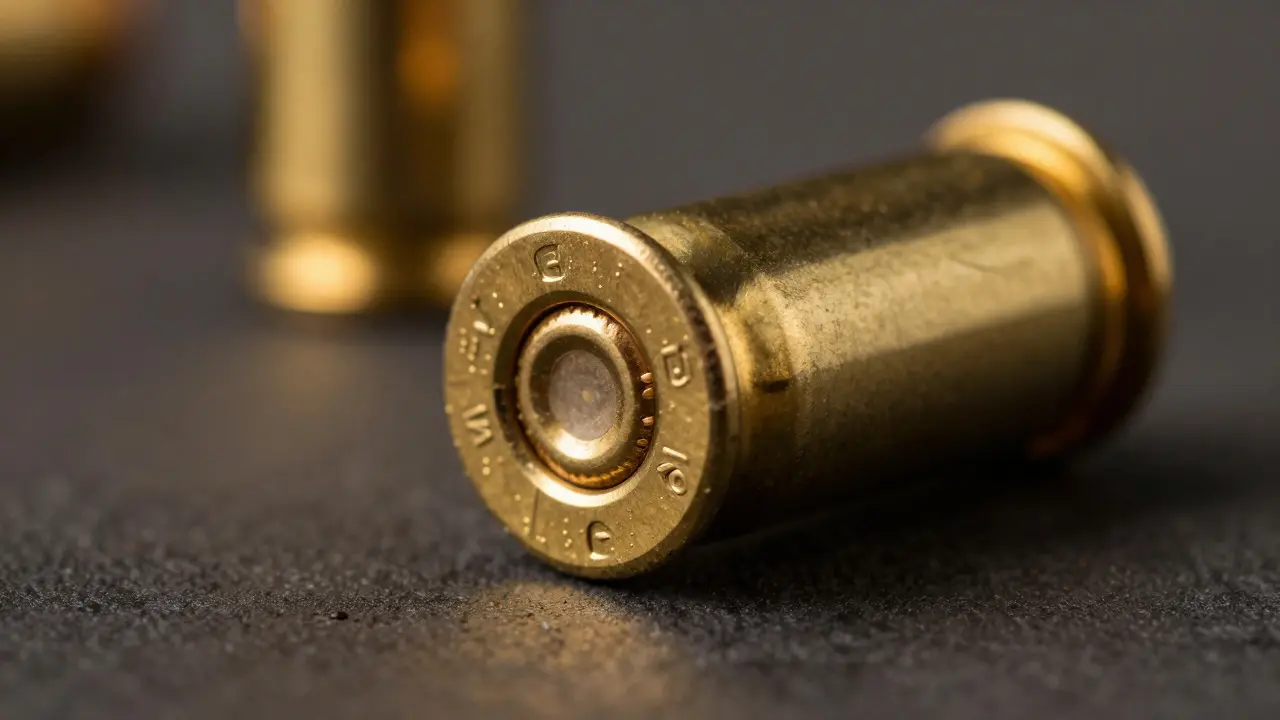
Cartridge Case Examination: Identifying Firing Pin and Ejector Marks
- By : Ian Brophy
- Date : Aug 17 2026
Learn how forensic examiners identify firearms using firing pin and ejector marks on cartridge cases. Discover the science, tools, and legal standards behind this critical ballistics technique.
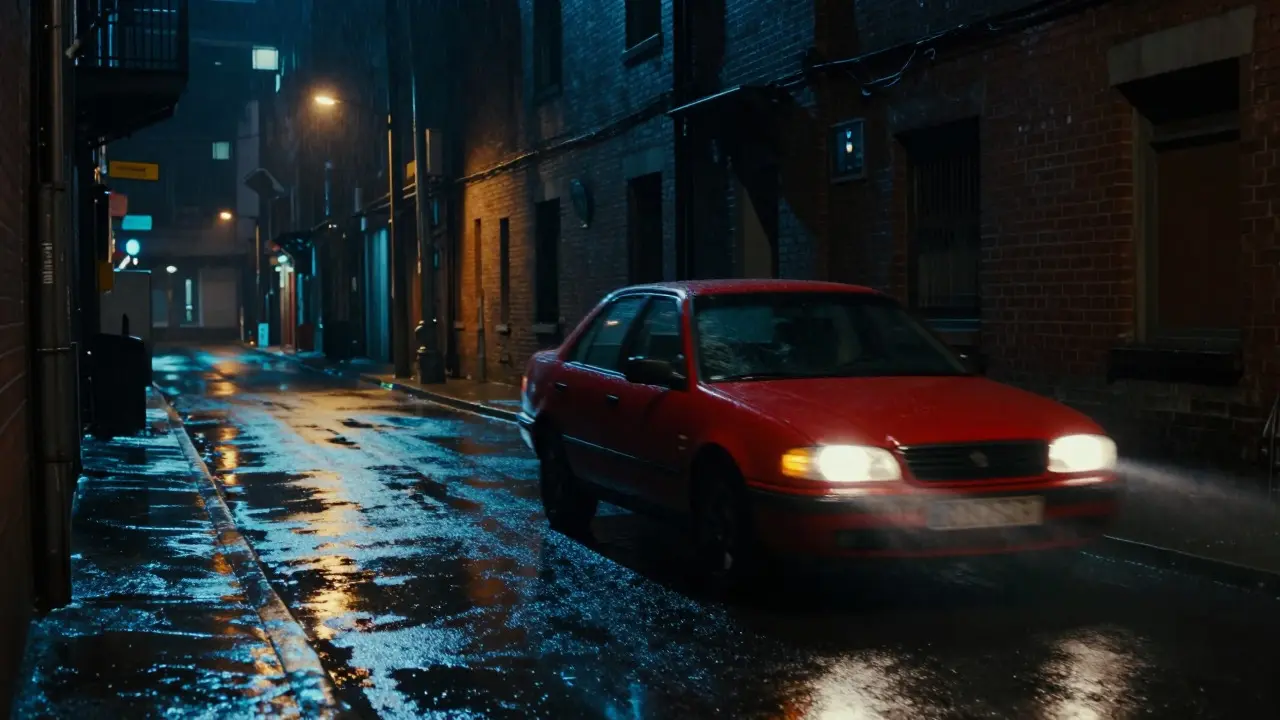
CCTV and ALPR: How Video Evidence Shapes Homicide Timelines
- By : Ian Brophy
- Date : Aug 17 2026
Discover how CCTV and ALPR technology combine to build precise timelines in homicide investigations, transforming raw data into courtroom-proof evidence.