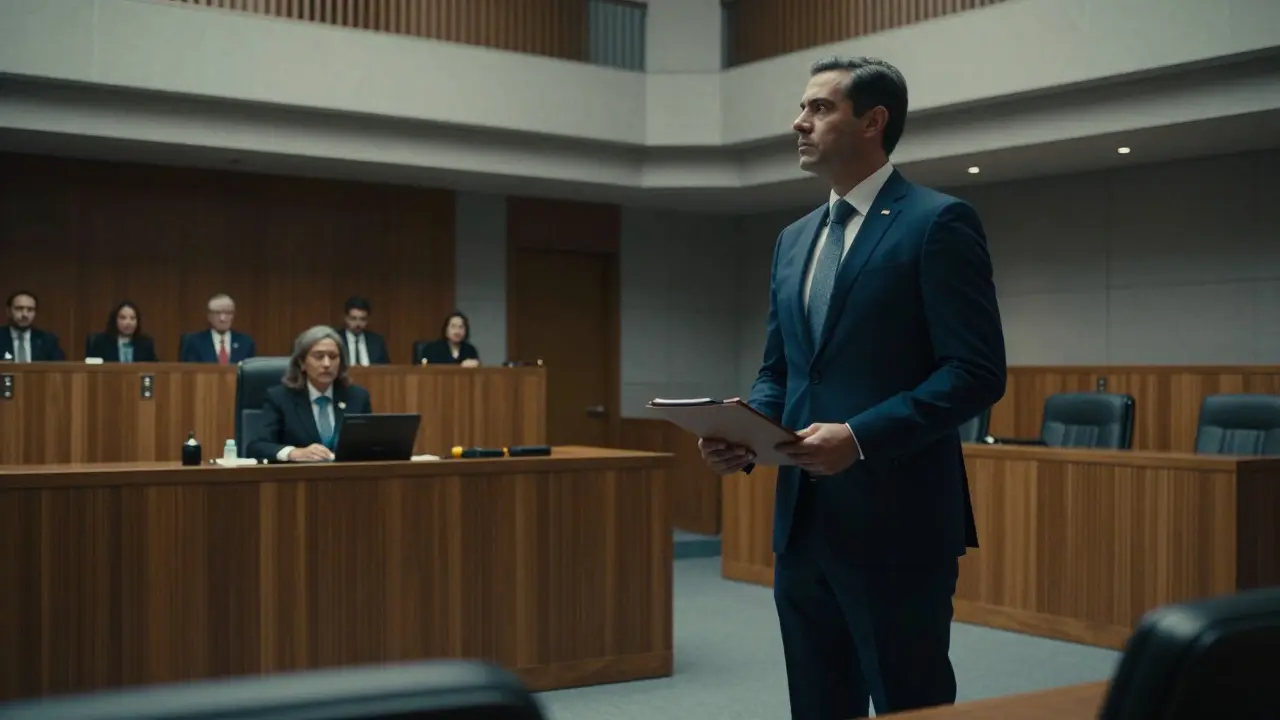
Standing in front of a jury while an opposing expert confidently explains complex data is one of the most stressful moments for any attorney. You know the science, but you also know that credibility is everything in the courtroom. If you miss a subtle flaw in their methodology or fail to control their narrative, the jury will side with the person who sounds more certain, not necessarily the one who is right.
Cross-examining an expert witness is less about winning an argument and more about limiting damage. Your goal isn't to make them look stupid; it's to show the fact-finder that their conclusions are fragile, uncertain, or based on assumptions that don't hold up under scrutiny. This process requires a blend of technical understanding, psychological insight, and strict procedural discipline.
Understanding the Legal Framework for Expert Testimony
Before you plan your questions, you need to understand the gatekeeping role of the judge. In federal courts and many state jurisdictions, experts must meet the Daubert standard, which requires that their testimony be both relevant and reliable. This means the judge acts as a filter before the expert ever takes the stand. If you can identify weaknesses in reliability during pre-trial motions, you might eliminate the expert entirely. But if they get through, your cross-examination becomes the primary defense.
The Frye standard, used in some states, focuses on whether the scientific technique is generally accepted in the relevant community. While older than Daubert, it still influences how jurors perceive novel techniques. Understanding which standard applies in your jurisdiction helps you frame your objections and questions. For instance, under Daubert, you can attack the peer review status of the method; under Frye, you focus on acceptance within the specific professional group.
Preparation: The Foundation of Effective Cross-Examination
You cannot cross-examine what you do not understand. If you are facing a forensic accountant, a DNA analyst, or a structural engineer, you need to grasp the basics of their field. This doesn't mean becoming a specialist, but you must know the key variables, common error rates, and standard protocols.
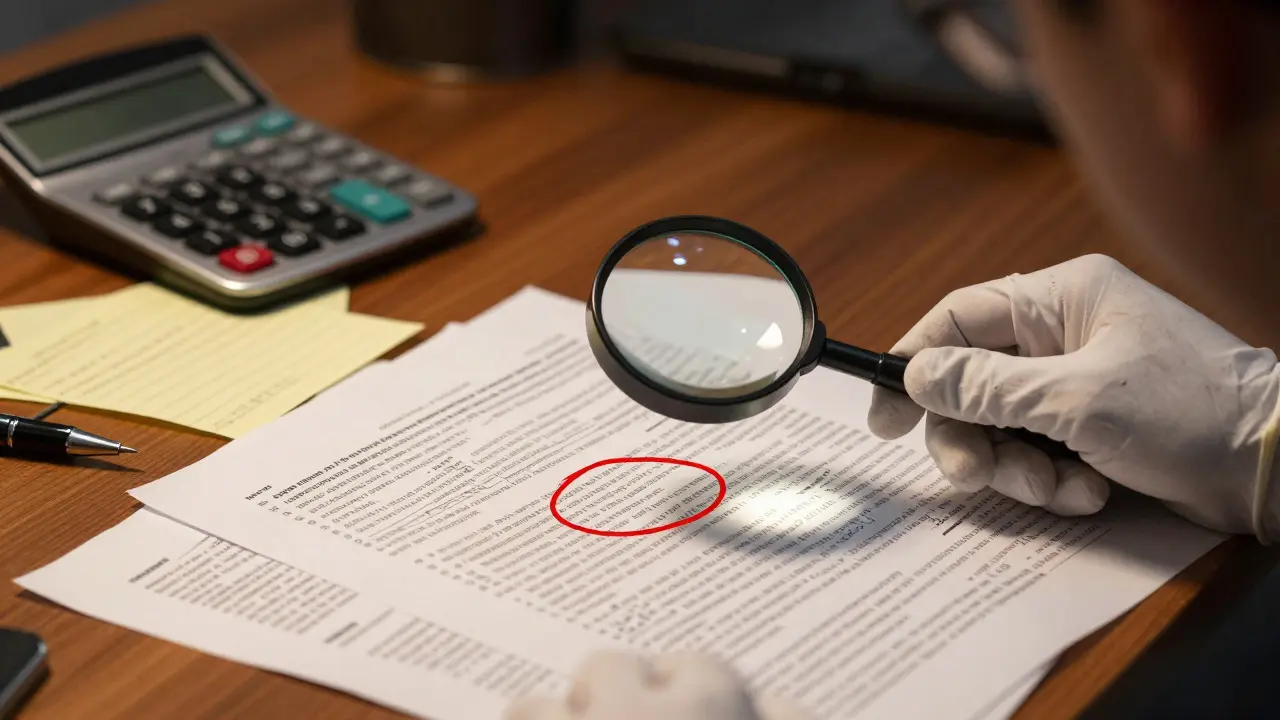
- Review all reports: Read every document the expert has filed. Look for inconsistencies between their written report and their deposition. Experts often say things in depositions that contradict their final opinions.
- Identify assumptions: Every expert opinion rests on a set of facts provided by the other side. Ask yourself: Are these facts disputed? If yes, the expert's conclusion is conditional. Make this clear to the jury.
- Find the "Holy Grail": Is there a single piece of evidence that undermines their entire theory? It could be a missing variable, a contaminated sample, or a calculation error. Build your cross around this one point.
Prepare a list of leading questions that allow only "yes" or "no" answers. Avoid open-ended questions like "What did you find?" Instead, ask, "You didn't check for contamination, correct?" This keeps control firmly in your hands.
Strategic Approaches During Testimony
Once the expert is on the stand, your strategy shifts from preparation to execution. The most effective approach is to pin down the limitations of their work rather than attacking their character. Jurors dislike aggressive attacks on witnesses, but they respect logical dismantling of arguments.
- Establish the scope: Start by confirming their credentials and the specific task they were hired to perform. This sets the boundary of their expertise.
- Highlight uncertainty: Science rarely deals in absolutes. Ask about confidence intervals, margin of error, or alternative explanations. If they admit that another explanation is possible, you have created doubt.
- Use exhibits wisely: Confronting an expert with their own notes or previous case files can be powerful. But do it calmly. Slamming a folder on the table looks unprofessional. Simply say, "Here is your note from last year. Does it match what you told us today?"
Remember, the burden of proof remains with the party calling the expert. You don't need to prove they are wrong; you just need to show that their proof is not conclusive.
Common Pitfalls That Undermine Credibility
Even experienced attorneys fall into traps that weaken their position. One major mistake is asking too many questions. If you ask ten questions and the expert answers nine correctly, you look weak. Save your best questions for when you are confident in the answer.
Another pitfall is getting baited into a debate. If an expert says, "Well, actually..." stop talking. Let them finish. Do not explain why they are wrong. The jury hears the explanation as a correction, not a rebuttal. Your job is to ask, not to teach.
Finally, ignoring the visual aspect of testimony is a costly error. Experts often use charts or diagrams. If you don't understand the visual aid, the expert controls the narrative. Review all visuals beforehand and prepare questions that simplify or challenge them.
Managing the Jury's Perception
Jurors are not scientists. They rely on cues like confidence, clarity, and consistency. An expert who speaks clearly and maintains eye contact appears more credible than one who stumbles over terms. However, you can counter this by breaking down the complexity.
Use analogies that relate to everyday life. If discussing statistical probability, compare it to flipping a coin. If discussing mechanical failure, compare it to a car engine wearing out. These comparisons help the jury connect with the abstract concepts. But be careful: bad analogies can backfire. Keep them simple and accurate.
Also, watch for non-verbal cues. If an expert hesitates before answering a difficult question, point it out gently. "You paused for a moment before answering. Were you unsure?" This invites the jury to question the certainty behind the response.
Comparing Direct vs. Cross-Examination Tactics
| Aspect | Direct Examination | Cross-Examination |
|---|---|---|
| Goal | Educate the jury and present the theory | Limits the scope and highlights weaknesses |
| Question Type | Open-ended (Who, What, Why) | Leading (Yes/No) |
| Risk | Expert may introduce new theories | Attorney may lose control of the narrative |
| Focus | Strengths and methodology | Assumptions, errors, and alternatives |
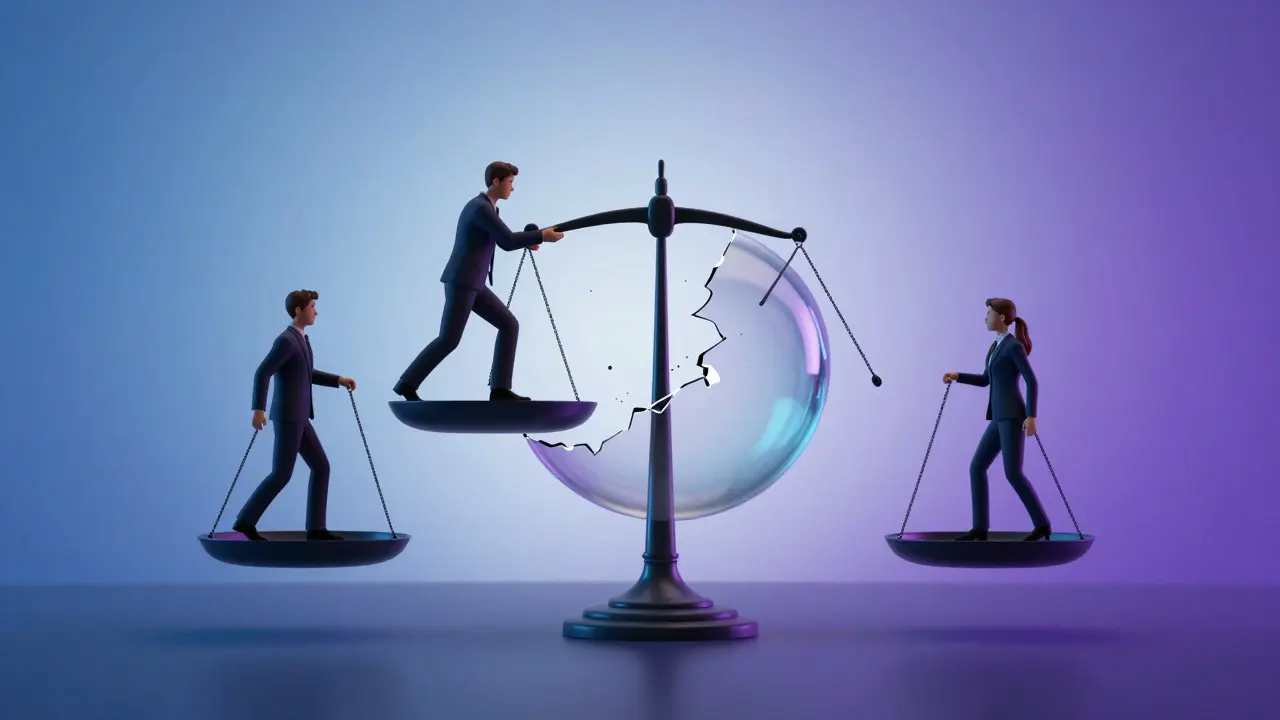
This distinction is crucial. On direct, you want the expert to shine. On cross, you want them to reveal their limits. Mixing these strategies confuses the jury and dilutes your impact.
Handling Objections and Interruptions
Expect interruptions. Judges may cut off questions they deem repetitive or irrelevant. Opposing counsel may object to foundation or relevance. Stay calm. If an objection is sustained, move on immediately. Don't argue with the judge. If an objection is overruled, continue smoothly. The flow of your questioning matters more than any single objection.
If the expert tries to expand their answer beyond the scope of the question, interrupt politely. "Just answer the question asked." This reinforces your control and prevents them from spinning the story.
Final Thoughts on Mastering Expert Cross-Examination
Cross-examining experts is a skill that improves with practice and reflection. After each case, review your transcript. Where did you lose control? Which questions worked best? Adjust your playbook accordingly. The law of evidence is constantly evolving, with new technologies and methods emerging. Stay updated on recent cases that have set precedents for admissibility. By combining thorough preparation with disciplined execution, you can turn the opposing expert's strength into a weakness, ensuring the jury sees the full picture of the evidence.
What is the main difference between challenging an expert's credentials and their methodology?
Challenging credentials attacks the person, which can alienate the jury. Challenging methodology attacks the logic and data, which is more persuasive because it focuses on the evidence itself. Methodology challenges are generally safer and more effective in court.
How should I handle an expert who refuses to answer a question?
Ask the judge to compel an answer. If the expert remains silent, note the silence to the jury. Often, the refusal implies that the answer would be unfavorable. Use this hesitation to build doubt without needing a direct admission.
Can I use an expert's past mistakes against them in current litigation?
Yes, if those mistakes are relevant to their reliability or bias. However, you must lay proper foundation to show why the past error matters in the current context. Vague references to past failures are usually excluded by judges.
What is the best way to explain complex scientific concepts to a jury?
Use simple analogies and avoid jargon. Break down the concept into smaller, relatable parts. Ensure the analogy is accurate and does not oversimplify to the point of distortion. Visual aids can also help clarify complex relationships.
How long should a cross-examination of an expert typically take?
There is no fixed rule, but shorter is usually better. Aim to cover three to five key points thoroughly rather than skimming twenty minor ones. A focused cross-examination leaves a stronger impression than a lengthy, meandering one.