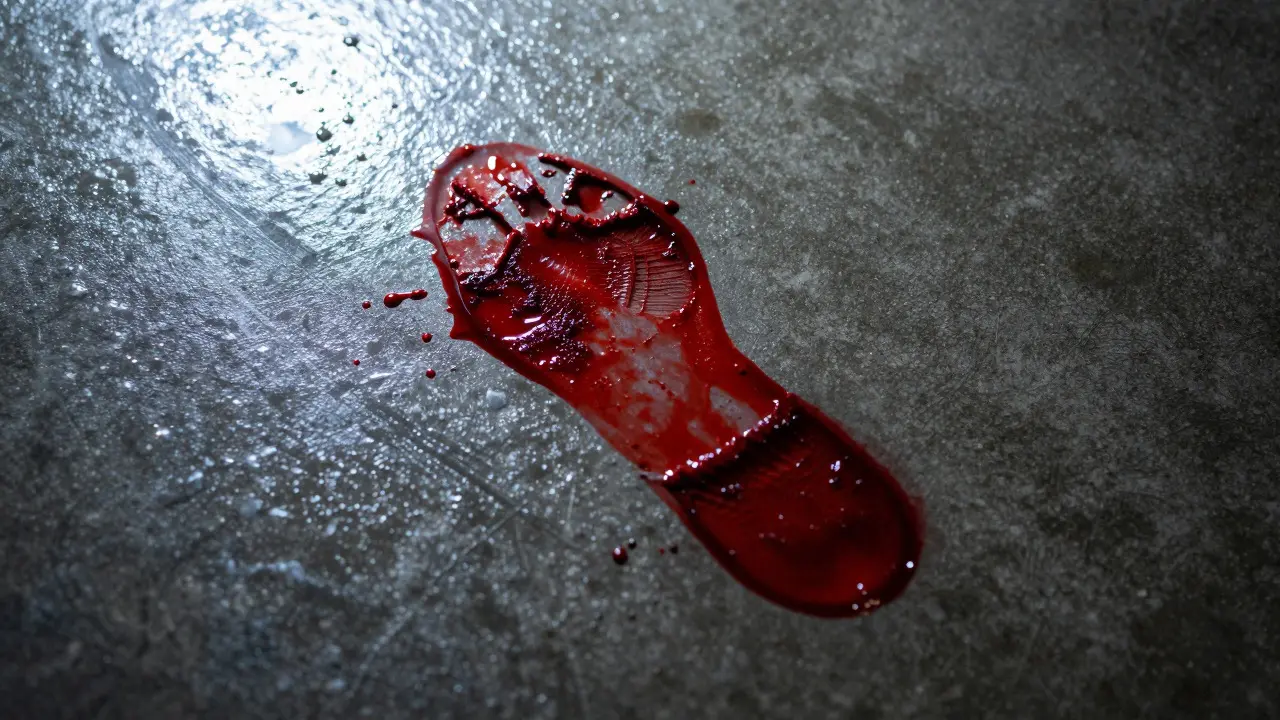
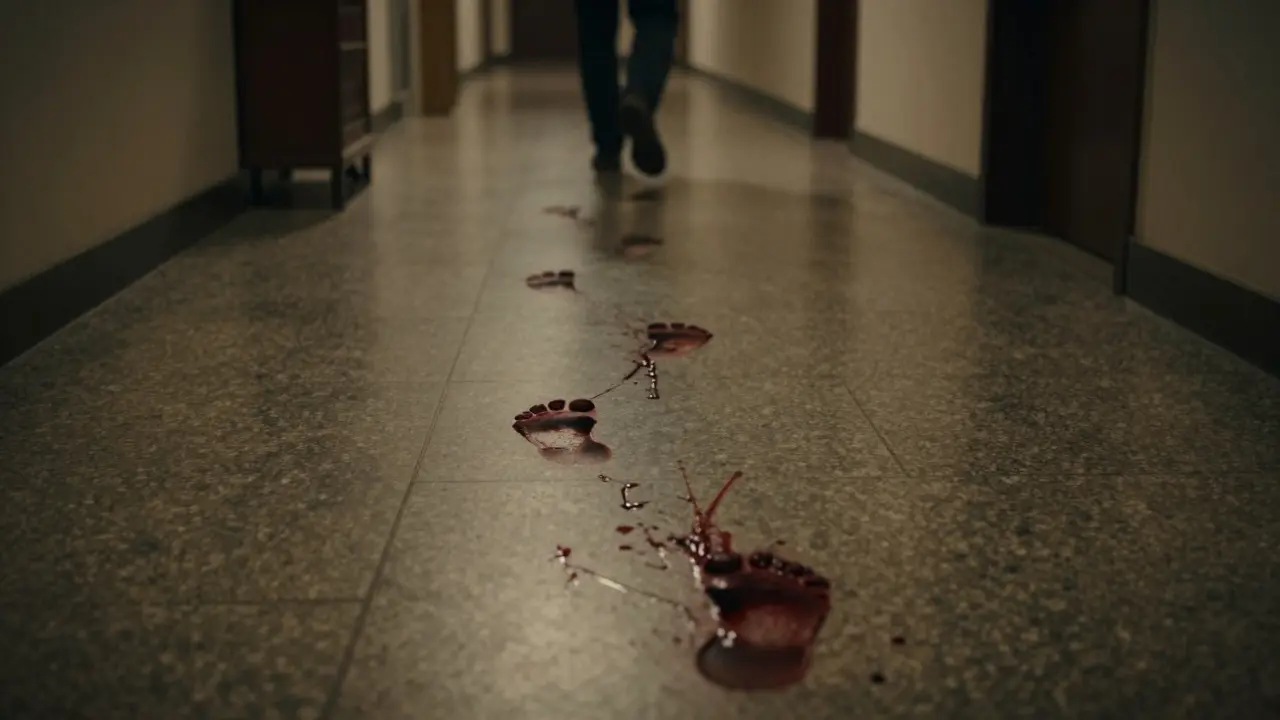
Imagine walking through a crime scene where the floor is slick with blood. You see a shoe print. But it’s not just any print; it’s smeared, elongated, or perhaps only half-visible. How do you know which way the person was walking? This is where Tread Transfer meets the physics of blood movement to determine the path of a suspect or victim. It’s a critical intersection in Bloodstain Pattern Analysis (BPA), where static evidence becomes dynamic data.
Most people think of footprints as simple outlines. In reality, when blood is involved, the tread doesn’t just sit there; it interacts with the fluid. The result can look like a smear, a drag mark, or a complex composite of impact and transfer. Understanding this interaction allows investigators to reconstruct events that witnesses missed. We aren’t just looking at what the shoe looked like; we’re reading the story of how it moved through the blood.
Why Blood Changes Everything About Footprints
Dry dust prints are straightforward. They show pressure points and size. But blood is a fluid with viscosity and surface tension. When a shoe steps into it, three things happen simultaneously: compression, displacement, and adhesion. If the person stops, turns, or drags their foot, the tread elements don’t just leave a clean impression-they pull blood along with them.
This creates what analysts call "directional indicators." These are small clues within the stain itself. For example, if the heel strikes first, you might see a distinct heel shape followed by a smear leading toward the toe. If the foot is dragged, the entire sole leaves a continuous streak. The key here is recognizing that the blood isn’t just on the ground; it’s part of the record of motion. A Forensic Analyst must distinguish between a step-through (clean exit) and a drag (continuous contact).
- Step-Through: The foot enters, pushes blood aside, and exits cleanly. The edges of the tread may be sharp, but the center might be displaced outward.
- Drag Mark: The foot remains in contact with the blood while moving. This creates a continuous smear that often obscures individual tread lugs.
- Impact Stain: Blood hits the shoe from above or below, creating spatter patterns on the sole that transfer to the floor.
Decoding Directionality: The Physics of Movement
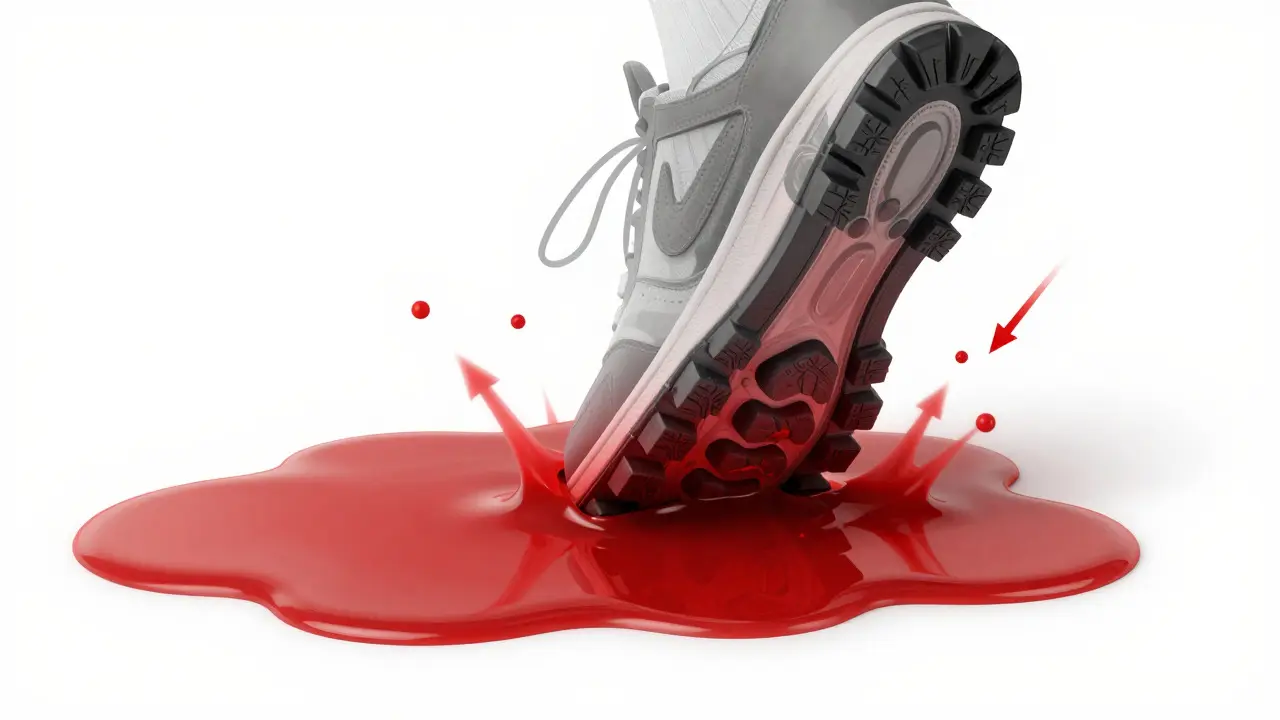
Directionality is the heart of this topic. How do you tell if someone walked North or South based on a bloody shoe print? You look for asymmetry. Blood behaves predictably under force. When a foot moves forward, the front of the shoe displaces blood differently than the back.
Consider the heel strike. In a normal gait, the heel hits first. If the person is walking forward into a pool of blood, the heel will create a distinct impression. As the weight shifts to the ball of the foot, the blood gets pushed forward and slightly outward. If you see a smear extending *behind* the heel, it suggests the foot was pulled backward (dragged). If the smear extends *in front* of the toes, it suggests a push-off or a stumble.
There is a specific visual cue known as the "tail" effect. In many drag marks, the blood accumulates at the point of entry and thins out toward the point of exit. However, if the surface is textured or if the shoe has deep treads, the tail might appear jagged. Analysts use these micro-details to confirm the vector of travel. It’s similar to how you read the wake of a boat; the shape tells you where it came from and where it’s going.
The Role of Tread Design in Evidence Quality
Not all shoes are created equal, and their design heavily influences the quality of the evidence. A smooth-soled leather shoe will leave a broad, blurry smear. A running shoe with aggressive, deep lugs will leave a detailed, segmented pattern. This difference matters because it affects how much information you can extract.
Deep treads act like containers. They hold blood, which then transfers to the floor in discrete drops or smears rather than a single sheet. This can make directionality harder to read at a glance because the "smear