Most investigators focus heavily on how to collect and preserve evidence, but the final step-disposal-is where cases often fall apart. If you destroy a blood sample too early or lose track of a digital drive, the defense can argue that the chain of custody is a documented record tracking the seizure, transfer, storage, analysis, and disposition of physical evidence in a criminal case was broken. This isn't just about tidying up; it's a legal requirement. Getting it wrong can turn a solid conviction into an acquittal or even lead to liability for the agency.
This guide breaks down exactly how to handle the end-of-life process for forensic materials. We will look at when you are allowed to throw things away, how to document that decision, and the specific methods required for different types of evidence. Whether you are dealing with biological samples or hard drives, the rules are strict, and the paperwork must be airtight.
When Can You Actually Dispose of Evidence?
You cannot simply toss evidence because the case is closed. The timing depends entirely on the outcome of the trial and local statutes. In most jurisdictions, there is a mandatory retention period after a final judgment or appeal is exhausted. For example, many states require physical evidence to be held for one year after a guilty verdict, while federal cases might have different timelines under Federal Rules of Criminal Procedure.
There are three main scenarios where disposal becomes necessary:
- Case Conclusion: The defendant has been acquitted, or the charges were dropped, and the owner requests return. If not returned within a set time (often 30-90 days), it may be disposed of if no longer needed.
- Statutory Expiration: The maximum retention period has passed without any pending appeals or motions for re-testing.
- Obsolescence or Degradation: The evidence is no longer viable for testing (e.g., DNA degraded beyond recovery) and serves no investigative purpose.
Always check your specific state’s statute of limitations and departmental policy. A common mistake is assuming that "case closed" means "immediate disposal." It usually doesn't. Wait for the formal release order from the prosecutor or court before initiating the destruction process.
The Paperwork: Documenting the Decision
If the documentation is weak, the disposal itself is suspect. You need a specific form, often called a "Disposal Request" or "Destruction Authorization." This document must link back to the original evidence log number. It should include:
- The case number and date of the original seizure.
- A description of the item(s) being destroyed.
- The reason for disposal (e.g., "Retention period expired on [Date]").
- Signatures from the property custodian and a witness (usually a second officer or supervisor).
- The method of destruction used.
This paper trail is your shield. If a lawyer later claims that critical evidence was hidden or tampered with, this signed form proves that the item was officially removed from inventory and destroyed in a controlled manner. Keep these forms in the permanent case file, not just the property room binder.
Method-Specific Disposal Protocols
Not all evidence is treated the same way. Using the wrong method can contaminate other items or fail to meet legal standards for destruction. Here is how to handle the most common categories:
| Evidence Type | Recommended Method | Key Considerations |
|---|---|---|
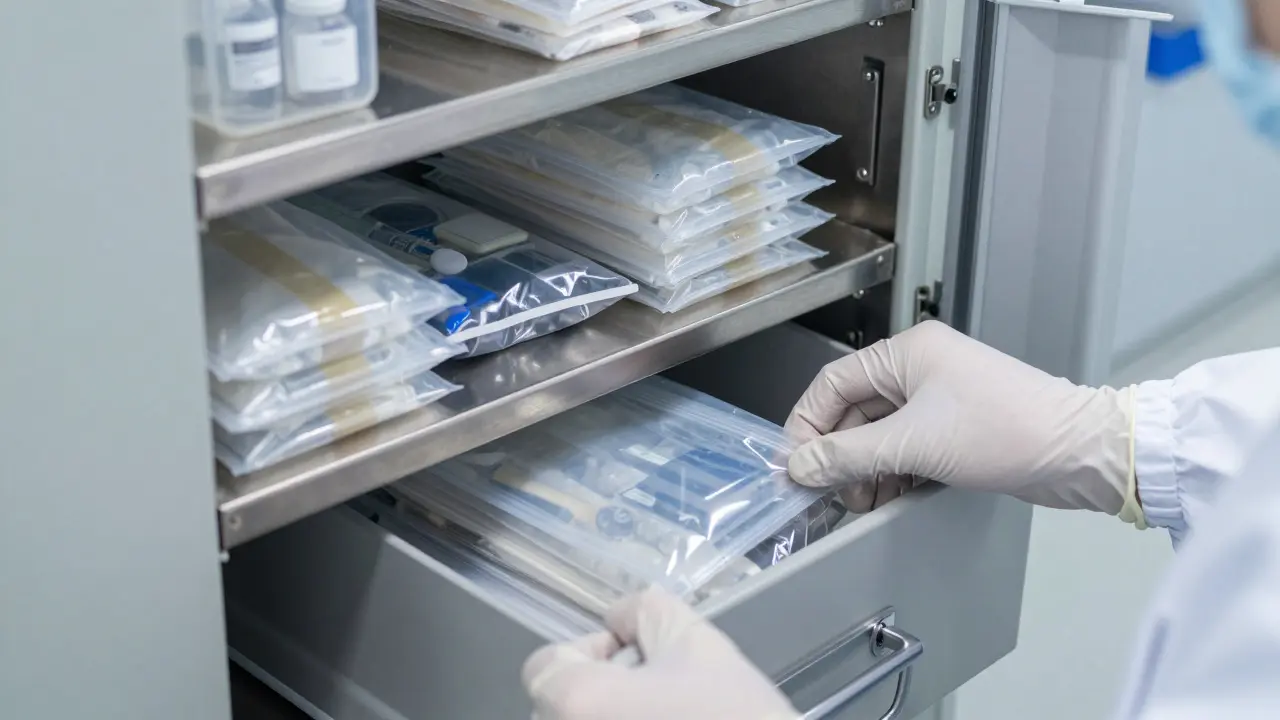
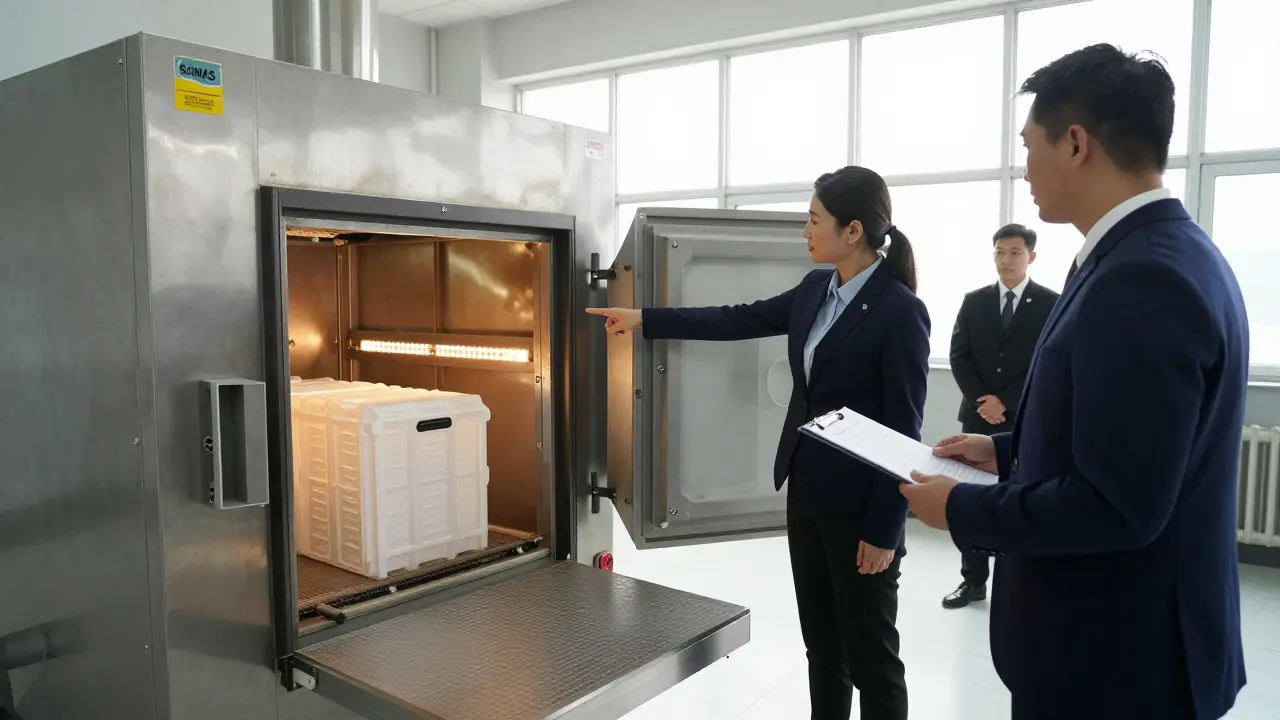
| Biological Samples (DNA, Blood) | Autoclaving then incineration | Must be sterilized first to prevent biohazard spread; keep autoclave logs. |
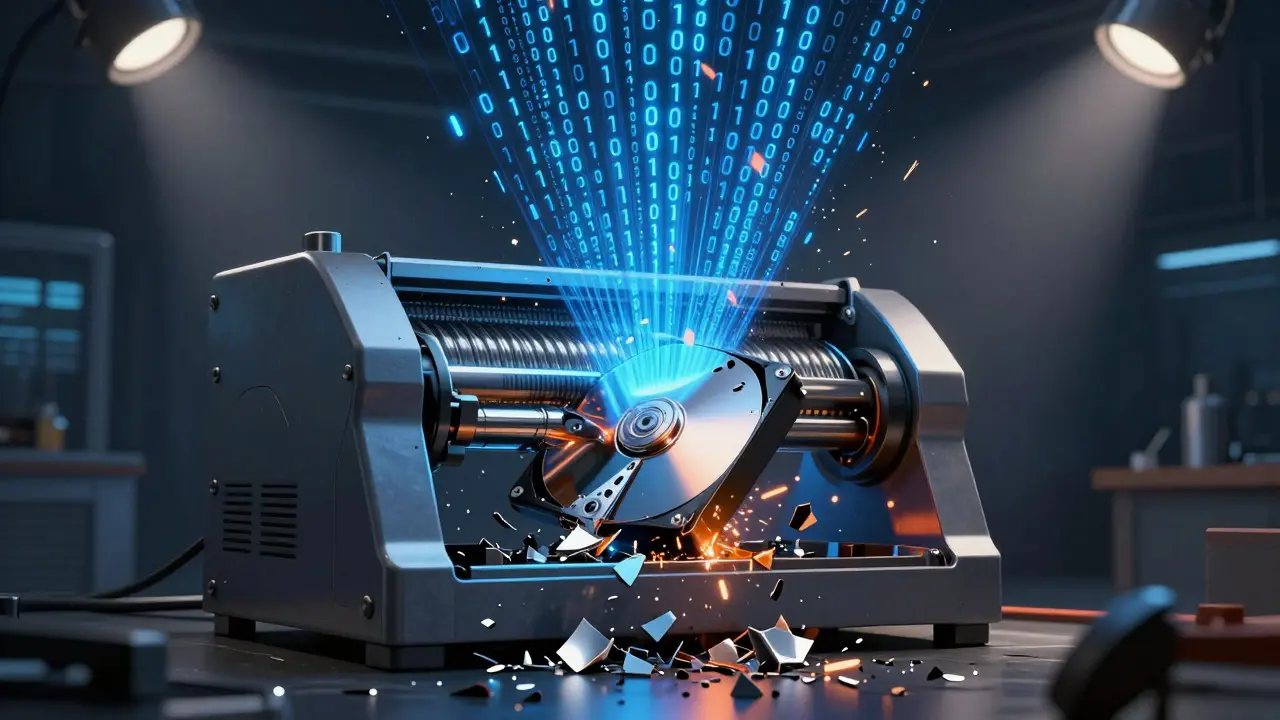
| Digital Media (Hard Drives, Phones) | Physical Destruction (Shredding/Melting) | Software wiping is rarely sufficient for litigation-grade destruction; ensure platters are unrecognizable. |
| Firearms & Ammunition | Cross-cutting & Incineration | Strip firing pins and springs; melt bullets to prevent reuse; log serial numbers. |
| Documents & Papers | Industrial Shredding | Use cross-cut shredders; avoid pulping if fibers might be needed for fiber analysis later. |
| Controlled Substances | Incineration with EPA Compliance | Requires DEA Form 41 or equivalent; two witnesses required; weigh before and after. |
For digital media, specifically, be careful. Simply deleting files is not enough. Even formatting a drive can leave data recoverable. For final disposal, physical destruction is the gold standard. If you use a service provider, get their certificate of destruction. It should state the serial numbers of the devices and the date of destruction.
Witnesses and Verification
Never dispose of evidence alone. The presence of a second person is non-negotiable. This witness verifies that the correct items were destroyed and that the method was applied correctly. Their signature on the disposal form adds credibility. If the witness is unavailable, video recording the entire process is an acceptable alternative, provided the footage includes a clear view of the evidence labels and the destruction action.
In high-profile cases, the prosecutor may request to be present during destruction. While rare, it happens. Always give reasonable notice to the District Attorney’s office if the case involved significant public interest or complex litigation history.
Common Pitfalls That Break the Chain
Even experienced professionals make mistakes at the finish line. Watch out for these frequent errors:
- Premature Destruction: Destroying evidence before the appeal window closes. This is a reversible error in many courts.
- Missing Serial Numbers: Failing to record the unique identifiers (like IMEI for phones or serial for guns) on the disposal form. Without them, you can’t prove *which* item was destroyed.
- Contamination During Prep: Opening a sealed envelope to check contents right before destruction without logging the break in seal. Re-seal it properly or note the breach in the log.
- Lost Documentation: The evidence is gone, but the disposal form is missing from the file. If you can’t prove it was destroyed, legally, it might still be considered "in custody," creating a gap.
To avoid these, create a checklist for your property room. Have a standard template for the disposal form that pre-fills the case number and evidence ID. Make the process as automated as possible so that human error doesn't creep in.
Handling Returns vs. Disposal
Sometimes, instead of destroying evidence, you return it to the owner. This is common for vehicles, jewelry, or personal effects that weren't central to the crime. The chain of custody ends here, but the documentation is similar. You need a "Release to Owner" form. The owner signs to acknowledge receipt. Take a photo of the item and the owner holding it (if appropriate) or just the item with the release slip. Store this in the case file. Unlike disposal, the burden of proof shifts to the owner once they sign, but you still need that paper trail to show you didn't just let it walk out the door.
FAQs About Evidence Disposal
How long do I need to keep evidence after a conviction?
It varies by jurisdiction. Many states require retention for one year after final judgment, while others mandate five years or until the sentence is completed. Always consult your local prosecutor or department policy manual for the exact timeline applicable to your region.
Is software wiping enough for hard drives?
Generally, no. For final disposal in legal contexts, physical destruction (shredding, crushing, or melting) is preferred because it renders data unrecoverable. Software wipes can be challenged in court as potentially incomplete. Use physical destruction unless a specific forensic protocol dictates otherwise.
Who pays for the destruction of evidence?
Typically, the law enforcement agency or laboratory covers the cost as part of operational expenses. However, if the defendant is found liable for costs in civil proceedings, the agency might seek reimbursement. Check your budget codes to ensure proper accounting for waste removal fees.
What if the owner wants their evidence back after the case is over?
If the retention period hasn't expired, the agency can refuse return until the deadline passes. Once the deadline hits, the owner has a right to reclaim property unless it has already been destroyed according to policy. If destroyed, provide the owner with the disposal documentation to prove it wasn't lost or stolen.
Do I need to notify the defense attorney before destroying evidence?
Yes, in most jurisdictions, due process requires notice to the opposing counsel before destruction, especially if the case is still technically open or under appeal. Failure to notify can result in sanctions or a mistrial. Send a certified letter or email with read receipt to document the notification attempt.