Category: Forensics - Page 20
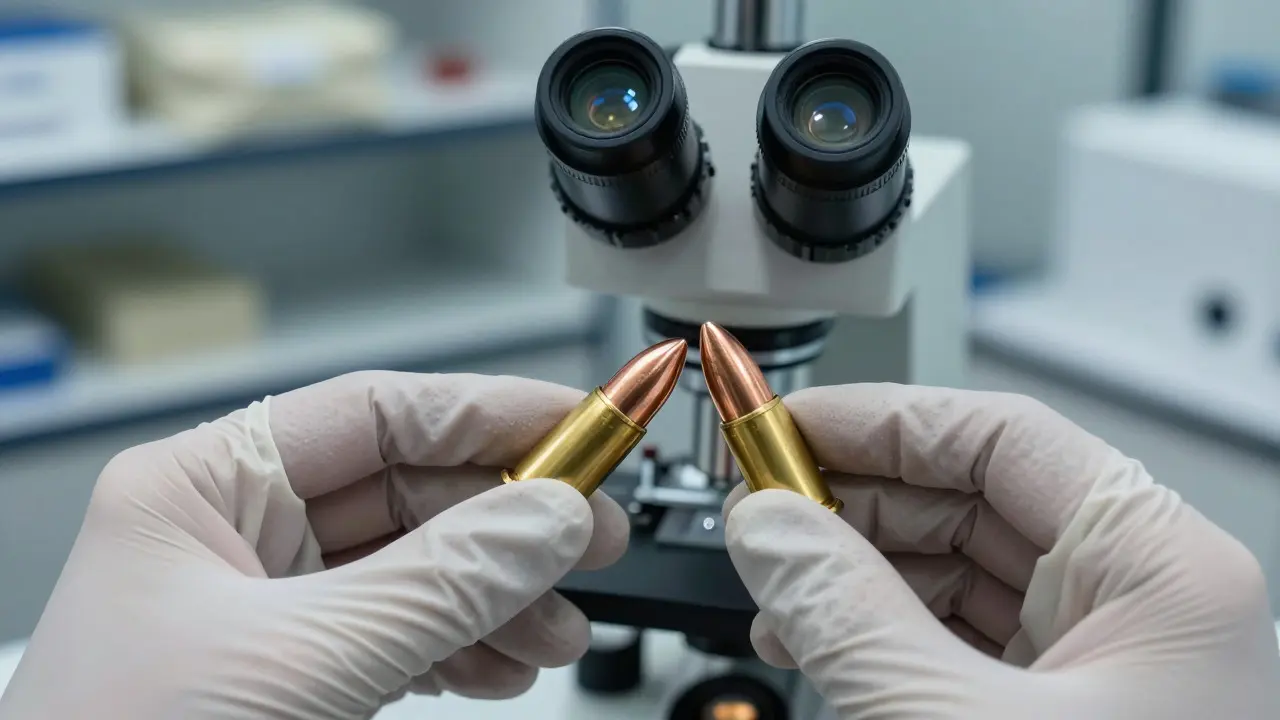
Ballistics Evidence Reliability: Admissibility Standards and Legal Challenges
- By : Ian Brophy
- Date : Aug 17 2026
Explore the reliability and admissibility of ballistics evidence in court. Learn about the Daubert standard, common challenges, and best practices for handling firearm evidence.
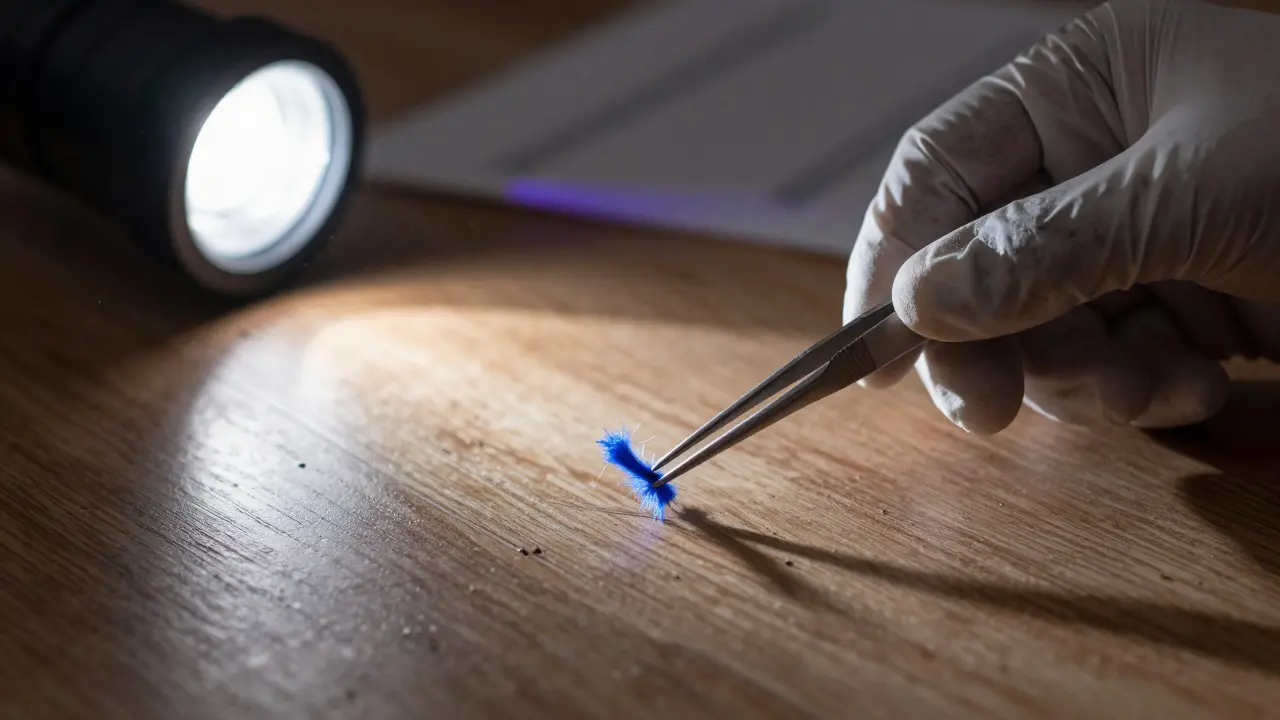
Small Item Evidence Collection: Maximizing Microscopic Findings
- By : Ian Brophy
- Date : Aug 17 2026
Learn how to effectively collect and preserve small item evidence like fibers and glass. Discover the tools, techniques, and pitfalls to avoid for maximizing microscopic findings in forensic investigations.
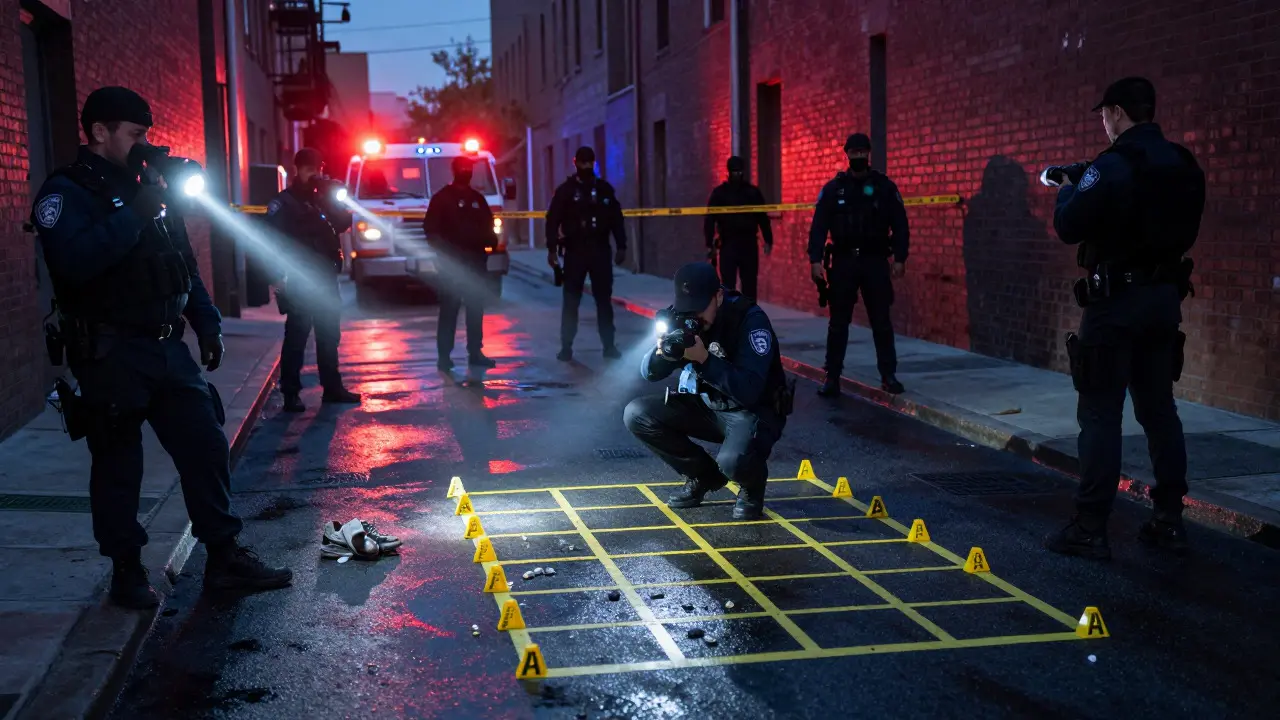
Gang-Related Homicide Investigation: Specific Methods & Protocols
- By : Ian Brophy
- Date : Aug 17 2026
Explore the specific methods used in investigating gang-related homicides, from scene management to digital forensics and intelligence-driven tactics.
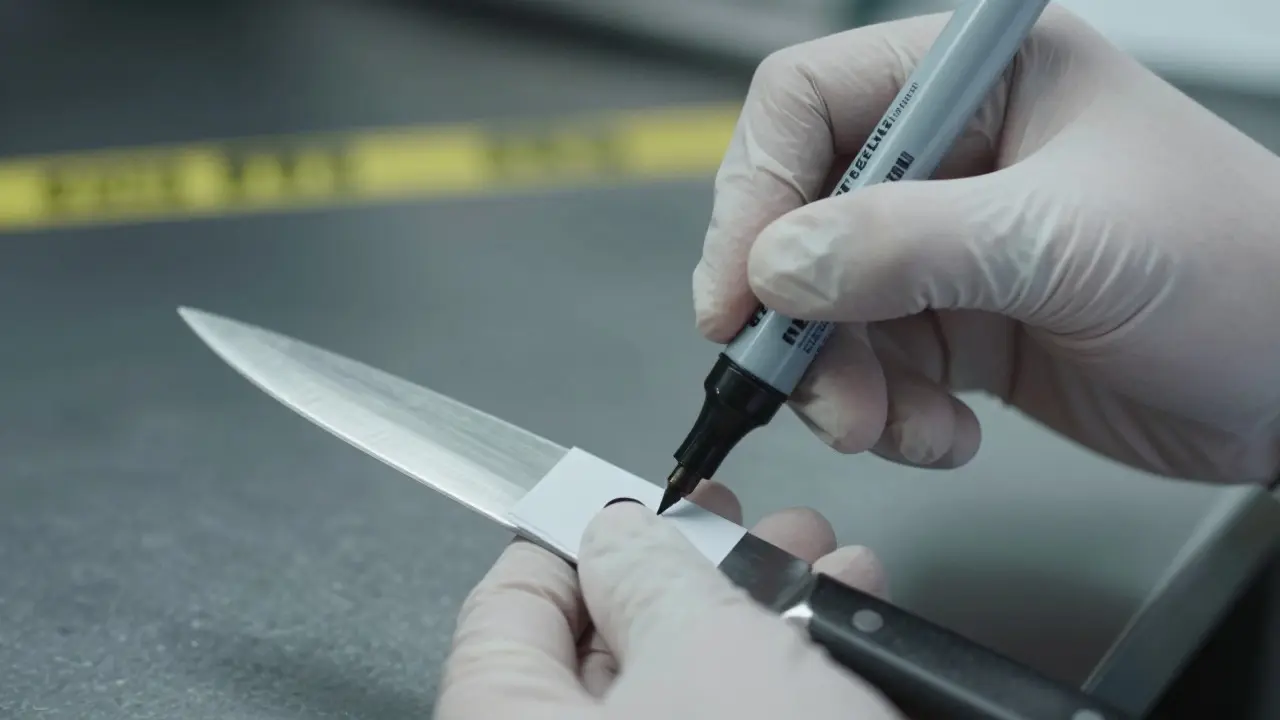
Evidence Marking and Labeling: Documentation Standards for Crime Scenes
- By : Ian Brophy
- Date : Aug 17 2026
Master the art of evidence marking and labeling to ensure admissibility. Learn standard formats, avoid common pitfalls, and maintain a perfect chain of custody.

Master's Degree in Forensic Science: Advanced Options & Career Paths
- By : Ian Brophy
- Date : Aug 17 2026
Explore advanced options for a Master's Degree in Forensic Science, including specializations, program types, and career benefits. Learn how to choose the right path for your professional growth.
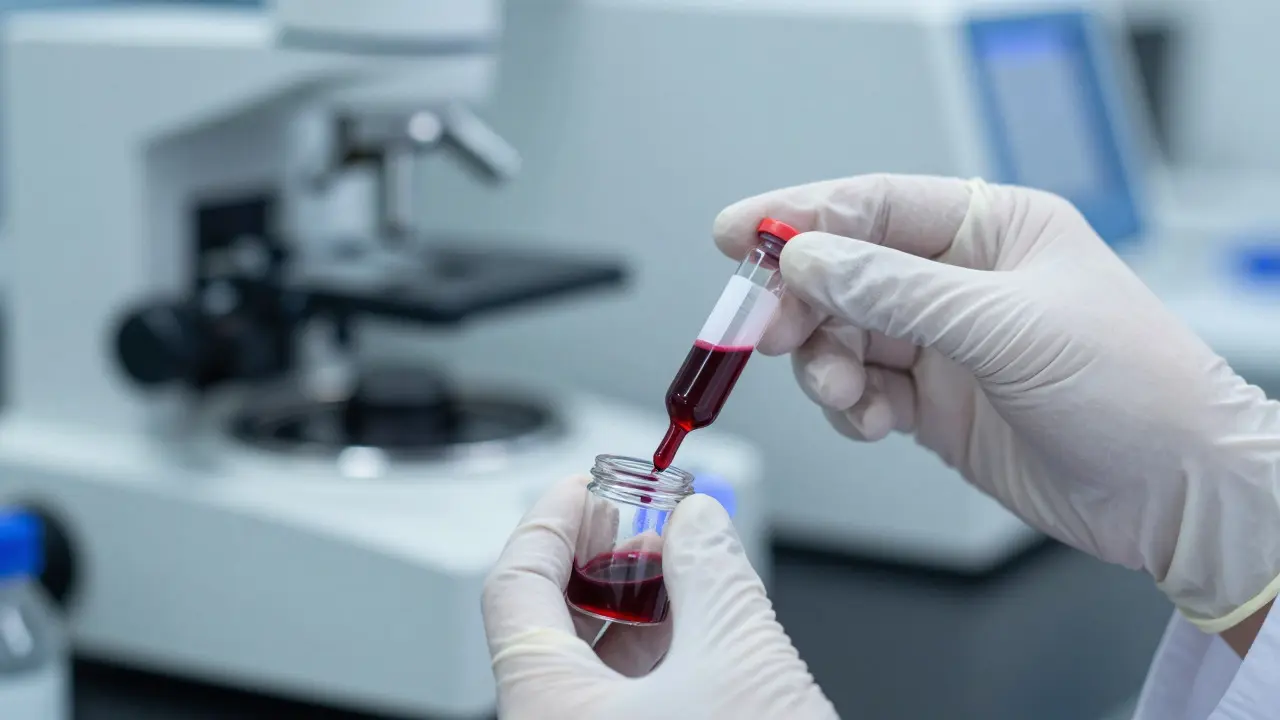
Postmortem Toxicology: Special Considerations and Pitfalls
- By : Ian Brophy
- Date : Aug 17 2026
Explore the complexities of postmortem toxicology, including pitfalls like postmortem redistribution, specimen selection, and legal admissibility. Learn how to interpret results accurately in death investigations.
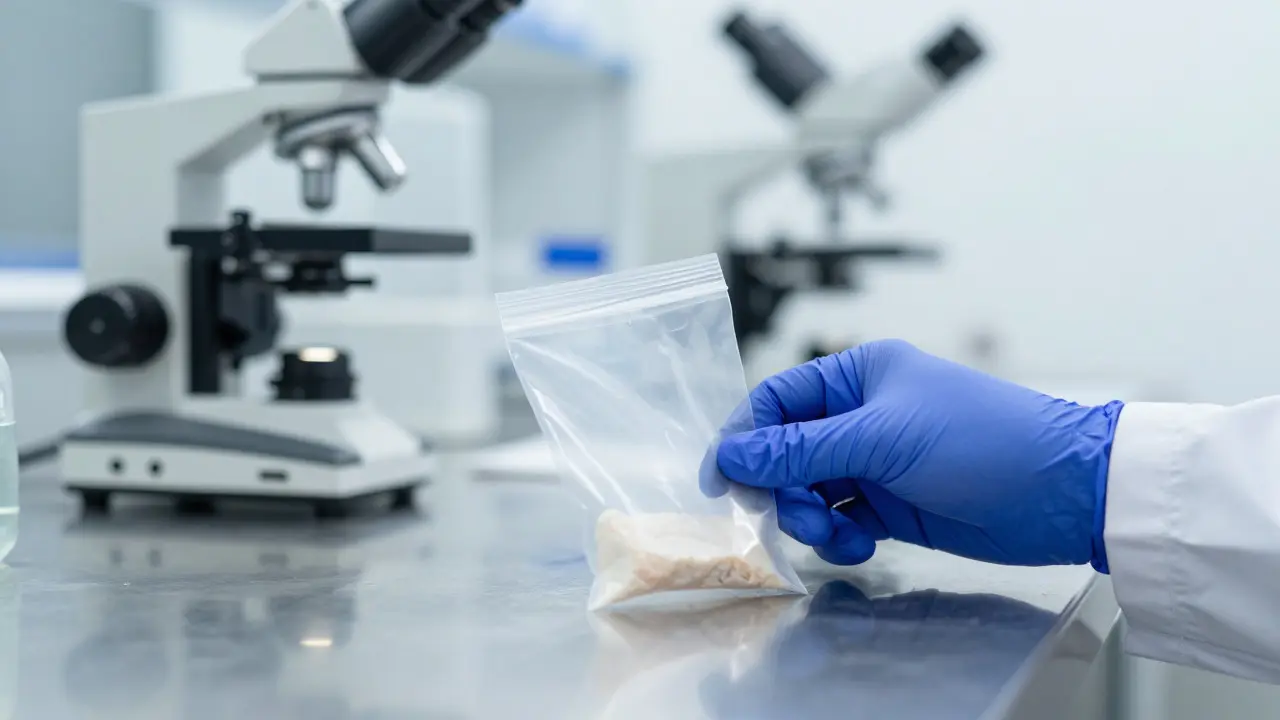
Citations and References in Forensic Reporting: Scientific vs. Legal Sources
- By : Ian Brophy
- Date : Aug 17 2026
Learn how to properly balance scientific standards and legal authorities in forensic reports. This guide covers citation strategies, common pitfalls, and practical workflows for defensible documentation.
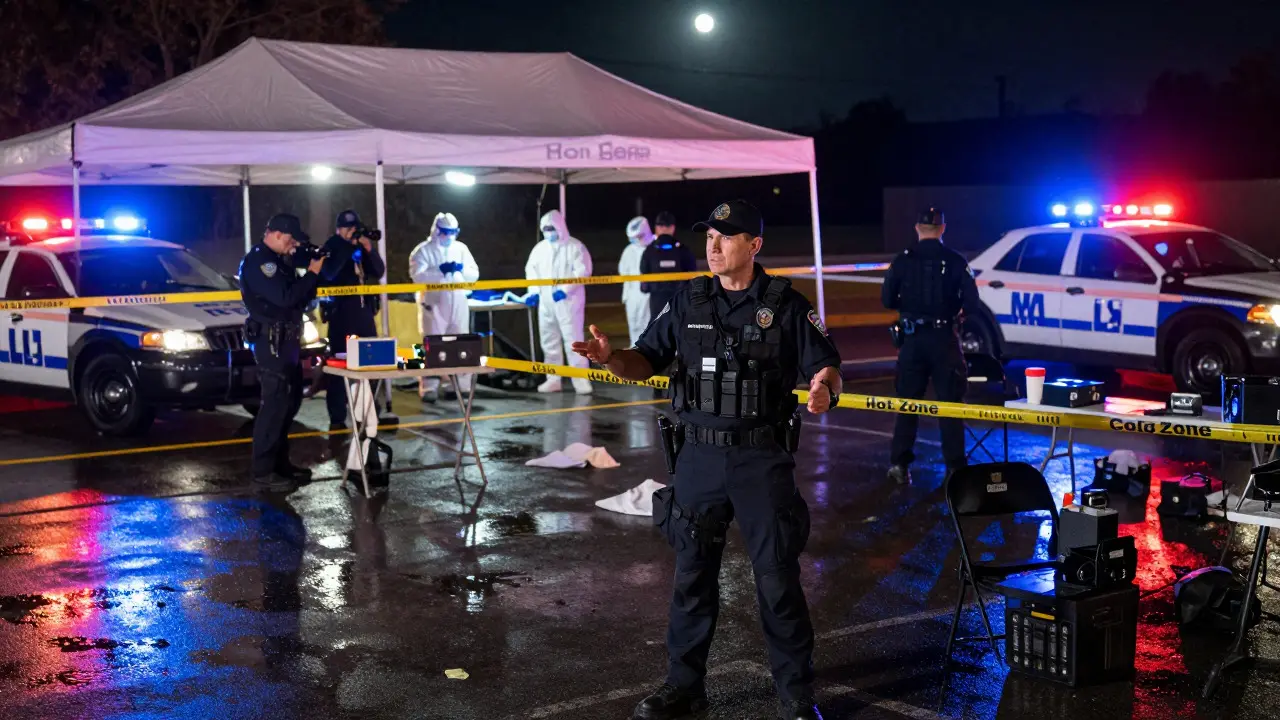
Personnel Management at Crime Scenes: Organization and Coordination Guide
- By : Ian Brophy
- Date : Aug 17 2026
Learn how to effectively manage personnel at crime scenes using zoning, clear roles, and the Incident Command System to preserve evidence and streamline investigations.
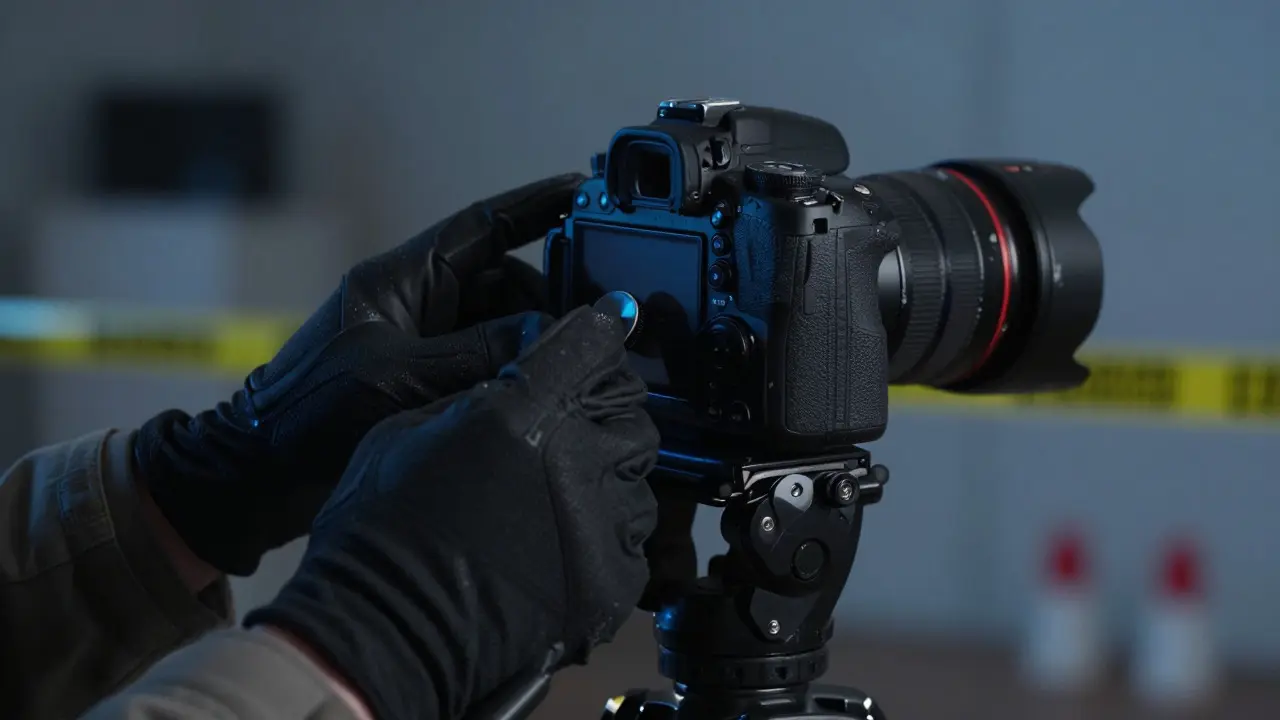
Low-Light Photography: Mastering Noise Reduction and Stability for Clear Evidence
- By : Ian Brophy
- Date : Aug 17 2026
Learn how to master low-light photography by balancing noise reduction and camera stability. Get practical tips on ISO settings, tripods, and post-processing for clear, professional results.

Velocity Classification in Bloodstain Patterns: A Forensic Guide
- By : Ian Brophy
- Date : Aug 17 2026
Learn how forensic experts classify bloodstains by velocity. Understand the differences between low, medium, and high-velocity patterns and their significance in crime scene reconstruction.
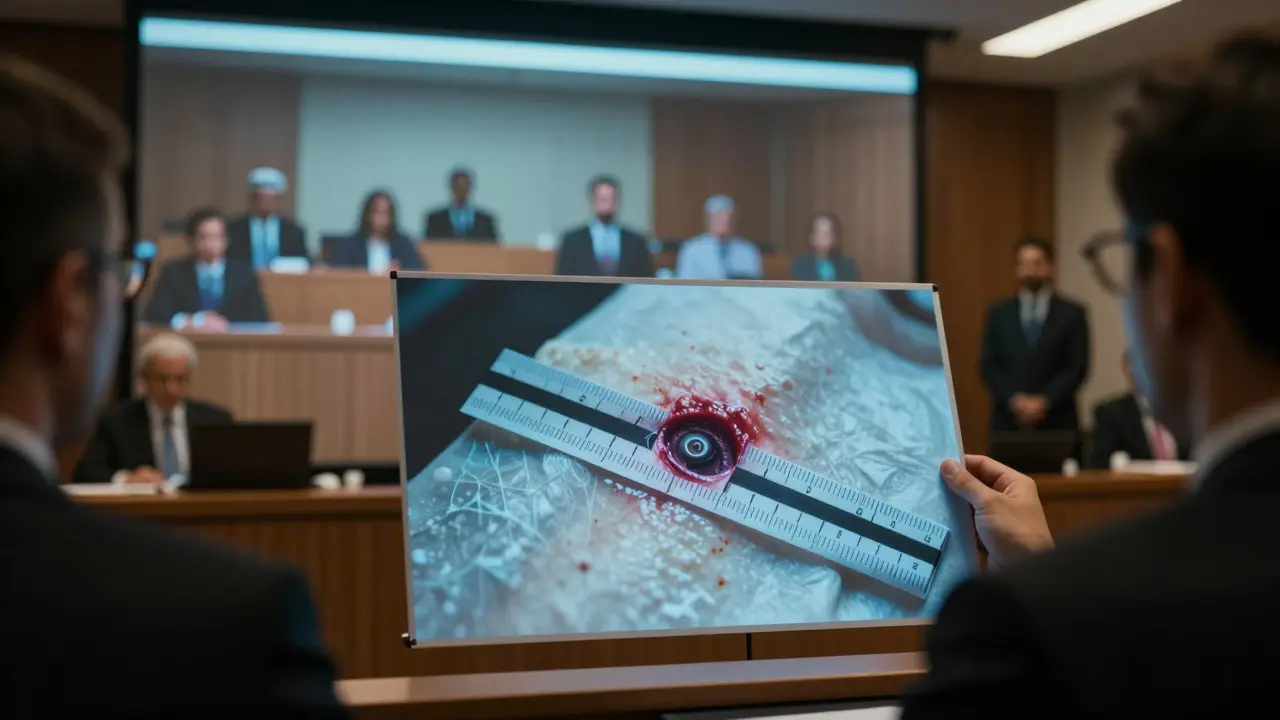
Crime Scene Photographs: Admissibility Standards & Legal Requirements
- By : Ian Brophy
- Date : Aug 17 2026
Learn how crime scene photographs meet legal admissibility standards. We cover relevance, authentication, chain of custody, and technical pitfalls that can exclude evidence.
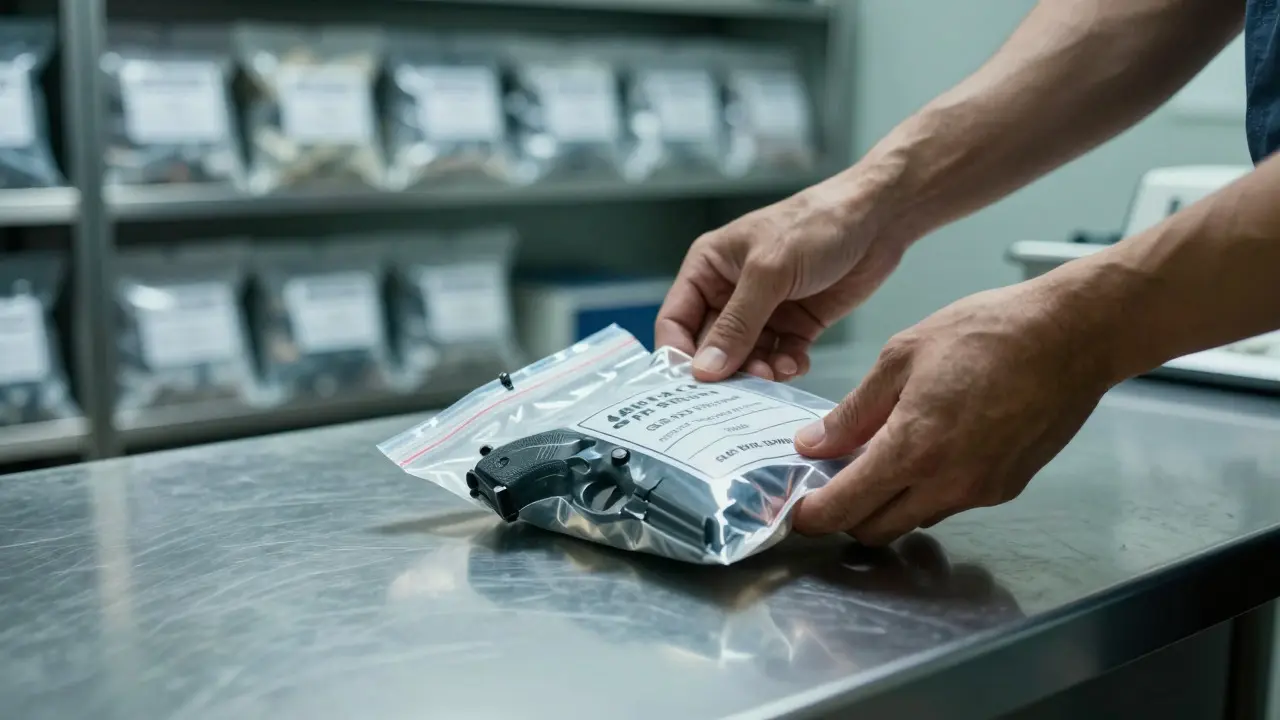
Temporary Custody: Short-Term Evidence Sign-Out Protocols
- By : Ian Brophy
- Date : Aug 17 2026
Master the protocols for temporary evidence custody. Learn how to maintain an unbroken chain of custody during short-term sign-outs to ensure admissibility in court.