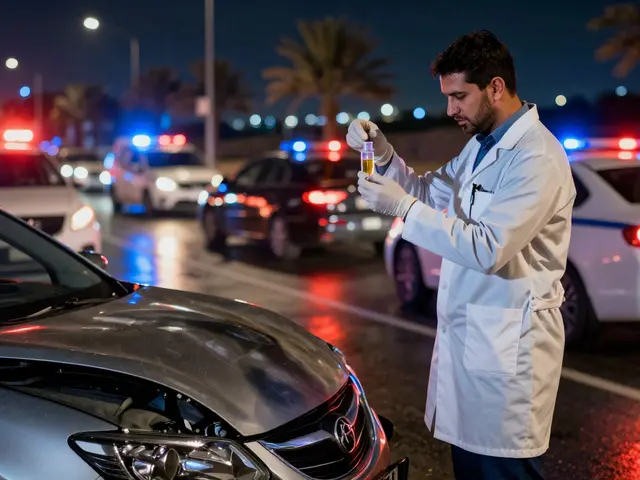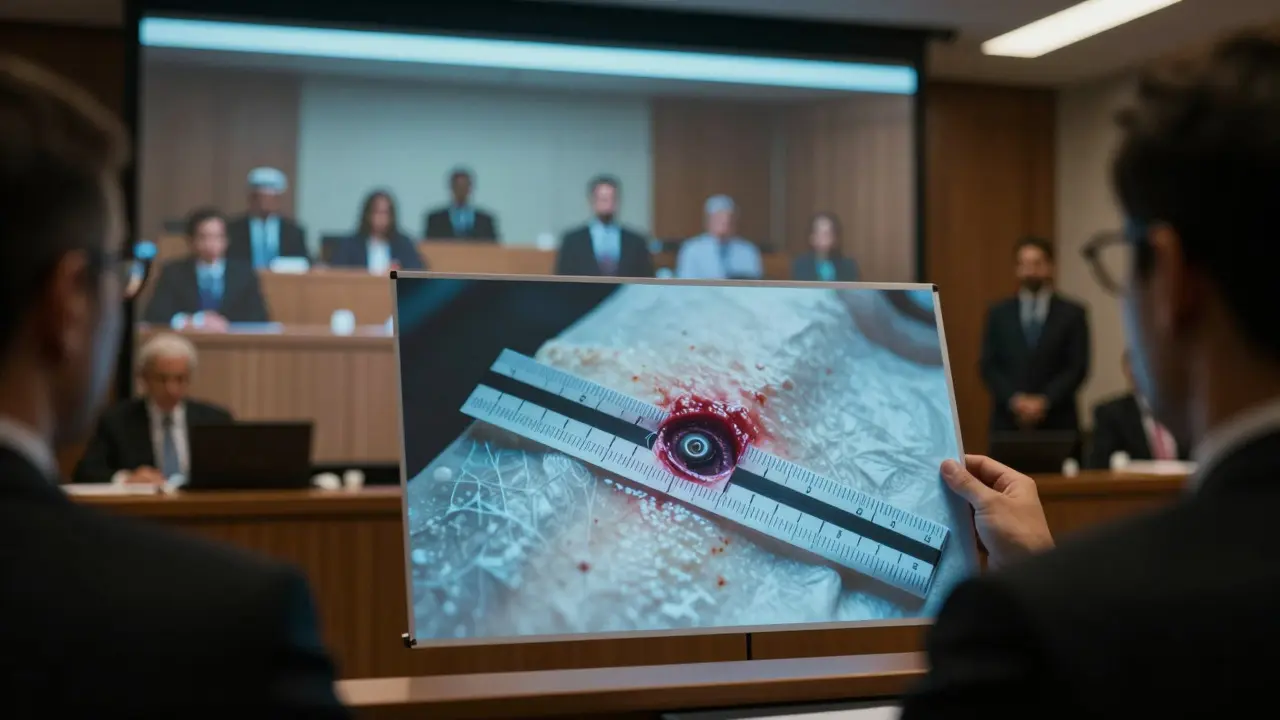
Imagine you’re sitting in a jury box. The prosecutor slides a photo across the table to the defense attorney. It’s a close-up of a wound, or maybe a blurry shot of a street corner at night. Suddenly, the room goes quiet. Everyone is wondering if that picture actually proves what it’s supposed to prove, or if it’s just there to make you feel sick.
This is where crime scene photography is a specialized form of documentation used by law enforcement and forensic investigators to capture visual evidence at the location of a crime. Unlike casual snapshots, these images serve as legal exhibits. For them to hold up in court, they must meet strict admissibility standards is the set of legal rules determining whether physical or documentary evidence can be presented to a judge or jury.
If the photos don’t meet these standards, they get thrown out. No matter how shocking or clear they look, no proof means no case. This article breaks down exactly what makes a crime scene photo legally valid, why some get rejected, and how photographers ensure their work survives cross-examination.
The Core Rule: Relevance vs. Prejudice
Before we talk about cameras and lighting, we have to talk about the biggest hurdle: Federal Rule of Evidence 403. In simple terms, a photo is only admissible if its value in proving a fact outweighs the risk of confusing the jury or causing undue prejudice.
Think of it like this. If a photo shows a bloody knife, it’s relevant because it links the weapon to the victim. But if the photo is so gruesome that it makes the jury want to punish the defendant regardless of guilt, a judge might exclude it. This balance is delicate. The photographer’s job isn’t just to take a picture; it’s to document the truth without adding drama.
To pass this test, every image needs a clear purpose. Ask yourself: What does this specific photo prove? If the answer is vague, the photo is likely inadmissible. Specificity is your best friend here. A wide-angle shot establishing the layout of a room proves spatial relationships. A close-up with a scale ruler proves the size of a cut. Each serves a distinct legal function.
Authentication: Proving the Photo is Real
Once you establish relevance, the next step is authentication. Under the Federal Rules of Evidence, the proponent (usually the prosecution) must show that the photo is what it claims to be. This falls under the best evidence rule is a legal principle requiring original documents or things to be produced as evidence when available, rather than copies or testimony about them.
You might think this means the original film has to be in court. Not anymore. With digital photography, the "original" is often the metadata embedded in the file. However, the witness who took the photo usually has to testify. They need to explain:
- When and where the photo was taken.
- What equipment was used.
- That the photo fairly and accurately represents the scene as it appeared at that time.
If the photographer left the scene before the evidence was moved, the photo is safe. If they took the photo after the body was moved, it’s useless for positioning purposes. Timing is everything. The testimony must bridge the gap between the static image and the dynamic reality of the investigation.
Chain of Custody: Protecting Digital Integrity
Digital files are fragile. You can edit a JPEG without leaving obvious traces, unlike a scanned negative. This is why chain of custody is the documented process of tracking the transfer and handling of physical or digital evidence from collection to presentation in court is critical for digital crime scene photos.
Here is how a proper chain looks in practice:
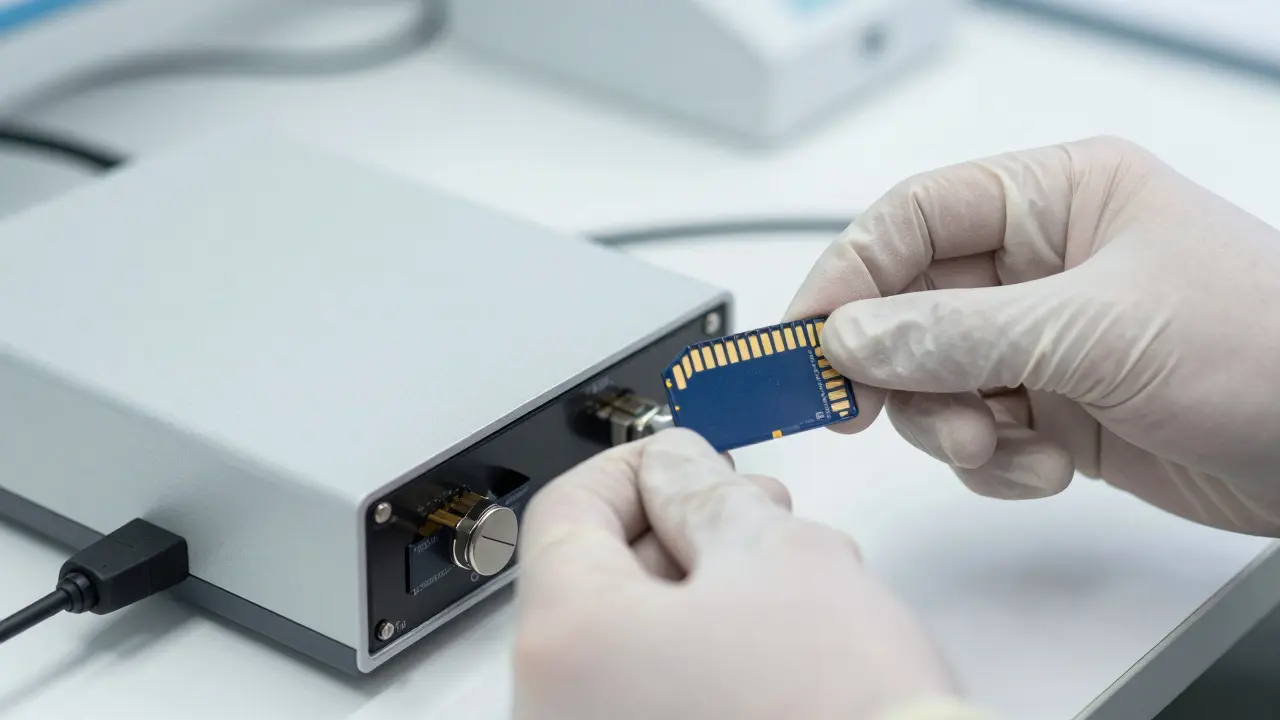
- Capture: The camera writes the image to a memory card. The hash value (a unique digital fingerprint) is generated immediately.
- Transfer: The card is removed and sealed. The file is copied to a forensic workstation using write-blockers to prevent accidental alteration.
- Verification: The hash value of the copy is compared to the original. If they match, the file is identical.
- Storage: The master file is stored on read-only media. Working copies are used for editing or printing.
If the defense can show that the file was edited, resized, or color-corrected without documentation, the photo becomes suspect. Judges hate surprises. Keep your workflow transparent. Log every transfer. Name every person who touches the file. If you can’t prove the file hasn’t changed, you can’t prove the scene looked the way the photo says it did.
Technical Accuracy: Lighting, Scale, and Perspective
Even if the file is authentic, the technique matters. A distorted perspective can mislead a jury about distances. A poorly lit photo can hide details. Courts expect professional standards, not amateur guesses.
Consider perspective distortion. Wide-angle lenses stretch objects near the edges of the frame. If you use a 16mm lens to photograph a footprint from a low angle, that footprint will look massive compared to a shoe nearby. To avoid this, use rectilinear lenses (typically 50mm to 85mm on full-frame cameras) for detail shots. Keep the camera parallel to the subject. This ensures that measurements taken from the printout are accurate.
Lighting is another common pitfall. Flash reflections can wash out glossy surfaces, making blood spatter disappear. Use polarizing filters to kill glare. For low-light scenes, bring your own light sources. Don’t rely on the blue glow of a police car light; it shifts colors significantly. Neutral white balance settings help maintain true-to-life colors, which is crucial for identifying substances like paint chips or fibers.
Comparison: Traditional vs. Digital Documentation
Many agencies still use both methods. Understanding the differences helps you choose the right tool for the job.
| Feature | Film Photography | Digital Photography |
|---|---|---|
| Cost per Image | High (film + processing) | Negligible (storage space) |
| Immediate Review | No (must wait for lab) | Yes (instant feedback) |
| Ease of Editing | Difficult (physical negatives) | Easy (software-based) |
| Metadata | Minimal (date code only) | Rich (EXIF data, GPS, hash values) |
| Admissibility Risk | Low (harder to alter secretly) | Moderate (requires strict chain of custody) |
Common Pitfalls That Get Photos Excluded
Even experienced photographers make mistakes that cost cases. Here are the top three reasons crime scene photos fail in court:
- Lack of Context: A close-up of a bruise without a surrounding view doesn’t tell the jury where the injury was on the body. Always follow the sequence: overview, mid-range, and close-up.
- Missing Scales: Without a reference object (like a Lilliput ruler), a 1cm scratch looks the same as a 10cm laceration. Never skip the scale in detail shots.
- Poor Metadata Management: If the camera clock is wrong, the timeline of events collapses. Sync your camera time with official logs before starting any shift.
These aren’t technical failures; they are procedural ones. The fix is simple: checklists. Create a pre-shoot checklist that includes camera sync, lens selection, and scale placement. Stick to it every single time. Consistency builds credibility.
Next Steps for Investigators and Attorneys
If you’re an investigator, start auditing your current workflow. Are you hashing files immediately? Are you documenting every transfer? If you’re an attorney, review the metadata of key exhibits before trial. Look for gaps in the timeline or inconsistencies in the camera settings. Catching issues early saves you from embarrassing objections in open court. For both groups, training is non-negotiable. Technology changes fast. New cameras introduce new artifacts. Regular workshops on digital forensics keep your skills sharp. Remember, the goal isn’t just to take good pictures. It’s to create evidence that stands up to scrutiny. When the lights dim in the courtroom, you want your photos to speak clearly, honestly, and without doubt.
Do crime scene photos need to be certified by a professional?
Not necessarily. While certification helps establish expertise, the primary requirement is that the photographer can testify to the accuracy of the image. Many first responders are trained in basic crime scene photography and can authenticate their own work if they followed proper protocols.
Can edited photos be admitted as evidence?
Yes, provided the edits are disclosed and justified. Cropping to focus on a relevant area is generally acceptable. Changing color balance to correct for poor lighting is also okay if documented. However, removing objects or altering the appearance of evidence is rarely permitted unless it’s to remove distractions, and even then, it requires strong justification.
What is the difference between a 'fair and accurate' representation and a perfect one?
A 'fair and accurate' representation means the photo reflects the scene as it appeared to the human eye at the time of capture. It doesn’t need to be artistically perfect. Minor flaws like slight blur or imperfect framing are acceptable as long as they don’t distort the facts. The standard is truthfulness, not aesthetics.
How do judges handle conflicting photos from different angles?
Judges typically admit all relevant angles. Conflicting perspectives are normal in 3D spaces. The jury is expected to weigh the evidence based on expert testimony. If two photos seem to contradict each other, the photographer’s explanation of lens choice and camera position usually resolves the confusion.
Is metadata always visible in court exhibits?
Usually, no. Printed exhibits strip out EXIF data. However, the raw digital files containing metadata are preserved in the case file. If the defense challenges authenticity, the prosecution can produce the raw files and demonstrate that the metadata matches the testimony regarding date, time, and device.