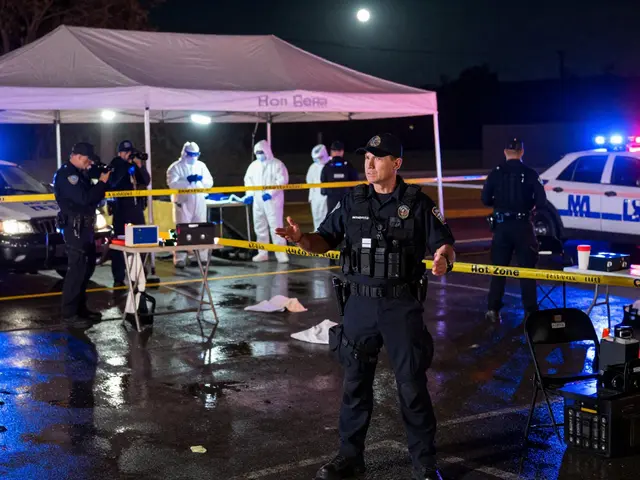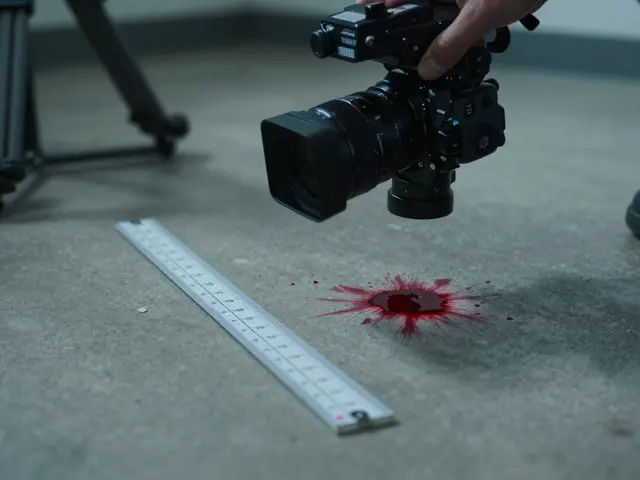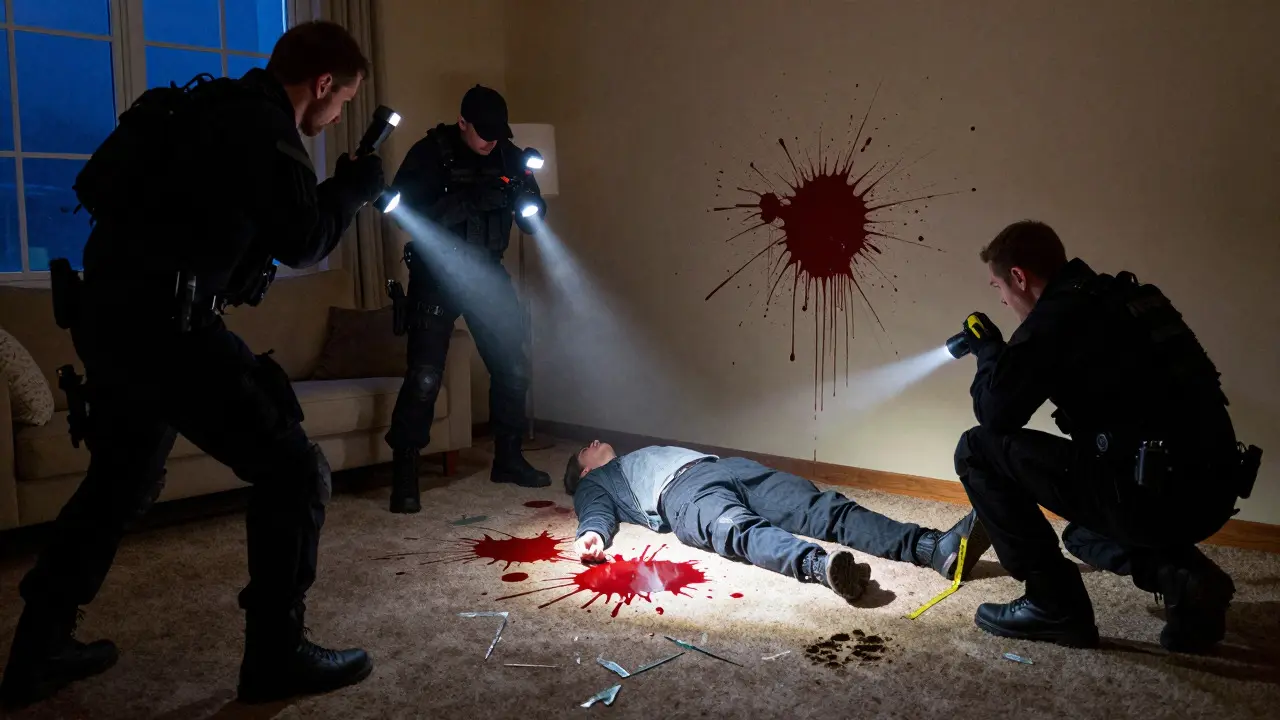
Imagine you are standing in a dimly lit living room. The victim is on the floor, blood spatter patterns are visible on the wall, and three investigators are moving around you with cameras and rulers. You have your recorder running. What do you say? If you just list items like "knife, shoe print, glass," you lose half the story. Scene Walkthrough Audio Narration is a structured method of verbally documenting a crime scene in real-time to capture spatial relationships, investigator actions, and environmental context that photos often miss. It serves as the narrative backbone of the case file.
This isn't about filling silence. It’s about creating a linear, chronological record that allows a judge, jury, or expert witness to "see" the scene through your eyes without being there. When done right, it bridges the gap between static photographs and dynamic human observation.
Why Photos Alone Aren't Enough
Photographs are excellent for capturing detail, but they fail at capturing sequence and relationship. A photo of a bullet hole shows the hole. It doesn't show where the shooter stood, how the light hit the wall at 2:00 PM, or why the detective decided to lift that specific piece of carpet first. Verbal Documentation captures the why and the how.
In court, defense attorneys often attack the integrity of evidence by questioning its chain of custody or the logic behind its collection. A well-executed audio walkthrough provides a timestamped, unedited account of decision-making. It proves that the scene was processed systematically, not haphazardly. For example, if you narrate, "Moving from the entry point toward the body to avoid contaminating the initial footprint area," you demonstrate professional discipline. This narrative flow is what turns a collection of images into a coherent investigation.
The Core Structure: The Three-Part Framework
To keep your narration clear and useful, stick to a consistent structure. Most experienced crime scene technicians use a three-part framework for each major area or action:
- Location & Orientation: Where are you? Which direction are you facing? What landmarks define your position?
- Action & Observation: What are you doing? What do you see, smell, or hear? Describe the state of the evidence before touching it.
- Context & Reasoning: Why are you doing this? How does this item relate to others nearby?
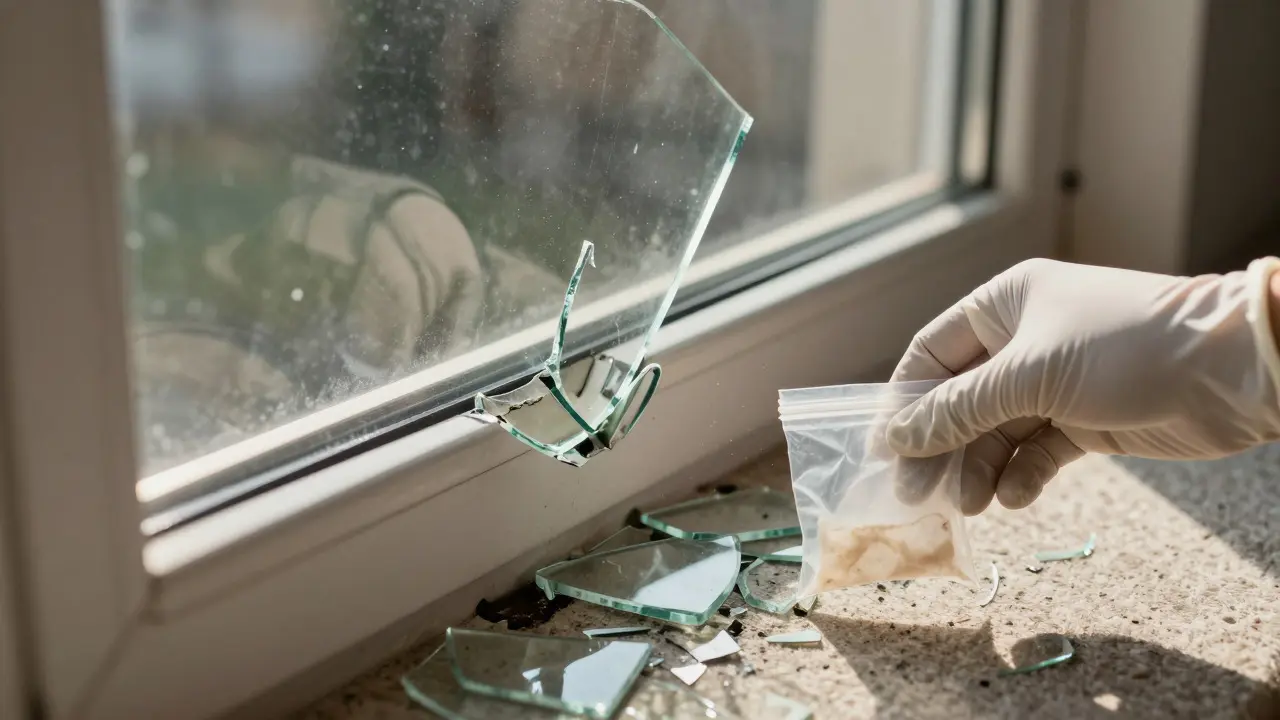
Let's apply this to a specific scenario. Suppose you find a broken window pane.
- Location: "I am now at the north-facing exterior wall, approximately ten feet from the front door."
- Action: "I observe a shattered window pane. The lower left corner is missing. Glass fragments are scattered on the interior windowsill and the carpet below."
- Context: "This appears to be the point of entry. I will photograph the debris pattern before lifting any large shards to preserve the trajectory angle."
Critical Elements to Narrate
Not every sound or movement needs to be documented. Focus on elements that affect the interpretation of the scene. Here are the high-value targets for your Audio Narration:
| Element | What to Say | Why It Matters |
|---|---|---|
| Environmental Conditions | "It is raining lightly. Wind is blowing from the east. Doors are closed." | Explains potential contamination or evidence displacement (e.g., wet footprints). |
| Investigator Actions | "Detective Smith is measuring the distance from the body to the weapon." | Creates a cross-reference between personnel and specific measurements. |
| Evidence State | "The blood pool is partially dried. No active bleeding observed." | Provides time-of-death clues and indicates stability of biological samples. |
| Spatial Relationships | "The phone is located two feet to the left of the victim's head." | Anchors digital evidence to physical positions for later reconstruction. |
| Anomalies | "There is an unusual odor of almonds near the kitchen sink." | Flags potential toxicology leads that might be missed in written notes. |
Notice that we don't just say "there is blood." We describe its state. We don't just say "it's windy." We specify the direction. Specificity is the currency of credibility in forensics.
Common Pitfalls and How to Avoid Them
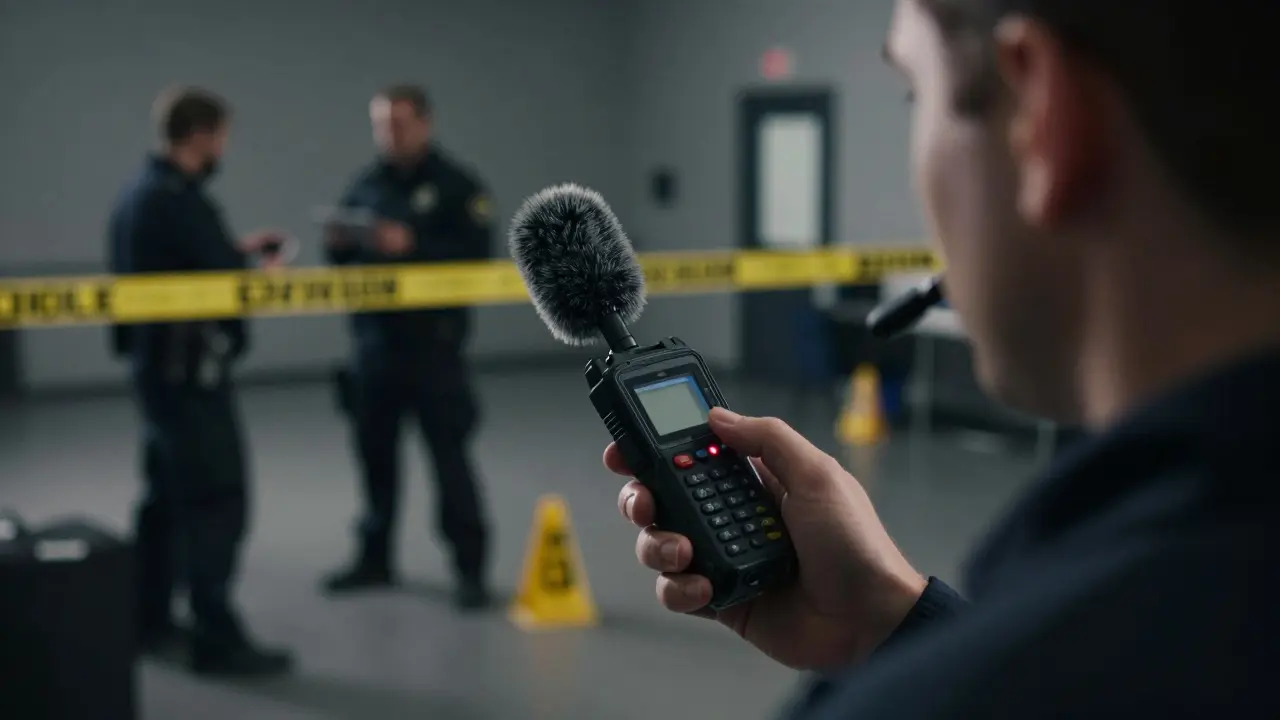
Even seasoned investigators make mistakes during walkthroughs. The most common error is narrating after the fact. If you pick up a shell casing and then start talking, you've lost the moment of discovery. Start recording before you touch anything. Let the microphone capture the ambient noise of the scene-the hum of a refrigerator, distant sirens, or wind. These background sounds provide context that pure visual data lacks.
Another trap is jargon overload. While you are speaking to fellow professionals, remember that this recording may be played for laypeople. Instead of saying, "We are performing a serological analysis on the hemoglobin,