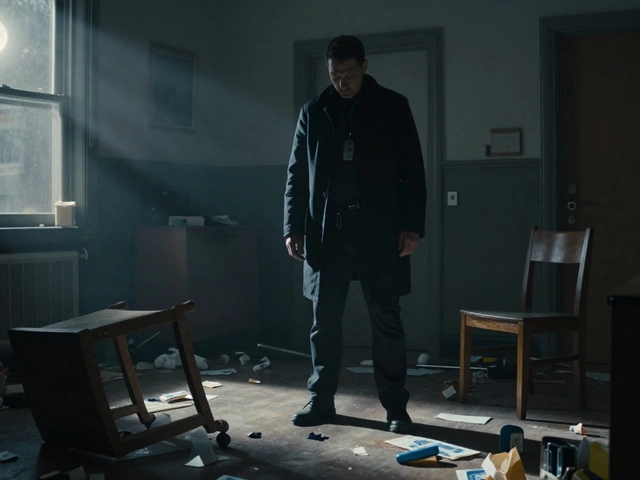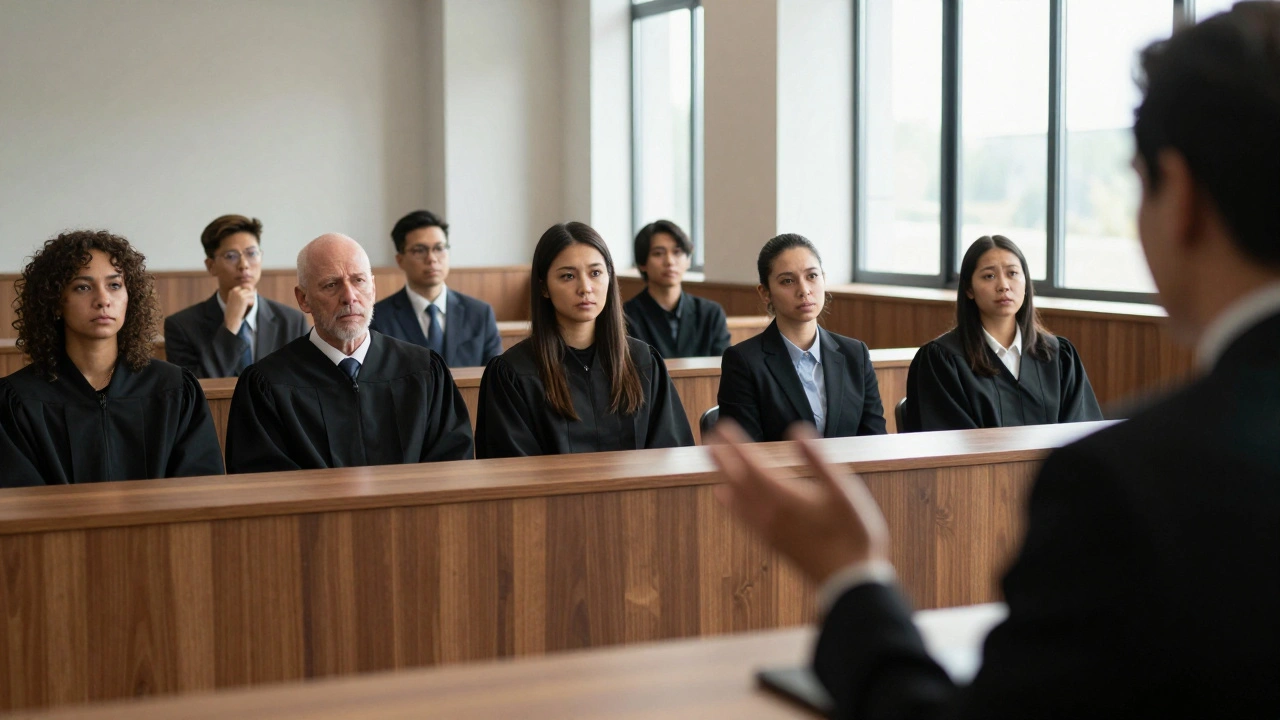
Imagine walking into a courtroom where the defendant's life depends not just on what happened, but on who is sitting in the jury box. In a murder trial, the battle often begins long before the first witness speaks. It starts with the selection of twelve strangers who must weigh complex scientific data against human testimony. The real challenge? Not every juror views a DNA swab or a fingerprint the same way. Some expect a "smoking gun" in every case, while others trust a police officer's word over a lab report. This psychological tug-of-war makes jury selection the most pivotal phase of a homicide trial.
When lawyers are picking a jury, they aren't just looking for honest people; they are looking for specific mental frameworks. They need to know if a potential juror will be dazzled by a flashy forensic presentation or if they'll be skeptical of a lab result that seems too perfect. Because forensic science is often seen as the "gold standard" of proof, the way a jury perceives this evidence can either seal a conviction or lead to an acquittal.
The Screening Process: Finding the Right Mindset
The process starts with a random pool from voter registrations or driver's license lists, but it quickly becomes a strategic exercise called Voir Dire is a rigorous screening process where attorneys question potential jurors to uncover hidden biases, personal experiences, or preconceived notions that could compromise a fair trial . Think of it as a high-stakes interview where the goal is to filter out anyone who can't be impartial.
Prosecutors and defense attorneys have completely different goals during this phase:
- The Prosecution: They want jurors who have a strong, unwavering belief in the justice system and are likely to convict if the evidence seems solid. They look for people who value order and law.
- The Defense: They search for the "skeptics." They want jurors who are open-minded, willing to challenge the government's narrative, and capable of seeing the human side of the defendant-the mitigating factors that might explain why a crime happened.
If a potential juror mentions they've watched a lot of true crime or worked in a medical field, both sides perk up. A nurse might understand blood spatter patterns better than most, but they might also be more critical of a flawed autopsy report. This is where the intersection of professional background and forensic perception becomes critical.
The Forensic Hierarchy: What Jurors Actually Value
Not all evidence is created equal in the eyes of a jury. There is a clear hierarchy of what people trust most when deciding if someone committed a murder. If a prosecutor has DNA evidence but lacks an eyewitness, they are often in a stronger position than if they have ten witnesses but no physical proof.
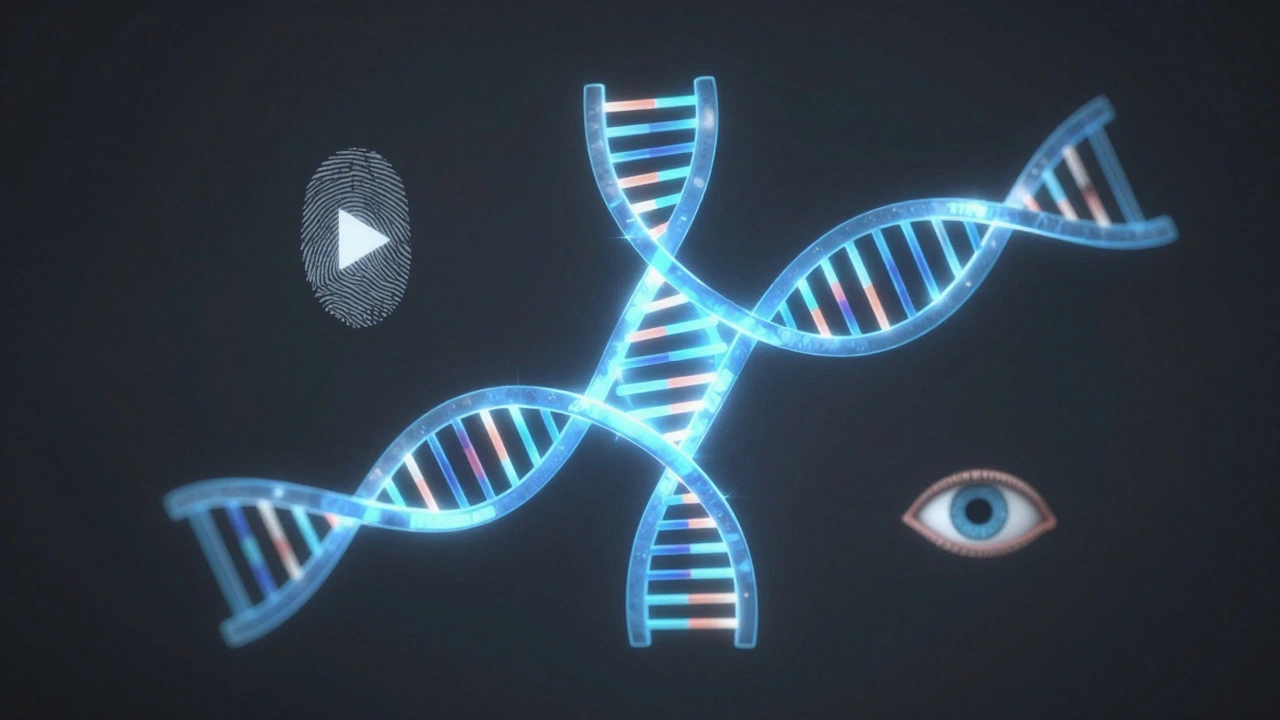
Based on data from mock juror studies, there is a distinct ranking of evidence importance. While different methods of testing show slight variations, DNA Evidence is the most trusted form of biological identification used to link a suspect to a crime scene or victim with high statistical certainty consistently takes the top spot. It is the "holy grail" of the courtroom.
| Evidence Type | Typical Rank | Juror Perception Value |
|---|---|---|
| DNA Evidence | 1 | Extremely High |
| Fingerprints | 2-3 | High |
| Video Confessions | 2-4 | High/Emotional |
| Eyewitness Testimony | 3-5 | Moderate (Variable) |
| Forensic Expert Testimony | 5-10 | Technical/Supporting |
Interestingly, while Fingerprints are viewed as highly reliable, a Video Confession often carries an emotional weight that can override technical data. A jury might see a DNA match as a fact, but they see a confession as a "truth." This is why lawyers fight so hard over which pieces of evidence are admitted; they know exactly how the jury will weigh them in their minds.
Battling the "CSI Effect"
We've all seen those shows where a technician runs a sample through a machine and gets a perfect match in thirty seconds. In the real world, forensic science is slower, messier, and often inconclusive. This gap between television and reality has created the CSI Effect, which is a phenomenon where jurors develop unrealistic expectations of forensic science, leading them to demand high-tech evidence even when it's not relevant to the crime .
This effect creates a dangerous pro-defense bias. Jurors may find themselves thinking, "If the police didn't find DNA on the door handle, the defendant couldn't have been there," even if there are five eyewitnesses who saw the crime happen. They aren't looking for the truth; they are looking for the "science" they saw on TV.
To counter this, some legal teams use specialized tools during jury selection. For example, researchers like Smith and Bull developed a specific scale to measure forensic evidence bias. By asking targeted questions, lawyers can identify jurors who are "addicted" to forensic proof and either strike them from the jury or prepare the judge to give a cautionary instruction about the limits of science.
The Role of the Forensic Expert
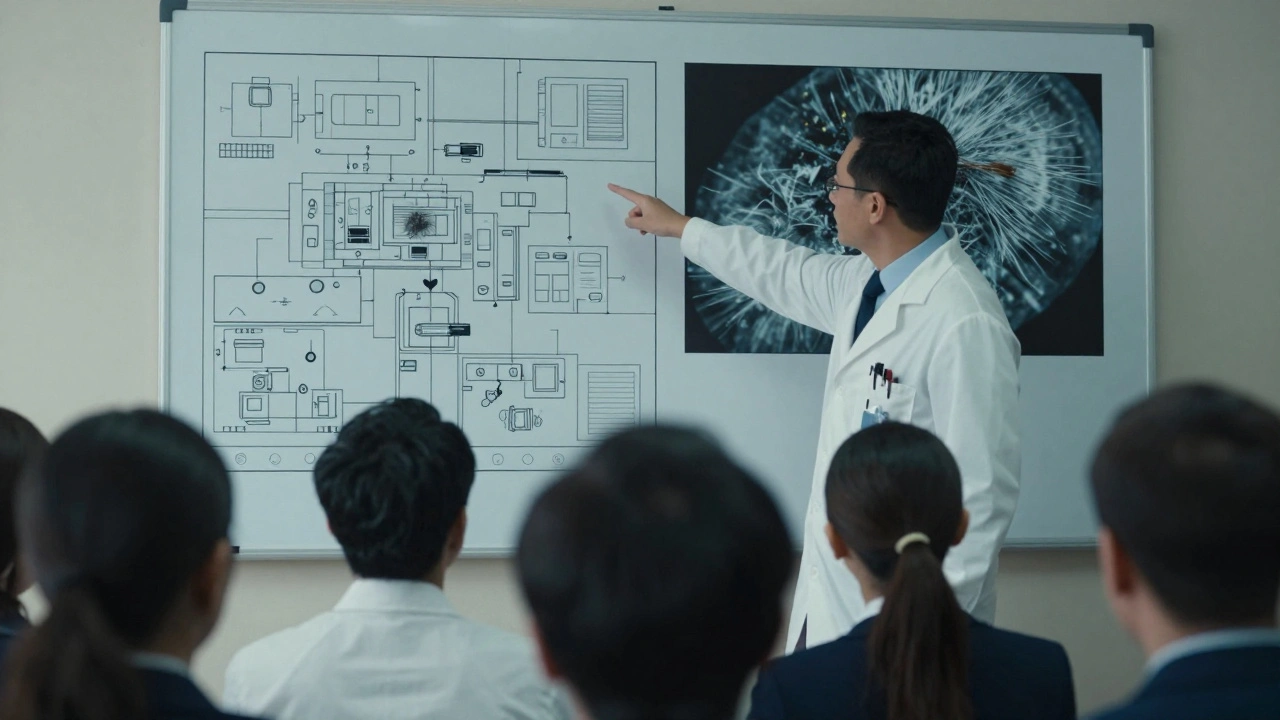
When a case goes to trial, the Forensic Expert becomes a central figure. These are the professionals who translate complex data-like toxicology reports or ballistic trajectories-into a language a regular person can understand. However, the expert's impact depends entirely on the jury's trust in the system.
Commonly presented evidence in over 50% of homicide trials includes:
- Crime-scene photographs and diagrams of injuries.
- Testimony from police officers and forensic specialists.
- Physical weapons and fingerprints.
- Audio and video recordings of confessions.
The expert's job isn't just to present the facts; it's to manage the jury's expectations. If an expert is too arrogant, they may alienate jurors. If they are too vague, the jury may feel the evidence is "weak." The goal is to bridge the gap between the laboratory and the jury box, ensuring that the technical values of the evidence are understood without being misinterpreted.
Ensuring Impartiality in a Media Age
In high-profile murder cases, the courtroom is rarely the first place a juror hears about the crime. Social media and news cycles often leak details about the evidence before the trial even begins. This makes the requirement for impartiality-the ability to judge a case solely on the evidence presented in court-nearly impossible to achieve.
Jurors are asked to set aside their personal beliefs and the noise of the internet. They are tasked with determining if the prosecution has proven guilt Beyond a Reasonable Doubt, which is the highest legal standard of proof, requiring that there be no other logical explanation that can be derived from the facts except that the defendant committed the crime . If a juror has already decided the defendant is guilty because of a viral TikTok video, they cannot fulfill this duty.
Lawyers spend hours scrubbing the jury pool for these "contaminated" jurors. They look for people who can honestly say, "I've seen the headlines, but I'm willing to ignore them and only trust what I see in this room." This mental discipline is the only thing standing between a fair trial and a public lynching by opinion.
Why is DNA evidence ranked higher than eyewitnesses?
Jurors generally perceive biological evidence as objective and scientific, whereas eyewitness testimony is seen as subjective and prone to human error, such as memory fade or misidentification. DNA provides a statistical certainty that a human witness simply cannot offer.
How does the CSI Effect actually change a verdict?
It often leads to acquittals in cases that have strong circumstantial or eyewitness evidence but lack high-tech forensic proof. Jurors may feel that "something is missing" if there is no DNA or fingerprint evidence, even if the other evidence is overwhelming.
What happens if a juror cannot be impartial during voir dire?
The attorney can use a "challenge for cause" to remove the juror if they show clear bias. Alternatively, they can use a "peremptory challenge" to remove a juror without providing a specific reason, as long as it doesn't violate constitutional rules against discrimination.
Are video confessions always more powerful than physical evidence?
Not necessarily. While they have huge emotional impact, defense attorneys often attack confessions by claiming they were coerced or forced. A physical piece of DNA evidence is harder to "explain away" than a confession.
Does a juror's professional background influence their view of forensics?
Yes. A person with a background in science or law enforcement may be more critical of how evidence was collected (chain of custody) or may have a higher trust in lab results than someone without that training.
Next Steps for Legal Professionals
If you are preparing for a trial, your focus should be on the psychological profile of your jury. Don't just present your evidence; present it in a way that addresses the specific biases of the people listening. For the prosecution, this means managing the CSI Effect by explaining why certain evidence isn't present. For the defense, it means highlighting the gaps in the scientific process to create that crucial "reasonable doubt."