Category: Forensics - Page 17
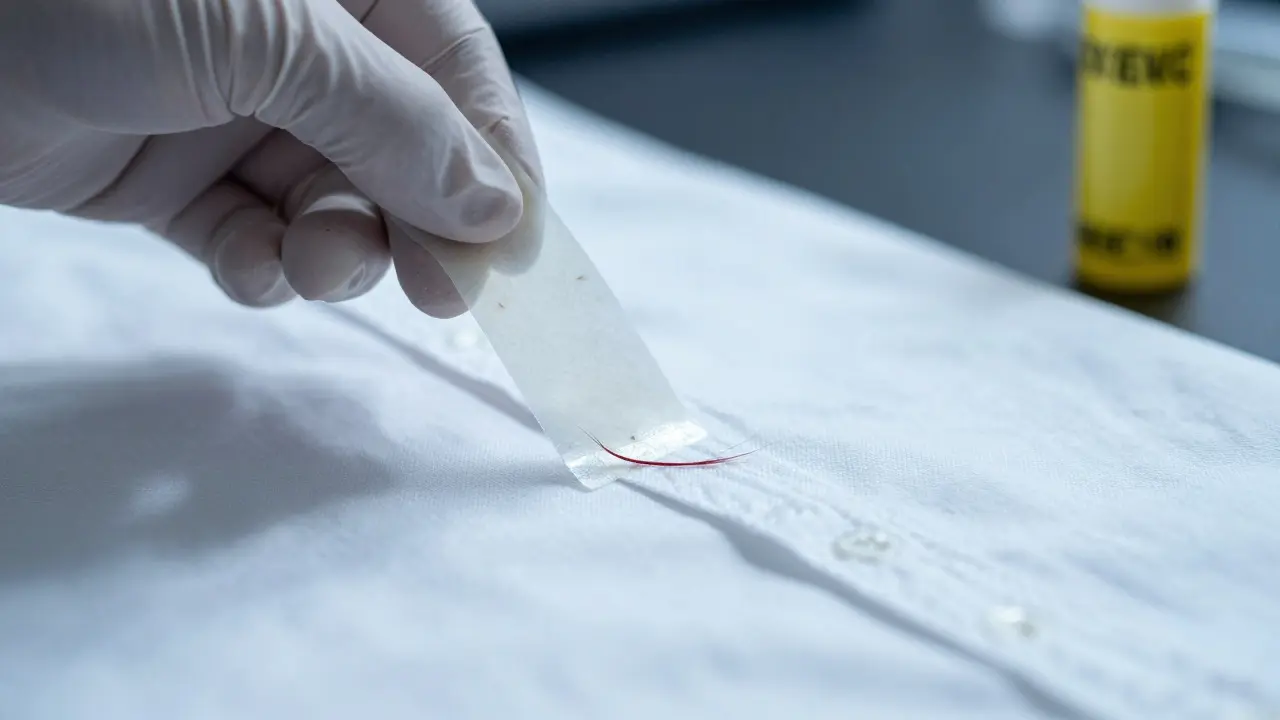
Trace Evidence: What It Is, How It Works, and Why It Matters in Forensics
- By : Ian Brophy
- Date : Aug 17 2026
Discover what trace evidence is and how it solves crimes. Learn about fiber, glass, and soil analysis, plus the key techniques used in forensic labs.
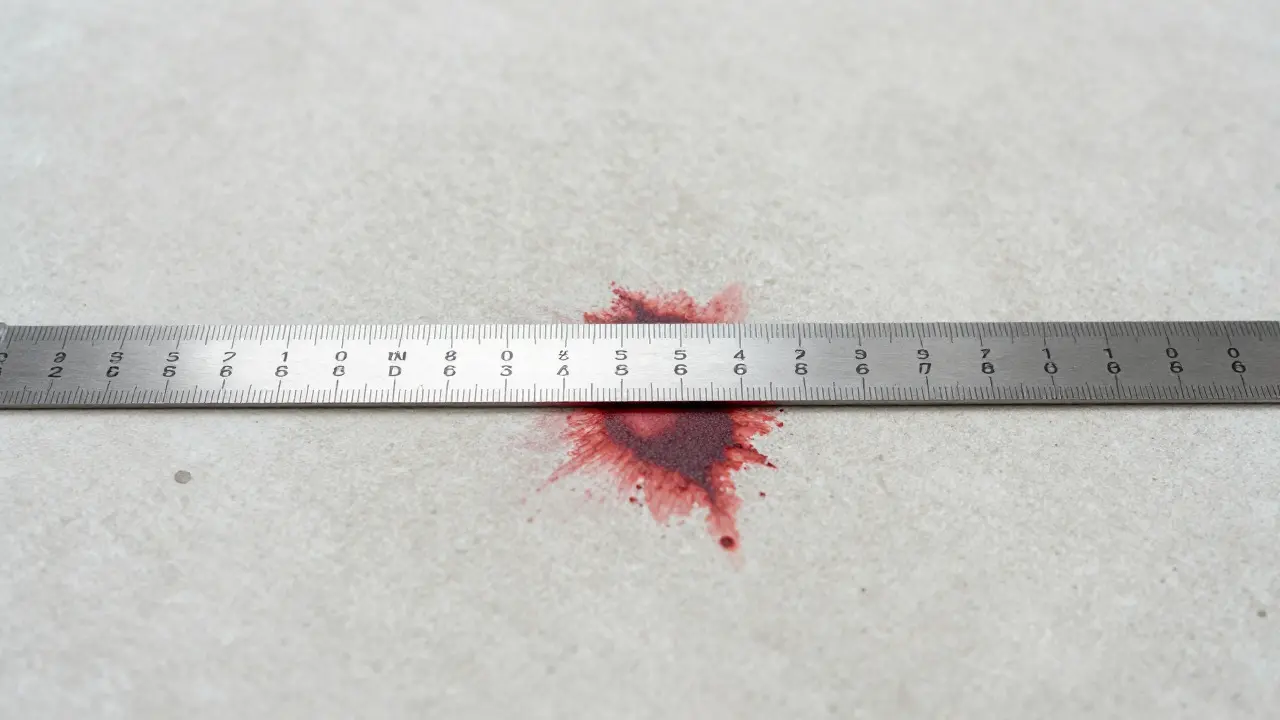
Photography Scale and Measurement: Legal Requirements for Crime Scenes
- By : Ian Brophy
- Date : Aug 17 2026
Learn the legal requirements for using scales in forensic photography. Discover how to choose the right tools, avoid common pitfalls, and ensure your photos hold up in court.
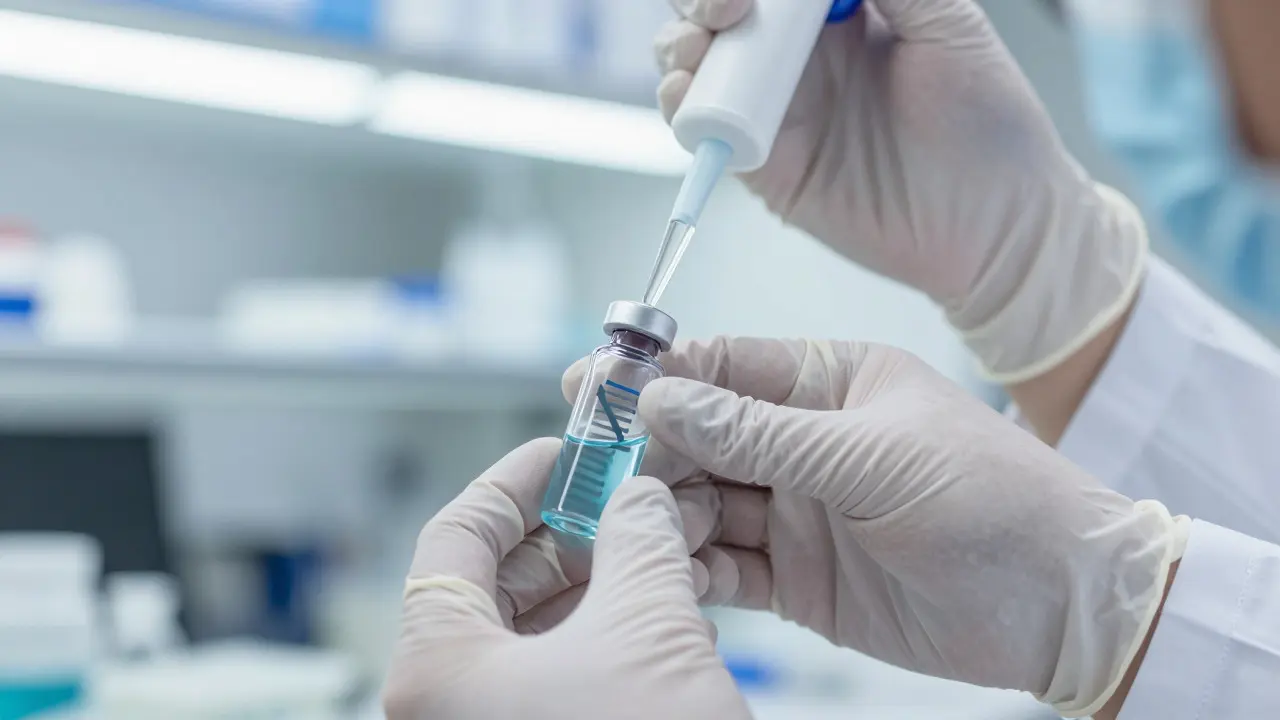
DNA Extraction Kits: Validation Protocols and Performance Benchmarks for Forensic Labs
- By : Ian Brophy
- Date : Aug 17 2026
A detailed guide on validating DNA extraction kits for forensic labs, covering performance metrics, manual vs. automated comparisons, and handling difficult samples.
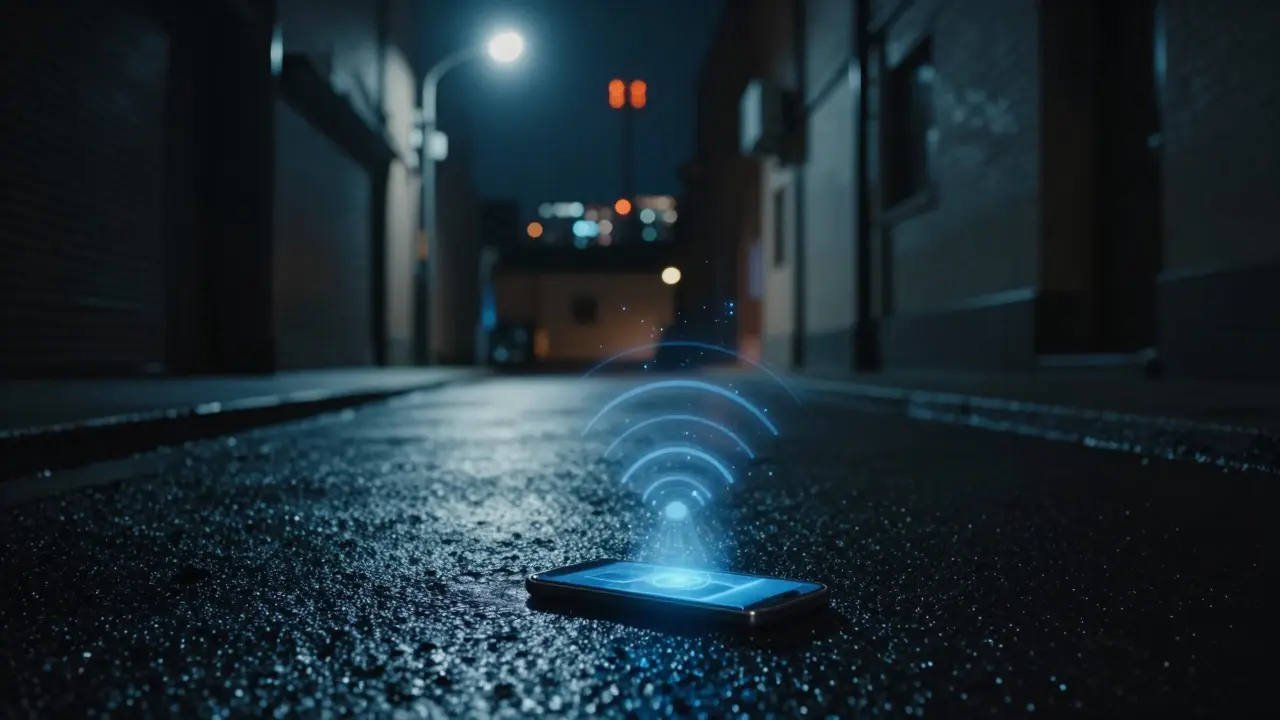
Cell-Site Location Data: Homicide Movement Analysis
- By : Ian Brophy
- Date : Aug 17 2026
Learn how to use cell-site location data to analyze suspect movement in homicide cases. Covers data types, legal requirements, analysis techniques, and courtroom presentation tips for investigators.
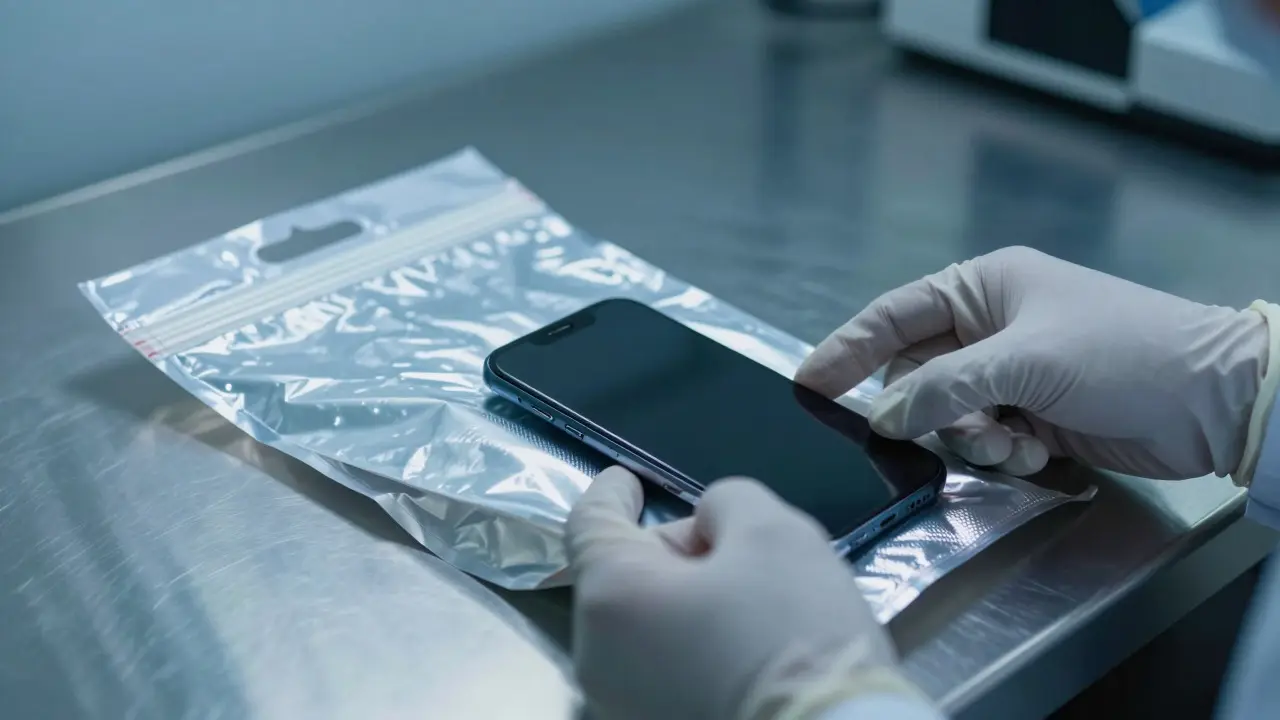
Electronics as Evidence: Anti-Static and Faraday Packaging Guide
- By : Ian Brophy
- Date : Aug 17 2026
Learn how to properly package electronic evidence using anti-static bags and Faraday pouches to prevent data loss and signal interference.
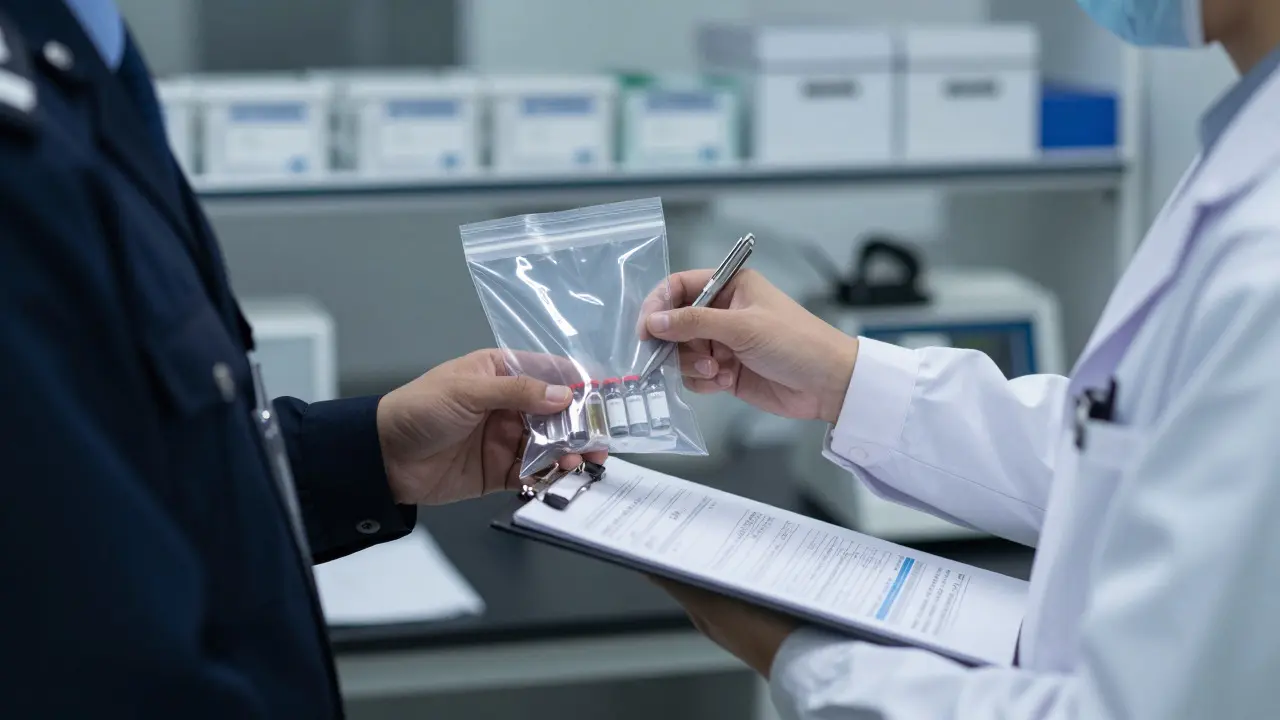
Evidence Transfer: Proper Procedures Between Handlers
- By : Ian Brophy
- Date : Aug 17 2026
Learn the proper procedures for evidence transfer to maintain an unbroken chain of custody. Covers documentation, container types, and how to handle breaks in the chain.
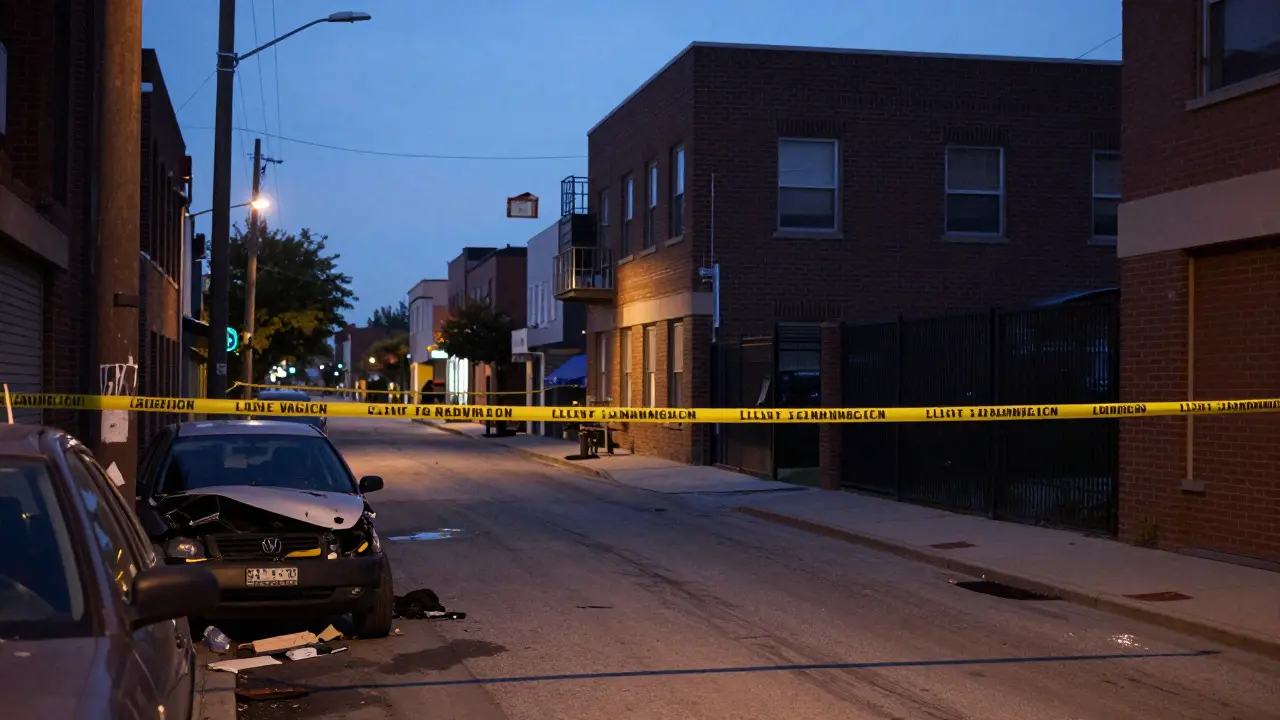
Long-Range, Medium-Range, and Close-Up Photography: A Guide to Scene Imaging
- By : Ian Brophy
- Date : Aug 17 2026
Learn how to master long-range, medium-range, and close-up photography for effective scene imaging. Discover technical tips, equipment needs, and common pitfalls to avoid.
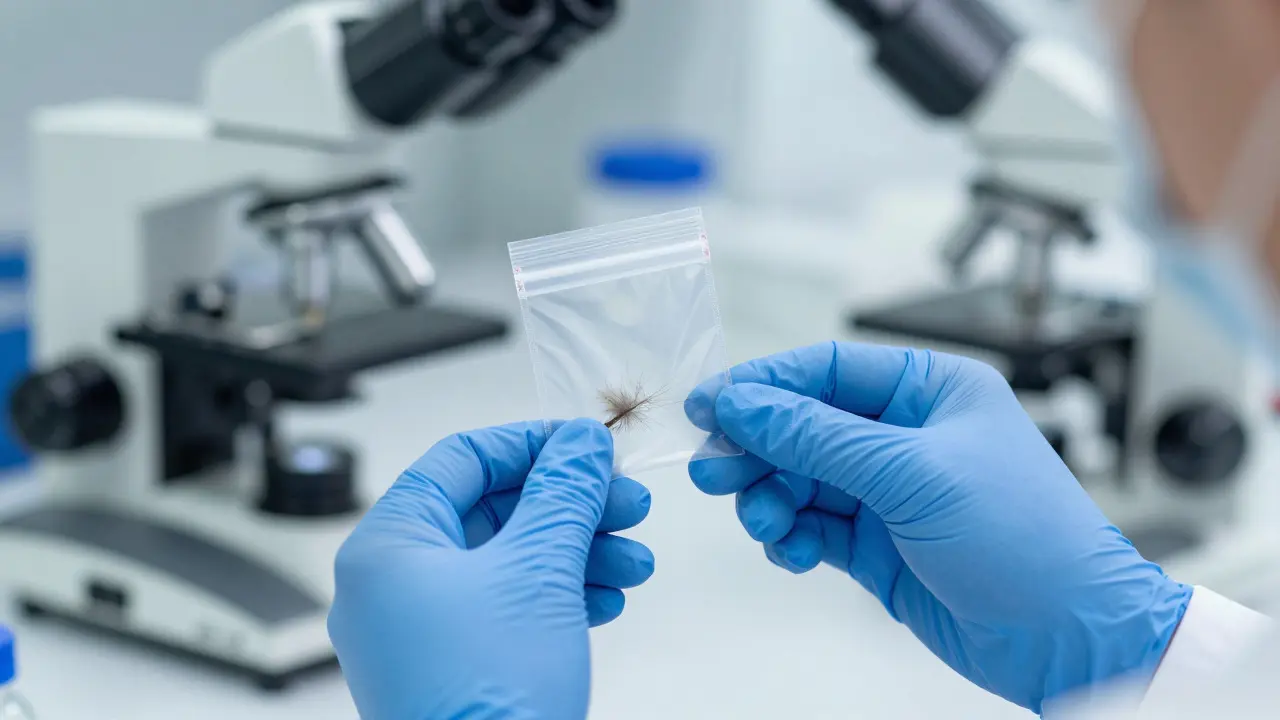
Forensic Science Salary Guide: Average Pay, Specialties & Career Growth
- By : Ian Brophy
- Date : Aug 17 2026
Explore detailed forensic science salary data for 2026. Compare pay by specialty, education level, and location to maximize your earnings in crime lab careers.
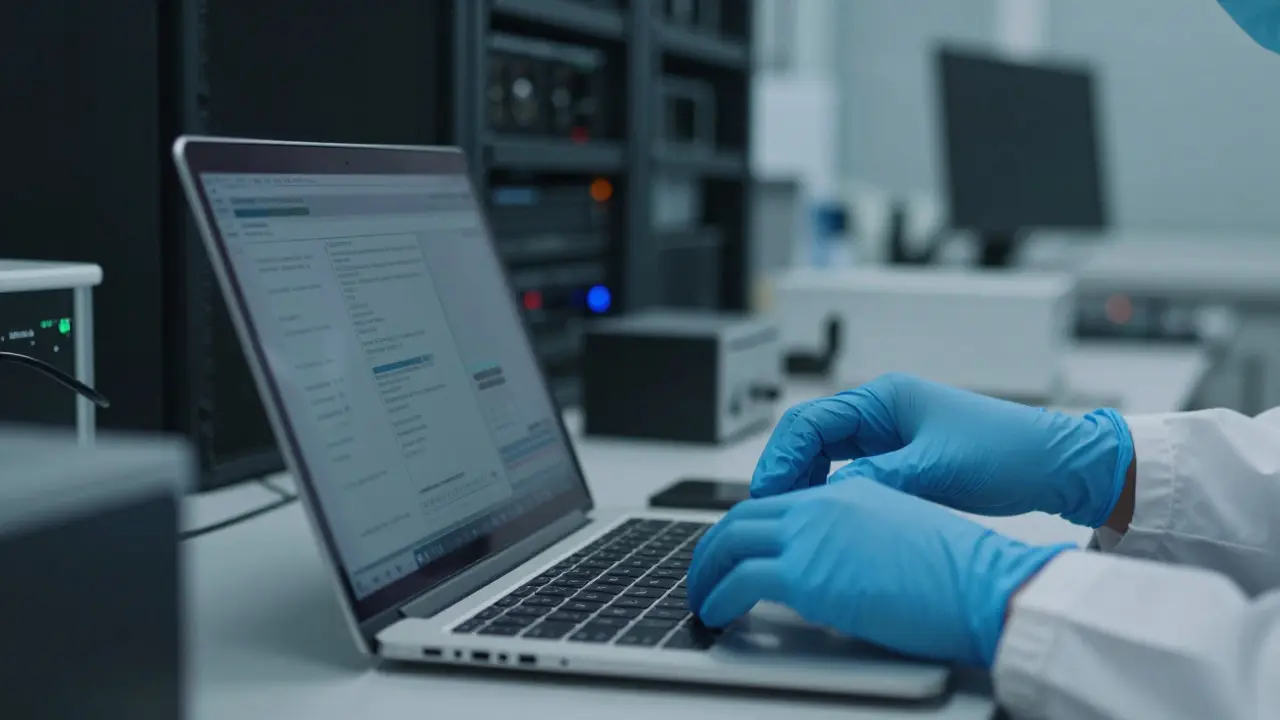
Digital Forensics Analyst: The Complete Career Guide for Computer Crime Specialists
- By : Ian Brophy
- Date : Aug 17 2026
Discover what a digital forensics analyst does, the skills needed, salary expectations, and how to break into the field of computer crime investigation in 2026.
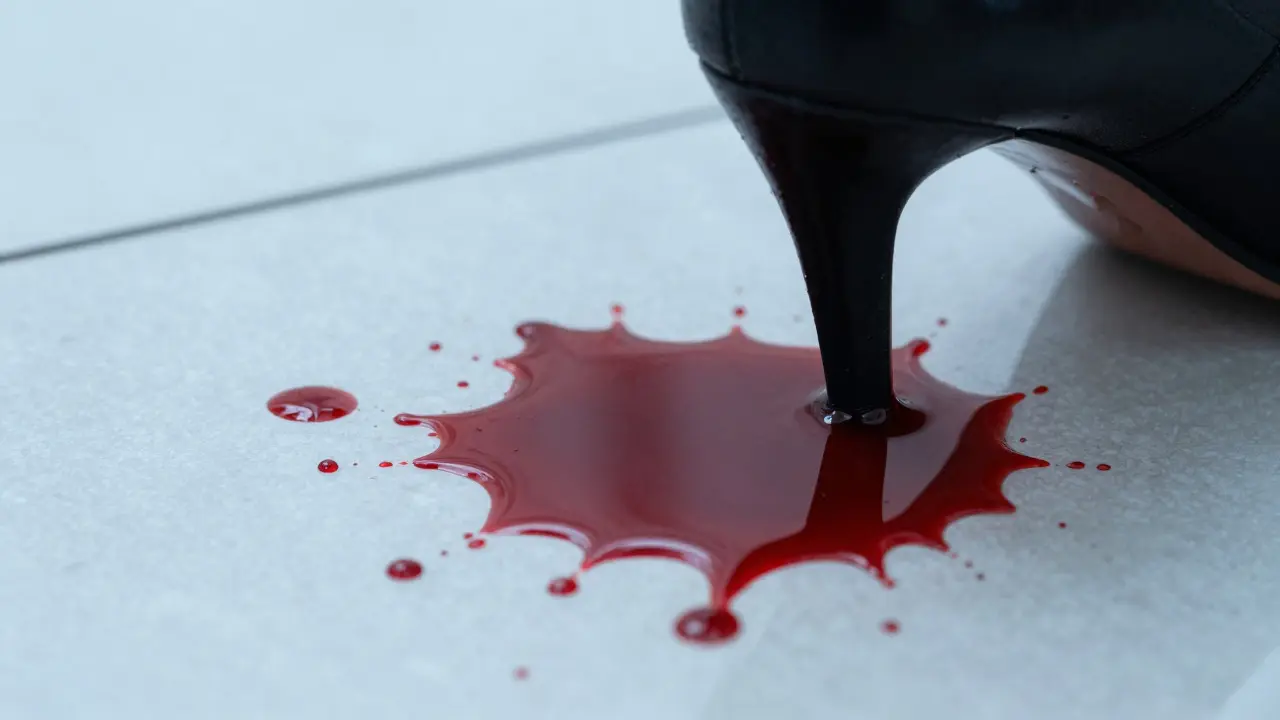
Satellite Stains: How Secondary Spatter Forms from Blood Pools
- By : Ian Brophy
- Date : Aug 17 2026
Learn how satellite stains form from secondary spatter in blood pools. Understand their role in forensic investigations and how to distinguish them from other bloodstain patterns.
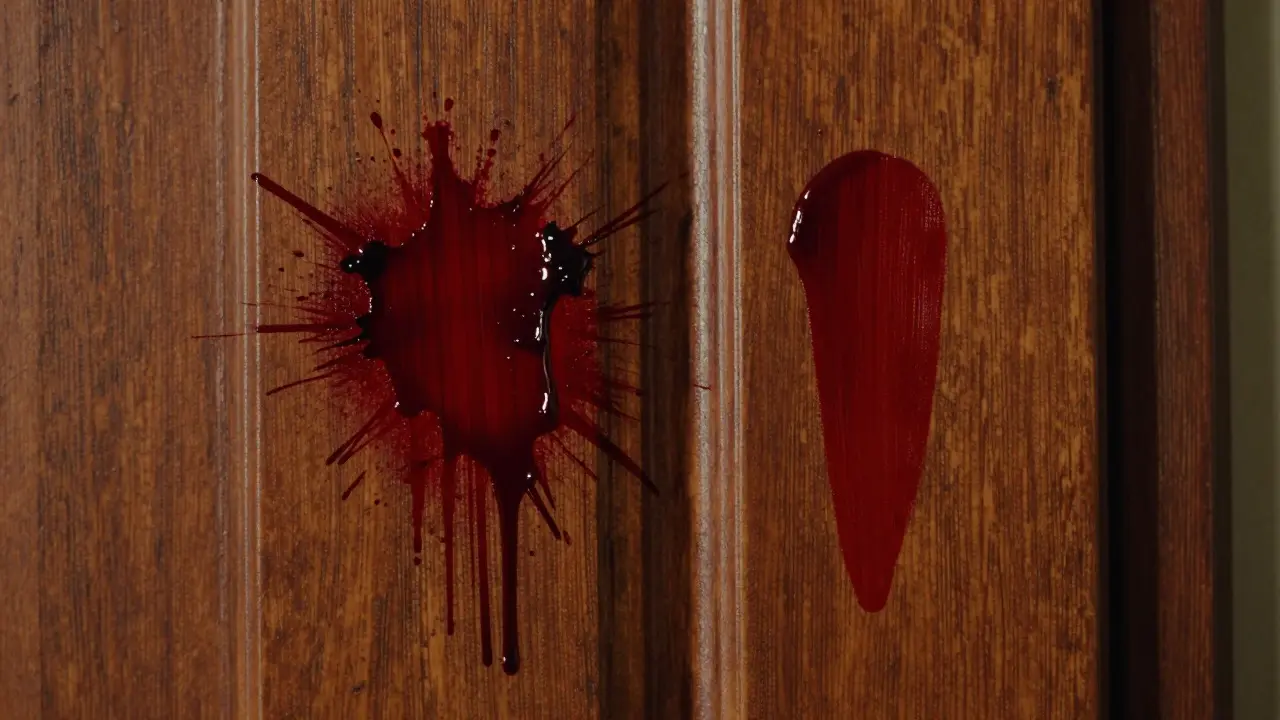
Swipes vs. Wipes: Bloodstain Pattern Terminology Explained
- By : Ian Brophy
- Date : Aug 17 2026
Learn the critical difference between swipe and wipe bloodstains. Understand how precise terminology impacts crime scene reconstruction and courtroom testimony.
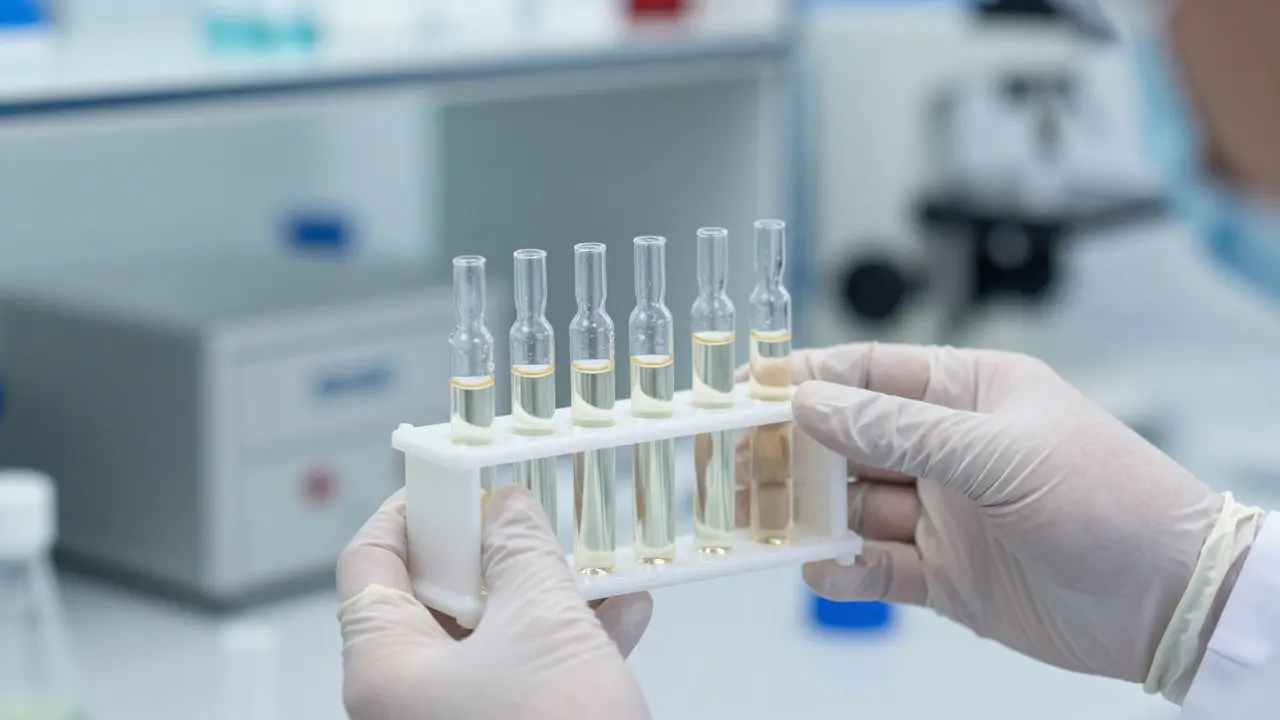
Marijuana Testing: How THC Is Detected and Quantified in Forensic Labs
- By : Ian Brophy
- Date : Aug 17 2026
Explore how forensic labs detect and quantify THC using GC-MS and immunoassays. Learn the differences between blood and urine testing, legal thresholds, and common pitfalls in cannabis toxicology.