Category: Forensics - Page 23
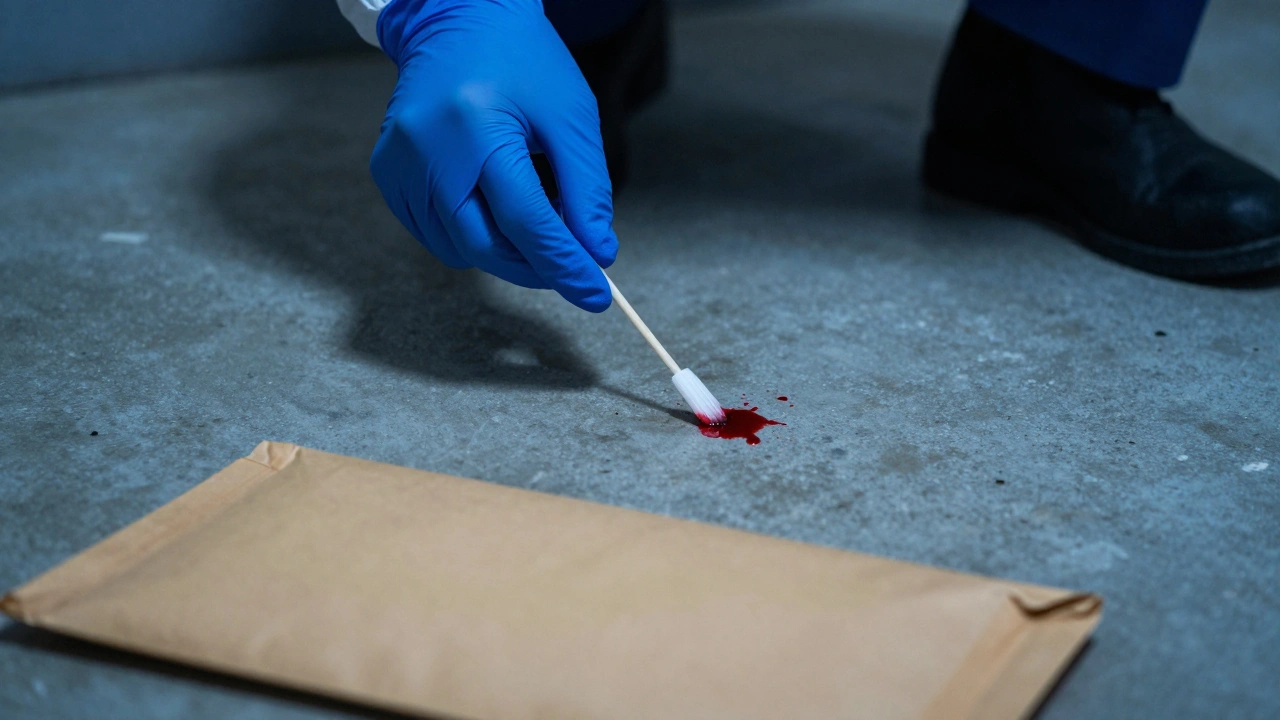
Liquid Evidence: Collection and Storage Best Practices
- By : Ian Brophy
- Date : May 18 2026
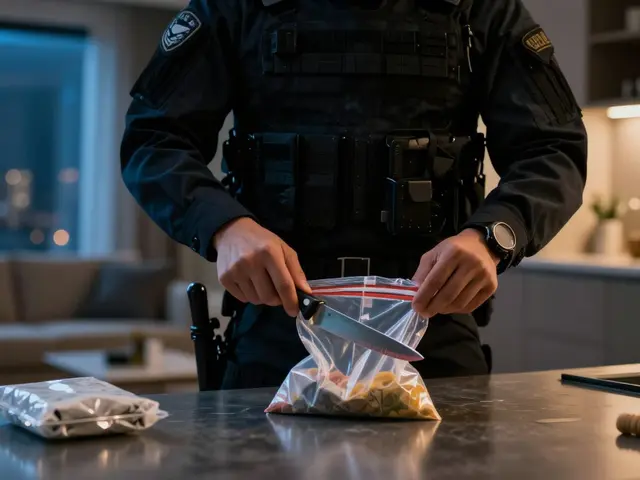
Learn best practices for collecting and storing liquid evidence, including biological fluids, ignitable liquids, and toxicology samples. Avoid common mistakes like using plastic for wet DNA evidence.
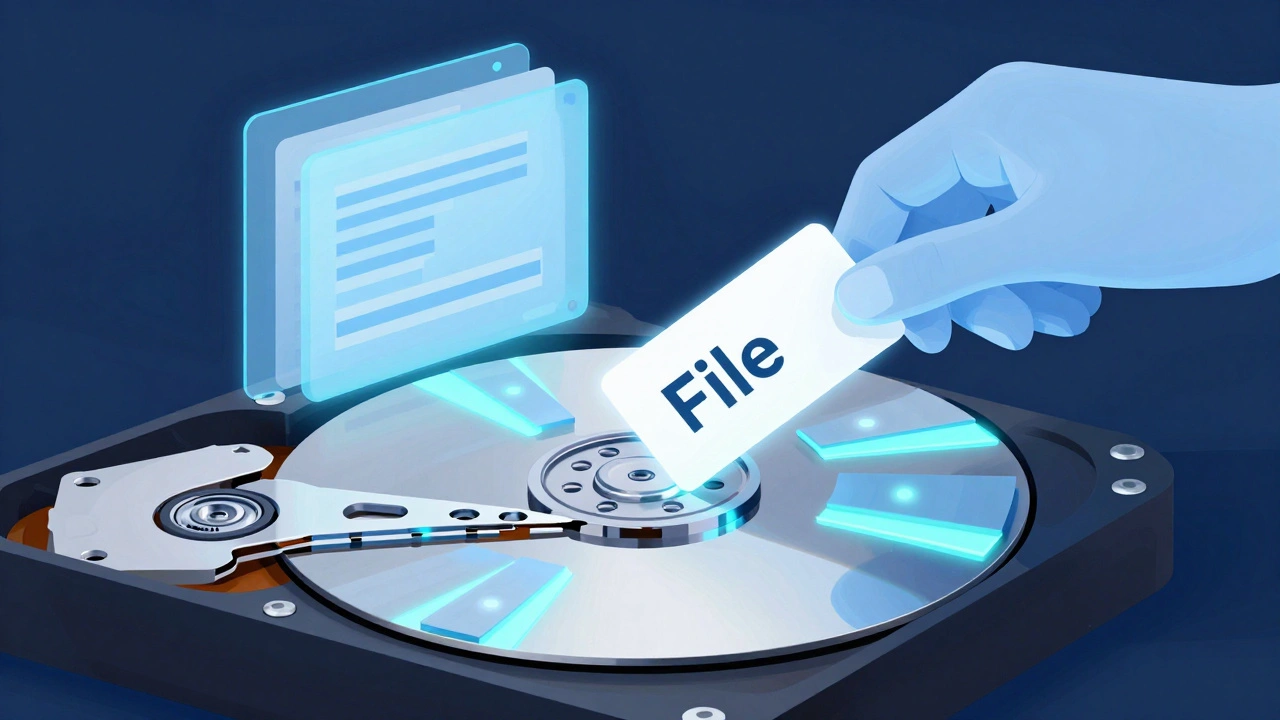
Data Recovery: How to Retrieve Deleted Files and Secure Information
- By : Ian Brophy
- Date : May 18 2026
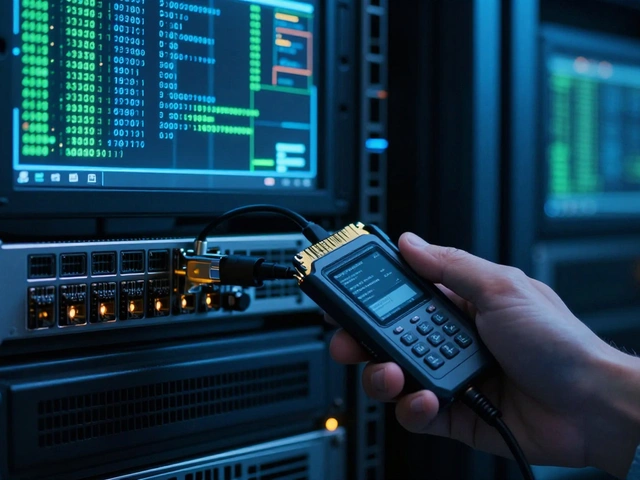
Learn how data recovery works, from retrieving deleted files on HDDs to the challenges posed by SSD TRIM commands. Understand logical vs. physical recovery and secure deletion standards.
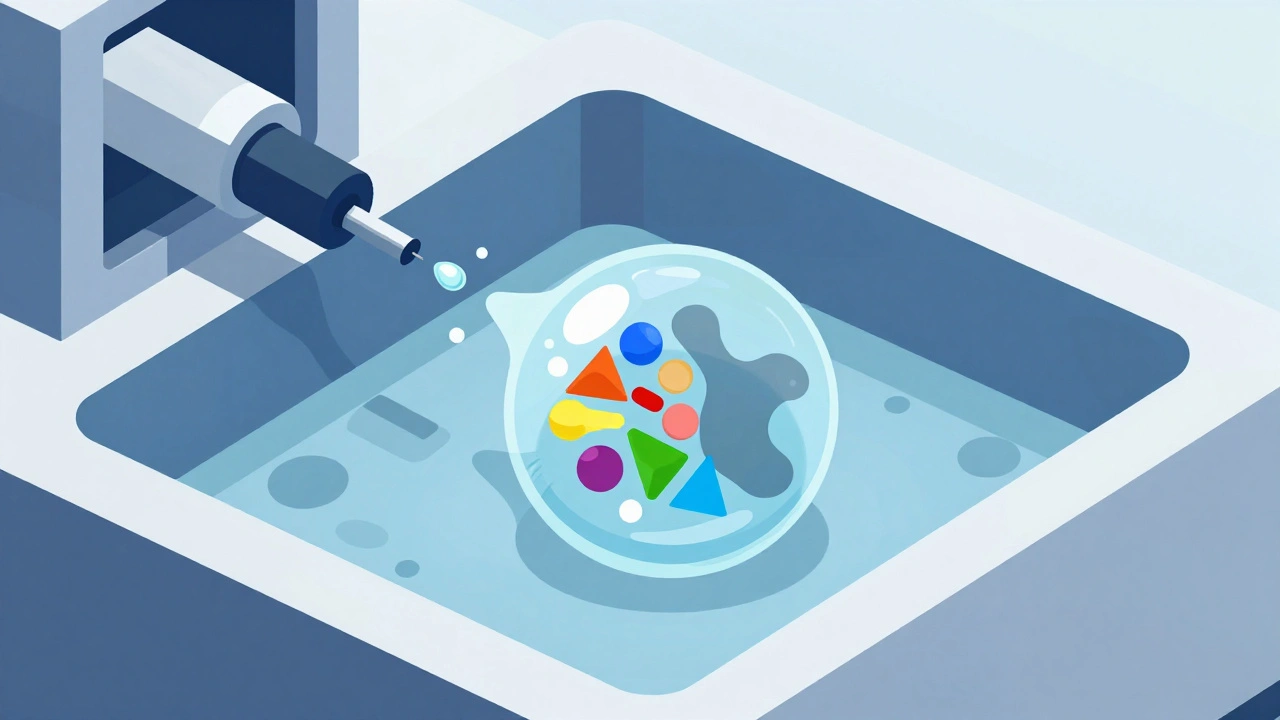
Matrix Effects in Toxicology: Overcoming Ion Suppression in LC-MS/MS
- By : Ian Brophy
- Date : May 17 2026
Explore the causes and solutions for ion suppression in LC-MS/MS toxicology. Learn how matrix effects impact accuracy and strategies like SPE, chromatography optimization, and internal standards to overcome them.
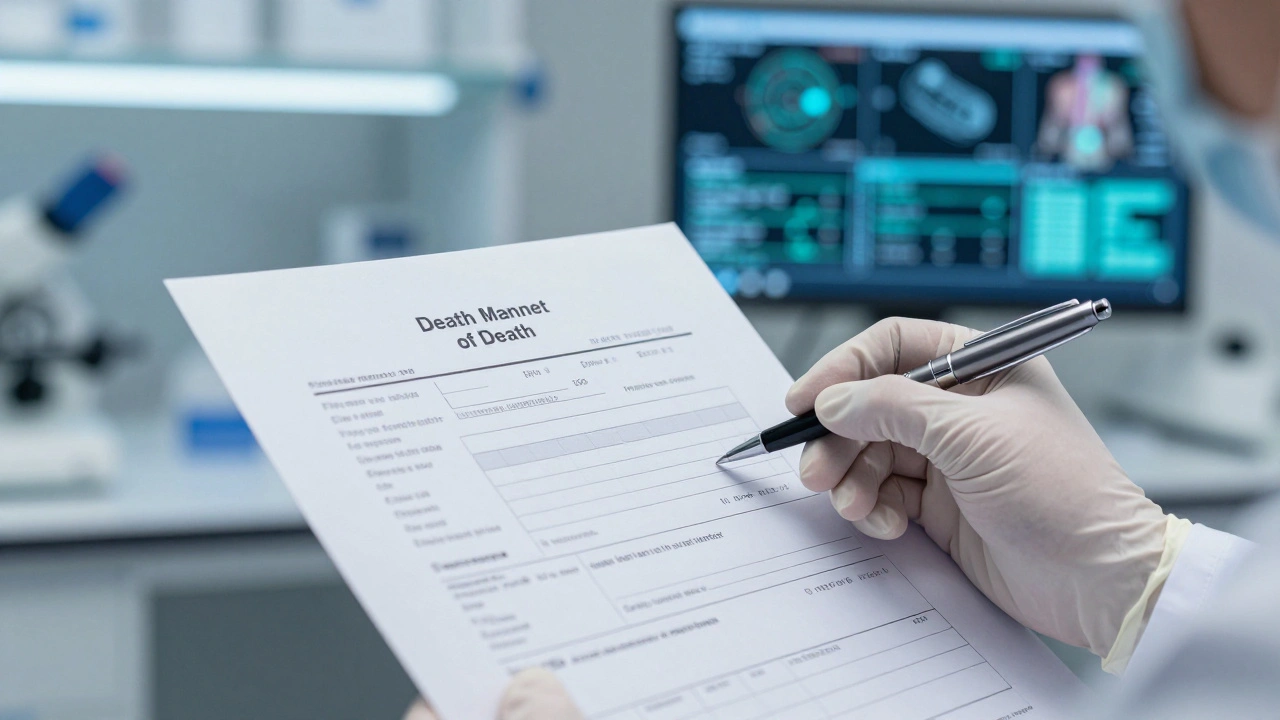
Manner of Death: Natural, Accidental, Suicidal, or Homicidal Explained
- By : Ian Brophy
- Date : May 17 2026
Understand the five manners of death: natural, accidental, suicidal, homicidal, and undetermined. Learn how forensic pathologists distinguish cause from manner, why intent matters, and how these classifications impact public health and legal outcomes.
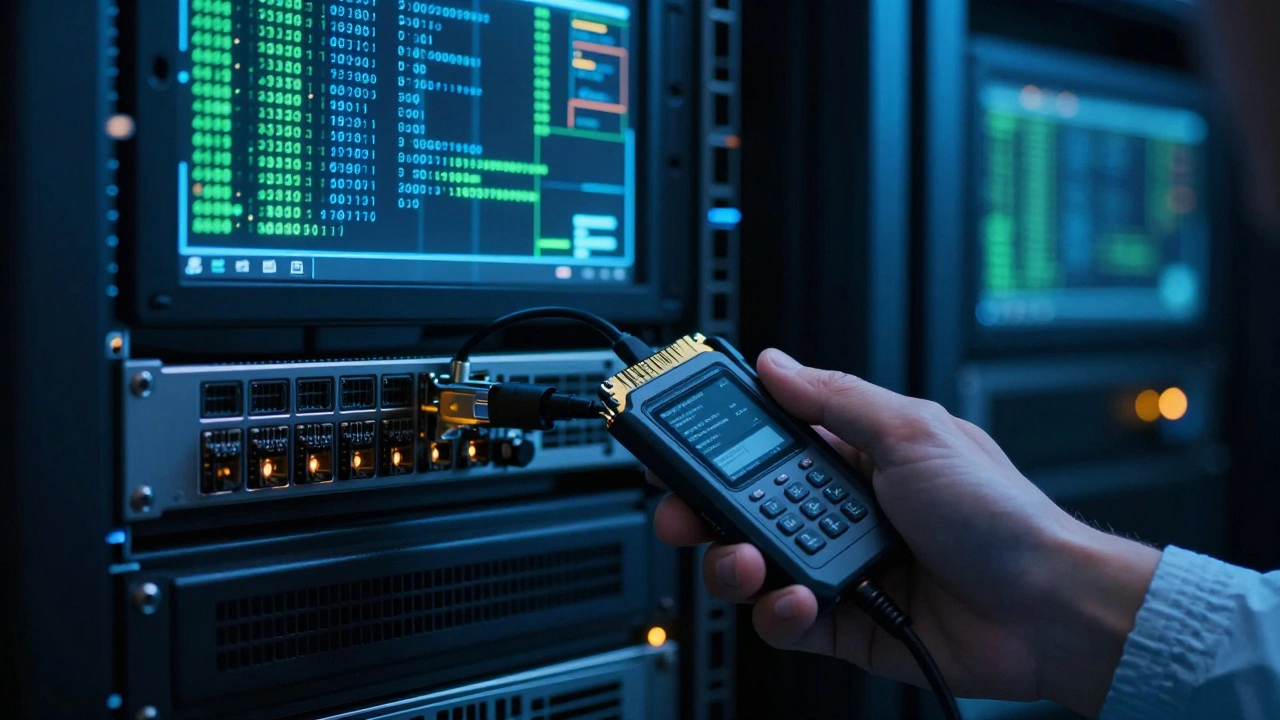
Ransomware Forensics Guide: Recovering Keys, Analyzing Notes, and Mapping Lateral Movement
- By : Ian Brophy
- Date : May 16 2026
A practical guide to ransomware forensics covering key recovery from memory, analyzing ransom notes for attribution, and mapping lateral movement using Windows logs and EDR tools.
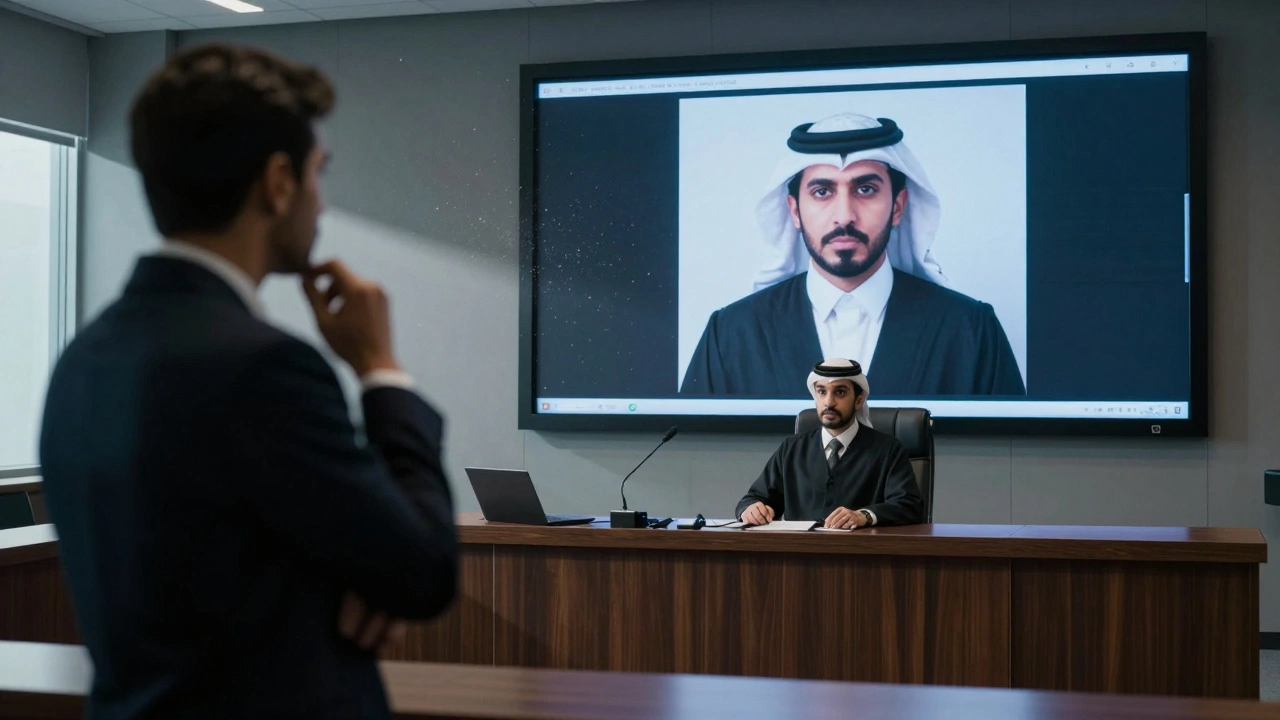
Digital Evidence: Proving Authenticity and Maintaining Chain of Custody
- By : Ian Brophy
- Date : May 16 2026
Learn how to prove digital evidence authenticity and maintain an unbroken chain of custody using cryptographic hashes, ISO standards, and legal best practices.
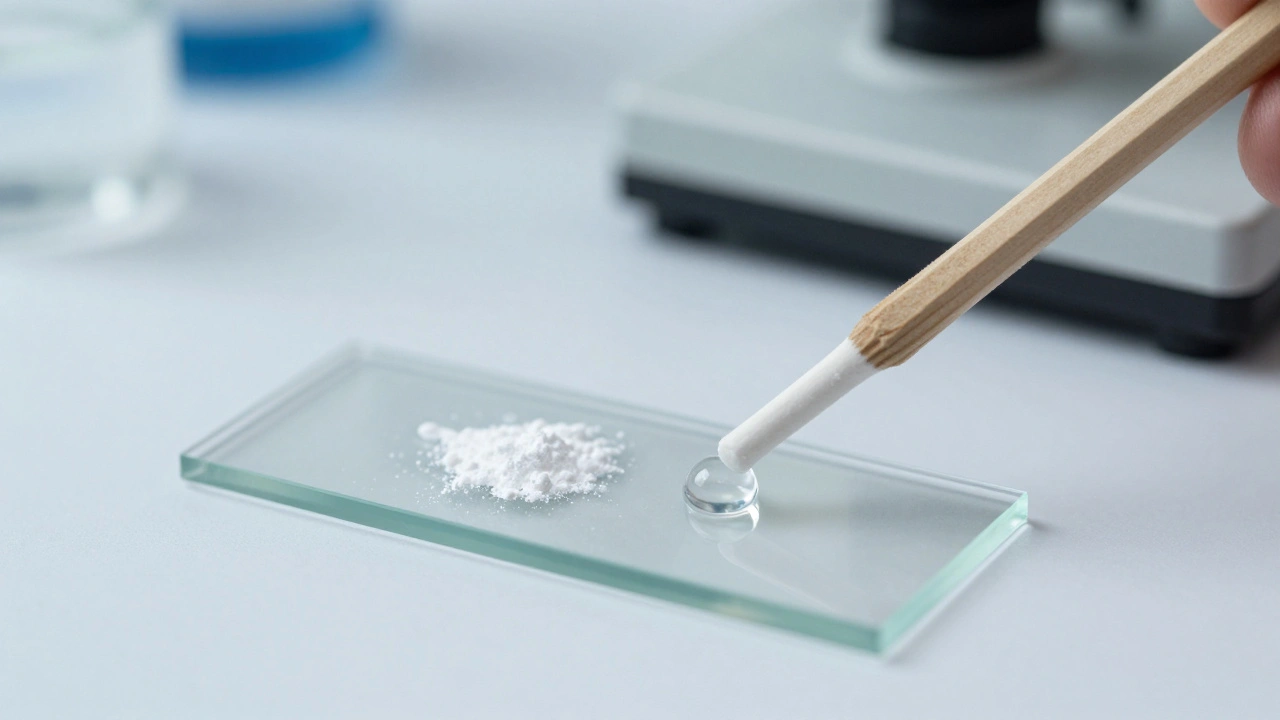
Microcrystalline Testing: The Fast, Cheap Way to ID Drugs Under a Microscope
- By : Ian Brophy
- Date : May 15 2026
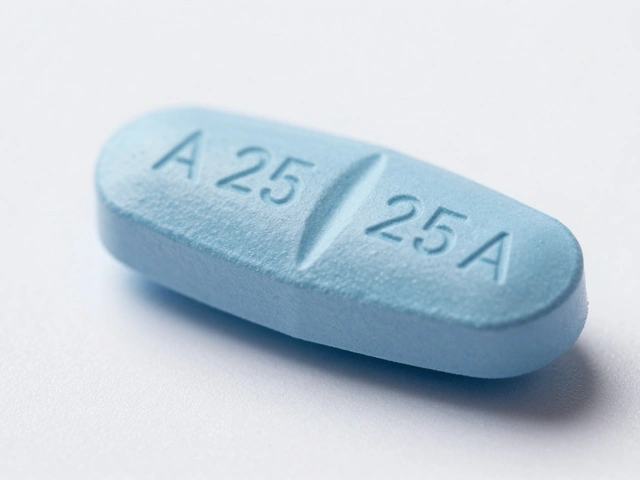
Discover how microcrystalline testing identifies drugs through unique crystal formations under a microscope. Learn the procedure, advantages, limitations, and its role in modern forensic workflows.
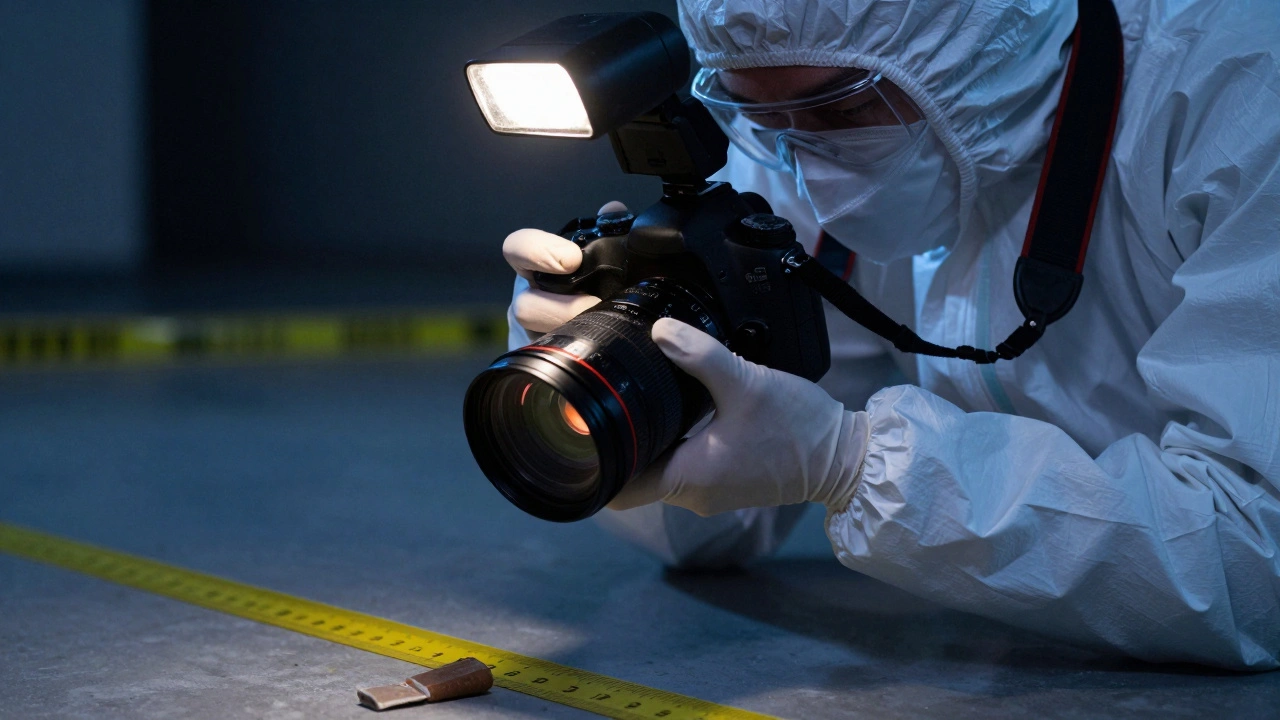
Photographic Log Maintenance: Required Documentation for Forensic Evidence
- By : Ian Brophy
- Date : May 15 2026
Master photographic log maintenance with essential documentation tips for forensic evidence. Learn required fields, digital vs paper benefits, and how to avoid common pitfalls that lead to evidence exclusion.
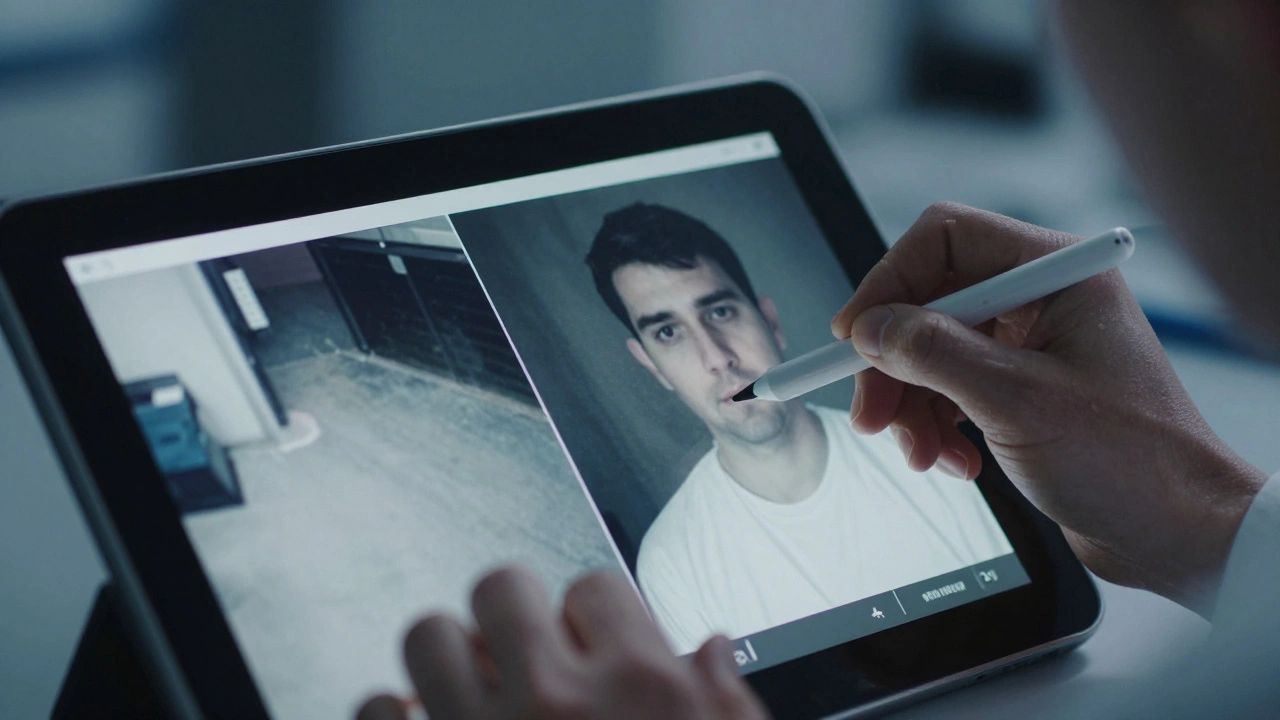
Photo Enhancement in Forensics: Legal Limits and Admissibility Rules
- By : Ian Brophy
- Date : May 15 2026
Explore the legal limits of forensic photo enhancement. Learn how to distinguish between admissible enhancement and illegal alteration, following ASTM E2825 standards and Daubert requirements for court evidence.
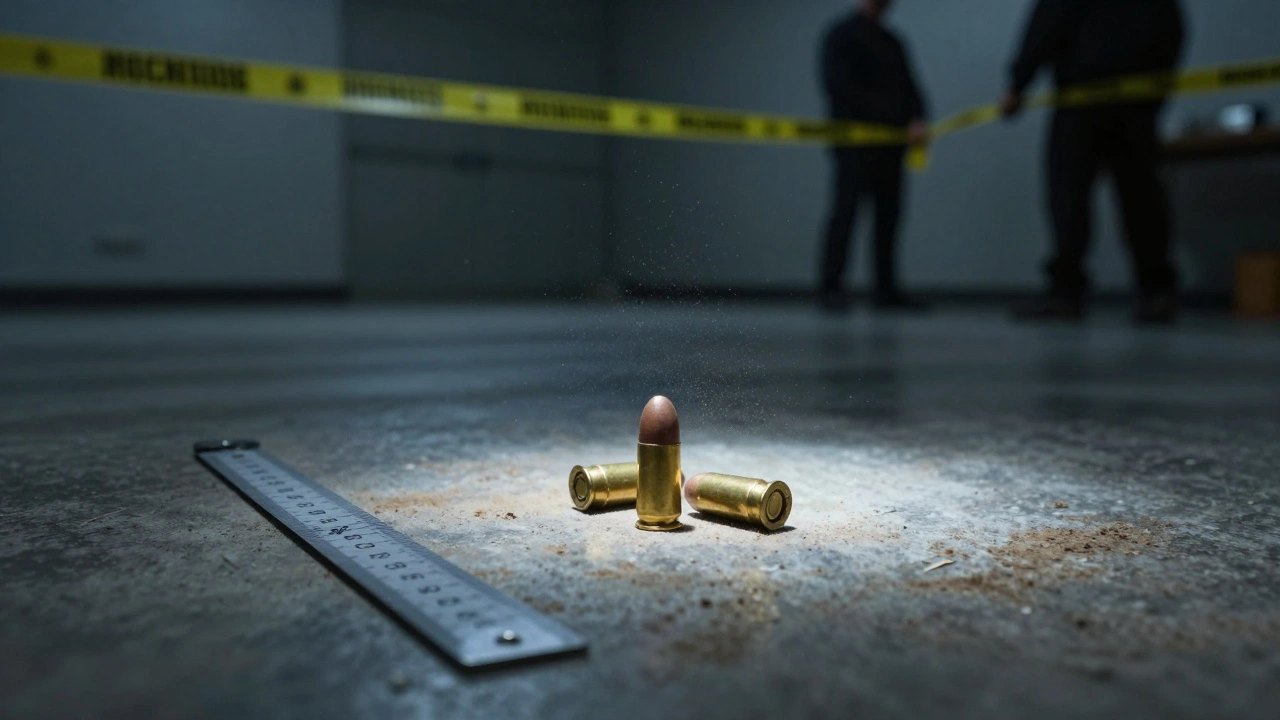
Shooting Scene Documentation: Cartridge and Bullet Mapping Guide
- By : Ian Brophy
- Date : May 14 2026
A comprehensive guide to shooting scene documentation, covering cartridge mapping, bullet trajectory reconstruction, and forensic standards based on NIST OSAC protocols.
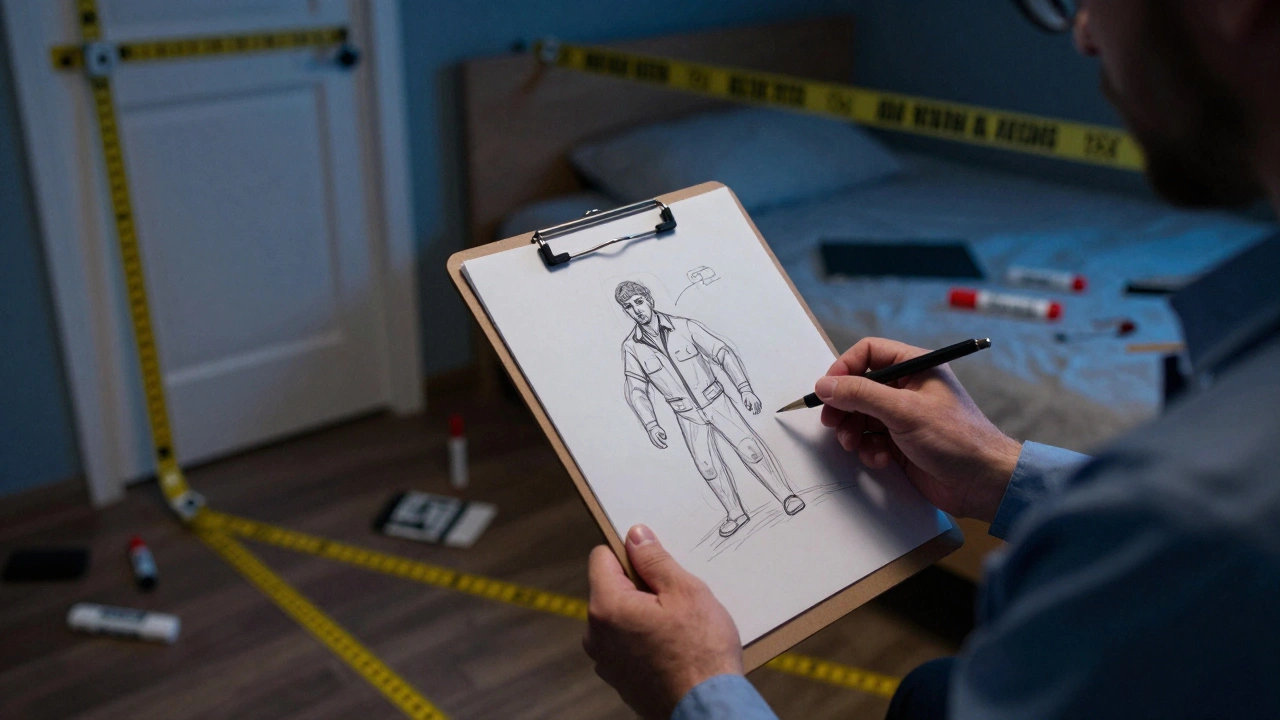
Crime Scene Sketching: Mastering Scaled Diagrams and Orientation Methods
- By : Ian Brophy
- Date : May 14 2026
Master crime scene sketching with this guide to scaled diagrams and orientation methods. Learn when to use triangulation, baseline, and polar coordinates for accurate forensic documentation.
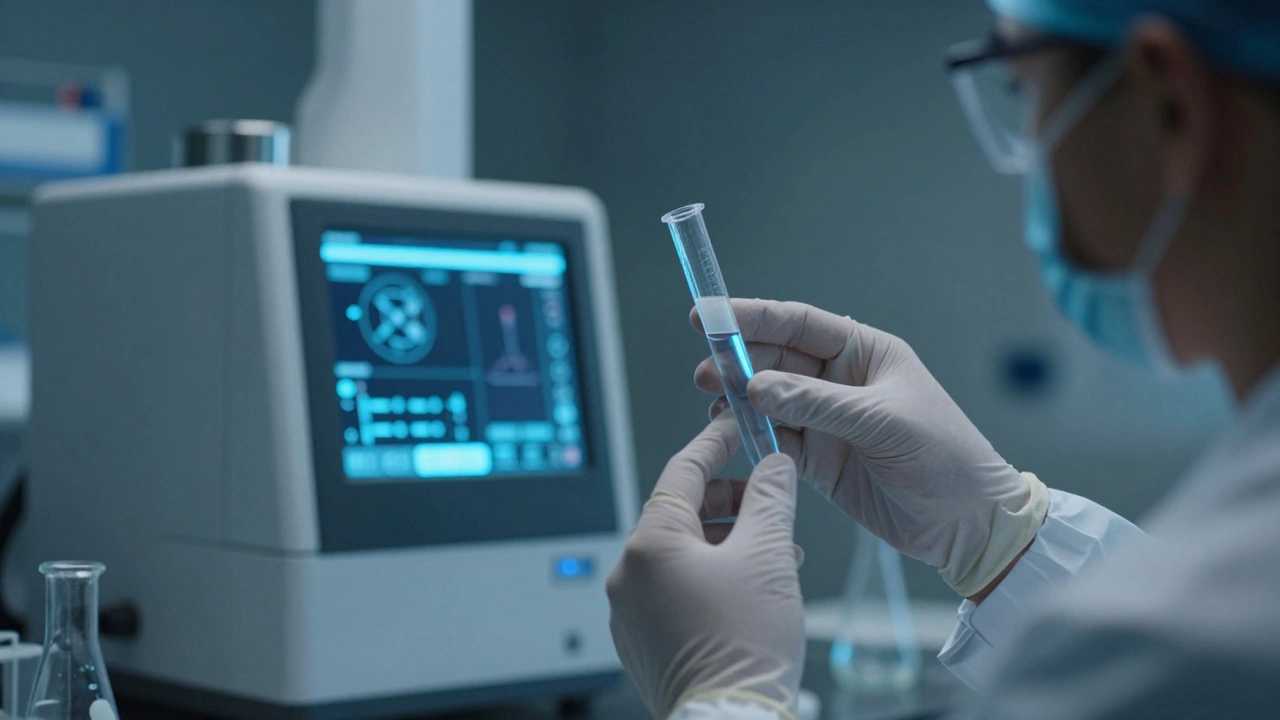
Confirmatory Testing: The Definitive Guide to Drug Identification
- By : Ian Brophy
- Date : May 13 2026
Discover how confirmatory testing provides definitive drug identification using advanced methods like LC-MS/MS and GC-MS, ensuring accuracy and legal defensibility in forensic and workplace settings.