Category: Forensics - Page 21

Velocity Classification in Bloodstain Patterns: A Forensic Guide
- By : Ian Brophy
- Date : Aug 17 2026
Learn how forensic experts classify bloodstains by velocity. Understand the differences between low, medium, and high-velocity patterns and their significance in crime scene reconstruction.
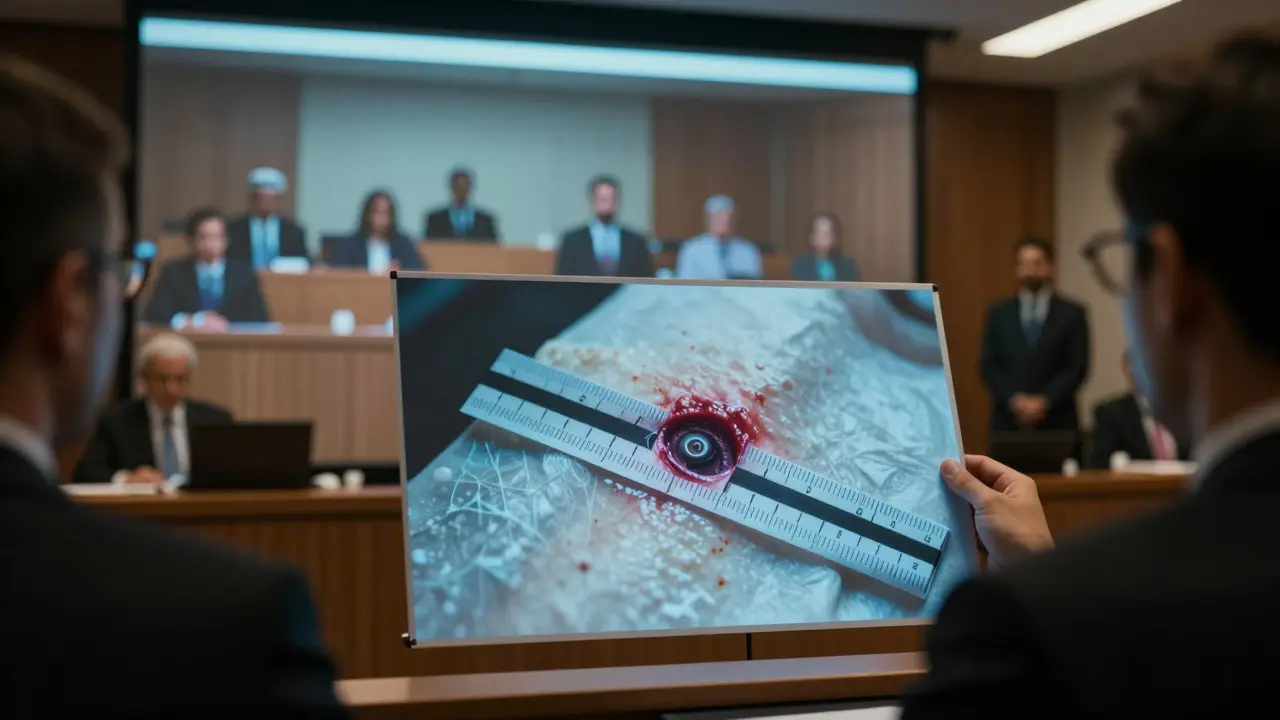
Crime Scene Photographs: Admissibility Standards & Legal Requirements
- By : Ian Brophy
- Date : Aug 17 2026
Learn how crime scene photographs meet legal admissibility standards. We cover relevance, authentication, chain of custody, and technical pitfalls that can exclude evidence.
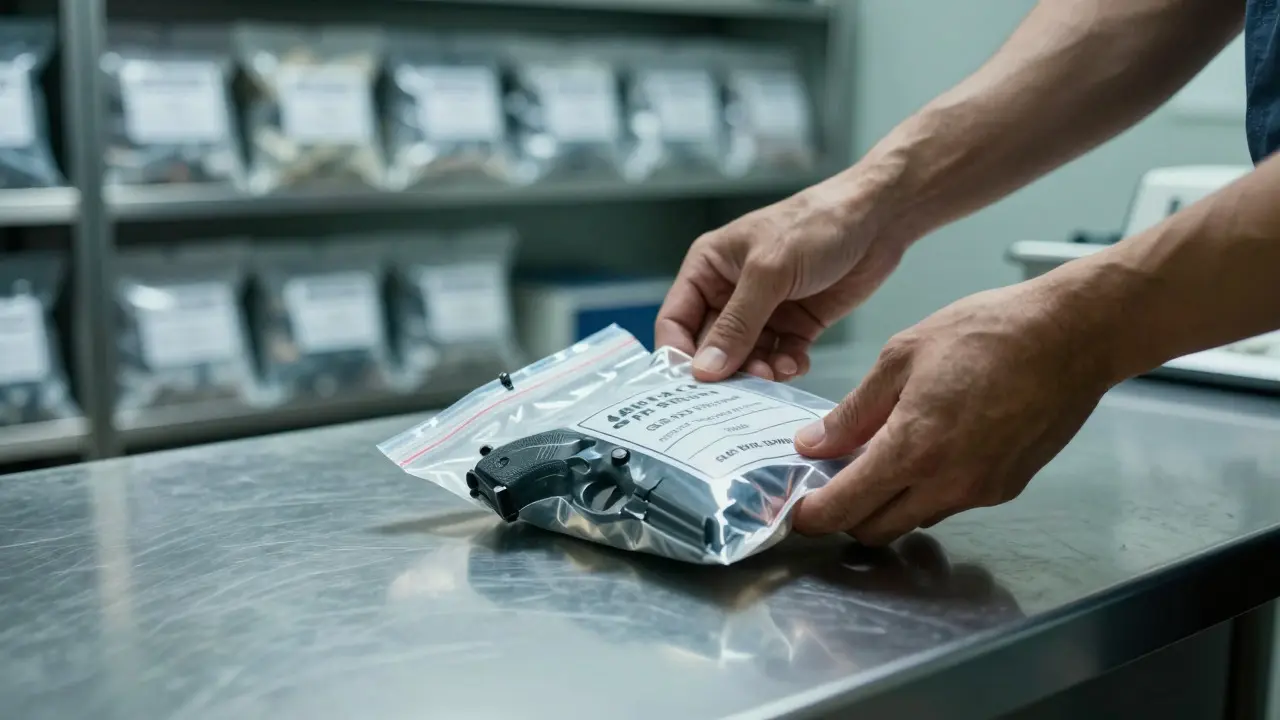
Temporary Custody: Short-Term Evidence Sign-Out Protocols
- By : Ian Brophy
- Date : Aug 17 2026
Master the protocols for temporary evidence custody. Learn how to maintain an unbroken chain of custody during short-term sign-outs to ensure admissibility in court.
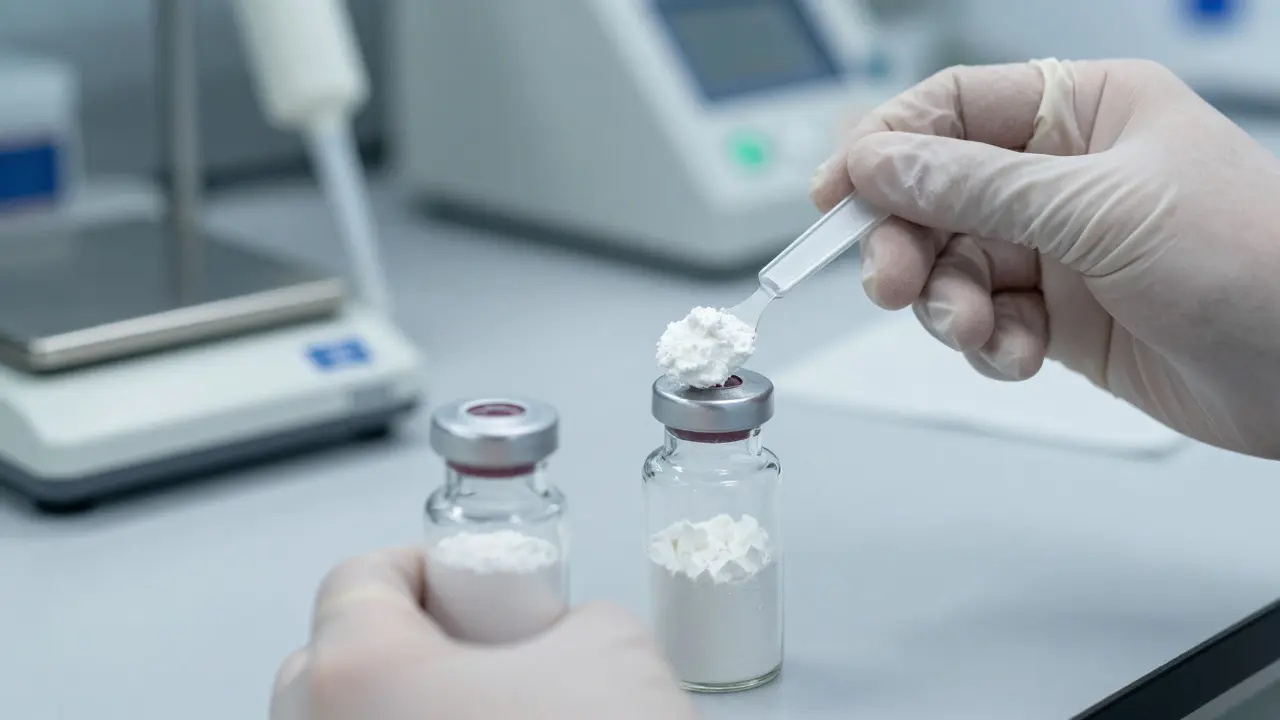
Chain Split and Re-Test Protocols for Defense Requests in Drug Analysis
- By : Ian Brophy
- Date : Aug 17 2026
Learn how chain split protocols allow defense teams to verify drug evidence. We cover re-test procedures, common pitfalls, and the impact on case outcomes.
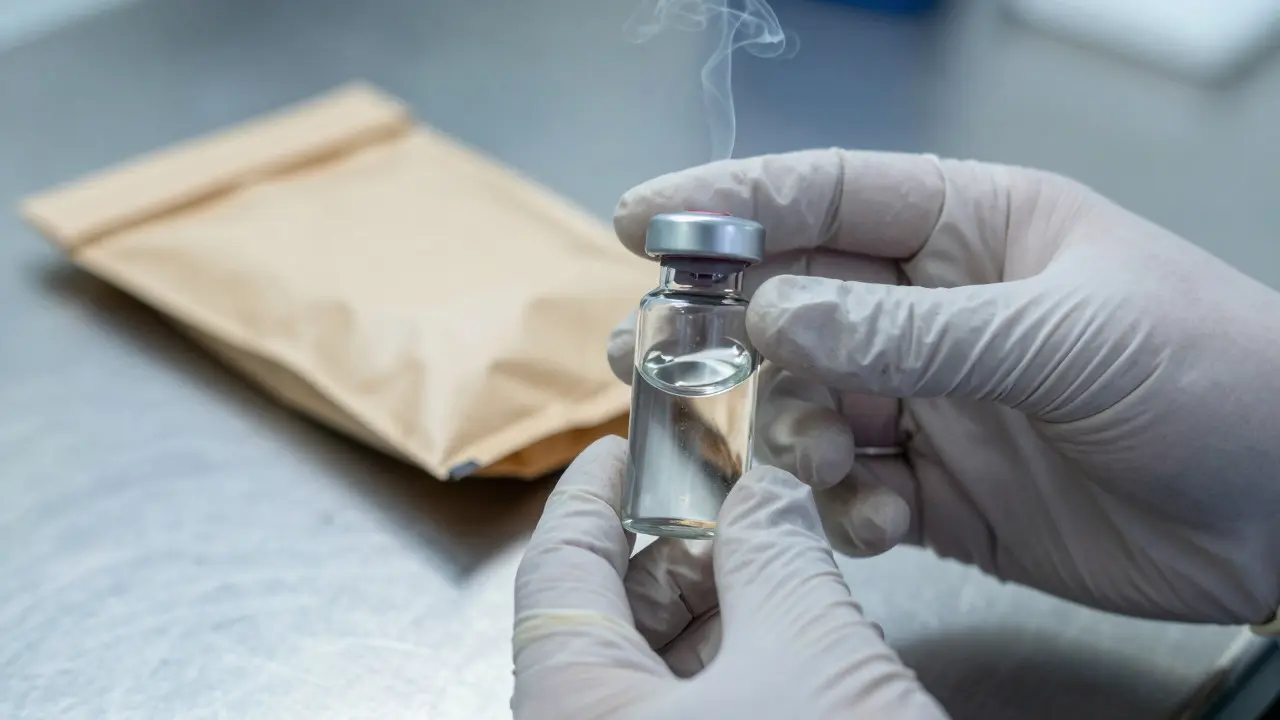
Drug Evidence Packaging: Handling Volatile and Odorous Substances
- By : Ian Brophy
- Date : Aug 17 2026
Learn how to properly package volatile and odorous drug evidence to prevent loss and contamination. Covers container selection, odor management, and chain of custody tips.
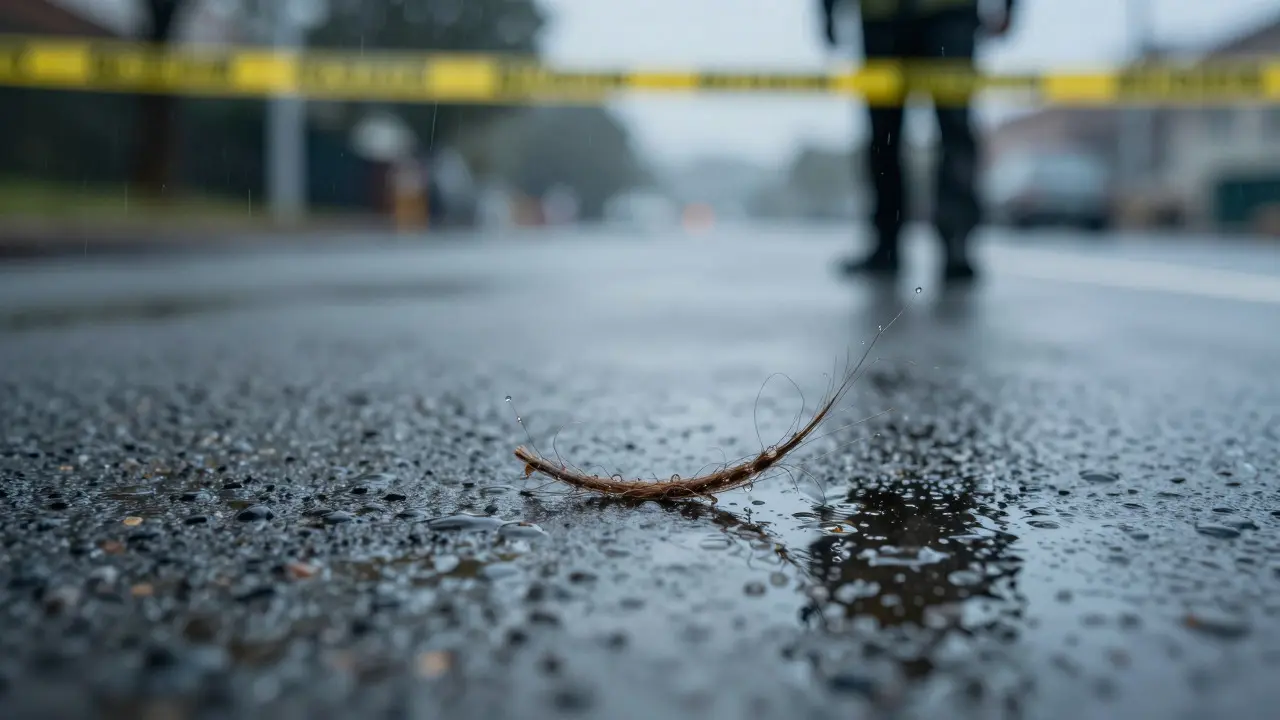
How Environmental Factors Affect Forensic DNA Recovery
- By : Ian Brophy
- Date : Aug 17 2026
Discover how heat, humidity, and sunlight impact forensic DNA recovery. Learn practical tips for preserving evidence and understanding degradation processes.
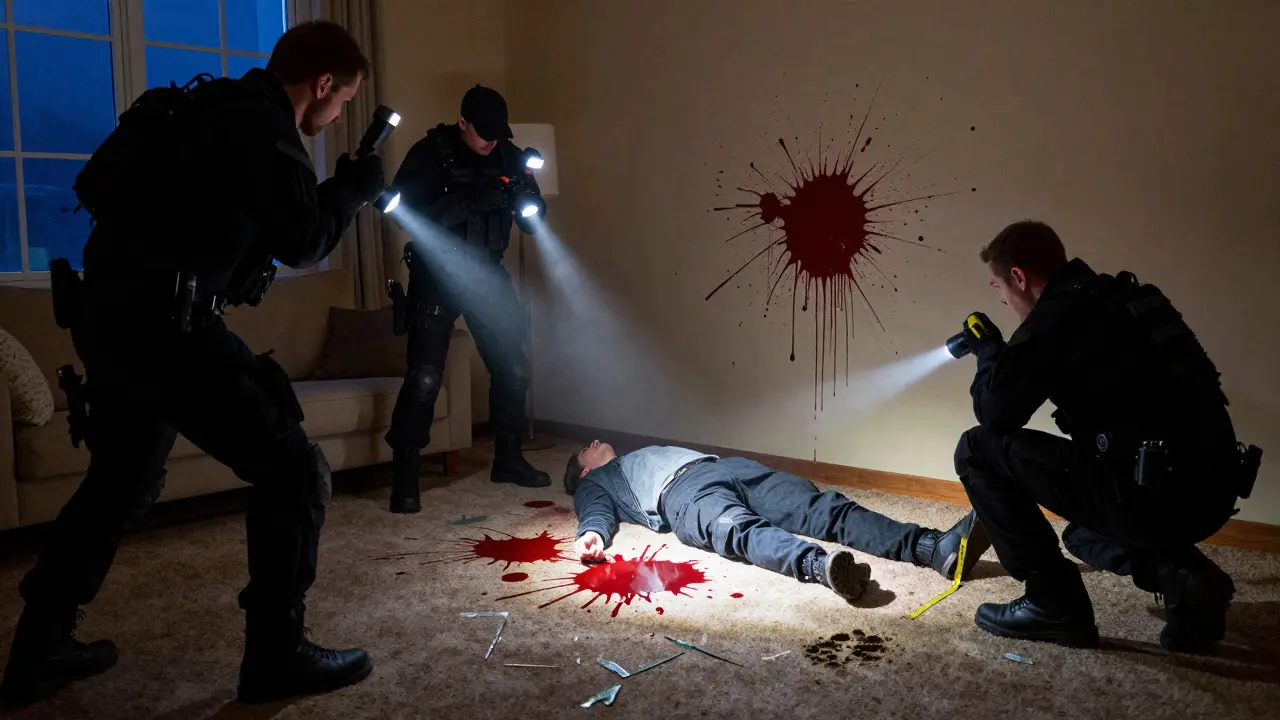
Scene Walkthrough Audio Narration: The Complete Guide to Verbal Documentation
- By : Ian Brophy
- Date : Aug 17 2026
Learn how to create effective scene walkthrough audio narration for crime scenes. This guide covers the three-part framework, critical elements to document, and common pitfalls to avoid for better verbal documentation.
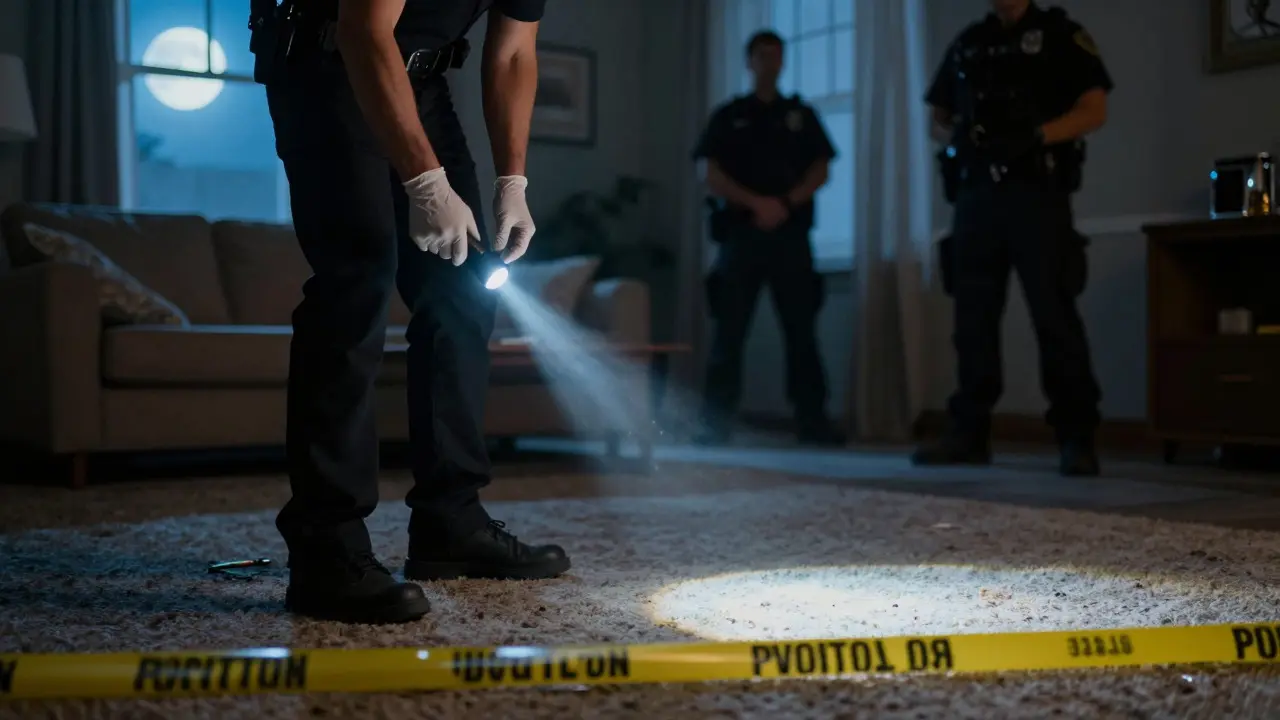
Post-Scene Review: Turning Crime Scene Mistakes into Better Process
- By : Ian Brophy
- Date : Aug 17 2026
Discover how to conduct effective post-scene reviews to catch evidence errors early. Learn practical steps to improve crime scene processing and reduce legal risks.
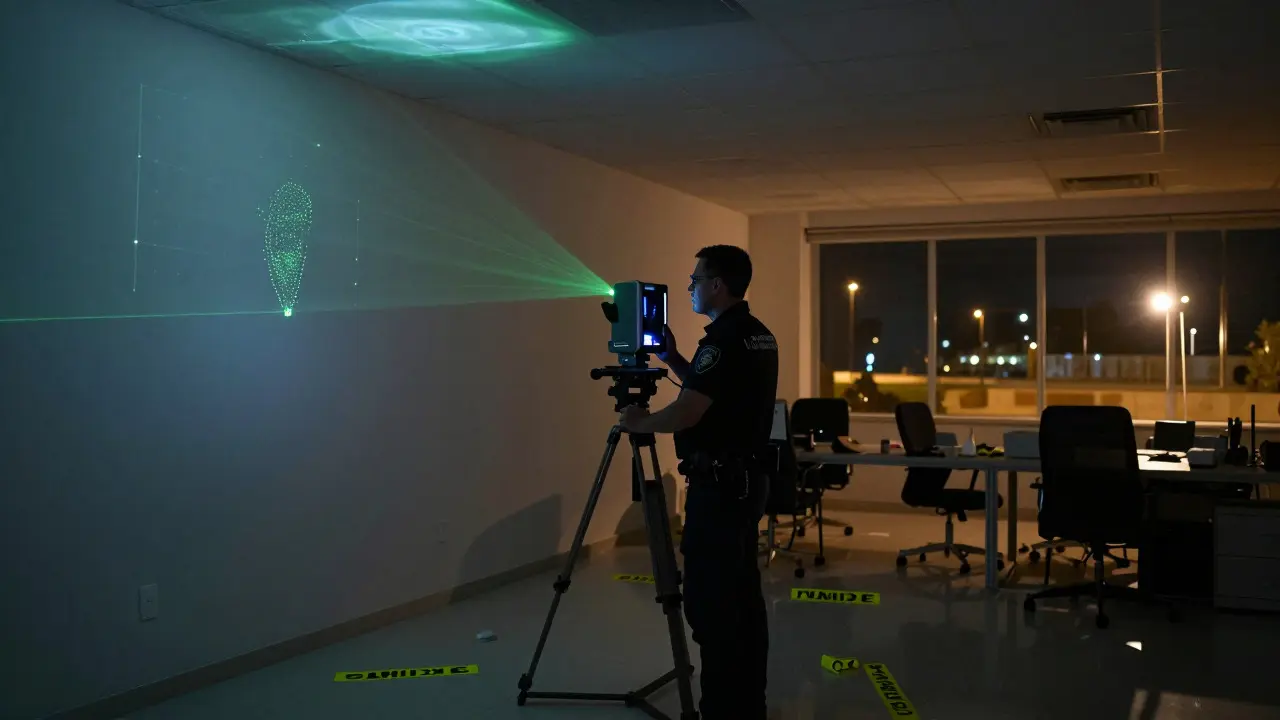
3-D Photography: How Modern Scene Reconstruction Works
- By : Ian Brophy
- Date : Aug 17 2026
Discover how 3-D photography transforms scene investigation using LiDAR and photogrammetry. Learn about hardware choices, accuracy metrics, and practical applications in forensics.
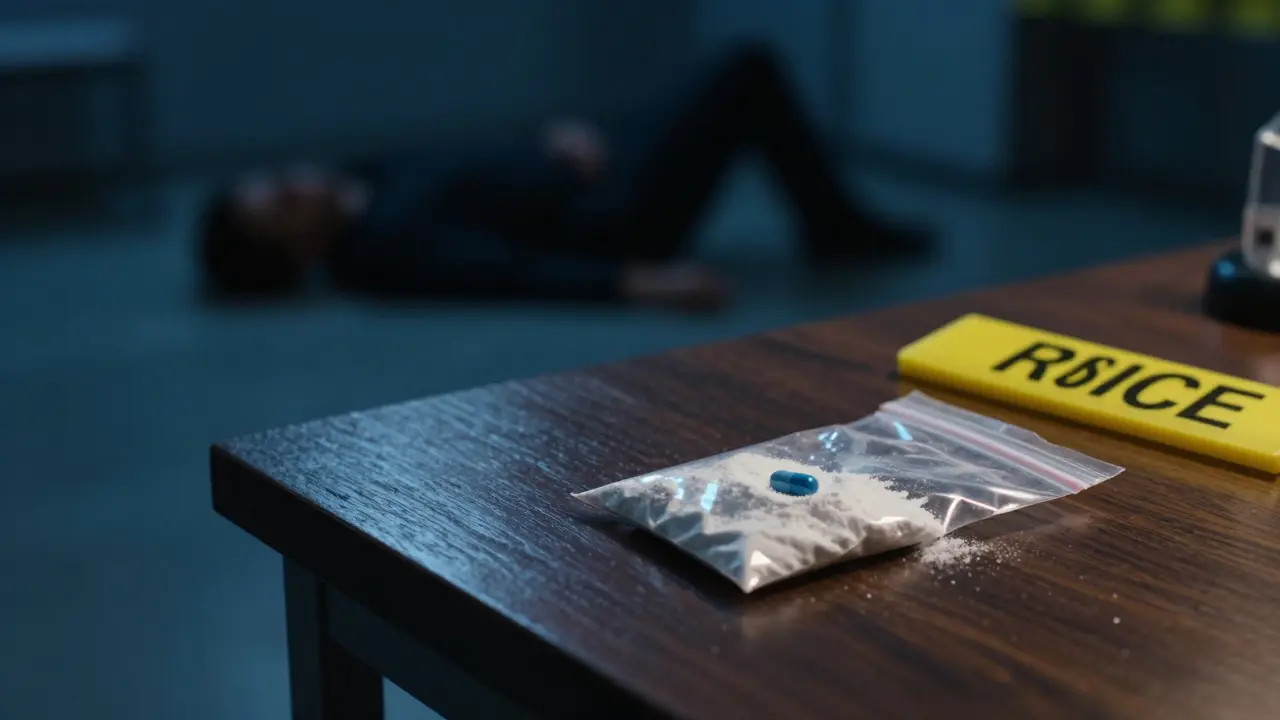
Opioid Detection Guide: Morphine, Oxycodone, and Fentanyl Testing Methods
- By : Ian Brophy
- Date : Aug 17 2026
Explore how forensic toxicologists detect opioids from morphine to fentanyl. Learn about the limitations of immunoassays, the power of LC-MS/MS, and the challenges of identifying synthetic analogs in legal cases.
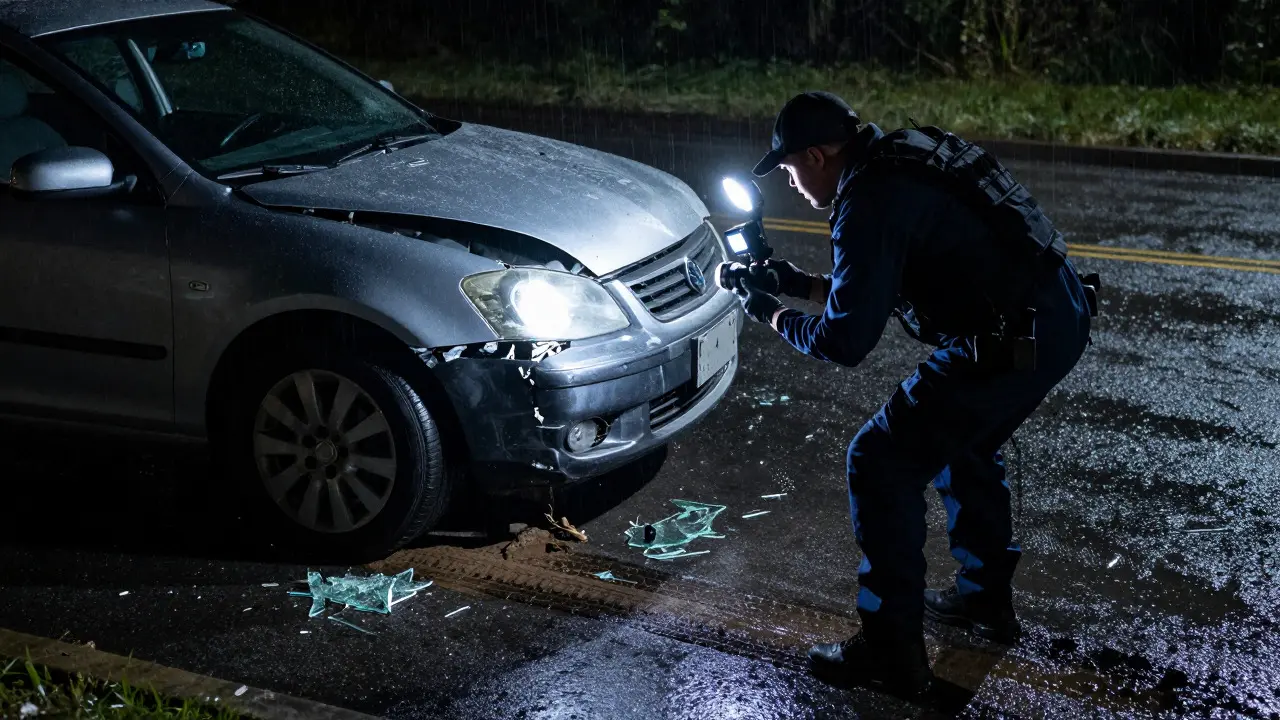
Vehicle Evidence Handling: The Complete Collection Checklist for Forensic Teams
- By : Ian Brophy
- Date : Aug 17 2026
A practical guide for forensic teams on collecting physical and digital evidence from vehicles. Learn proper chain of custody, handling techniques, and common mistakes to avoid.
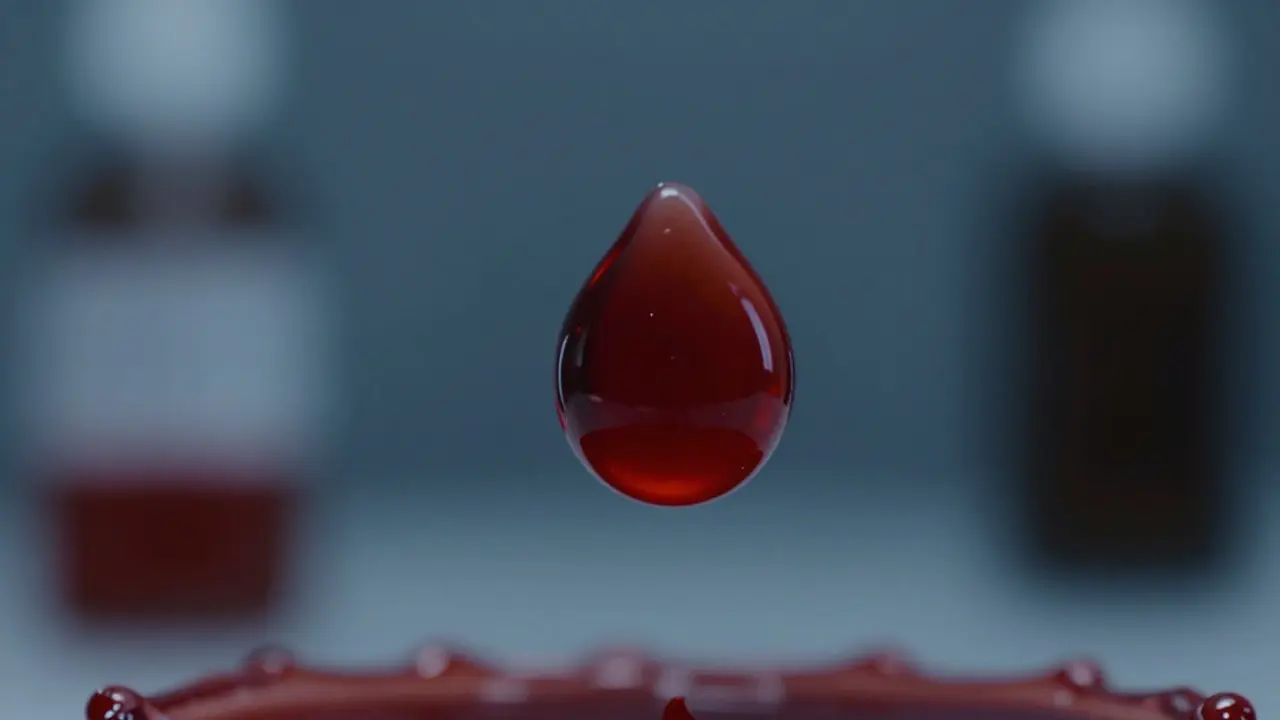
How Bloodstains Form: The Physics and Biology Behind Patterns
- By : Ian Brophy
- Date : Aug 17 2026
Discover how physics and biology combine to create bloodstain patterns. Learn about impact angles, surface tension, and how forensics uses these principles to reconstruct crime scenes.