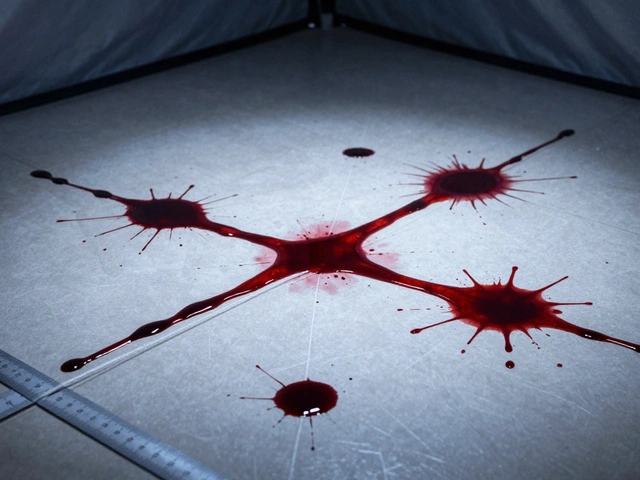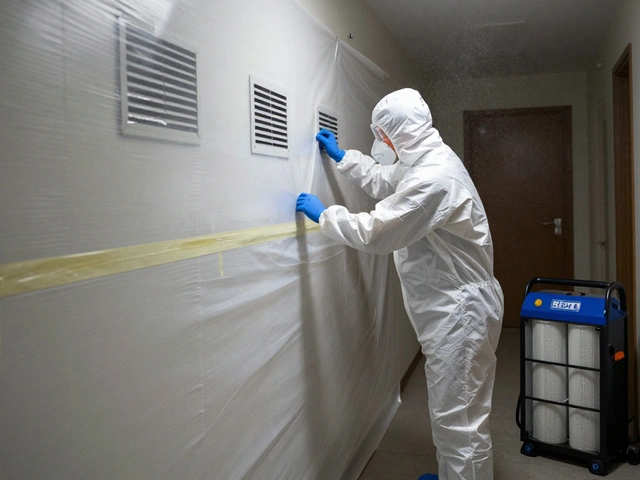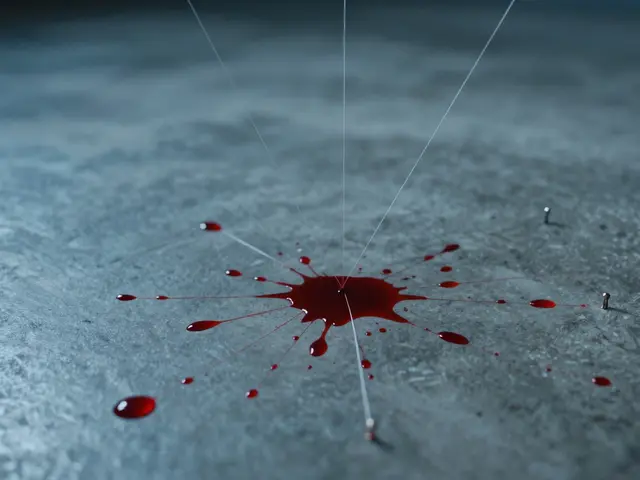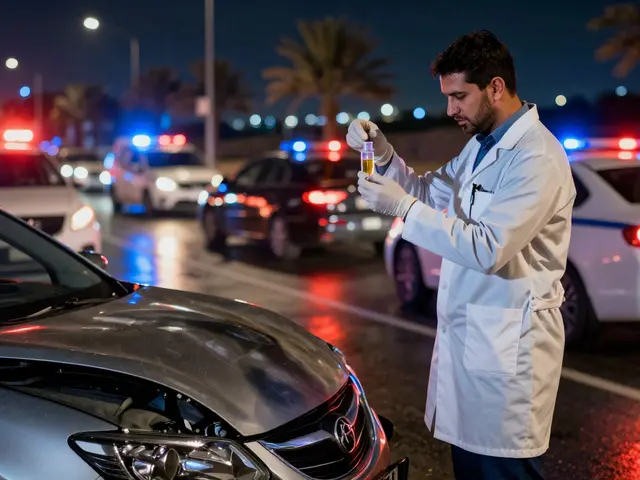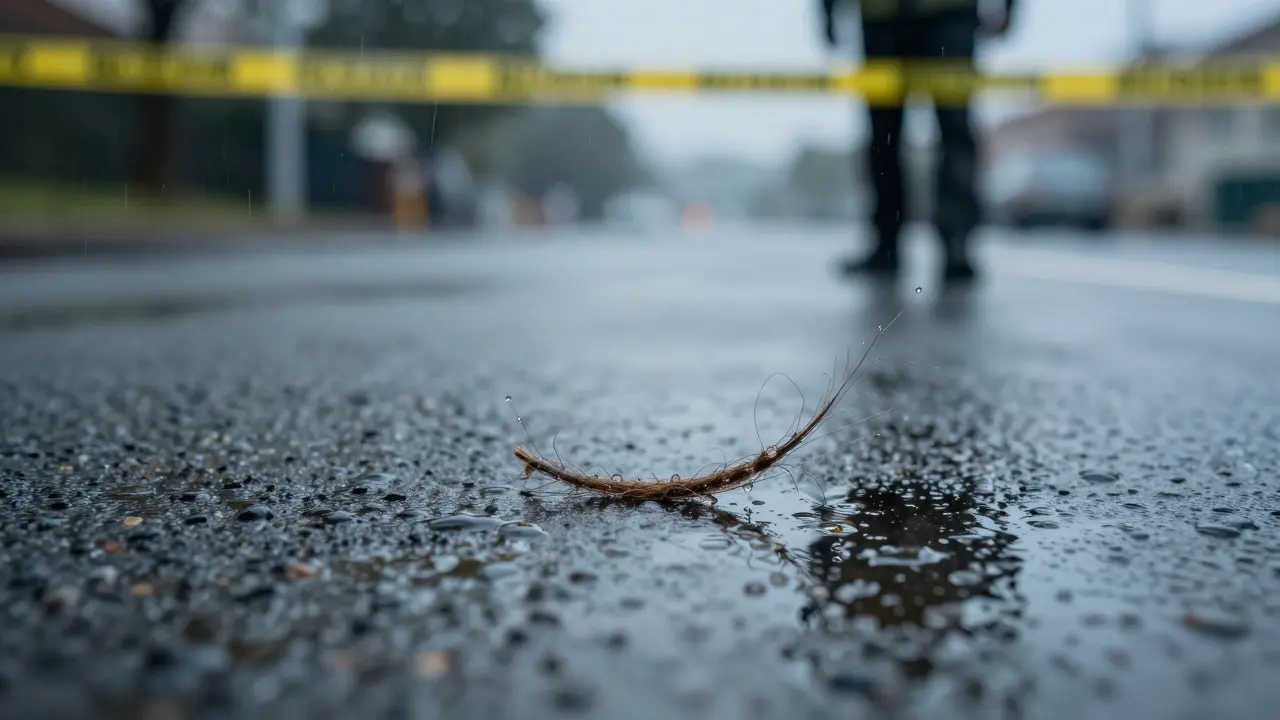
Imagine finding a single hair at a crime scene. It’s thin, fragile, and sitting in the rain. To many, it looks like nothing. But to a forensic scientist, it’s a potential key to solving a case. The catch? That hair has been exposed to heat, moisture, and bacteria for hours or even days. Can you still pull usable forensic dna from it? The answer depends heavily on where that evidence was left and how long it sat there.
Environmental factors are the silent killers of DNA evidence. They don’t just change the look of a body or an object; they break down the molecular structure of the genetic material itself. Understanding these impacts is critical for investigators who need to know if a sample is worth processing or if it’s already too degraded to yield a profile.
The Core Problem: DNA Degradation
DNA degradation is the process where DNA molecules break into smaller fragments due to chemical, physical, or biological stressors. In a living cell, enzymes keep DNA intact. Once a person dies or tissue is exposed to the environment, those protective mechanisms stop. The DNA starts to fragment. When these fragments get too small, standard testing methods can’t read them accurately.
This isn’t just about quantity. You might have plenty of DNA left, but if it’s shredded into tiny pieces, the lab equipment can’t amplify the specific regions needed for identification. This leads to partial profiles or no results at all. For casework, this means the difference between identifying a suspect and having to rely on other types of evidence.
Temperature: The Heat and Cold Factor
Temperature is arguably the most immediate threat to DNA integrity. Enzymes called nucleases, which eat DNA, work faster in warm conditions. Think about a summer afternoon in Phoenix versus a winter day in Chicago. In the heat, bacterial growth explodes. Bacteria release enzymes that chew through DNA rapidly. Studies show that at temperatures above 30°C (86°F), significant degradation can occur within days if the sample is moist.
Cold, on the other hand, acts as a natural preservative. Freezing stops enzymatic activity almost completely. This is why bodies found in snowbanks often yield better DNA than those found in hot deserts, assuming the cold lasted long enough. However, freezing isn’t always perfect. If a sample freezes and thaws repeatedly, ice crystals can physically puncture the DNA strands, causing mechanical damage. So, while cold is good, stable cold is better than fluctuating temperatures.
Moisture and Humidity: The Double-Edged Sword
Water is essential for life, but for dead tissue, it’s a catalyst for decay. High humidity promotes microbial growth. Mold, bacteria, and fungi thrive in damp environments, releasing hydrolytic enzymes that cut DNA backbones. A bone buried in wet soil will degrade much faster than one buried in dry sand.
However, extreme dryness also poses risks. Desiccation (drying out) can make DNA brittle. While dry bones can preserve DNA for thousands of years-as seen in ancient mummies-modern forensic samples often sit in mixed conditions. If a piece of clothing gets wet and then dries out, the salt crystals formed during evaporation can trap enzymes against the DNA, accelerating local degradation. The goal for preservation is usually a stable, cool, and dry state, but nature rarely offers that luxury at a crime scene.
UV Radiation and Sunlight Exposure
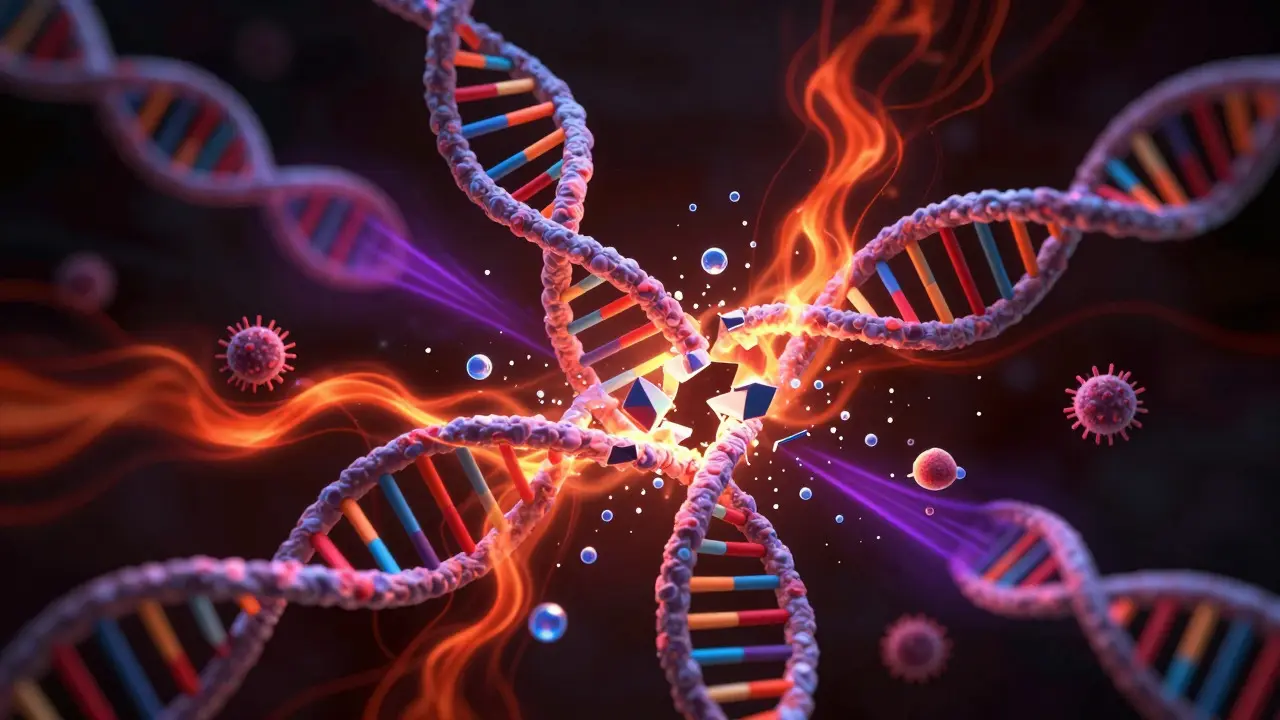
Sunlight isn’t just bright; it’s chemically active. Ultraviolet (UV) radiation causes specific types of DNA damage known as pyrimidine dimers. These are structural kinks in the DNA strand that prevent replication machines from reading the code correctly. If a body or evidence is left in direct sunlight, UV rays penetrate the skin and hair, damaging the nuclear DNA inside cells.
Interestingly, mitochondrial DNA is more resistant to UV damage than nuclear DNA because it exists in multiple copies per cell. This is why forensic labs often turn to mitochondrial DNA analysis when nuclear DNA is too degraded by sun exposure. Still, prolonged UV exposure reduces the overall yield of usable genetic material, making the extraction process more difficult and expensive.
Soil Composition and Burial Conditions
When remains are buried, the soil becomes the primary environmental factor. Soil pH is a major player here. Neutral soils (pH around 7) are generally kinder to DNA than highly acidic or alkaline soils. Acidic soils promote hydrolysis, breaking down DNA quickly. Alkaline soils can cause deamination, another form of chemical damage.
The type of soil matters too. Clay soils retain water and nutrients, supporting microbial life that eats DNA. Sandy soils drain well and stay drier, often preserving DNA better. Additionally, the depth of burial affects temperature stability. Deeper burial sites maintain cooler, more consistent temperatures, slowing down degradation rates compared to surface-level remains.
Impact on Different Evidence Types
Not all evidence reacts the same way to the environment. Here is how different sources fare under stress:
- Bloodstains: Highly susceptible to heat and humidity. Blood contains hemoglobin, which can inhibit PCR reactions if not cleaned properly, but the main issue is rapid enzymatic breakdown once dried and exposed to air.
- Hair: The shaft of a hair is keratin, which is tough, but the root contains the DNA. If the root is present, it’s protected by the follicle. If it’s a shed hair without a root, environmental damage is minimal because there’s no nuclear DNA to degrade, only mitochondrial DNA in the shaft.
- Bones: Bones are excellent containers for DNA. The mineral matrix protects DNA from many environmental factors. Even after years of exposure, inner bone surfaces can hold viable DNA, though outer layers may be compromised.
- Tooth Enamel: One of the best preservers of DNA. Enamel is the hardest substance in the human body, offering near-perfect protection against moisture, heat, and microbes.
Practical Implications for Investigators
Knowing these factors changes how crime scenes are managed. If you find evidence in a hot, humid environment, time is your enemy. Collecting samples quickly and keeping them cool is crucial. Using sterile swabs and storing samples in paper bags (not plastic, which traps moisture) helps mitigate further damage.
Labs also adjust their strategies based on environmental history. If a sample was exposed to high heat, technicians might use shorter PCR cycles or specialized kits designed for fragmented DNA. They might also switch from nuclear STR profiling to mitochondrial sequencing, which works with smaller fragments. This flexibility is what keeps cases solvable despite poor preservation conditions.
| Factor | Primary Mechanism of Damage | High Risk Condition | Preservation Strategy |
|---|---|---|---|
| Heat | Enzymatic activity | >30°C with moisture | Cool storage, rapid collection |
| Humidity | Microbial growth | Wet soil, high relative humidity | Dry storage, silica gel packets |
| UV Light | Chemical cross-linking | Direct sunlight exposure | Shade covering, opaque packaging |
| Acidic Soil | Hydrolysis | pH < 5.5 | Deep burial, neutralizing agents |
Future Directions in Resilient DNA Analysis
Science is catching up with environmental challenges. New extraction techniques can now recover DNA from samples that would have been discarded ten years ago. Nanotechnology-based filters help separate intact DNA fragments from debris, improving yields from degraded sources. Furthermore, computational tools are getting better at assembling short, broken DNA sequences into a coherent profile, effectively piecing together the puzzle even when the pieces are small.
For the future, the focus is shifting toward predicting degradation. By analyzing the specific environmental conditions at a scene, software models can estimate how much DNA remains and suggest the best analytical approach before the sample even hits the bench. This predictive capability saves time and resources, ensuring that every possible clue is extracted efficiently.
How long does DNA last in the environment?
There is no single answer, as it depends on the source and conditions. Surface blood may degrade in weeks, while DNA in tooth enamel or deep-buried bones can survive for decades or even centuries. The key variables are temperature, moisture, and microbial activity.
Does freezing always preserve DNA?
Freezing significantly slows degradation, but repeated freeze-thaw cycles can cause physical damage to DNA strands. Single, stable freezing is ideal. If freezing isn't possible, drying the sample thoroughly is often a better alternative than leaving it wet.
Which part of the body holds DNA the longest?
Tooth enamel and dense bone marrow are among the best preservers. Enamel is nearly impermeable to water and microbes, protecting the DNA within pulp chambers and surrounding tissues for extended periods.
Can sunlight destroy all DNA?
Sunlight damages surface DNA more than internal DNA. UV rays penetrate skin and hair, causing chemical changes. While it reduces the quality of nuclear DNA, mitochondrial DNA often remains recoverable even after significant sun exposure.
What should investigators do first when finding outdoor evidence?
Document the environmental conditions immediately. Note temperature, humidity, and exposure to elements. Then, collect samples quickly using sterile tools and store them in breathable paper bags to prevent moisture buildup. Avoid plastic bags unless the sample is already frozen.