Most vehicle fires look the same from the outside: a charred shell, melted plastic, and a lingering smell of burnt rubber. But inside that wreckage, the story is specific. It’s not just about what burned; it’s about where it started and why. For investigators, the difference between an electrical short and an arson case often lies in two distinct areas: the passenger compartment and the fuel system. If you miss the subtle signs in these zones, you risk misidentifying the origin point entirely.
This guide breaks down exactly what to look for when examining a burned vehicle. We aren’t talking about generic fire safety tips. We are discussing the forensic markers that distinguish accidental ignition from intentional acts or mechanical failure. Whether you are a new investigator, a claims adjuster, or a curious enthusiast, understanding the physical evidence left behind by heat and fuel can change how you view a wrecked car.
The Passenger Compartment: Where the Story Begins
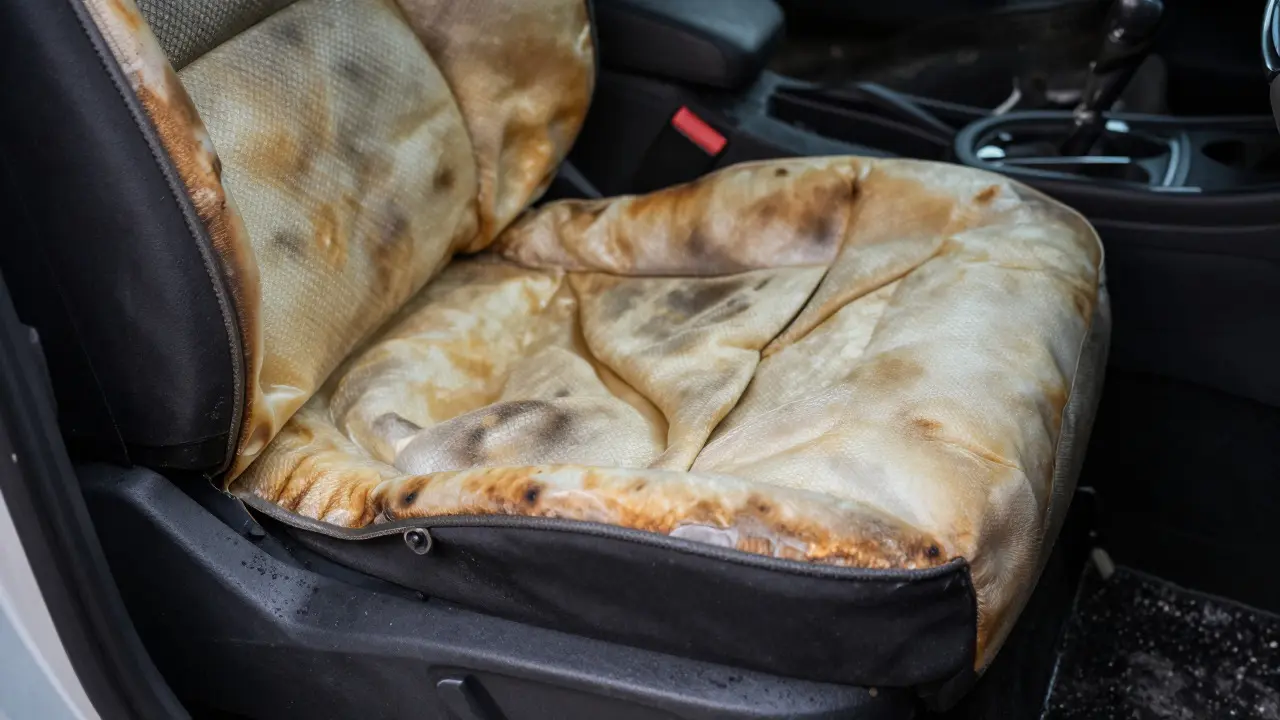
The interior of a vehicle is a complex ecosystem of materials. When a fire starts here, the behavior of different components tells you a lot about the temperature and duration of the burn. The first thing to assess is the pattern of damage. Did the fire spread evenly, or did it focus on one side? In most cases, the seat closest to the origin shows the most severe degradation.
Seat upholstery is a primary indicator of fire origin in the passenger compartment due to its synthetic composition. Modern seats use polyurethane foam wrapped in polyester or vinyl. When this material burns, it melts and shrinks away from the source of heat. If you see a "V" shaped pattern of melting on a seat cushion, the point of the V usually points directly at the ignition source. This is a classic sign of a local heat source, like a cigarette or a small incendiary device, rather than a general electrical fault which tends to create more diffuse damage.
Beyond the seats, pay attention to the dashboard and center console. These areas house wiring harnesses, infotainment systems, and climate controls. An electrical fire often leaves distinct marks on the metal shielding under the dash. Look for arcing patterns-tiny, bright spots where electricity jumped across a gap. These are different from the smooth melting caused by external heat. If the wiring looks like it was cut before burning, that’s a major red flag for tampering.
| Indicator | Typical Cause | Forensic Significance |
|---|---|---|
| Melted seat foam (V-pattern) | Local heat source (cigarette, match) | Points to specific origin location |
| Arcing on wiring harness | Electrical short circuit | Indicates internal electrical failure |
| Cut wires with burn marks | Tampering / Arson | Suggests pre-fire manipulation |
| Missing fluid containers | Accelerant application | Implies deliberate introduction of fuel |
Fuel System Analysis: The Heart of the Engine Bay
While the compartment tells you where the fire started, the fuel system often tells you if the fire was fed. Vehicles contain significant amounts of flammable liquid. Gasoline has a flash point of -45°F (-43°C), meaning it can ignite almost instantly upon contact with a spark. Diesel is harder to ignite but burns hotter once lit. Understanding the state of the fuel system helps determine if the engine was running during the fire.
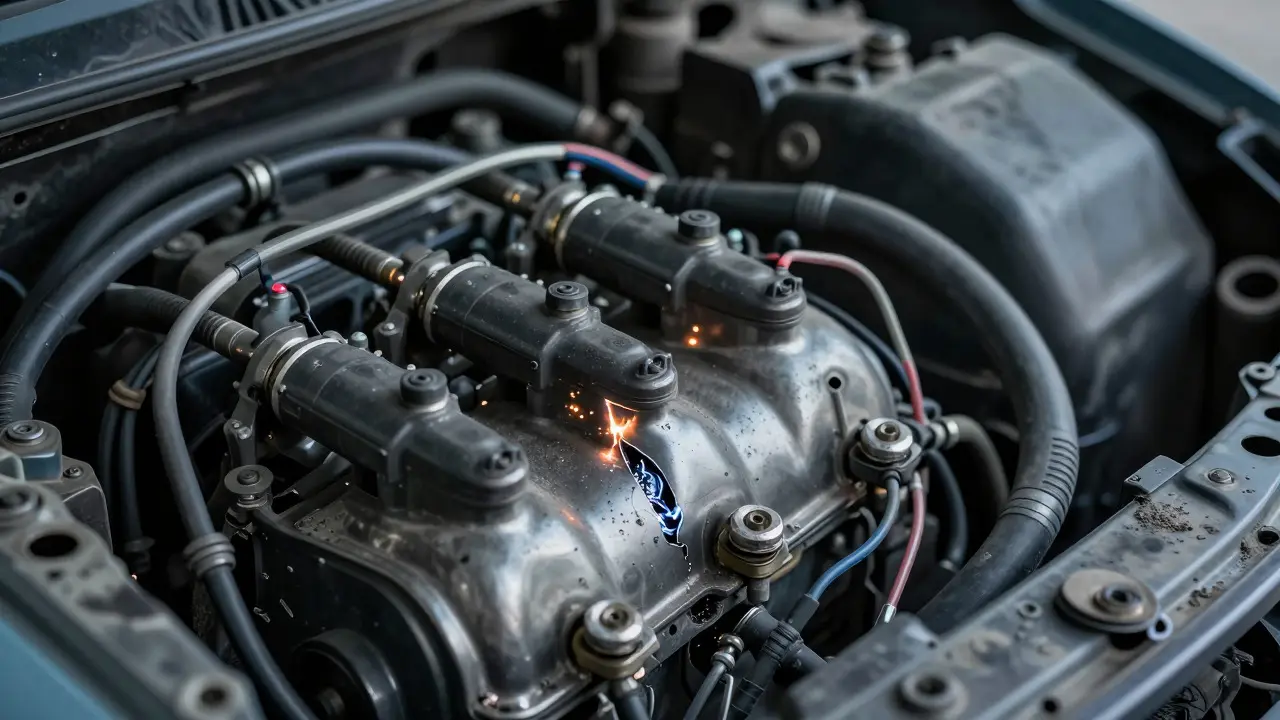
Fuel injectors are precision components that deliver fuel to the combustion chamber and serve as key diagnostic points in fire investigations. If the injectors are clogged or damaged by soot, it suggests the engine ran poorly or not at all before the fire. Conversely, if they are clean and show signs of high-temperature stress, the engine was likely running. A running engine provides both heat and a continuous supply of fuel vapor, making the fire much harder to extinguish.
Check the fuel lines next. Are they intact, or do they show signs of rupture? A ruptured line near the front of the vehicle could indicate impact damage leading to a leak. However, if the rupture is in the middle of the line and there are no corresponding structural damages elsewhere, consider sabotage. Also, look for the presence of foreign accelerants. Investigators often use gas chromatography-mass spectrometry (GC-MS) to detect residues, but visual clues exist too. Puddles of unburnt fuel in the engine bay or drips on the ground can indicate a large spill occurred before ignition.
Distinguishing Electrical Faults from Accelerants
One of the biggest challenges in vehicle fire investigation is separating accidental electrical failures from arson using accelerants. Both can result in a total loss, but the evidence differs significantly. Electrical fires tend to be localized until they find a fuel source. They often start in the engine bay or under the dash and spread slowly. You might see blackened insulation around specific wires while the rest of the vehicle remains relatively untouched until later stages.
Accelerant fires, on the other hand, are fast and intense. They consume oxygen rapidly and produce a lot of smoke. The damage pattern is often more uniform across the entire vehicle because the fuel spreads quickly. If you find glass shards scattered far from the vehicle, it suggests an explosion or rapid pressure buildup, common with accelerants. In contrast, electrical fires rarely cause explosive events unless they ignite a hydrogen tank or a large fuel tank.
Look for "pour patterns." If someone poured gasoline into the engine bay, you might find traces of the liquid in hard-to-reach crevices, such as under the hood latch or inside the wheel wells. These areas don’t get exposed to normal engine heat, so any residue found there is highly suspicious. Compare this to natural fuel leaks, which usually drip straight down from the leak point.
The Role of Residue Detection
Visual inspection is only half the battle. To confirm the presence of accelerants, you need chemical analysis. Residues from common accelerants like gasoline, kerosene, or lighter fluid leave specific chemical fingerprints. Gasoline contains benzene, toluene, and xylene (BTX). Kerosene has a higher boiling point and leaves different hydrocarbon chains. Lighter fluid, often n-butane, evaporates quickly but can leave trace amounts in porous materials.
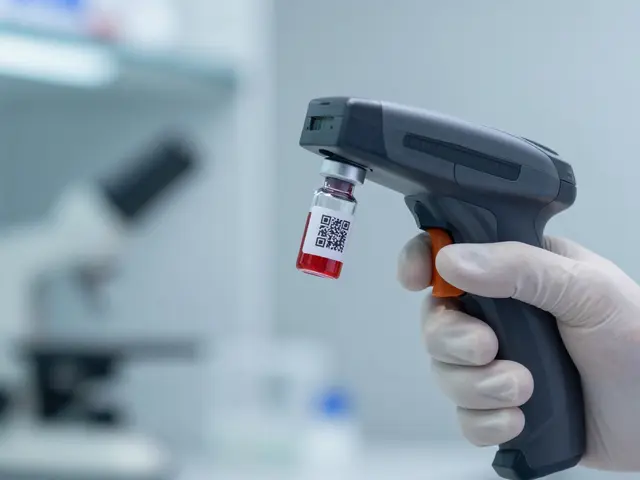
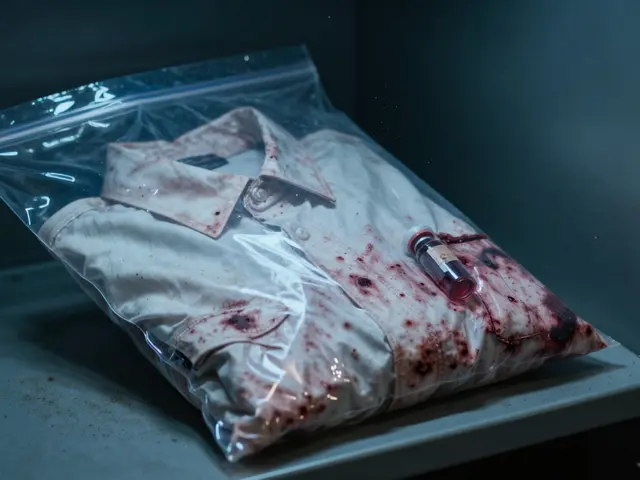
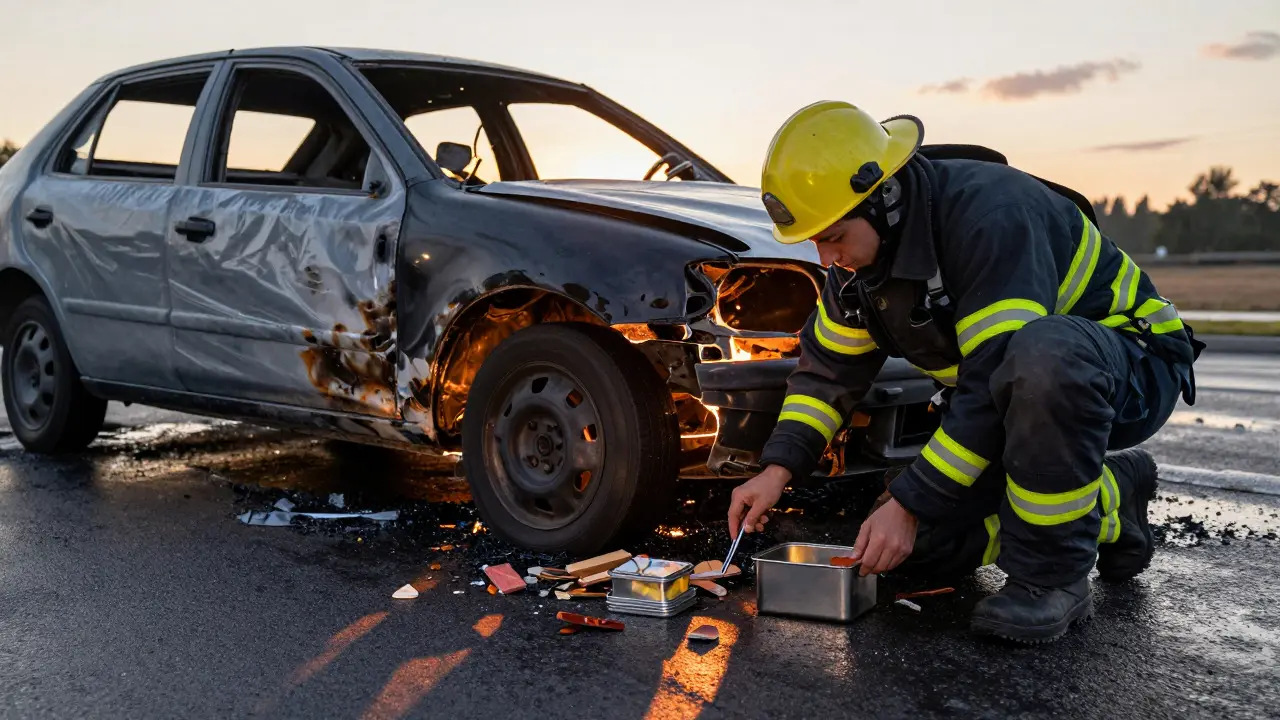
Collect samples carefully. Use clean, stainless steel containers to avoid contamination. Take samples from multiple locations: the suspected origin point, the fuel system, and control areas that shouldn’t have been affected by the fire. Label everything clearly. Even if the vehicle is fully destroyed, small fragments of carpet, plastic trim, or metal parts can hold enough residue for detection. The key is to sample before the debris gets mixed up or contaminated by rain or firefighting water.
Practical Steps for Field Investigation
When you arrive at a scene, follow a structured approach to preserve evidence. Here is a practical checklist for initial assessment:
- Secure the Scene: Keep unauthorized personnel away. Rain and wind can wash away crucial residue evidence.
- Document Everything: Take photos from multiple angles before touching anything. Include close-ups of wire cuts, seat damage, and fuel lines.
- Assess the Origin Point: Look for the area with the most severe heat damage. Follow the path of least resistance for the fire spread.
- Inspect the Fuel System: Check for leaks, ruptures, and signs of tampering. Note if the fuel gauge was empty or full (if visible).
- Collect Residue Samples: Gather debris from the origin point and surrounding areas. Use proper containment methods.
- Interview Witnesses: Ask about smells, sounds, or unusual activity before the fire. Smell of gasoline is a strong indicator of accelerants.
Don’t rush. Vehicle fires are complex, and the evidence can be fragile. A single missed detail, like a small cut in a fuel line, can change the entire narrative of the case. Take your time, stay organized, and let the physical evidence guide your conclusions.
Common Pitfalls to Avoid
Even experienced investigators make mistakes. One common error is assuming that any melted plastic means an electrical fire. Plastic melts at lower temperatures than metal, so it will deform in almost any fire. Focus on the pattern, not just the fact that it melted. Another mistake is ignoring the context. A car parked in a garage is more likely to have an electrical issue than one parked on a remote road. Consider the environment and the vehicle’s history.
Also, be wary of confirmation bias. If you suspect arson, you might look for signs of tampering everywhere. Stay objective. Let the data speak. If the wiring looks intact and the fuel system is sealed, don’t force a narrative of sabotage. Sometimes, the simplest explanation is the right one.
Frequently Asked Questions
How long does it take to identify the cause of a vehicle fire?
Simple cases might be resolved in a few days, but complex investigations involving lab analysis can take weeks or even months. The timeline depends on the availability of samples, the complexity of the damage, and the backlog at the forensic laboratory.
Can a vehicle fire be caused by a phone charger?
Yes, although rare, faulty chargers or cables can overheat and ignite nearby materials. This is considered an electrical fault. Look for scorch marks around the charging port and melted cable insulation. It’s less common than battery or wiring harness issues but definitely possible.
What is the best way to preserve evidence at a vehicle fire scene?
The best method is to cover the vehicle with a tarp immediately after the fire is out to prevent rain from washing away residues. Avoid moving parts unnecessarily. Photograph everything in place, then collect samples in clean, airtight containers. Document the chain of custody from the moment you pick up a piece of debris.
Do electric vehicles have different fire signatures?
Yes. Electric vehicle (EV) fires often involve lithium-ion batteries, which can release toxic gases and re-ignite after being extinguished. The damage pattern may include punctured battery packs or thermal runaway indicators. Unlike gas cars, EVs don’t have fuel lines, so investigators focus heavily on the battery management system and cooling fluids.
Is it worth hiring a private fire investigator?
If insurance disputes the claim or suspects fraud, yes. Private investigators can provide independent opinions and detailed reports. They often have access to specialized labs and can offer faster turnaround times than public agencies. However, ensure they are certified and have experience with vehicle-specific fires.