Category: Forensics - Page 34
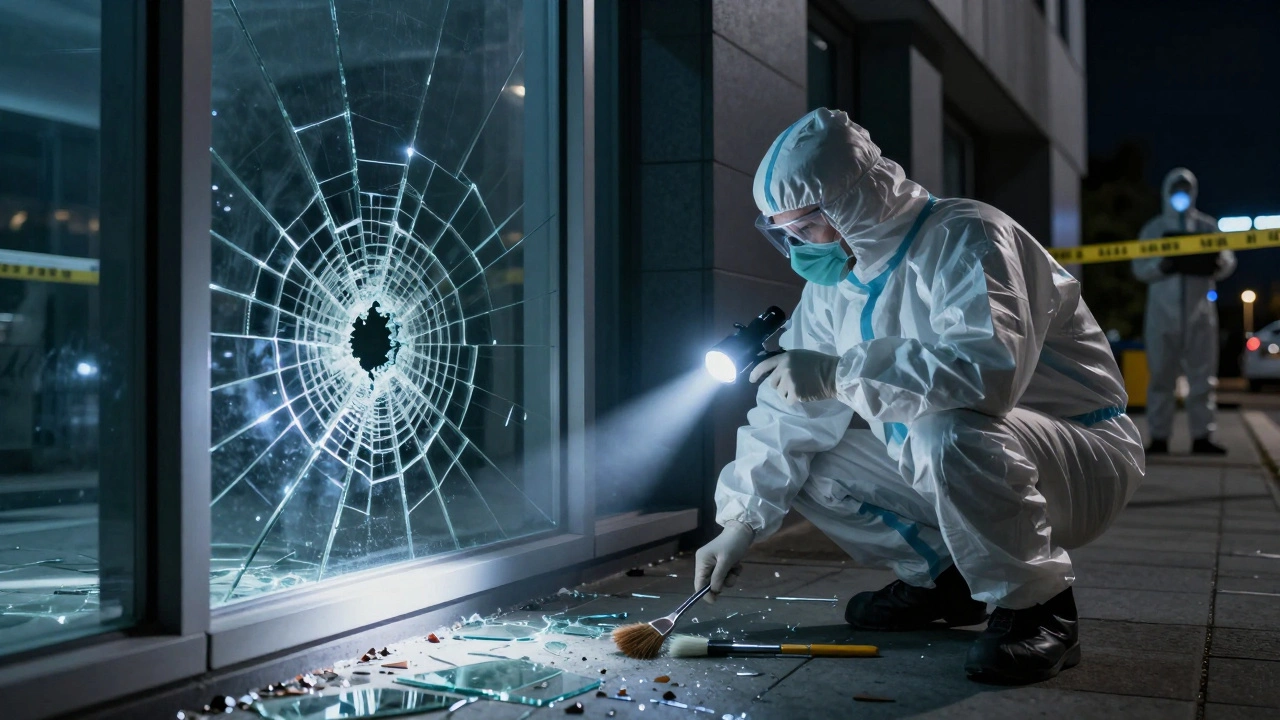
Glass Fragments: Collection and Comparison Methods
- By : Ian Brophy
- Date : May 6 2026
Learn professional methods for collecting and comparing glass fragments in forensic investigations. Covers sampling protocols, refractive index testing, elemental analysis, and avoiding common pitfalls.
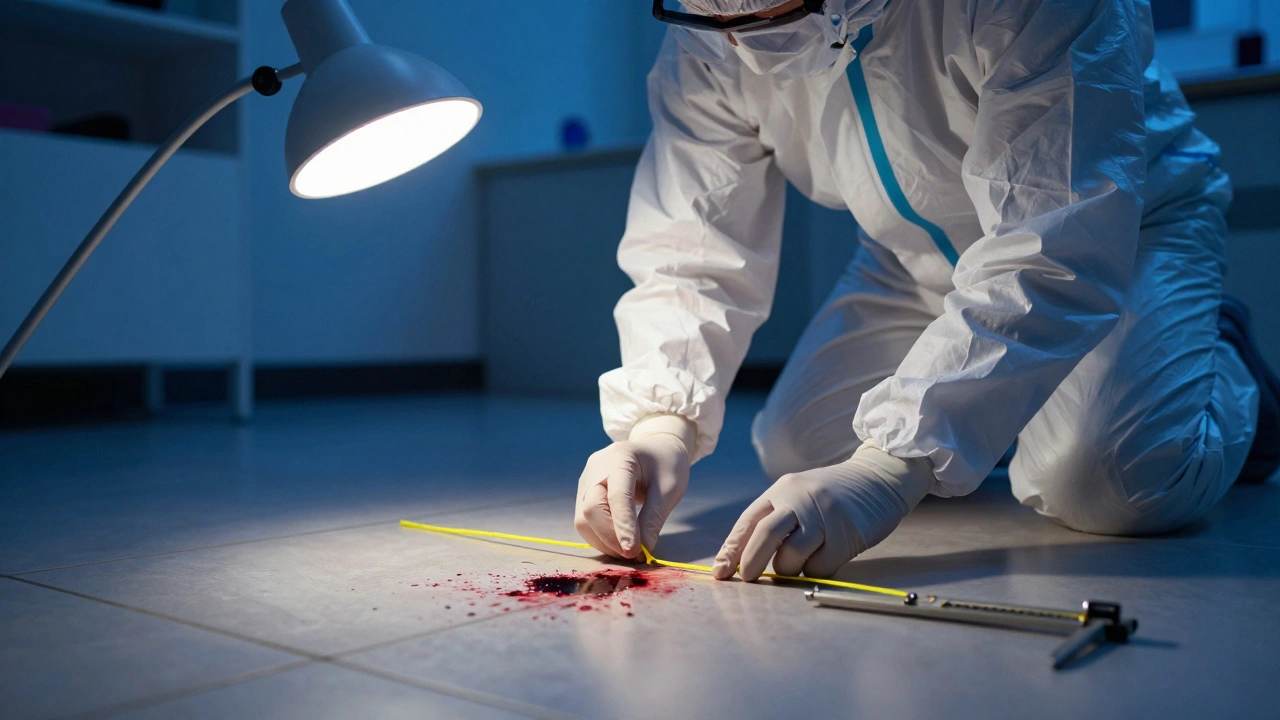
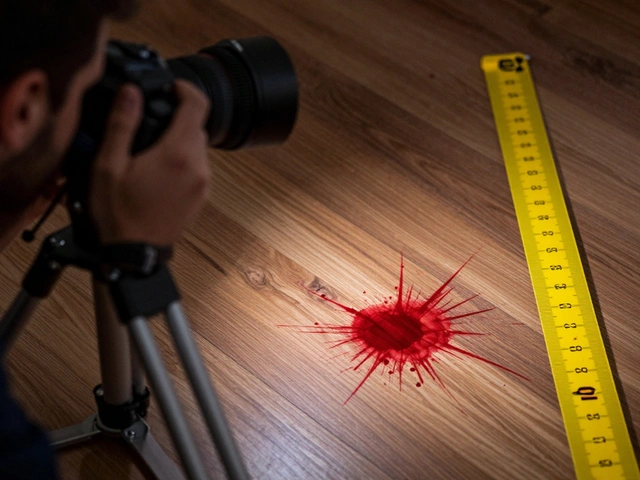
The Stringing Method: How to Reconstruct Attack Patterns in Bloodstain Analysis
- By : Ian Brophy
- Date : May 5 2026
Explore the stringing method in bloodstain pattern analysis. Learn how forensic experts use physics and manual reconstruction to pinpoint attack origins, victim positions, and weapon dynamics in crime scenes.
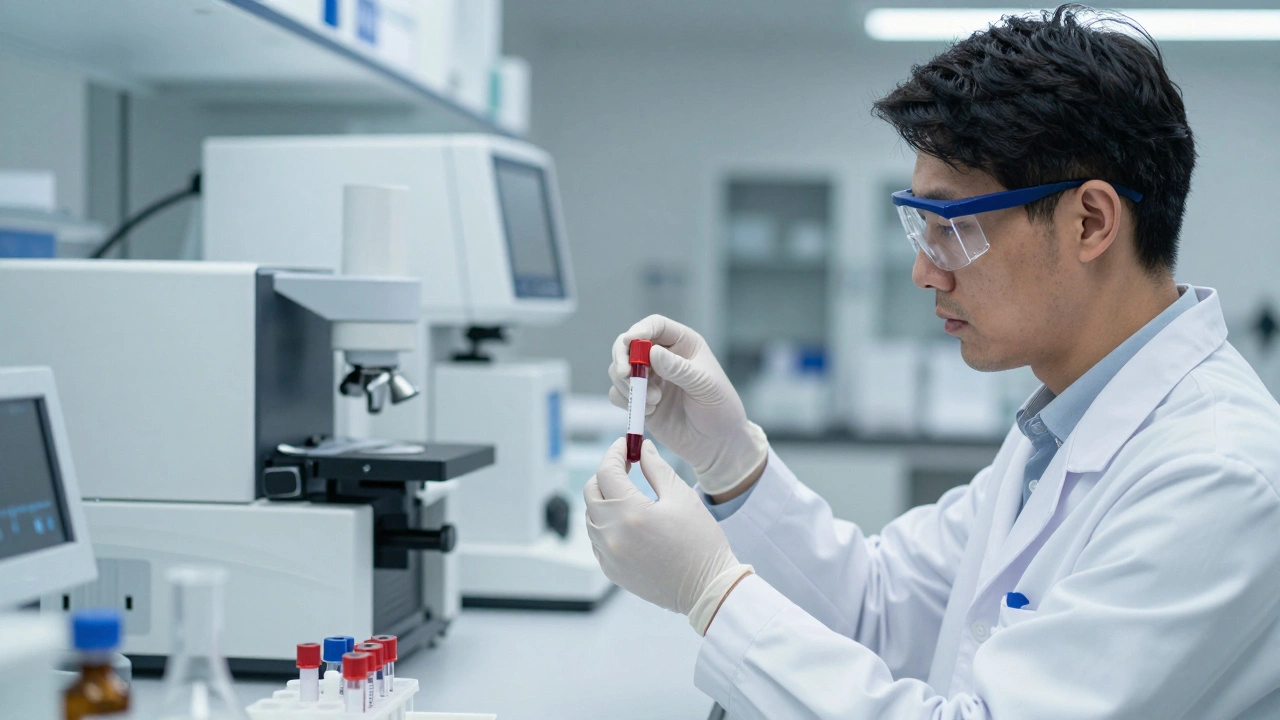
Toxicology in Homicide Cases: Proving Poisoning
- By : Ian Brophy
- Date : May 4 2026
Discover how forensic toxicology proves poisoning in homicide cases through specimen collection, advanced lab testing, and expert interpretation.
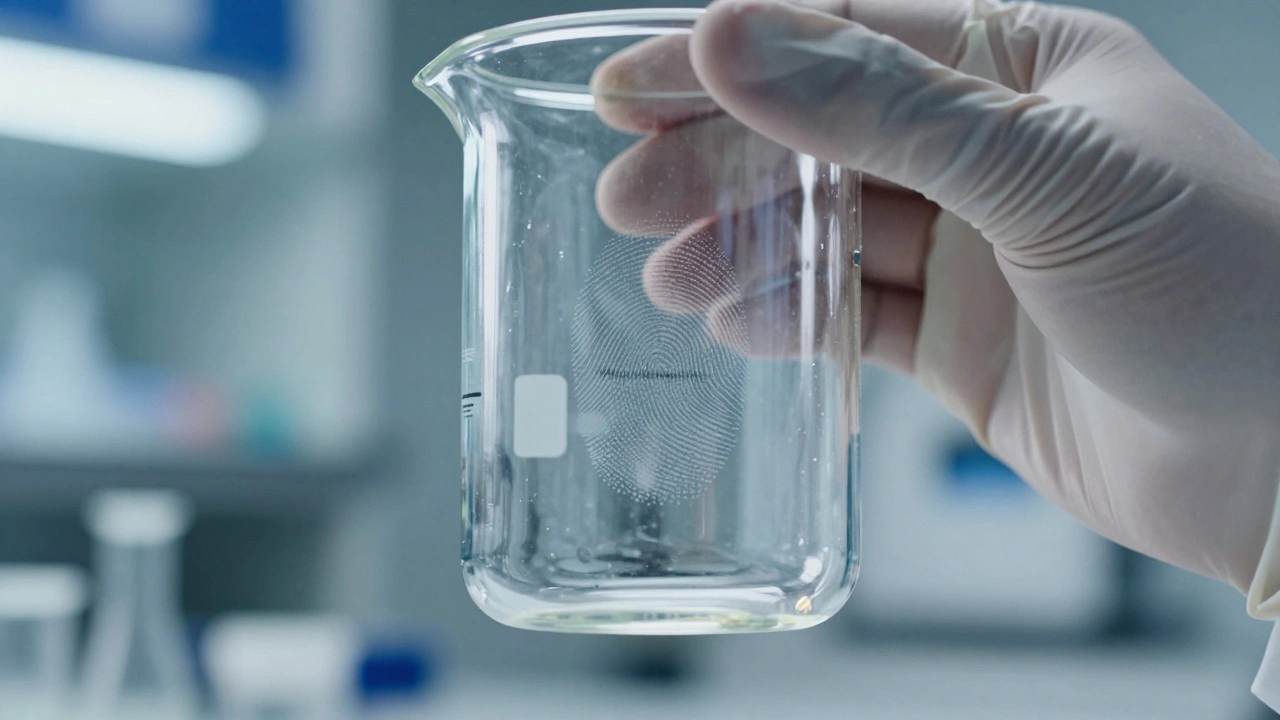
Contamination Controls: Avoiding Examiner-Induced Latents in Fingerprint Analysis
- By : Ian Brophy
- Date : May 3 2026
Discover how forensic teams prevent examiner-induced latent contamination through strict protocols, proper sequencing, and cognitive bias management. Learn practical strategies to protect evidence integrity.
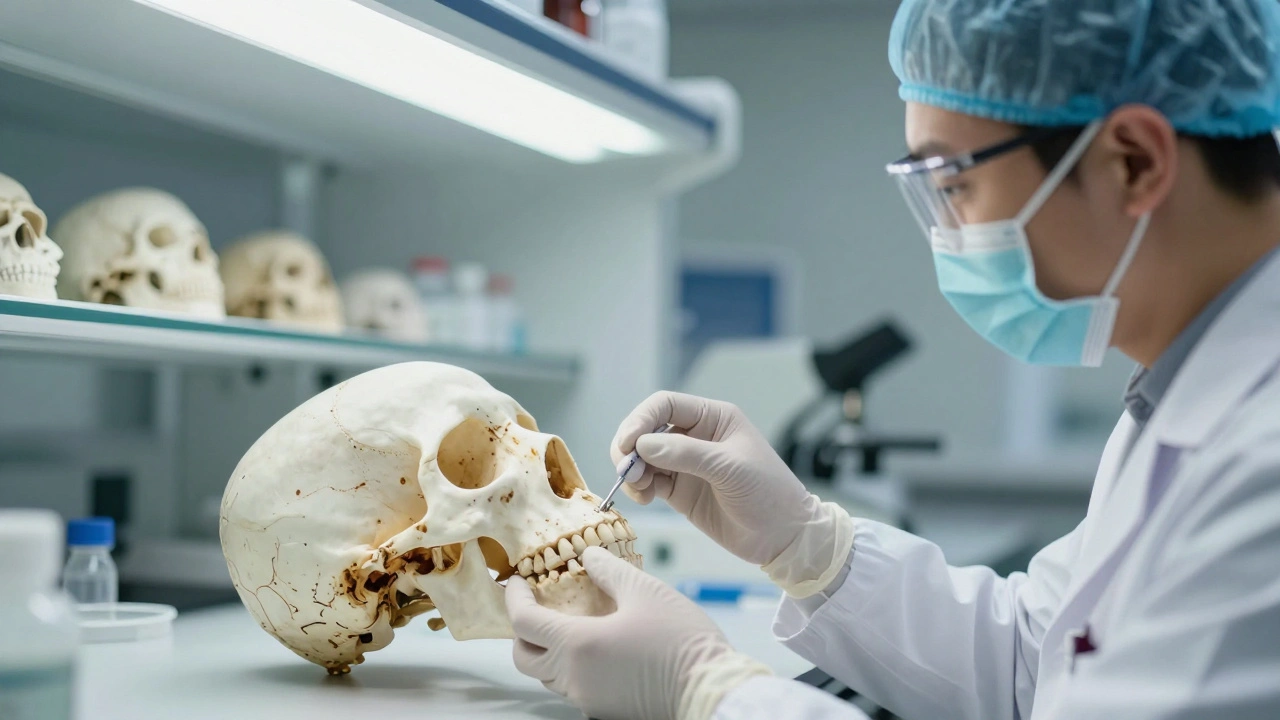
Forensic Anthropologist: The Skeletal Analysis Specialist Guide
- By : Ian Brophy
- Date : May 3 2026
Discover how forensic anthropologists use skeletal analysis to identify unknown remains. Learn about biological profiling, trauma assessment, and the education required for this specialized forensic career.

Chain of Custody: Storage Conditions and Documentation Best Practices
- By : Ian Brophy
- Date : May 2 2026
Learn how proper storage conditions and meticulous chain of custody documentation preserve evidence integrity for legal and forensic success.
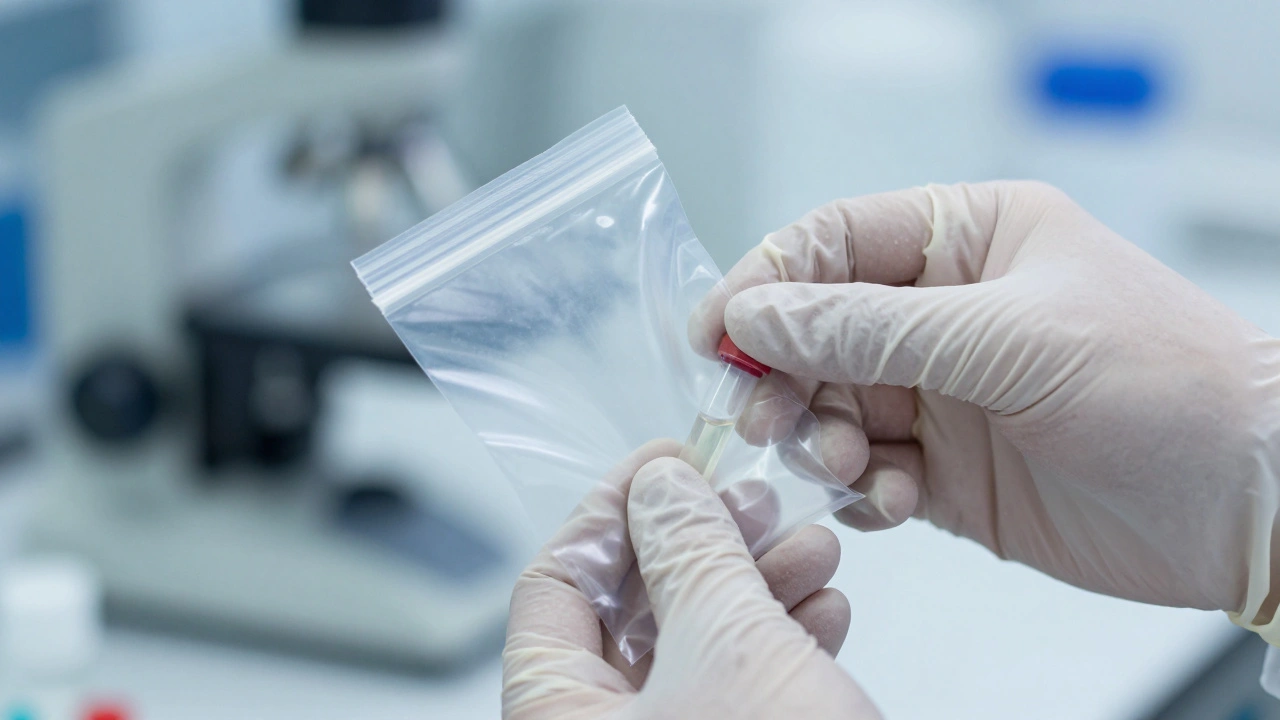
Storage Conditions and Chain of Custody Documentation: A Complete Guide
- By : Ian Brophy
- Date : May 2 2026
Learn how to maintain unbroken chain of custody through precise documentation and controlled storage conditions. Essential guide for forensics, legal, and compliance professionals.
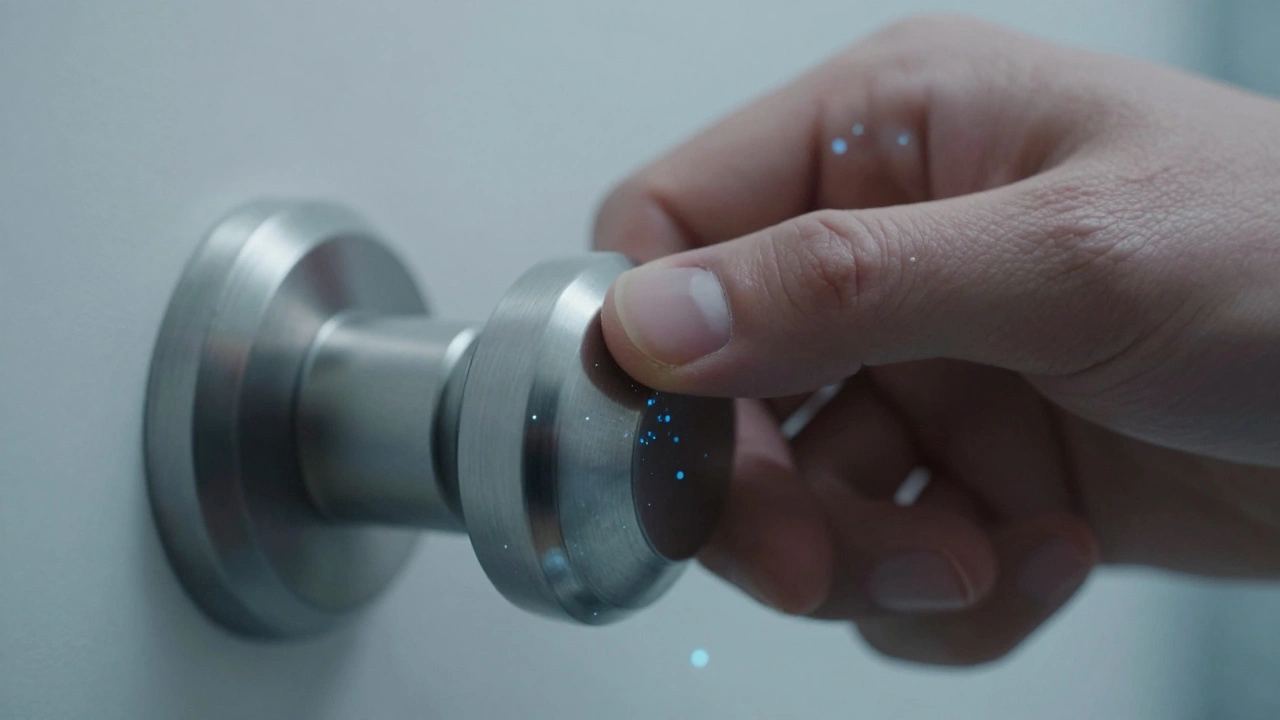
Touch DNA Evidence: Collection Strategies, Limitations, and Best Practices
- By : Ian Brophy
- Date : May 1 2026
Explore the complexities of touch DNA evidence, including collection strategies, surface effects, contamination risks, and interpretation challenges. Learn how forensic professionals navigate low-template DNA analysis and probabilistic genotyping.
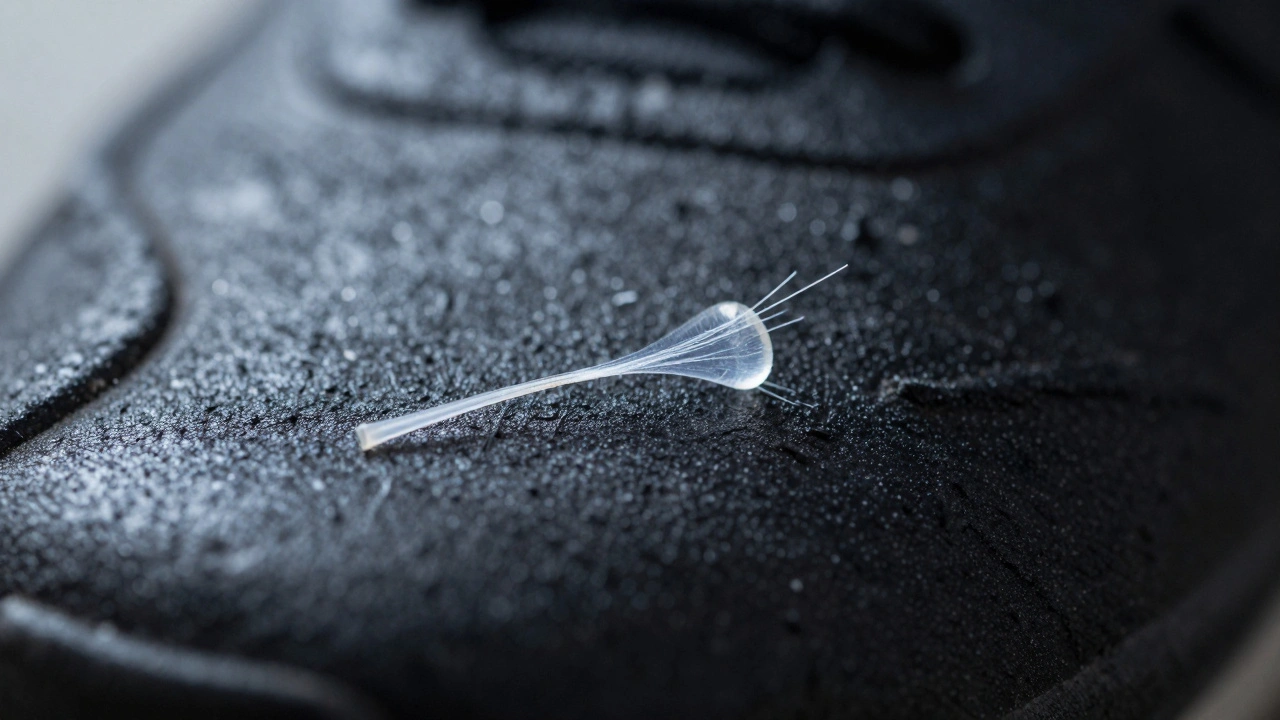
Microplastics as Trace Evidence: Source, Spread, and Forensic Challenges
- By : Ian Brophy
- Date : May 1 2026
Explore how microplastics are emerging as a complex form of trace evidence in forensic science. Learn about source attribution challenges, collection protocols, and the future of microplastic analysis in criminal investigations.
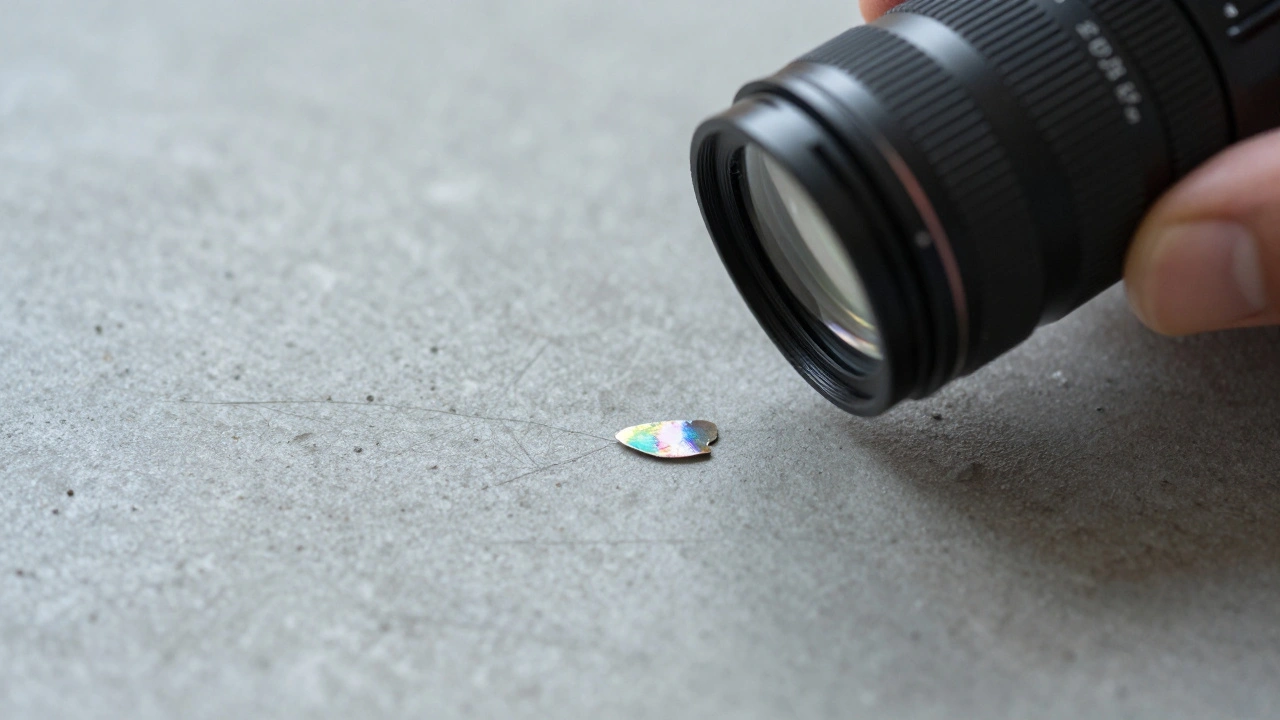
Depth of Field Management in Macro Evidence Shots
- By : Ian Brophy
- Date : Apr 30 2026
Master depth of field management for forensic macro evidence. Learn how to balance magnification, aperture, and focus stacking to ensure critical evidence is sharp.
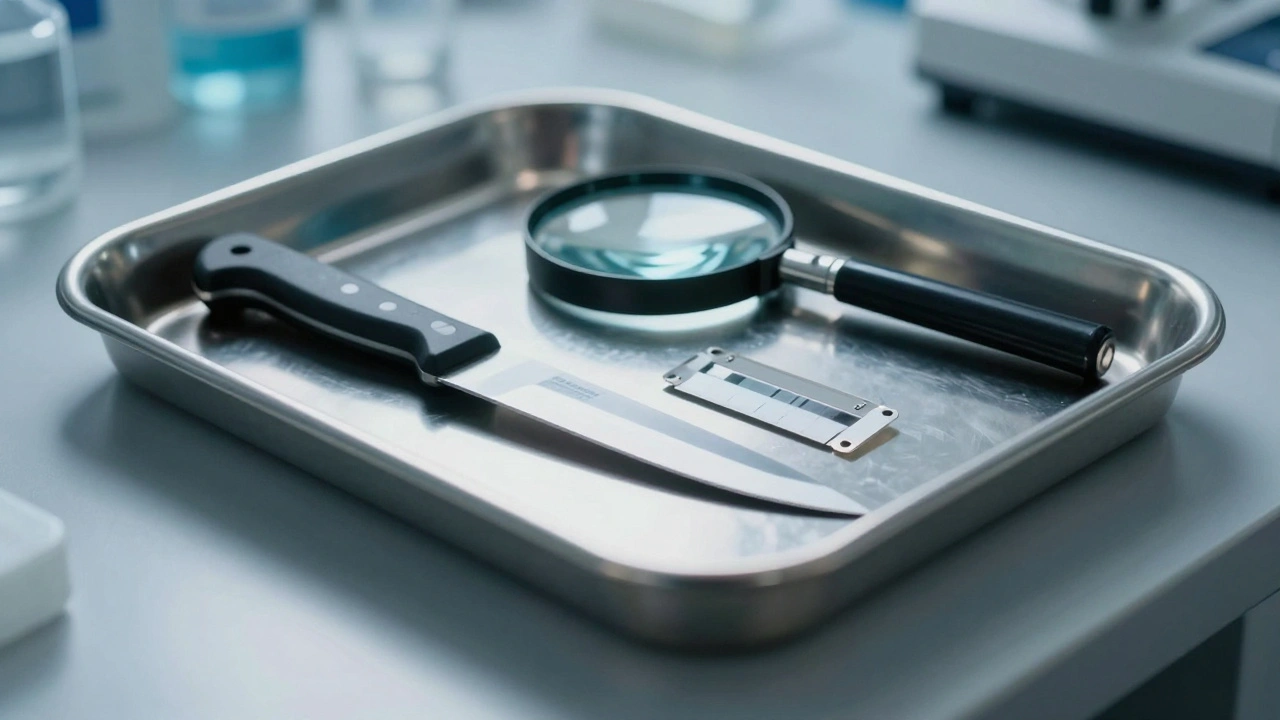
Sharp Force Trauma: Understanding Knife and Cut Injuries in Forensics
- By : Ian Brophy
- Date : Apr 30 2026
Explore the forensic science of sharp force trauma, from distinguishing stab wounds from incisions to identifying defensive injuries and analyzing weapon signatures.
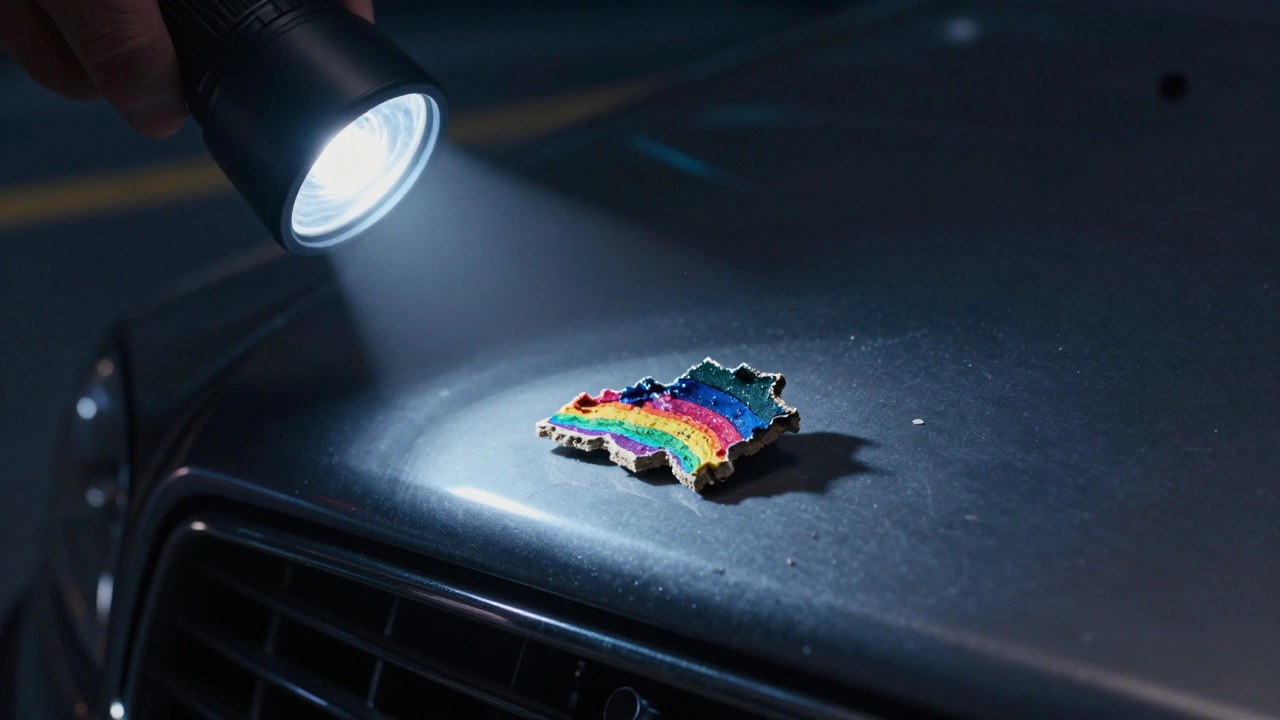
Automotive Paint Systems: Layering and Source Attribution in Forensic Analysis
- By : Ian Brophy
- Date : Apr 30 2026
Explore how forensic experts use automotive paint layering and chemical analysis for source attribution in hit-and-run and trace evidence investigations.