Category: Forensics - Page 35
Mastering Chain of Custody Documentation in Forensic Reports
- By : Ian Brophy
- Date : Apr 29 2026
Learn how to create bulletproof chain of custody documentation for forensic reports to ensure evidence integrity and legal admissibility in court.

Virtual Machine Forensics: How to Acquire and Analyze VM Evidence
- By : Ian Brophy
- Date : Apr 29 2026
Master the process of virtual machine forensics. Learn how to acquire and analyze VM evidence, handle memory dumps, and utilize snapshots for digital investigations.
Fingerprint Aging: Do Your Prints Change as You Get Older?
- By : Ian Brophy
- Date : Apr 29 2026
Do fingerprints change as you age? Discover why ridge patterns stay stable while skin texture evolves, and how this affects biometric scanners and forensic science.

Court-Ready Visuals: Using Graphs and Timelines to Persuade Juries
- By : Ian Brophy
- Date : Apr 28 2026
Learn how to create persuasive, court-ready graphs and timelines for forensic reporting. Master visual hierarchy, evidence integration, and design principles to win over juries.
Cold Case Profiling: Using Psychology to Solve Old Crimes
- By : Ian Brophy
- Date : Apr 28 2026
Discover how cold case profiling uses behavioral analysis, victimology, and forensic psychology to solve decades-old crimes and identify unknown offenders.
Time and Date Documentation in Chain of Custody: A Complete Guide
- By : Ian Brophy
- Date : Apr 27 2026
Learn how precise time and date documentation ensures evidence admissibility in court. Discover the protocols for tracking the chain of custody for physical and digital evidence.
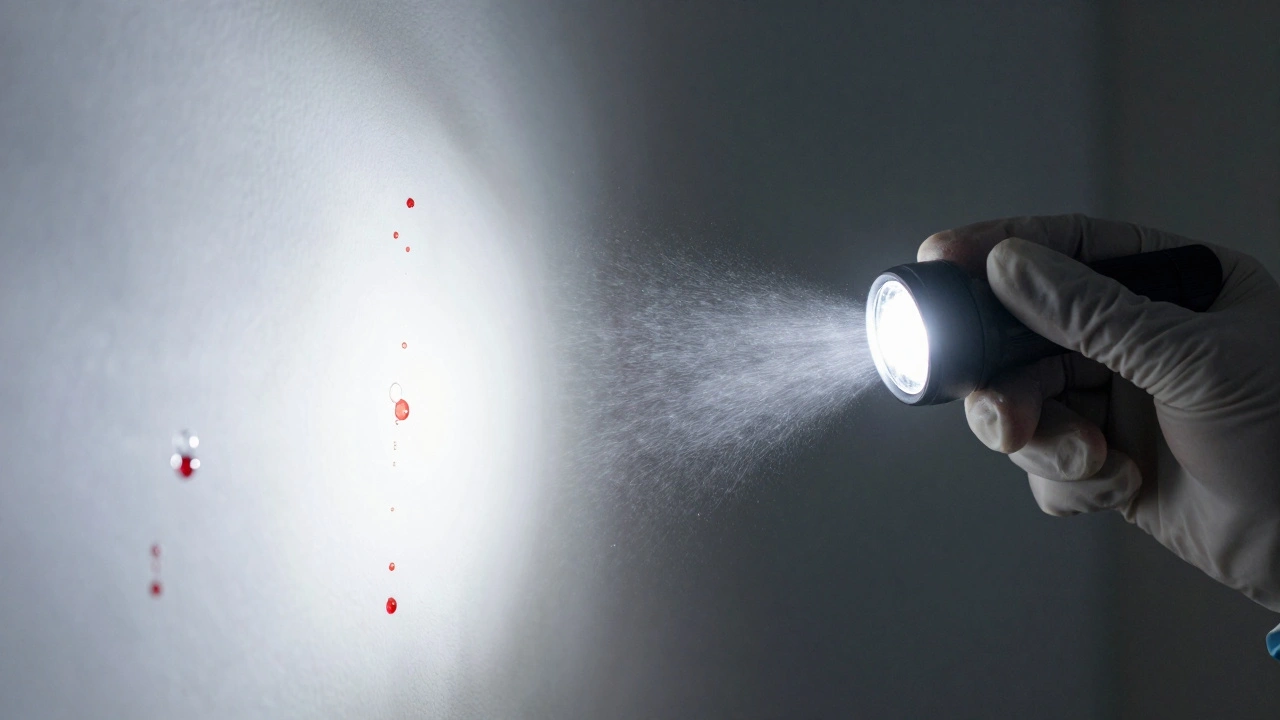
Projected Bloodstains: Identifying Expirated and Pressurized Patterns
- By : Ian Brophy
- Date : Apr 27 2026
Learn how to identify expirated and pressurized bloodstain patterns. Discover the role of bubble rings, beaded stains, and surface types in forensic analysis.
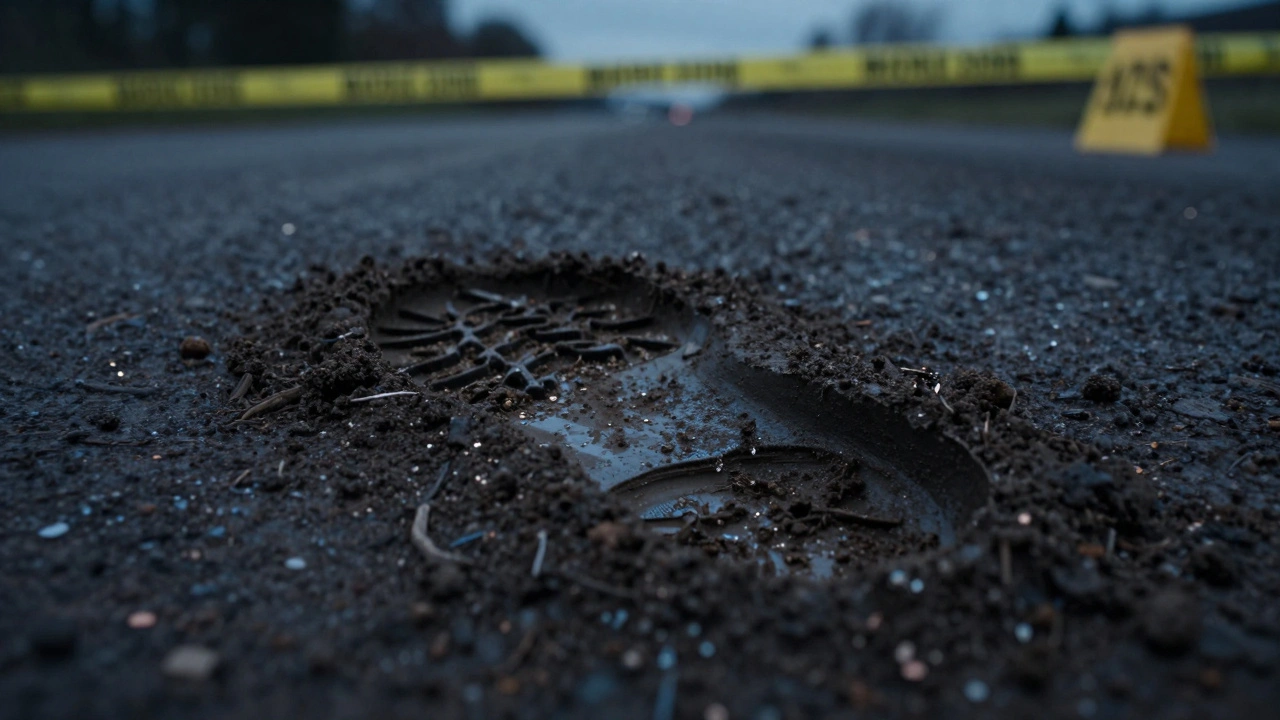
Soil Mineralogy: Using XRD and SEM for Forensic Trace Evidence
- By : Ian Brophy
- Date : Apr 27 2026
Discover how XRD and SEM techniques are used in forensic soil mineralogy to identify crystalline phases and particle textures for trace evidence casework.
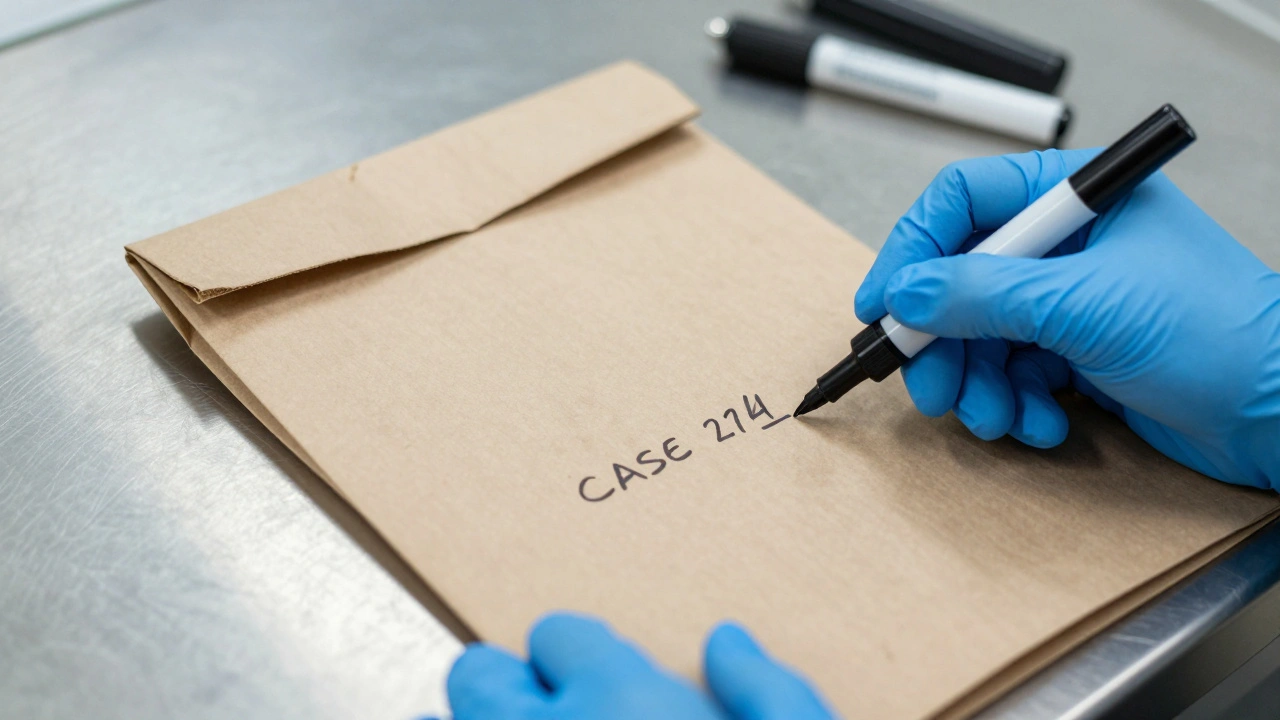
Paper vs. Plastic Evidence Bags: How to Choose the Right Packaging
- By : Ian Brophy
- Date : Apr 26 2026
Learn how to choose between paper and plastic evidence bags to prevent DNA degradation and ensure a secure chain of custody in forensic investigations.
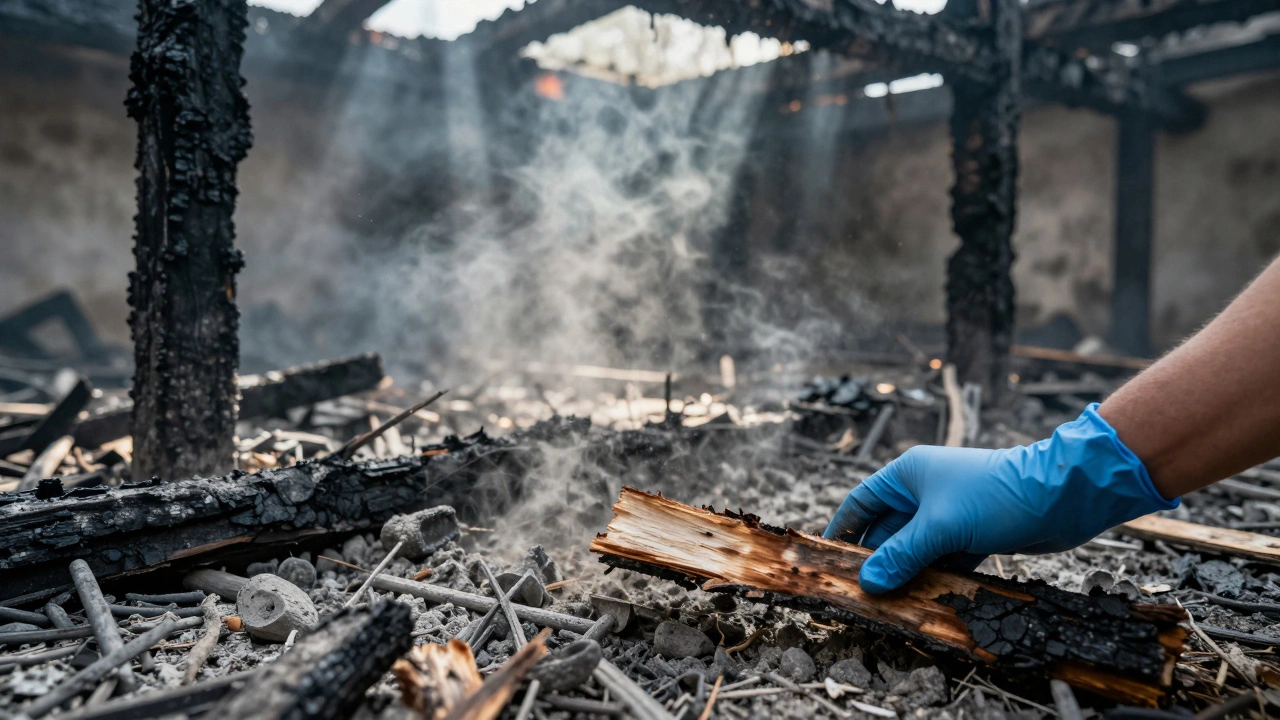
Fire Debris Packaging: How to Prevent Evidence Contamination
- By : Ian Brophy
- Date : Apr 24 2026
Learn the essential protocols for fire debris packaging to prevent contamination and preserve volatile ignitable liquid residues for forensic arson investigations.

High-Velocity Impact Spatter: Analyzing Gunshot Wound Blood Patterns
- By : Ian Brophy
- Date : Apr 23 2026
Explore the science of high-velocity impact spatter in gunshot wounds, including the difference between forward and backspatter and how forensic experts reconstruct crime scenes.

Behavioral Evidence Analysis vs. Intuition: Which Methodology Works Best?
- By : Ian Brophy
- Date : Apr 23 2026
Explore the tension between behavioral evidence analysis and intuition in criminal profiling. Learn how to balance gut feelings with objective data for accurate results.