Category: Forensics - Page 36
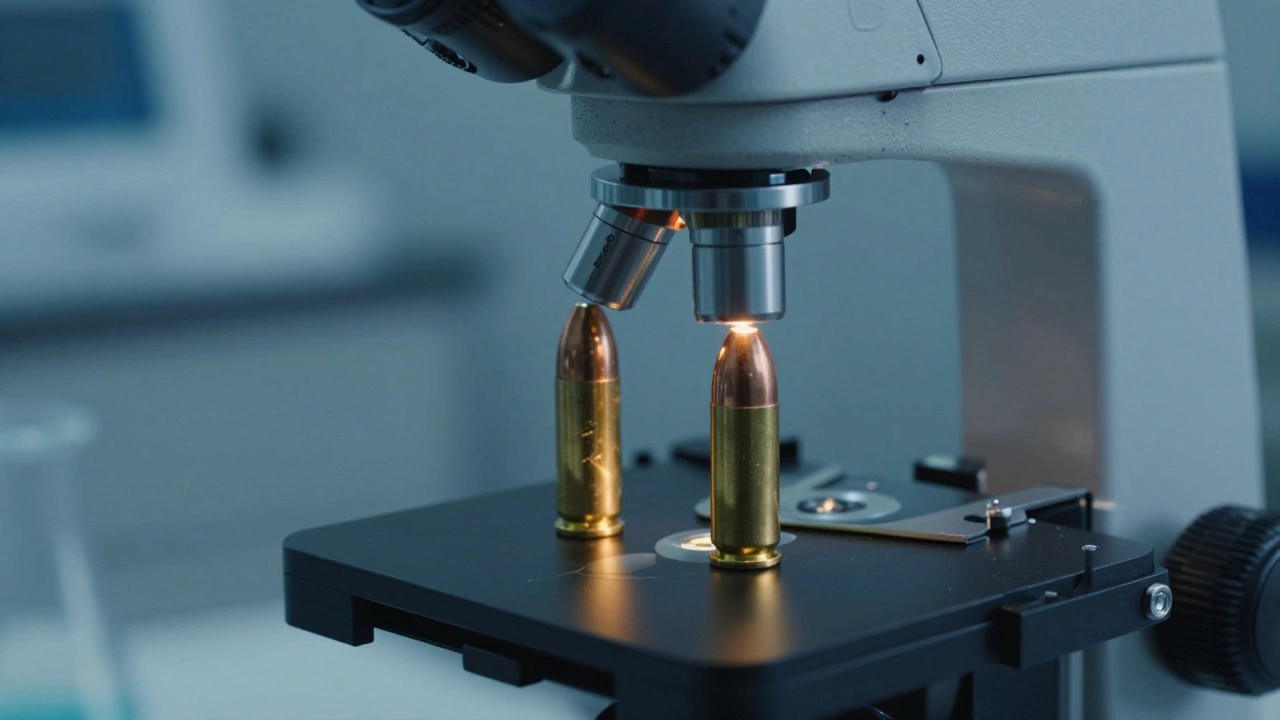
Comparison Microscopy: How Side-by-Side Bullet Analysis Works
- By : Ian Brophy
- Date : Apr 22 2026
Explore how comparison microscopy allows forensic experts to match bullets and cartridge cases to specific firearms using side-by-side striation analysis.
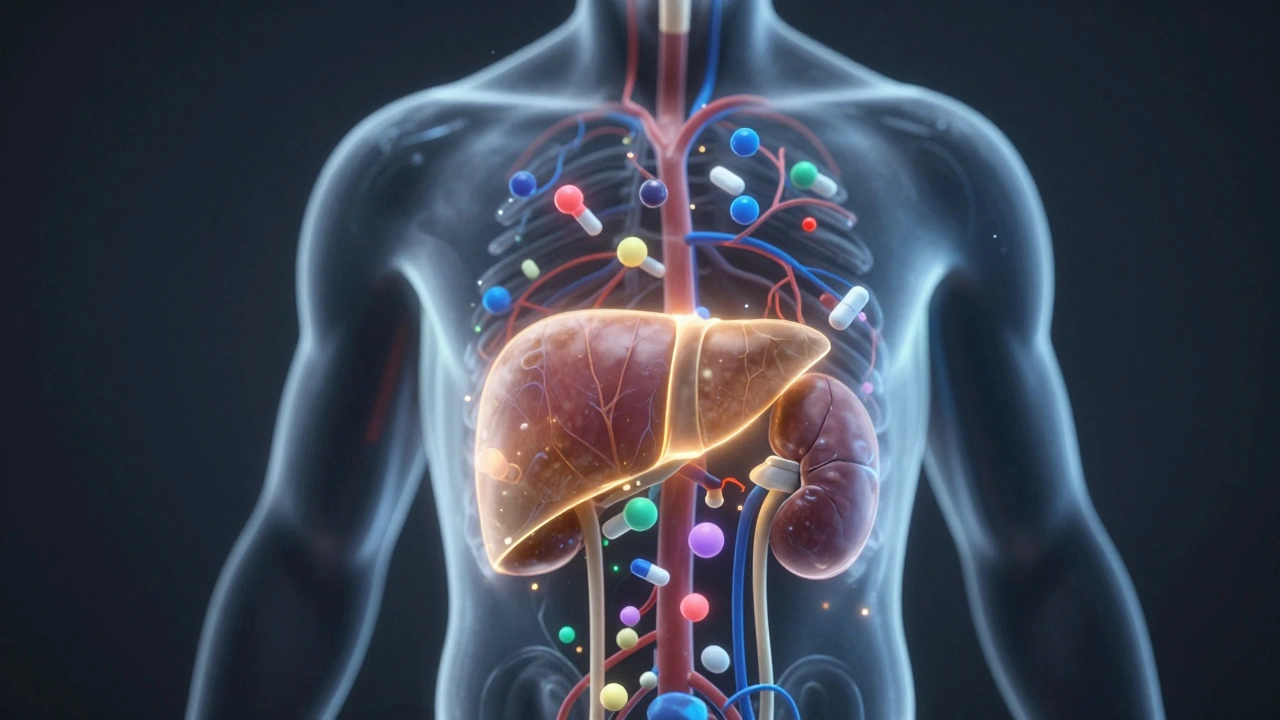
Drug Detection Windows: How Long Substances Stay in Your System
- By : Ian Brophy
- Date : Apr 22 2026
Learn how drug detection windows work across urine, blood, saliva, and hair tests. Discover how half-life, body mass, and drug type affect how long substances stay detectable.
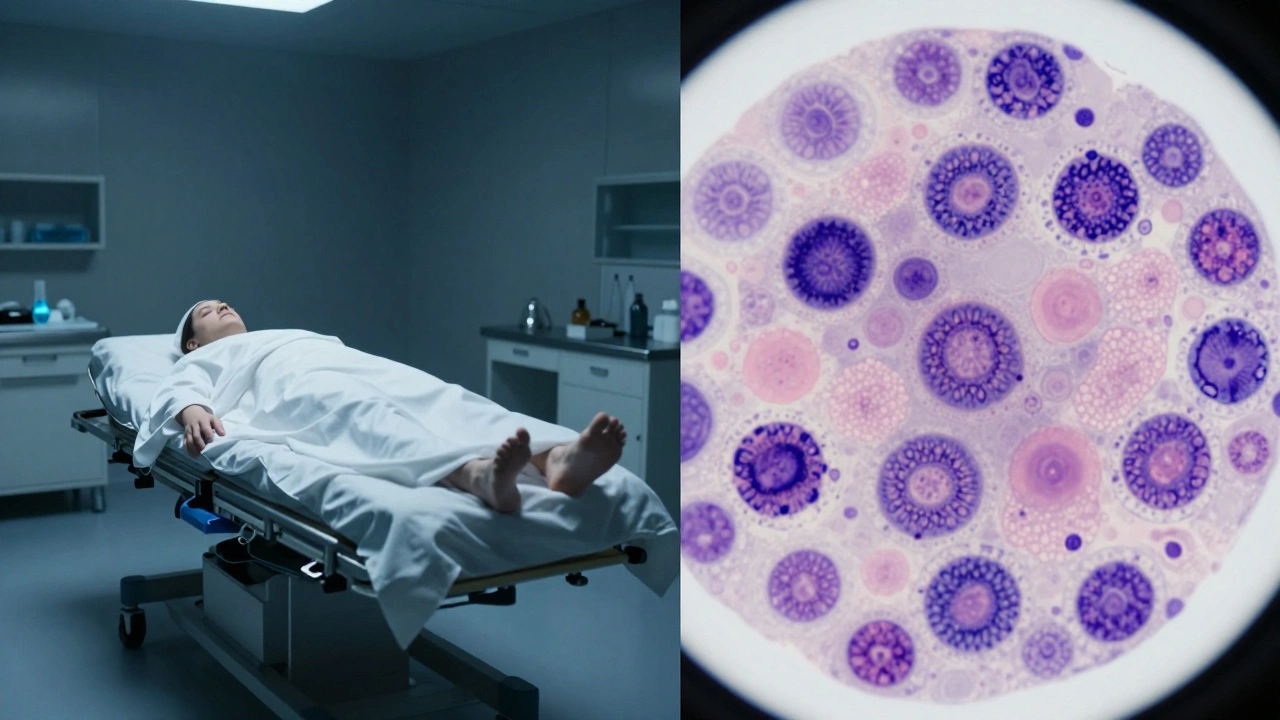
Histopathology Guide: How Microscopic Tissue Examination Works
- By : Ian Brophy
- Date : Apr 22 2026
Learn how histopathology uses microscopic tissue examination to diagnose diseases, identify cancer, and solve forensic mysteries through cellular analysis.
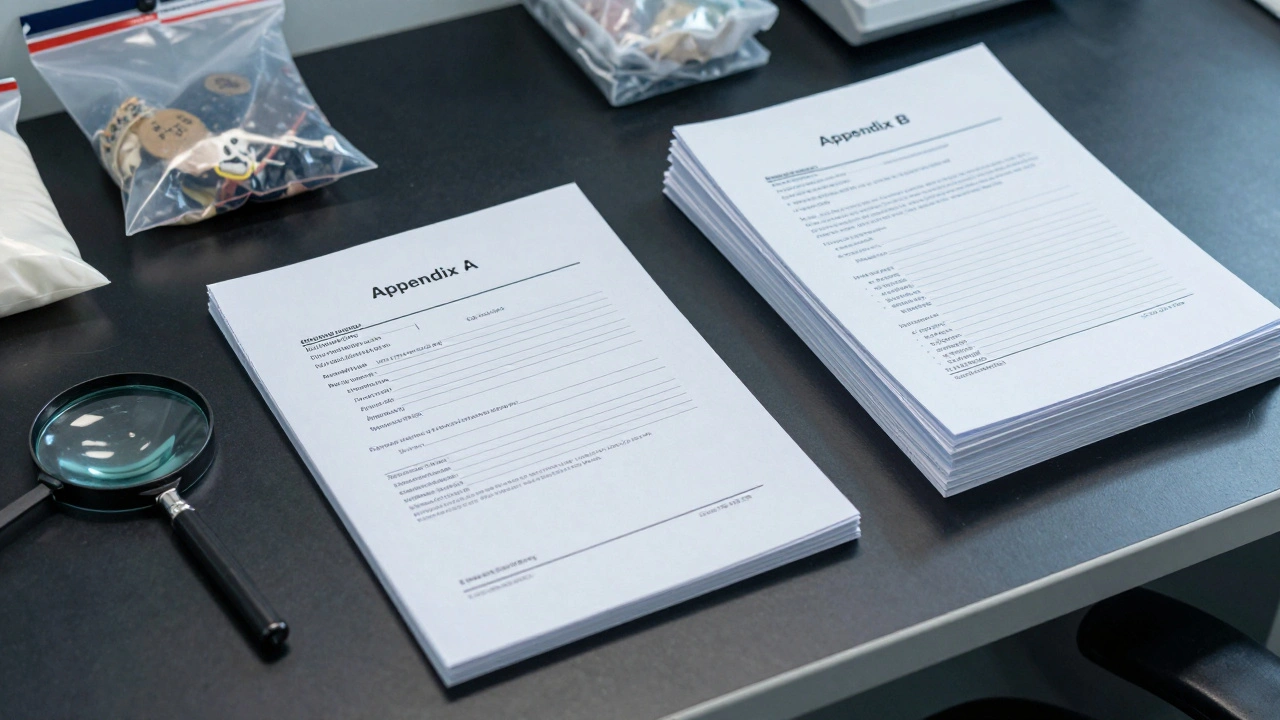
How to Organize Appendices: Exhibits, Charts, and References for Forensic Reports
- By : Ian Brophy
- Date : Apr 21 2026
Learn how to professionally organize forensic report appendices. Master the placement of exhibits, charts, and references to ensure your data is courtroom-ready.
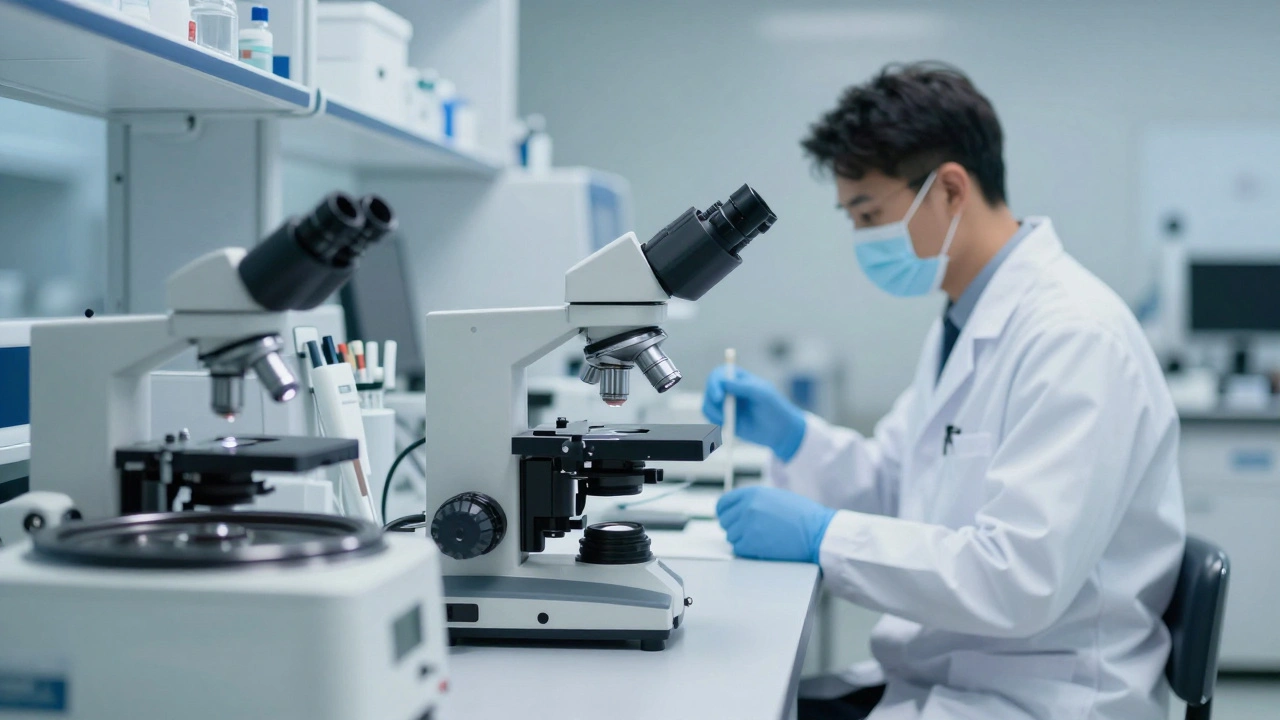
International Forensic Careers: How to Get Certified and Work Globally
- By : Ian Brophy
- Date : Apr 20 2026
Explore how to build a global career in forensics. Learn about the necessary credentials, top specializations, and how to move between international organizations.
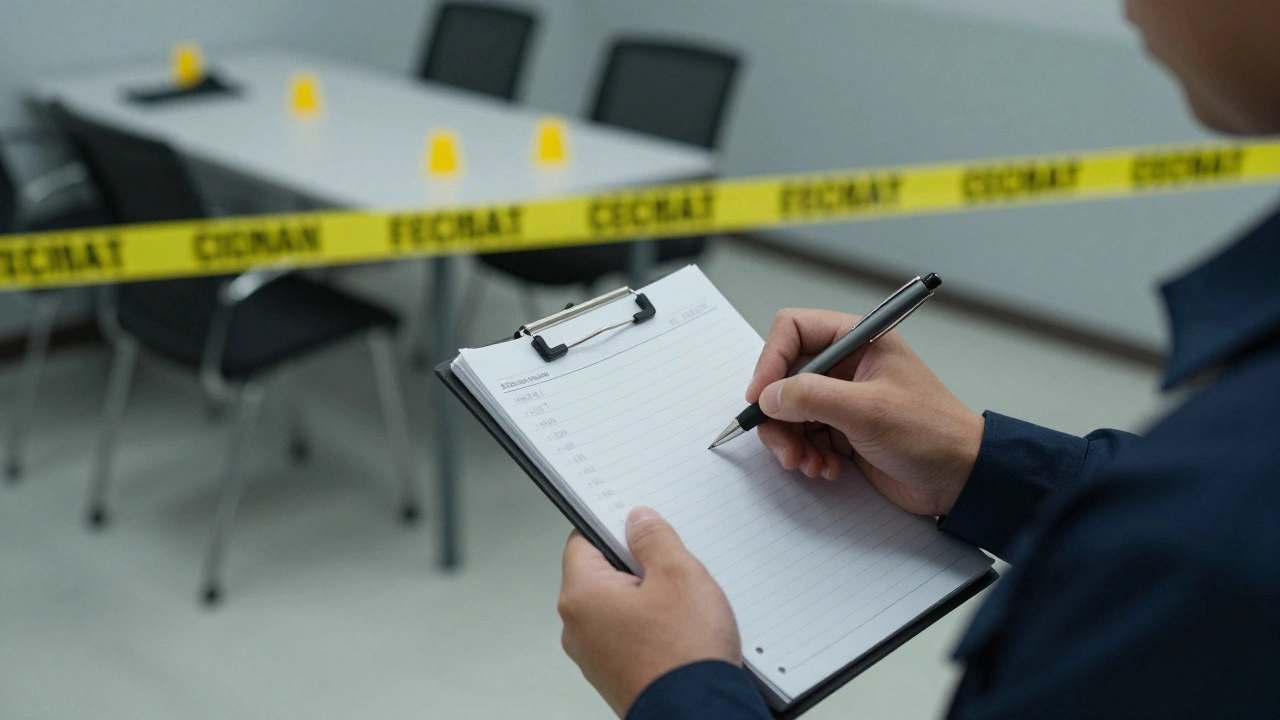
Crime Scene Notes: Best Practices for Real-Time Documentation
- By : Ian Brophy
- Date : Apr 20 2026
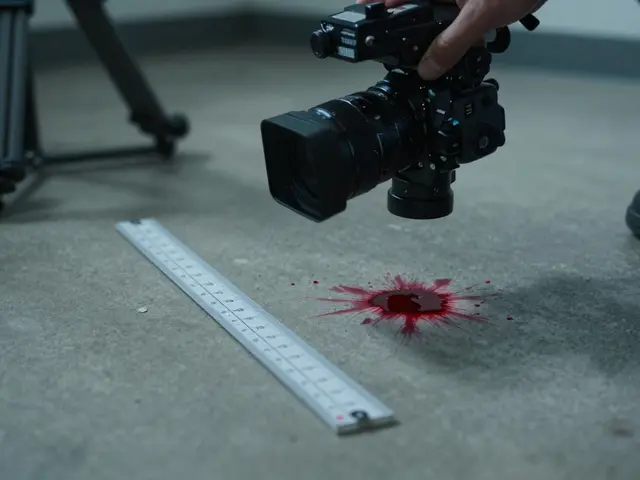
Learn the best practices for real-time crime scene documentation. Master the art of factual note-taking, spatial measurements, and integrating tech to ensure court-ready evidence.
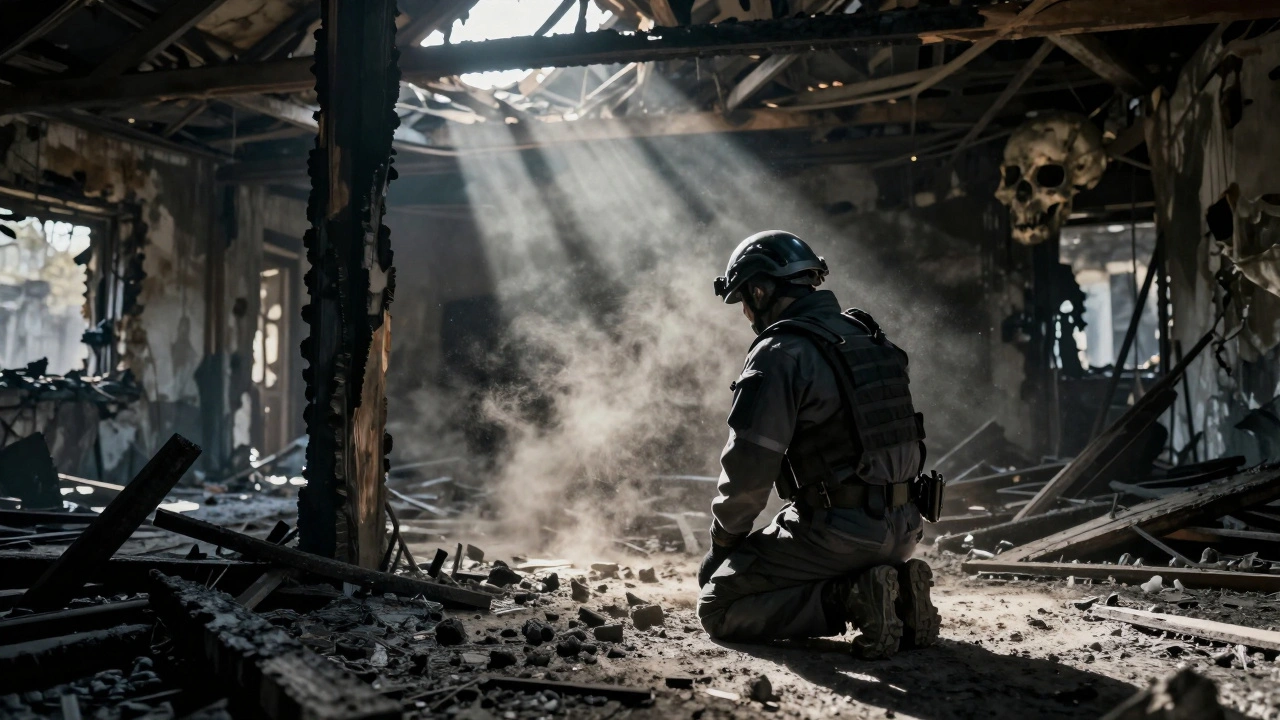
Incendiary Devices: How Investigators Identify Intentional Fire Setups
- By : Ian Brophy
- Date : Apr 20 2026
Learn how forensic investigators identify incendiary devices and intentional fire setups using accelerant detection, burn patterns, and GC-MS analysis.
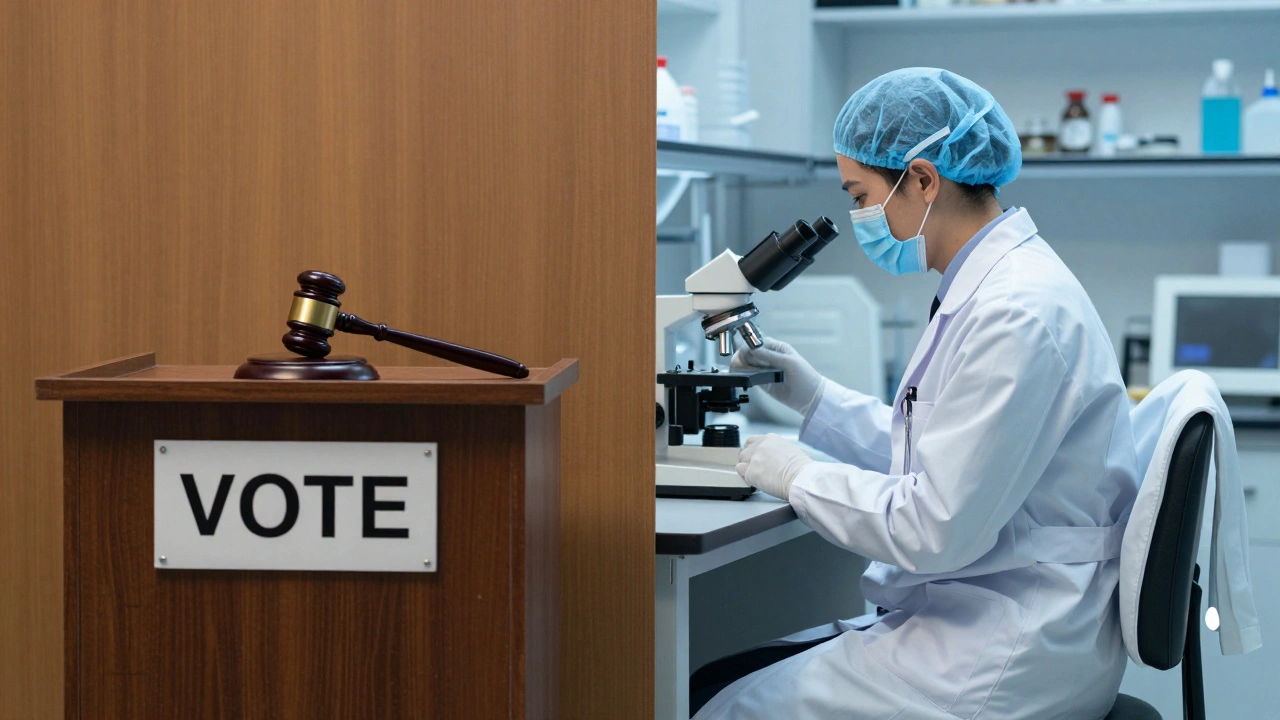
Medical Examiner vs. Coroner: Which One Investigates the Death?
- By : Ian Brophy
- Date : Apr 19 2026
Confused about the difference between a medical examiner and a coroner? We break down the training, roles, and legal powers of both death investigators.
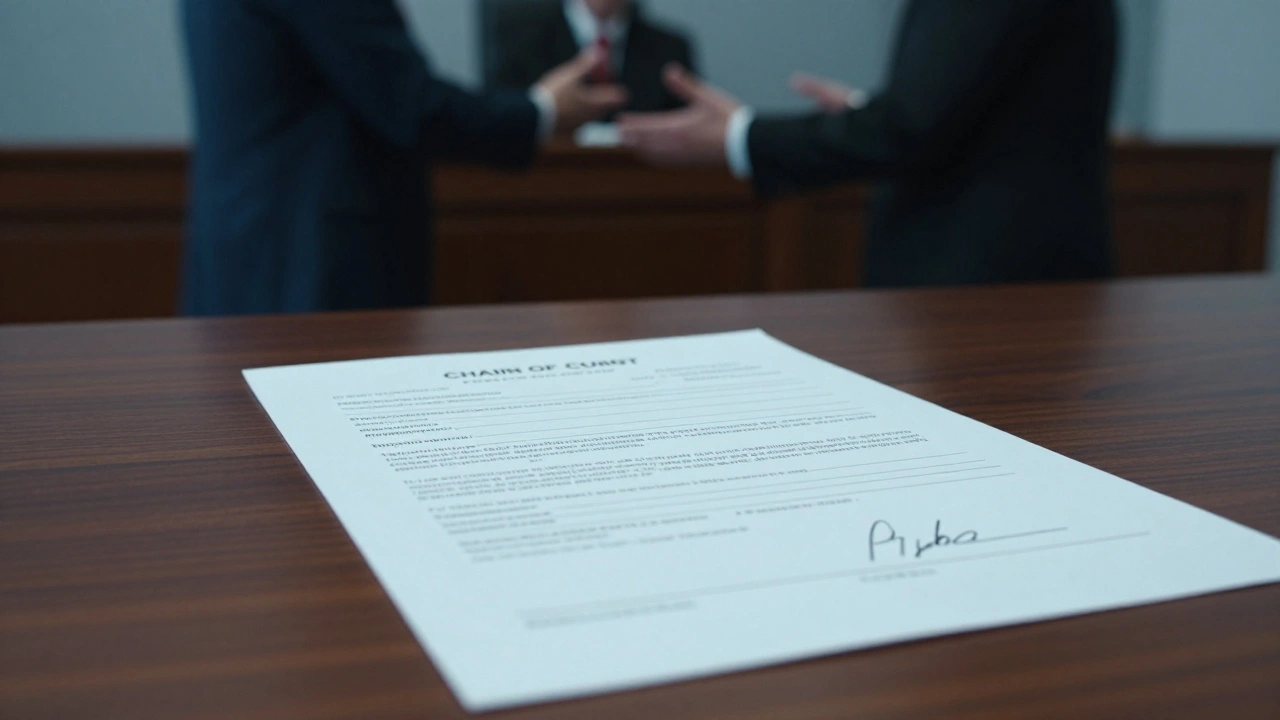
Chain of Custody Signatures: Who Must Sign and Why It Matters
- By : Ian Brophy
- Date : Apr 19 2026
Learn who must sign chain of custody forms, from collectors to lab staff, to ensure evidence remains admissible in court and void of tampering.
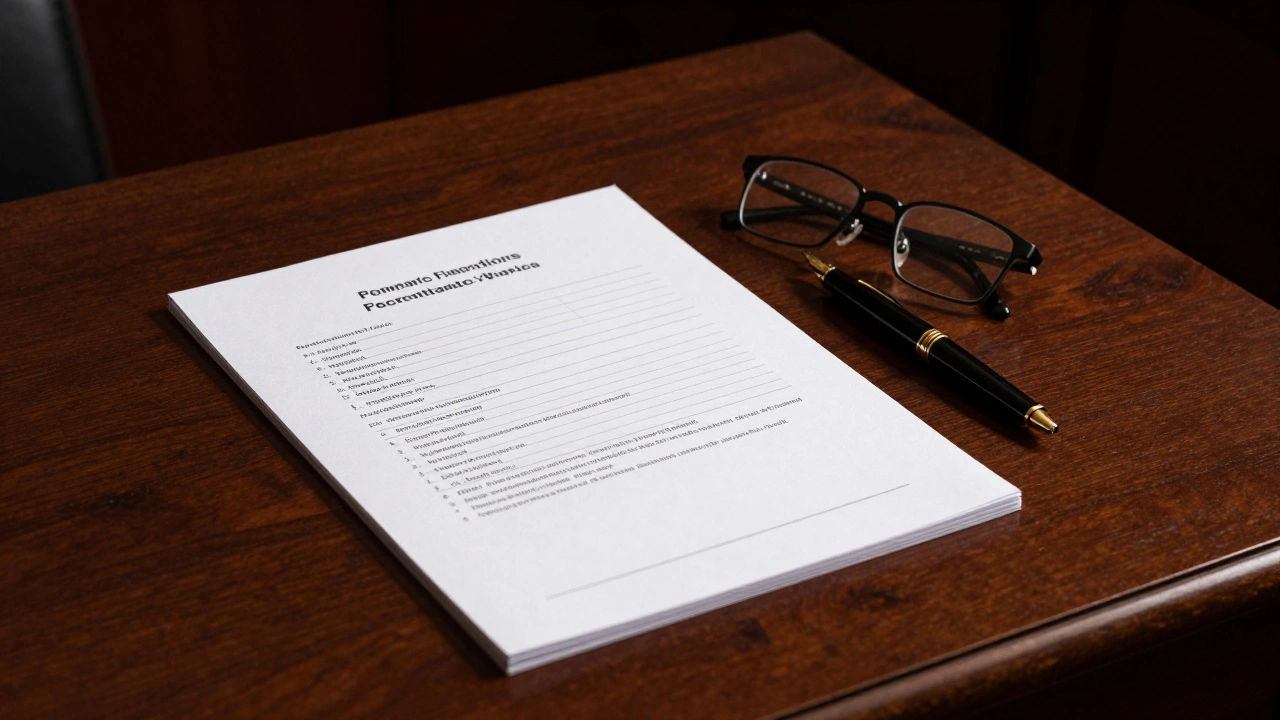
Forensic Report Templates: How to Build Consistent, Court-Ready Documents
- By : Ian Brophy
- Date : Apr 19 2026
Learn how to use forensic report templates to ensure legal admissibility, maintain objectivity, and build consistent, professional documents for any investigation.
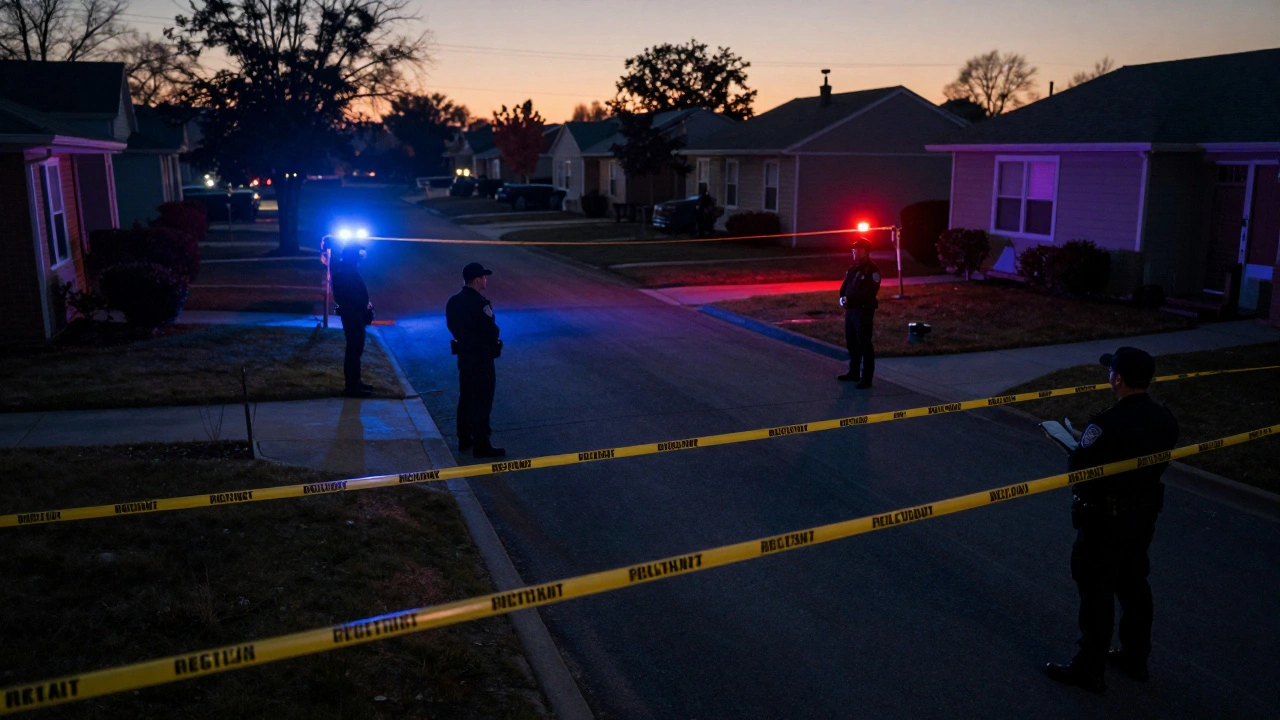
Homicide Scene Processing: A Complete Guide to Evidence Collection
- By : Ian Brophy
- Date : Apr 18 2026
A comprehensive guide to homicide scene processing and evidence collection, covering perimeters, documentation, and the critical chain of custody.
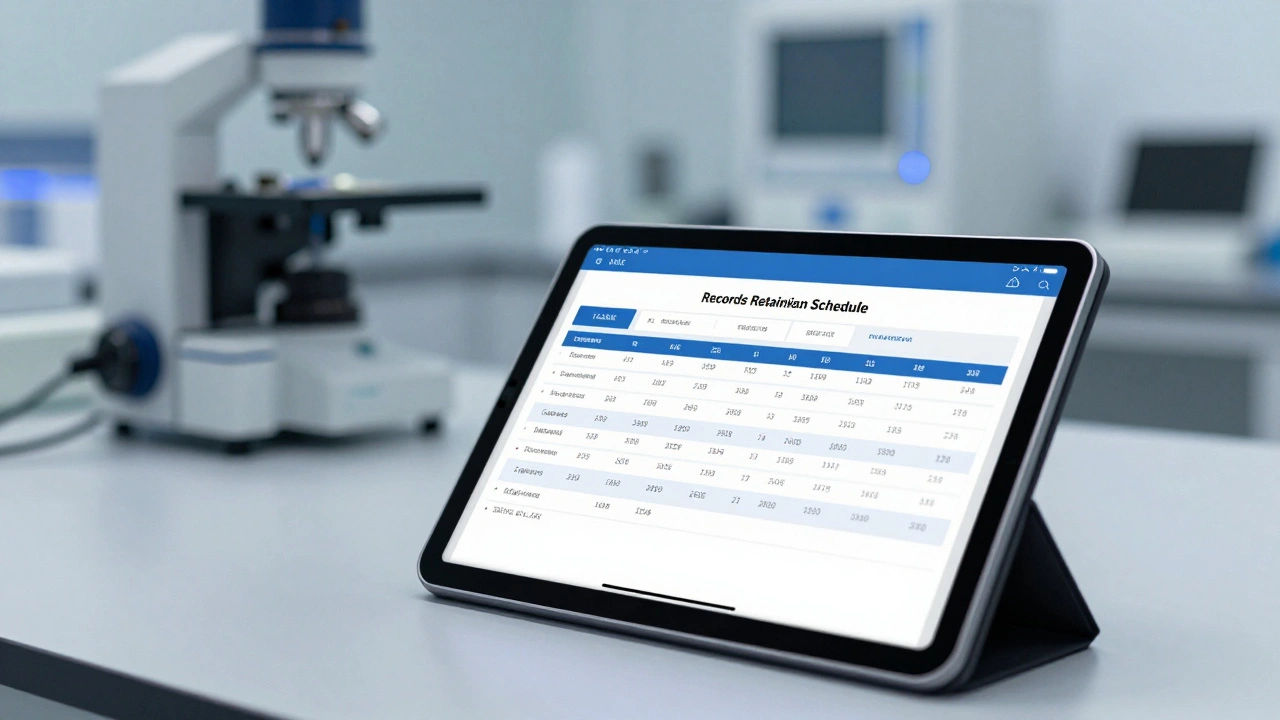
Archiving Forensic Reports: Retention Schedules and Retrieval Strategies
- By : Ian Brophy
- Date : Apr 17 2026
Learn how to implement forensic report retention schedules and retrieval systems to ensure legal compliance, evidence integrity, and audit readiness.