Category: Forensics - Page 39
How to Build a Forensic Resume: Skills, Keywords, and Achievements
- By : Ian Brophy
- Date : Apr 8 2026
Learn how to build a powerful forensic resume. Discover the key skills, industry keywords, and quantifiable achievements needed to land roles in forensic science and investigation.
How Doe Networks and NGOs Leverage Volunteer Resources for Cold Cases
- By : Ian Brophy
- Date : Apr 8 2026
Explore how the Doe Network and other NGOs use specialized volunteer resources and forensic genealogy to solve missing persons cold cases.
Fire Scene Documentation: A Guide for First Responders
- By : Ian Brophy
- Date : Apr 7 2026
Learn the essential first responder observations and documentation techniques for fire scenes to ensure evidence preservation and support arson investigations.
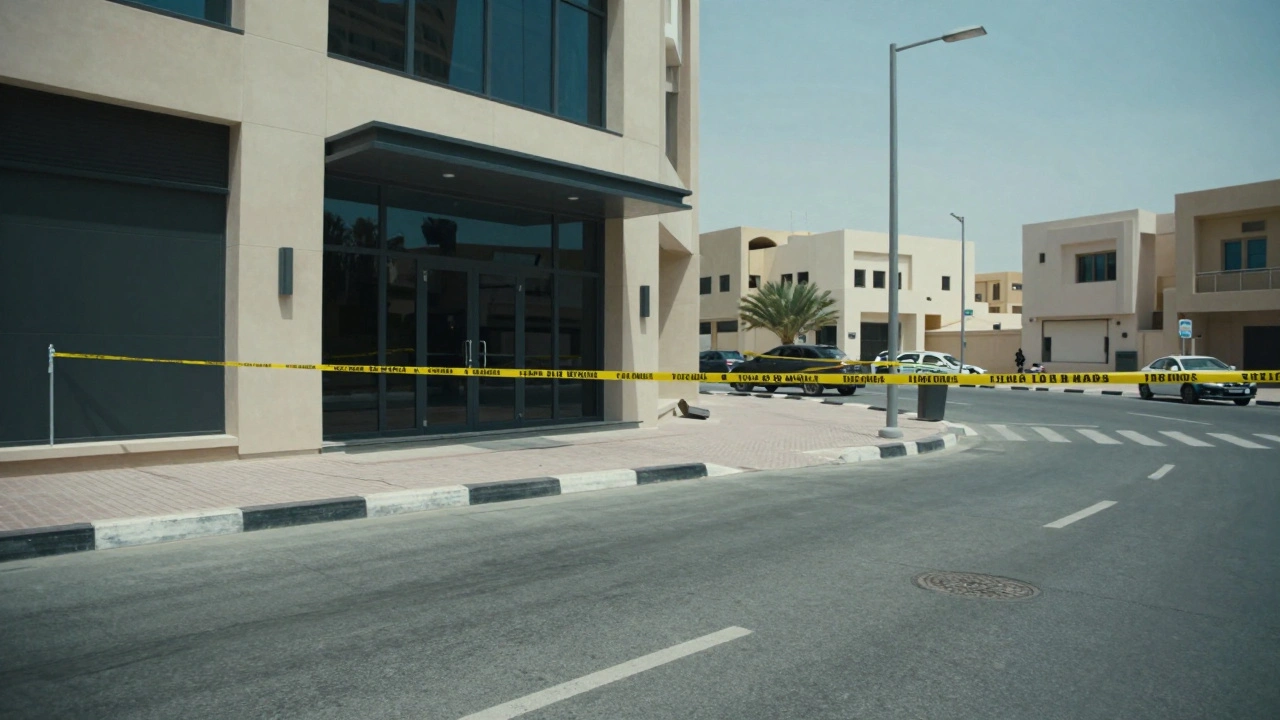
Evidence Photography Guide: How to Capture Crime Scene Details and Location
- By : Ian Brophy
- Date : Apr 7 2026
Learn the professional three-tier approach to evidence photography: from overview shots to close-ups. Master scales, lighting, and scene documentation for forensics.
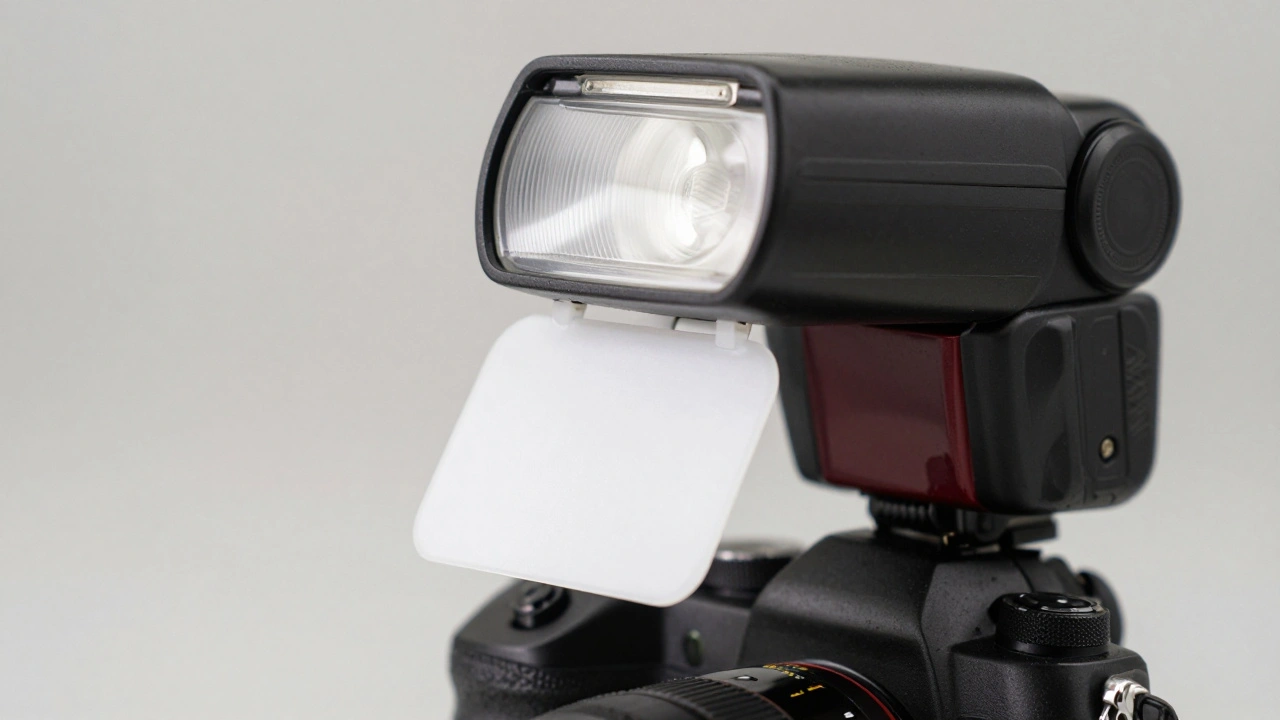
Mastering Flash Techniques: Diffusion, Bounce, and Off-Camera Lighting
- By : Ian Brophy
- Date : Apr 5 2026
Learn how to master flash techniques including diffusion, bounce, and off-camera lighting to achieve professional scene imaging and soft, natural light.
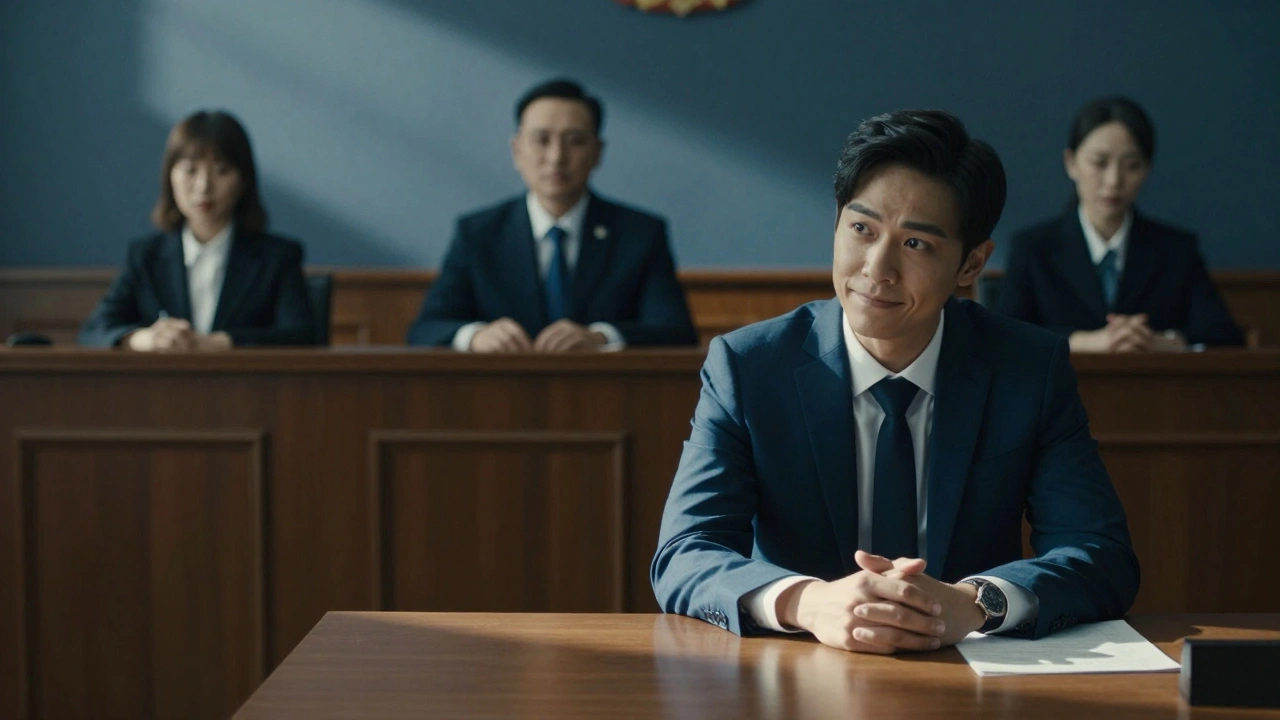
Detecting Malingering in Competency and Insanity Evaluations
- By : Ian Brophy
- Date : Apr 5 2026
Explore the complexities of malingering in forensic psychology, from detection tools like SIRS to the legal stakes of competency and insanity evaluations.
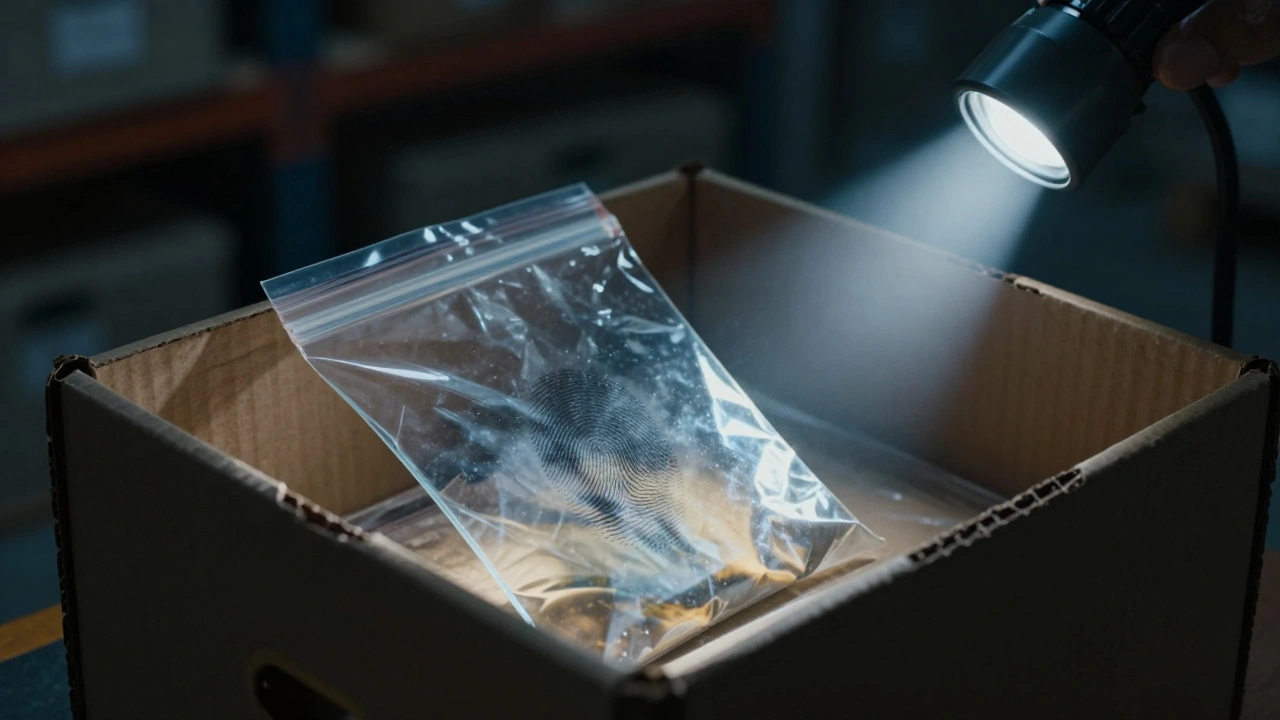
Cold Case Latents: How Modern Forensics Revives Legacy Evidence
- By : Ian Brophy
- Date : Apr 4 2026
Discover how modern fingerprint analysis, AFIS, and genetic genealogy are solving decades-old cold cases by reprocessing legacy evidence with 2026 technology.
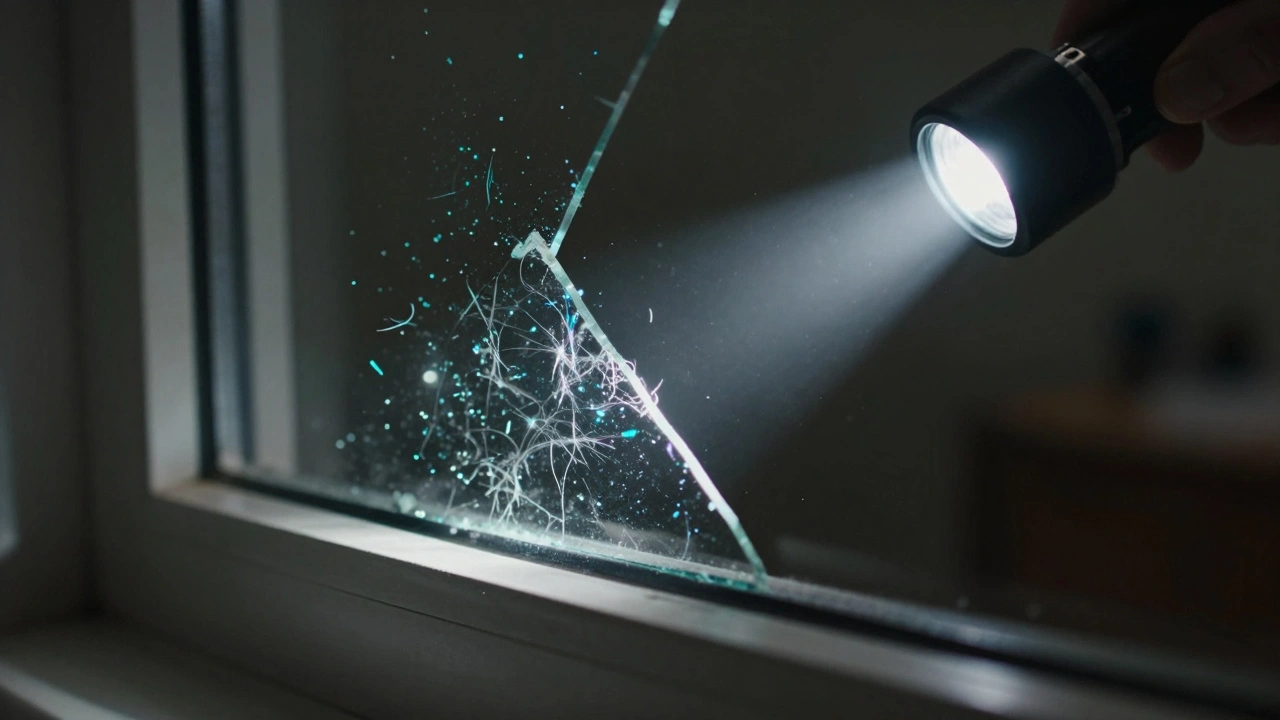
Fiber Analysis: How Clothing Trace Evidence Links Suspects to Crime Scenes
- By : Ian Brophy
- Date : Apr 3 2026
Explore how forensic fiber analysis links clothing to crime scenes using Locard's Exchange Principle, trace mapping, and microscopic chemical analysis.
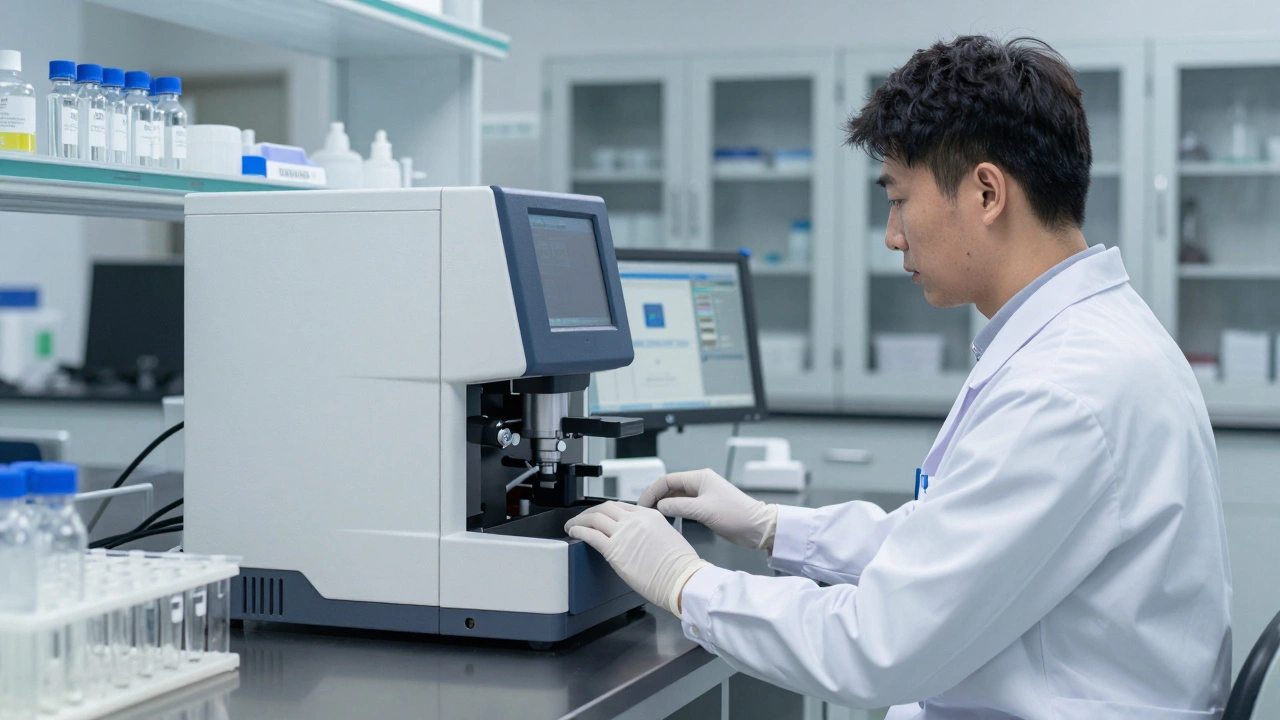
Forensic Chemist Career Guide: Duties, Salary & Skills
- By : Ian Brophy
- Date : Apr 1 2026
Discover what a forensic chemist does in crime labs, from drug analysis to court testimony. Learn about salary, education requirements, and the daily reality of this investigative career.
Court-Admissible Forensic Imaging Validation: A Comprehensive Guide for Legal Experts
- By : Ian Brophy
- Date : Apr 1 2026
A comprehensive guide to validating forensic imaging for court admissibility, covering legal standards, technical protocols, and chain of custody procedures.

The Rokitansky Method: A Guide to Organ Removal in Forensic Autopsies
- By : Ian Brophy
- Date : Mar 31 2026
Explore the Rokitansky autopsy method, a forensic technique focusing on in situ organ examination. Learn how it compares to Virchow and Letulle methods and why it is vital for infectious disease safety.
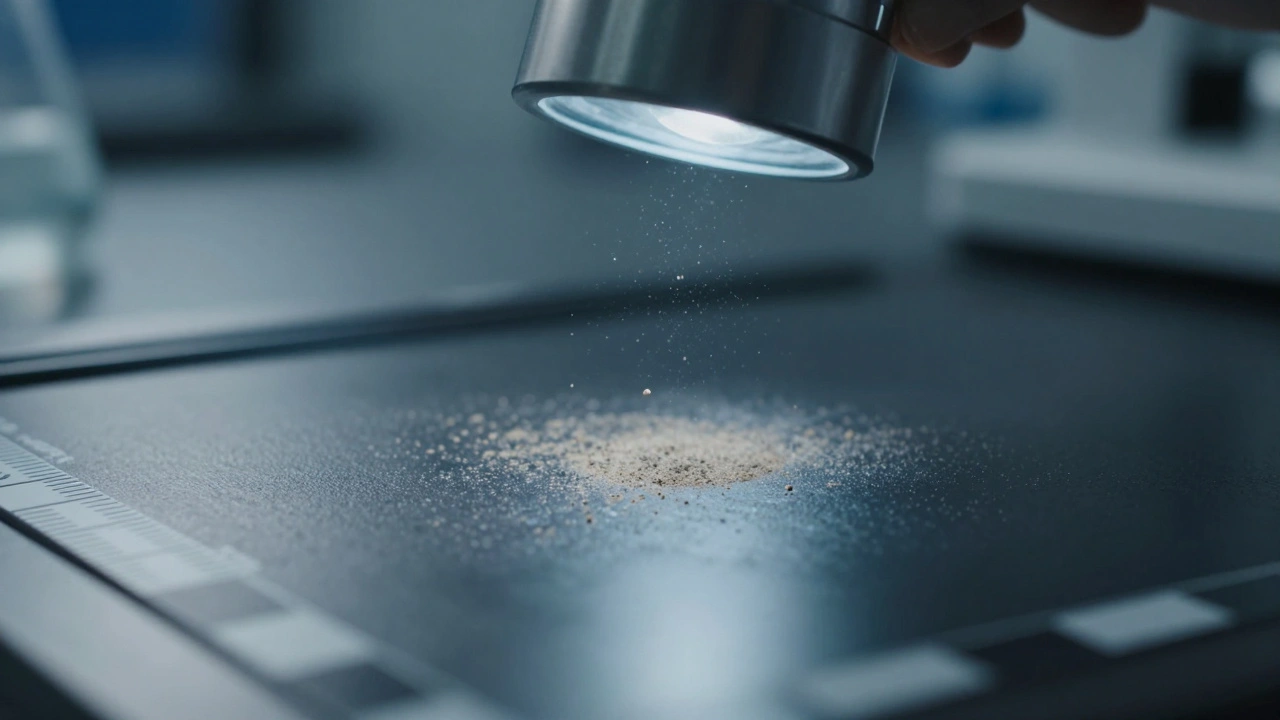
Nanoparticles in Trace Evidence: Emerging Analytical Tools for Forensics
- By : Ian Brophy
- Date : Mar 31 2026
Explore how nanoparticles are transforming trace evidence analysis in 2026. Learn about emerging tools, DNA enhancement, and legal challenges in forensic science.