Key Takeaways for Your Forensic Resume
- Quantify everything: Don't just say you "analyzed DNA"; say you processed 200+ cases annually with a 95% resolution rate.
- Tailor by discipline: A digital analyst needs different keywords than a blood spatter expert.
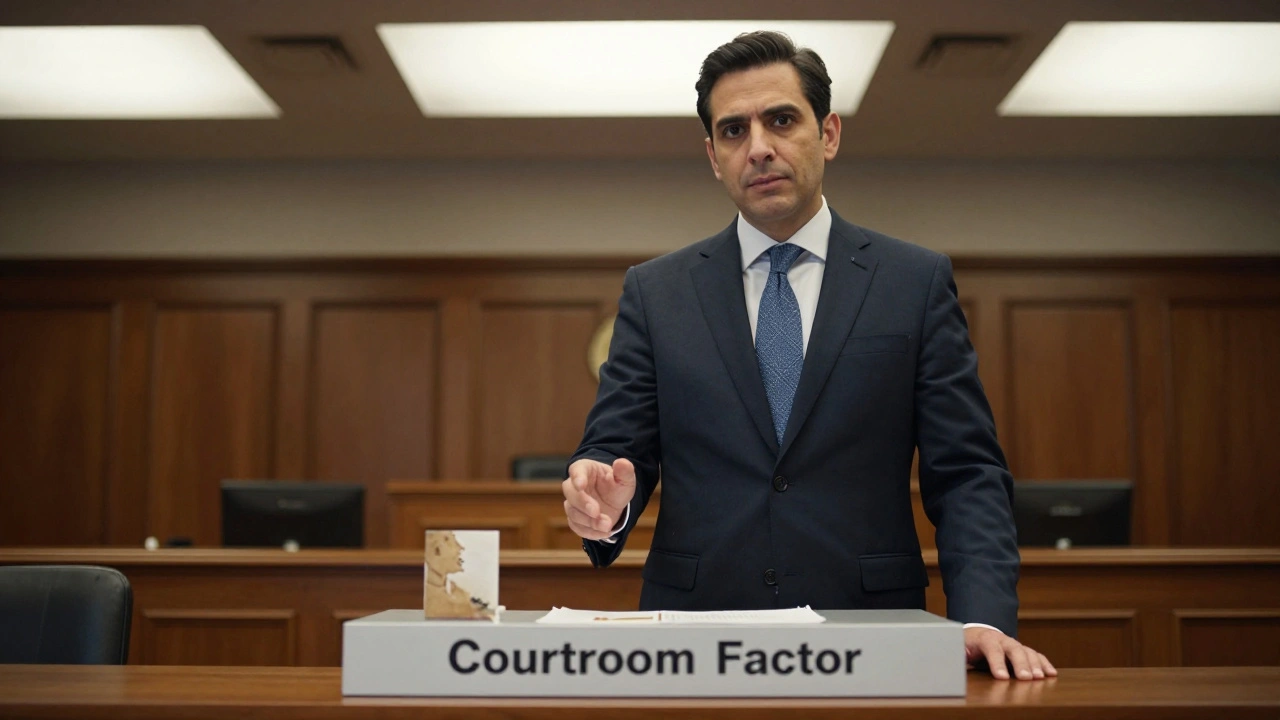
- Highlight the "Courtroom Factor": Experience with expert witness testimony is a massive competitive advantage.
- Balance hard and soft skills: Technical mastery is useless if you can't collaborate with law enforcement or explain a complex finding to a jury.
Defining Your Forensic Role
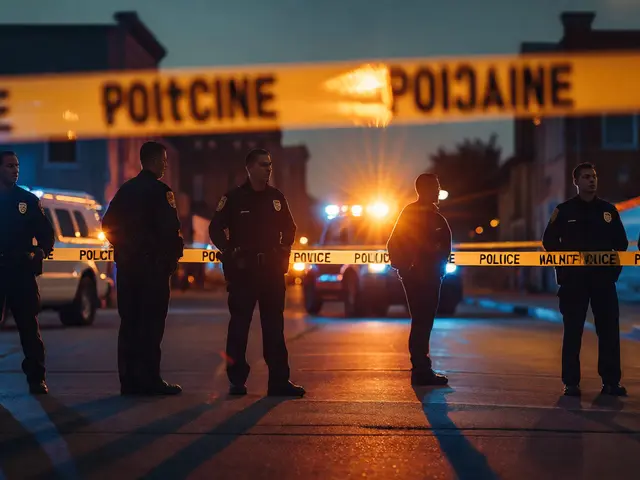
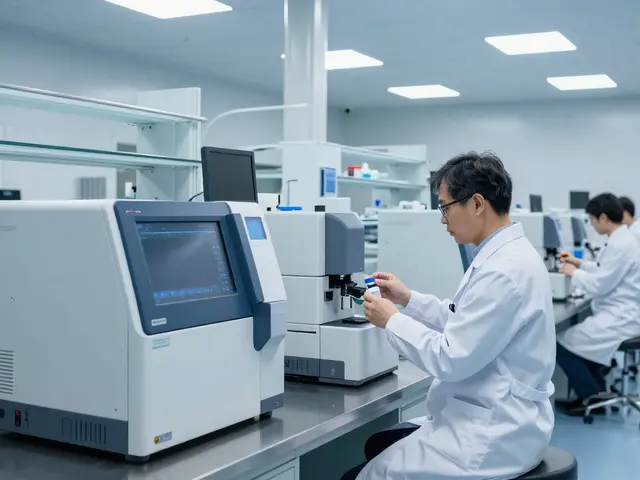
Before you type a single word, you have to decide which lane you're in. Forensic Science is a broad umbrella, and trying to be a "jack of all trades" often makes you look like a master of none. If you are a Forensic Scientist, your focus is the lab-chemistry, toxicology, and biochemistry. If you're a Forensic Investigator, your resume should scream "fieldwork," focusing on crime scene preservation and evidence collection. Then you have the Forensic Analyst, who lives in the digital realm, dealing with data recovery and incident response. Finally, Forensic Engineers bridge the gap between physics and law, often analyzing structural failures or mechanical accidents.The Power of the Professional Summary
Forget the old-school "Objective" statement. Nobody cares what you want; they care what you can do. Your summary should be a two-sentence punch to the gut that summarizes your years of experience, your specialty, and your biggest win. For a seasoned pro, it looks like this: "Experienced Forensic Scientist with 8+ years analyzing physical evidence and DNA samples. Expert in laboratory protocols and courtroom testimony with a 95% case resolution rate." If you're just starting out, focus on your precision and volume: "Detail-oriented Forensic Scientist with 4+ years of experience in crime scene analysis. Successfully processed 200+ cases annually while maintaining strict quality control standards."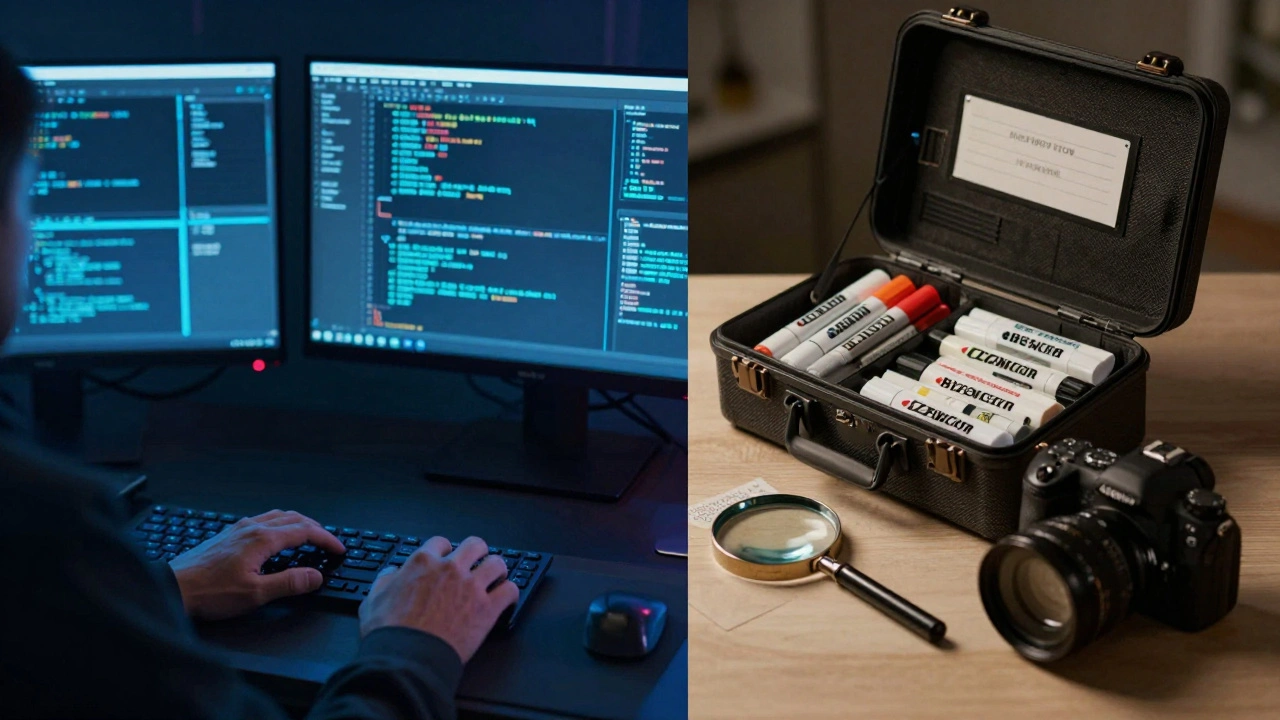
Essential Hard Skills and Keywords
Applicant Tracking Systems (ATS) are the first hurdle. If your resume doesn't contain the specific terminology the agency is looking for, a human will never see it. You should categorize your skills to make them skimmable.| Discipline | Technical Skills (Hard Skills) | Key Software/Tools |
|---|---|---|
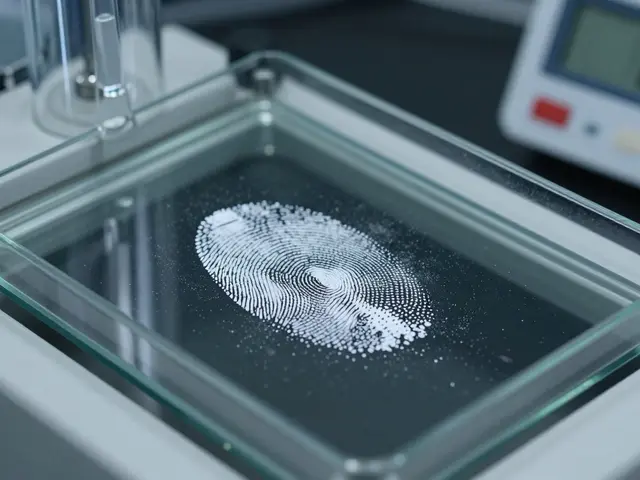
| Laboratory Science | DNA Extraction, Toxicology, Ballistics, Fingerprint Lifting | DNAStar, Speckin, Adobe Photoshop |
| Digital Forensics | Data Recovery, Incident Response, Network Traffic Analysis | EnCase, Forensic Toolkit (FTK), Autopsy |
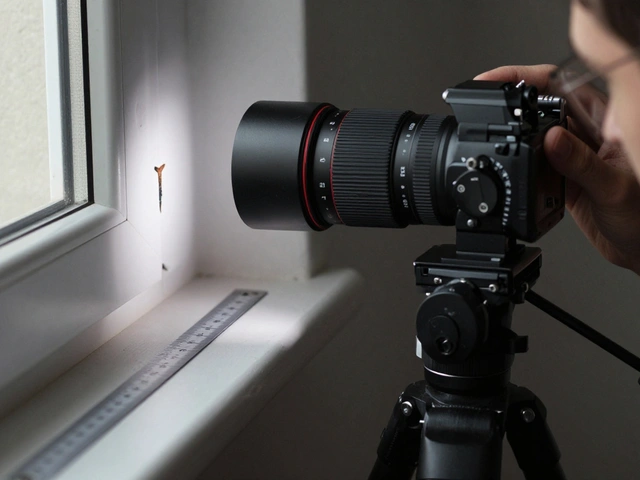
| Crime Scene/Field | Blood Spatter Analysis, Evidence Preservation, Photography | Case Management Software, SQL |
| Forensic Engineering | Structural Analysis, Materials Testing, Failure Analysis | Python, CAD Software |
Turning Responsibilities into Achievements
This is where most forensic resumes fail. They list tasks instead of triumphs. A task is "collected evidence"; an achievement is "implemented a new evidence-logging system that reduced processing time by 30%." Use strong action verbs. Instead of saying "worked with," use "collaborated." Instead of "did," use "executed" or "orchestrated." Look at these transformations:- Weak: Responsible for taking photos of crime scenes.
- Strong: Captured comprehensive crime scene imagery for 50+ high-profile cases, ensuring 100% admissibility in court.
- Weak: Analyzed computer networks for security.
- Strong: Oversaw computer forensic investigations of network traffic, identifying a critical breach and reducing organizational risk by 30%.
- Weak: Testified in court.
- Strong: Provided expert witness testimony in 12 felony trials, successfully defending the chain of custody for complex biological evidence.
The "Human" Side: Soft Skills in a Technical Field
You can be the best chemist in the world, but if you can't explain your findings to a detective or a judge, you're a liability. Forensic work is a team sport. You're constantly interacting with medical examiners, police officers, and attorneys. Include a dedicated section for soft skills, but don't just list them. Weave them into your experience. Instead of writing "Good communicator," write "Collaborated with law enforcement and medical professionals to determine the best course of action for cold cases." Focus on these high-value traits:- Emotional Resilience: You're dealing with the worst days of people's lives. Showing you can maintain objectivity is key.
- Ethical Judgment: Mention your adherence to strict legal standards and quality assurance programs.
- Attention to Detail: In forensics, a missed millimeter is a lost case. Your resume's formatting must be flawless to prove this.
Education and Certifications
In this field, credentials are your license to operate. List your most advanced degree first. If you have a Master's in Forensic Science, that goes above your Bachelor's. Don't stop at the degree. Certifications act as "stamps of approval." If you have a Hacking Forensic Investigator certification or a specific Crime Scene Certification, put them in a prominent spot. Even academic honors like the Dean's List (Top 10% of class) show a level of discipline that translates well to the lab. If you're a recent grad, list relevant coursework to fill gaps. Mentioning classes like Forensic Chemistry Foundations or Biology and Anatomy shows you have the theoretical grounding before you've had the professional experience.Should I include my GPA on a forensic resume?
If you are an entry-level candidate and your GPA is 3.5 or higher, yes. Forensic work requires extreme precision, and a high GPA is a proxy for that attention to detail. If you've been in the field for more than three years, your professional achievements and certifications carry far more weight than your grades.
How do I handle gaps in employment on a forensic resume?
Be honest but brief. If you took time off for further certification or specialized training, frame it as "Professional Development." Forensic agencies value continuous learning. If the gap was personal, a simple date range is usually sufficient; focus the reader's attention on your technical competencies and the volume of cases you've handled.
What is the best format for a forensic resume?
A reverse-chronological format is almost always best. Agencies want to see your current level of expertise first. Use a clean, professional layout with clear headings. Avoid graphics or "creative" templates; in this field, a conservative, structured look suggests a disciplined and organized mind.
Do I need to list every piece of equipment I've used?
No, but you should list the "industry standards." If you're a digital analyst, mentioning EnCase or FTK is non-negotiable. For lab scientists, focus on the types of analysis (e.g., Mass Spectrometry, GC-MS) rather than every single brand of centrifuge. Group them under a "Technical Proficiencies" section for easy reading.
How important is courtroom experience on a resume?
It is incredibly important. The ultimate goal of forensic work is to provide evidence that holds up in court. If you have testified as an expert witness, this should be a highlight of your work experience. It proves that your documentation is air-tight and that you can withstand a cross-examination.