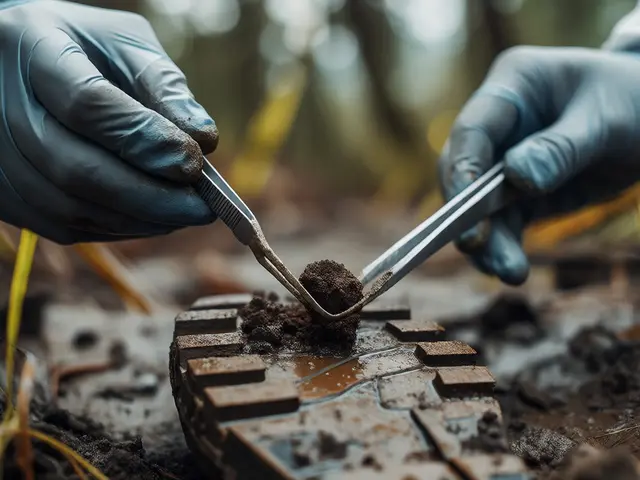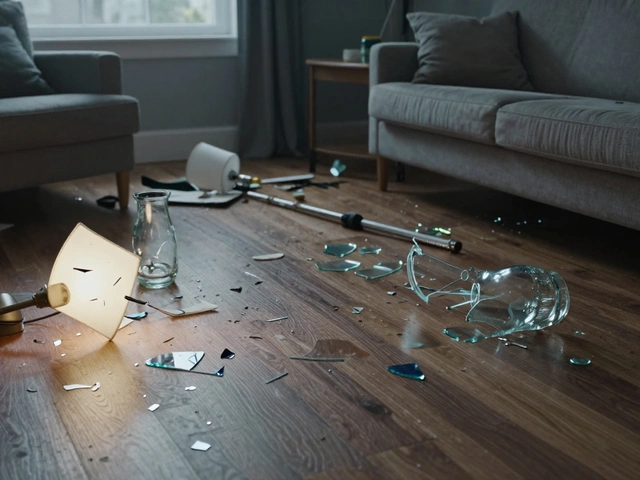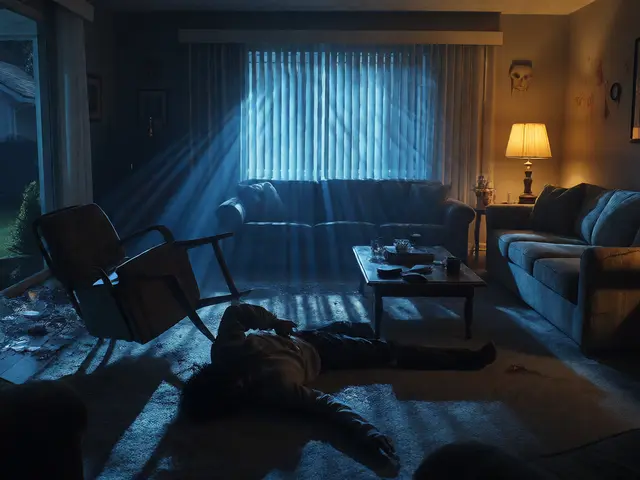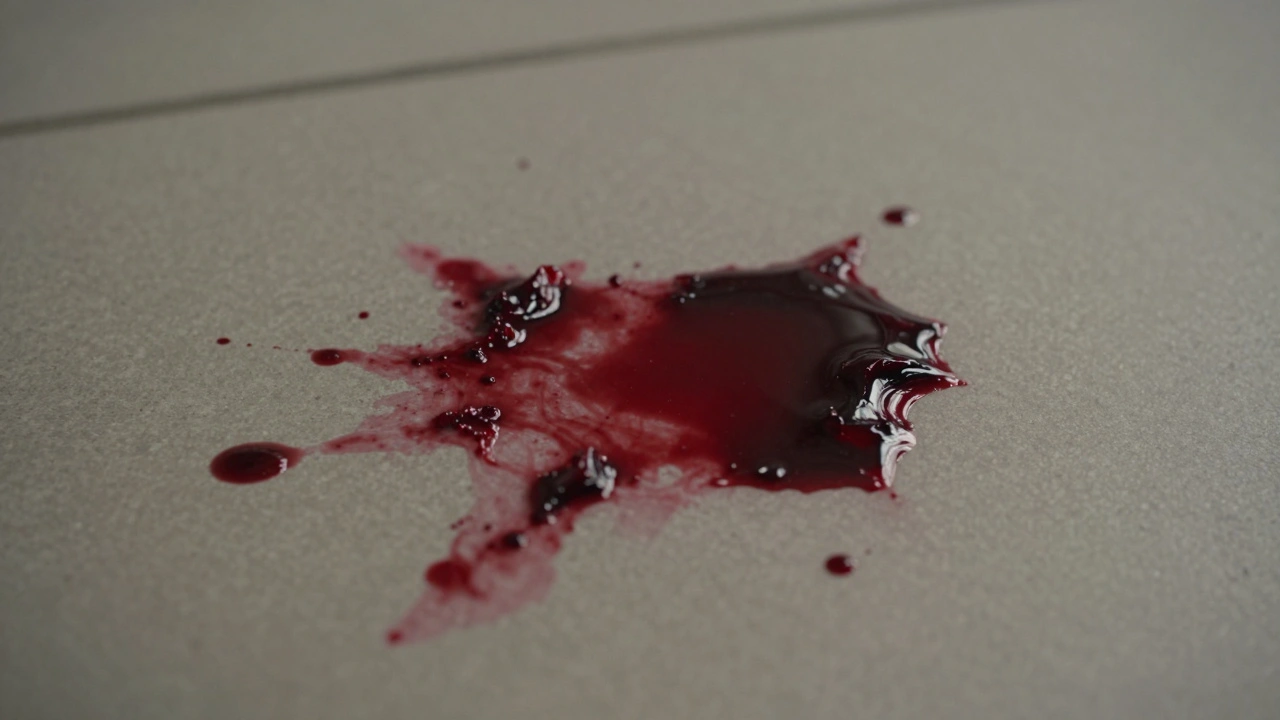
Imagine walking into a crime scene and seeing a pool of blood. To an untrained eye, it is just a mess. But to a forensic investigator, that pool is a ticking clock. The big question is: can we actually tell when that blood hit the floor just by looking at it? The short answer is yes, but it is a lot more complicated than just checking the color. While visual cues give us a general idea, the real precision comes from the molecular chemistry happening inside the stain. Understanding bloodstain pattern analysis allows investigators to piece together a timeline, distinguishing between a wound that happened ten minutes ago and one that occurred ten hours ago.
| Indicator | What Happens | Approximate Timeline / Context | Reliability |
|---|---|---|---|
| Clotting | Fibrinogen creates a gel-like consistency | Starts within ~15 minutes | High for large volumes |
| Drying | Evaporation from edges to center | Varies by humidity/temp | Moderate (Environmental) |
| Color Shift | Red → Brown → Black | Hours to Days | Low (Subjective) |
| Molecular Change | Hemoglobin oxidation/degradation | Precision within hours | Very High (Lab-based) |
The Biology of Clotting: The First Clock
When blood leaves the body, it doesn't just sit there; it reacts. The moment it touches a foreign surface, a biological alarm goes off. Blood clotting is the process where platelets and fibrinogen transform liquid blood into a semi-solid gel . This typically kicks in within about 15 minutes. If an investigator finds a stain that is still liquid, they know they are dealing with a very fresh scene. If it has a jelly-like consistency, the blood has been there for a while.
However, there is a catch. If the blood droplet is tiny, it might dry up completely before it ever has a chance to clot. This means clotting is a great tool for large pools or heavy splatters, but it is almost useless for tiny micro-drops. This is why forensics isn't just about one trick; it is about layering different types of evidence to find the truth.
The Drying Process and Environmental Chaos
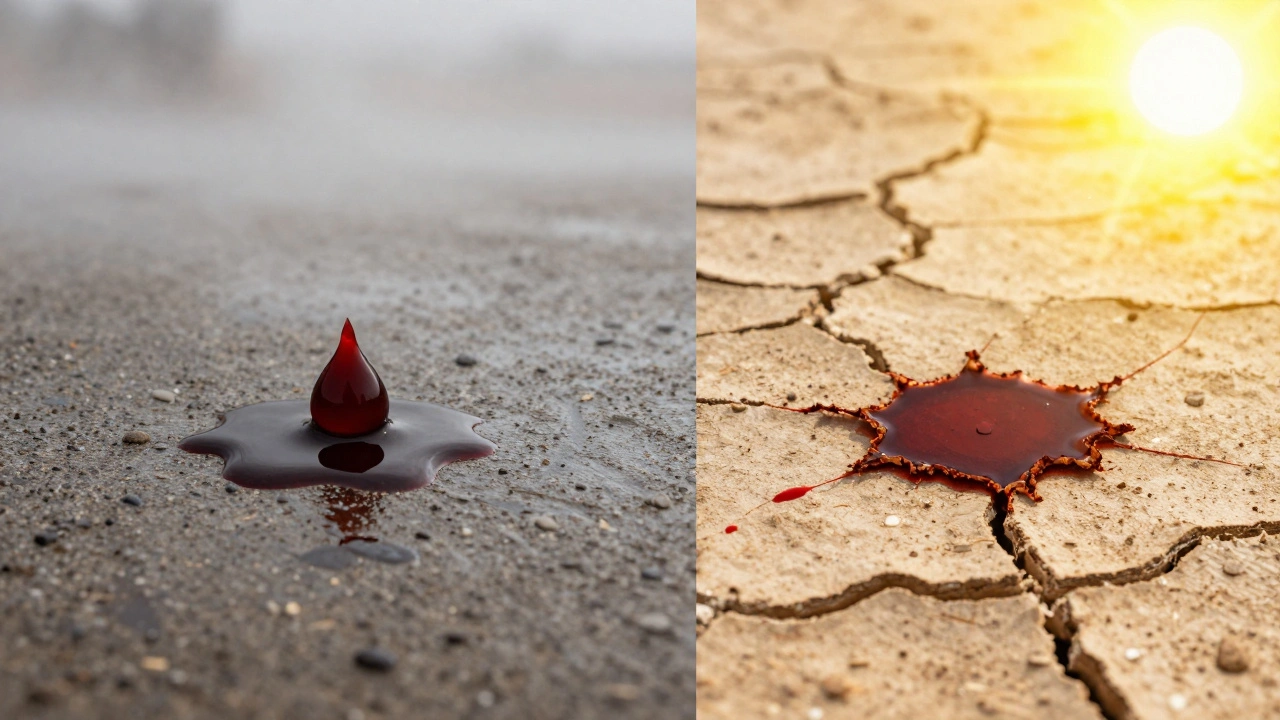
Drying isn't a uniform event. It happens from the outside in. You will see a "skeleton" or an outer rim form first, while the center remains wet. This is a key visual marker. When the center finally dries and begins to flake away, you are looking at an advanced stage of drying. But here is where things get messy: the environment dictates everything.
If you are in a humid basement in Portland, blood will dry much slower than if it were on a hot sidewalk in Arizona. High temperature, low humidity, and a steady breeze all accelerate the drying process. Because of this, a forensic analyst cannot just look at a dry stain and give an exact timestamp. They have to reconstruct the environment-checking the thermostat and the weather reports-to guess how the drying progressed.
Decoding the Color Shift
Most people think blood just "turns brown" over time. While that is generally true, the science is about oxygen. The red color comes from Oxyhemoglobin, which is hemoglobin bound to oxygen . As the blood ages and oxygen leaves the red blood cells, the stain shifts from bright red to a dark, reddish-brown, and eventually to a blackish hue.
While this seems straightforward, using color alone is risky. Bacteria and microorganisms can eat away at the blood or change its chemical makeup, altering the color faster or slower than normal. This is why visual inspection is treated as a "lead" rather than a "fact." To get a real answer, we have to move from the naked eye to the laboratory.
High-Tech Dating: Raman Spectroscopy and Colorimeters
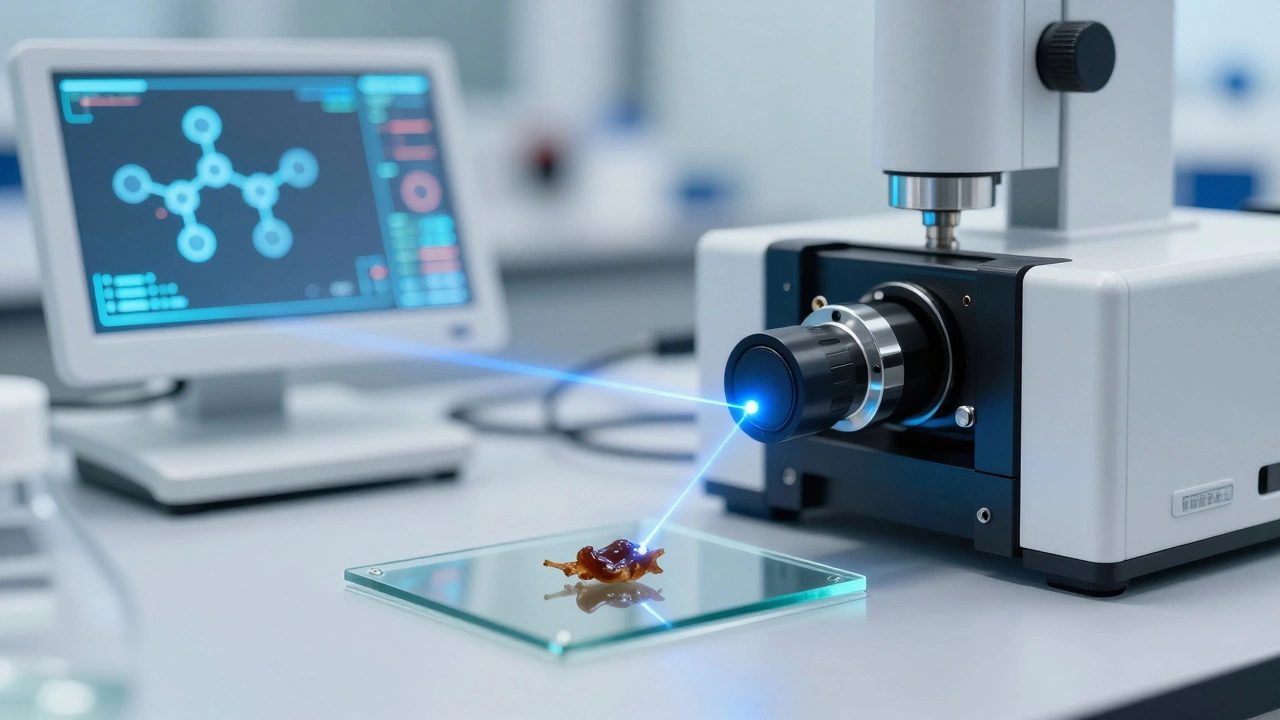
This is where the real magic happens. To bypass the guesswork of color and weather, scientists use Raman spectroscopy is a non-destructive analytical technique that uses laser light to create a molecular fingerprint of a substance . Instead of guessing based on a shade of brown, this tool looks at the actual molecular structure. A study from 2016 showed that this method can timestamp bloodstains within a window of just a few hours. It is a game-changer because it doesn't destroy the sample.
Another tool is the Colorimeter, which is a device that measures the exact intensity of color at specific wavelengths . Unlike a human who might say "this looks dark red," a colorimeter provides quantitative coordinates based on international standards. This removes human bias from the equation and provides a mathematical basis for the age of the stain.
Beyond the Stain: Dating the Person
One of the most mind-blowing developments in forensic science is the ability to date the person, not just the stain. Researchers have found that the molecular structure of hemoglobin actually changes as a human ages. By using Raman spectroscopy on samples from infants, adolescents, and adults, they've managed to distinguish between these groups with incredible accuracy. In one proof-of-concept study, infants were identified 100% of the time, and the difference between teens and adults was spotted with 99% accuracy. This means that in the future, a technician might be able to tell you not only when the blood was spilled but also the approximate age of the person who bled.
Pitfalls and Complications in the Field
Real-world crime scenes are rarely perfect. Several factors can throw a wrench into the dating process. First, there are Void stains, which occur when an object blocks the blood from hitting a surface, leaving a gap in the pattern . This doesn't affect the age of the blood, but it can confuse the overall pattern analysis.
More problematic is the attempt to clean the scene. Chemicals like bleach or scrubbing actions destroy the molecular markers that Raman spectroscopy relies on. Furthermore, the oxygenation state of the blood matters. Blood coming straight from the heart (oxygenated) looks different from blood that has already been depleted of oxygen, which can lead to initial misinterpretations of the blood's "freshness." Combining traditional pattern observation with modern lab tech is the only way to get a reliable answer.
How quickly does blood actually clot?
Blood typically begins to clot within about 15 minutes after leaving the body and hitting a surface. This process is driven by platelets and fibrinogen, which turn the liquid into a gel-like state.
Can you tell the age of blood just by its color?
You can get a rough estimate, but it is not highly reliable. Blood shifts from red to brown to black as hemoglobin oxidizes, but environmental factors like heat and bacteria can speed up or slow down this process, making visual dating subjective.
What is Raman spectroscopy in forensics?
It is a non-destructive laser technology that analyzes the molecular structure of a substance. In bloodstain analysis, it allows investigators to determine the age of a stain within a few hours by looking at chemical changes rather than just visual ones.
Does humidity affect how blood dries?
Yes, significantly. High humidity slows down the evaporation of water from the blood, meaning a stain will stay wet longer. Conversely, low humidity and high airflow cause blood to dry and flake much faster.
Can you tell the age of the victim from a bloodstain?
Emerging research suggests yes. By analyzing the specific structure of hemoglobin using spectroscopic tools, scientists can distinguish between infants, adolescents, and adults with very high accuracy.
Next Steps for Analysis
If you are dealing with a scene where timing is critical, the best approach is a tiered strategy. Start with a visual assessment of clotting and the "skeleton" of the drying rim to establish a rough window. Next, document the environmental conditions-temperature and humidity-to adjust your drying timeline. Finally, preserve the sample for spectroscopic analysis. Avoid using cleaning agents on the area, as this will destroy the molecular evidence needed for precise dating.