Category: Forensics - Page 2
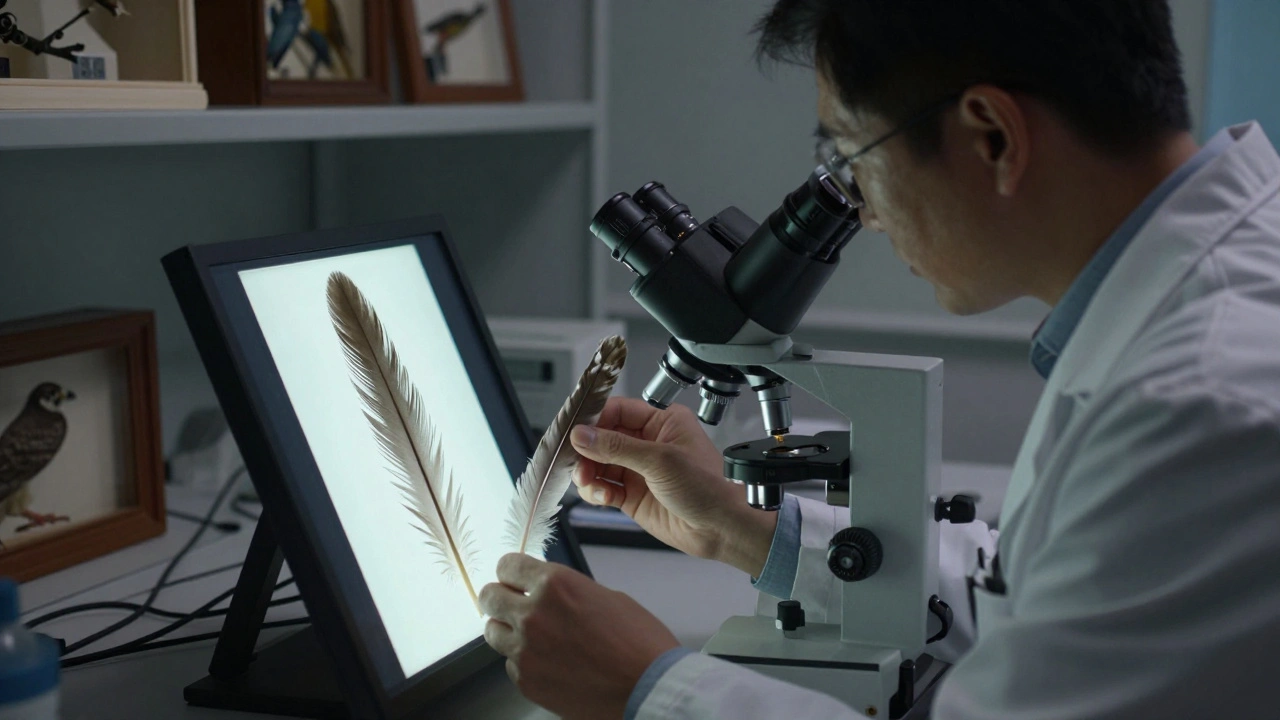
Feather and Animal Hair Identification: How Forensic Experts Tell Species Apart
- By : Ian Brophy
- Date : Mar 19 2026
Forensic experts use microscopy, DNA, and protein analysis to identify species from feathers and animal hair. Learn how medullary index, scale patterns, and reference collections help solve crimes and protect wildlife.
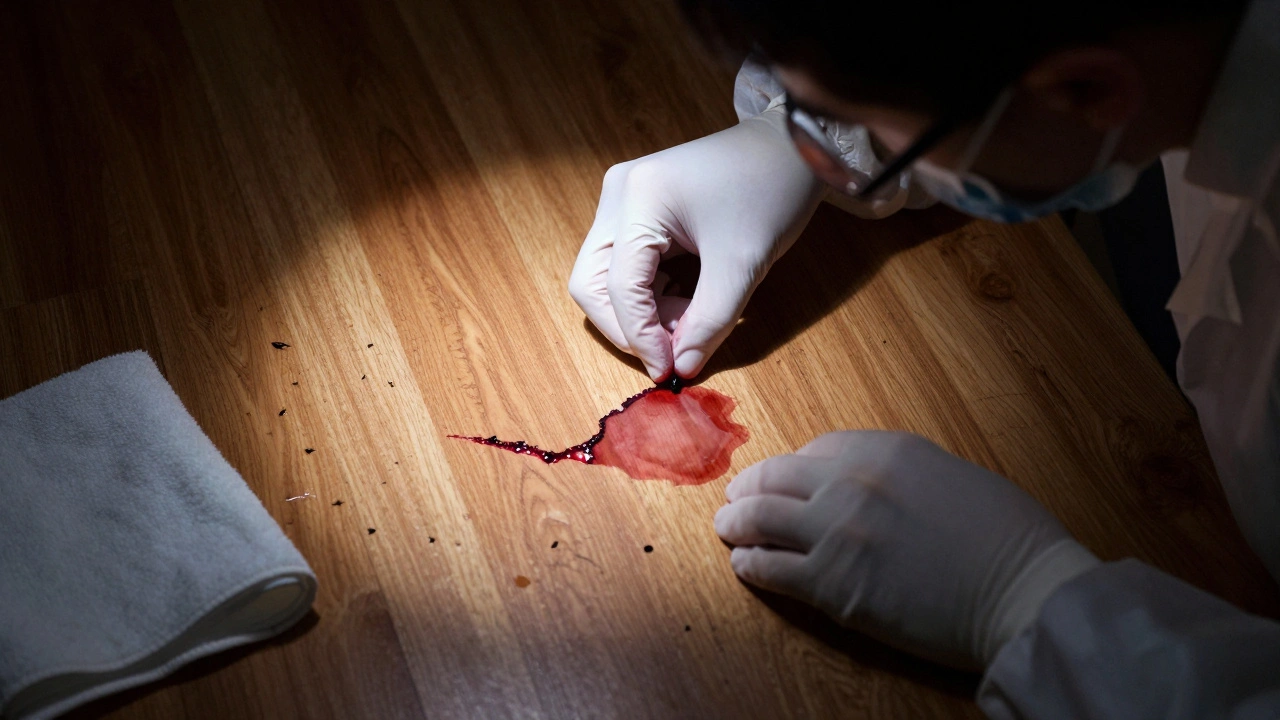
Altered Bloodstains: When Blood Is Mixed or Changed in Crime Scene Analysis
- By : Ian Brophy
- Date : Mar 17 2026
Altered bloodstains are changed after deposition-by cleaning, heat, insects, or time. These modifications challenge forensic analysis but still hold critical clues. Learn how analysts decode altered patterns to reconstruct crime scenes.
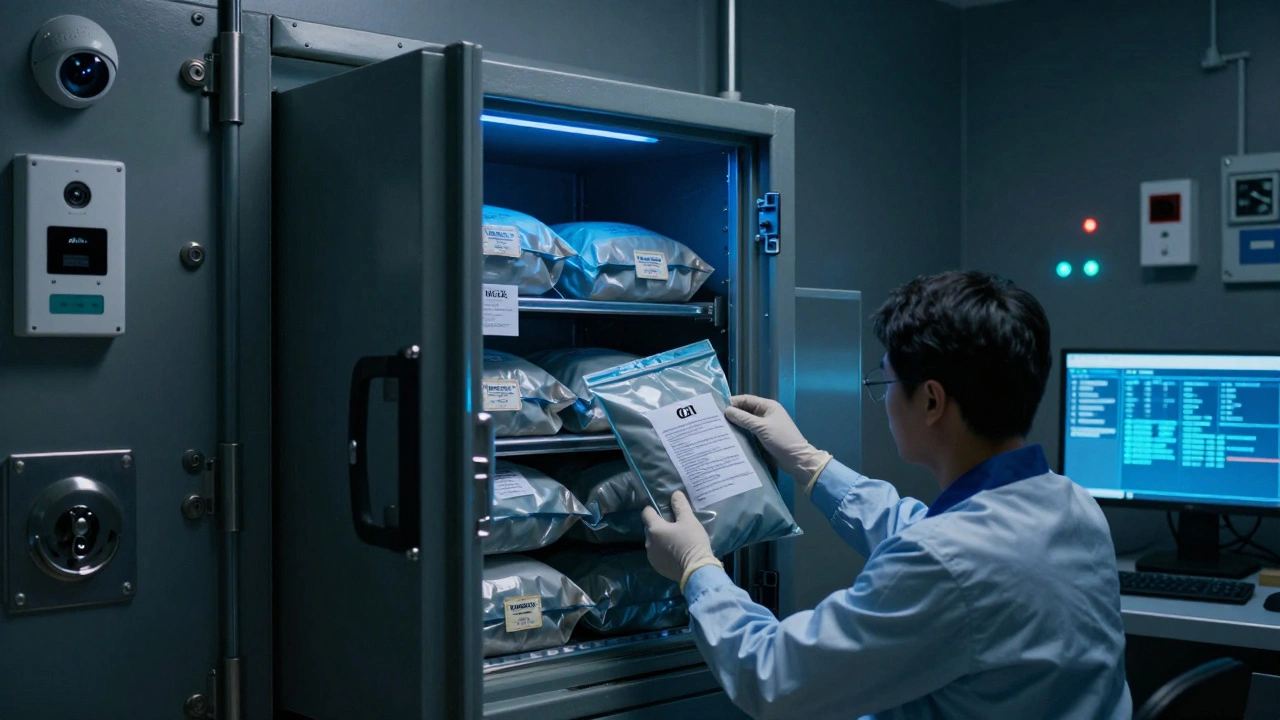
Security Audits: How to Protect Physical and Digital Evidence with Proven Frameworks
- By : Ian Brophy
- Date : Mar 17 2026
Learn how physical and digital evidence protection through security audits ensures forensic integrity, legal admissibility, and compliance. Essential for labs, law enforcement, and forensic teams.
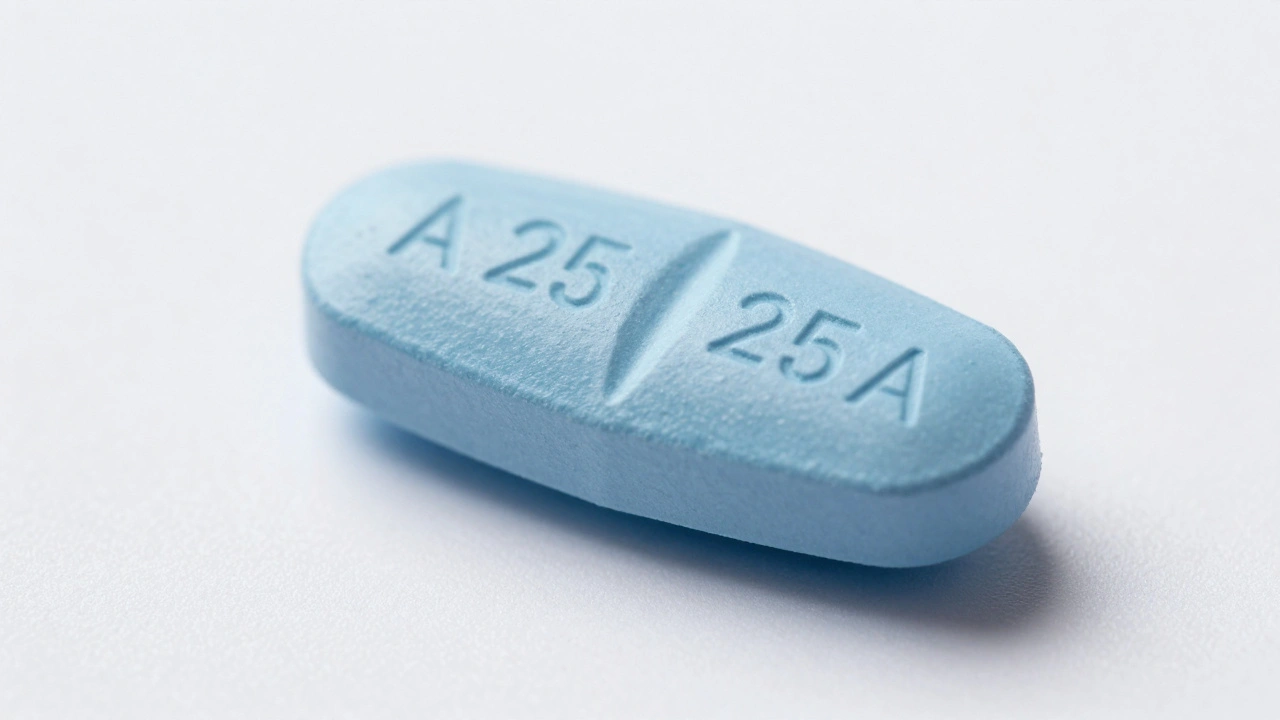
Pharmaceutical Identification: How to Accurately Identify Pills and Tablets
- By : Ian Brophy
- Date : Mar 16 2026
Learn how to accurately identify pills and tablets using imprint codes, shape, color, and form to prevent medication errors and avoid counterfeit drugs. A practical guide for patients, caregivers, and anyone managing medications.
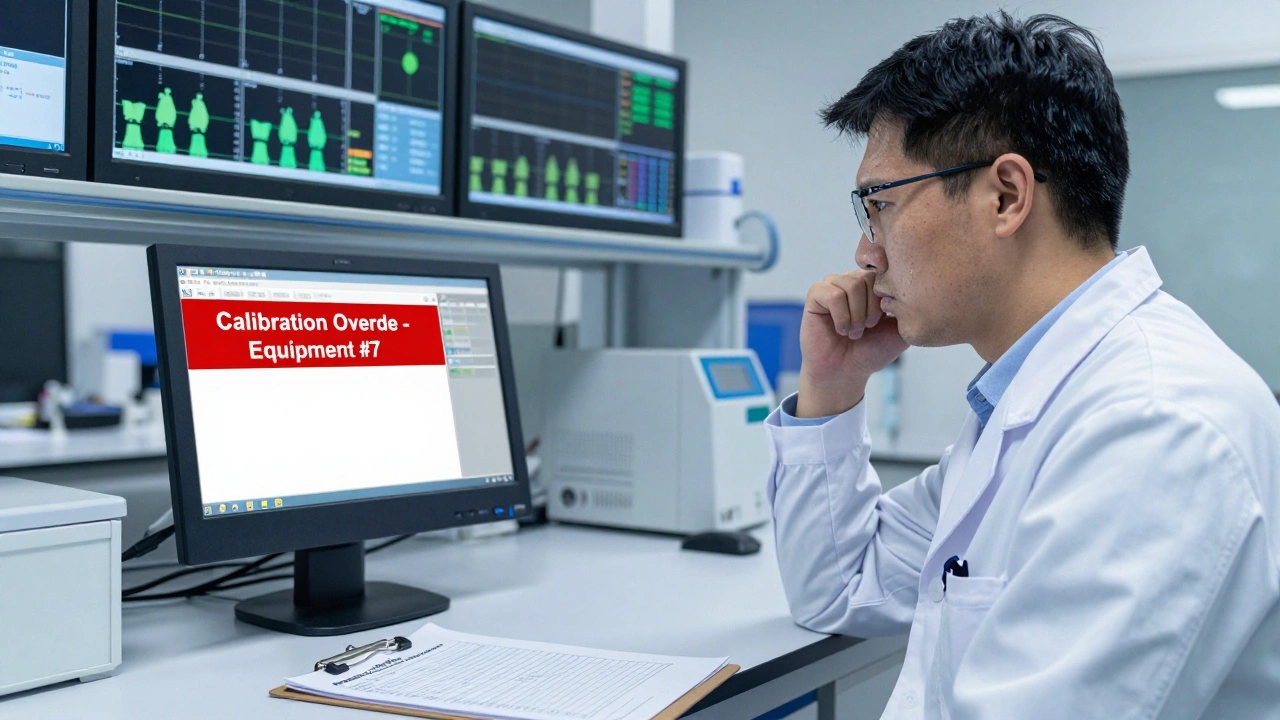
Nonconforming Work: How to Detect, Control, and Correct Quality Failures in Labs
- By : Ian Brophy
- Date : Mar 16 2026
Nonconforming work in labs can compromise accuracy, safety, and accreditation. Learn how to detect, document, and correct quality failures using ISO 17025-compliant systems, CAPA, and digital tools to stay compliant and build trust.
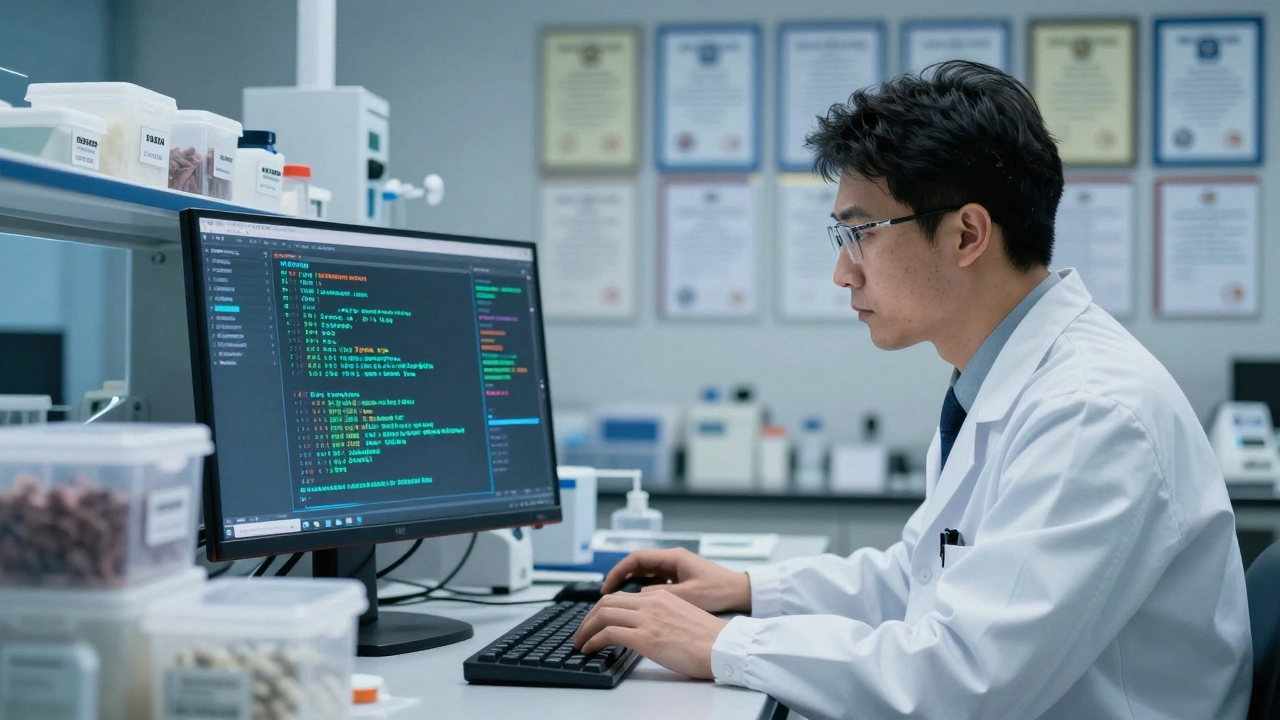
Continuing Education for Forensic Scientists: Staying Current in a Fast-Changing Field
- By : Ian Brophy
- Date : Mar 15 2026
Forensic scientists must complete mandatory continuing education to stay certified and credible. Learn the requirements, approved training options, documentation rules, and how to avoid common pitfalls in professional development.
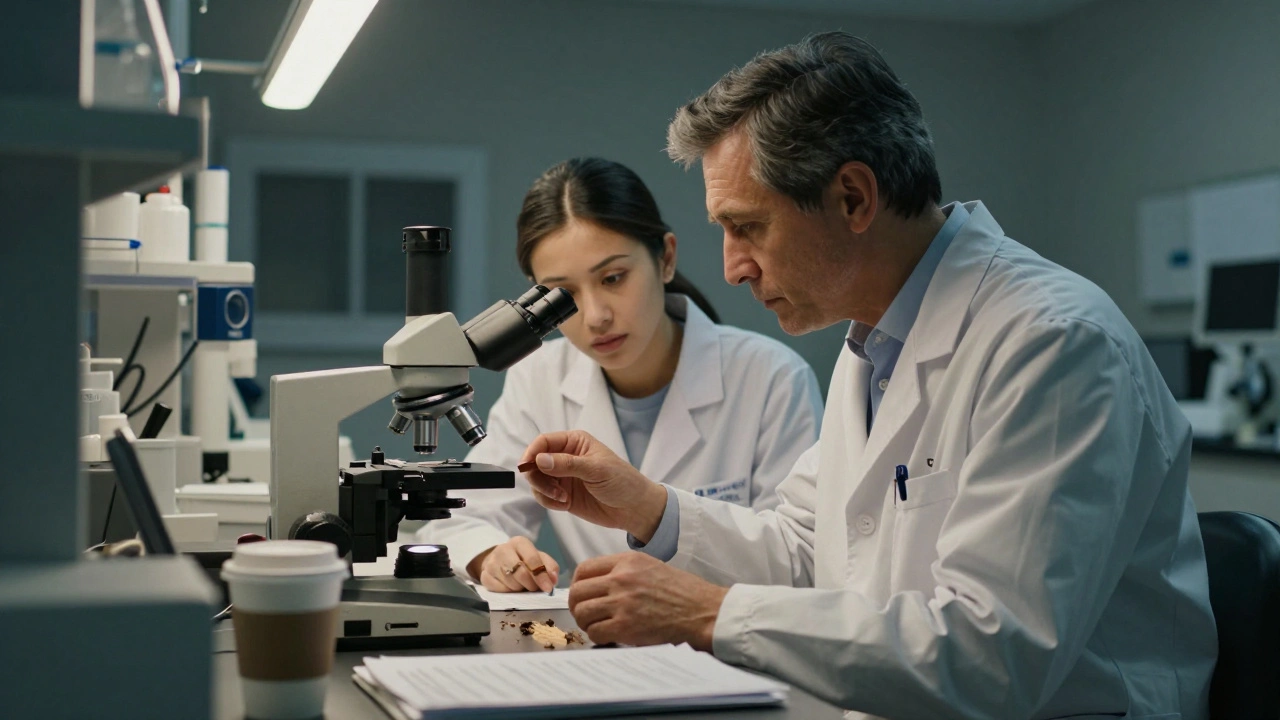
Mentorship in Forensics: How to Find a Mentor and Become One
- By : Ian Brophy
- Date : Mar 14 2026
Mentorship in forensics bridges skill gaps, reduces turnover, and builds trust. Learn how to find a mentor, become one, and why this relationship is vital for both new analysts and seasoned pros.
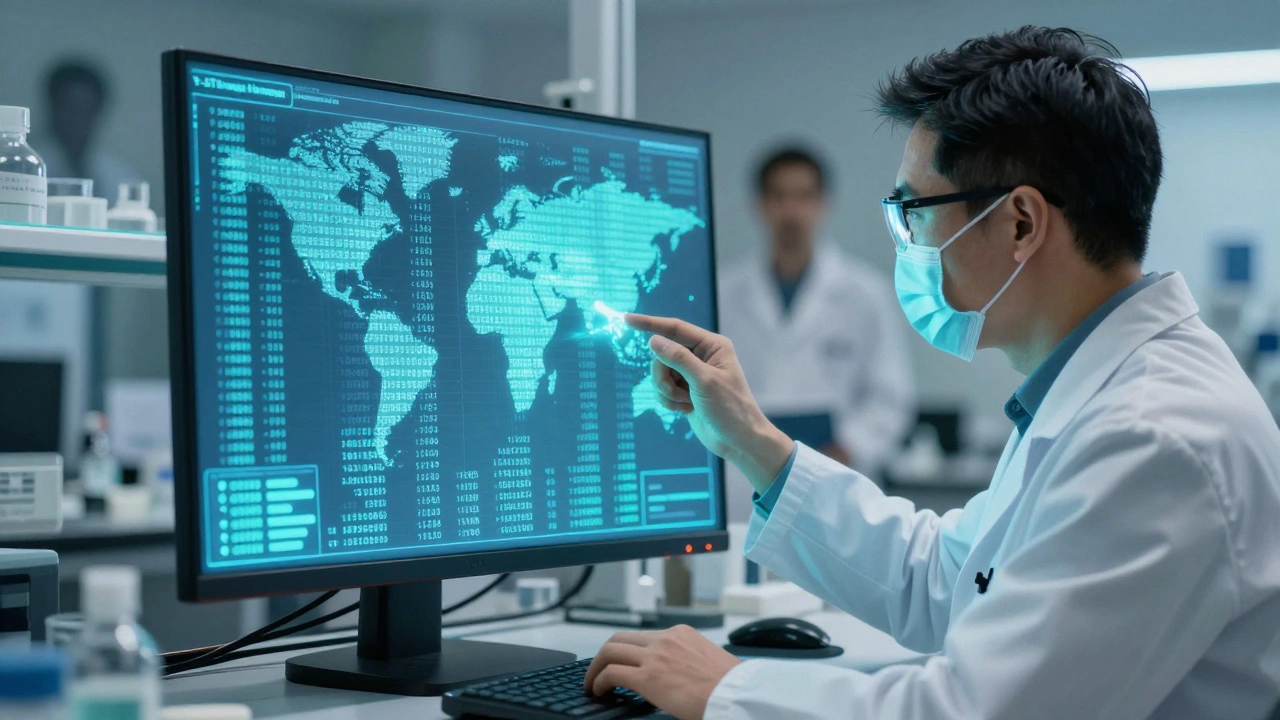
Y-STR Databases: How Population Data and Statistical Weight Shape Forensic DNA Analysis
- By : Ian Brophy
- Date : Mar 12 2026
Y-STR databases use population data to calculate how rare a male DNA profile is. With over 349,000 global records and population-specific stats, they help forensic labs determine match probabilities in criminal cases.
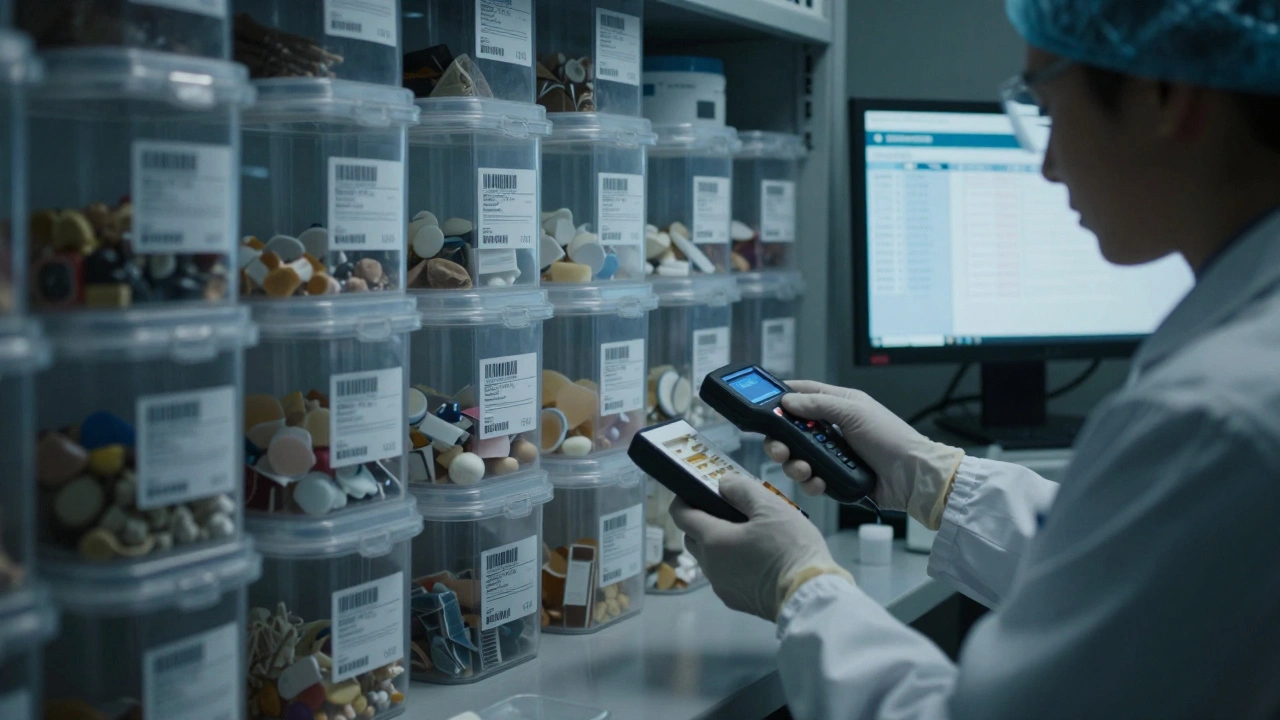
Cold Case Evidence Handling Under Accreditation Standards
- By : Ian Brophy
- Date : Mar 12 2026
Cold case evidence handling under accreditation standards ensures unsolved cases are properly preserved, tracked, and re-examined using modern forensic tools. Compliance with CALEA and NIJ guidelines improves clearance rates and protects evidence integrity for future analysis.

- By : Ian Brophy
- Date : Mar 11 2026
Drywall dust, cement board shards, and insulation fibers are powerful forensic traces often missed at crime scenes. Learn how these building materials leave behind unique, detectable evidence that can link suspects to locations-and clear the innocent.
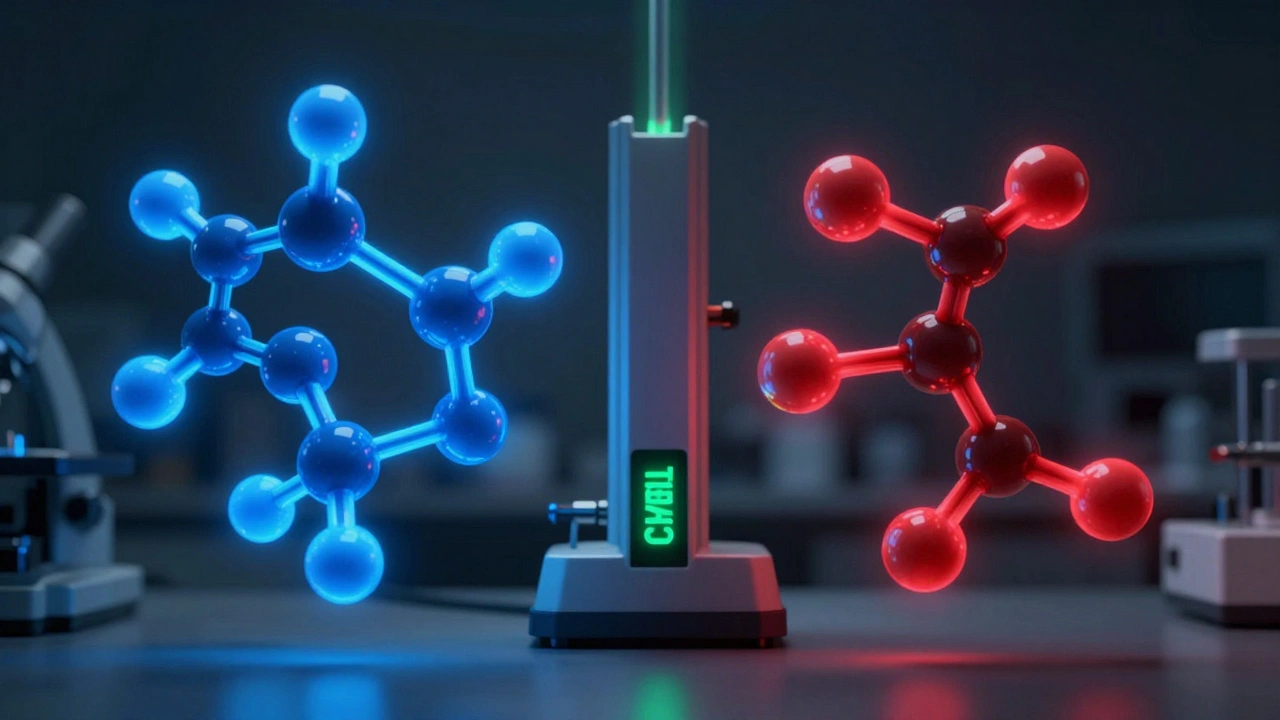
Chiral Separations: How Enantiomeric Drug Differentiation Improves Drug Safety
- By : Ian Brophy
- Date : Mar 11 2026
Chiral separation ensures drug safety by isolating mirror-image molecules that can have wildly different effects. Learn how HPLC, capillary electrophoresis, and LC-MS/MS are used to distinguish enantiomers in modern pharmaceuticals.

Cold Case Digital Forensics: How Legacy Media Recovery Solves Decades-Old Crimes
- By : Ian Brophy
- Date : Mar 10 2026
Cold case digital forensics is solving decades-old crimes by re-examining legacy digital evidence with modern tools. From encrypted phones to old hard drives, what was once unreadable is now revealing hidden connections that lead to breakthroughs.