Tag: chain of custody - Page 2

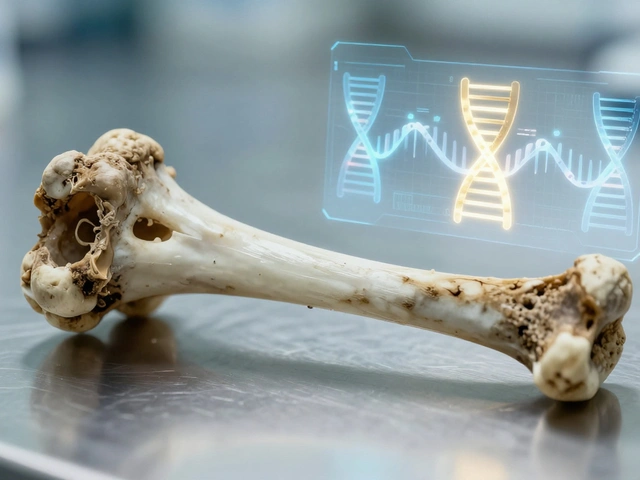
Ethical Considerations in Homicide Investigations: Integrity, Bias, and Justice
- By : Ian Brophy
- Date : May 9 2026
Explore the critical ethical considerations in homicide investigations, including bias mitigation, evidence integrity, and victim privacy. Learn how forensic professionals uphold justice.
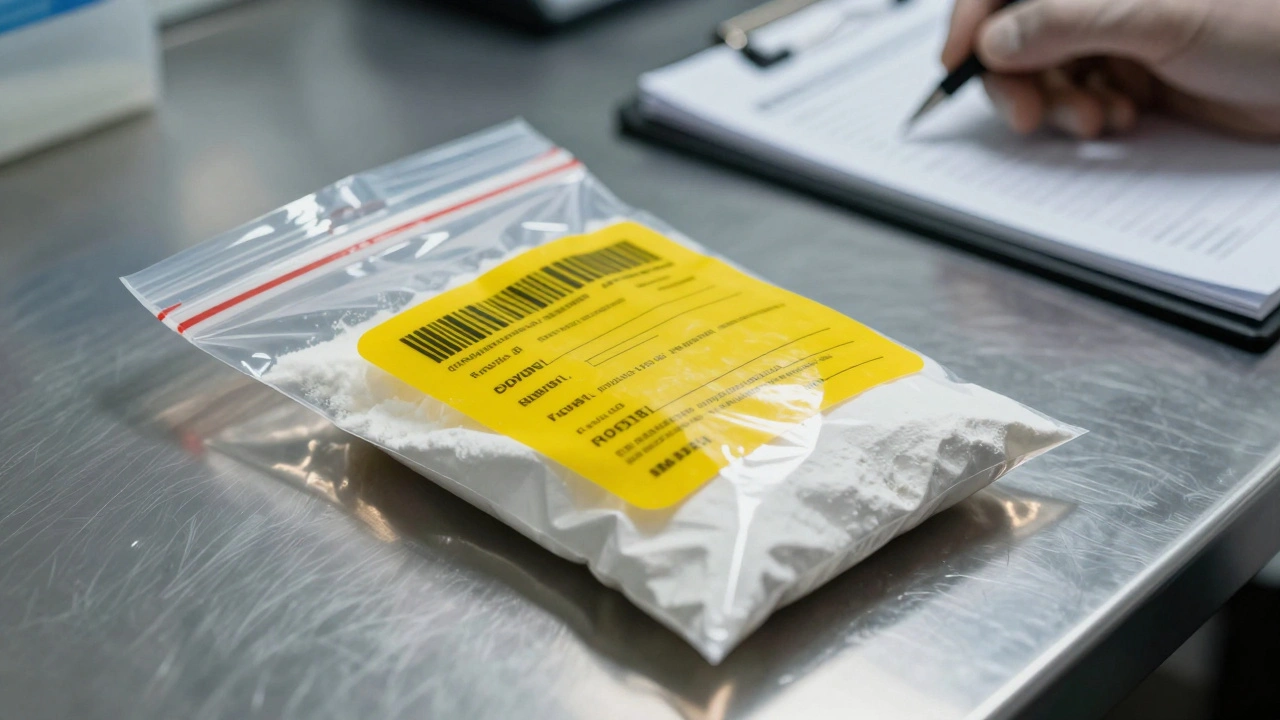
Chain of Custody in Drug Evidence: Procedures, Legal Impact, and Common Errors
- By : Ian Brophy
- Date : May 9 2026
Understand the critical role of chain of custody in drug evidence cases. Learn the five stages of handling, documentation requirements, and how errors can impact legal outcomes.

Digital Signatures: Legal Acceptance, Validation, and Chain of Custody
- By : Ian Brophy
- Date : May 6 2026
Explore the legal acceptance of digital signatures globally, focusing on PKI technology, chain of custody, and key regulations like eIDAS and ESIGN. Learn how to validate signatures and ensure compliance in 2026.
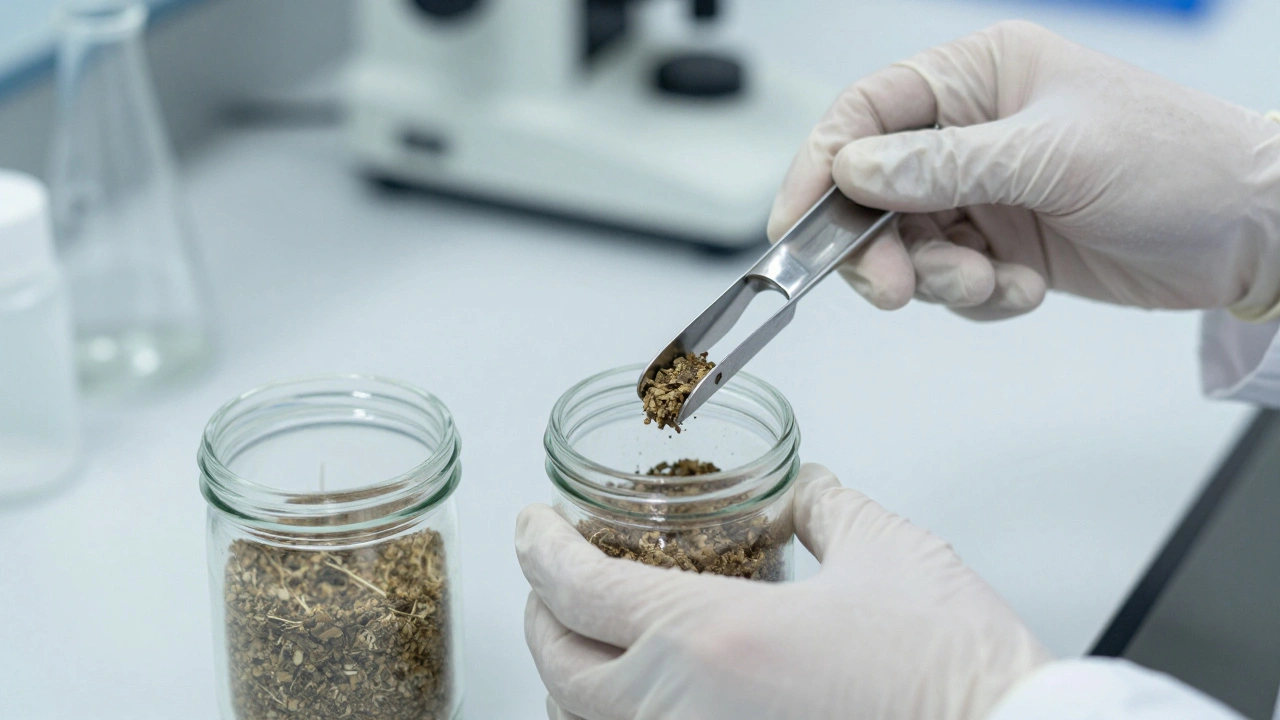
Duplicate Evidence Sets: How to Manage Sub-Samples and Splits for Chain of Custody
- By : Ian Brophy
- Date : May 4 2026
Learn how to manage duplicate evidence sets, sub-samples, and splits to maintain chain of custody integrity. Covers field duplicates, lab replicates, and best practices for forensic accuracy.

Chain of Custody: Storage Conditions and Documentation Best Practices
- By : Ian Brophy
- Date : May 2 2026
Learn how proper storage conditions and meticulous chain of custody documentation preserve evidence integrity for legal and forensic success.

Storage Conditions and Chain of Custody Documentation: A Complete Guide
- By : Ian Brophy
- Date : May 2 2026
Learn how to maintain unbroken chain of custody through precise documentation and controlled storage conditions. Essential guide for forensics, legal, and compliance professionals.
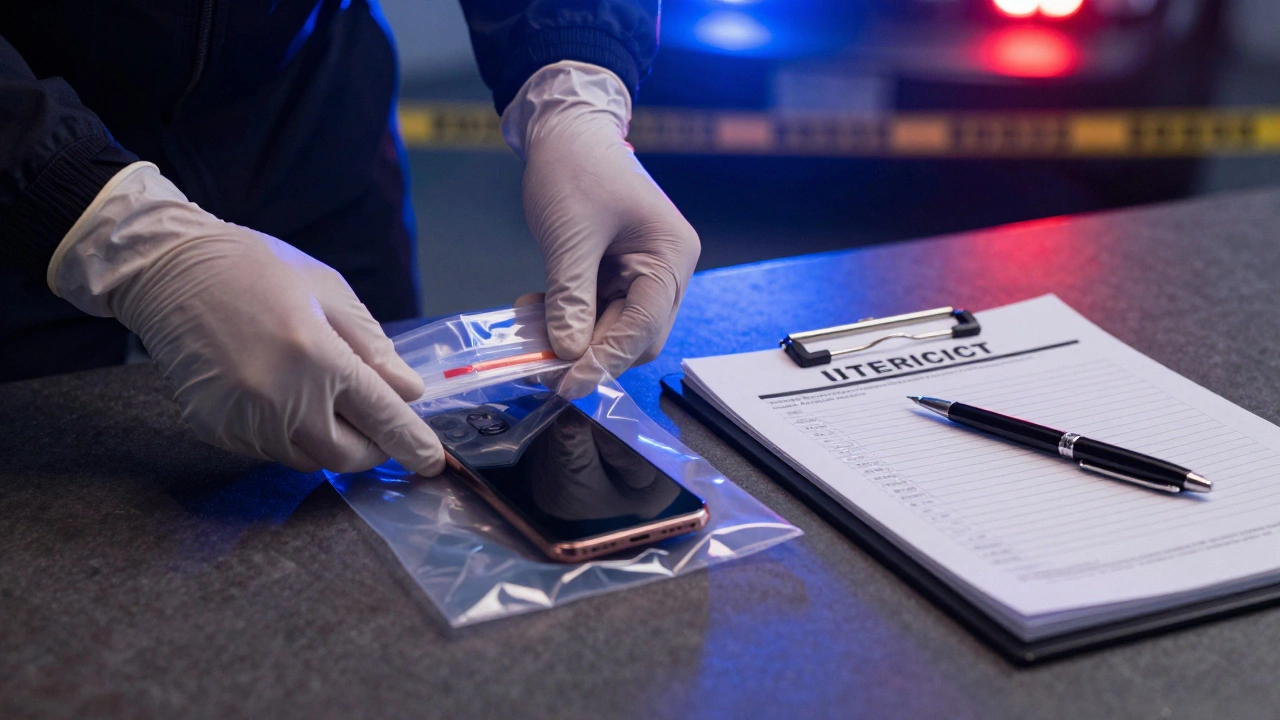
Time and Date Documentation in Chain of Custody: A Complete Guide
- By : Ian Brophy
- Date : Apr 27 2026
Learn how precise time and date documentation ensures evidence admissibility in court. Discover the protocols for tracking the chain of custody for physical and digital evidence.
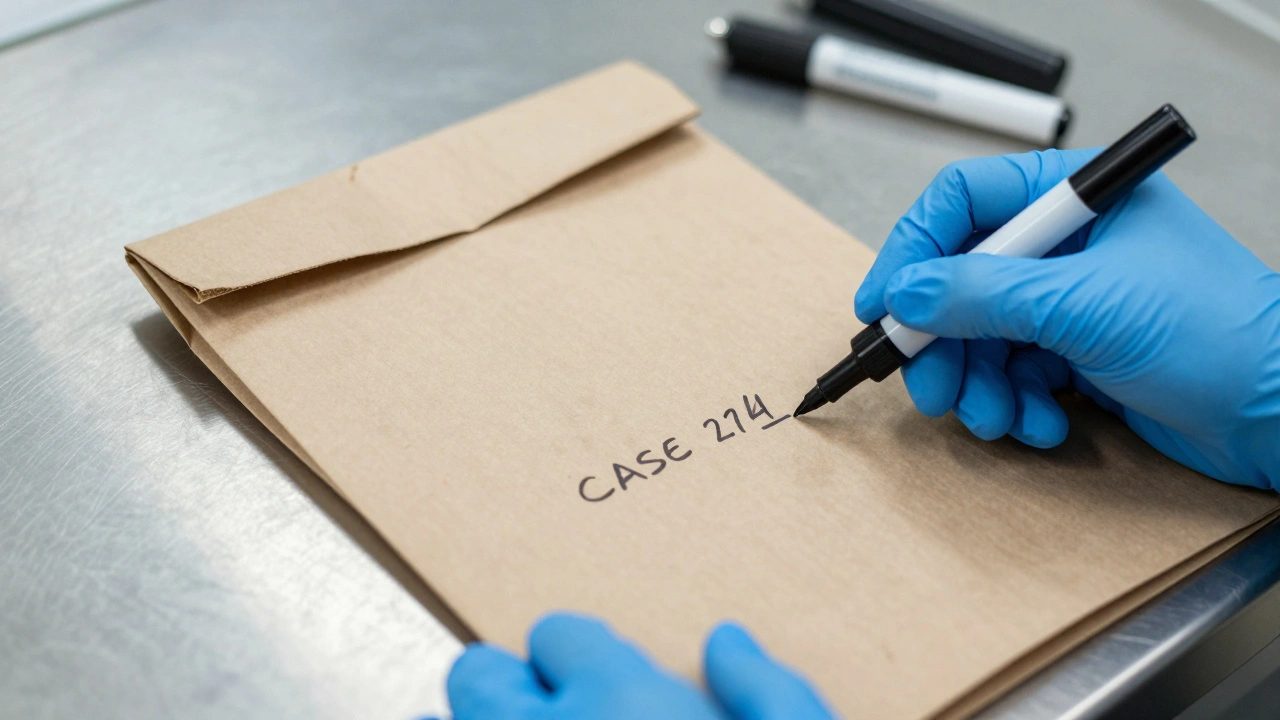
Paper vs. Plastic Evidence Bags: How to Choose the Right Packaging
- By : Ian Brophy
- Date : Apr 26 2026
Learn how to choose between paper and plastic evidence bags to prevent DNA degradation and ensure a secure chain of custody in forensic investigations.
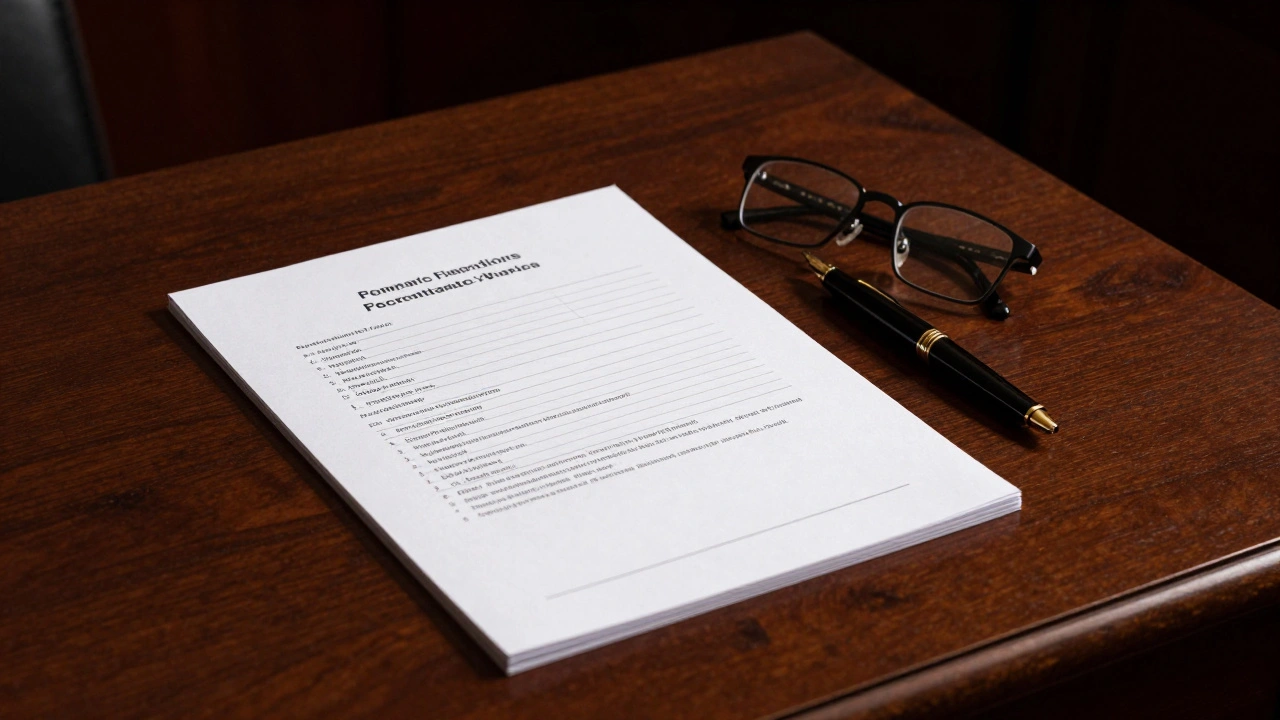
Forensic Report Templates: How to Build Consistent, Court-Ready Documents
- By : Ian Brophy
- Date : Apr 19 2026
Learn how to use forensic report templates to ensure legal admissibility, maintain objectivity, and build consistent, professional documents for any investigation.

Homicide Scene Processing: A Complete Guide to Evidence Collection
- By : Ian Brophy
- Date : Apr 18 2026
A comprehensive guide to homicide scene processing and evidence collection, covering perimeters, documentation, and the critical chain of custody.
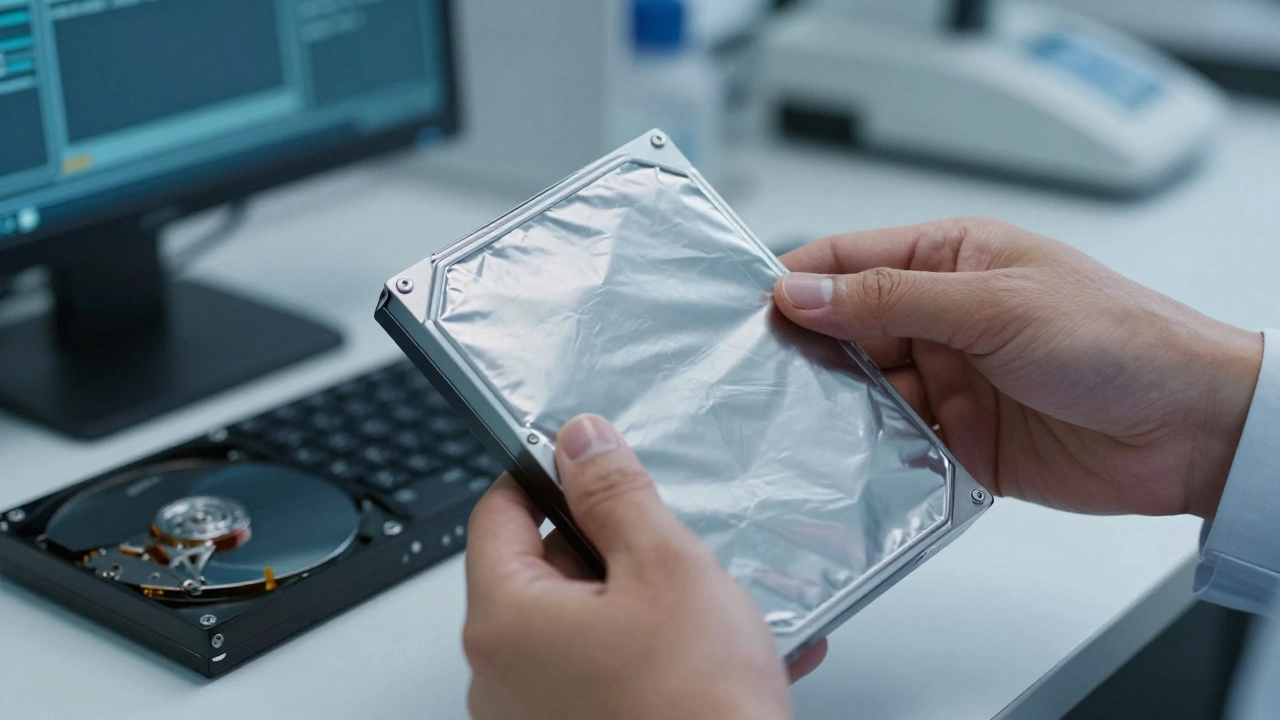
Chain of Custody for Forensic Images and Hashes: A Complete Guide
- By : Ian Brophy
- Date : Apr 13 2026
Learn how to maintain a legally admissible chain of custody for digital evidence using forensic imaging, SHA-256 hashing, and strict documentation protocols.
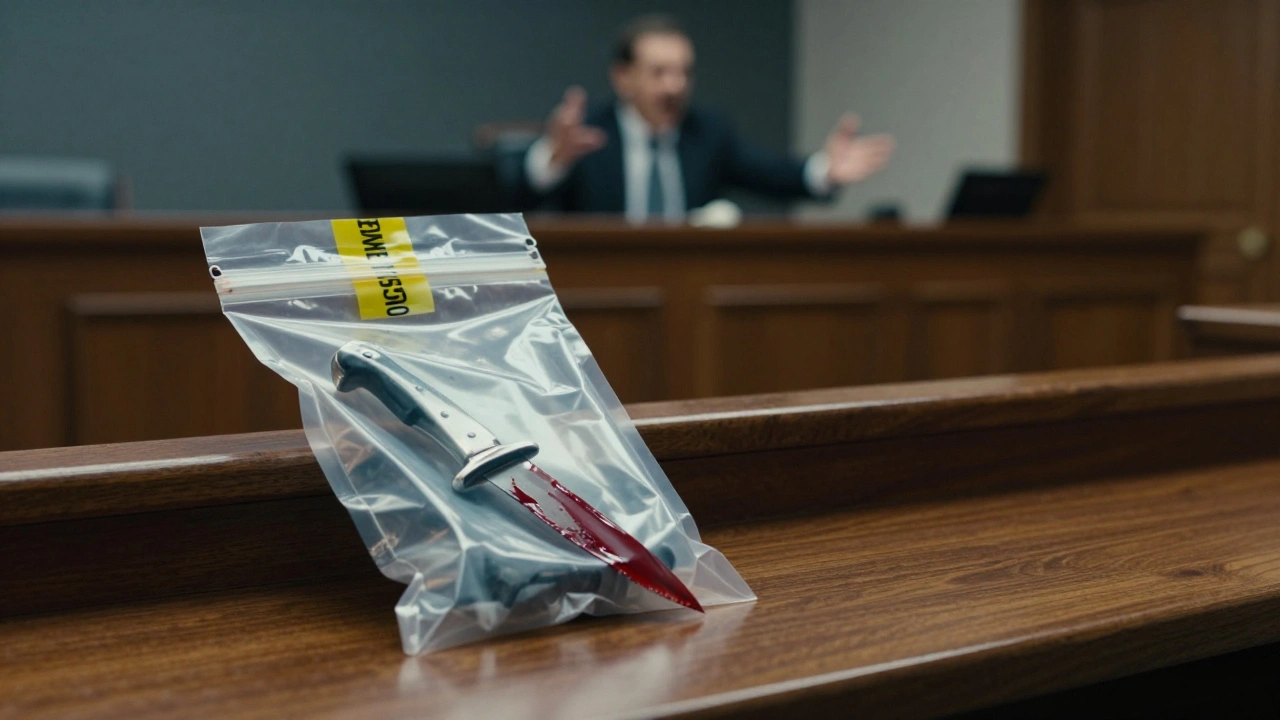
Mastering Courtroom Testimony for Chain of Custody
- By : Ian Brophy
- Date : Apr 5 2026
Learn how chain of custody documentation and courtroom testimony work together to ensure evidence admissibility and integrity in criminal trials.