Tag: chain of custody - Page 3
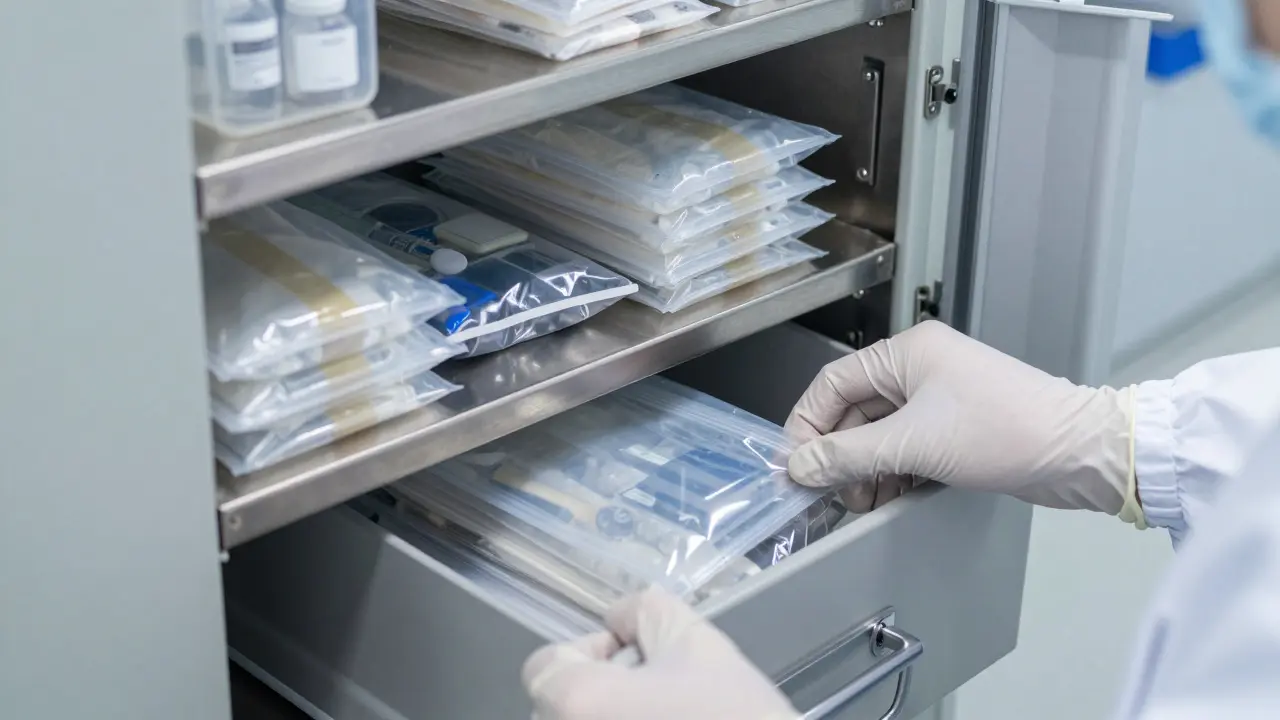
Evidence Disposal: Final Chain of Custody Steps & Legal Compliance
- By : Ian Brophy
- Date : Aug 18 2026
Learn the final steps of chain of custody for evidence disposal, including legal retention periods, documentation requirements, and proper destruction methods for various evidence types.
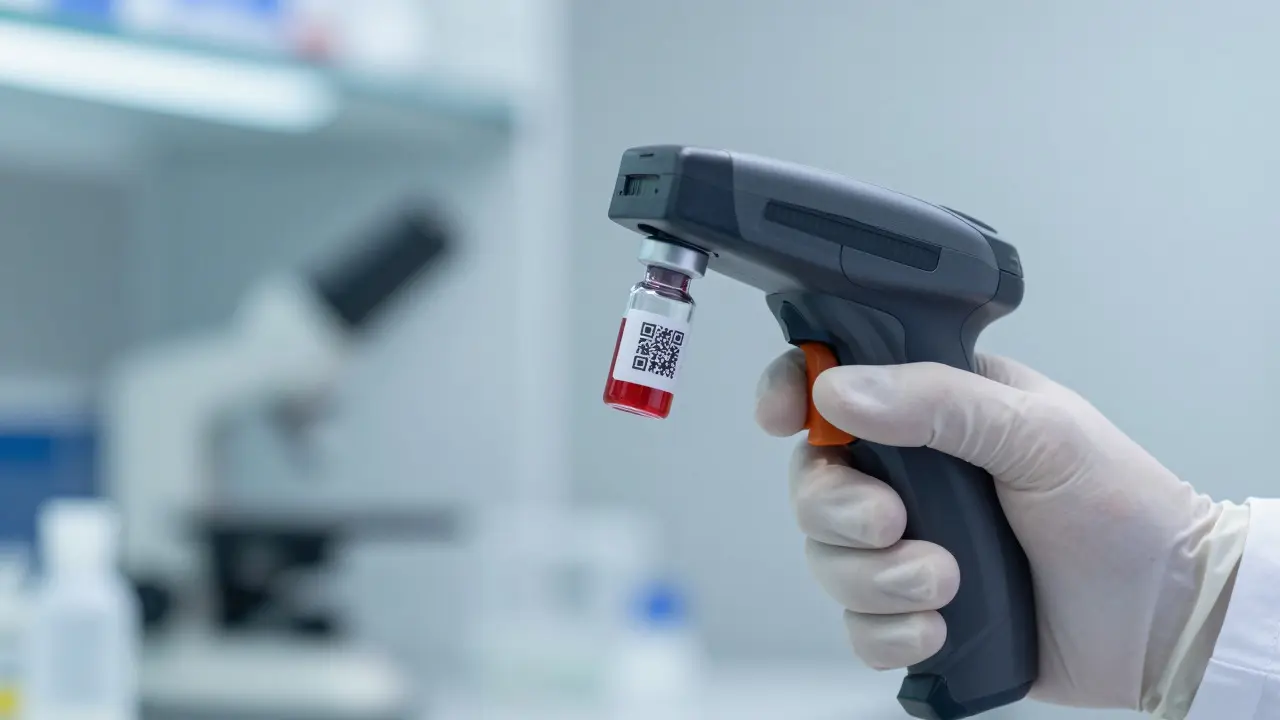
Barcoding Evidence: How to Automate Chain of Custody Tracking in 2026
- By : Ian Brophy
- Date : Aug 17 2026
Discover how automating chain of custody with evidence barcoding reduces errors and speeds up forensic workflows. Learn implementation steps and best practices for 2026.

Custody Role Training: Handler Responsibilities and Errors
- By : Ian Brophy
- Date : Aug 17 2026
Learn how to maintain an unbroken chain of custody. Discover common handler errors, best practices for physical and digital evidence, and training tips to protect your cases.
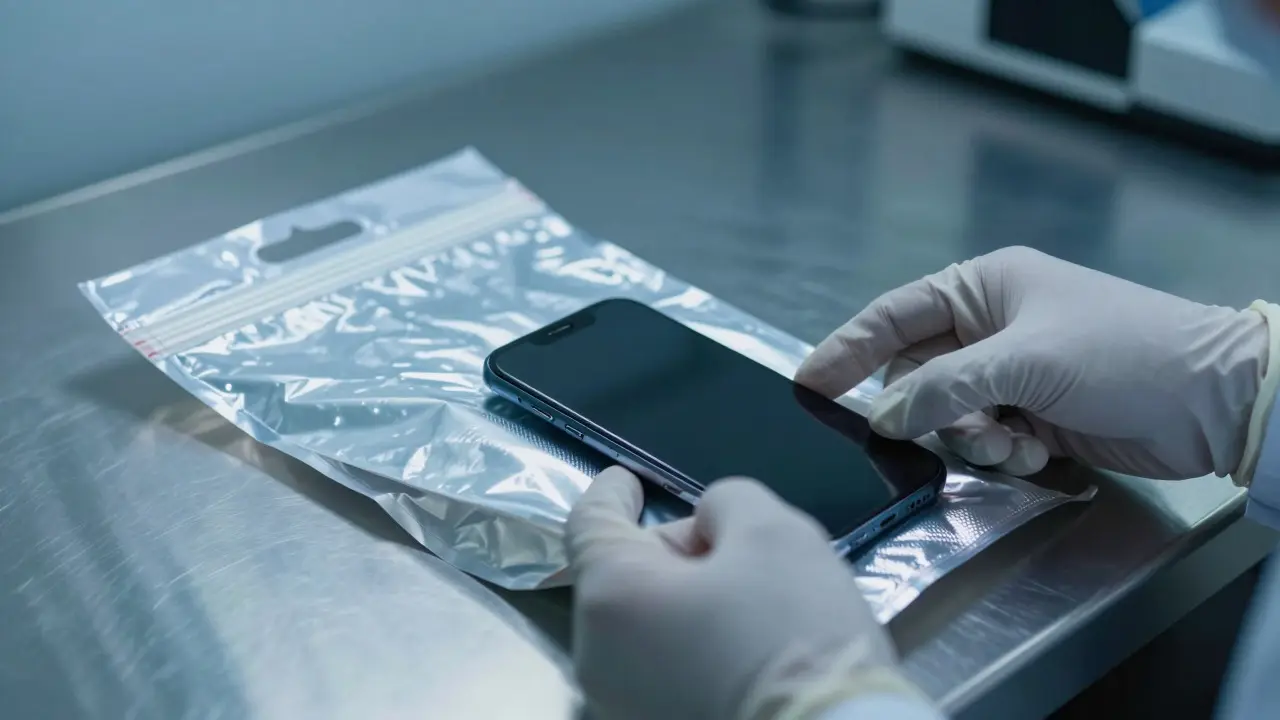
Electronics as Evidence: Anti-Static and Faraday Packaging Guide
- By : Ian Brophy
- Date : Aug 17 2026
Learn how to properly package electronic evidence using anti-static bags and Faraday pouches to prevent data loss and signal interference.
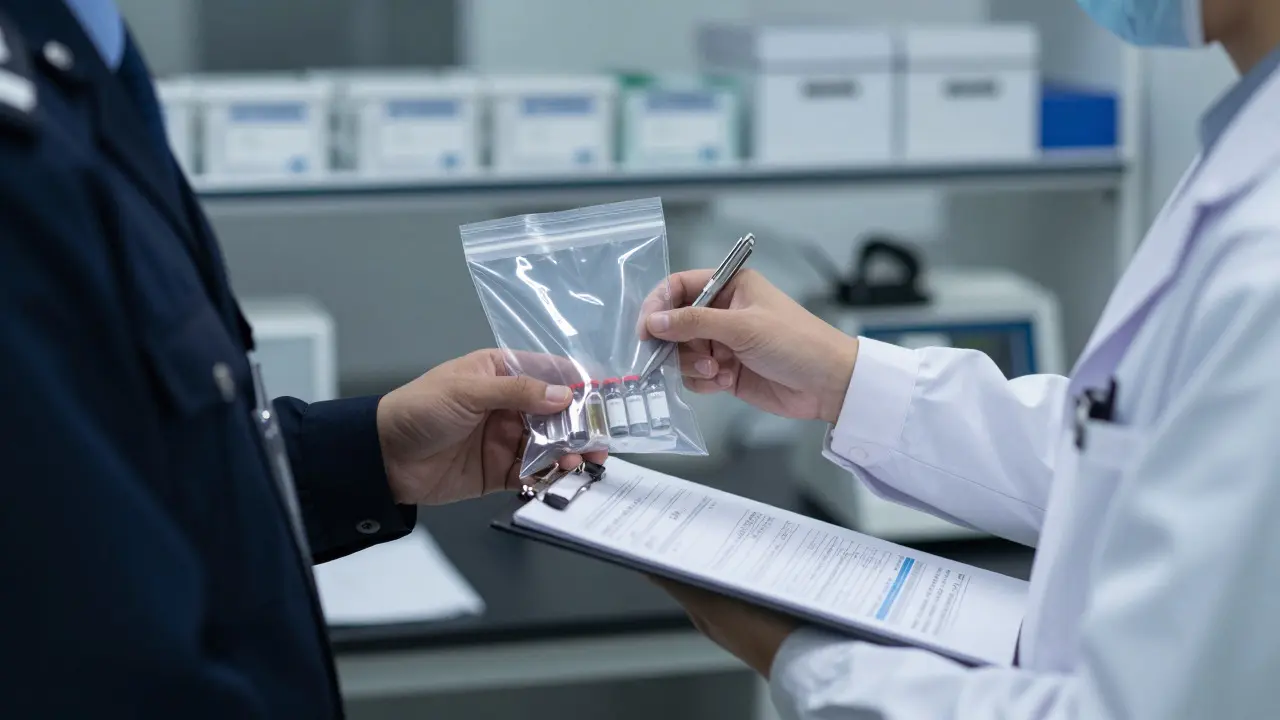
Evidence Transfer: Proper Procedures Between Handlers
- By : Ian Brophy
- Date : Aug 17 2026
Learn the proper procedures for evidence transfer to maintain an unbroken chain of custody. Covers documentation, container types, and how to handle breaks in the chain.
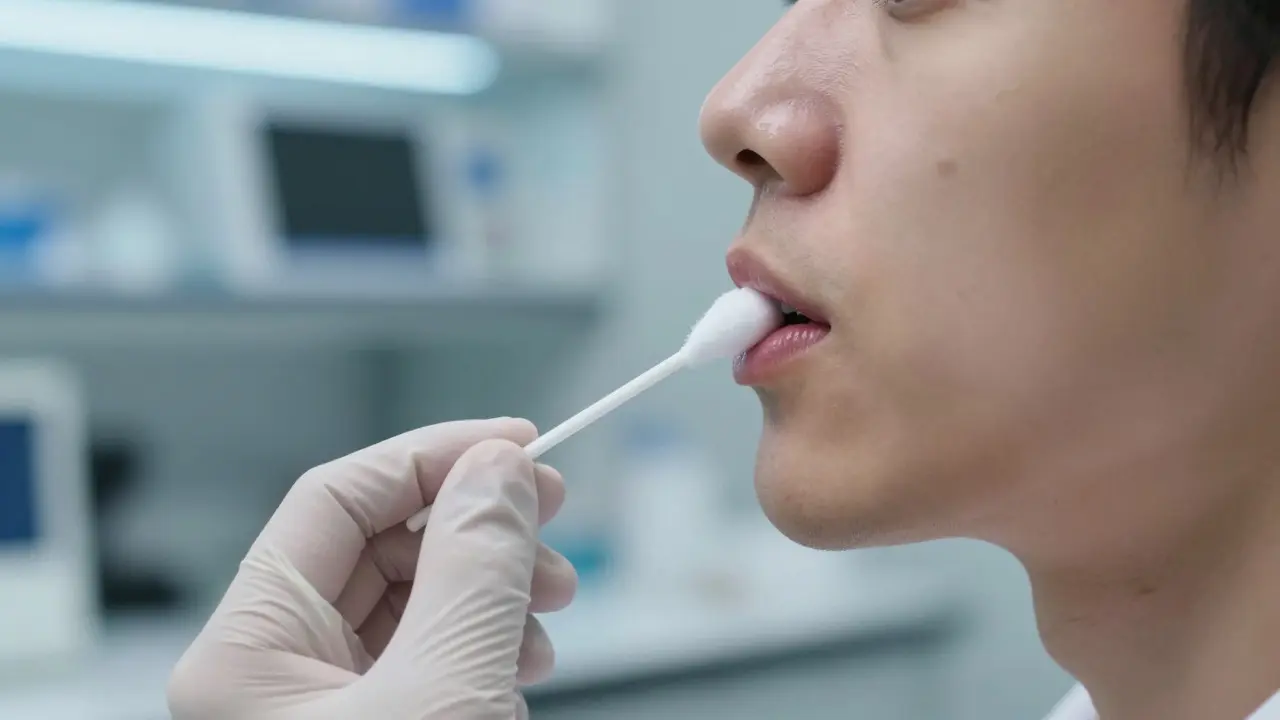
Parentage Testing Using Forensic DNA Analysis: How It Works
- By : Ian Brophy
- Date : Aug 17 2026
Learn how forensic DNA analysis determines parentage with court-level accuracy. We cover STR markers, chain of custody, and why home kits often fail in legal settings.
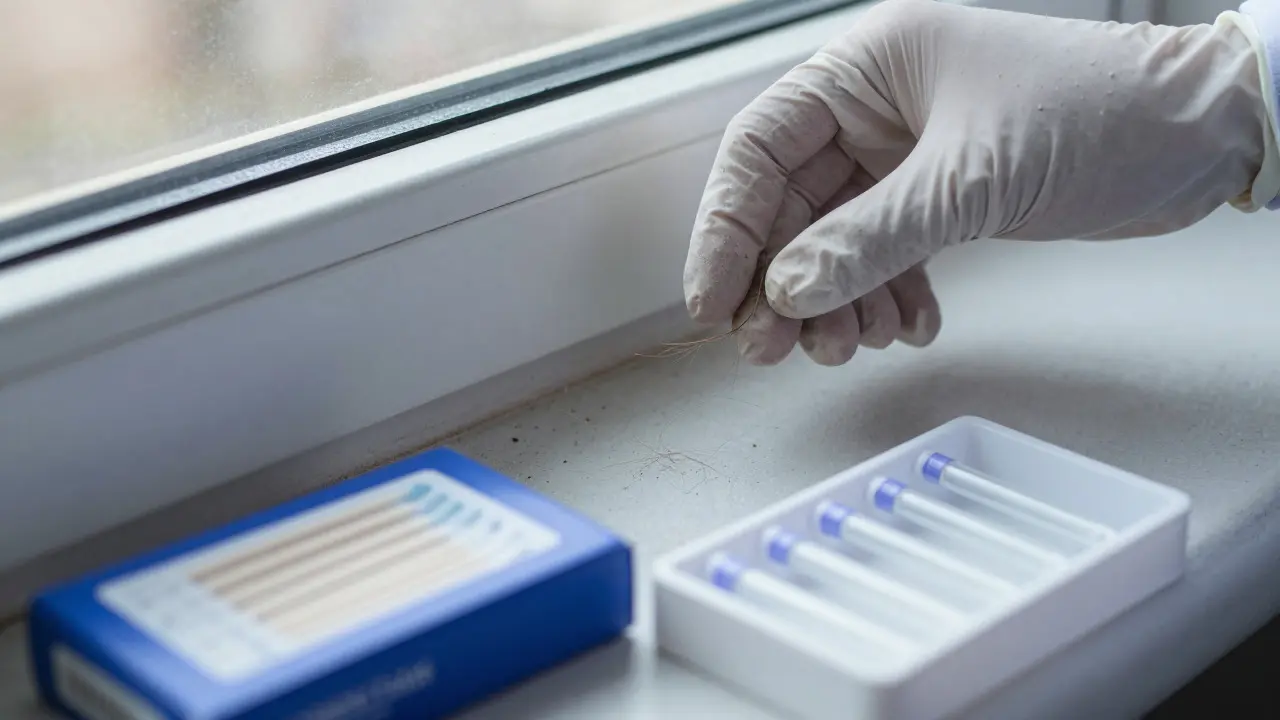
Disposable vs. Sterile Equipment: Evidence Collection Choices
- By : Ian Brophy
- Date : Aug 17 2026
Learn how to choose between disposable and sterile equipment for evidence collection. This guide covers cost, integrity, and best practices for forensic teams.
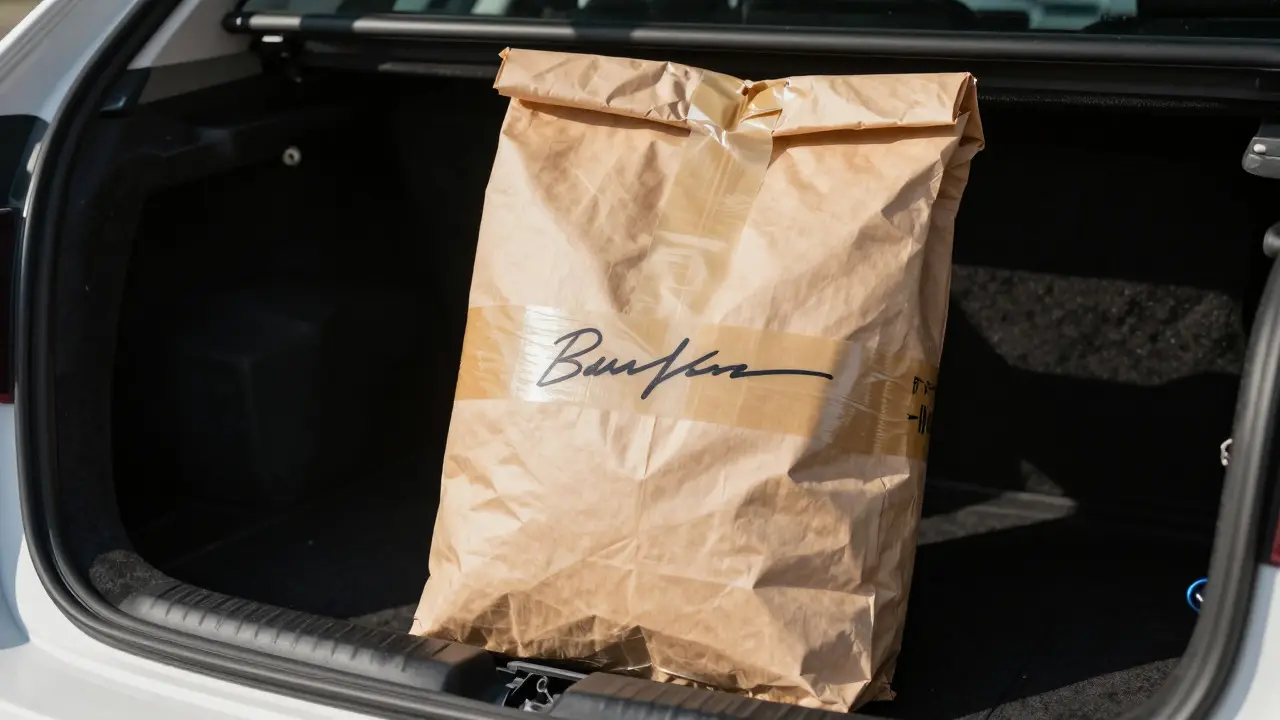
Preventing Evidence Contamination During Transport: A Field Guide
- By : Ian Brophy
- Date : Aug 17 2026
Learn how to prevent evidence contamination during transport with practical tips on packaging, temperature control, and chain of custody documentation.

Third-Party Access in Forensics: Defense Inspections and Chain of Custody
- By : Ian Brophy
- Date : Aug 17 2026
Learn how forensic labs manage third-party access for defense inspections. Discover best practices for maintaining chain of custody integrity during supervised audits.
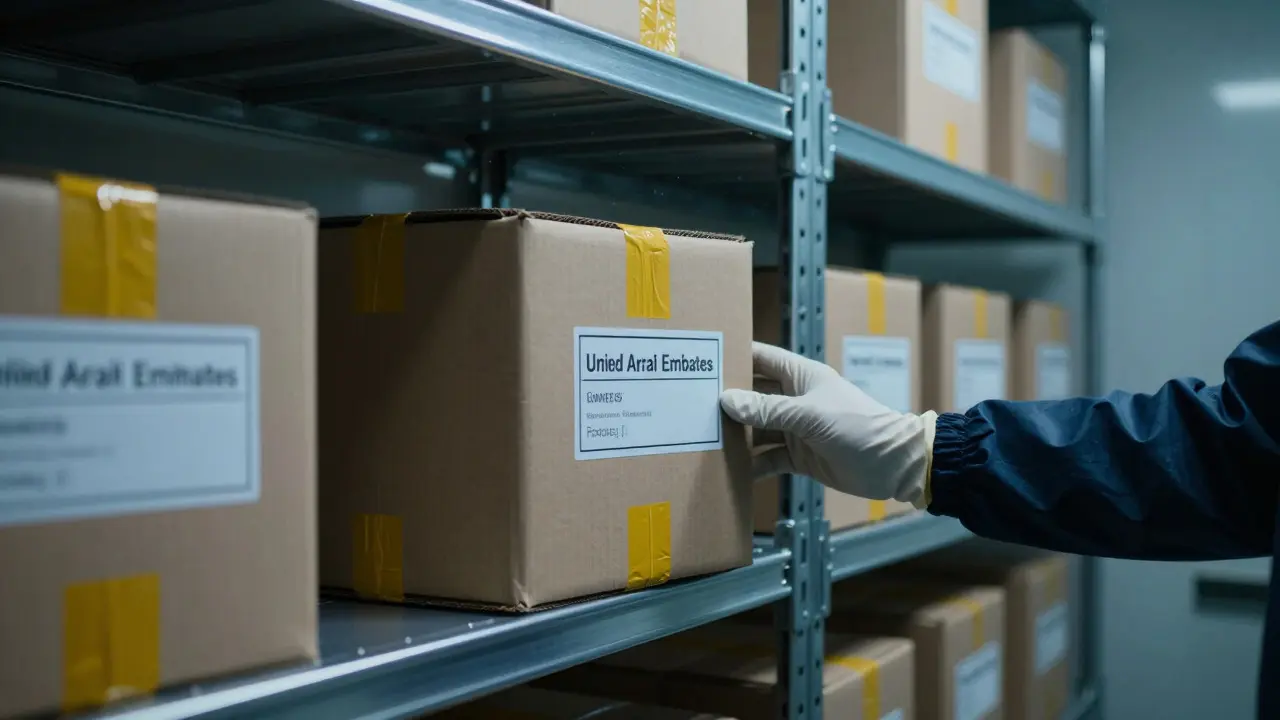
Archive Retrievals: How to Document Evidence Re-Examination Correctly
- By : Ian Brophy
- Date : Aug 17 2026
Learn how to handle archive retrievals correctly. This guide covers documenting evidence re-examination, maintaining chain of custody, and avoiding common pitfalls that void forensic findings.
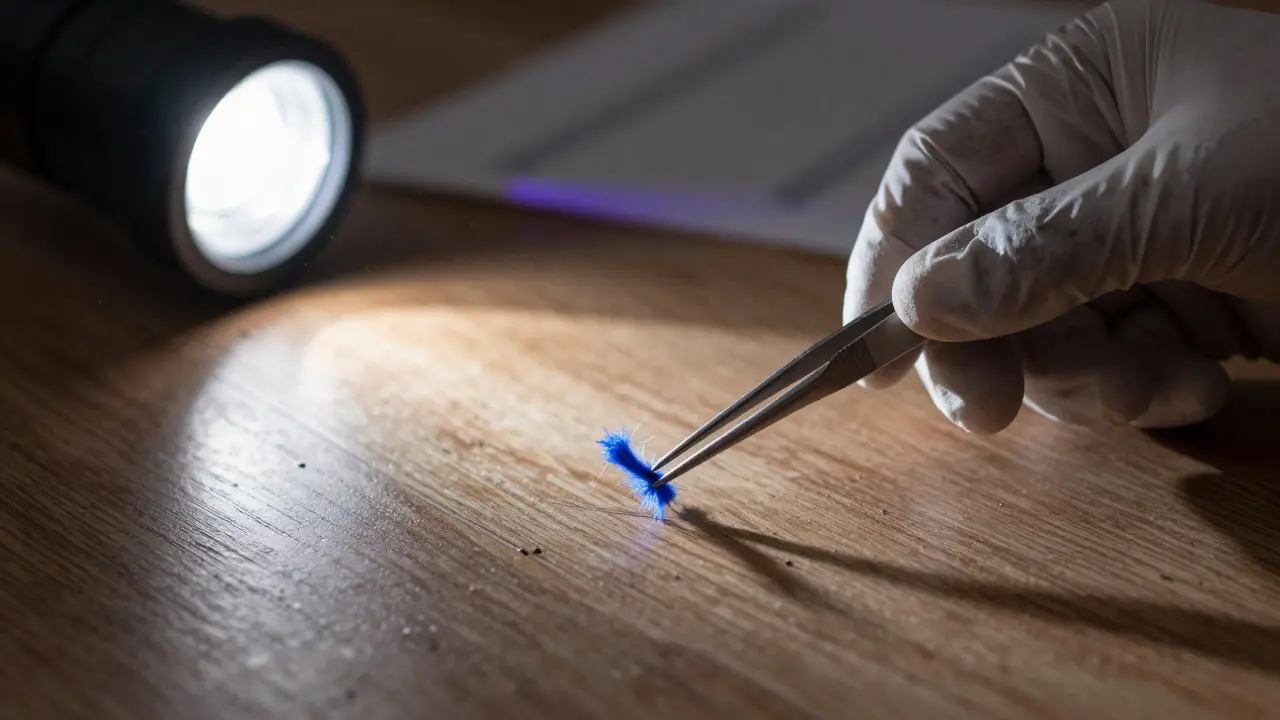
Small Item Evidence Collection: Maximizing Microscopic Findings
- By : Ian Brophy
- Date : Aug 17 2026
Learn how to effectively collect and preserve small item evidence like fibers and glass. Discover the tools, techniques, and pitfalls to avoid for maximizing microscopic findings in forensic investigations.
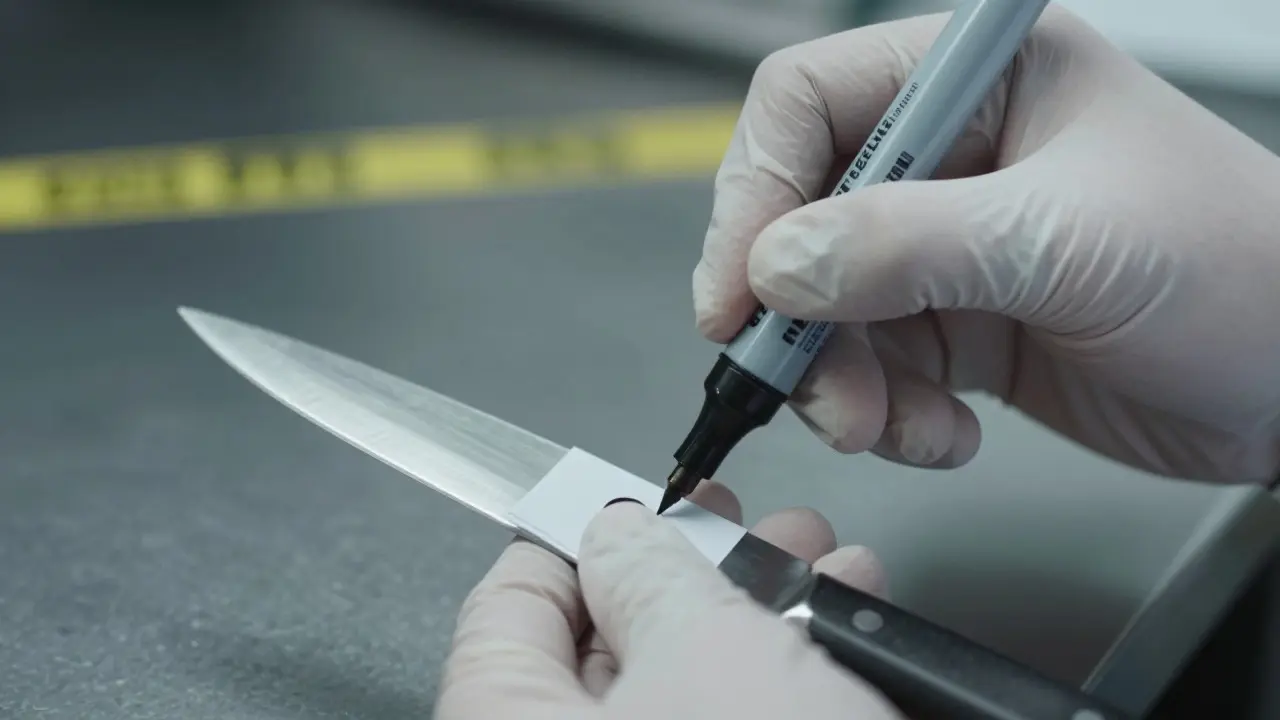
Evidence Marking and Labeling: Documentation Standards for Crime Scenes
- By : Ian Brophy
- Date : Aug 17 2026
Master the art of evidence marking and labeling to ensure admissibility. Learn standard formats, avoid common pitfalls, and maintain a perfect chain of custody.