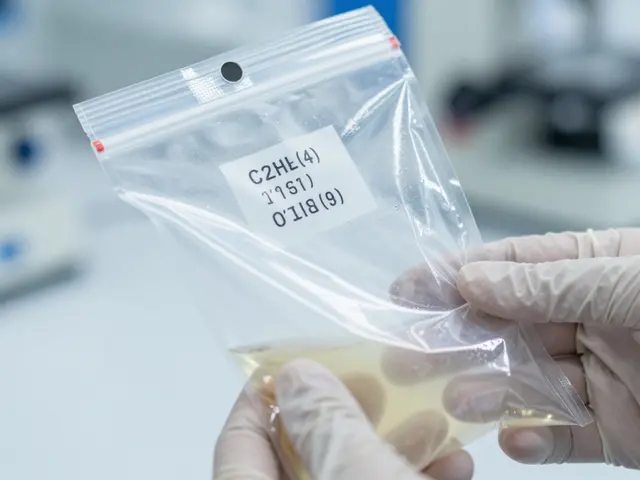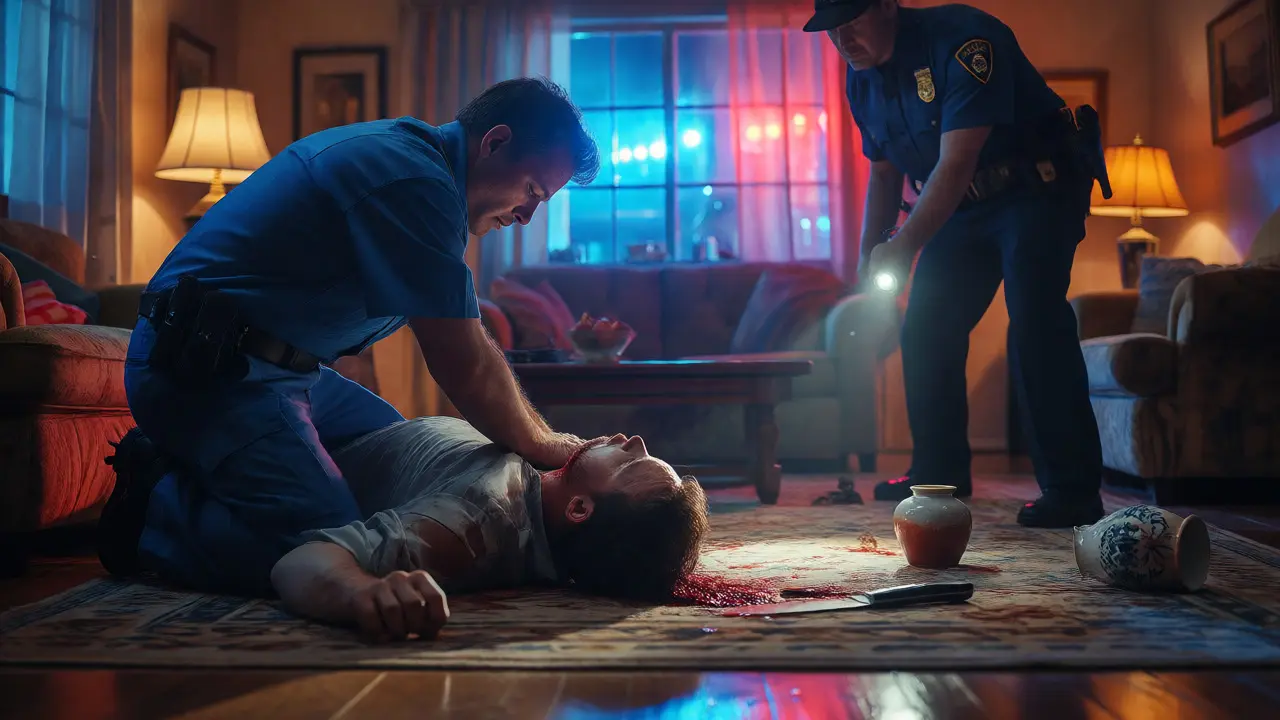
Imagine you are the first officer on a domestic disturbance call. The victim is unconscious, bleeding heavily from a head wound. Your instinct screams to rush them to the hospital. But wait-there’s a bloody knife on the floor and a shattered vase near the body. If you move the victim without marking their position, you just erased critical context for the detectives who will arrive in twenty minutes. This is the core tension of emergency medical access: the urgent need to save lives versus the legal and scientific necessity of preserving physical evidence at a crime scene. It’s not about choosing one over the other; it’s about doing both simultaneously.
The Golden Hour vs. The Chain of Custody
In trauma medicine, the "Golden Hour" refers to the critical window immediately following an injury where prompt medical treatment has the highest likelihood of preventing death. Every minute counts. However, in forensic science, every step taken by a first responder alters the scene. Blood spatter patterns tell a story of direction and force. Footprints indicate who was present. When paramedics or police officers enter a chaotic environment, they risk contaminating these clues.
The solution isn't to delay care until a forensics team arrives-that could be fatal. Instead, modern protocols emphasize "scene awareness" during rescue. First responders are trained to observe before they act. They note the position of weapons, the state of doors (open or closed), and the location of potential biological samples before touching anything else. This observational phase takes seconds but saves hours of reconstruction later.
Who Has Priority? Understanding Jurisdictional Nuances
A common misconception is that law enforcement always owns the scene. In reality, jurisdiction depends on the situation. If there is a living patient, Emergency Medical Services (EMS) typically holds primary authority over the patient's body and immediate surroundings needed for treatment. Police cannot block a paramedic from saving a life. However, once the patient is stabilized or pronounced dead, control shifts back to law enforcement and subsequently to forensic investigators.
This handoff requires clear communication. Officers must brief EMS personnel on what they have already observed and marked. Conversely, medics must inform officers if they moved the body, touched a weapon, or tracked blood out of the room. Failure to communicate creates gaps in the narrative that defense attorneys can exploit in court.
Practical Techniques for Minimizing Contamination
You don't need a PhD in chemistry to preserve evidence while helping someone. Simple, disciplined habits make a massive difference. Here are concrete steps first responders should integrate into their workflow:
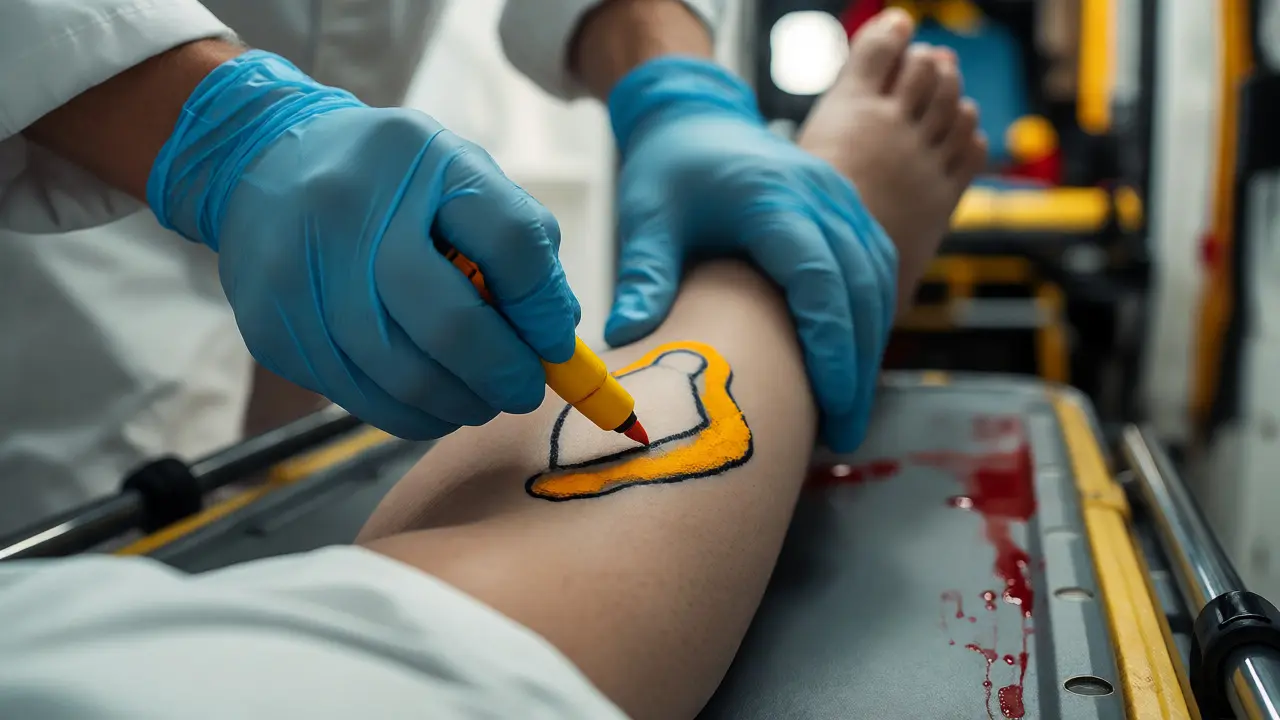
- Mark Before You Move: If a victim must be moved to exit a burning building or reach an ambulance, use chalk, spray paint, or even a pen to outline their exact position. Note which way they were facing and where their limbs were positioned.
- Use Pathways: Avoid walking directly through areas of high evidentiary value, such as pools of blood or clusters of shell casings. Create a single entry and exit path, preferably along walls or through unaffected areas like grassy yards rather than carpeted rooms.
- Glove Discipline: Wear fresh gloves when handling evidence and change them immediately after treating the patient. Cross-contamination between the suspect, the victim, and the scene is a frequent error.
- Document Verbally: If you see something crucial-a gun kicked under a sofa, a phone screen lit up-say it out loud to your partner or record it in a body camera feed. Memory fades quickly under stress.
The Impact of Technology on Scene Management
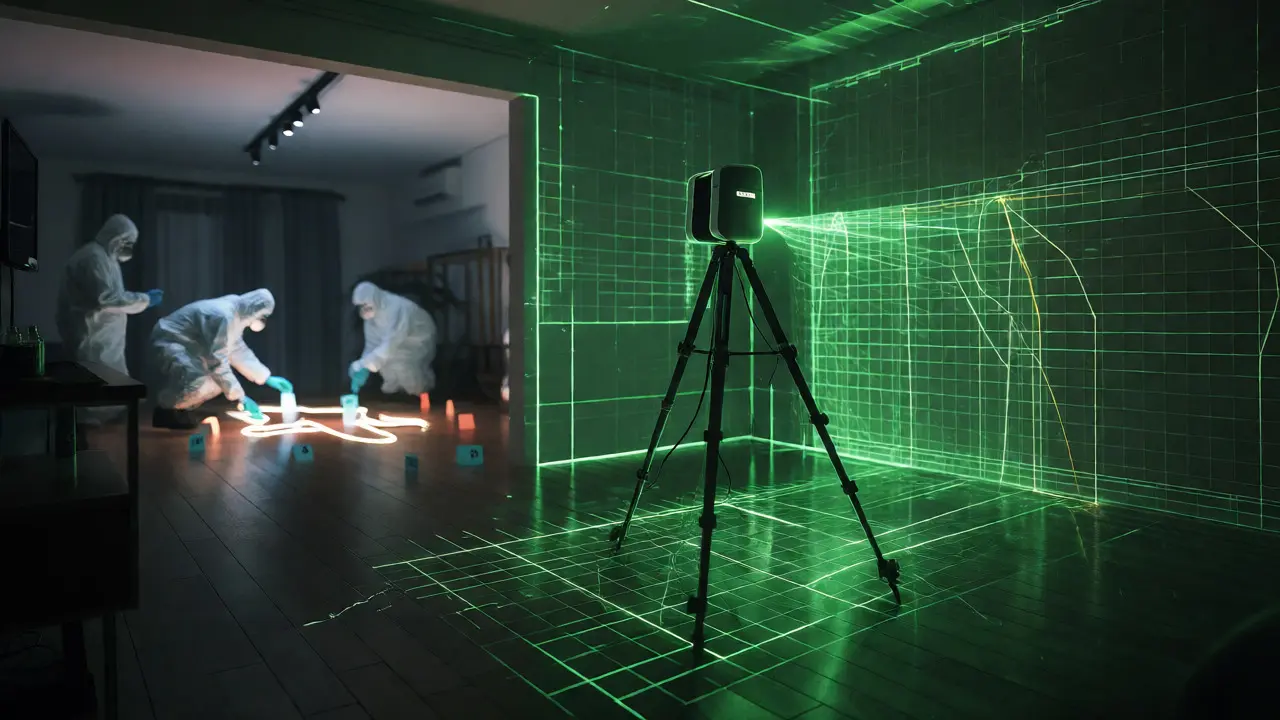
Technology has changed how we balance speed and precision. Body-worn cameras provide an objective record of the initial approach, capturing details that might otherwise be lost. Drones allow investigators to map large outdoor scenes without trampling the ground. More recently, LiDAR scanners can capture millimeter-accurate 3D models of a room in minutes.
However, tech is only as good as the human operating it. A drone flying too low can disturb loose papers. A body cam angle might miss a subtle clue in peripheral vision. The best tools augment human judgment, not replace it. Responders should view technology as a safety net, not a substitute for careful observation.
| Phase | Primary Goal | Risk to Evidence | Mitigation Strategy |
|---|---|---|---|
| Initial Approach | Safety & Assessment | High (Footwear contamination) | Wear shoe covers; stick to hard surfaces if possible. |
| Patient Stabilization | Life Saving | Medium (Blood transfer, movement) | Mark position before moving; avoid stepping in fluids. |
| Transport | Extraction | Low (Scene left behind) | Secure perimeter; log all actions taken. |
| Investigation | Data Collection | N/A | Systematic search using grid or spiral method. |
Legal Implications of Poor Preservation
Courts are increasingly skeptical of cases where the chain of custody is broken. If a detective testifies that a murder weapon was found on the kitchen table, but the responding officer admits he picked it up to check if it was loaded, the defense will argue the fingerprint evidence is compromised. Was it wiped? Did the officer touch the grip?
Juries expect professionalism. They understand chaos, but they don't forgive negligence. Proper documentation transforms a messy scene into a coherent timeline. When responders fail to distinguish between "aiding" and "altering," they inadvertently weaken the prosecution's case. Remember, evidence preserved poorly is often evidence lost.
Training and Interagency Cooperation
The biggest barrier to effective balancing acts is siloed training. Police learn criminal procedure; medics learn physiology. Rarely do they train together on the nuances of evidence preservation. Joint exercises, where police practice securing a scene while medics practice extracting patients without disturbing markers, bridge this gap.
Standardized checklists help. Many departments now use "Scene Protection Cards" handed to EMS crews upon arrival, reminding them of key dos and don'ts. These small interventions reduce friction and ensure everyone speaks the same language when seconds count.
Can I move a victim if I think they are dead?
Generally, no. Unless there is an immediate threat to life (like fire or active shooter), you should leave the body undisturbed until medical professionals confirm death. Moving a deceased person prematurely can alter rigor mortis indicators and blood pooling (livor mortis), which are crucial for determining time of death.
What happens if I accidentally step in blood?
It happens. Don't panic. Simply avoid stepping in it again. If possible, note where you stepped so investigators know to ignore those specific footprints or treat them as known contaminants. Do not try to clean it up yourself, as this removes potential DNA evidence.
Do witnesses need to stay at the scene?
Ideally, yes. Witnesses provide context that physical evidence cannot. However, if a witness needs medical attention or leaves voluntarily, get their name, contact info, and a brief statement of what they saw before they go. Their testimony may be more valuable than their presence at the scene hours later.
How does weather affect evidence preservation?
Rain, wind, and snow degrade evidence rapidly. Blood washes away, footprints fill with water, and fibers blow off. In bad weather, prioritize documenting visible evidence with photos or sketches immediately. Use tarps or boxes to cover critical items if safe to do so, but never bury evidence completely as it traps moisture and accelerates decomposition.
Is it better to take too many photos or too few?
Take too many. Digital storage is cheap, and you can delete duplicates later. Once the scene is cleared, you cannot go back. Capture wide shots, medium shots, and close-ups of everything, including items that seem irrelevant at first glance. Context is everything in forensics.