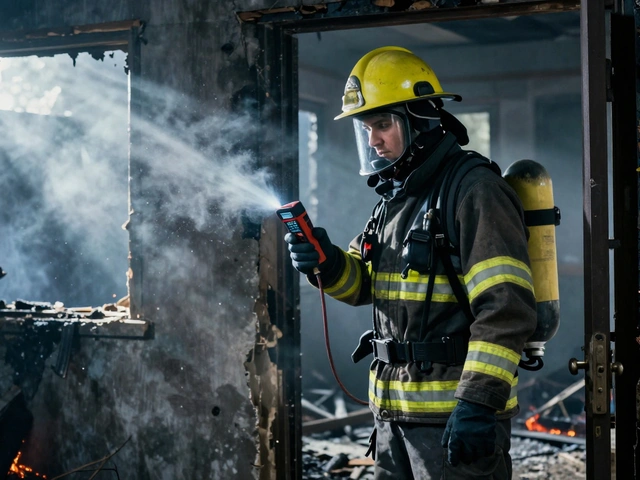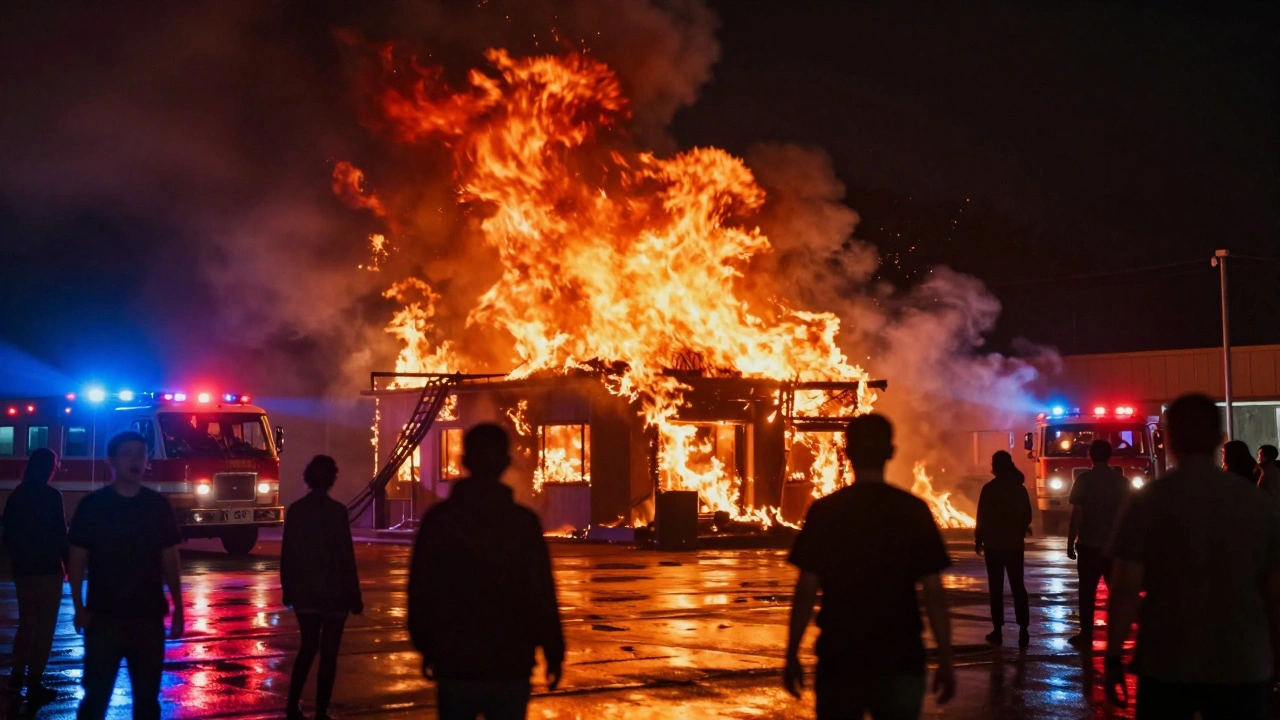
Imagine standing near a burning building. The heat is intense, smoke fills your lungs, and sirens wail in the distance. In that chaos, what you see might not be what actually happened. This is the reality for investigators dealing with witness interviews in fire and arson investigations where human memory clashes with high-stress trauma. Getting accurate statements from people at the scene is one of the hardest parts of any fire investigation. It’s not just about asking questions; it’s about navigating fear, confusion, and the natural flaws of human memory.
When a fire breaks out, especially if arson is suspected, every second counts. Investigators need to know who saw what, when they saw it, and under what conditions. But witnesses are often shaken, their memories fading or distorting within hours. If you’re involved in an investigation-whether as a professional investigator, a safety officer, or even a concerned community member-you need to understand how these interviews work and why they matter so much.
Why Witness Statements Are Critical in Fire Investigations
In fire and arson cases, physical evidence like burn patterns and accelerant residues tells part of the story. But witnesses provide the context. They can describe smells heard before the flames started, identify suspicious individuals nearby, or recall unusual activities in the hours leading up to the incident. Without their accounts, investigators might miss key clues that point to negligence or intentional ignition.
The goal isn’t to assign blame immediately. As noted by industry standards from Wolters Kluwer, the primary purpose is to determine what happened and why. This distinction matters because witnesses cooperate more freely when they know they aren’t being interrogated for guilt. Instead, they feel like partners in uncovering the truth. This approach reduces defensiveness and encourages honest, detailed recollections.
| Aspect | Casual Questioning | Professional Interview |
|---|---|---|
| Setting | Noisy, crowded areas | Quiet, private space |
| Question Style | Yes/no questions, leading prompts | Open-ended, narrative-driven |
| Timing | Days or weeks later | As soon as possible after incident |
| Goal | Confirm suspicions | Gather objective facts without bias |
Identifying Who Counts as a Witness
Not everyone at the scene is equally useful, but almost anyone could have relevant information. Potential witnesses include eyewitnesses who saw the fire start, first responders who arrived early, medical personnel treating victims, neighbors who heard noises earlier, and even bystanders who noticed nothing unusual. Yes, those “negative” statements still matter-they help rule out possibilities and confirm timelines.
Investigators use several methods to find these people. They review surveillance footage around the time of the incident, talk to police officers on duty, check news reports for mentions of specific locations, and ask initial witnesses if they know others who might have seen something. This snowball technique expands the pool quickly. For example, a delivery driver who passed the building ten minutes before the fire might remember seeing someone acting strangely-a detail no one else would catch.
It’s also important to categorize witnesses based on their proximity and emotional state. Family members of victims, for instance, are often too distraught to give clear answers right away. Empathy becomes crucial here. Investigators must balance urgency with sensitivity, ensuring they don’t re-traumatize individuals while still gathering necessary data.

Best Practices for Conducting Effective Interviews
Timing is everything. Memories fade fast, especially under stress. That’s why professionals emphasize conducting interviews as soon as possible after the event. Waiting even a day can mean losing critical details about lighting conditions, weather, or exact positions of people involved.
Another golden rule? Never interview witnesses together. Group settings create social pressure. People conform to each other’s stories, filling gaps in their own memories with what others say. Individual interviews prevent this contamination. Each person gets to share their unique perspective without influence.
Before starting, always explain the purpose clearly. Tell them you’re trying to piece together what happened-not figure out who’s at fault. Ask permission to record the conversation. Recording ensures accuracy and protects both parties from misunderstandings later. Then, let them speak freely. Let them tell their story from beginning to end without interruption. This narrative method yields richer, more authentic accounts than jumping straight into targeted questions.
- Create a calm environment free from distractions.
- Maintain neutral body language and tone.
- Avoid showing personal emotions that could sway the witness.
- Listen actively rather than dominating the dialogue.
Asking the Right Questions Without Leading the Witness
How you phrase your questions changes everything. Open-ended questions invite detailed responses. Instead of asking, “Did you see the suspect enter through the back door?” try, “What did you notice when you looked toward the building?” The latter lets the witness describe exactly what they observed without planting ideas.
One powerful follow-up is simply, “What happened next?” It keeps the conversation flowing naturally. Another essential question is, “How do you know that?” This helps distinguish between direct observation and hearsay. Just because someone says they smelled gasoline doesn’t mean they actually did-it could be secondhand info from another neighbor.
Once the main narrative is laid out, dig deeper using journalist-style questioning: Who was there? What were they doing? Where were they standing? When did events occur? How long did things take? These basics form the backbone of reliable testimony.
Documenting Details Beyond Words
Words alone rarely capture the full picture. Encourage witnesses to draw diagrams of the scene. Mark where they stood, where others were, where exits lay, and any obstacles blocking views. Visual aids clarify spatial relationships that words struggle to convey.
Note non-verbal cues too. Was the witness trembling? Did they hesitate before answering certain questions? Emotions reveal underlying tensions or uncertainties. Documenting these observations adds depth to the statement. Also, consider recording audio and video during sensitive interviews, particularly involving vulnerable populations like children or trauma survivors. Some jurisdictions use specialized protocols like Achieving Best Evidence (ABE) interviews, which involve trained officers in softly furnished rooms capturing both verbal and behavioral nuances.
Finally, review the recorded account with the witness before concluding. Confirm accuracy. Allow corrections. Ending positively reinforces trust and leaves the door open for future contact if new details emerge.
Challenges and Limitations You Must Acknowledge
No system is perfect. Human memory is notoriously unreliable. Stress impairs recall. Cognitive biases creep in-confirmation bias makes us remember what fits our expectations, false memories form over time, and suggestibility leads witnesses to accept incorrect details offered by interviewers.
Different witnesses viewing the same event will report different facts. One might focus on colors, another on sounds, another on movement. None are wrong; they’re just prioritizing differently. Skilled investigators collect all versions, then cross-reference them to build a coherent timeline. Discrepancies aren’t failures-they’re opportunities to refine understanding.
If discrepancies arise between prior police statements and current ones, address them directly but gently. Ask, “You mentioned X previously. Can you walk me through that again?” Avoid accusations. Focus on clarification.
Should I interview witnesses immediately after a fire?
Yes, ideally within hours. Memory deteriorates rapidly under stress. Delaying increases the risk of lost details or distorted recollections. However, prioritize safety and emotional stability first-if someone is visibly traumatized, wait until they stabilize slightly before proceeding.
Can I group multiple witnesses together for efficiency?
Absolutely not. Group interviews introduce conformity effects and memory contamination. Always conduct individual sessions to preserve independent perspectives and avoid influencing one another’s accounts.
What if a witness admits they didn’t see anything?
Still document their statement. Negative observations help establish baselines and rule out alternative theories. Plus, they may recall peripheral details later once given time to reflect.
Is it okay to record witness interviews?
Yes, but only with explicit consent. Recording improves accuracy and provides legal protection. Use audio or video depending on jurisdictional rules and sensitivity of the case. Always inform the witness beforehand.
How do I handle conflicting witness accounts?
Don’t dismiss either side. Analyze differences objectively. Look for overlapping elements. Consider positioning, attention focus, and potential biases. Combine all inputs to construct the most plausible scenario supported by corroborating evidence.