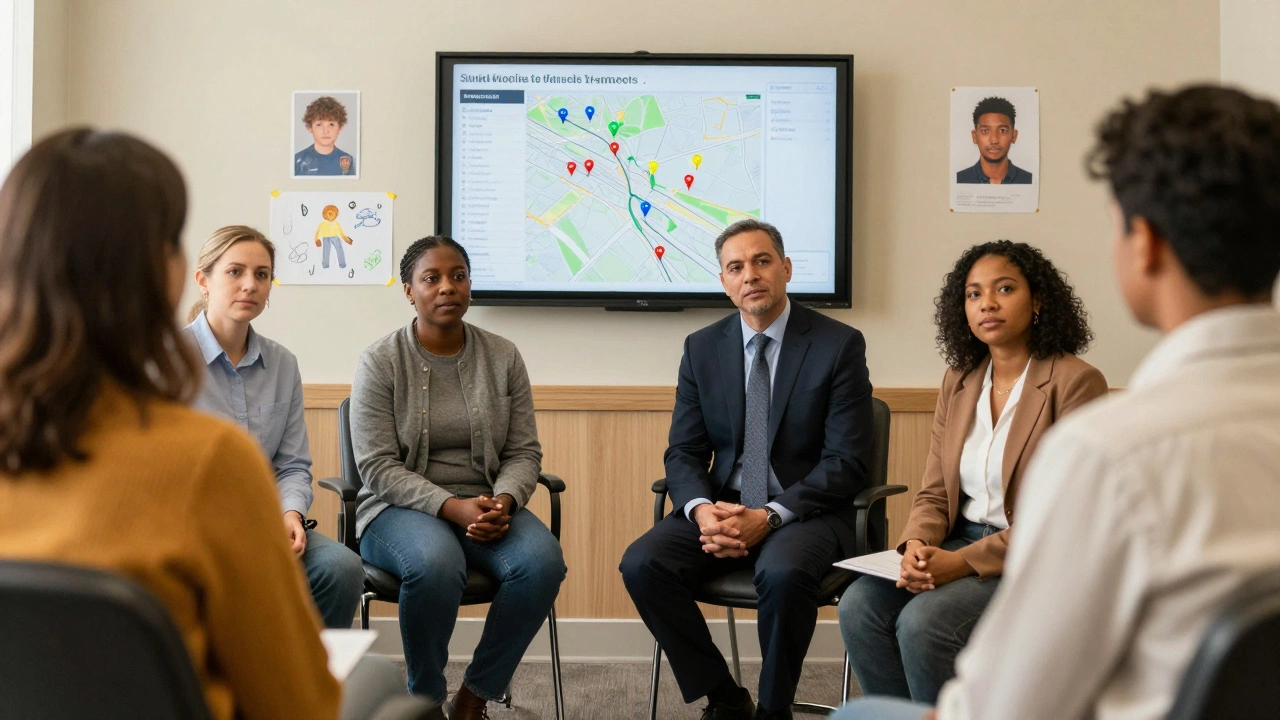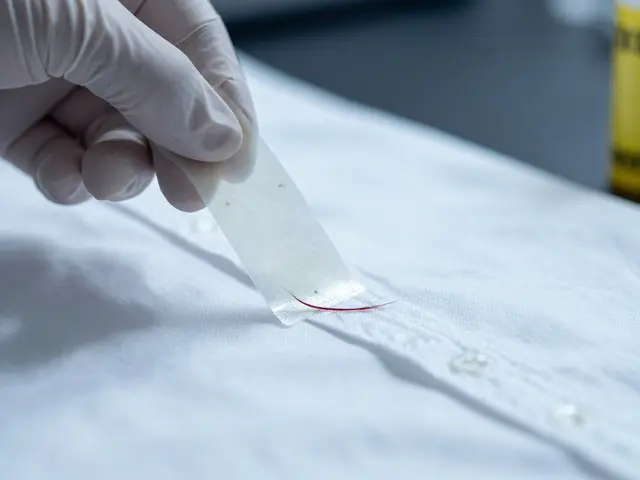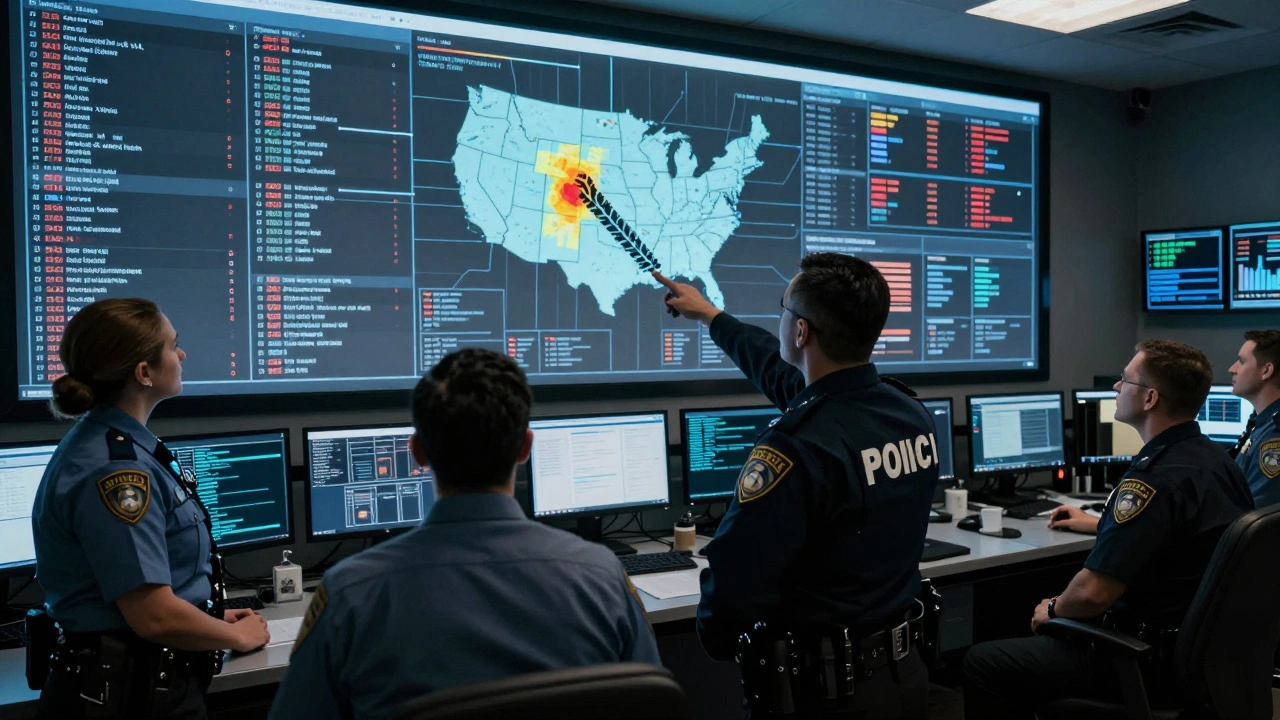
When a homicide crosses city lines, state borders, or involves federal crimes like kidnapping or terrorism, no single police department has all the tools, authority, or manpower to solve it alone. That’s where multi-agency task forces come in. These aren’t temporary teams put together for a press conference-they’re permanent, structured units with clear rules, shared databases, and trained personnel working side by side to track down killers who think they can hide by crossing jurisdictional lines.
Why Task Forces Exist
A single homicide in a small town might be handled by one detective. But when victims show up in three different counties over six months-with similar wounds, same weapon, no witnesses-it’s not random. It’s serial. And that’s when local cops realize they’re out of their depth. The killer doesn’t care about city limits. Neither should the investigation. The National Institute of Justice laid out the blueprint back in 1988 with the Multi-Agency Investigative Team Manual. It wasn’t theory. It was born from real cases where evidence got lost in bureaucracy, leads went cold because agencies didn’t talk, and suspects slipped through cracks between jurisdictions. The manual didn’t just suggest cooperation-it defined how to build it. From how to assign roles to how to store DNA samples across state lines, it turned guesswork into procedure.How a Task Force Is Built
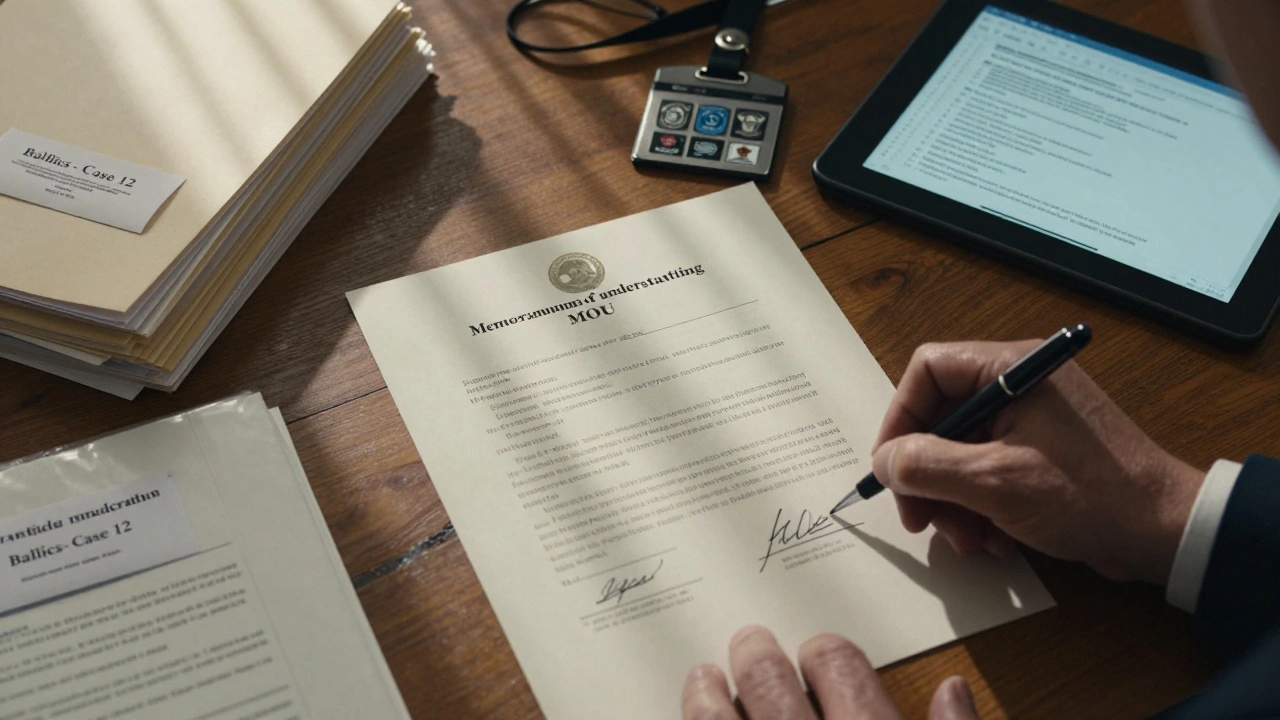
You can’t just gather officers from different agencies and call it a team. There’s paperwork. A lot of it. Every formal task force operates under a Memorandum of Understanding (MOU). This isn’t a handshake deal. It’s a legally binding contract signed by agency heads-like the Baltimore Police Commissioner or the head of state police. The MOU spells out:- Who leads the investigation
- Which agency pays for forensics, overtime, or travel
- How evidence is collected, labeled, and transferred
- Who has authority to make arrests or issue subpoenas
- How prosecutors will be brought in
The People Behind the Scenes
A task force isn’t just detectives with badges. It’s a machine with specialized parts:- Lead Investigator: Usually from the agency where the first crime occurred. They coordinate daily, not just investigate.
- Inter-Agency Liaisons: Officers assigned to each participating agency. Their job? Make sure intel flows, not gets stuck.
- Case Review Analysts: Not cops. They’re data specialists who map connections between victims, vehicles, weapons, and timelines.
- Forensic Specialists: From ballistics to digital forensics, each expert is pulled from their home agency but works full-time on the case.
- Prosecutors: Embedded early. They don’t wait for arrest-they guide what evidence to collect so it’ll hold up in court.
How They Communicate
You can’t use regular radios or email. Too risky. A single leaked tip can cost lives. Task forces use encrypted communication platforms-like those used by the FBI and DEA-where every message is authenticated and logged. No Slack. No WhatsApp. No unsecured cloud drives. They hold daily briefings. Not optional. Not “if time allows.” Every morning, 7 a.m., all key players gather-whether they’re from a rural sheriff’s office or the FBI field office 200 miles away. Updates are brief: new DNA matches, vehicle sightings, tip sources, suspect movements. No ego. No politics. Just facts. A centralized database holds everything: crime scene photos, witness statements, phone records, financial trails. Access is role-based. A patrol officer from a small town can’t pull a federal wiretap record-but a lead investigator can. And every change is tracked. Who viewed it? When? Why?The Tools That Make It Work
One of the most powerful tools isn’t a gun or a badge-it’s VICAP, the Violent Criminal Apprehension Program. Run by the U.S. Marshals Service, VICAP is a national database that stores details on unsolved homicides, sexual assaults, and missing persons cases. Every participating agency uploads their data. Patterns emerge. A killer in Ohio matches a similar case in Kansas. A bullet from a Texas crime scene matches one from a case in Arizona. It’s not magic. It’s math. And it only works if every agency contributes. Some departments still resist. They think their case is too sensitive. Or they don’t have the staff. But the cost of silence? More victims. Task forces also use facial recognition, license plate readers, and cell tower pings-but only if they’re legally authorized. No one runs a sweep. Every search is tied to a specific suspect, logged, and approved by a prosecutor. This isn’t surveillance. It’s precision.What Happens When It Works
In 2023, a task force in the Pacific Northwest solved a string of 12 unsolved homicides spanning three states. The breakthrough? A single tire tread pattern found on a victim’s shoe. It was too small for one department to notice. But when all 12 cases were uploaded into VICAP, the pattern matched a vehicle registered in Idaho. That led to a suspect who’d moved across state lines five times in two years. He was arrested without a single shot fired. This didn’t happen because one detective was brilliant. It happened because six agencies stopped treating each other like rivals and started treating each other like teammates.