Category: Laboratory Quality Management - Page 3
Conflict of Interest Controls in Lab Accreditation: Ethics & Impartiality
- By : Ian Brophy
- Date : Aug 17 2026
Learn how to implement effective conflict of interest controls to maintain impartiality in laboratory accreditation. Discover practical frameworks, common pitfalls, and case studies.
Chain of Custody Audits: A Practical Guide to Quality Assurance Procedures
- By : Ian Brophy
- Date : Aug 17 2026
Learn how chain of custody audits ensure evidence integrity. This guide covers quality assurance procedures, common pitfalls, and best practices for forensic labs.
Forensic Report Revisions vs. Amendments: A Practical Guide
- By : Ian Brophy
- Date : Aug 17 2026
Learn how to correctly handle forensic report revisions and amendments. This guide covers documentation best practices, common pitfalls, and step-by-step workflows to ensure your reports stand up in court.
Packaging Trace Evidence: A Practical Guide to Preventing Loss and Contamination
- By : Ian Brophy
- Date : Aug 16 2026
Learn how to properly package trace evidence to prevent loss and contamination. Covers container selection, chain of custody, transport tips, and storage best practices for forensic integrity.
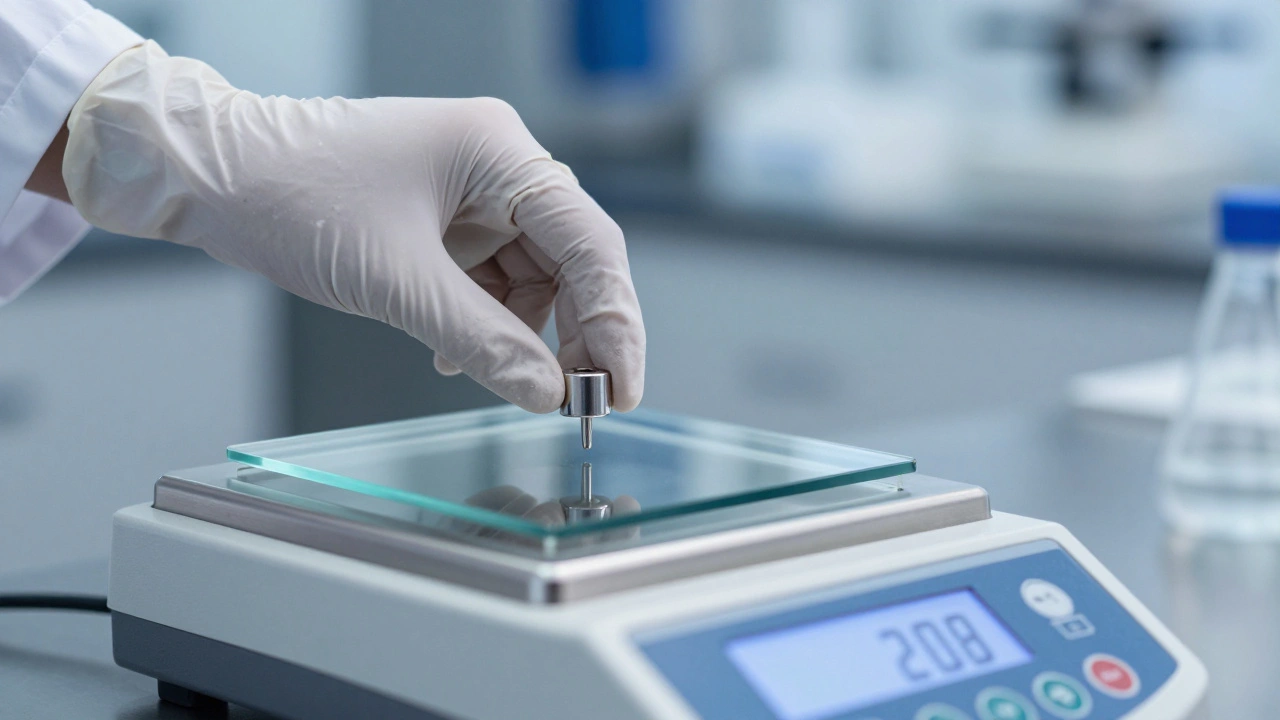
Equipment Calibration: Maintaining Laboratory Standards
- By : Ian Brophy
- Date : May 16 2026
Learn how to maintain laboratory standards through effective equipment calibration. We break down ISO/IEC 17025 requirements, the difference between NIST traceability and accreditation, and best practices for managing calibration intervals and uncertainty.
Contamination Controls in Trace Microlabs: A Practical Guide for Forensic Accuracy
- By : Ian Brophy
- Date : May 5 2026
Master contamination controls in trace microlabs with practical strategies for airflow, sterilization, and workflow design. Essential reading for forensic accuracy and ISO 17025 compliance.
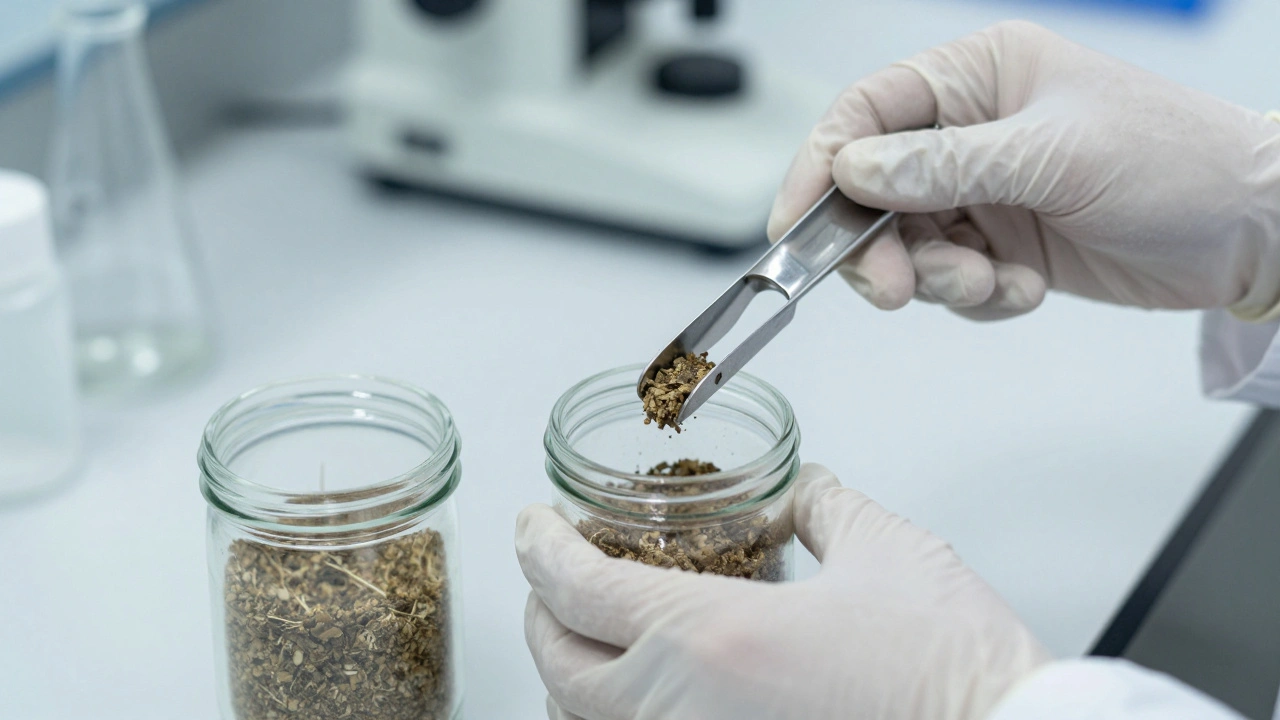
Duplicate Evidence Sets: How to Manage Sub-Samples and Splits for Chain of Custody
- By : Ian Brophy
- Date : May 4 2026
Learn how to manage duplicate evidence sets, sub-samples, and splits to maintain chain of custody integrity. Covers field duplicates, lab replicates, and best practices for forensic accuracy.
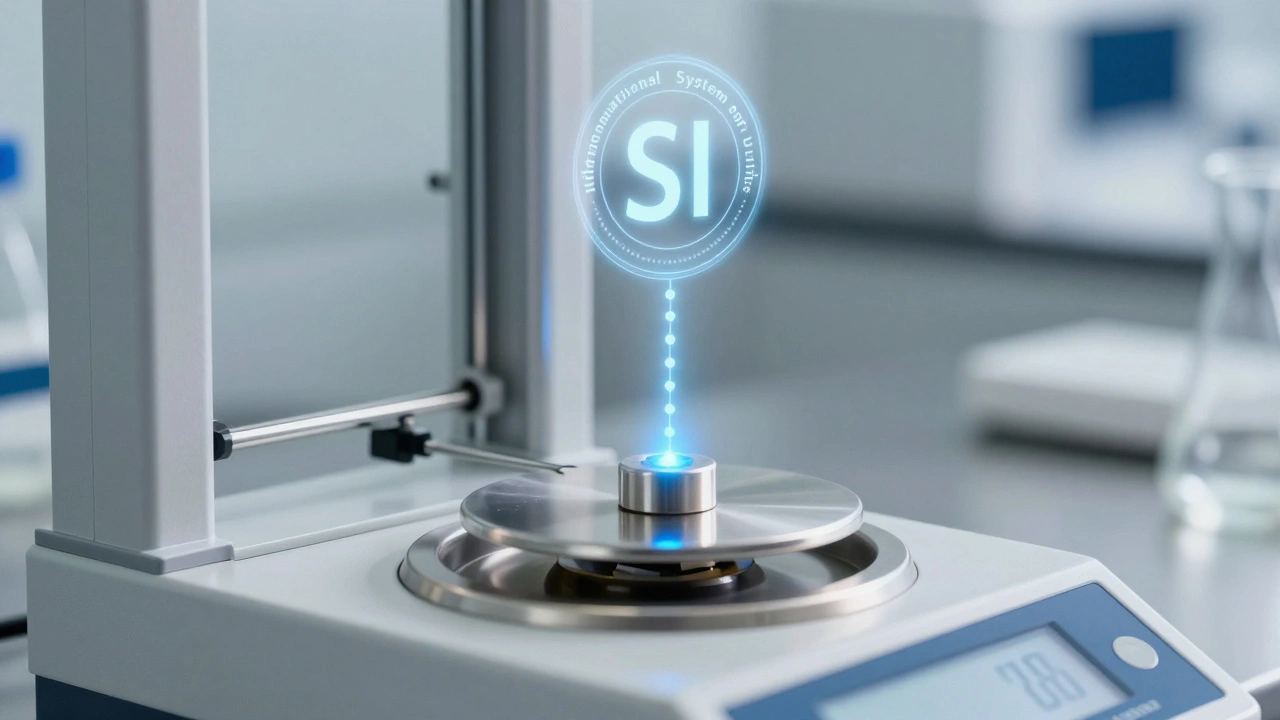
Measurement Traceability: Linking Results to SI Units and Reference Materials
- By : Ian Brophy
- Date : May 2 2026
Learn how metrological traceability links lab results to SI units via reference materials. Essential for ISO 17025 accreditation and ensuring measurement reliability.
Evidence Handling Audits: Ensuring Compliance and Effective Corrective Actions
- By : Ian Brophy
- Date : Apr 25 2026
Learn how to manage evidence handling audits, from conducting root cause analysis to implementing and validating corrective actions for regulatory compliance.
Toxicology Quality Control: A Guide to Proficiency Testing and Calibration
- By : Ian Brophy
- Date : Apr 24 2026
Learn how forensic labs ensure accurate results through proficiency testing and calibration, following ISO/IEC 17025 and AAFS standards to maintain legal integrity.
Quality Control Guide: Testing and Verification Procedures for Lab Accreditation
- By : Ian Brophy
- Date : Apr 18 2026
Learn how to implement professional quality control, testing, and verification procedures to ensure your lab meets ISO 9000 and accreditation standards.

Personnel Competency: A Guide to Staff Training and Qualifications for Lab Accreditation
- By : Ian Brophy
- Date : Apr 7 2026
Learn how to implement a robust personnel competency system for lab accreditation, covering ISO 9001, CLIA, and practical staff training strategies.