Category: Laboratory Quality Management - Page 2

Third-Party Access in Forensics: Defense Inspections and Chain of Custody
- By : Ian Brophy
- Date : Aug 17 2026
Learn how forensic labs manage third-party access for defense inspections. Discover best practices for maintaining chain of custody integrity during supervised audits.
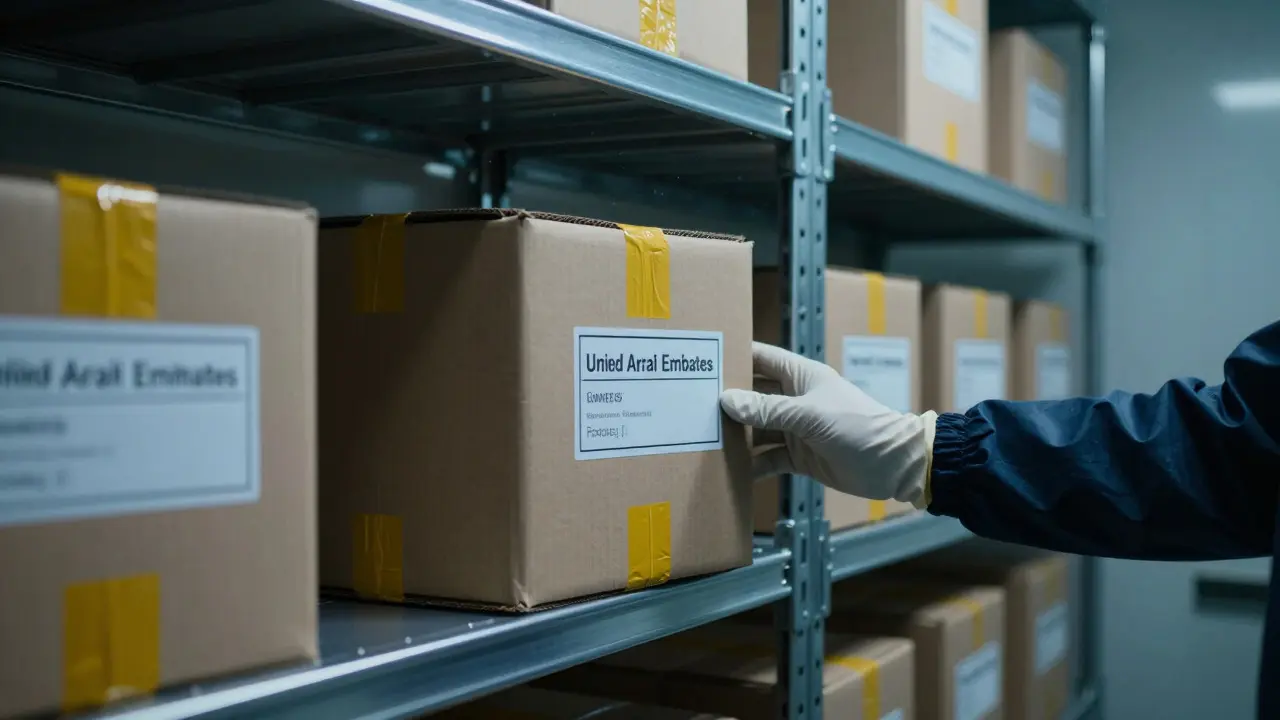
Archive Retrievals: How to Document Evidence Re-Examination Correctly
- By : Ian Brophy
- Date : Aug 17 2026
Learn how to handle archive retrievals correctly. This guide covers documenting evidence re-examination, maintaining chain of custody, and avoiding common pitfalls that void forensic findings.
Lab Accreditation: How to Communicate with Assessors Using Evidence and Explanations
- By : Ian Brophy
- Date : Aug 17 2026
Learn how to effectively communicate with lab accreditation assessors by distinguishing between evidence and explanations. Master the Point-Evidence-Explain framework to pass ISO/IEC 17025 audits with confidence.

Pre-Assessment Visits: How to Smooth Lab Accreditation Audits
- By : Ian Brophy
- Date : Aug 17 2026
Learn how pre-assessment visits expose gaps in your lab's quality management system before the real audit. Discover key focus areas, common pitfalls, and how to handle findings effectively to ensure smooth accreditation.

ISO/IEC 17020: The Complete Guide to Inspection Body Accreditation
- By : Ian Brophy
- Date : Aug 17 2026
Learn how ISO/IEC 17020 works for inspection body accreditation. Covers key requirements, differences from testing labs, and steps to pass your first audit.
Lab Contamination Events: Detection and Remediation in Forensic DNA
- By : Ian Brophy
- Date : Aug 17 2026
Learn how to detect and remediate lab contamination in forensic DNA workflows. Covers detection signals, containment protocols, cleaning strategies, and prevention tactics to maintain case integrity.
Conflict of Interest Controls in Lab Accreditation: Ethics & Impartiality
- By : Ian Brophy
- Date : Aug 17 2026
Learn how to implement effective conflict of interest controls to maintain impartiality in laboratory accreditation. Discover practical frameworks, common pitfalls, and case studies.
Chain of Custody Audits: A Practical Guide to Quality Assurance Procedures
- By : Ian Brophy
- Date : Aug 17 2026
Learn how chain of custody audits ensure evidence integrity. This guide covers quality assurance procedures, common pitfalls, and best practices for forensic labs.
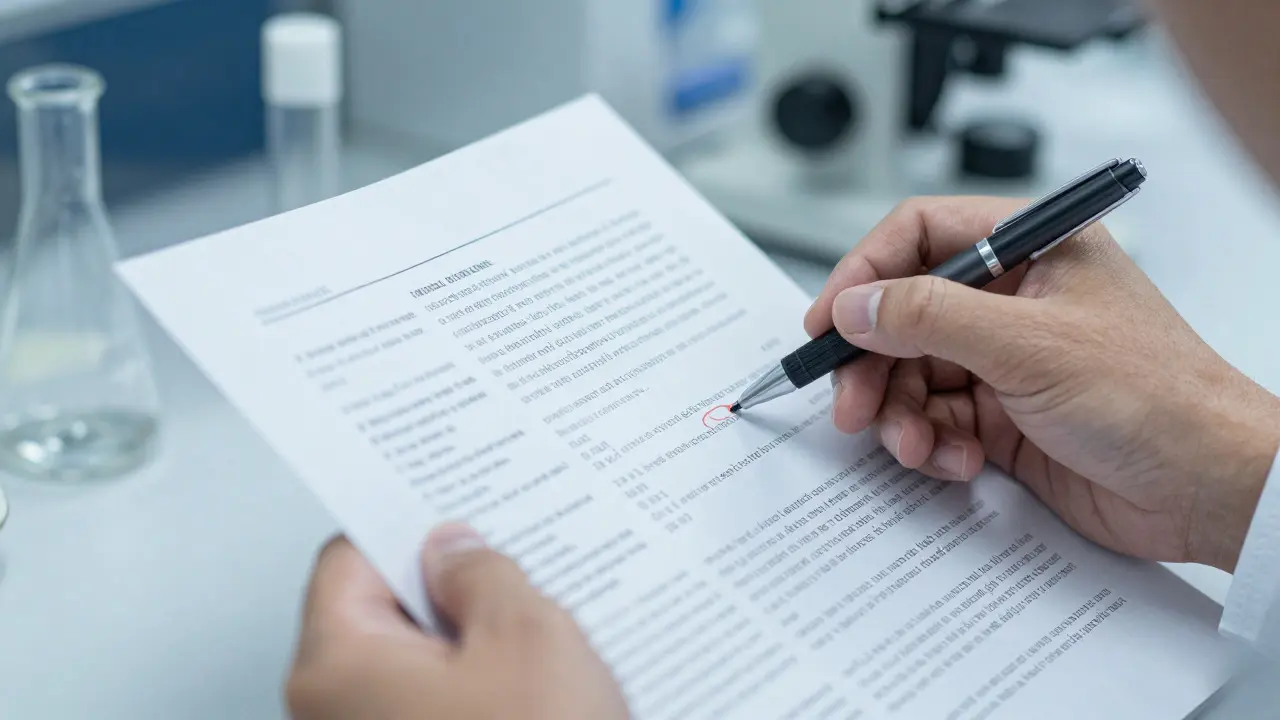
Forensic Report Revisions vs. Amendments: A Practical Guide
- By : Ian Brophy
- Date : Aug 17 2026
Learn how to correctly handle forensic report revisions and amendments. This guide covers documentation best practices, common pitfalls, and step-by-step workflows to ensure your reports stand up in court.
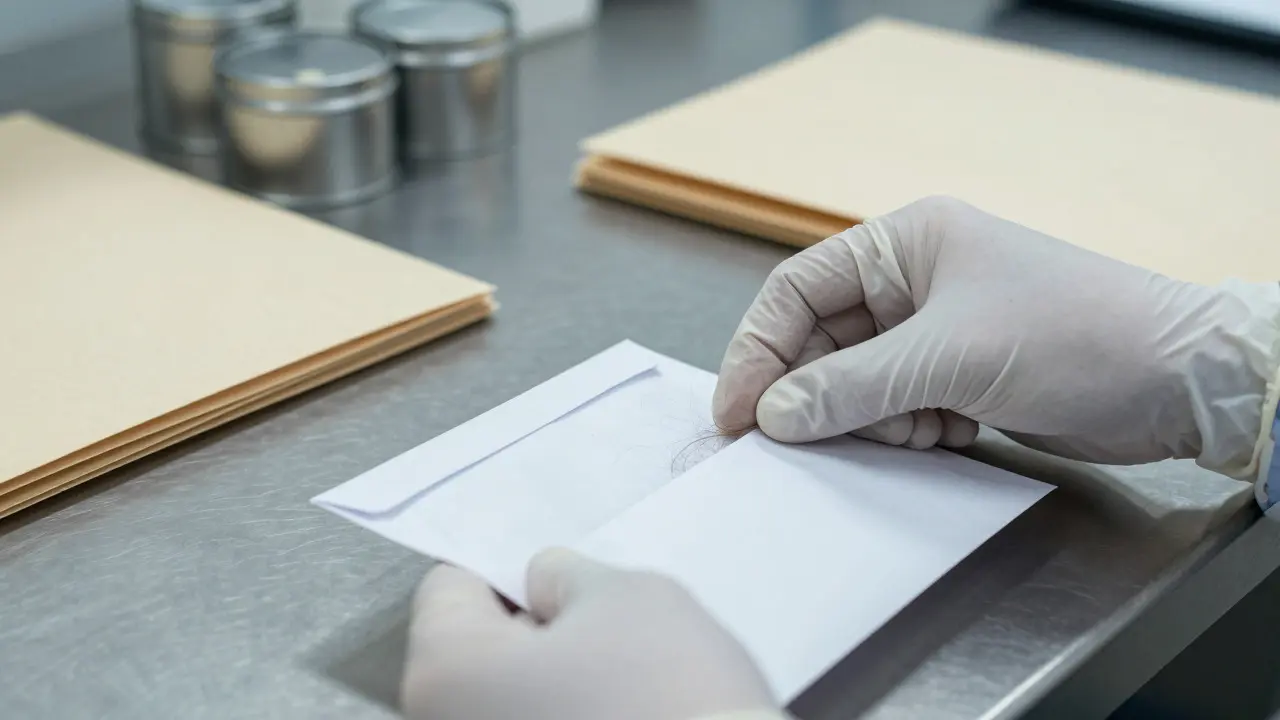
Packaging Trace Evidence: A Practical Guide to Preventing Loss and Contamination
- By : Ian Brophy
- Date : Aug 16 2026
Learn how to properly package trace evidence to prevent loss and contamination. Covers container selection, chain of custody, transport tips, and storage best practices for forensic integrity.
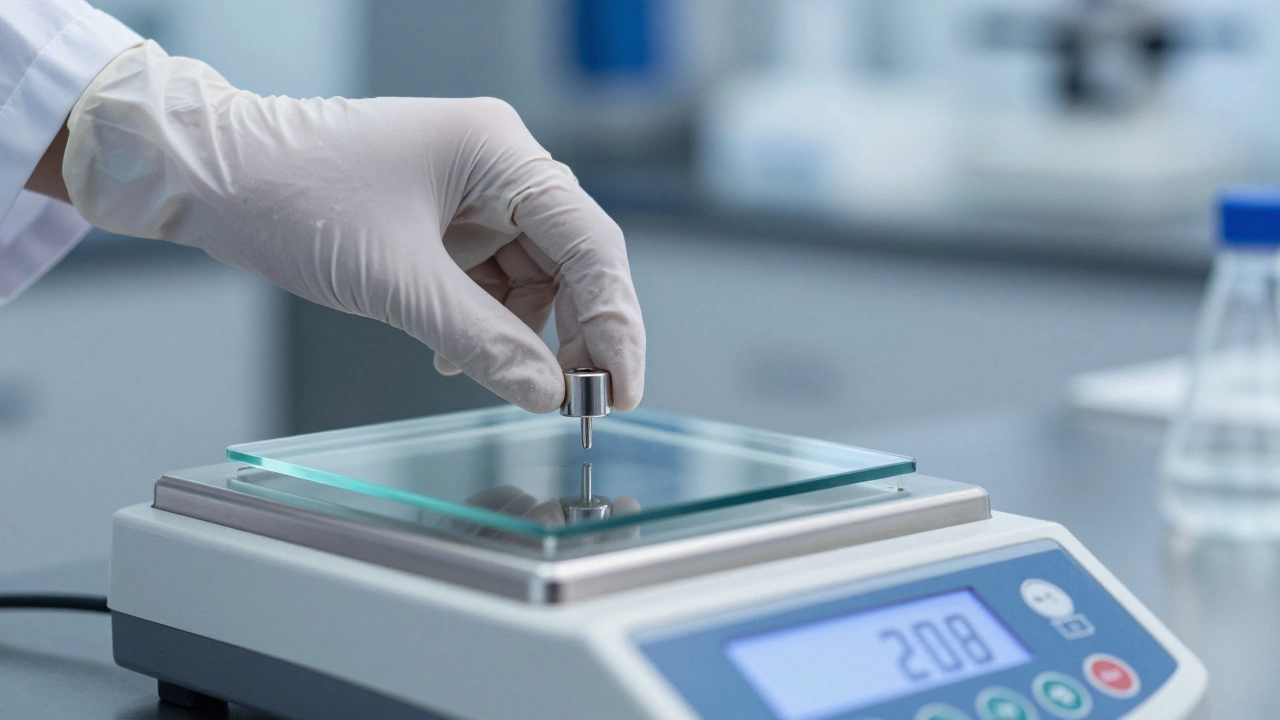
Equipment Calibration: Maintaining Laboratory Standards
- By : Ian Brophy
- Date : May 16 2026
Learn how to maintain laboratory standards through effective equipment calibration. We break down ISO/IEC 17025 requirements, the difference between NIST traceability and accreditation, and best practices for managing calibration intervals and uncertainty.
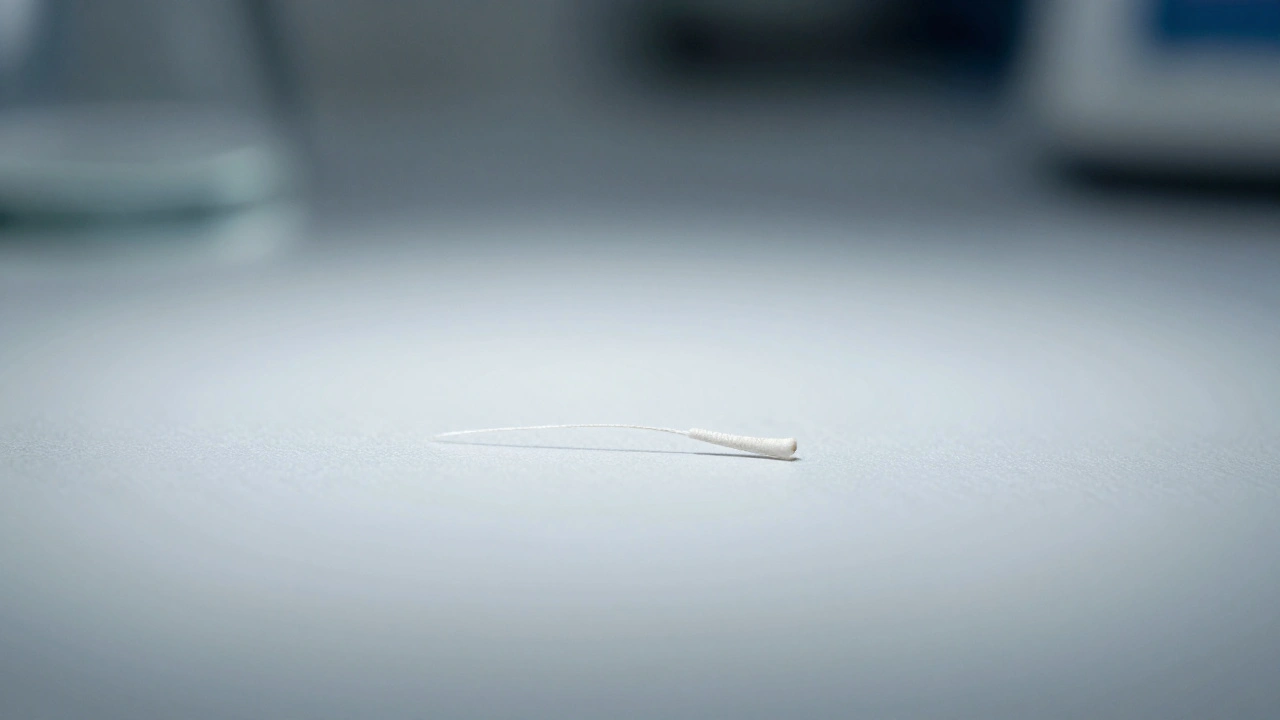
Contamination Controls in Trace Microlabs: A Practical Guide for Forensic Accuracy
- By : Ian Brophy
- Date : May 5 2026
Master contamination controls in trace microlabs with practical strategies for airflow, sterilization, and workflow design. Essential reading for forensic accuracy and ISO 17025 compliance.
Popular Posts
-
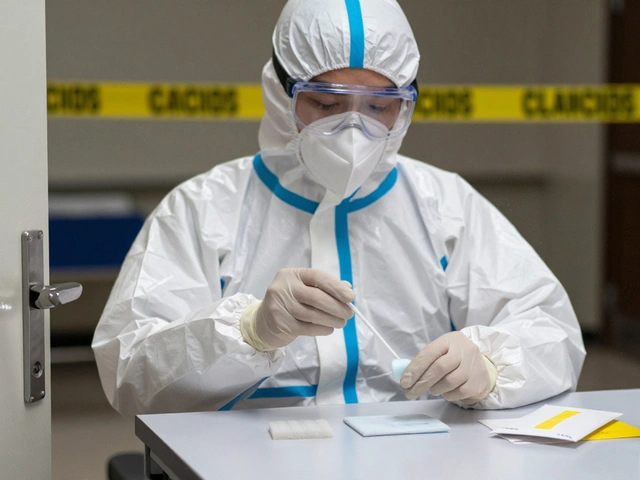
How DNA Evidence Is Collected at Crime Scenes
Feb 11 2026