Author: Ian Brophy - Page 28
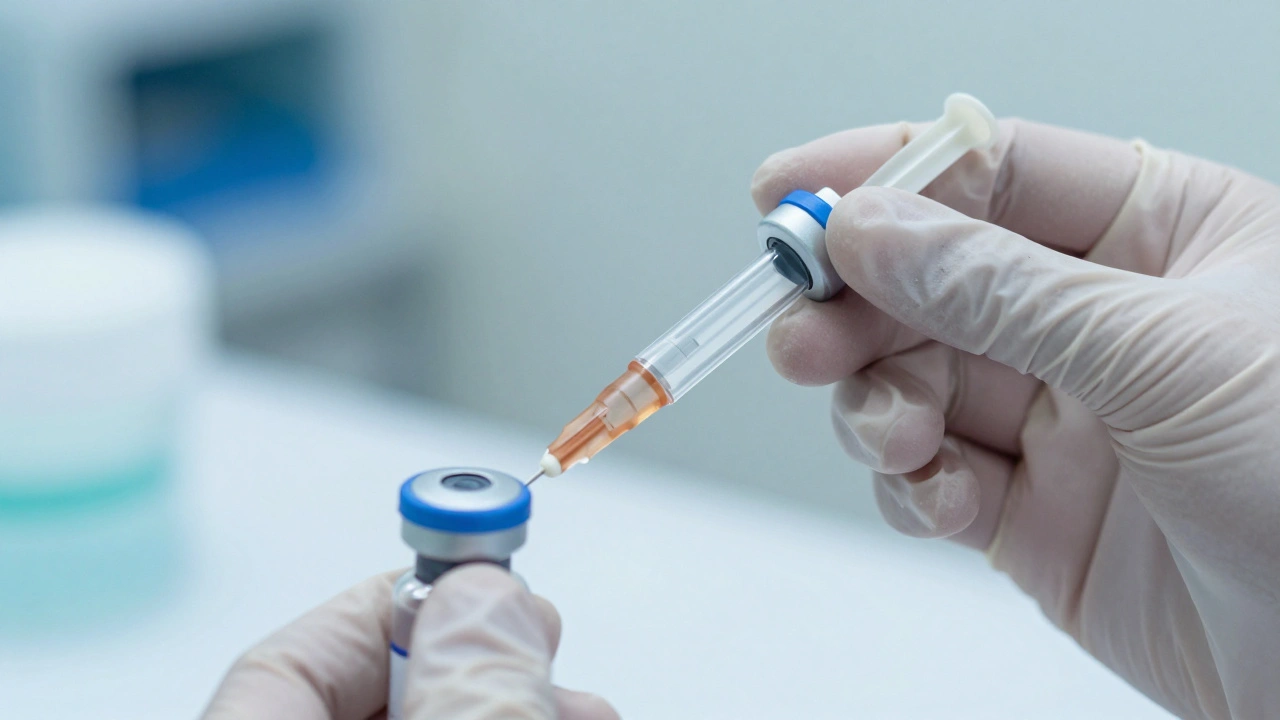
Bloodborne Pathogens: Health Risks, Transmission Routes, and Safety Protocols
- By : Ian Brophy
- Date : May 30 2026
Learn the facts about bloodborne pathogens, including transmission risks of HIV, Hepatitis B, and C. Discover essential safety protocols, PPE usage, and post-exposure steps for biohazard workers.
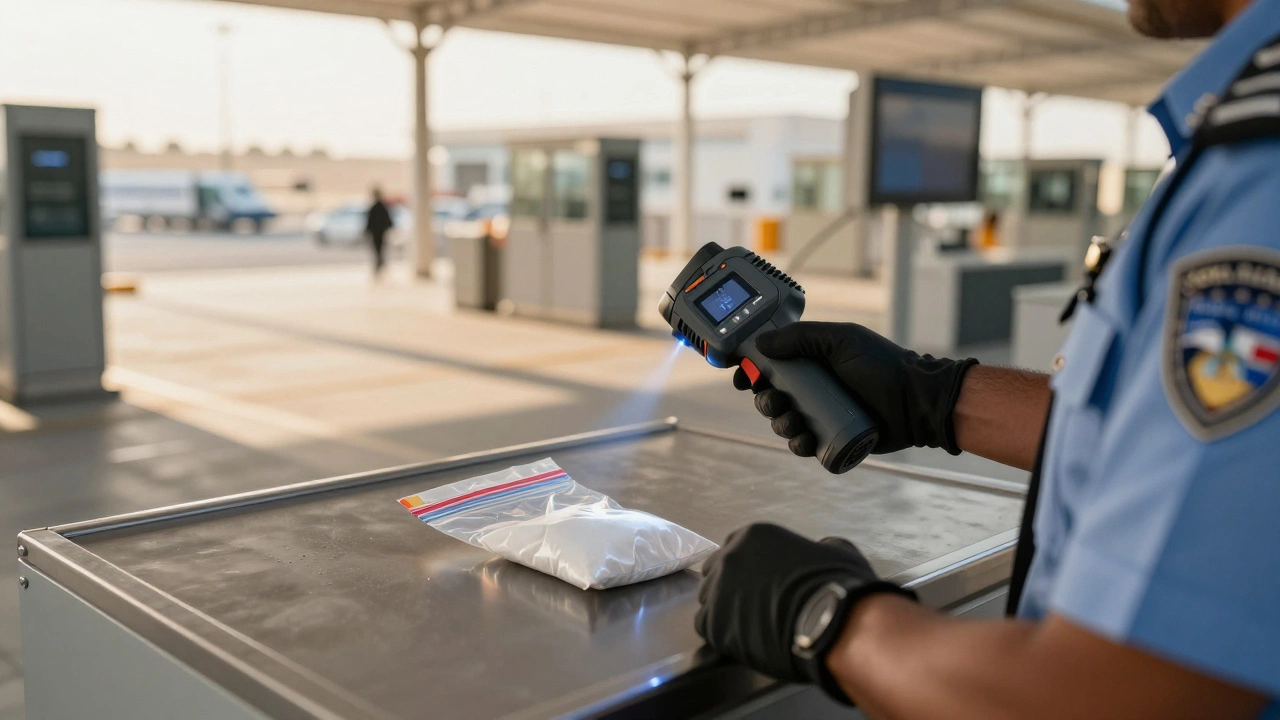
Field-Deployable Drug Analyzers: How Raman and FTIR Spectroscopy Are Changing Forensics
- By : Ian Brophy
- Date : May 29 2026
Explore how portable Raman and FTIR drug analyzers are replacing outdated color tests with precise molecular identification. Learn about performance metrics, limitations, and best practices for field deployment.

Soot and Smoke Movement: Ventilation-Driven Traces in Fire Investigation
- By : Ian Brophy
- Date : May 29 2026
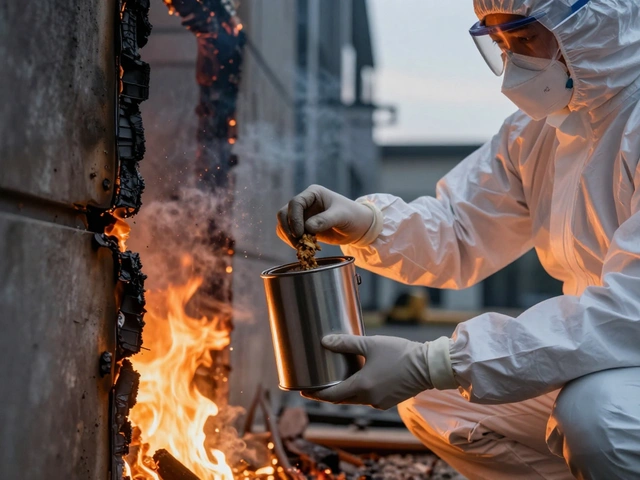
Explore how ventilation drives soot and smoke movement, creating deceptive traces in fire scenes. Learn to distinguish airflow patterns from true origin indicators using modern forensic science.

Recovered Unknowns: Reconciling Open Missing Cases with Forensic Data
- By : Ian Brophy
- Date : May 29 2026
Explore how recovered unknowns are reconciled with open missing cases using forensic data, NamUs, and international frameworks to bring closure to families.

Endangered Missing Persons: Assessing Risk Factors for Rapid Response
- By : Ian Brophy
- Date : May 28 2026
Learn how law enforcement identifies endangered missing persons using key risk factors like age, mental health, and environment to prioritize rapid response and save lives.

Fingerprinting Known Individuals: Step-by-Step Procedures for Ink and Live Scan
- By : Ian Brophy
- Date : May 28 2026
Learn the proper procedures for fingerprinting known individuals, including legal requirements, ink vs. live scan techniques, and quality control tips to avoid rejections.
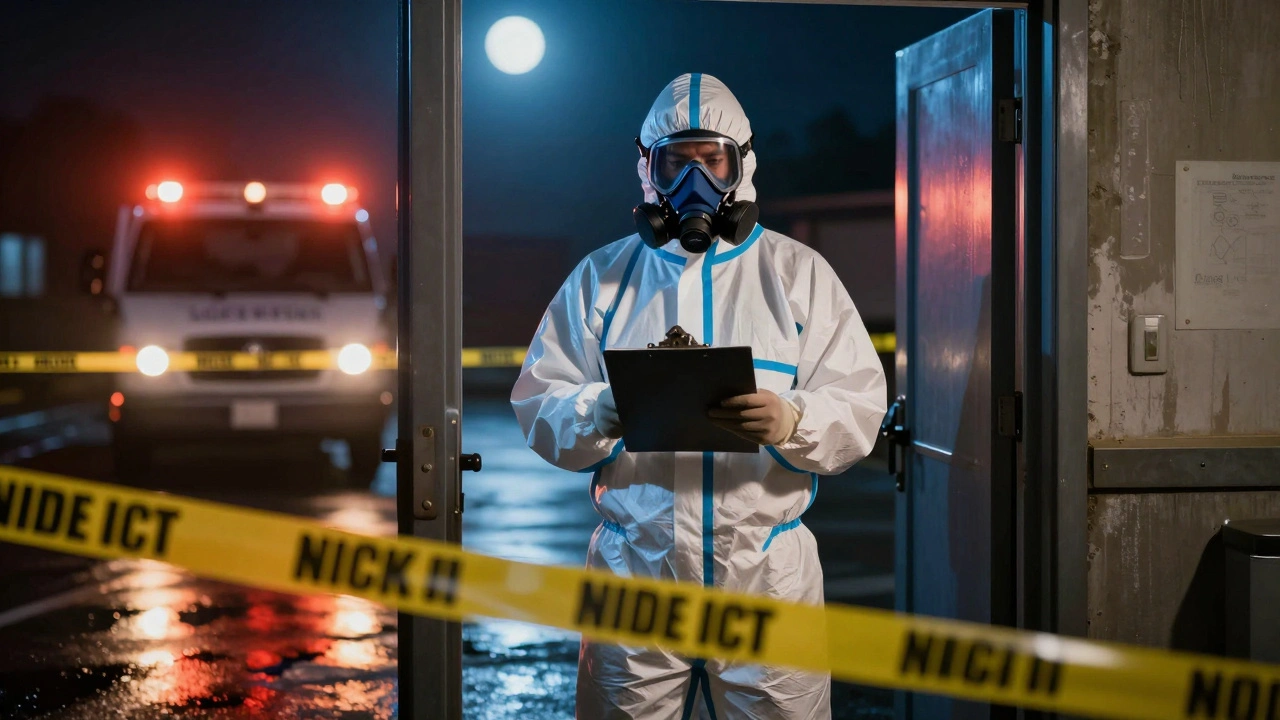
Crime Scene Hazard Assessment: Managing Chemical, Biological, and Structural Risks
- By : Ian Brophy
- Date : May 28 2026
Learn how to conduct a thorough crime scene hazard assessment. This guide covers biological, chemical, and structural risks, PPE selection, and the 5-step process to keep investigators safe.

Forensic Autopsy: A Step-by-Step Procedural Guide
- By : Ian Brophy
- Date : May 27 2026
Explore the step-by-step process of a forensic autopsy, from initial evidence collection to final reporting. Learn how forensic pathologists determine cause and manner of death while preserving critical legal evidence.

Online Predator Profiling: Decoding Grooming Tactics and Digital Red Flags
- By : Ian Brophy
- Date : May 27 2026
Explore the mechanics of online predator profiling, including the 5 stages of grooming and the 7 P's model. Learn to identify digital red flags, understand forensic analysis techniques, and protect children from exploitation.

NIBIN Database Explained: How the National Integrated Ballistic Information Network Solves Crime
- By : Ian Brophy
- Date : May 27 2026
Discover how the NIBIN database links crime guns across the US. Learn about ATF's ballistic imaging network, IBIS technology, and its role in solving violent crimes.

Bloodstain Pattern Analysis in Court: Expert Witness Challenges
- By : Ian Brophy
- Date : May 26 2026
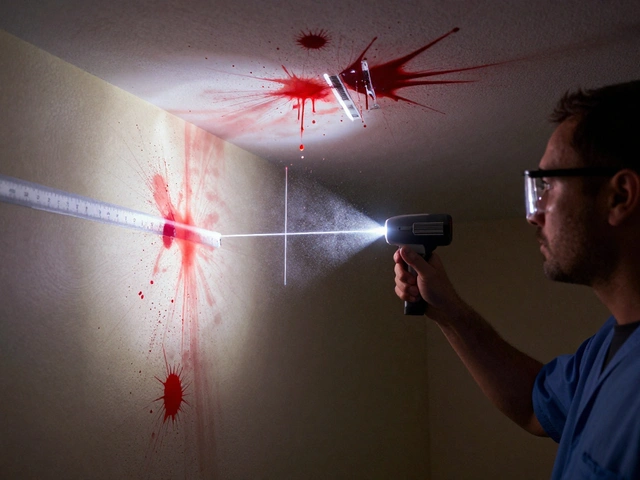
Explore the challenges of Bloodstain Pattern Analysis in court, including expert witness reliability, cognitive bias, and the impact of NIJ error rate studies on forensic testimony.
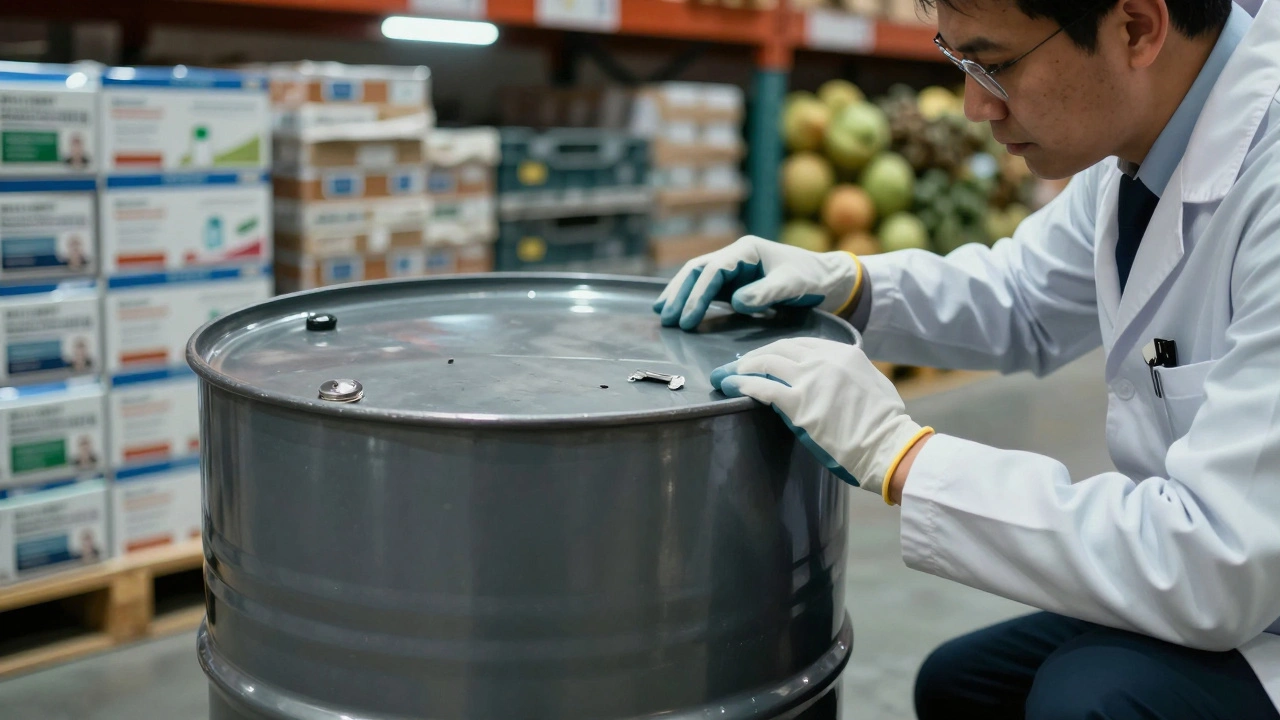
Sealed Container Integrity: Verifying Tamper Evidence for Chain of Custody
- By : Ian Brophy
- Date : May 26 2026
Learn how to verify tamper evidence in sealed containers to maintain chain of custody. Covers NSF/ANSI/CAN 60, NOP standards, seal types, and step-by-step inspection protocols.