Author: Ian Brophy - Page 27
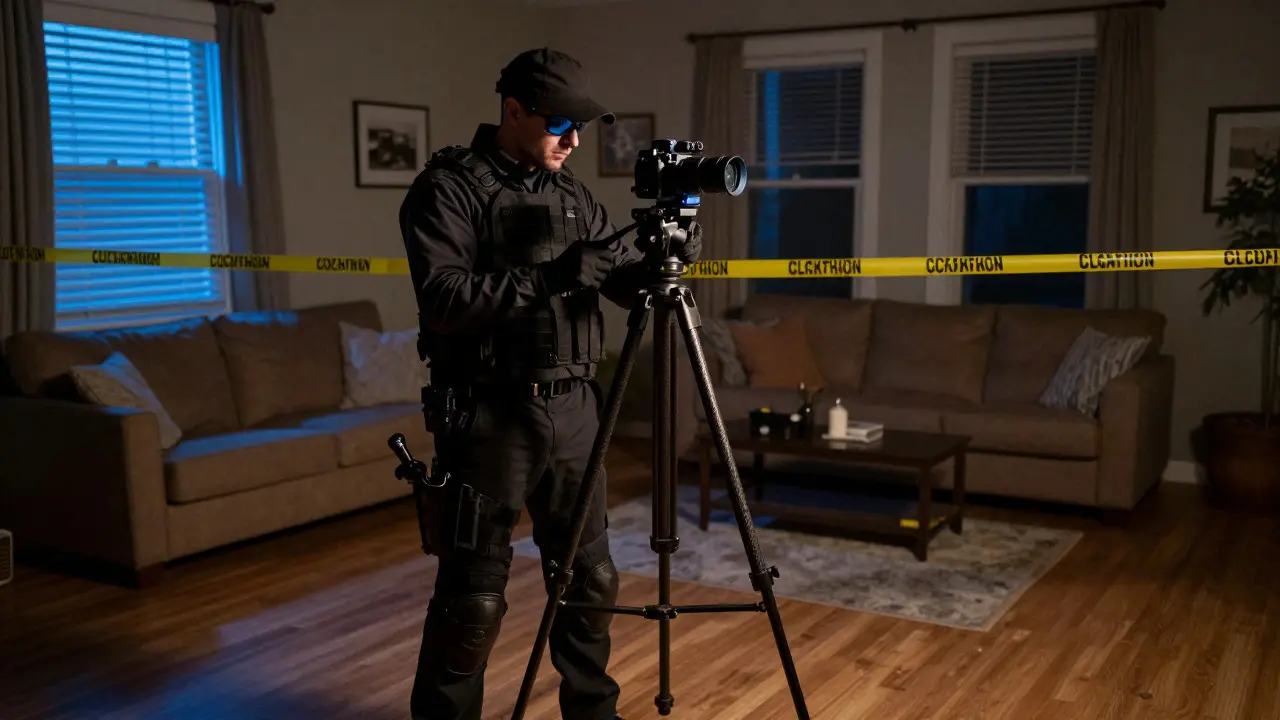
360-Degree Scene Imaging: Complete Guide to Capture and Presentation
- By : Ian Brophy
- Date : Aug 17 2026
Learn how 360-degree scene imaging transforms forensic documentation. Discover best practices for capture, processing, and court presentation to enhance investigative accuracy.
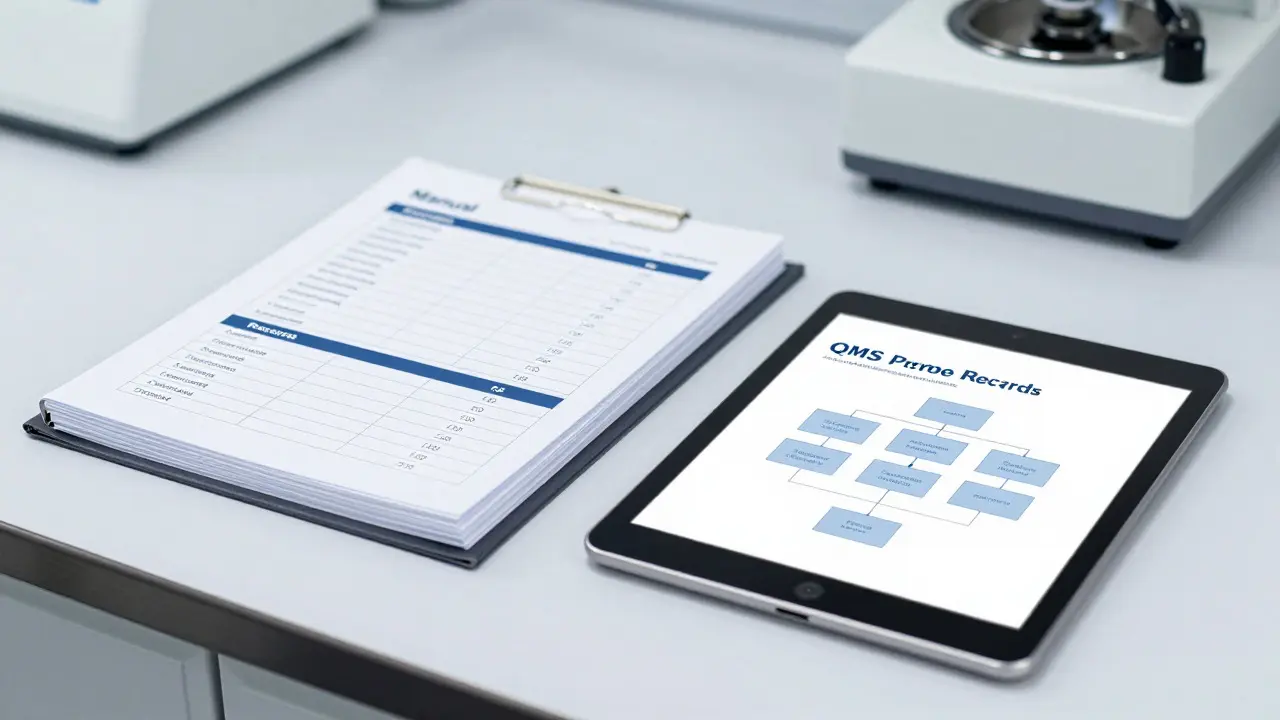
Lab Accreditation: Mastering Documentation Requirements and Record Maintenance Standards
- By : Ian Brophy
- Date : Aug 17 2026
Learn how to meet strict lab accreditation documentation requirements. We cover record maintenance standards, ISO/IEC 17025 compliance, and common audit pitfalls to help your lab pass with confidence.
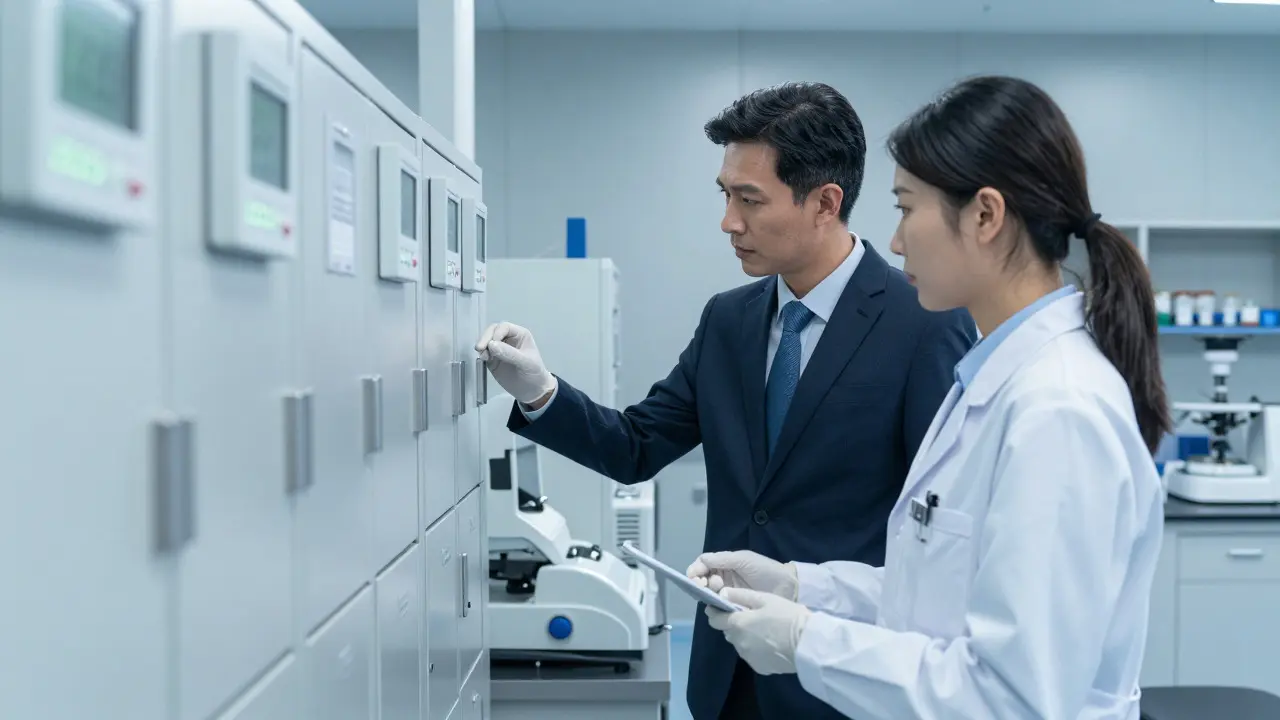
Third-Party Access in Forensics: Defense Inspections and Chain of Custody
- By : Ian Brophy
- Date : Aug 17 2026
Learn how forensic labs manage third-party access for defense inspections. Discover best practices for maintaining chain of custody integrity during supervised audits.
Body-Worn Camera Footage: Integrating with Scene Documentation
- By : Ian Brophy
- Date : Aug 17 2026
Learn how to seamlessly merge body-worn camera footage with traditional scene documentation. Discover workflows, tools, and legal tips to create unassailable evidence.
Archive Retrievals: How to Document Evidence Re-Examination Correctly
- By : Ian Brophy
- Date : Aug 17 2026
Learn how to handle archive retrievals correctly. This guide covers documenting evidence re-examination, maintaining chain of custody, and avoiding common pitfalls that void forensic findings.
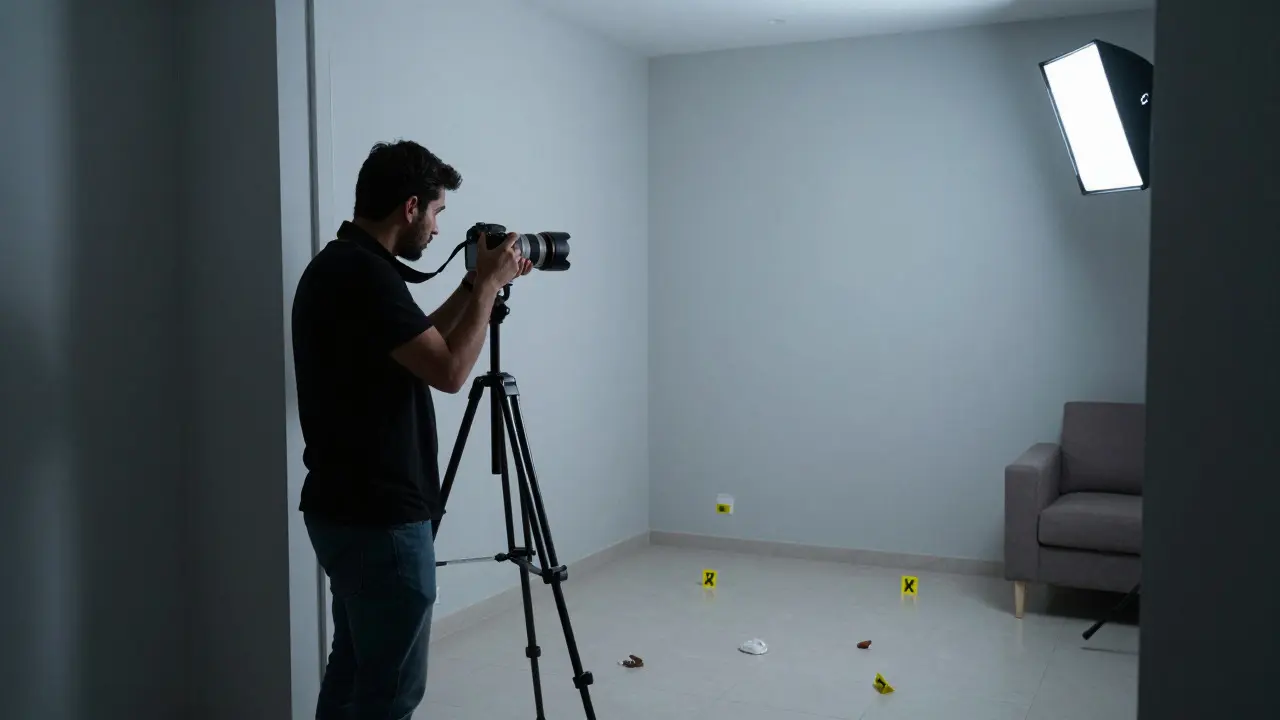
Wide-Angle Shots for Crime Scene Orientation: A Forensic Photography Guide
- By : Ian Brophy
- Date : Aug 17 2026
Learn how to use wide-angle shots to establish context in crime scene photography. This guide covers lens selection, avoiding distortion, and creating a coherent visual record for forensic investigations.
PCR Amplification in Forensics: How DNA Multiplication Works
- By : Ian Brophy
- Date : Aug 17 2026
Discover how PCR amplification transforms tiny forensic DNA samples into identifiable profiles. Learn about STRs, degradation challenges, and the future of DNA testing.
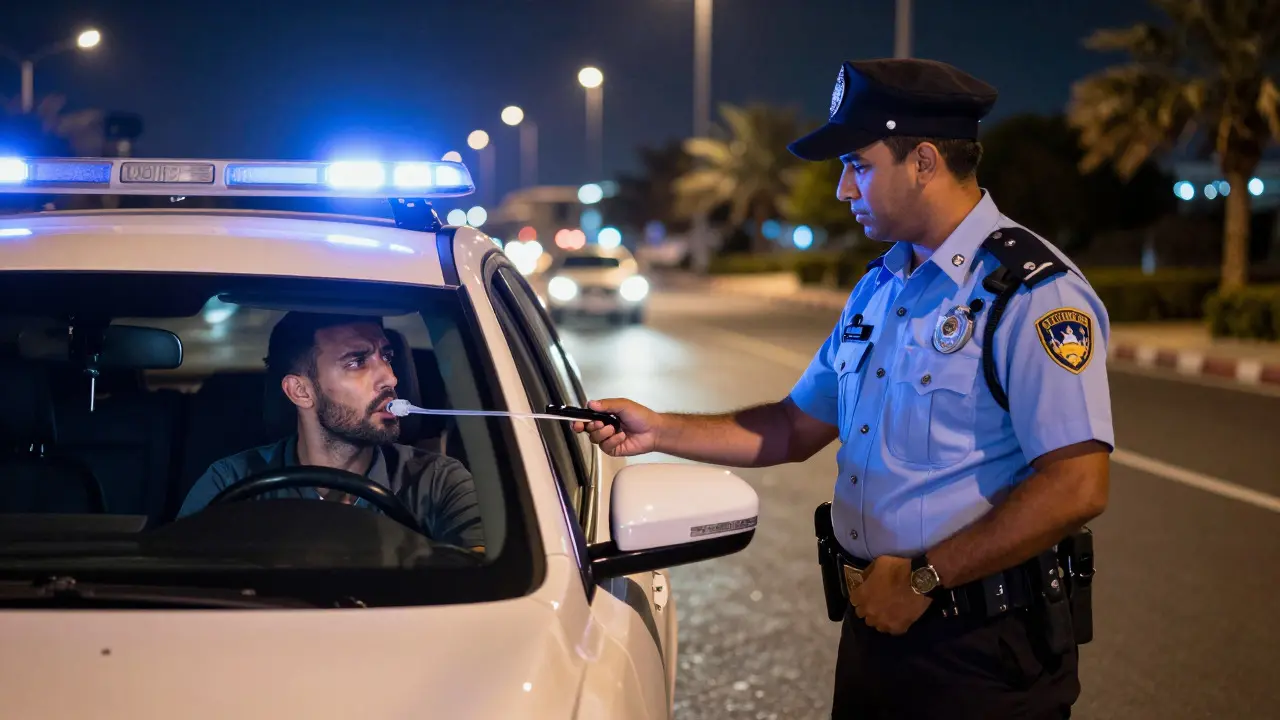
Alcohol Detection Methods: Breath, Blood, and Urine Testing Explained
- By : Ian Brophy
- Date : Aug 17 2026
Explore how breath, blood, and urine tests detect alcohol. Learn about the science, accuracy, and legal implications of each forensic toxicology method.
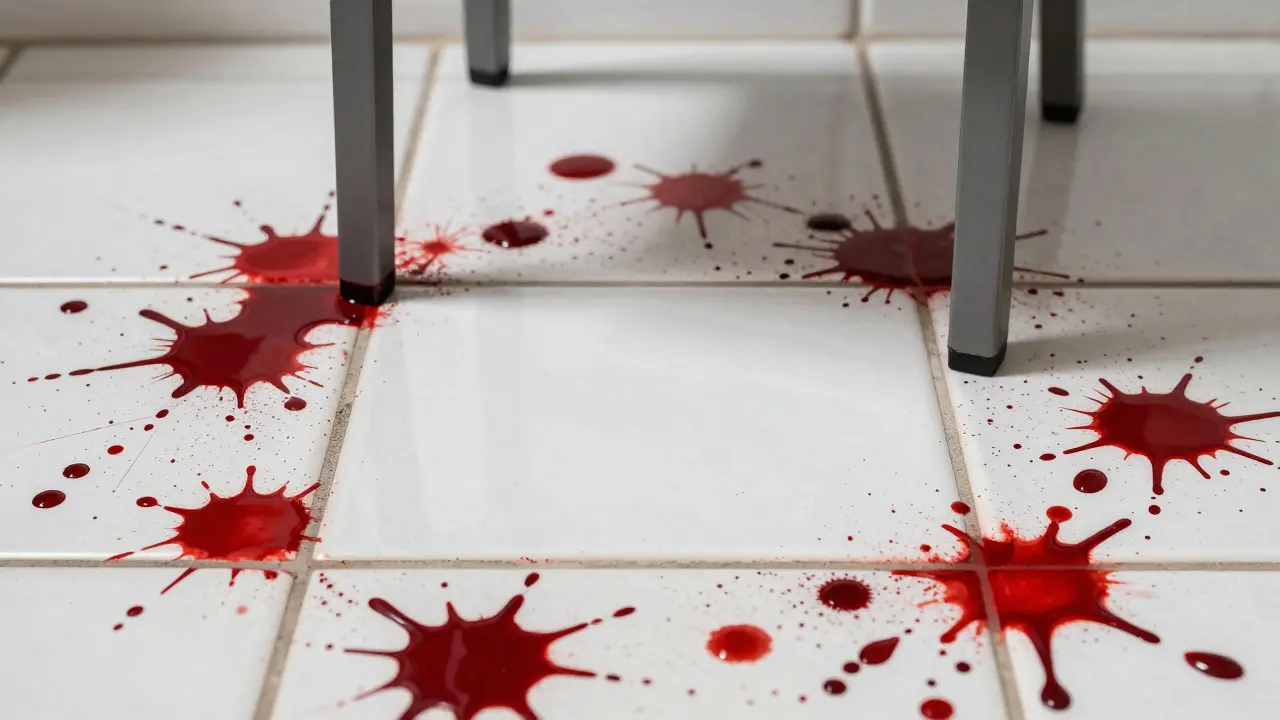
Void Patterns in Bloodstain Analysis: What Missing Blood Tells Investigators
- By : Ian Brophy
- Date : Aug 17 2026
Discover how void patterns in bloodstain analysis reveal hidden objects and actions at crime scenes. Learn the physics, detection methods, and legal implications of these crucial forensic clues.
Ethical Considerations in Criminal Profiling: Bias, Accuracy, and Fairness
- By : Ian Brophy
- Date : Aug 17 2026
Explore the ethical risks of criminal profiling, from cognitive bias to legal admissibility. Learn how to balance behavioral analysis with fairness and accuracy in modern investigations.
Runaway Youth: Risk Assessment and Recovery Strategies for Families
- By : Ian Brophy
- Date : Aug 17 2026
Learn how to assess the risk when a teenager runs away and discover practical steps to help bring them home safely. From contacting police to using social media, this guide covers essential recovery strategies.
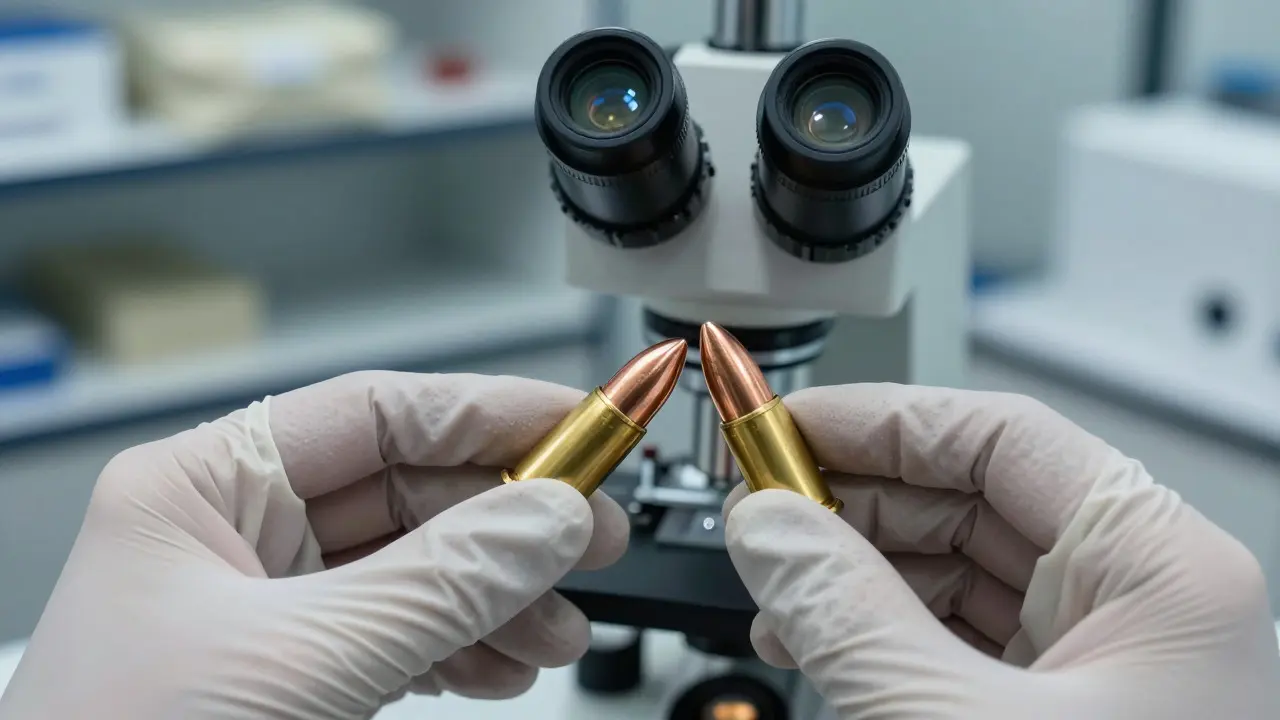
Ballistics Evidence Reliability: Admissibility Standards and Legal Challenges
- By : Ian Brophy
- Date : Aug 17 2026
Explore the reliability and admissibility of ballistics evidence in court. Learn about the Daubert standard, common challenges, and best practices for handling firearm evidence.