Behind the Crime Scene

SIEM and EDR Logs: Correlating Security Events for Faster Forensics
- By : Ian Brophy
- Date : Oct 25 2026
Discover how correlating SIEM and EDR logs transforms digital forensics. Learn practical strategies to bridge network and endpoint data for faster, accurate incident response.
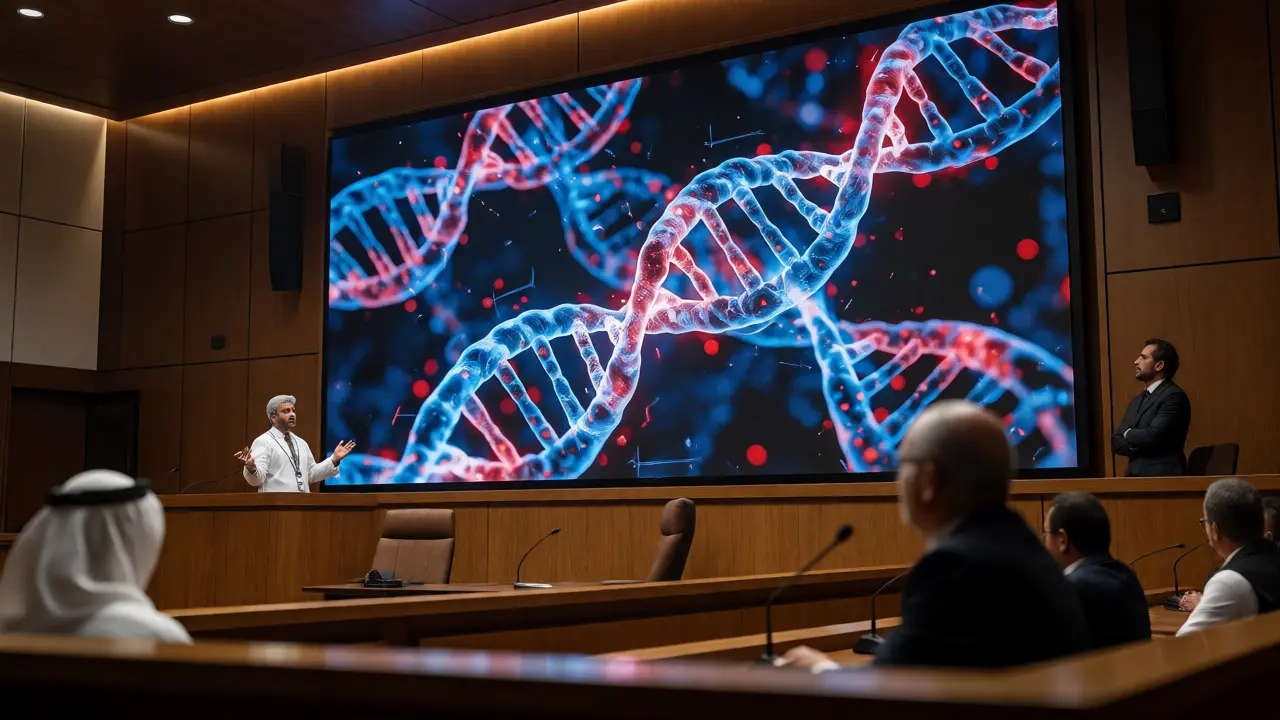
Courtroom Testimony: Explaining DNA Statistics to Jurors
- By : Ian Brophy
- Date : Oct 25 2026
Struggling to explain DNA stats to jurors? Learn how to translate RMP and Likelihood Ratios into clear, compelling testimony that avoids the prosecutor's fallacy.
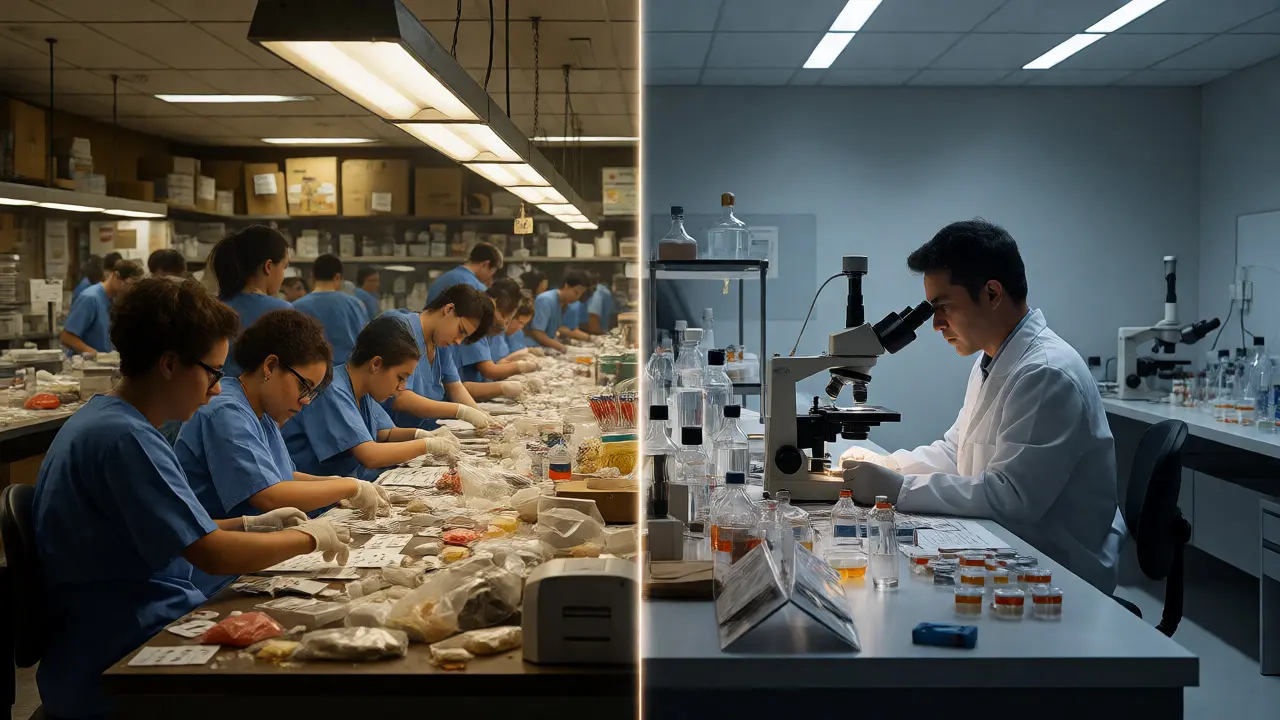
Federal vs. Local Forensic Careers: Roles and Requirements
- By : Ian Brophy
- Date : Oct 25 2026
Compare federal and local forensic science careers. Learn about salary differences, education requirements, daily work life, and which path fits your personality.

Child Abuse Autopsy Findings: Identifying Sentinel Injuries
- By : Ian Brophy
- Date : Oct 24 2026
Discover how sentinel injuries serve as critical early warnings in child abuse autopsies. Learn to identify key findings like posterior rib fractures and subdural hematomas.
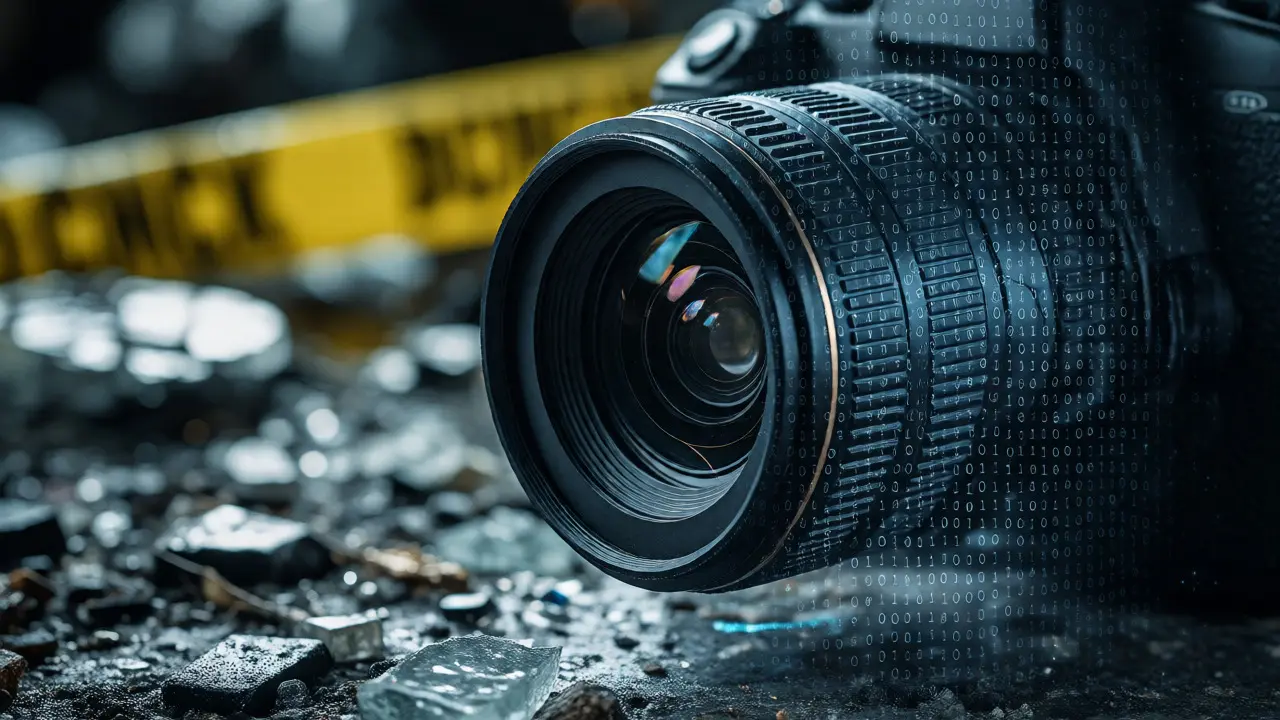
Image Hashing: Verifying Photo Authenticity in Court
- By : Ian Brophy
- Date : Oct 24 2026
Learn how image hashing verifies photo authenticity in court. Discover the difference between cryptographic and perceptual hashing, best practices for digital forensics, and how to ensure your evidence stands up to judicial scrutiny.
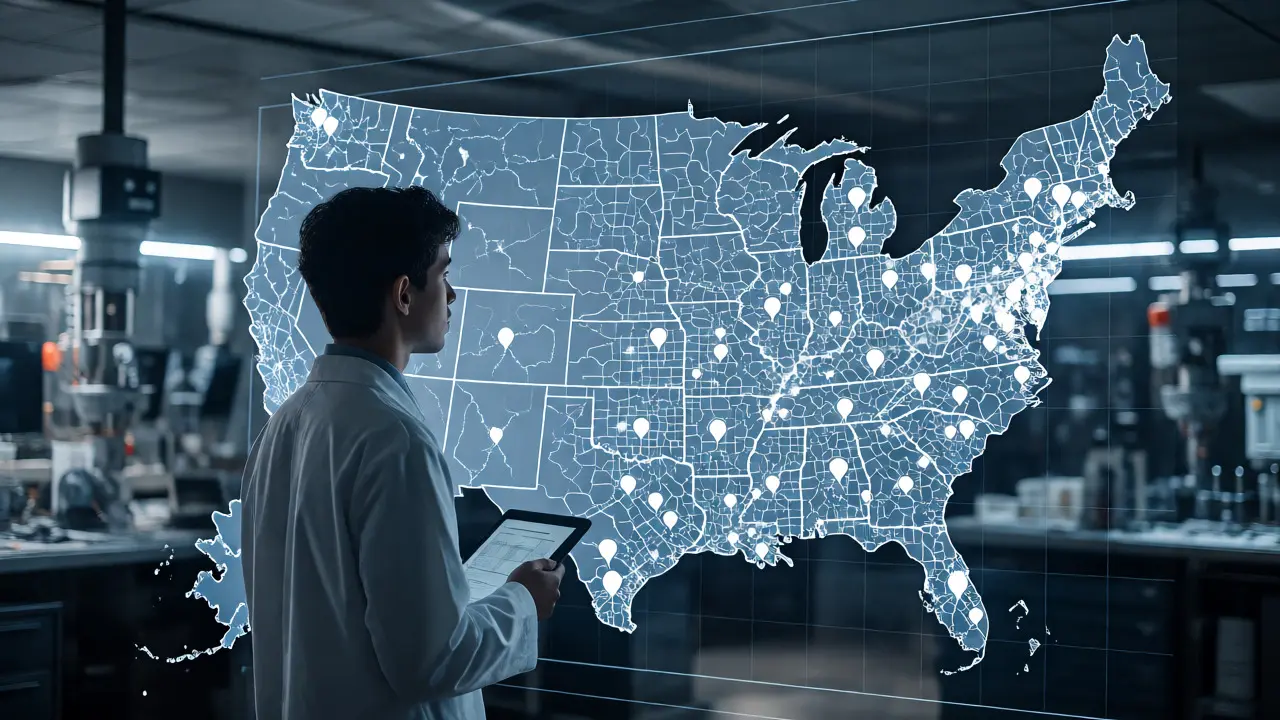
Relocation and Mobility in Forensic Career Advancement
- By : Ian Brophy
- Date : Oct 24 2026
Discover why geographic mobility is crucial for forensic career advancement. Learn how relocation impacts salary, specialization, and professional growth in this detailed guide.
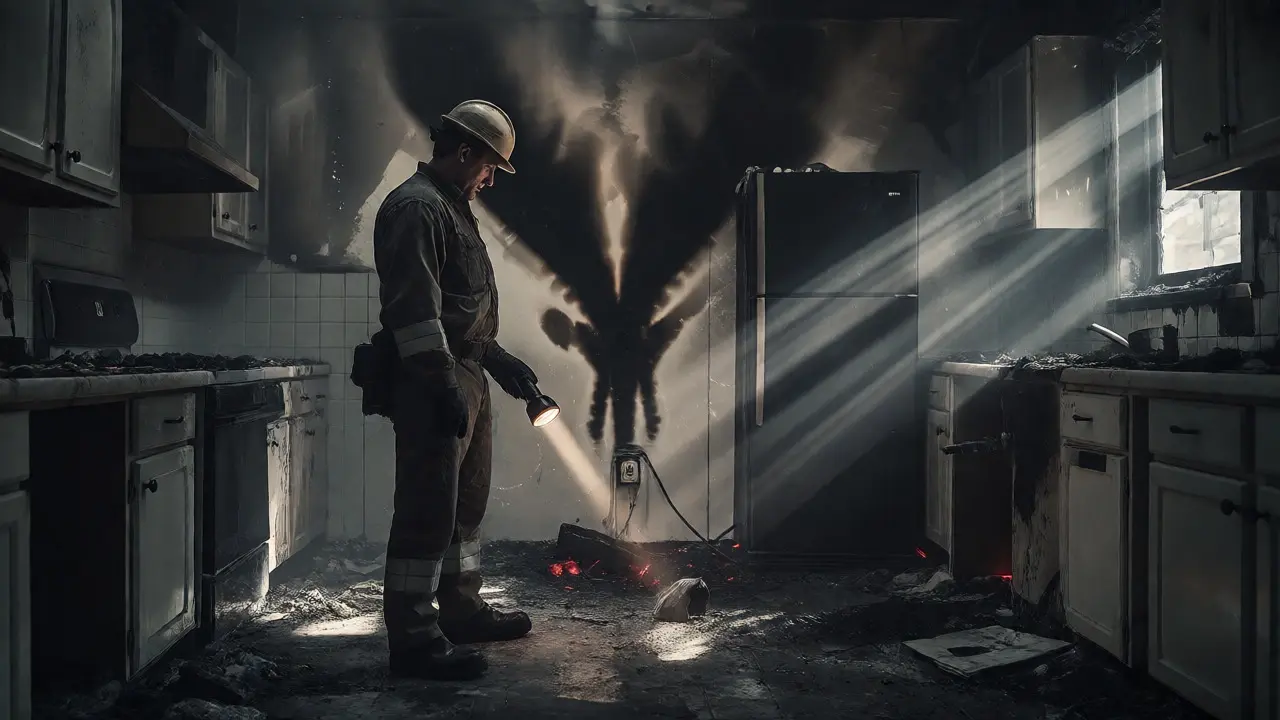
Negative Corpus: The Key to Avoiding Unsupported Fire Cause Conclusions
- By : Ian Brophy
- Date : Oct 14 2026
Learn how to use the negative corpus to avoid unsupported fire cause conclusions. Discover why ruling out alternatives is crucial for defensible fire investigations.
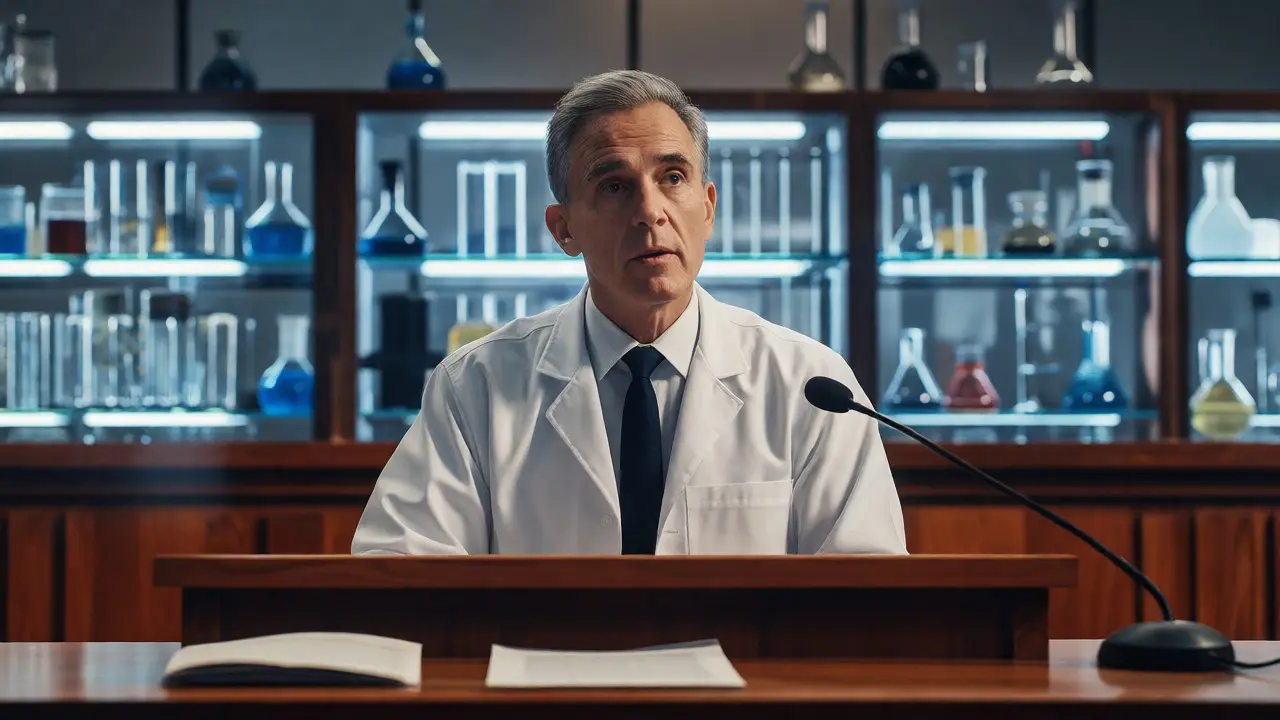
Expert Scope: Staying Within Scientific Method and Training
- By : Ian Brophy
- Date : Oct 14 2026
Learn how to keep your forensic testimony admissible by strictly adhering to the scientific method and your documented training. This guide covers Daubert standards, common pitfalls, and practical checklists for staying within expert scope.
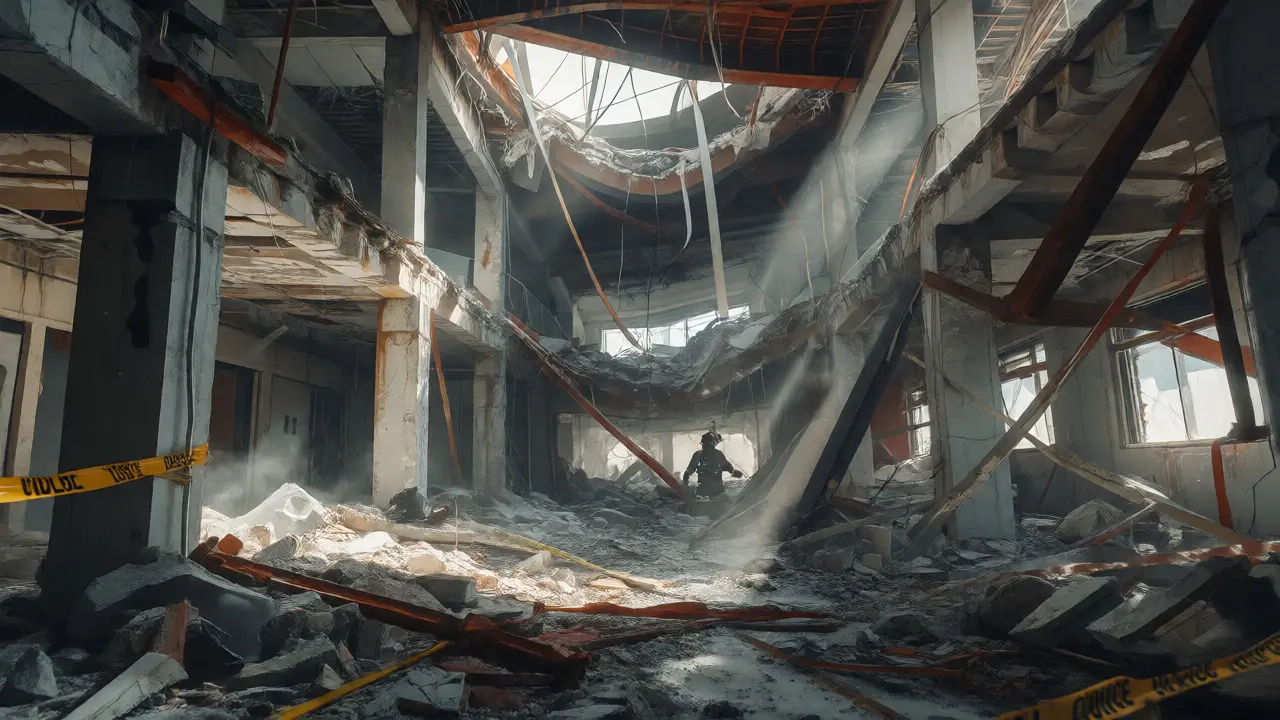
Explosion and Blast Scene Investigation Basics: A Field Guide
- By : Ian Brophy
- Date : Oct 14 2026
Learn the essentials of blast scene investigation, from ensuring safety and identifying the point of origin to collecting fragile residue evidence. This guide covers practical steps for preserving the scene and documenting damage patterns effectively.
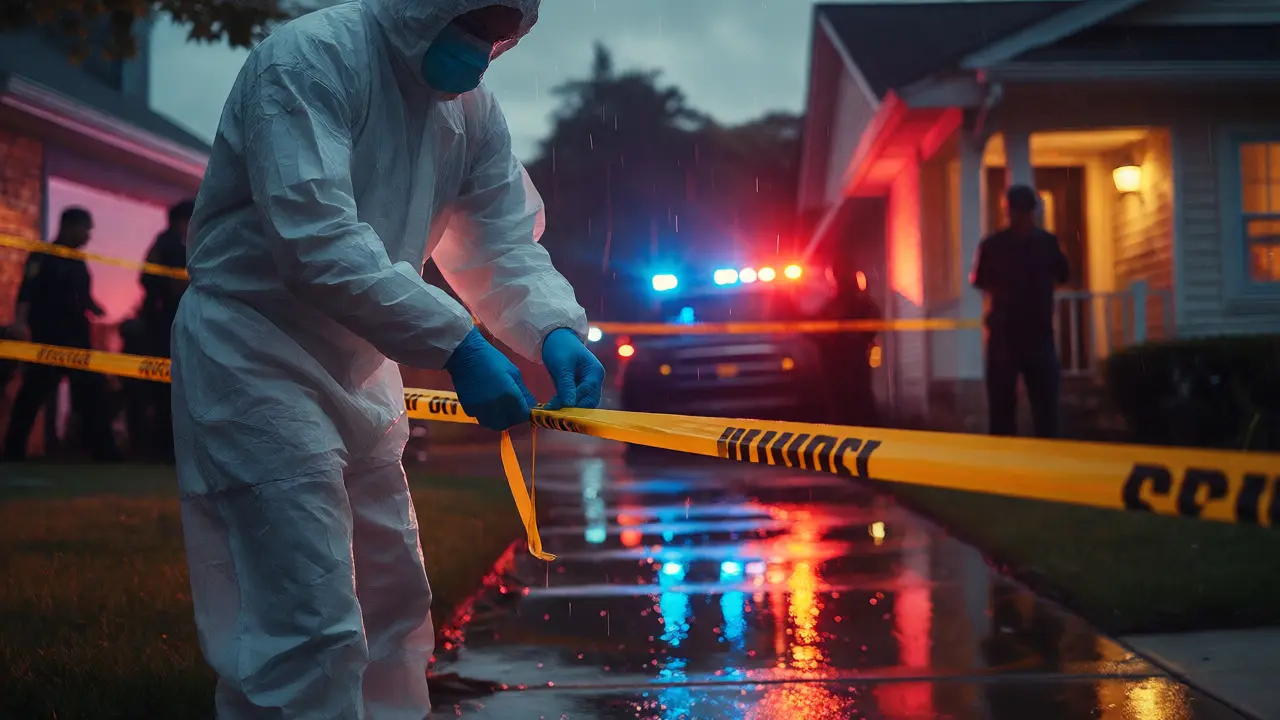
Time Management in Crime Scene Processing: A Practical Guide
- By : Ian Brophy
- Date : Oct 13 2026
Master time management in crime scene processing. Learn strategies for securing scenes, documenting evidence efficiently, and handling perishables to prevent case dismissal.
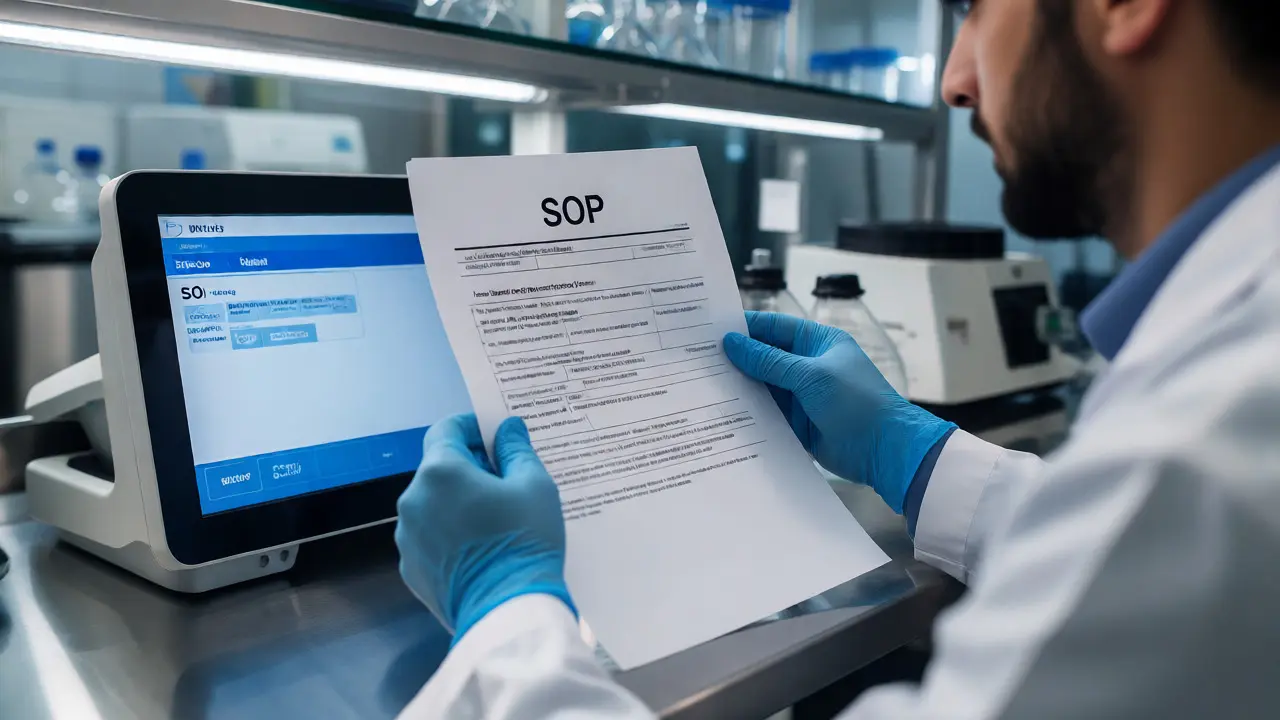
Lab Document Control: Mastering Versioning and Access for Accreditation
- By : Ian Brophy
- Date : Oct 13 2026
Master lab document control with effective versioning and access strategies. Learn how to prevent audit findings, manage revisions, and ensure compliance for lab accreditation.

Video Stabilization: Clarity Without Alteration Concerns
- By : Ian Brophy
- Date : Oct 13 2026
Learn how to stabilize shaky forensic video without compromising evidence integrity. Discover the risks of over-processing, essential tools, and court-admissible workflows.