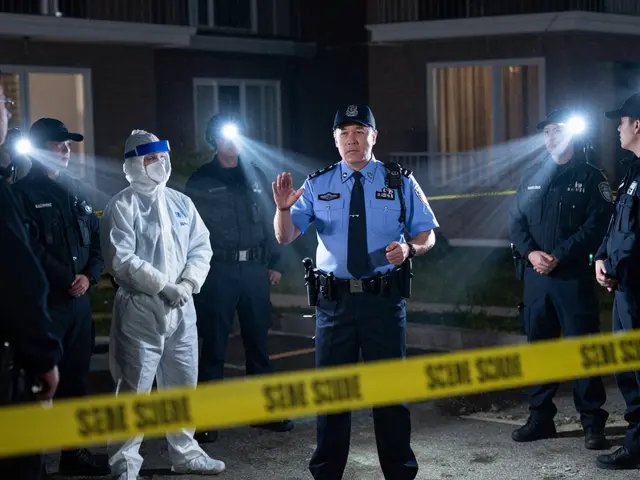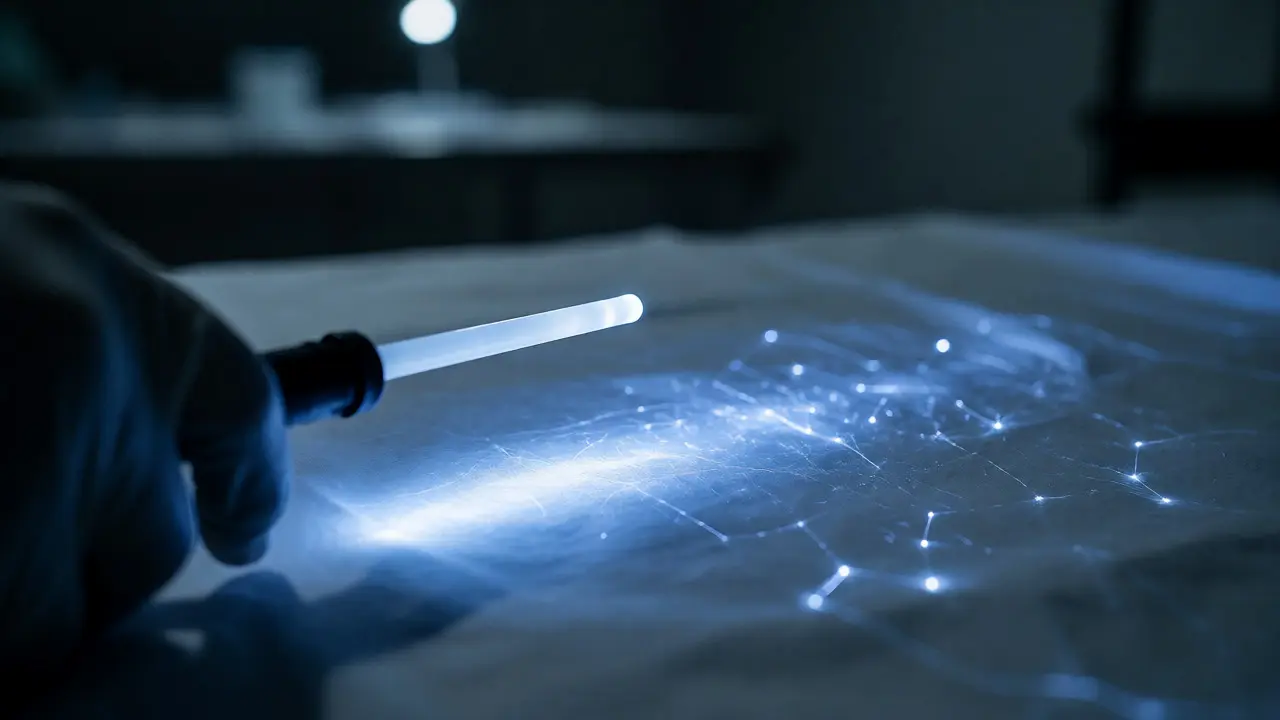
Imagine a room that has been thoroughly cleaned. To the naked eye, it looks spotless. But to a forensic scientist armed with an alternate light source and a swab kit, that same room is screaming with information. Trace evidence is often the silent witness in sexual assault investigations, bridging the gap between the victim’s account and physical reality. Unlike a smoking gun or a clear confession, trace materials are tiny-fibers, hairs, microscopic skin cells-but they carry massive weight in courtrooms today.
If you’re a law enforcement officer, a legal professional, or just someone fascinated by how cases are actually solved, understanding the role of these microscopic clues changes everything. It’s not just about finding DNA; it’s about reconstructing a timeline and proving contact occurred when no one was watching. This guide breaks down exactly how trace evidence works in these sensitive cases, what investigators look for, and why it matters more than ever in modern forensics.
The Core Value of Microscopic Clues
Why do we care about a single hair or a fragment of carpet fiber? Because Locard’s Exchange Principle states that every contact leaves a trace. In sexual assault cases, this principle is the foundation of the entire investigation. When two people interact intimately, they inevitably exchange materials. The perpetrator might leave behind their own biological material, but they also pick up something from the victim and the environment.
This bidirectional flow of evidence is critical. It doesn’t just place the suspect at the scene; it places them in specific contact with the victim. For instance, finding a unique synthetic fiber from the suspect’s jacket on the victim’s clothing creates a physical link that testimony alone cannot provide. It transforms a "he said, she said" scenario into a verifiable chain of custody involving physical objects.
What Counts as Trace Evidence?
When people hear "forensic evidence," they usually think of blood or semen. While those are vital, trace evidence encompasses a broader, more subtle category of materials. These are small enough to be overlooked but significant enough to prove contact.
- Fibers: Natural (cotton, wool) or synthetic (polyester, nylon). They transfer easily through friction and static.
- Hairs: Human or animal. Even without the root (which contains nuclear DNA), the shaft can provide mitochondrial DNA or morphological comparison data.
- Glass Fragments: Tiny shards from broken windows or bottles that can match refractive indices.
- Soil and Pollen: Specific to geographic locations. If a suspect claims they were never in a rural area, but pollen from that exact region is found on their shoes, their alibi crumbles.
- Paint Chips: Often relevant if the assault involved a vehicle or a location with peeling paint.
In Portland, where urban environments mix with dense forests, soil composition and local vegetation types become powerful contextual clues. A speck of dirt isn’t just dirt; it’s a fingerprint of the ground itself.
The Collection Process: Precision Under Pressure
Collecting trace evidence during a sexual assault exam is a delicate balancing act. You have a trauma-informed approach to follow, ensuring the victim’s comfort while preserving scientific integrity. If you rush, you contaminate. If you wait too long, environmental factors degrade the samples.
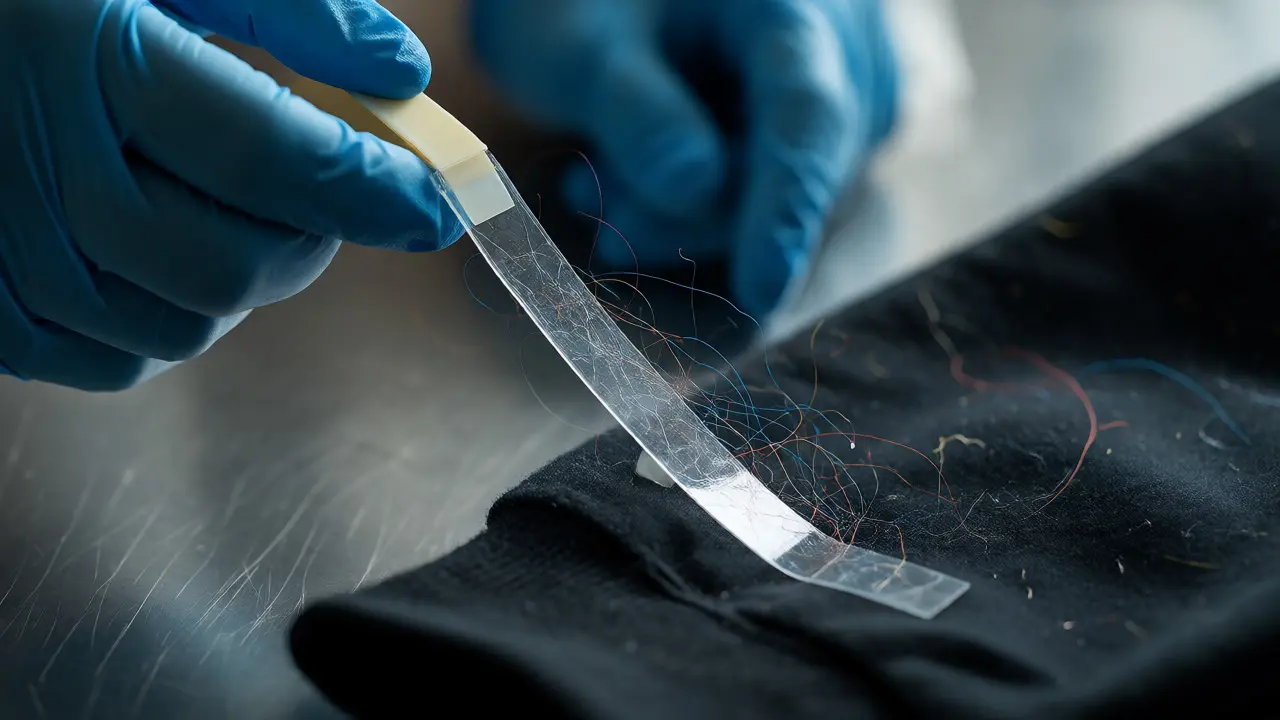
Investigators typically use tape lifts, vacuum systems, and careful brushing techniques. Tape lifting is common for fibers and loose debris because it captures surface-level transfers effectively. However, it requires a steady hand. Overlapping tape strips can obscure layers of evidence, making it hard to determine which material was deposited first. This chronological layering helps establish the sequence of events.
Biological samples like saliva or sweat stains require different handling. Swabs must be dried properly before packaging to prevent mold growth, which destroys DNA. In sexual assault kits (SAKs), collectors often take multiple swabs from various body areas. Each swab represents a potential snapshot of who touched whom and when.
Analyzing the Data: From Lab to Courtroom
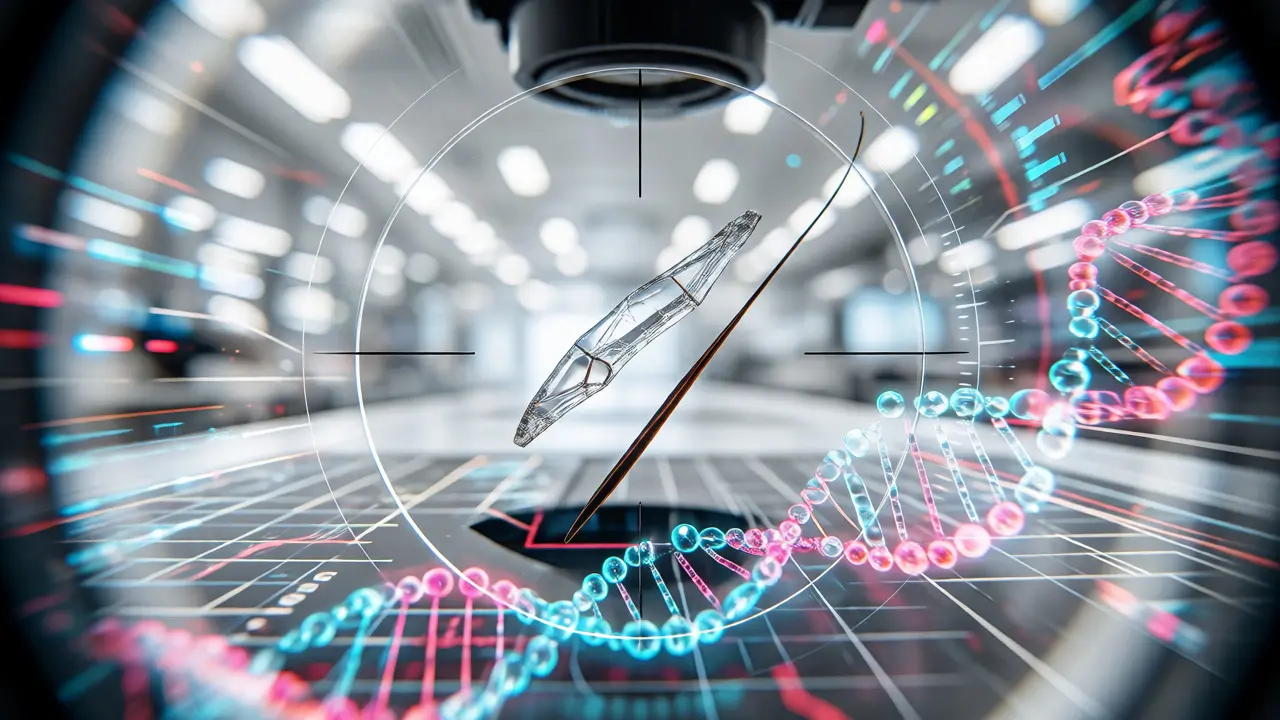
Once collected, the evidence heads to the lab. Here, forensic analysts use microscopy, spectroscopy, and genetic testing to identify sources. Fiber analysis, for example, involves comparing the cross-section shape, color, and chemical composition of the questioned fiber against known standards. If a suspect’s shirt is made of a rare blend of acrylic and spandex, and that exact blend is found on the victim, the probability of coincidence drops significantly.
DNA analysis has revolutionized this field. Modern STR (Short Tandem Repeat) profiling can generate a profile from minute amounts of biological material. But here’s the catch: trace evidence often yields low-template DNA. This means the sample is degraded or mixed. Interpreting these results requires expertise. A mixture of three contributors’ DNA is far harder to untangle than a single-source sample. Analysts must rely on statistical probabilities rather than absolute certainties, presenting findings as likelihood ratios instead of simple matches.
| Evidence Type | Transfer Mechanism | Analysis Method | Probative Value |
|---|---|---|---|
| Synthetic Fibers | Friction, Static | Microscopy, FTIR Spectroscopy | High (if unique manufacturer) |
| Human Hair | Contact, Shedding | Morphology, mtDNA | Moderate-High (context dependent) |
| Pollen/Spores | Airborne, Ground Contact | Palynology | High (geographic specificity) |
| Saliva/Sweat | Biological Transfer | STR DNA Profiling | Very High (individual identification) |
Challenges and Controversies
No method is perfect. One major hurdle in sexual assault investigations is secondary transfer. Could the victim’s hair end up on the suspect’s pillow because they slept there previously, not because of the assault? Or could the suspect’s fiber be on the victim’s coat because they rode the same bus? Context is king.
Juries sometimes misunderstand the certainty of forensic science. They expect CSI-style clarity, where a red laser points to the culprit. In reality, trace evidence provides associative value. It supports a hypothesis; it rarely proves guilt in isolation. Defense attorneys often exploit this ambiguity, arguing that innocent explanations exist for every piece of transferred material. Investigators must anticipate these arguments by documenting the environment meticulously. Was the window open? Were pets present? Did the victim change clothes immediately after the incident?
Backlogs in sexual assault kits remain a critical issue nationwide. As of recent reports, hundreds of thousands of kits sit untested across the US. Every day a kit sits on a shelf is a day memories fade and suspects move on. Advocacy groups push for faster processing times, recognizing that timely justice is part of healing.
Best Practices for Investigators
To maximize the utility of trace evidence, follow these protocols:
- Document Before Collecting: Photograph the scene and the victim’s clothing under normal light and alternate light sources (ALS) before any disturbance occurs.
- Control Contamination: Use fresh gloves for each step. Change tools between victims or suspects. Never reuse tape strips.
- Correlate with Testimony: Ask specific questions about clothing worn, surfaces contacted, and movements made. This context guides where to look for trace materials.
- Preserve Chain of Custody: Label every package clearly. Note who handled it, when, and why. A break in this chain can render evidence inadmissible.
Remember, trace evidence is fragile. Heat, humidity, and time are its enemies. In Oregon’s damp climate, drying biological samples quickly is essential to prevent degradation. Using silica gel packets in storage containers can help absorb excess moisture, preserving the integrity of the sample until lab analysis.
The Future of Forensic Trace Analysis
Technology is evolving rapidly. Next-generation sequencing allows for more detailed analysis of microbial communities on skin, potentially identifying individuals even without traditional nuclear DNA. Machine learning algorithms are being trained to compare fiber databases faster and more accurately than human eyes can. These advancements promise to reduce subjectivity in forensic reporting.
Moreover, non-destructive testing methods allow labs to preserve samples for future re-testing. This is crucial given the statute of limitations extensions in many states for sexual assault crimes. Evidence preserved today might solve a cold case decades from now.
Can trace evidence prove sexual assault occurred?
Trace evidence alone rarely proves sexual assault definitively. Instead, it corroborates other evidence by showing physical contact between parties. It strengthens the overall case narrative but is usually presented alongside biological markers like spermatozoa or DNA profiles.
How long does trace evidence last on clothing?
There is no fixed expiration date. Fibers can persist for weeks if the clothing remains undisturbed and dry. Biological traces degrade faster due to bacterial action and moisture. Immediate preservation is key to maintaining evidentiary value.
What is secondary transfer and why does it matter?
Secondary transfer occurs when evidence moves from person A to B, then to C, without direct contact between A and C. It matters because it can create false links. Investigators must consider alternative pathways for how evidence arrived at a location to avoid misinterpretation.
Do all sexual assault kits include trace evidence analysis?
Not always. Standard SAKs prioritize biological sampling for DNA. Trace evidence collection (like fiber picking) depends on investigator discretion and available resources. Some jurisdictions mandate comprehensive trace collection, while others focus primarily on serology and DNA.
How is fiber evidence compared in the lab?
Analysts use polarized light microscopy to examine optical properties and Fourier Transform Infrared (FTIR) spectroscopy to identify chemical composition. If both physical and chemical characteristics match, the fibers are considered consistent with the source, though not necessarily identical.